



![[Add - on] Jackery Manual Transfer Switch for Explorer 5000 Plus - Jackery](http://www.jackery.com/cdn/shop/files/add-on-jackery-manual-transfer-switch-for-explorer-5000-plus-9017324.png?v=1754016782&width=350)


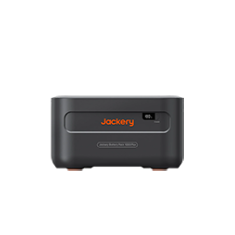
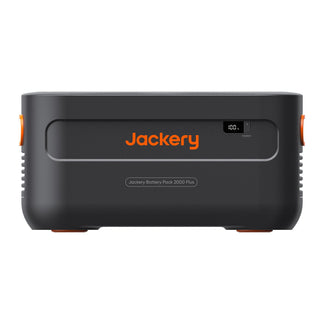
![[Add - on] Jackery Battery Pack 5000 Plus - Jackery](http://www.jackery.com/cdn/shop/files/add-on-jackery-battery-pack-5000-plus-6078351.png?v=1754016791&width=324)
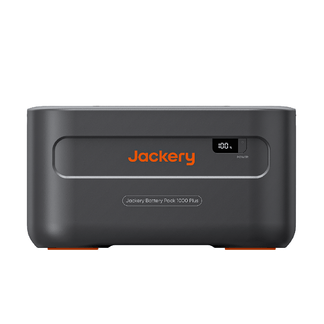
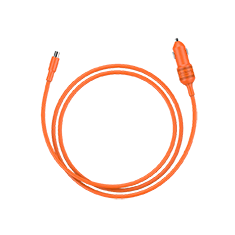
![[Add - on] Jackery Car Charging Cable - Jackery](http://www.jackery.com/cdn/shop/files/add-on-jackery-car-charging-cable-3882421.png?v=1754016863&width=324)

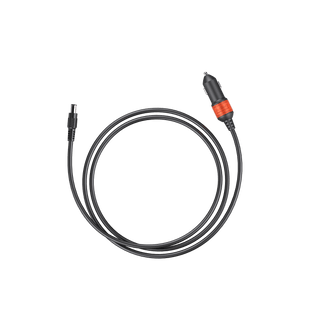
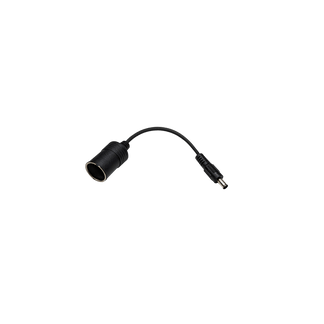
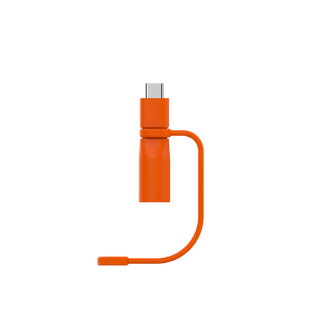
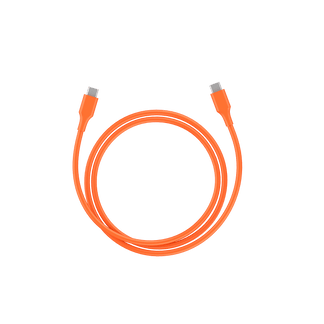

![[Add - on] Jackery Smart Transfer Switch - Jackery](http://www.jackery.com/cdn/shop/files/add-on-jackery-smart-transfer-switch-5842915.png?v=1754016784&width=324)
![[Add - on]Jackery 102W GaN 3 - Port Fast Charger - Jackery](http://www.jackery.com/cdn/shop/files/add-onjackery-102w-gan-3-port-fast-charger-6377742.png?v=1754016790&width=324)


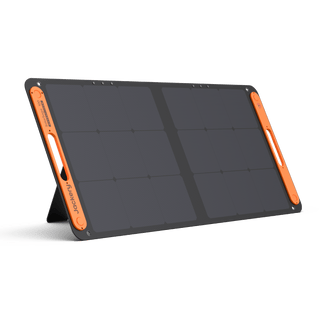
![[Add - on] SolarSaga 200W - Jackery](http://www.jackery.com/cdn/shop/files/add-on-solarsaga-200w-4834329.png?v=1754016915&width=324)
![[Add - on] Jackery Manual Transfer Switch for Explorer 5000 Plus - Jackery](http://www.jackery.com/cdn/shop/files/add-on-jackery-manual-transfer-switch-for-explorer-5000-plus-9017324.png?v=1754016782&width=324)


Over 75 million Americans experienced significant power outages in 2025, with average blackout durations stretching to 8–12.8 hours. Weather-related grid disruptions have surged by more than 75% over the past decade, driven by heavily aging infrastructure and increasingly severe climate events.
These blackouts carry a staggering economic impact. Homeowners face $150 to $500 per day in costs during outages due to spoiled food, hotel stays and lost remote-work productivity. The best home power backup solution prevents catastrophic secondary damage, such as flooded basements from sump pump failures or frozen pipes.
Modern lithium-based battery systems are replacing noisy, emission-heavy gas generators. They offer silent, maintenance-free, indoor-safe power. Finding the right system requires understanding your exact wattage needs, battery chemistry, and the reality of marketing claims.
Sizing the Best Home Power Backup Solution for Your Needs
Buying a generator without calculating your household load guarantees you will overspend or lose power when you need it most. Always calculate your specific household wattage needs and add a 20% safety buffer.
- Essentials only (5-10 kWh): Provides enough capacity to run refrigerators, Wi-Fi routers, CPAP machines, and basic lighting for 1 to 2 days.
- Partial home (10-15 kWh): Supports essential appliances plus microwaves, televisions, and targeted 120V household outlets without immediate recharging.
- Whole home without HVAC (15-25 kWh): Powers most standard household appliances, including well pumps and electric ranges, for extended outages.
- Whole home with HVAC (25-40+ kWh): Requires massive capacity and 10+ kW continuous output to handle 3-ton central air units and electric dryers.
- Surge vs. Running Watts: Inductive loads like refrigerators require massive starting surges. Your inverter's peak output must exceed this initial spike just to turn the appliance on.
How to Calculate True Battery Runtime During an Outage
Do not fall for exaggerated marketing claims. You must understand the physical limitations of battery backup systems. A common user complaint is that single-stack batteries drain in just 2 to 3 hours when subjected to a full 7kW household load.
The 85% Efficiency Rule: Users only get 85% to 90% of a battery's advertised watt-hour (Wh) capacity. Energy is lost during the DC-to-AC inverter conversion.
Calculating True Runtime: Divide the battery's usable capacity (Wh × 0.85) by the total wattage of connected devices. For example, a 3000Wh battery running a 100W device will last up to 25.5 hours under optimal conditions. Running an 800W refrigerator on that same battery yields roughly 3.18 hours of continuous compressor runtime.
Phantom Loads: Leaving appliances plugged in drains battery life. Unplugging idle devices is critical for surviving multi-day blackouts.
Battery Chemistry: Why LiFePO4 is the Standard
Do not buy a backup power station without checking the battery chemistry. Lithium Iron Phosphate (LiFePO4 or LFP) is the modern standard. It offers superior thermal stability and zero combustion risk indoors.
LiFePO4 batteries deliver 3,000 to 6,000+ charge cycles before degrading to 80% capacity. This translates to a reliable 10 to 15-year lifespan of daily use. Avoid older Nickel Manganese Cobalt (NMC) or lead-acid batteries, which degrade rapidly after just 500 cycles.
Temperature sensitivity dictates performance. Extreme cold drastically reduces battery capacity. LFP units must be kept in moderate, insulated indoor environments for maximum efficiency.
Whole-Home Batteries vs. Portable Power Stations
The backup power market is split into permanently installed wall systems, high-capacity portable power stations, and standby generators.
- Standby Gas Generators: Provide uninterrupted whole-house power (10kW-26kW). However, they require expensive concrete pads, permits, and constant fuel maintenance.
- Permanently Installed Systems: Fixed wall batteries integrate seamlessly with the grid. They require 1 to 3 days of professional electrical work, expensive panel upgrades, and local city permits.
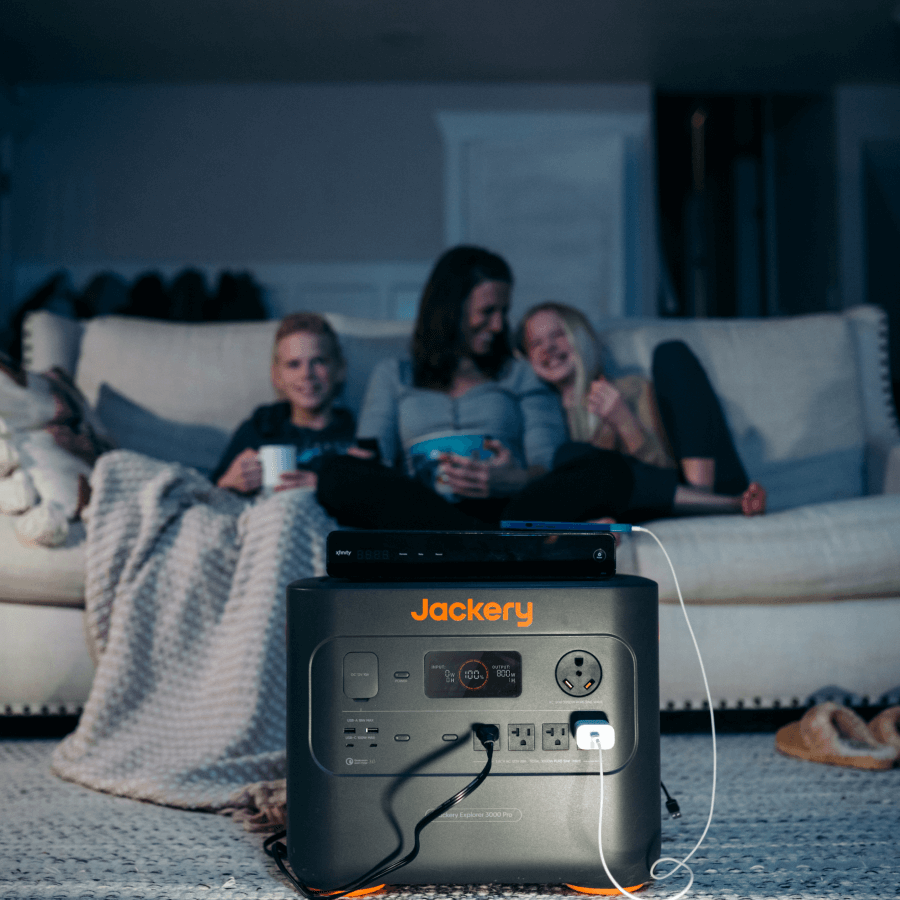
- Portable Power Stations (PPS): High-capacity units offer plug-and-play backup without professional installation fees. They are indoor-safe, emission-free, and renter-friendly.
- The Dual Backup Strategy: Combining a permanent solar-tied system with a smaller portable unit ensures both whole-home resilience and evacuation readiness.
|
Power Source |
Pros |
Cons |
Price Range |
|---|---|---|---|
|
Whole-Home Battery System |
Starts automatically. Powers entire electrical panels seamlessly. |
High installation costs. Requires permits. Cannot be moved. |
$12,000 - $22,000+ (installed) |
|
Portable Power Station (PPS) |
Plug-and-play. No installation fees. Indoor-safe and emission-free. |
Manual setup required during an outage unless paired with a transfer switch. |
$2,000 - $6,000 |
|
Home Standby Gas Generator |
Can run indefinitely as long as connected to a natural gas or propane line. |
Loud. Emits carbon monoxide. Requires ongoing engine maintenance. |
$5,000 - $15,000+ (installed) |
|
Portable Gas Generator |
Affordable upfront cost. High power output for large appliances. |
Must be used outdoors. Requires manual refueling and safe gas storage. |
$400 - $3,000 |
Top Models: Examples of Capacity Tiers
To find the best home power backup solution, evaluate systems based on capacity tiers and mobility. While permanently installed systems offer seamless integration, modular portable ecosystems entirely avoid expensive electrician fees and permit delays.
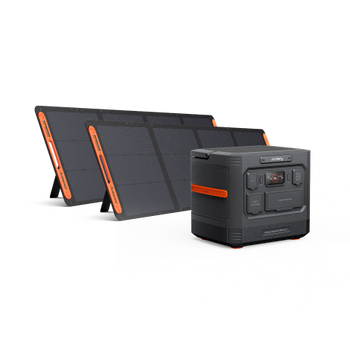
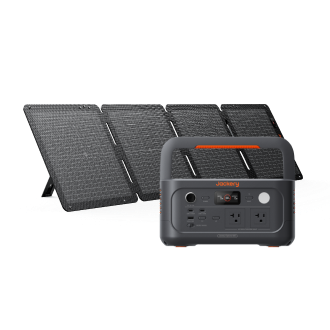
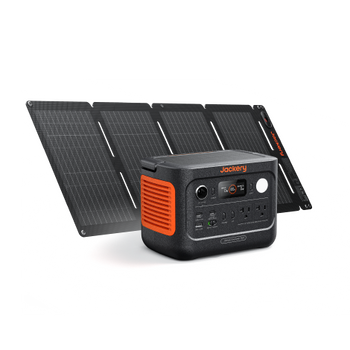
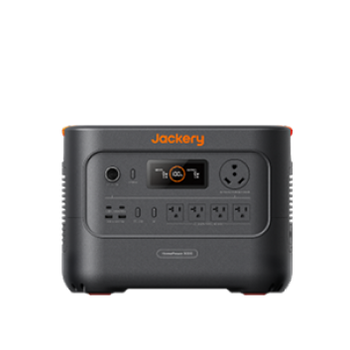
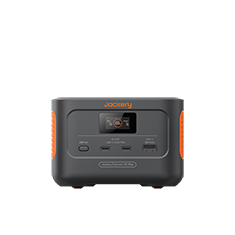
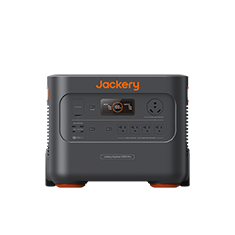
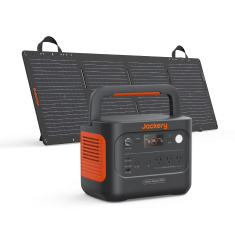
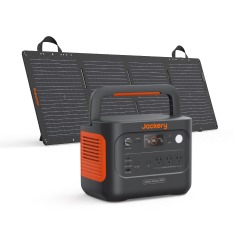
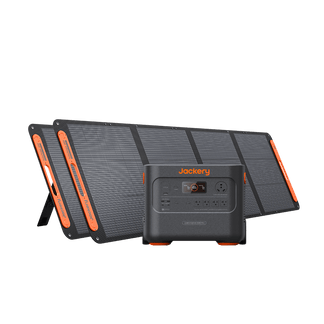
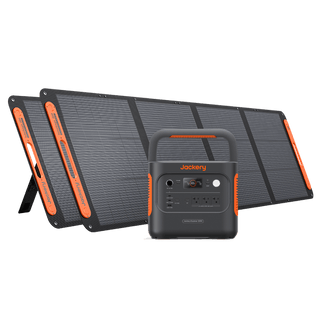
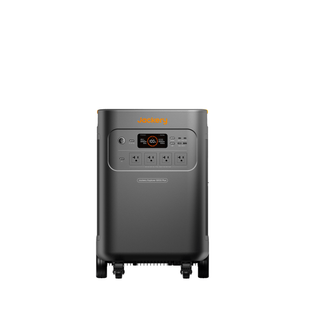
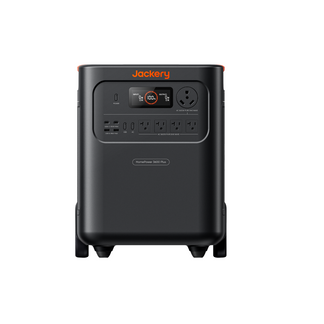
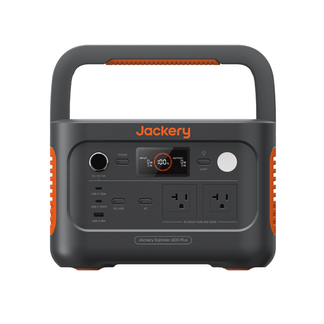
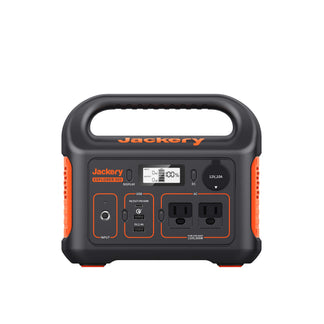
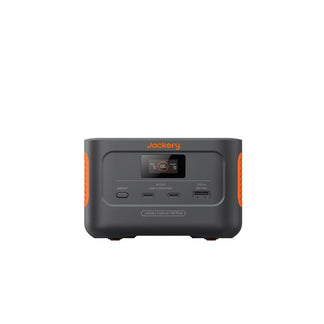
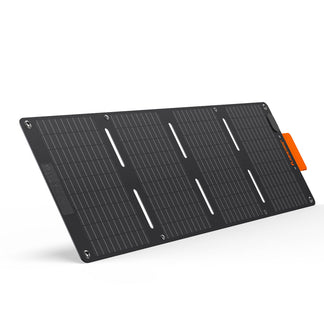
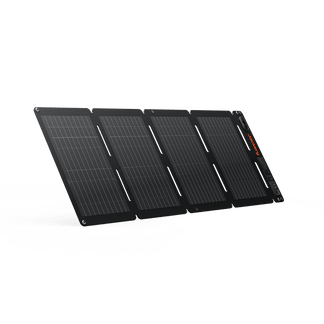
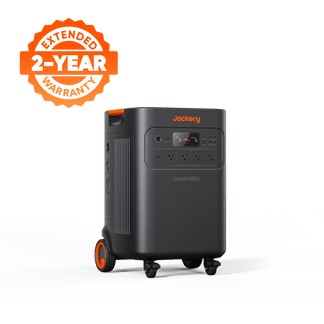
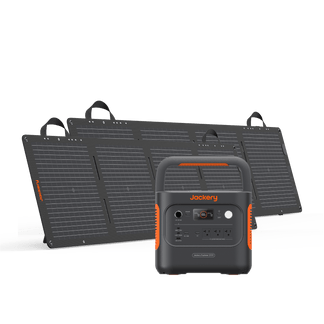
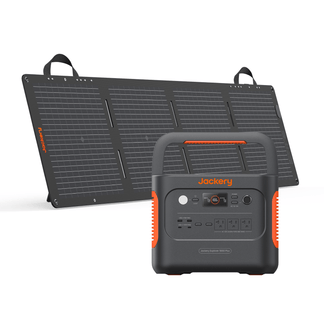
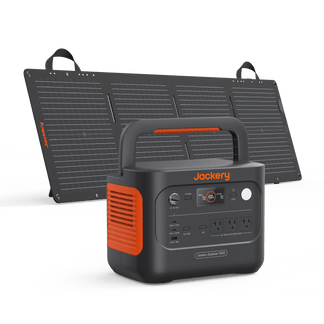
Jackery Solar Generator HomePower 3600 Plus — Best for Versatile Power Outages
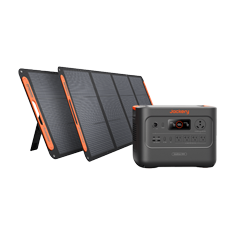
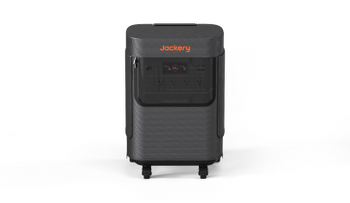
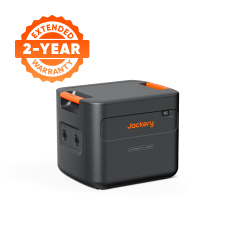
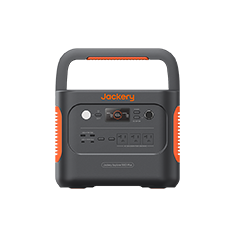
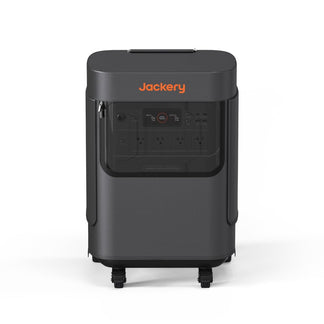
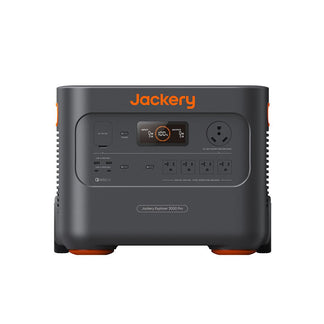
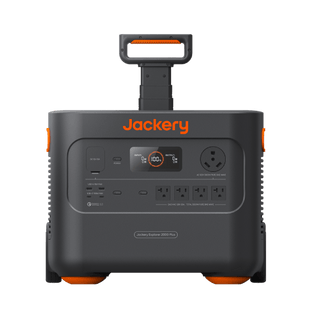
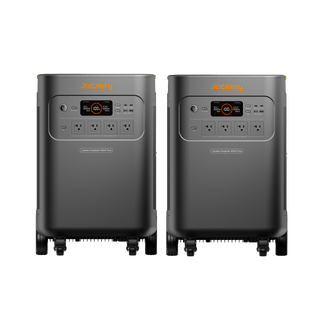
The Jackery Solar Generator HomePower 3600 Plus is the optimal sweet spot for most households. It represents the partial-home tier, delivering enough surge capacity to start heavy motors while remaining compact enough to transport easily.
- Optimal Balance: High capacity in a highly mobile footprint with built-in wheels.
- Smart App Control: Monitor input, output, and battery health from your phone.
- Quiet Operation: Advanced cooling system ensures silent running indoors.
- All-Around Safety: Fully upgraded BMS prevents over-voltage and thermal runaway.

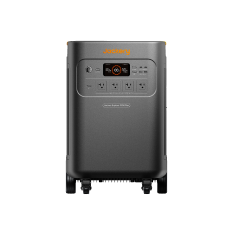
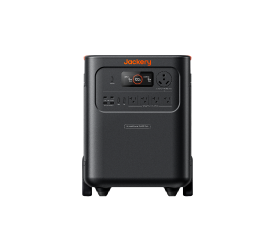
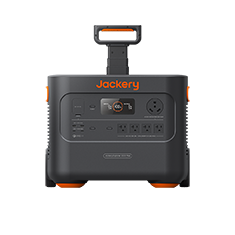
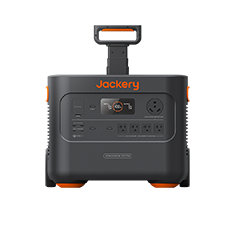
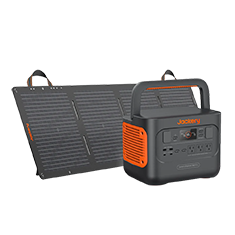
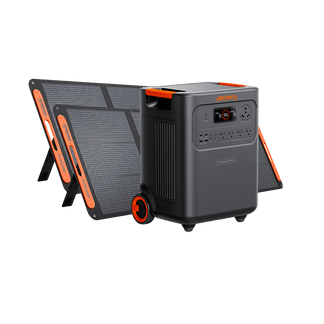
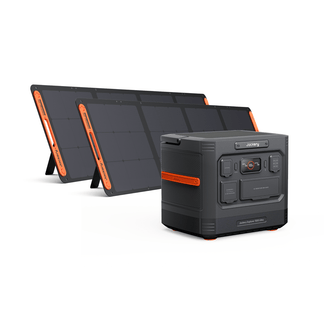
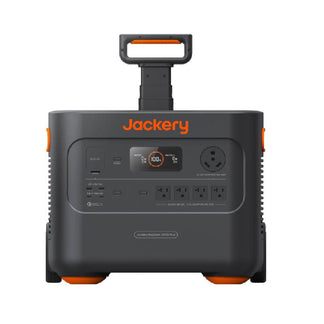
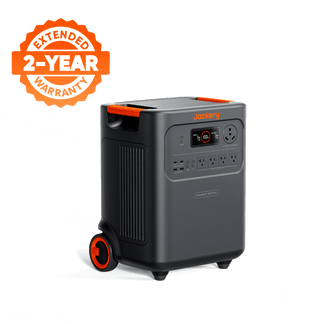
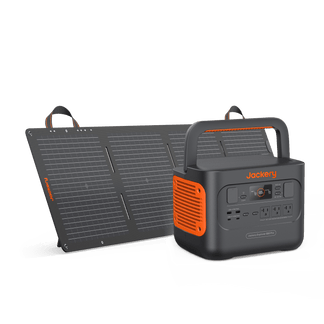
Jackery Solar Generator 5000 Plus — Best for Heavy-Duty Home Backup
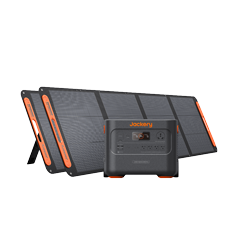
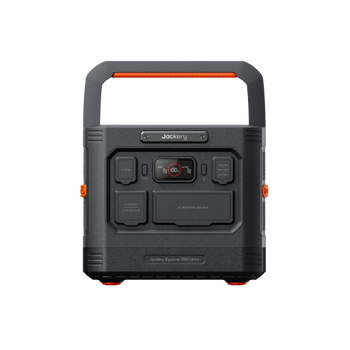
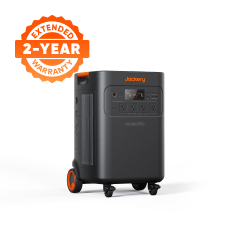
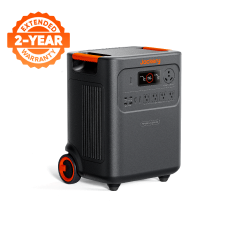
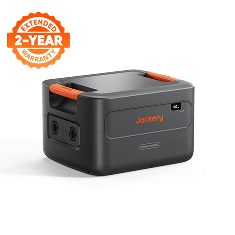
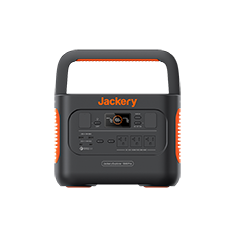
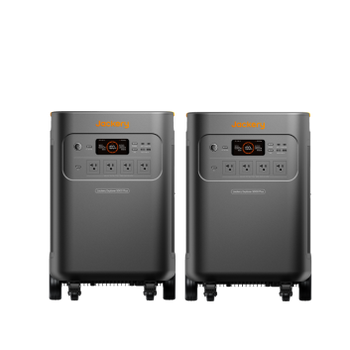
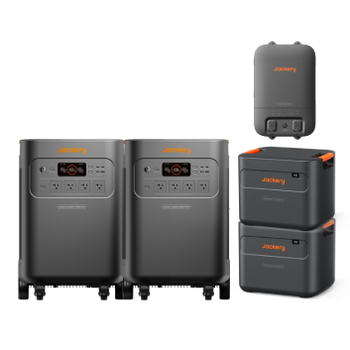
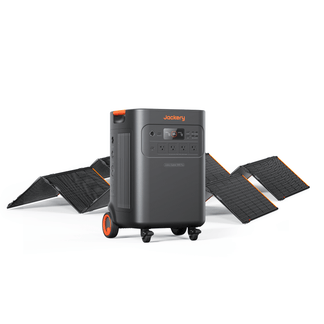
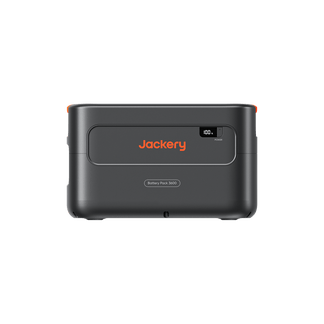
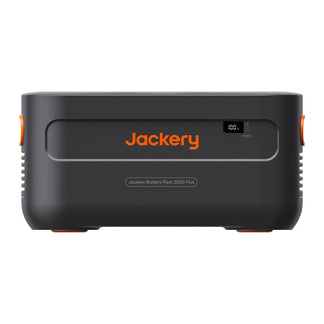
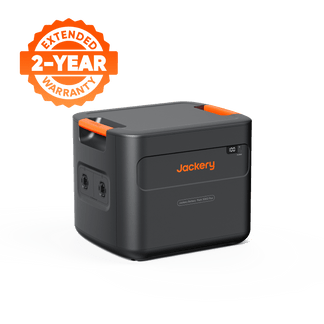
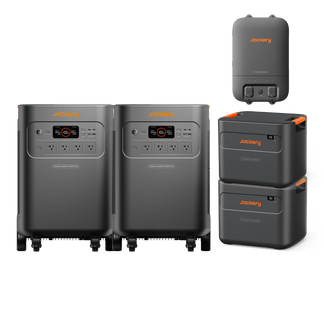
The Jackery Solar Generator 5000 Plus is a massive, scalable power solution designed to keep critical home infrastructure running during multi-day outages. It represents the high-capacity tier, easily handling large refrigerators, well pumps, and space heaters.
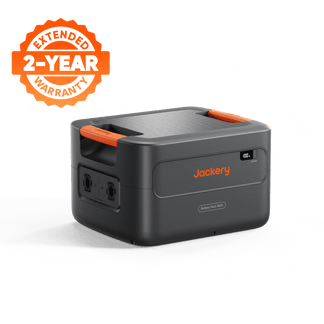
- Massive Capacity: Easily expandable to handle prolonged blackouts.
- Heavy-Duty Output: Powers high-wattage appliances seamlessly.
- Ultra-Fast Charging: Rapid solar and wall recharging capabilities.
- Long-Lasting: 10+ year lifespan with advanced LiFePO4 chemistry.

Installation Realities: Smart Panels and Electricians
Running extension cords from a battery to individual appliances is a temporary fix, not a permanent home backup solution.
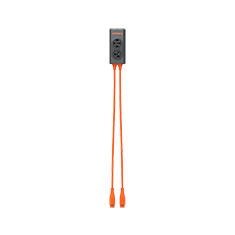
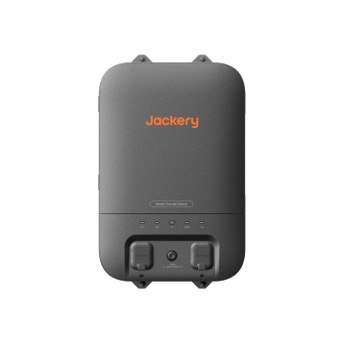
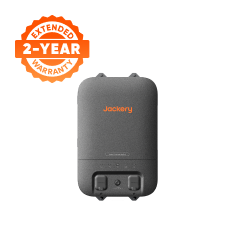
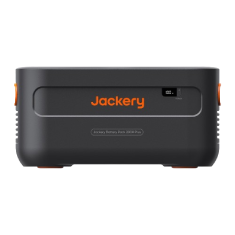
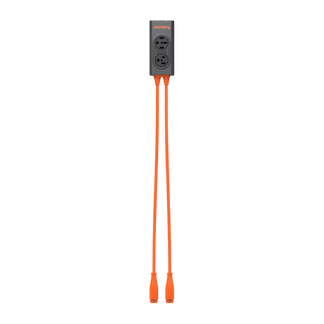
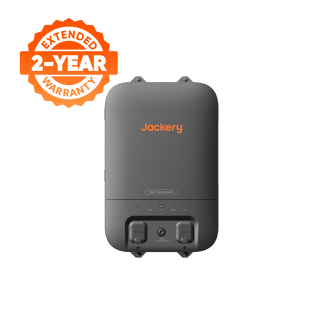
- Manual Transfer Switches: A cost-effective professional installation allows a large portable station to power 6 to 10 critical circuits directly through the breaker. The Jackery Manual Transfer Switch helps integrate units like the Jackery Solar Generator 5000 Plus directly with your home's utility meter in 0.5 seconds.
- Smart Home Integration Panels: Advanced panels require licensed electricians but offer 20-millisecond automatic switchovers. This keeps the lights on without a flicker during a grid failure.
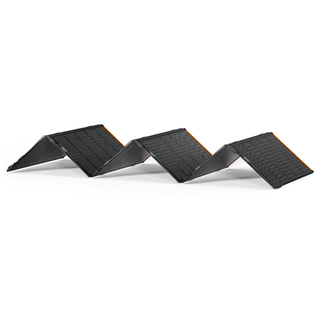
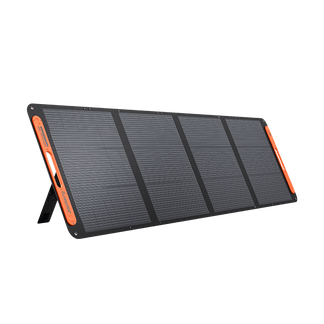
- Solar Integration: Connecting existing rooftop solar to a battery system requires compatible hybrid inverters. This ensures indefinite power generation during multi-day grid failures.
Financial ROI
Modern battery systems pay for themselves through smart energy management and grid-connected incentives.
- Time-of-Use (TOU) Arbitrage: Home batteries save money daily by storing cheap off-peak grid power. You then discharge that stored power to run your home during expensive evening peak hours.
- NREL Resilience Data: National Renewable Energy Laboratory data proves solar paired with storage provides 3 to 6 times better resilience than solar alone.
- Virtual Power Plants (VPP): Some local utility rebate programs pay homeowners to share stored battery energy back to the grid during peak demand. Check local listings to see if your portable or fixed system qualifies for grid-export capabilities.
FAQs
What size generator is needed to power a house?
A home backup generator between 5,000W and 8,000W is ideal for powering typical house appliances like refrigerators, lights, and TVs. The exact size depends on the total running and surge wattage of the appliances you want to charge simultaneously.
How do I calculate actual battery runtime?
Let's say there is a power outage in your area, and you want to charge a refrigerator (400W), a portable fan (50W), and lights (10W) at the same time with the Jackery Solar Generator HomePower 3600 Plus. The running time can be calculated using the Running Time Calculator available on the Jackery Buying Guide page.
Visit the page and scroll down to find the calculator. Choose the Jackery product from the dropdown and then enter the wattage consumption of the appliances you are powering. In this case, the Jackery Solar Generator HomePower 3600 Plus can run these appliances (460W) for 6 hours.
What is the best home power backup solution?
The best solution depends on your budget and housing situation. If you own your home, have a $15,000+ budget, and need automatic failover for medical devices, a permanently installed system is best. If you want a flexible, renter-friendly solution that avoids permit delays and electrician fees, a high-capacity portable unit like the Jackery Solar Generator 5000 Plus is the superior choice.
What is the average cost to install a standby generator?
The average cost to install a permanent standby generator ranges from $5,000 to $15,000. This does not include the cost of the generator itself, nor the ongoing costs of natural gas or propane fuel.
Conclusion
Match your budget to reality. Do not overpay for 40kWh if you only need to save groceries and keep the internet online during a storm.
Prioritize expandability. The best home power backup solution allows you to start with a base unit and add extra batteries as your budget allows. Opt for a high-capacity portable station like the Jackery Solar Generator 5000 Plus or Jackery Solar Generator HomePower 3600 Plus for a flexible, plug-and-play solution that avoids permit delays.
Always calculate your specific household wattage needs, add a 20% buffer, and prioritize LiFePO4 battery chemistry. Leverage available state and federal incentives to ensure your investment pays off for the next decade.