


































































![[Add - on] Jackery Manual Transfer Switch for Explorer 5000 Plus - Jackery](http://www.jackery.com/cdn/shop/files/add-on-jackery-manual-transfer-switch-for-explorer-5000-plus-9017324.png?v=1754016782&width=350)








![[Add - on] Jackery Battery Pack 5000 Plus - Jackery](http://www.jackery.com/cdn/shop/files/add-on-jackery-battery-pack-5000-plus-6078351.png?v=1754016791&width=324)





![[Add - on] Jackery Car Charging Cable - Jackery](http://www.jackery.com/cdn/shop/files/add-on-jackery-car-charging-cable-3882421.png?v=1754016863&width=324)


















![[Add - on] Jackery Smart Transfer Switch - Jackery](http://www.jackery.com/cdn/shop/files/add-on-jackery-smart-transfer-switch-5842915.png?v=1754016784&width=324)
![[Add - on]Jackery 102W GaN 3 - Port Fast Charger - Jackery](http://www.jackery.com/cdn/shop/files/add-onjackery-102w-gan-3-port-fast-charger-6377742.png?v=1754016790&width=324)










![[Add - on] SolarSaga 200W - Jackery](http://www.jackery.com/cdn/shop/files/add-on-solarsaga-200w-4834329.png?v=1754016915&width=324)


![[Add - on] Jackery Manual Transfer Switch for Explorer 5000 Plus - Jackery](http://www.jackery.com/cdn/shop/files/add-on-jackery-manual-transfer-switch-for-explorer-5000-plus-9017324.png?v=1754016782&width=324)


![When Will The Heat Wave End [Latest News May 2026] - Jackery](http://www.jackery.com/cdn/shop/articles/when-will-the-heat-wave-end-latest-news-may-2026-4561493.jpg?v=1779118647&width=800)
The USA is experiencing extreme heat waves in 2026, with many regions experiencing record-breaking temperatures. Now more than ever, it is important for US residents to have proper knowledge of the heatwaves and prepare themselves for these extreme conditions. We update our article on a monthly basis so you can track the heatwave trend every month, compare the temperatures from previous months, and better prepare yourself for the next month.
Heatwave - May 2026
The National Weather Service (NWS) issued Extreme Heat Warnings across the Southwest starting May 9, 2026, covering a wide stretch of Arizona and California. In Arizona, Parker Valley and Yuma saw dangerously hot conditions with afternoon temperatures between 106°F (41°C) and 112°F (44.4°C). In California, the Coachella Valley, Imperial Valley, Palo Verde Valley, and Chuckwalla Valley fell under the same warning, with Palm Springs, Indio, El Centro, and surrounding communities facing temperatures of 105°F (40.5°C) to 112°F (44.4°C). The NWS warned that heat-related illnesses increase significantly during such events, and that overexposure can progress from heat cramps and exhaustion to life-threatening heat stroke without intervention.
Maricopa County, Arizona, home to Phoenix and more than 2 million residents, was placed under an Extreme Heat Warning by the NWS and NOAA as temperatures climbed between 105°F (40.5°C) and 109°F (42.7°C), more than 9°F above historical averages for mid-May. County officials activated free cooling centers and urged residents to call 2-1-1 to find the nearest location. Meanwhile, NOAA's Weather Prediction Center flagged an early-season heat wave moving toward the East Coast in its extended forecast for the week of May 19, 2026, signaling that the heat is not limited to the Southwest. Residents across the country are encouraged to track live heat alerts through the NWS HeatRisk map and Heat.gov for the most up-to-date warnings by location.
Heatwave - July 2025
Both Minnesota and Virginia are facing widespread power outages due to storms in the states. On July 27, 2025, storms knocked out power for tens of thousands of Dominion Energy customers in the state of Virginia. Nearly 20,000 people were without power in Henrico, 14,000 people lost power in Chesterfield, and more than 3,000 lost power in the Meadowbrook area. The oppressive humidity increased the temperature to 110°F (43.3°C), and 45,271 customers are without power, as reported by PowerOutage.us on July 28, 2025.
Minnesota is also experiencing the first heatwave of summer 2025, characterized by sweltering heat and humidity. The National Weather Service had issued an extreme heat warning from July 27 to July 28, 2025. In fact, the weather service said that the Plains and Midwest Region will experience the “hottest temperatures of the season.” Then, the heat will move to the Ohio Valley and the East Coast, where it will stay for several days.
Heatwave Update - June 2025
As of June 20, 2025, many US states are under extreme heat warnings as sweltering temperatures are expected to reach the triple digits in a few areas. According to the National Weather Service (NWS), the heat could reach dangerous levels over many parts of the central and eastern US from June 21 to much of the next week. The temperatures are likely to reach 90°F (32.2°C), which means US residents must follow heat safety tips to protect themselves.
Heatwave Update - May 2025
Central Texas is bracing for record-breaking heat this week, with cities like Austin and San Antonio expected to experience their hottest May temperatures ever. On May 14, 2025, forecasts suggested that temperatures could soar as high as 107°F (41.6°C) in Austin and 103°F (39.4°C) in San Antonio. The National Weather Service has issued heat alerts for over 7 million Texans, calling this wave "potentially historic."
According to the forecasts by NWS, a Heat Advisory is in effect from 1 PM to 8 PM CDT on May 15, 2025. The heat advisory will remain effective across Atascosa, Uvalde, Bexar, Frio, Medina, and Wilson Counties. Residents in these areas can expect a temperature higher than 100°F (37.7°C) with a heat index value up to 108°F (42.2°C). Officials urge residents to stay hydrated and seek effective cooling, as such conditions pose health risks to anyone without proper precautions.
Heatwave Update - September 2024
As of September 9, 2024, the fast-spreading wildfires caused by the late summer heatwave are forcing evacuations in many regions of Southern California. The uncontrolled wildfire threatened many residents on September 8, 2024, and is posing a threat of a fire-generated storm. The heat wave is expected to continue in Southwest USA and Southern California, leading to near-critical fire weather conditions across the Great Basin and Northern Sierra.
Southern California is battling extreme heat waves, with Los Angeles County under a red flag warning as temperatures crossed 100°F (37.7°C) in many areas on September 9, 2024. Forecasters report that the extreme heat will continue until September 10, 2024, and the temperature is expected to reach 102°F (38.8°C) in valleys. It's also predicted that the temperature will cool down and reach 85°F (29.4°C) in the valleys and 70-80°F (21.1-26.6°C) along the coast of Los Angeles.
Heatwave Update - August 2024
According to the National Weather Service (NOAA), many states in the US will experience higher temperatures in August 2024. For instance, the temperature will remain between 103°F - 110°F (39.4°C - 43.3°C) from August 15 to August 19 in many parts of Texas. The temperature will increase significantly to 116°F (46.6°C) in Las Vegas by August 20, 2024.
Heat waves are periods of unusually high temperatures compared to what is normally expected over a region. There’s no right answer to when the heat wave will end, and it can even last for a month or two. For instance, the 1995 Illinois heat wave lasted three days, while the 1938 one lasted 17 days. It’s thereby important to take precautionary measures to tackle the heat and stay safe.
This article includes detailed information about the reasons for heat waves and how long they last in various states, including Texas, Louisiana, Houston, California, and Florida. This will give you a brief idea and help you prepare accordingly.
In this article, you'll learn.
- Temperatures are rising in many US states, including Texas, Louisiana, Houston, California, and Florida, which is why power grid failures are becoming more than ever.
- Some heat wave safety tips and resources from the CDC, Red Cross, and NOAA include staying hydrated, gathering emergency supplies, learning some emergency skills like CPR and first aid, and recognizing the warning signs beforehand.
- Heat waves often lead to unexpected power outages, and a reliable power supply like Jackery Solar Generators can help you remain cool and comfortable during soaring temperatures.
- How long will the heatwave last in Texas, Louisiana, Houston, California, and Florida.
Latest News About The Heat Wave in the US
May 2026 News About Heat Wave
An early-season heat wave gripped millions of Americans across Arizona and California in May 2026, prompting emergency responses from local governments before summer officially began. In the Phoenix metro area, the NWS Phoenix office issued an Ozone High Pollution Advisory alongside the extreme heat warning, warning that weather conditions and existing emissions were likely to push ozone levels high enough to pose direct health risks.
In Imperial Valley, California, officials separately issued an air quality alert for harmful ground-level ozone levels, compounding the danger of already life-threatening temperatures. Maricopa County activated free cooling centers and urged residents, particularly seniors, pregnant women, and outdoor workers, to call 2-1-1 to locate the nearest shelter. Arizona health authorities emphasized that heat stroke is a medical emergency and advised anyone showing symptoms of confusion, dizziness, or loss of consciousness to call 911 immediately.
The Arizona Department of Health Services (AZDHS) notes that approximately 4,298 people visit Arizona emergency rooms every year due to heat-related illnesses, with more than 4,320 heat-related deaths recorded in the state between 2013 and 2024 alone. The May 2026 event is especially concerning because bodies have not yet acclimated to high temperatures coming out of the cooler months, significantly raising the risk of illness.
Residents are encouraged to monitor conditions through the CDC Heat & Health Tracker and Heat.gov for real-time health guidance.
July 2025 News About Heat Wave
Minnesota is currently facing extreme heat conditions, with the Minnesota Department of Health (MDH) urging residents to take precautions. The Minnesota Department of Natural Resources (DNR) has recorded soaring daytime temperatures in the 90°F (32.2°C) and heat indices reaching 110°F (43.3°C). In addition to the heat, recent severe storms have disrupted power infrastructure, and Xcel Energy reports around 74,000 customers without electricity. As of July 28, 2025, around 57,434 customers are without electricity.
Virginia is experiencing similarly hazardous conditions, with both the Virinia Department of Health (VDH)g and the Virginia Department of Emergency Management (VDEM) issuing warnings about the dangers of prolonged heat exposure. The National Weather Service has declared an Extreme Heat Warning across parts of eastern and central Virginia, where multi-day highs above 90°F (32.2°C) are straining communities. Widespread power outages have added to the challenges, with Dominion Energy reporting that more than 100,000 customers have been affected in recent days, particularly in densely populated areas.
June 2025 News About Heat Wave
The National Weather Service (NWS) forecasts a brutal heat wave shift from the Northern Plains to the Midwest and Great Lakes. It is expected to bring several days of record-high temperatures starting from June 22 and into much of the next week. Over 140 million Americans will be under the highest-level extreme heat alerts by June 22. The most significant heat impacts can be anticipated across the Mid-Atlantic and the Ohio Valley. Some densely populated urban areas, such as Columbus, OH, Pittsburgh, PA, and Washington, D.C., are among the most vulnerable parts in the US.
May 2025 News About Heat Wave
An early-season heatwave is sweeping across different parts of the US and bringing unusually high temperatures well before summer officially begins. In fact, forecasts show that at least 34 cities could break previous heat records, with the Southeast and Northern Plains experiencing the intense effects of a heat wave.
Texas is expected to be among the hardest hit, as San Antonio’s rise to 107°F (41.6°C) on May 14, 2025, roughly 10°F above its previous May record. Del Rio might reach 110°F (43.3°C), surpassing the old high by 7°F. The National Weather Service warns that widespread triple-digit temperatures are likely.
According to NWS, several areas are potentially setting new all-time records. States like Wyoming, North Dakota, and South Dakota are also expected to feel the extreme heat, coupled with strong winds. This combination creates “critical fire weather” conditions, dramatically increasing the risk of wildfires across the region.
September 2024 News About Heat Wave
The National Weather Service (NOAA) reported that, as of September 9, 2024, residents of the Southwest USA and Southern California are experiencing a late-summer heatwave. An extreme heatwave is in effect in the Southwest USA, triggering weather alerts and record-breaking temperatures in several regions.
Potential tropical cyclone six over the southwestern Gulf of Mexico is expected to become a tropical storm on September 9, 2024. It will strengthen into a hurricane before reaching the northwestern Gulf of Mexico by September 12 - 13.
High temperatures, hurricanes, and storms could lead to an increased demand for electricity in these regions, which might trigger localized brownouts or blackouts, making it important for residents to look for a reliable solar battery charger.
The NWS issued air quality alerts in many parts of Idaho, Oregon, and Wyoming. The late summer heatwave is also worsening the Line fire, raising the risk of more fires in Southern California. According to Cal Fire, the fire grew from 3800 acres to over 17,000 acres on September 8, forcing evacuation orders for over 11,000 people.
August 2024 News About Heat Wave
The National Weather Service (NOAA) 's graphical forecasts revealed that many US states will experience a heatwave from August 15 to August 21. Around 10 miles NE of Childress, TX, the temperature will increase to 107°F (41.6°C) by August 21, 2024. In Arizona, the maximum temperature will be 106°F (41.1°C) on August 15, which will reach its highest at 113°F (45°C) on August 21, 2024. Arizona's temperature will then decrease and reach 107°F (41.6°C) by the end of August 26, 2024. Residents must stay safe from the heatwaves by following the precautionary measures and staying indoors, if possible.
In fact, the chairperson of the School of Public Health at the University of Maryland said, “When you have this repeated exposure to extreme heat, then we don’t recover from those acute kidney injuries as well and it leads to what is called chronic kidney disease. That chronic kidney disease, over years, progresses on to end-stage kidney disease. And that’s where you have your kidney failure and you have to undergo dialysis.”
What Is Causing The Heat Wave?
For a hot spell to be labeled as a “heat wave”, the temperatures must stay above the historical average for two or more days, as per the National Weather Service. The definition, however, varies by region, and in the Northeast, the temperature needs to stay 90°F (32°C) or above for at least three days.

Heat waves typically begin when the atmospheric pressure of an area builds up to create a sinking column of air that compresses, heats up, and often dries out. This sinking air column acts as a heat dome or a cap, capturing the latent heat already absorbed by the landscape, pushing out cooler, fast-moving air currents, and squeezing clouds away. The sun thereby gets an unobstructed line of sight to the ground and heats it up, thereby causing a rise in the temperature.
Heat waves are common in arid areas, like the desert Southwest, and high altitudes where high-pressure systems form readily. Moisture somewhat blunts the effects of heat, but when there’s little water in the ground, vegetation, and waterways, there’s not much more to soak up the heat than the air itself. However, extreme heat in areas of moisture can be pretty dangerous as it creates a combination of heat and humidity.
How Long Will A Heat Wave Last?
According to the Heat.gov map, many parts of the eastern US are under the major and extreme heat risk. Some states that can experience high temperatures include Iowa, Wisconsin, Chicago, Ohio, Detroit, New York, Missouri, and Minnesota. The temperatures are expected to cross 90°F (32°C) as the week progresses, making the conditions more oppressive. So, to keep track of the heat waves and obtain the necessary information, take a look at the following sources:
- National Weather Service: Issues heat advisories and excessive heat warnings and uses heat indices to estimate the perceived heat when humidity is taken into account.
- NIHHIS: Provide information about the country’s heat and health.
- CDC Heat & Health Tracker: Presents the country's historical and recent heat and health information.
- Airnow: Provides air quality by zip code.
- PA Excessive Heat Events Guidebook: Share requisite information and tips to help individuals, communities, and others stay safe during a heat wave.
- Ready.gov: Shares tips on how to respond to heat waves.
- Fema.gov: Provides extreme heat warning and preparedness tips.
Other than that, National Weather Services sends Wireless Emergency Alerts (WEA), which are emergency messages that last less than 90 minutes and alert you about heat alerts through your mobile carrier. You might receive an email from NWS if you subscribe to their services. Besides, many communities have systems to send email or text notifications about various emergencies, including heat waves. You can sign up with them if you wish.

The US has a significant history of heat waves, which substantially affected the population and the environment. The worst amongst all is “The Dust Bowl” in 1936, which pushed 111°F (44°C) in Decorah and 104°F (40°C) in Medford. It continued for 17 straight days, which left around 5,000 people dead.
The US saw the next deadly heat wave in 1980, when the cities experienced three to 17 days of temperatures over 100°F (38°C), killing around 1,250 people. And in 1995, the temperature hit a record-breaking 97°F (36°C) in Chicago, which stretched for three days and recorded 700+ recorded deaths. Other than that, there were similar heat waves in almost every decade (1950-2020).
There’s no denying that heat waves are dangerous and are the prime weather-related killer in the US. As history says, the worst heat waves last around three days to a maximum of two weeks (except 1995), and the same is expected in June 2025 as the temperatures are rising in the mid-Atlantic, Midwest, and Eastern parts. It’s thereby recommended that people stay cool and safe.
When Will The Heat Wave End In Texas
The graphical forecasts by NOAA reveal that the temperature will remain between 93°F (33.8°C) and 95°F (35°C) in major parts of Texas, from June 22 to June 28, 2025.
Massive heat waves have engulfed most cities of the US, including Texas. To get updated information about when will the Texas heat wave end in 2025, you can check the following sources:
- National Weather Service (NWS): For detailed weather forecasts, warnings, and alerts.
- Texas Division of Emergency Management (TDEM): For state-specific emergency updates and preparedness information.
- Texas Department of State Health Services (DSHS): For health-related tips and advisories on how to stay safe during heat waves.
- Federal Emergency Management Agency (FEMA): For information on heat wave preparedness, including safety tips and resources.

Texas has experienced several long and intense heat waves in recent years, with the worst being in 2023 when temperature peaked at 100°F (38°C), causing deaths of 300+ people, the worst since it started counting these numbers in 1989. Generally, these last for three to seven days, and even this year, multiple cities in Texas, including McAllen, El Paso, and Brownsville, had temperatures between 103°F (40°C) to 109°F (43°C) lasting from June 12 to June 14.
Even though Tropical Storm Alberto hit South Texas with storm surges and flooding, heat waves are predicted to return in the near future. When combined with humidity, these can be dangerous. Users are recommended to follow necessary safety precautions and tips during these uncertain times.
When Will The Heat Wave End In Louisiana
The forecasters expect a warmer-than-usual summer this year, so it’s essential to keep track of the weather to stay safe. Here’s the list of websites for that:
- National Weather Service (NWS): One-stop weather tracking website. Louisiana Department of Health (LDH): For preparedness and safety-related tips.
- Louisiana Climate Data Portal: Provides climatological data and analysis relevant to the state.
- Local news stations like WDSU, NOLA, The Louisiana Weekly, etc.
Louisiana suffered the hottest year on record in 2023, with temperature soaring to up to 73.3°F (23°C), higher than the state’s average of 68.5°F (20°C). It was the highest recorded temperature in Louisiana since 1921 and stayed the same for around 17-20 days. National Weather Services expect a similar trend, with temperatures rising to 98°F (36°C) on Memorial Day. It’s thereby crucial for people to stay safe as such high temperatures often result in severe illness and even death.
When Will The Heat Wave End In Houston
Houston has always been hot, primarily due to its location on a subtropical latitude near the Gulf of Mexico's warm waters, which creates a tropical climate during summer. Heat waves are more or less common there, so it’s important to keep track of the temperature on the following sources:
- National Weather Service (NWS): Type in Houston in the “city name” and get a detailed weather update.
- Heat.gov: Regular weather forecasts in the state.
Last year, the region averaged above 100°F (37°C) for a total of 16 days, which by the measure of 2011 isn’t bad when the summer saw a similar stretch of hot temperatures and no rain for 46 days. Houston saw the same trend in 2024, as it recorded above 100°F (37°C) from mid-May to the start of June, after which winds of 100mph barrelled through the city, hitting downtown and continuing to New Orleans.
When Will The Heat Wave End In California
California will witness a higher temperature in June 2025, with different parts experiencing minor to moderate heat-related impacts. The NOAA graphical forecast map reveals that the temperature will increase from 87°F (30.5°C) to 99°F (37.2°C) in some parts of California.
A heat wave that kicked off in various parts of the Western United States peaked in mid-June, as temperatures in California soared 10-15°F above normal. To stay updated with the heat wave warnings, access the following sources:
- National Weather Service (NWS): Shares updated weather information.
- heat.gov: Updated heat information across the state.
- California Department of Public Health (CDPH): Helpful tips to stay safe against extreme heat.

Historically, California is one of the hottest states in the United States, with the desert along the Arizona border and Death Valley being hotter than Texas in most summer states. In fact, Furnace Creek in Death Valley holds the record of being the hottest place on Earth, with a temperature of 134°F (56.7°C), as recorded in 1913.
This year, the temperature in California is around 93°F (34°C) and is expected to rise to 110°F (43°C) within a few days. The hottest place on earth is recorded at 122°F (50°C) and is likely to stay at least a week. So, you must stay hydrated, indoors with air conditioning, and safe.
In fact, the latest news by the Governor Gavin Newsom reveals that the temperatures are set to exceed 110°F (43.3°C) in July, 2024. The state has begun to reach out to different community organizations to ensure the residents have access to resources like cooling centers. So, you must stay hydrated, indoors with air conditioning, and safe.
When Will The Heat Wave End In Florida
Florida, also known as the “sunshine state,” typically registers high temperatures and humidity for most of the year, especially in summer. From June-August, the temperature ranges from 73°F (23°C) to 95° F (35°C), but when combined with humidity, the heat index reaches 105°F (41°C) or higher. Here are a few sources to keep track of the weather:
- National Weather Service (NWS): Shares state-wise weather updates.
- ORG- Department of Disaster Management: Provides weather updates in Florida.
- Heat.gov: Updated heat information across the state.

Florida has experienced multiple heat waves in the past, with the latest being in 2023, when it recorded a heat index of 112°F (44°C) for two consecutive days. As per National Weather Services, the threat of heavy rains in Florida is decreasing, and temperatures are rising across much of the southern US. Florida registered a heat index of 105°F (41°C) and is expected to increase further up to 115°F (46°C). Heat and humidity are dangerous, so people there need to be extra safe.
Jackery Solar Generators For Heat Wave
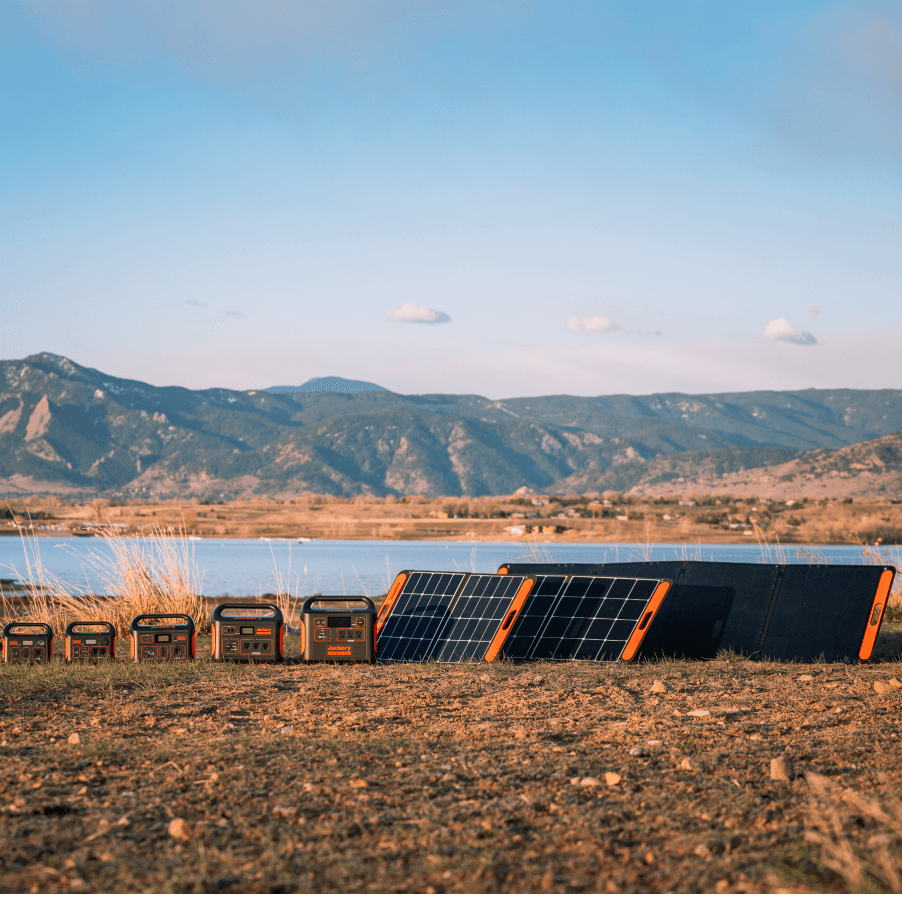
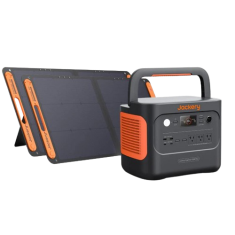
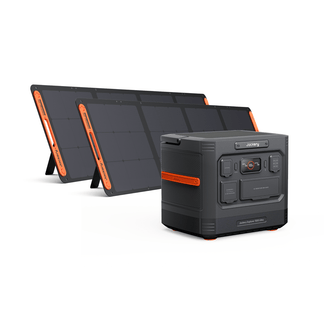
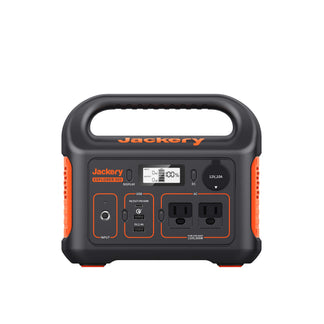
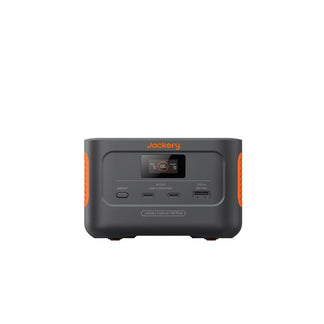
Jackery is a leading manufacturer of solar generators, power stations, and solar panels that utilize solar energy to generate electricity. These are reliable and effective companions during unforeseen conditions like heatwaves or storms resulting in power outages or blackouts.
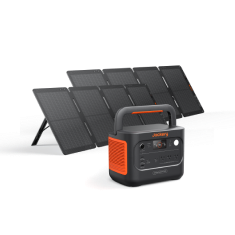
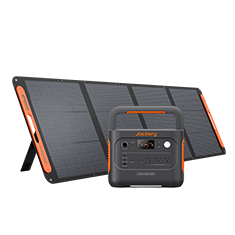
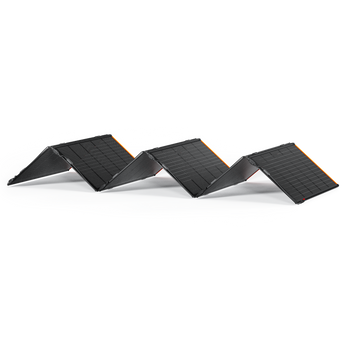
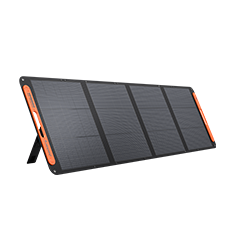
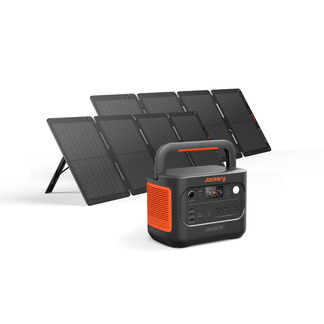
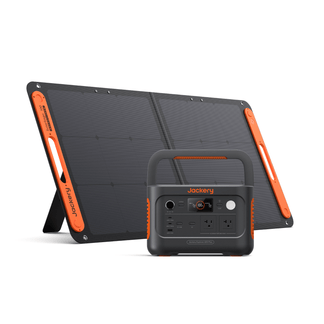
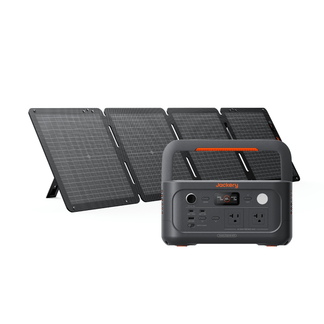
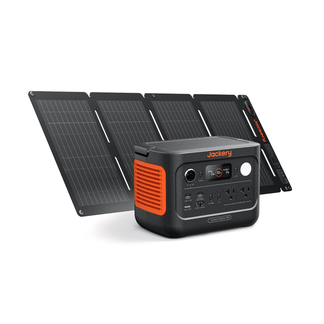
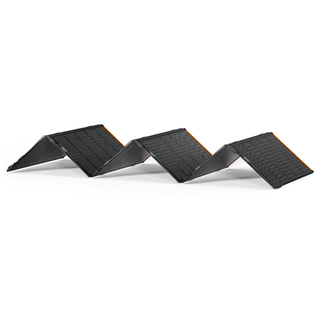
Jackery Solar Generators combine a Jackery Portable Power Station and Jackery SolarSaga Solar Panels, where the latter takes in the sunlight and converts it to DC current. The pure sine wave inverter in the portable power station takes in the DC current and further converts it into a usable AC current. It further powers the appliances you use during blackouts.
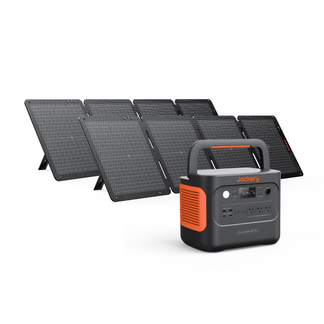
Jackery HomePower 3600 Plus + SolarSaga 500X Solar Panel
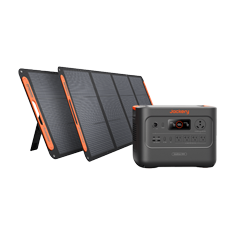
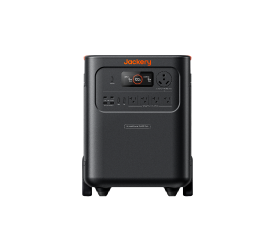
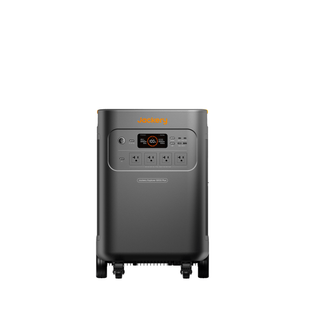
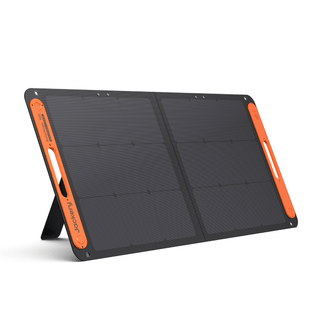
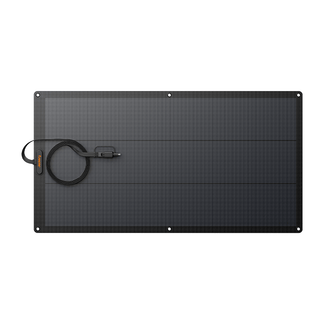
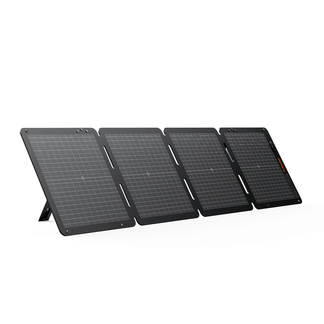
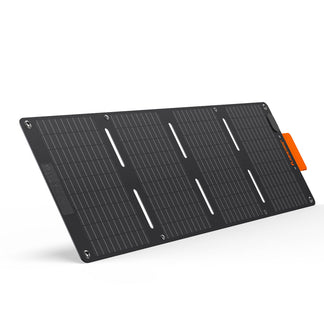
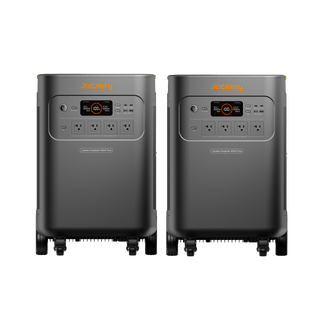
When temperatures climb, and the grid goes down, the Jackery HomePower 3600 Plus paired with the Jackery SolarSaga 500X Solar Panel keeps your essential cooling appliances, such as air conditioners, refrigerators, and fans, running without interruption. With 3584Wh of capacity and up to 3600W output, it handles the heaviest cooling loads your home demands during a heat wave. The solar panel recharges the power station in a few hours using sunlight alone, so even during a multi-day outage, you're not left waiting. It's an essential home backup solution that works when your neighborhood needs it most.
Appliances Running Time
- Air Conditioner (1000W): 3.0H
- Mini Cooler (100W): 25.0H
- Microwave (1000W): 3.0H
- Refrigerator (300W): 9.5H
- Lights (50W): 42.3H
Who Should Buy This
If you live in a heat-prone region, have elderly family members or young children at home, or simply want reliable cooling backup that doesn't depend on a stressed power grid during a heat wave, the Jackery HomePower 3600 Plus + SolarSaga 500X Solar Panel bundle is the right choice for you. 
Customer Review
I enjoy using my solar generator. We had lost power for a few hours, and I was able to get lights and watch TV. So, I would recommend this product to anyone looking to invest in solar generators.
— Rhonda F.
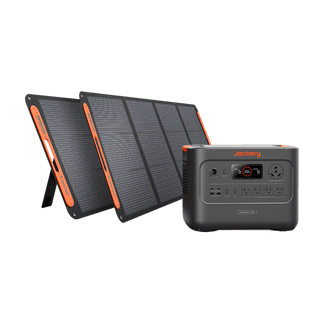
Jackery HomePower 3600 Plus + SolarSaga 500X Solar Panel + Battery Pack 3600
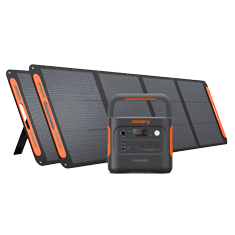
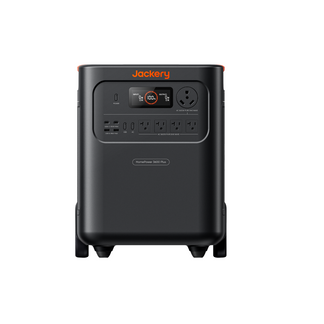
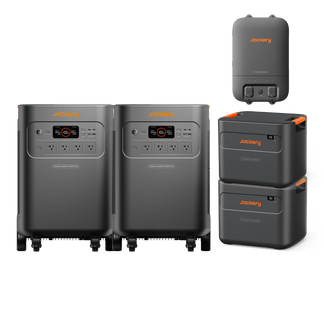
The Jackery Solar Generator HomePower 3600 Plus with an extra battery pack expands your storage to 7168Wh, giving your household enough power to run cooling appliances through the night and well into the next day without needing a recharge. This combination is built for the kind of drawn-out heat waves that last several days, where a single charge simply isn't enough to keep your family safe and comfortable from start to finish. The added Jackery SolarSaga 500X Solar Panel keeps recharging the power station through the day, so by nightfall, you're always working from a full tank.
Appliances Running Time
- Air Conditioner (1000W): 6.0H
- Mini Cooler (100W): 50.0H
- Microwave (1000W): 6.0H
- Refrigerator (300W): 19.0H
- Lights (50W): 84.6H
Who Should Buy This
If you experience multi-day heat waves, live in an area with frequent or prolonged outages, or have a larger household where keeping multiple cooling appliances running around the clock is non-negotiable, the Jackery Solar Generator HomePower 3600 Plus with Jackery Battery Pack 3600 gives you the extended backup you need.

Customer Review
I installed a 6-circuit manual transfer switch for the main things I need to run during a power outage, plugged in the 3600, and ran it for five hours and still had 50 % charge left. That is awesome!
— Arthur W.
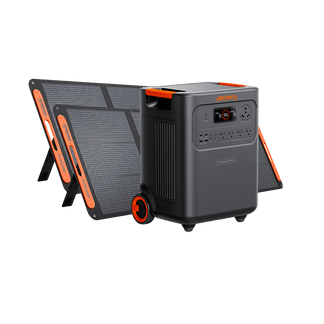
Jackery Explorer 5000 Plus + + SolarSaga 500X Solar Panel
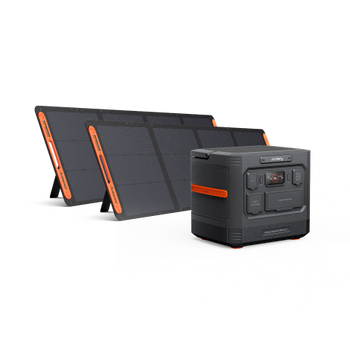
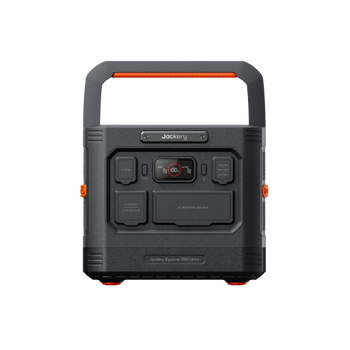
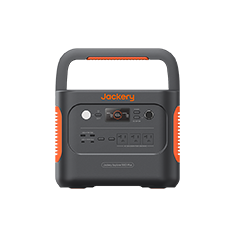
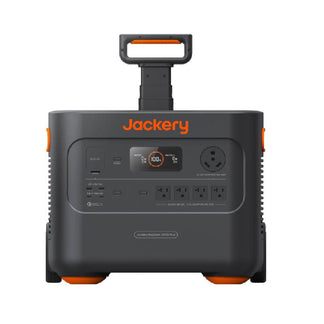
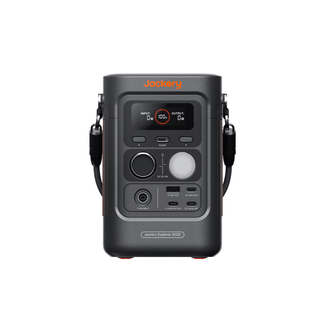
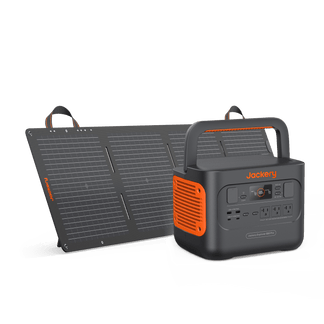
The Jackery Solar Generator 5000 Plus is a large-capacity home battery backup solution that can power various cooling appliances, such as portable ACs, mini coolers, and fans. It is compatible with dual voltage (120V/240V) to run most emergency household appliances for long hours. It supports both 120V and 240V appliances and is expandable up to 60kWh if your household needs even more, making it a long-term investment in keeping your home powered through whatever the summer brings.
Appliances Running Time
- Air Conditioner (1000W): 4.0H
- Mini Cooler (60W): 38.9H
- Microwave (1000W): 4.0H
- Refrigerator (300W): 12.2H
- Lights (50W): 42.8H
Who Should Buy This
If you have a large home, run high-wattage cooling appliances, want the ability to power your entire household during an extended heat wave outage, or live in a region where extreme heat season is long and unpredictable, the Jackery Explorer 5000 Plus + 2× SolarSaga 500X is built for you.

Customer Review
This is my second unit from Jackery. Love them. I bought the 5000 Plus for backup for the coming storm season here in Houston. Mainly to run the refrigerator. The great sale and stackable coupon sealed the deal.
— David Tanaka.
Common Questions About Heatwave FAQs
What are the effects of heat waves?
Heat waves can cause severe health symptoms, including heat stroke, heat exhaustion, dehydration, and cramps.
Who is at risk of heatwaves?
Older adults with health complications, such as cardiovascular issues, can exacerbate the effects of extreme heat. Children and sick people are also at risk of heat waves.
How to cool down quickly?
Apply ice to sensitive areas of the body, such as the neck, wrists, face, chest, and temples. You can also take a cool shower and move to an air-conditioned room as soon as possible.
Conclusion
Heat waves can burden health and emergency services and increase strain on energy, water, and transportation, resulting in power shortages and even blackouts. In Southern California, fire officials are worried that the triple-digit temperatures and extremely dry weather can lead to fire dangers. Excessive heat warnings are in effect in California to provide relief to the residents. Similarly, the heat wave in Texas has led to power grid failure, leaving residents without power for days. It’s therefore essential to understand when the heat wave will end and gather emergency appliances to deal with these situations. One of the best solutions to tackle the heat wave is investing in a Jackery Solar Generator. These come in various sizes, so you can keep essential household appliances powered during unexpected outages.