

















An unopened refrigerator keeps food safe for about 4 hours during a power outage, according to the USDA and FoodSafety.gov. A full freezer holds a safe temperature for about 48 hours (24 hours if half full). It is important to keep the refrigerator doors closed. That‘s because every time you open the door, cold air escapes and that safety window gets shorter.
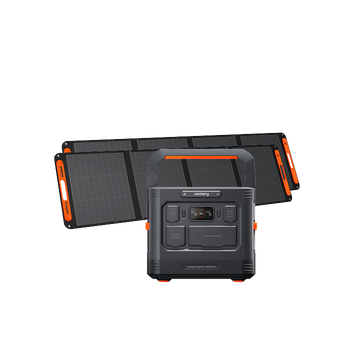
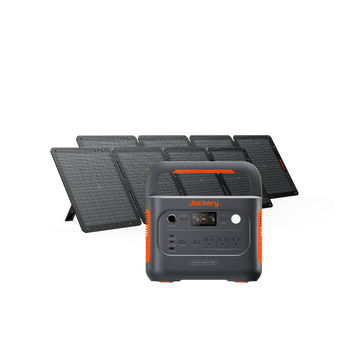
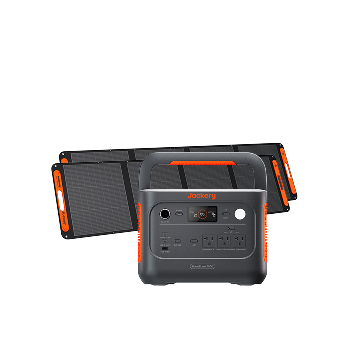
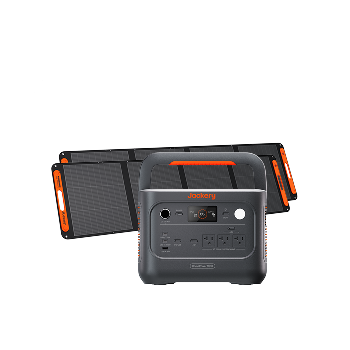
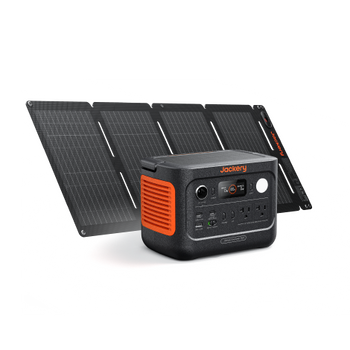
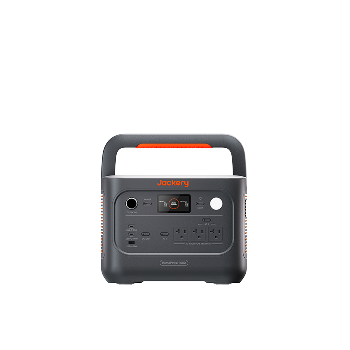
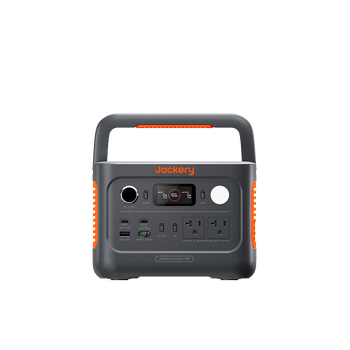
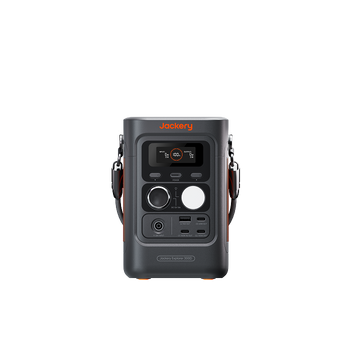
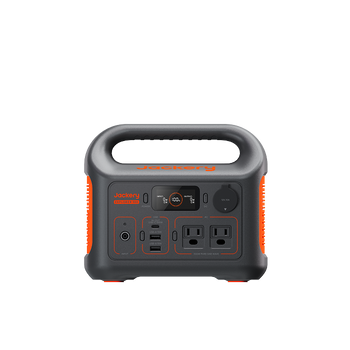
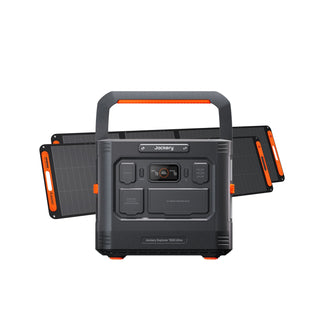
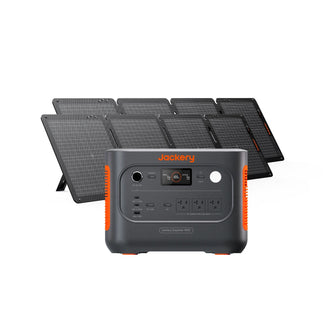
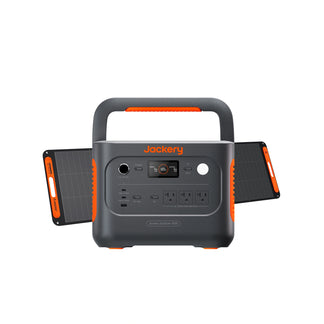
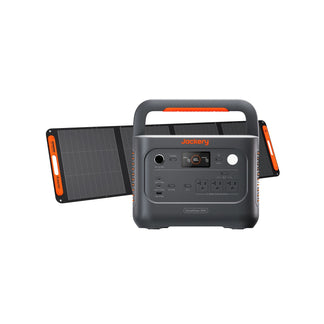
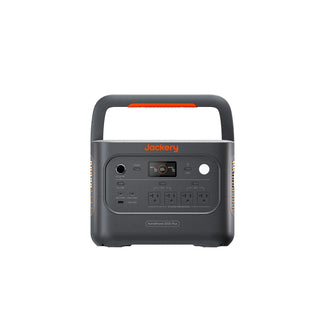
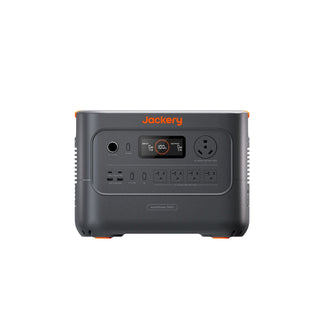
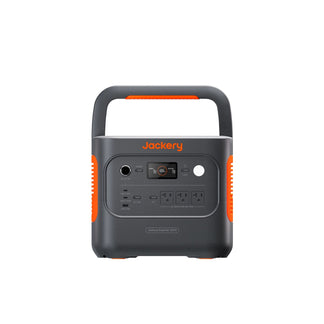
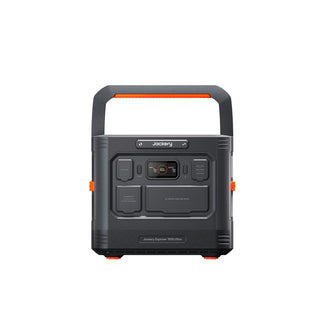
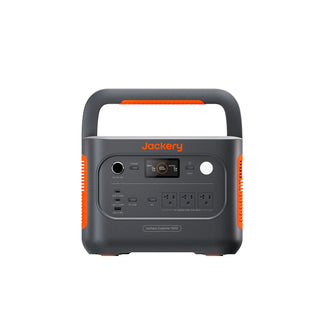
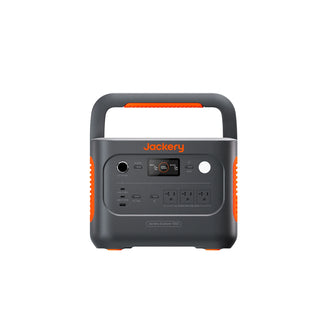
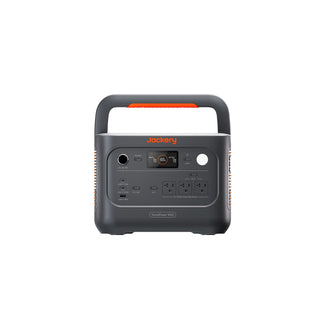
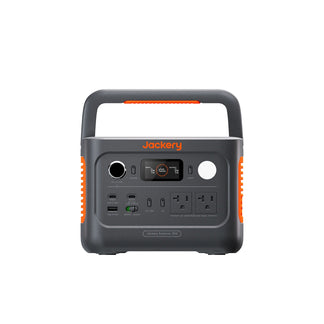
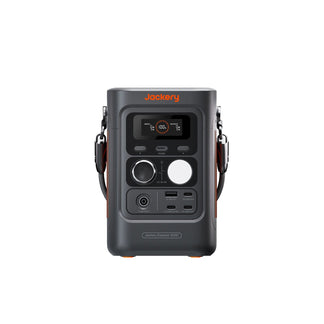
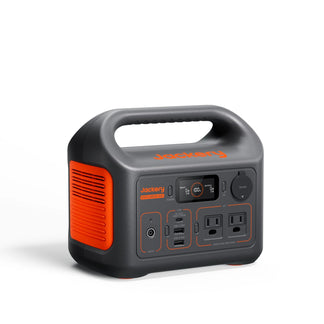
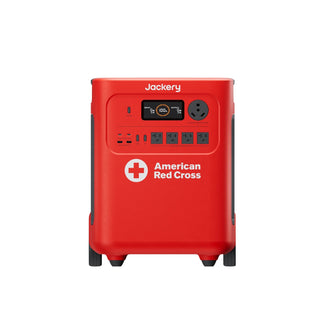
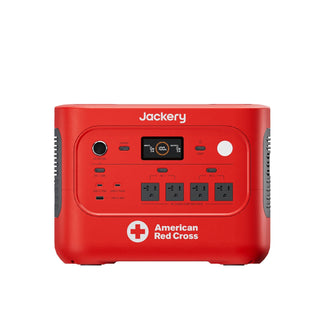
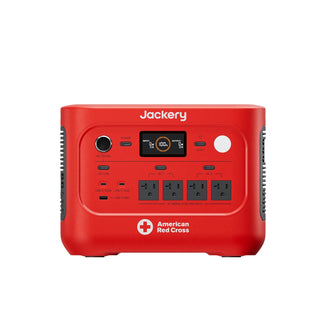
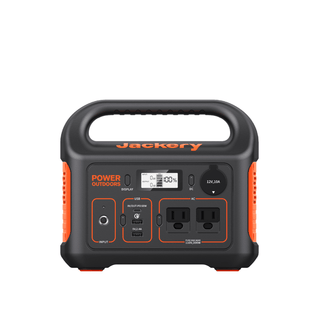
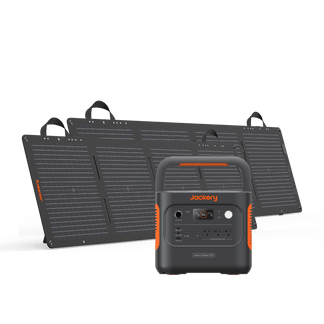
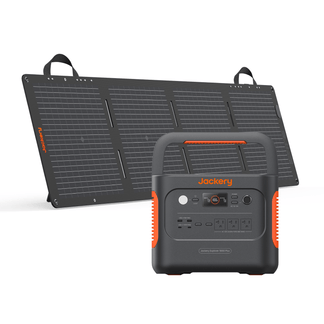
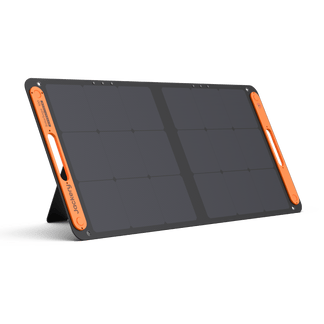
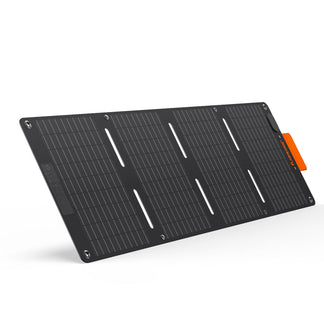
Jackery Solar Generators are reliable fridge battery backup solutions that can keep your essential appliances, such as refrigerators and freezers, powered during unexpected outages. This guide walks you through what to keep, what to throw away, how long does food last in the fridge without power, and how to protect your food if the outage runs longer than a few hours.
Key Takeaways
- A closed refrigerator keeps food safe for about 4 hours without power, per USDA and FoodSafety.gov guidance.
- A full freezer holds a safe temperature for roughly 48 hours, and a half-full freezer lasts about 24 hours.
- Never taste, smell, or look at food to judge its safety because bacteria can multiply without any visible warning signs.
- High-risk perishables like meat, dairy, eggs, and leftovers should be discarded after 4 hours without refrigeration.
- A cooler with enough ice or gel packs can safely extend food storage once the fridge's 4-hour window passes.
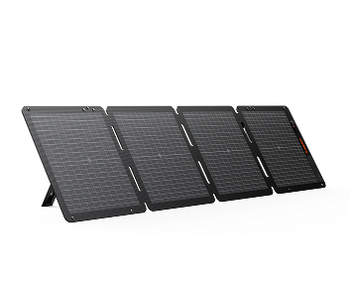
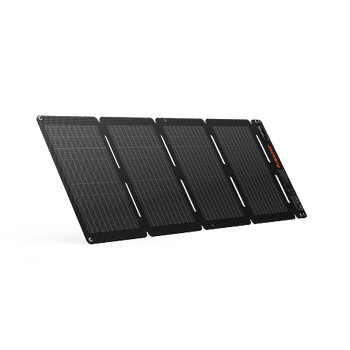
- Backup power, like a Jackery Solar Generator, can keep your fridge running and protect food during longer outages.
How Long Does Food Last in a Fridge Without Power?
If the door stays closed, a refrigerator will keep food at a safe temperature for about 4 hours without power. That figure comes directly from USDA and FoodSafety.gov guidance on food safety during power outages.
A few things affect how long does food last in the fridge without power:
- Room Temperature: A hot kitchen pulls heat into the fridge faster than a cool one.
- How Full the Fridge is: A fuller fridge holds cold longer than a mostly empty one, since packed food acts like thermal mass.
- Door-Opening Frequency: Each open door lets cold air out and warm air in, shortening the window.
- Appliance Age and Seal Condition: Worn door gaskets or an older compressor lose cold faster.
|
Appliance |
Approximate Safe Cold-Holding Window |
|
Refrigerator |
About 4 hours |
|
Full freezer |
About 48 hours |
|
Half-full freezer |
About 24 hours |
Bottom Line: You should treat 4 hours as your planning number, then adjust down if your kitchen is hot or your fridge door's been opening a lot.
Why is the 4-Hour Refrigerator Rule Important?
The rule exists because of the temperature danger zone: the range between 40°F (4.4°C) and 140°F (60°C) where bacteria multiply fastest. Once refrigerated food reaches above 40°F (4.4°C), bacteria can grow quickly enough to make it unsafe within a few hours.
That is why the FDA notes that perishable food held above 40°F (4.4°C) for 2 hours or more should be discarded, and that window shrinks to just 1 hour if the ambient temperature is above 90°F (32.2°C), since warmer surroundings push food into the danger zone faster.
The unsettling part: unsafe food often looks, smells, and tastes completely normal. Many foodborne bacteria don't change a food's appearance or odor even as they multiply to unsafe levels. That's the reasoning behind the rule you will see repeated throughout this guide: never taste food to test whether it is safe.
How Long Can Different Foods Stay Safe Without Refrigeration?
Not every food carries the same risk. The table below groups common items by how they generally behave once refrigeration stops. It is meant to show the risk category, since USDA and FoodSafety.gov do not publish a distinct time limit for every single item.
|
Food Category |
Risk |
General Guidance |
|
Raw meat, poultry, seafood |
High-risk |
Discard after 4 hours without power or 2 hours above 40°F (4.4°C) |
|
Eggs and egg substitutes |
High-risk |
Discard after 4 hours without power |
|
Milk, cream, yogurt, soft cheese |
High-risk |
Discard after 4 hours without power |
|
Hard cheese |
Lower-risk |
Generally safe longer; check for spoilage signs |
|
Deli meat and cold cuts |
High-risk |
Discard after 4 hours without power |
|
Leftovers (cooked meat, casseroles, etc.) |
High-risk |
Discard after 4 hours without power |
|
Cooked vegetables |
High-risk |
Discard after 4 hours without power |
|
Cut fruit and cut vegetables |
High-risk |
Discard after 4 hours without power |
|
Whole fruit and whole vegetables |
Lower-risk |
Usually fine unrefrigerated for a while. Check for spoilage |
|
Cream-based sauces and dressings |
High-risk |
Discard after 4 hours without power |
|
Pizza with meat or dairy toppings |
High-risk |
Discard after 4 hours without power |
|
Soups, stews, broths |
High-risk |
Discard after 4 hours without power |
|
Opened mayonnaise, tartar sauce, horseradish |
Lower-risk |
Discard if held above 50°F (10°C) for more than 8 hours |
|
High-acid condiments (mustard, ketchup, pickles, jams) |
Shelf-stable |
Safe, though quality may decline sooner |
|
Butter and margarine |
Lower-risk |
Generally safe for a period. Check for off odors |
|
Bread and baked goods |
Shelf-stable |
Safe unless contaminated by raw-food drippings or visibly moldy |
What Foods Should You Throw Away After a Power Outage?
After 4 hours without power (or without a cold source like ice), discard:
- Raw or cooked meat, poultry, and fish
- Eggs and egg substitutes
- Milk and other dairy products
- Leftovers and other cooked foods
- Cut fruits and vegetables
- Anything with an unusual odor, color, or texture
Never use smell, taste, or appearance to judge whether food is safe. Bacteria that cause foodborne illness don't reliably change how food looks or smells. FoodSafety.gov sums up the rule in four words: "When in doubt, throw it out."
What Foods Can You Keep After a Power Outage?
Some food categories generally stay safe without power. It helps to separate them into three groups:
- Needs Refrigeration for Safety: Meat, poultry, seafood, eggs, dairy, leftovers, cut produce. These are the items covered by the 4-hour rule above.
- Refrigerated for Quality, Not Safety: Some whole produce and many condiments keep fine at room temperature for a while. Refrigeration mostly just extends freshness.
- Shelf-Stable Regardless of Power: Bread, high-acid condiments (mustard, ketchup, pickles, jams), and other unopened, non-perishable items.
This is general guidance. You should evaluate each item individually, and when something looks or smells off, do not second-guess it.
How Long Does Food Last in a Freezer Without Power?
A freezer holds cold much longer than a refrigerator, because frozen food acts as its own insulation:
- Full freezer: about 48 hours
- Half-full freezer: about 24 hours
Keeping frozen items grouped together helps them hold their temperature longer, since they insulate one another. If you know an outage is coming, filling empty freezer space with water jugs gives you the same benefit.
Can you refreeze food after an outage? Food that still has ice crystals, or reads 40°F (4.4°C) or below on a thermometer, can generally be refrozen safely, though the texture and quality may suffer compared to before the outage.
One caveat worth flagging: a freezer compartment built into a combination fridge-freezer does not necessarily hold temperature the same way a standalone chest or upright freezer does. Don't assume the timing is identical between the two.
What Should You Do When the Power Goes Out?
When the power goes out, act on two things right away: keep the refrigerator and freezer doors closed, and note the time the outage started. Everything else, such as checking a thermometer, prepping a cooler, and deciding what to keep or discard, follows from tracking how long you have been without power against the 4-hour fridge and 48-hour freezer windows covered above. Here is what to do when power goes out:
Immediately:
- Note the time the power went out.
- Keep both refrigerator and freezer doors shut.
- Check an appliance thermometer if you have one in either unit.
First few hours:
- Monitor your utility's outage map or alerts for a restoration estimate.
- If you have a cooler and ice on hand, get them ready in case the outage runs long.
After about 4 hours:
- Move refrigerated perishables into a cooler with ice or frozen gel packs if the fridge is still without power.
- Don't keep relying on the refrigerator alone once the 4-hour window has passed.
When power returns:
- Check each food item individually rather than assuming the whole fridge is fine or ruined.
- Verify temperatures with a thermometer if you have one.
- Follow the discard/refreeze guidance above for anything questionable.
- Never taste-test to decide.
Can a Cooler Keep Food Safe During a Power Outage?
Yes, a cooler can keep food safe during a power outage, as long as it has enough ice or frozen gel packs to hold food at 40°F (4.4°C) or below. A cooler on its own is not a fridge substitute. It only works as one with an active, replenished cold source. Add more ice as it melts, and use a food thermometer to confirm the inside of the cooler is actually staying at or below 40°F (4.4°C).
Can a Portable Power Station Keep a Refrigerator Running During an Outage?
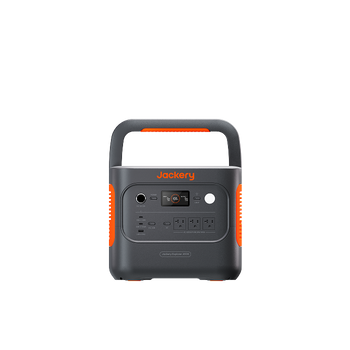
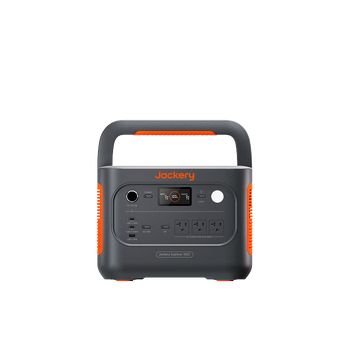
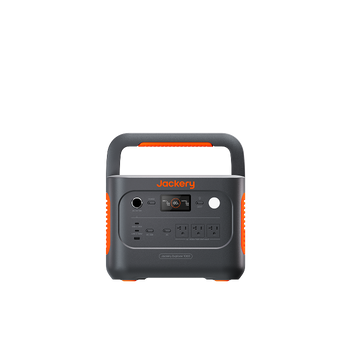
Yes, a portable power station can keep a refrigerator running during an outage if it is sized correctly. A portable power station or dedicated backup battery can supply a refrigerator's running wattage and the surge of power a compressor draws the instant it starts up.
How long that translates into actual runtime depends on several factors:
- The refrigerator's size and efficiency
- The battery's usable capacity
- Ambient temperature
- How often the compressor cycles on and off
- Any other devices sharing the same battery
Before connecting anything, check both your refrigerator's nameplate wattage and the power station's continuous and surge output ratings to make sure they are compatible.
One thing backup power doesn't change: the food-safety guidance above still applies. If the fridge sat warm for a few hours before a power station kicked in, that time still counts against the 4-hour window.
How Can You Prepare Your Refrigerator for the Next Power Outage?
To prepare your refrigerator for a power outage, lower the temperature settings and freeze containers of water to act as extra ice packs.
- Keep an appliance thermometer in both the fridge and the freezer.
- Know your current fridge and freezer temperatures before an outage happens, so you can spot a problem quickly.
- Keep the freezer reasonably full. Fill empty space with water jugs if needed, since full freezers hold cold longer.
- Have a cooler and ice or gel packs on hand.
- Bookmark your utility's outage-reporting or status page.
- Decide ahead of time which foods matter most to protect if you need to prioritize cooler space.
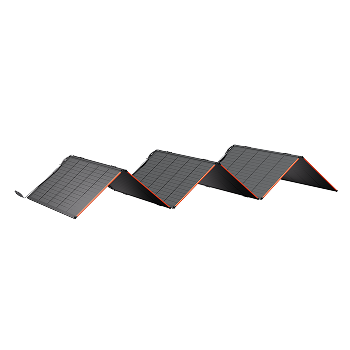
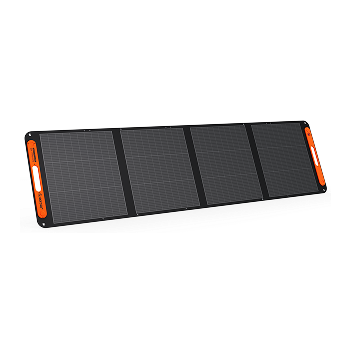
- Consider backup power if outages are frequent where you live.
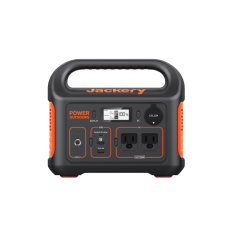
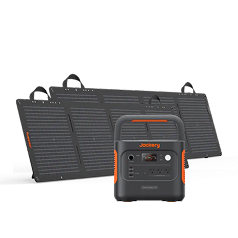
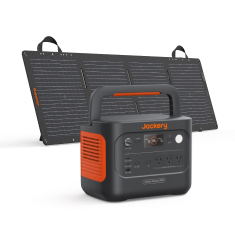
Which Jackery Solar Generators Can Help Keep a Refrigerator Running?
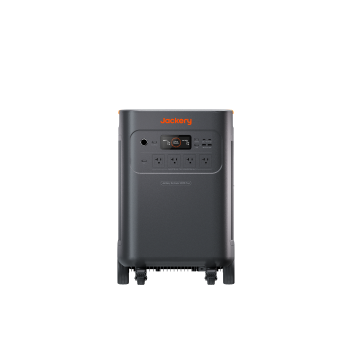
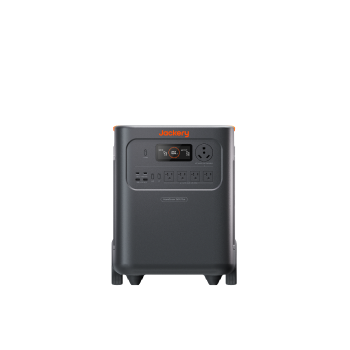
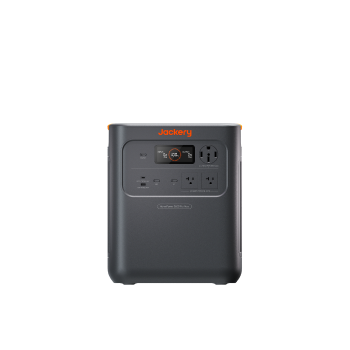
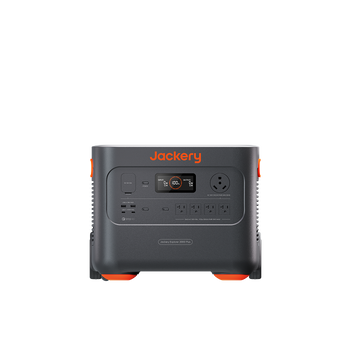
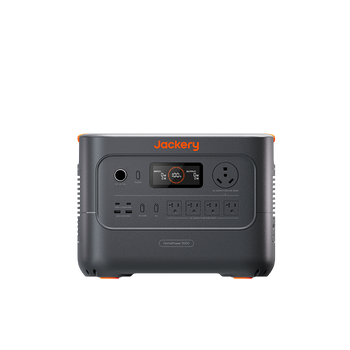
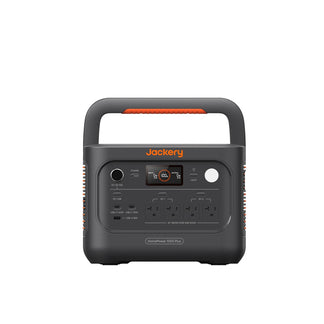
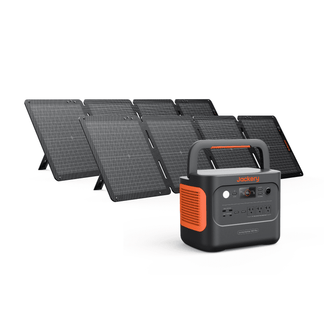
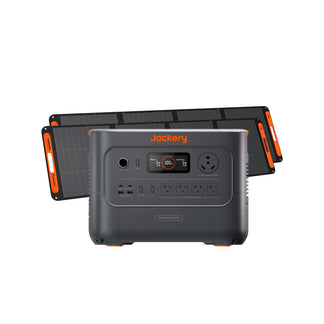
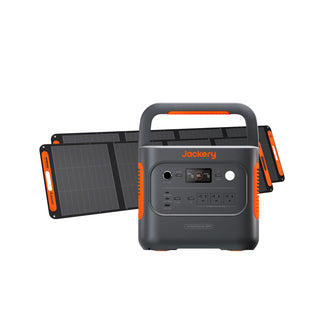
Picking the right fridge battery backup comes down to matching capacity and output to what you actually need to protect. A single refrigerator needs far less power than a whole kitchen, so the right solar generator choice ranges from a compact, dedicated unit to an essential home backup solution, depending on how long your outages typically run and how much beyond the fridge you want to keep powered. Jackery manufactures reliable fridge battery backup solutions that can run refrigerators when the grid goes down. Here are some ideal battery backups for refrigerators:
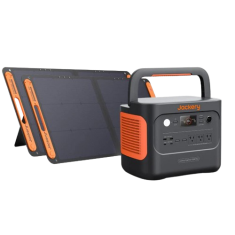
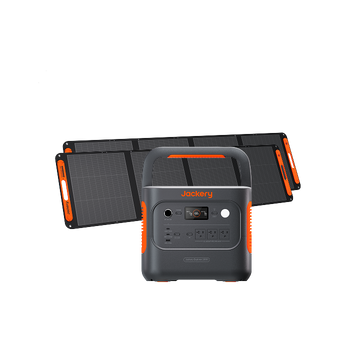
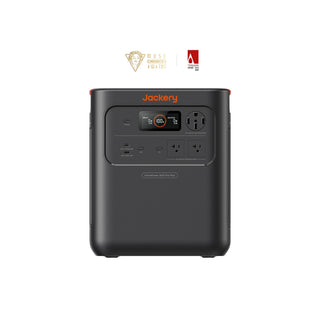
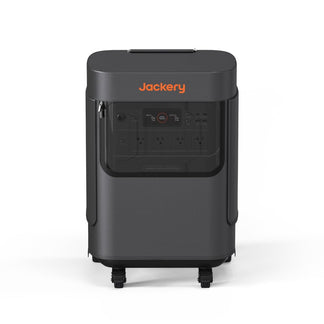
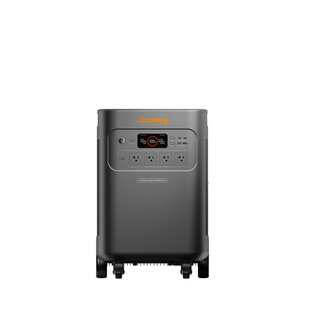
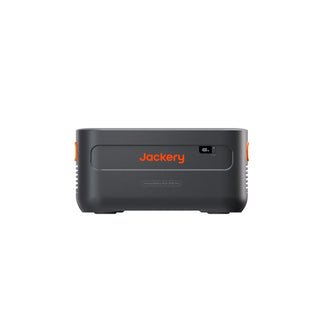
Jackery FridgeGuard
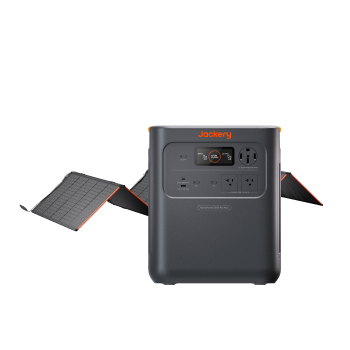
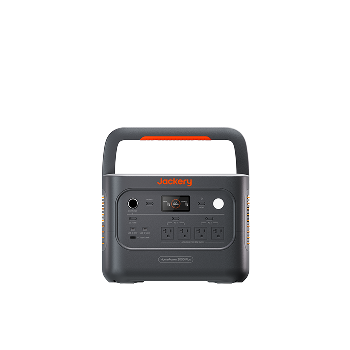
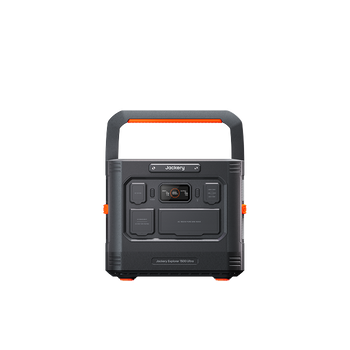
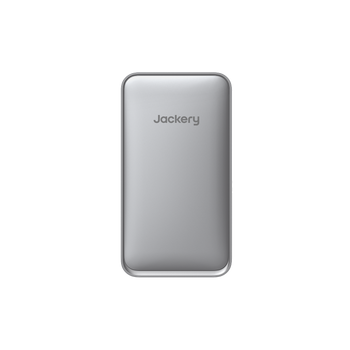
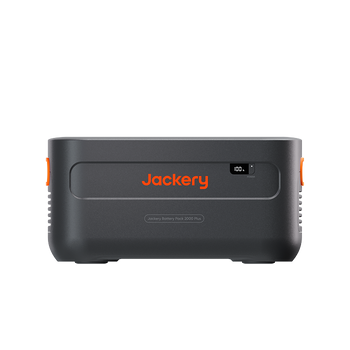
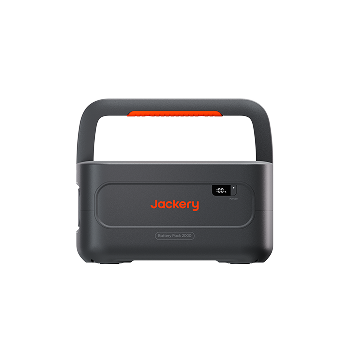
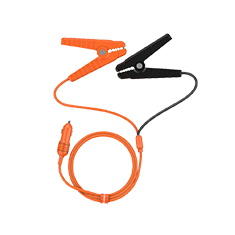
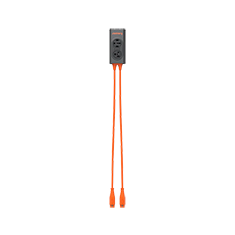
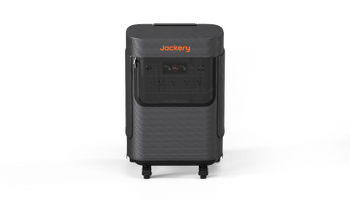
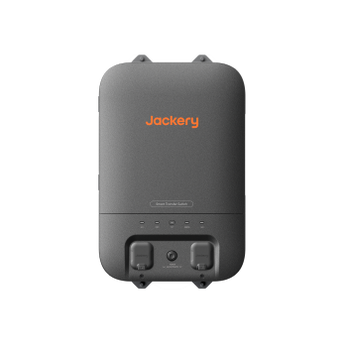
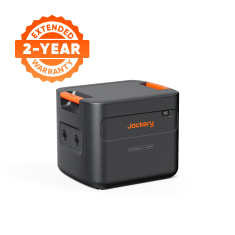
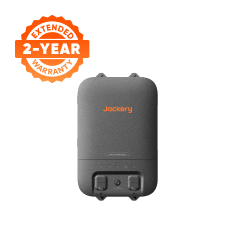
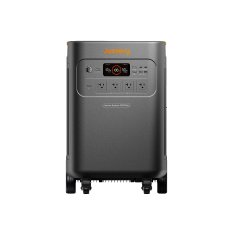
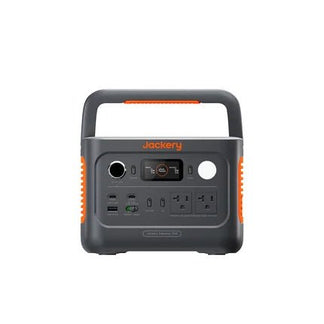
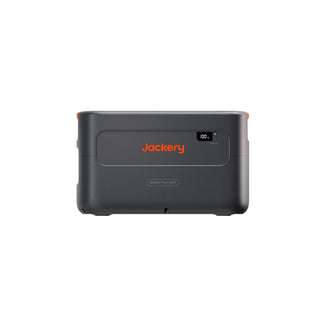
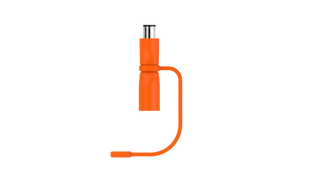
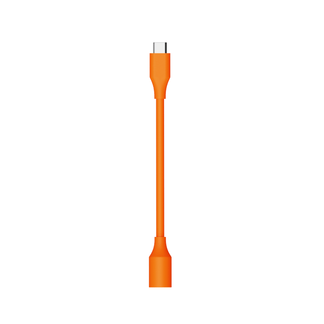
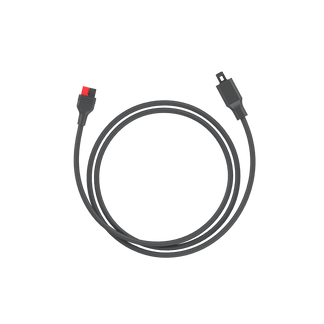
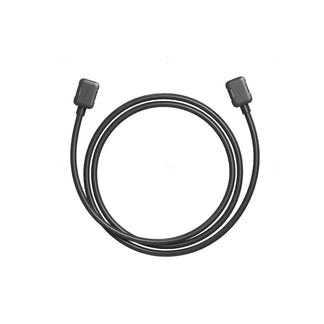
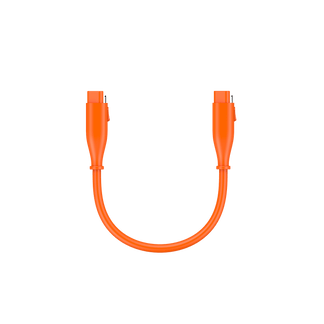
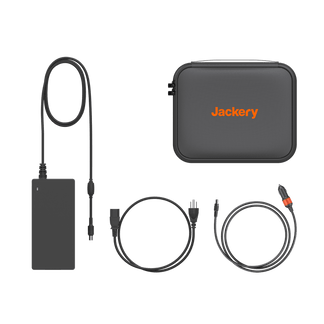
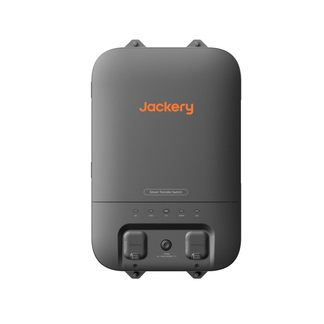
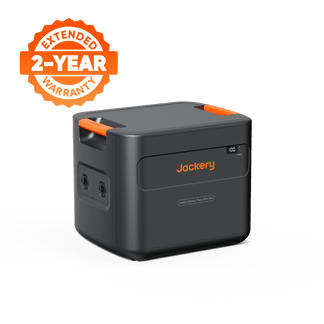
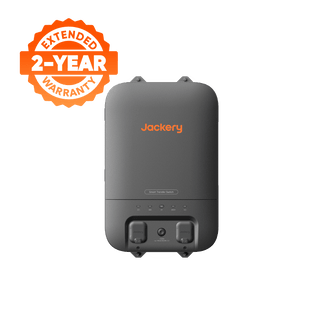
The Jackery FridgeGuard is a purpose-built home battery backup that can keep a single refrigerator running through an outage. Its 1,024Wh LiFePO4 battery (expandable to 2,048Wh) delivers 800W of continuous output with up to 1,600W of compressor-ready surge, paired with a sub-10-millisecond automatic switchover that keeps the compressor from losing power long enough to strain. This means near-zero setup and a slim footprint that fits beside or on top of the fridge. It provides roughly 15 hours of backup on the base unit (about 30 hours expanded), which is enough to comfortably outlast most short-to-medium outages without paying for capacity you don't need.
Appliances Running Time
- Mini Fridge (60W) = 11.2H
- Compact Fridge (100W) = 7.3H
- Standard Top-Freezer Refrigerator (150W) = 5.1H
- French Door / Bottom-Freezer Refrigerator (200W) = 3.9H
- Large Side-by-Side Refrigerator (250W) = 3.2H
- Standard Refrigerator (300W) = 2.7H
Who Should Buy This
The Jackery FridgeGuard can keep your fridge running when the power goes out, making it ideal for renters, apartment dwellers, or any household whose main concern is protecting the refrigerator specifically.

Customer Review
Excelente
— Jose D.
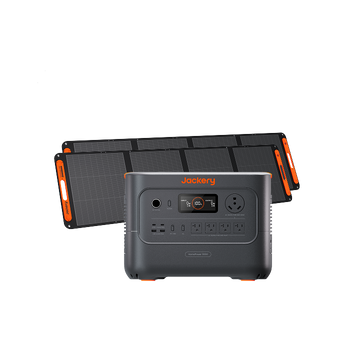
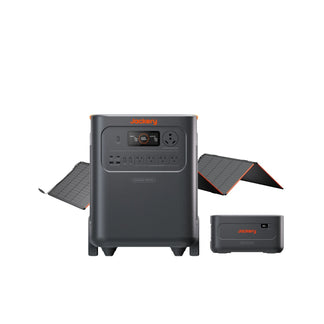
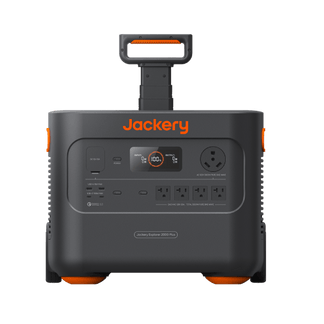
Jackery Solar Generator HomePower 3600 Plus
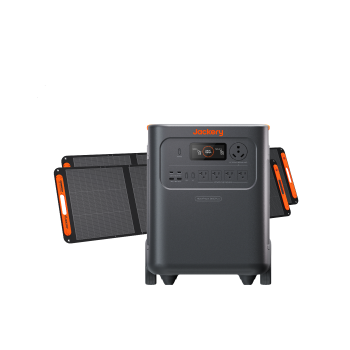
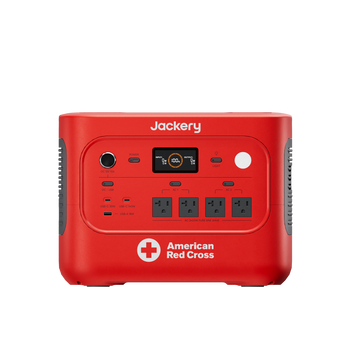
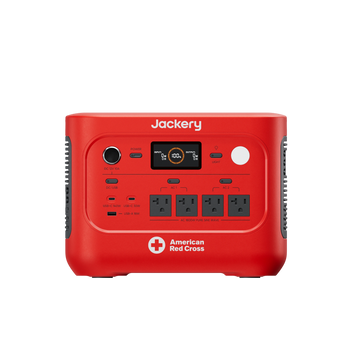
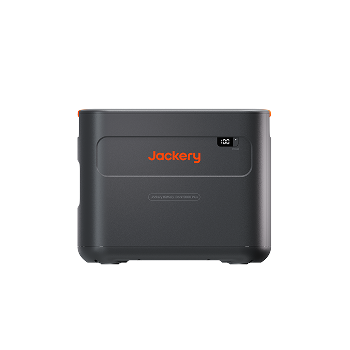
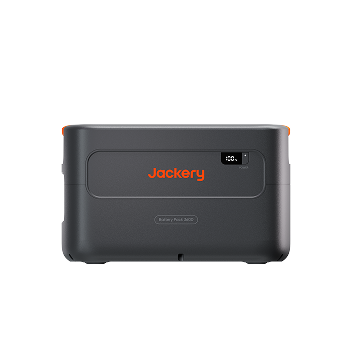
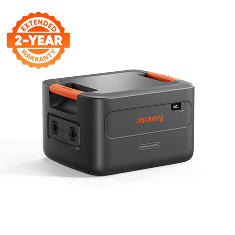
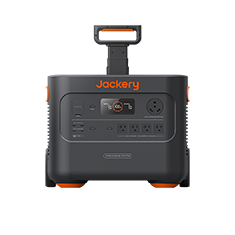
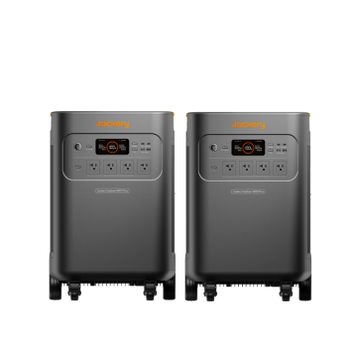
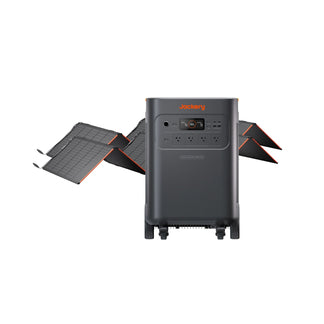
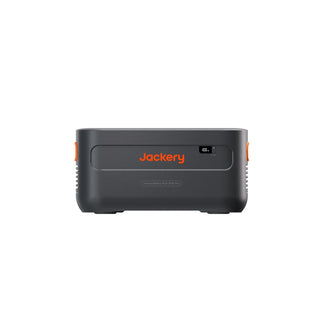
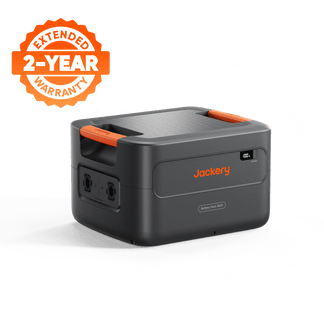
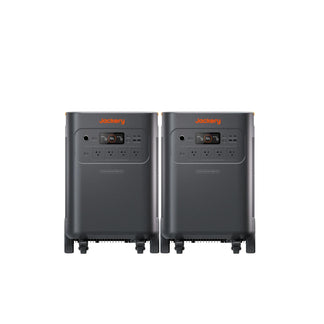
The Jackery Solar Generator HomePower 3600 Plus steps up from single-appliance protection to essential home backup. Its 3,584Wh base capacity (expandable to roughly 21kWh or 43kWh) and 3,600W of continuous output let it run the refrigerator alongside a router, lighting, and a few other essential circuits at once, while still switching over in under 10 milliseconds like the Jackery FridgeGuard. The expandable battery packs let you scale capacity later instead of buying more than you need up front.
Appliances Running Time
- Mini Fridge (60W) = 37.2H
- Compact Fridge (100W) = 25.0H
- Standard Top-Freezer Refrigerator (150W) = 17.7H
- French Door / Bottom-Freezer Refrigerator (200W) = 13.7H
- Large Side-by-Side Refrigerator (250W) = 11.2H
- Standard Refrigerator (300W) = 9.5H
Who Should Buy This
The Jackery Solar Generator HomePower 3600 Plus is ideal for households that want to cover the fridge plus a handful of other essentials during outages that regularly run longer than a few hours, and who want room to expand capacity over time.

Customer Review
We have already used it for our refrigerator twice for brief black outs but were so happy to have it. Kept fridge running perfectly and was also useful to charge my phone.
— Vanna A.
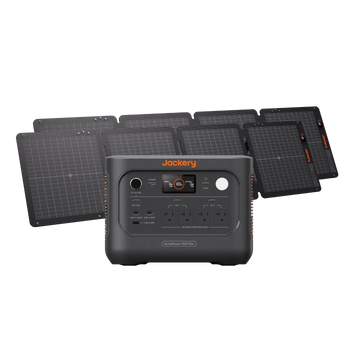
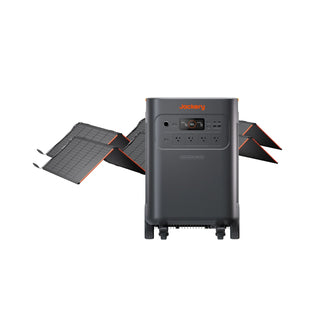
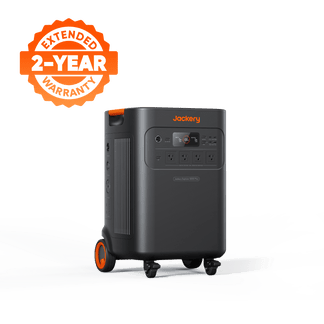
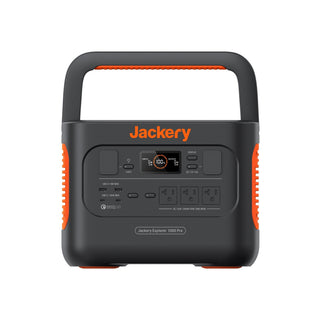
Jackery Solar Generator 5000 Plus
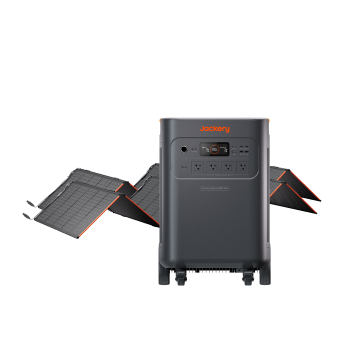
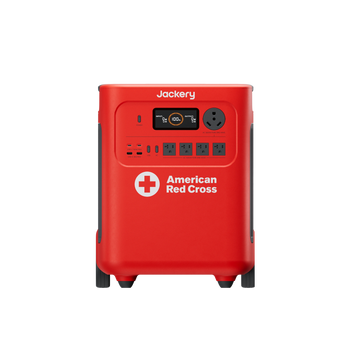
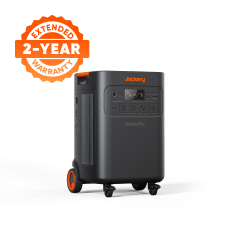
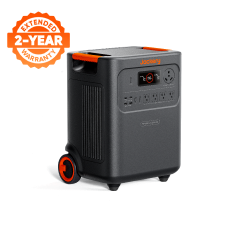
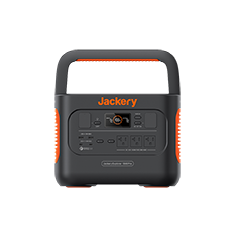
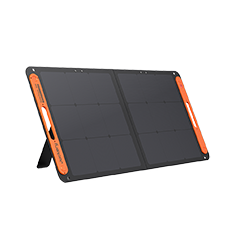
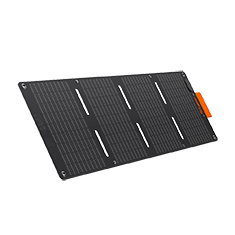
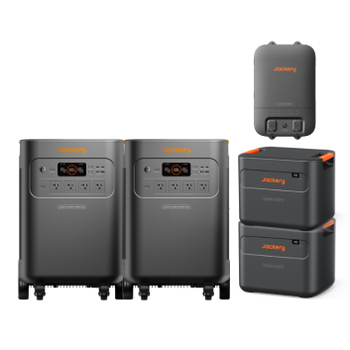
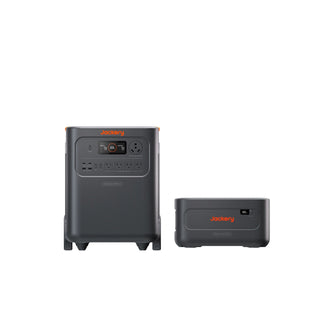
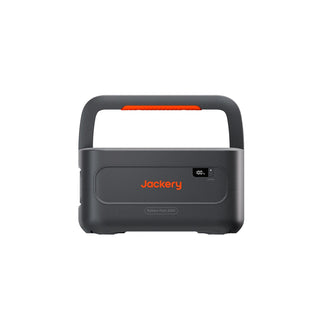
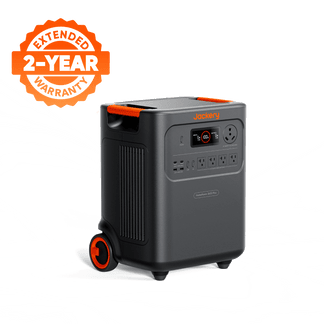
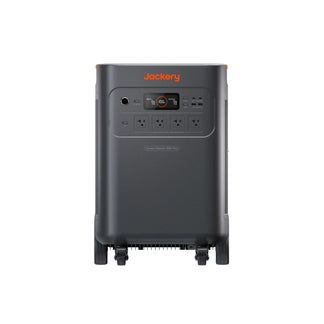
The Jackery Solar Generator 5000 Plus is built for extended, multi-day outages. With a 5,040Wh base capacity (expandable up to 60kWh), 7,200W of continuous output, and 120V/240V dual-voltage support, it can power the refrigerator alongside larger appliances at the same time. It provides peace of mind during prolonged grid failures. The solar charging input means it can recharge indefinitely without depending on the grid coming back, making it a realistic option for storm-prone regions or larger homes with more to protect.
Appliances Running Time
- Mini Fridge (60W) = 38.9H
- Compact Fridge (100W) = 28.6H
- Standard Top-Freezer Refrigerator (150W) = 21.4H
- French Door / Bottom-Freezer Refrigerator (200W) = 17.1H
- Large Side-by-Side Refrigerator (250W) = 14.3H
- Standard Refrigerator (300W) = 12.2H
Who Should Buy This
The Jackery Solar Generator 5000 Plus is ideal for larger households, storm-prone regions, or anyone who wants solar-rechargeable independence during outages that could stretch several days or longer.

Customer Review
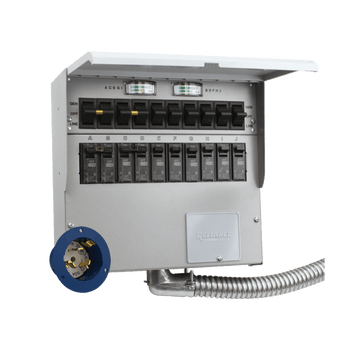
We purchased the Jackery Explorer 5000 Plus + SolarSaga 500 X x 2 + Smart Transfer Switch and are super pleased with the quality and the ease of the back up power. With the transfer switch you hardly notice when it switches from grid to back up power. It's amazing!
— C J.
What Should You Do With Food After Power is Restored?
You should check the temperature and length of the outage for each item in the fridge once the power is restored.
- Estimate how long the fridge or freezer was actually without power.
- Check the current temperature with an appliance thermometer, if you have one.
- Apply the FoodSafety.gov guidance above to each item individually.
- Discard anything that crossed the unsafe threshold: 4 hours for the fridge, or the food-specific guidance in the table above.
- Check frozen food for ice crystals or a 40°F (4.4°C) or below reading before deciding whether to refreeze it.
- Clean up any spills or leaks, like raw meat juices or melted items, before restocking the fridge.
- Never taste-test to decide whether something is safe.
What is the Safest Way to Handle Food During a Long Power Outage?
The core of food safety during any outage comes down to a handful of principles: track how much time has passed, keep the doors closed, use a thermometer, move perishables to an iced cooler once the fridge has been without power for about 4 hours, and handle food category by category rather than treating the whole fridge as one unit.
Discard high-risk perishables, such as meat, poultry, seafood, eggs, dairy, leftovers, and cut produce, once they have been above 40°F (4.4°C) for 2 hours or 1 hour above 90°F (32.2°C). Never rely on smell, taste, or appearance to judge safety. And when you are not sure, follow the federal guidance: when in doubt, throw it out.
FAQ
How long does food last in the fridge without power?
The food stays safe in the fridge for about 4 hours without power, as long as the door stays closed. The exact time for how long does food last in the fridge without power comes from USDA and FoodSafety.gov guidance on food safety during power outages. After that, high-risk perishables like meat, dairy, and leftovers should be discarded unless they have been moved to a cooler with ice.
What happens to food after 4 hours without power?
Perishable food that has been above 40°F (4.4°C) for more than 2 hours or 1 hour in temperatures above 90°F (32.2°C) enters the range where bacteria multiply quickly enough to pose a safety risk, even if the food looks and smells normal.
How long does food last in a freezer without power?
The food stays safe for about 48 hours in a full freezer, or 24 hours if it is half full, as long as the door stays closed.
Can I eat food from the fridge after a power outage?
It depends on the item and how long the power was out. Whole produce, hard cheese, butter, and shelf-stable condiments often remain fine. High-risk items like meat, dairy, eggs, and leftovers should be discarded after about 4 hours without power.
Should I throw away food after a power outage?
Any high-risk perishable that has been above 40°F (4.4°C) for more than 2 hours should be discarded, along with anything showing an unusual odor, color, or texture. Never taste food to decide. When in doubt, throw it out.
How can I keep my refrigerator cold during a power outage?
Keep the doors closed as much as possible, move perishables to an ice-filled cooler once the outage lasts about 4 hours, and consider a backup power source like a portable power station if outages are common where you live.
Can frozen food be refrozen after a power outage?
Yes, frozen food can be refrozen after a power outage if it still contains ice crystals or reads 40°F (4.4°C) or below on a thermometer. Quality may decline somewhat, but it can generally be refrozen or cooked safely.
Conclusion
Power outages are unpredictable, but how prepared you are for them doesn't have to be. Jackery's lineup of solar generators, from the compact, fridge-dedicated Jackery FridgeGuard to the essential home backup solutions like the Jackery Solar Generator 5000 Plus, gives you a way to keep your refrigerator running through outages of any length, without waiting on the grid. Beyond fridge protection, these solar-rechargeable power stations mean fewer emergency trips for ice, less worry about spoiled groceries, and a home that stays resilient through everything from short outages to multi-day blackouts.


