

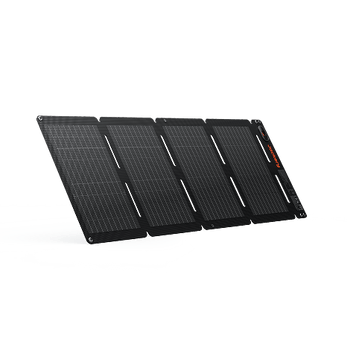









![[Add-on] Jackery SolarSaga 500 X - Jackery](http://www.jackery.com/cdn/shop/files/add-on-jackery-solarsaga-500-x-1493607.webp?v=1786503068&width=324)
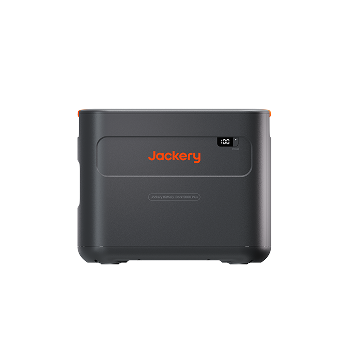
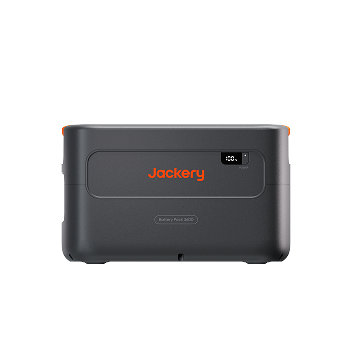
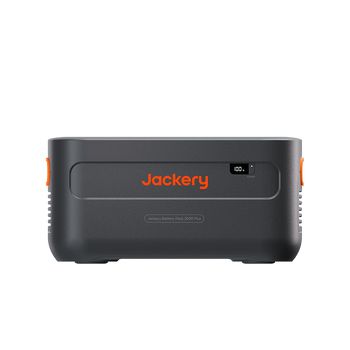
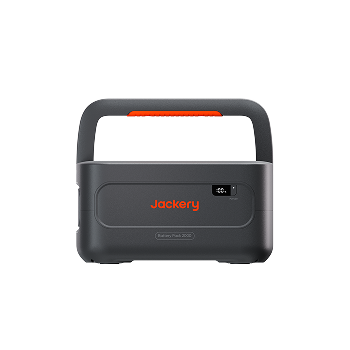
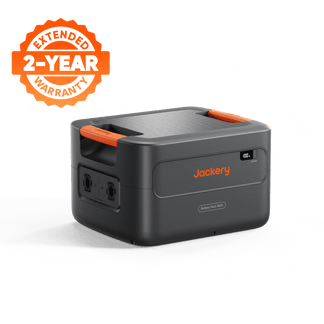
![[Add-on] Jackery Battery Pack 5000 Plus - Jackery](http://www.jackery.com/cdn/shop/files/add-on-jackery-battery-pack-5000-plus-6713401.webp?v=1786503068&width=324)








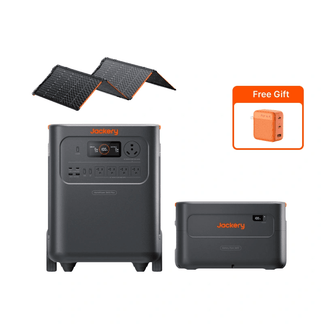


Building a 72-hour household emergency power outage plan starts with gathering essential supplies, securing backup power, and establishing a clear safety and communication strategy for your family. A good power outage plan does not care why the grid went down. It just tells you what to do next.
2026 has put more public attention on US grid resilience with the August 26, 2026 executive order on the bulk-power system. That is context for why this topic is on more people's minds right now. An emergency household power outage plan is useful no matter what causes the outage.
This guide walks through a full 72-hour plan: what to prep beforehand, what to do in the first few hours, and how your priorities shift as an outage stretches from 24 hours to 48 to 72.
Key Takeaways
- A 72-hour plan sequences appliances by priority, so you can stay comfortable during the long power outage.
- Refrigerators stay food-safe for about 4 hours, and a full freezer holds safe temperatures for roughly 48 hours.
- You can split devices into three tiers: essential, important, and comfort, so limited backup power covers what matters most first.
- Portable power stations bridge the gap between basic phone charging and running a refrigerator, portable fans, or WiFi.
- Testing your backup-power setup before an outage happens prevents a costly surprise the moment you actually need it.
What Should You Include in a 72-Hour Power Outage Plan?
A 72-hour power outage plan covers water, food, lighting, device charging, communication, medication and personal needs, temperature control, refrigeration, backup power, emergency contacts, key documents, pet needs, and basic first aid.
- Water: Enough stored water for drinking and basic hygiene
- Food: Shelf-stable items that don't need cooking or refrigeration
- Lighting: Flashlights and battery-powered or rechargeable lanterns
- Phone and device charging: Power banks or a portable power station
- Communication: A way to get official updates without relying on the grid
- Medication and personal needs: Anything time-sensitive or refrigerated
- Temperature management: Staying warm or cool without HVAC
- Refrigeration and freezer handling: Protecting what's already stored
- Backup power: For essential devices in the house
- Emergency contacts: Utility, neighbors, out-of-area family
- Key documents: Insurance, ID, medical info, in one grab-and-go folder
- Pet needs: Food, water, and a plan if you have to relocate
- Basic first aid: A stocked kit you can find in the dark
Bottom line: if you can check off every item on this list, you are covered for the first 72 hours.
What Should You Do Before a Power Outage?
Preparing for a power outage involves building an emergency supply kit, setting up backup power options, and safeguarding your home electronics. You should do your preparation work before the outage and not during it. Here is the checklist:
- Save your utility's contact info and know how to report an outage online or by phone
- Identify which electrical devices in your home are essential
- Keep phones and rechargeable lights recharged, even when nothing's wrong
- Store flashlights in the same spots every time, so you can find them in the dark
- Check and charge backup batteries or a portable power station
- Keep shelf-stable food and stored water on hand at all times
- Learn how to manually operate essential equipment, like a garage door opener
- Plan for pets. Keep the food, water, and a carrier if you would need to relocate them
- Identify a backup location in case your home becomes unsafe or too uncomfortable to stay in
Pro tip: Test your flashlights and power bank once a month. A "charged" battery from six months ago is often dead when you actually need it.
What Should You Do During the First Few Hours Without Power?
The first few hours without power require keeping your refrigerator closed, disconnecting sensitive electronics, and setting up safe emergency lighting. Once you have confirmed the scope of the outage, here is what to do when power goes out:
- Check whether it is just your home or the whole block without power
- Check your utility's outage map online
- Report the outage if it has not already been reported
- Unplug sensitive electronics to protect them from power surges
- Keep the refrigerator and freezer doors closed
- Use flashlights or battery lanterns instead of candles
- Put your phone in low-power mode to conserve battery
- Power only essential devices first
- Check on household members who need extra help, like kids or older adults
- Monitor official updates to understand what is the reason the power is out and when it will be restored through a battery-powered or car radio
The takeaway: the first few hours are about containment rather than comfort. Lock down the fridge, the phones, and the flashlights, then settle in to wait for more information.
How Should You Manage the First 24 Hours of a Power Outage?
Once the first few hours of a power outage have passed, you need to shift the focus from reacting to managing. Here are the priorities you need to work in order:
- Water: Start rationing stored water if the outage also affects your water supply
- Food: Eat perishables first, shelf-stable food later
- Refrigeration: Every door opening costs you cold air, so reduce frequent fridge openings
- Lighting: Reserve battery power for when you actually need it
- Phone Charging: Decide now who charges when, if you are sharing a power bank
- Internet and Communication: A car charger or radio can fill the gap
- Indoor Temperature: Close blinds in summer and layer up in winter
- Nighttime Lighting and Sleep: Set up battery lanterns before dark
- Battery Conservation: Turn off anything that you are not using to conserve battery
- Backup-Power Management: Decide which devices your power station covers first
What Changes After 24 to 48 Hours Without Power?
Your priorities shift toward food safety and power conservation after 24-48 hours without power. Here is what to focus on:
- Reassess food safety in the fridge and freezer
- Track your remaining battery or fuel supply
- Check whether your water supply is still stable
- Keep monitoring official updates for a restoration timeline
- Watch the indoor temperature because this matters more as the outage stretches on
- Decide whether to stay home or relocate, based on your actual conditions
Note: An unopened refrigerator generally keeps food safe for about 4 hours without power. A full freezer can hold a safe temperature for about 48 hours if the door stays closed. These are general guidelines from FoodSafety, but the actual timing still depends on your fridge, your freezer's fill level, and the room temperature.
How Can You Prepare for 48 to 72 Hours Without Power?
Preparing for a 48- to 72-hour power outage requires assembling basic survival supplies, protecting your food and water, and knowing critical safety rules. Having three days of water in the garage does not help you if you have not decided who drinks it, when, or how much. A real plan sequences your resources. It tells you what to check first, second, and third as the hours pass.
|
Window |
Focus |
|
0–4 hours |
Immediate safety, communication, lighting, refrigeration |
|
4–24 hours |
Food, charging, temperature management, battery conservation |
|
24–48 hours |
Food-safety decisions, backup-power management, communication, changing needs |
|
48–72 hours |
Remaining supplies, alternative arrangements, continued monitoring, recovery prep |
You can use this table as your reference point at every stage. Ask yourself: what window am I in, and what should I be focused on right now?
Cover these areas as you move through the later windows:
- Water and ready-to-eat food that require no cooking
- Lighting that does not drain your main power source
- Communication and charging, prioritized by who needs what most
- Essential appliances and refrigeration alternatives, like a cooler with ice
- Temperature management for the whole household
- Backup power, allocated by the device-priority tiers
- Family and pet needs, including anyone with mobility constraints
- Transportation and relocation, in case staying home stops being the safer option
Every household is different, and every outage is different. You can treat this as a framework you adapt and make changes to the emergency power outage plans depending on the needs.
How Should You Prioritize Devices During a Power Outage?
During a power outage, you should prioritize devices based on life safety, essential communication, and food preservation. Not every device deserves equal power. Here is how you can split your loads into three tiers:
Priority 1 (Essential): Phone, emergency communication devices, required lighting, and other necessary equipment.
Priority 2 (Important): Refrigerator or freezer, internet router, and laptop or work equipment.
Priority 3 (Comfort and Convenience): TV, gaming devices, and other nonessential appliances.
Priorities shift by household. A device that's Priority 1 for one family, like a portable fan, might not even make the list for another. Do not treat any single device on this list as necessary for your specific situation.
Bottom line: when your backup power is limited, feed Priority 1 first, Priority 2 when you can spare it, and Priority 3 only if you have power left over.
How Much Backup Power Does a Household Need?
The backup power for your household depends on your loads, but the math is learnable in five minutes. Here is how it works.
Battery capacity is measured in watt-hours (Wh). You can think of it as the size of your fuel tank. The devices you plug in draw watts. You can think of that as your engine's fuel consumption rate. Capacity does not equal usable runtime, because high-wattage appliances drain a battery far faster than low-wattage ones.
A window air-conditioning unit might pull 1,000 watts. A phone charger might pull 10W. Run both off the same battery, and the AC unit will use your capacity in a fraction of the time the phone charger would.
Here's a simple worked example. Say your essential loads are:
- Phone charger (10W)
- Few LED lights (15W total)
- WiFi router (10W)
- Laptop (60W)
That is roughly a light load of 95 watts combined, and a mid-sized power station can easily run for many hours. When you add a full-size refrigerator (which cycles on and off, averaging perhaps 150-200W), your runtime can reduce accordingly.
What Should You Do With Food During a Power Outage?
Keep the refrigerator doors closed. That is rule number one, and it does more to protect your food than anything else on this list.
Follow this guidance directly from FoodSafety.gov:
- Keep refrigerator and freezer doors closed as much as possible
- A refrigerator generally keeps food safe for about 4 hours without power
- A full freezer holds a safe temperature for about 48 hours if the door stays closed (less if it is only half-full)
- Discard refrigerated perishables, such as meat, poultry, fish, eggs, and leftovers, once they have been above 40°F for more than 2 hours
- Frozen food that still has ice crystals or stays at 40°F (4.4°C) or below can safely be refrozen
- Never rely on smell or appearance alone to judge whether food is safe
- Never taste food to check if it is still good
|
Time Without Power |
Main Food-Safety Priority |
|
0–4 hours |
Keep refrigerator/freezer closed |
|
4–24 hours |
Monitor refrigerator/freezer conditions |
|
24–48 hours |
Assess frozen-food safety and alternatives |
|
48–72 hours |
Follow food-safety guidance and discard unsafe perishables |
Timing varies by food type. For example, a carton of eggs and a package of raw chicken do not spoil on the same clock. When in doubt, throw it out.
How Can You Keep Phones and Essential Devices Powered for 72 Hours?
During a 72-hour outage, you should layer your charging sources so you are not relying on just one.
- Power banks are small and portable charging solutions that are good for phones and small devices
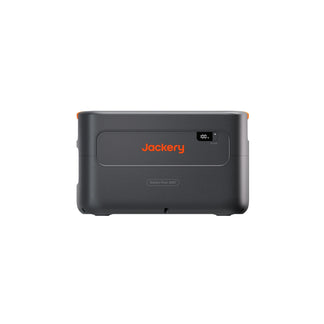
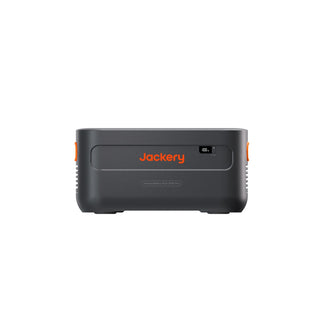
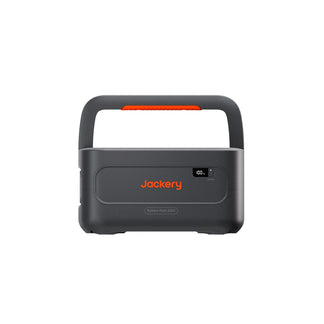
- Portable power stations with larger battery capacities can run a router, laptop, or small appliance
- Vehicle charging so your car's outlet or USB port works in a pinch
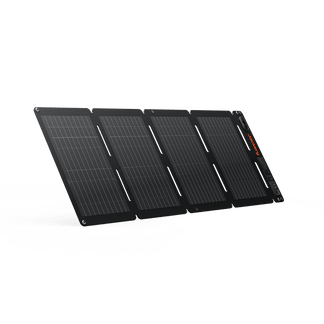
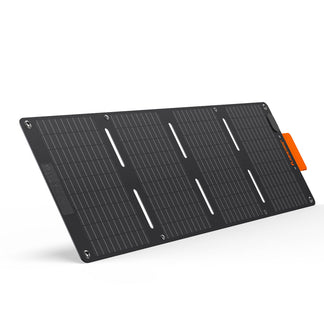
- Solar charging is a slow but steady charging method that keeps working as the outage stretches on
- Charging-priority order to decide in advance who and what charges first
- Low-power device settings, such as airplane mode and keeping the WiFi off, can more than double your phone's standby time
- Minimize unnecessary use, as every scroll session costs battery you might need later
Test your entire backup-power setup before an outage happens. You want to know it works and how to use it while you still have the option to troubleshoot.
What Should You Do When Power is Restored?
When power is restored, wait a few minutes before plugging in major appliances and electronics to protect them from electrical surges.
- Check appliances and equipment before fully reconnecting them
- Follow any specific instructions from your utility
- Assess your refrigerator and freezer for food safety before restocking
- Recharge your backup batteries and power station right away
- Restock any emergency supplies you used
- Note what worked and what didn't
- Update your household plan based on what you just learned
That last step matters more than people think. Every outage teaches you something your next plan should include.
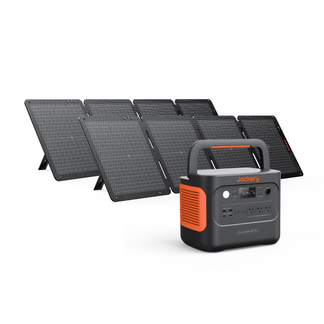
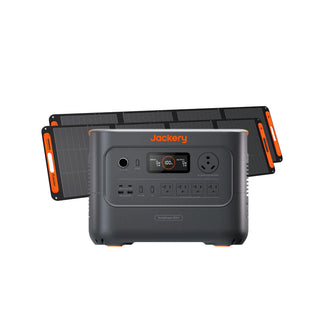
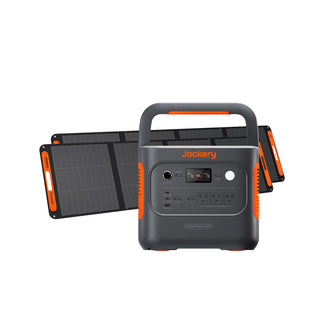
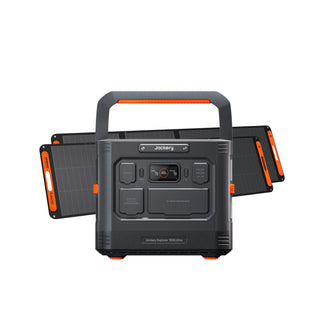
Which Jackery Solar Generators Can Help With a 72-Hour Outage Plan?
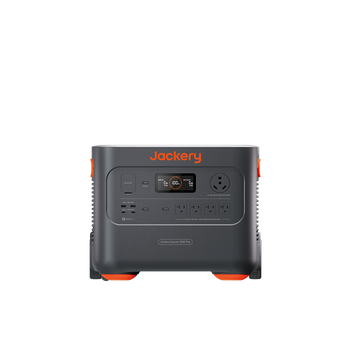
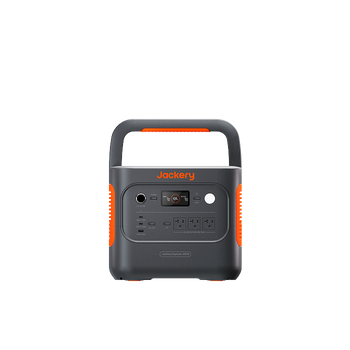
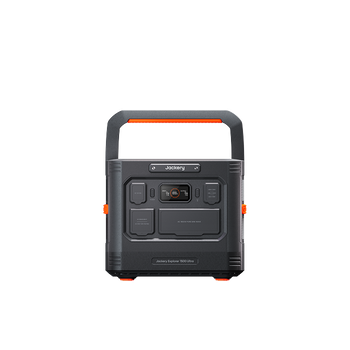
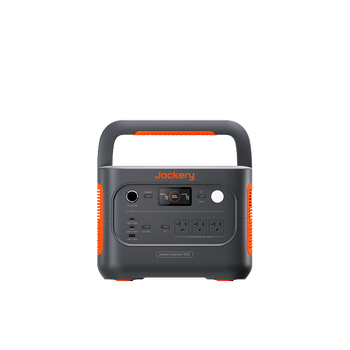
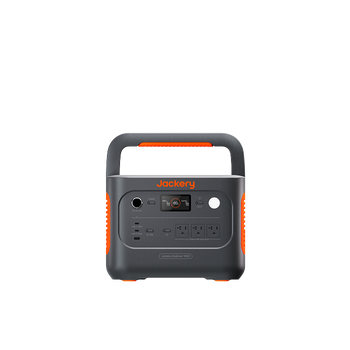
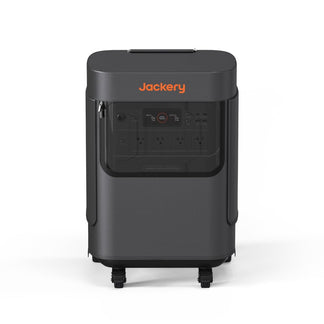
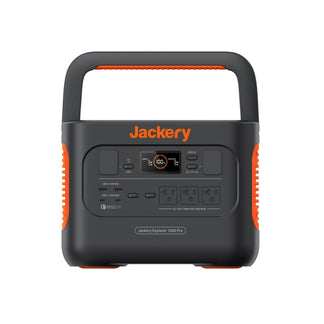
Portable power is one of the most important power outage supplies you should have at home for a 72-hour plan, alongside water, food, lighting, and communication. Water and flashlights get you through the first few hours, but keeping a refrigerator cold, a phone charged, and other equipment running for a full 72 hours takes sustained capacity. Jackery Solar Generator stores enough power to carry your essential loads through a multi-day outage, and it can recharge from solar panels even if the grid stays down longer than your battery lasts. The right solar generator depends on your household size and which loads you need to cover.
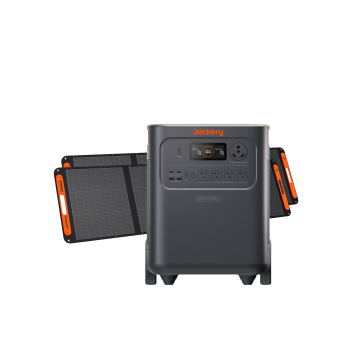
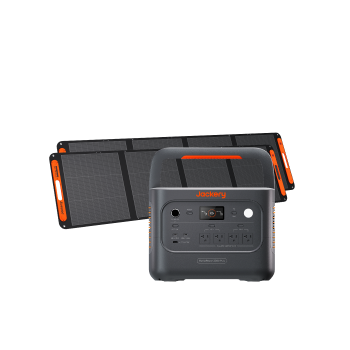
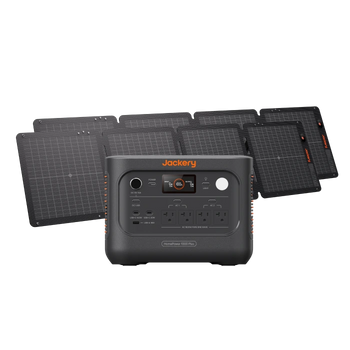
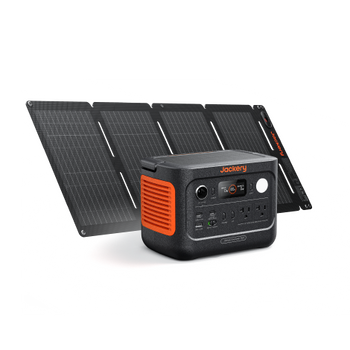
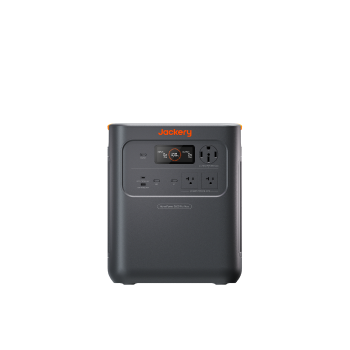
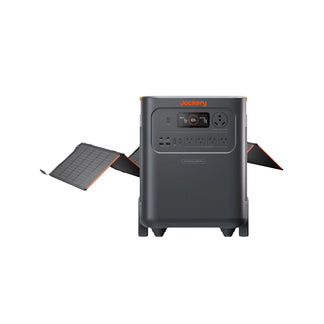
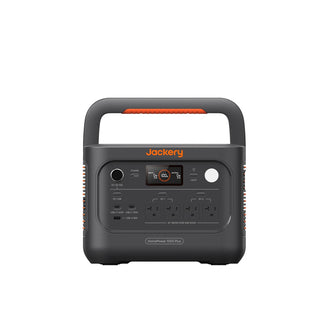
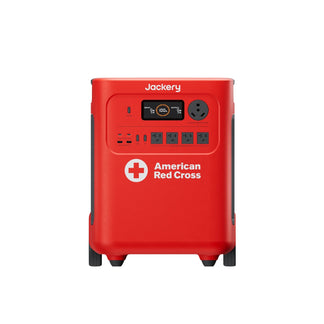
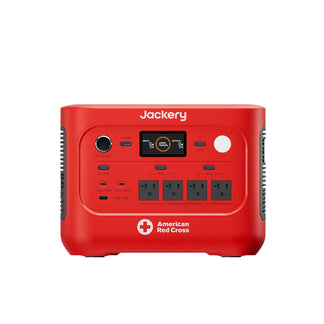
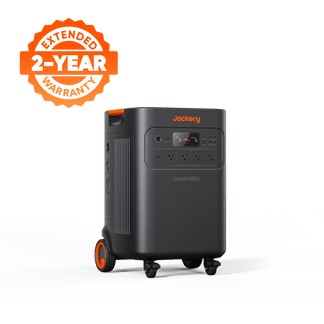
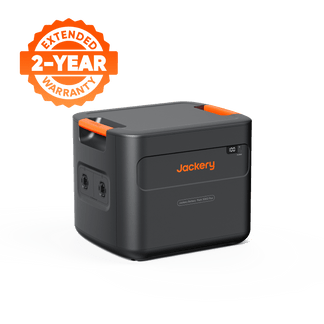
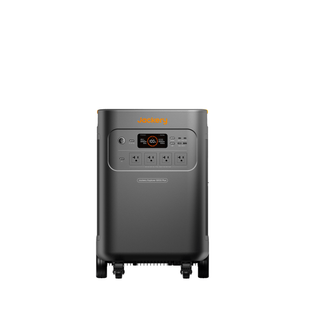
Jackery Solar Generator HomePower 3000
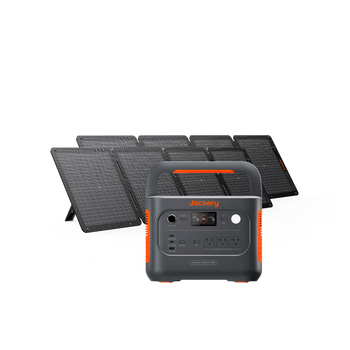
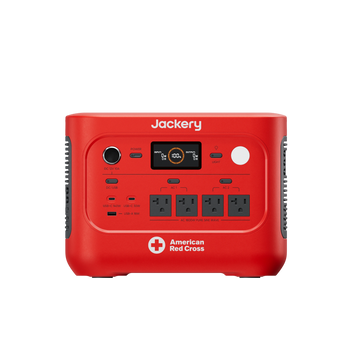
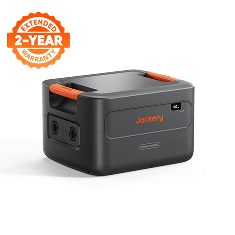
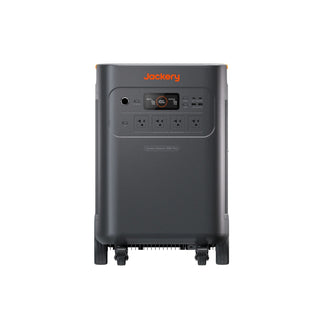
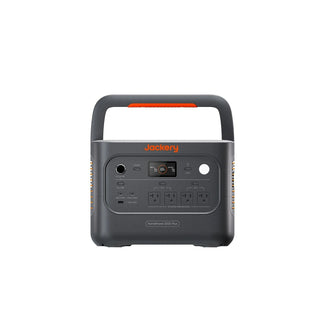
The Jackery Solar Generator HomePower 3000 is a home battery backup solution built for households that just need their core essentials covered. It can run a refrigerator, lighting, and every device your family relies on to stay connected. It is the entry point for anyone who wants real backup power without the size, weight, or cost of the larger tiers. It has a dual-sided handle that ensures you can easily move the solar generator to any room where it is required.
Appliance Running Time
- Refrigerator (300W) = 8.1H
- LED Lights (15W) = 70.6H
- Wi-Fi Router (10W) = 81.6H
- Laptop (60W) = 31.8H
- Microwave (1000W) = 2.6H
Who Should Buy This
The Jackery Solar Generator HomePower 3000 is ideal for apartment dwellers, renters, and smaller households who want dependable coverage for phones, lighting, WiFi, and a refrigerator, and don't need to run multiple heavy appliances at once.

Customer Review
I added this to my stable of Jackery Power Products! Small enough to be portable and packed with power! I am pleased with the consistency of Jackery Products as they are similar in operation and appearance.
— Actual P.a.U.
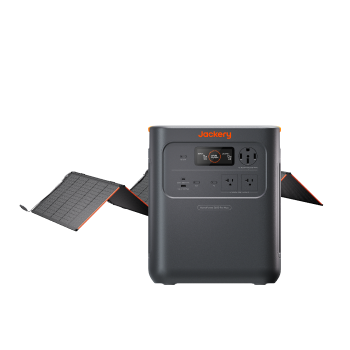
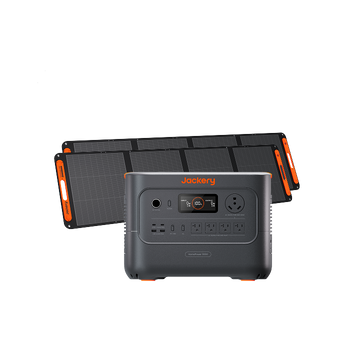
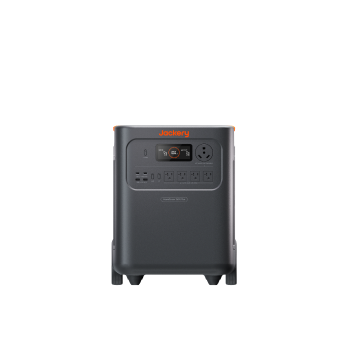
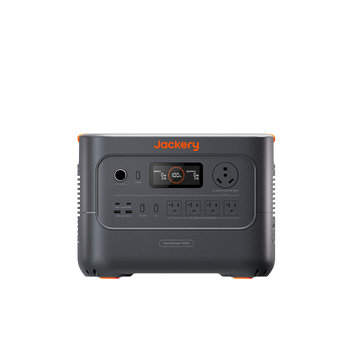
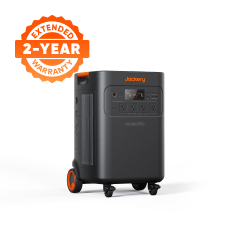
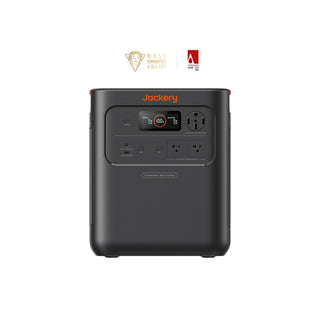
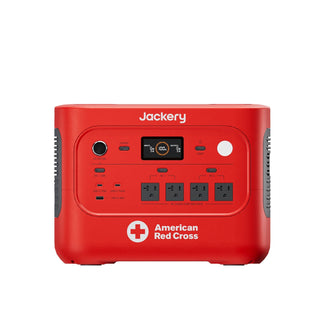
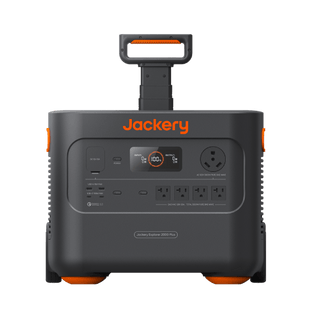
Jackery Solar Generator HomePower 3600 Plus
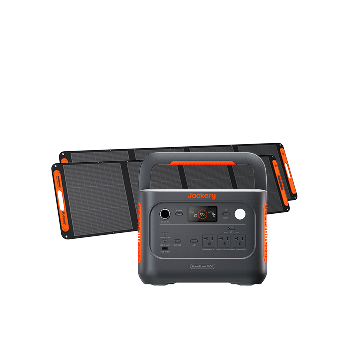
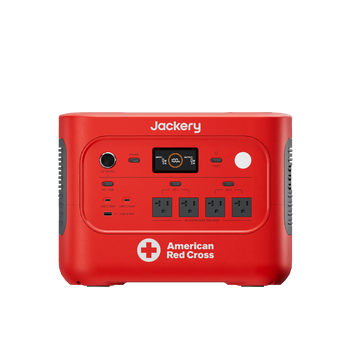
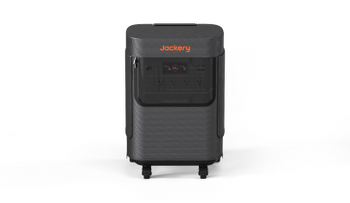
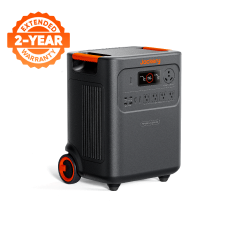
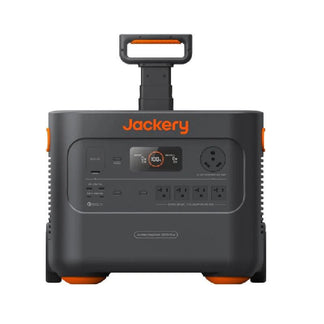
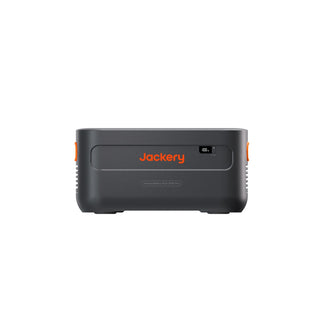
The Jackery Solar Generator HomePower 3600 Plus has a LiFePO4 battery and is built for households running more than one essential appliance through a multi-day outage. With expansion packs and parallel-unit support, it lets you add capacity as your needs grow instead of buying a bigger unit outright. It features a pull rod and double wheels that ensure easy movement from one room to another or even outdoor locations, such as garages.
Appliance Running Time
- Refrigerator (300W) = 9.5H
- Freezer (200W) = 13.7H
- Portable Fan (60W) = 37.2H
- Laptop (60W) = 37.2H
- Space Heater (1500W) = 2.0H
Who Should Buy This
The Jackery Solar Generator HomePower 3600 Plus is ideal for larger households or families who need to run a refrigerator, networking gear, multiple devices, and short-cycle appliances at the same time, and want the option to expand capacity later instead of replacing the unit.

Customer Review
We have already used it for our refrigerator twice for brief black outs but were so happy to have it. Kept fridge running perfectly and was also useful to charge my phone.
— Vanna A.
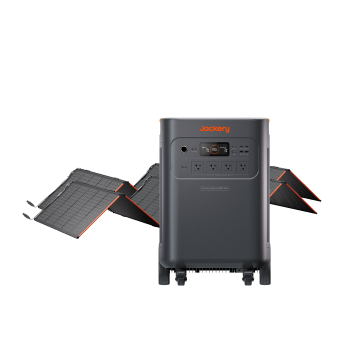
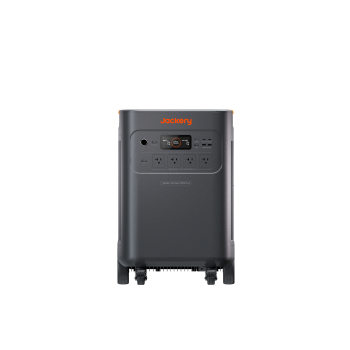
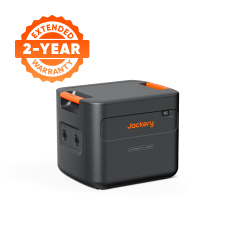
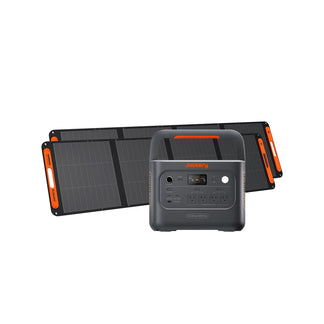
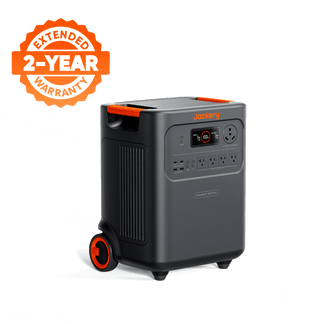
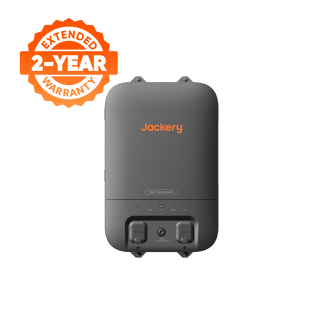
Jackery Solar Generator 5000 Plus
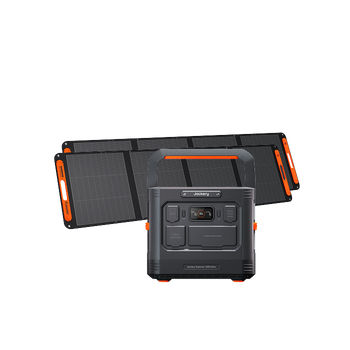
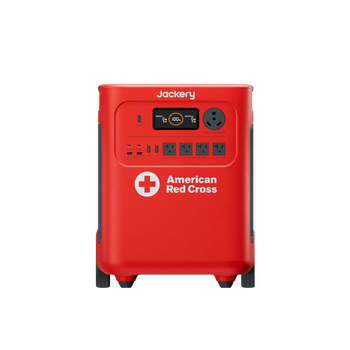
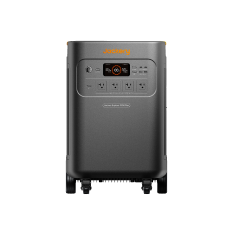
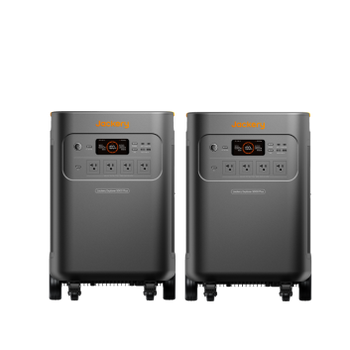
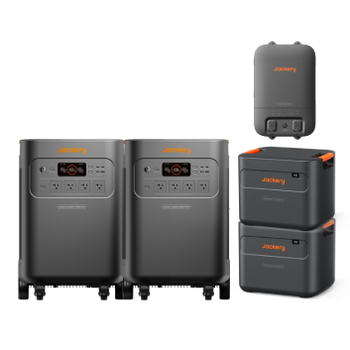
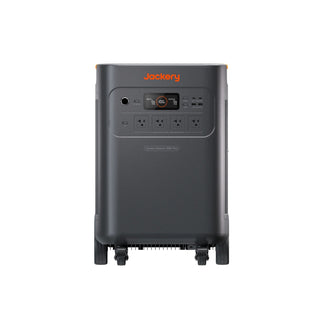
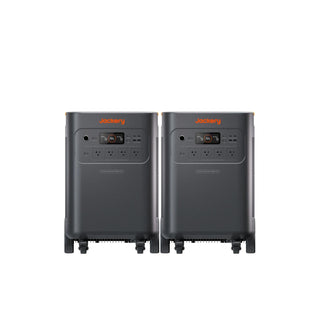
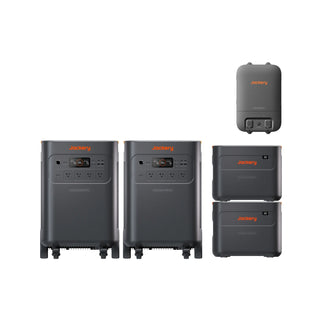
The Jackery Solar Generator 5000 Plus is a LiFePO4 battery for households that want the broadest coverage a single unit can offer, including higher-draw appliances. Its 7,200W continuous output (14,400W surge) with 120V/240V dual-voltage support handles pumps, window AC units, and multiple lighting circuits at once, while fast UPS-style switchover protects sensitive electronics from even a momentary drop. It can also expand well past 5kWh up to 60kWh for households planning around outages longer than 72 hours.
Appliance Running Time
- Refrigerator (300W) = 12.2H
- Window AC Unit (900W) = 4.5H
- Sump Pump (800W) = 5.0H
- Portable Fan (60W) = 38.9H
- Electric Stove Burner (1500W) = 2.8H
Who Should Buy This
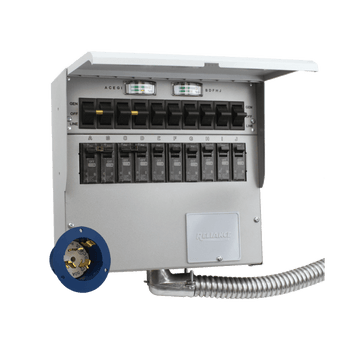
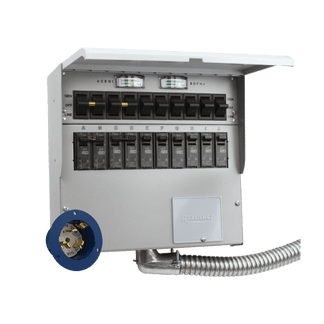
The Jackery Solar Generator 5000 Plus is ideal for larger homes, households with essential electronics that can't tolerate an interruption, or anyone wanting essential home coverage with the understanding that home circuits still require a compatible transfer switch and professional setup.

Customer Review
What an easy set up for a whole house backup. Our first test of the system lost power while we were watching TV, and heard the unit click that was the only thing we noticed. I thought it may be charging but then a notification came on my phone that power was out. It was amazing, didn't lose internet TV, didn't shut down, or even the stove clock stayed on.
— Wayne A.R.
Frequently Asked Questions
What is a 72-hour power outage plan?
A 72-hour power outage plan is a household plan that covers water, food, lighting, communication, and backup power for the first three days without electricity, broken into stages by how long the outage lasts.
What should I have for a 72-hour power outage?
At minimum, you should have stored water, shelf-stable food, flashlights, a charged power bank or power station, a battery radio, basic first aid, and a plan for pets.
How much water do I need for a 72-hour power outage?
General guidance from Ready.gov calls for one gallon per person, per day, for drinking and sanitation, so three gallons per person for a 72-hour outage, more if you can store it.
How do I keep food safe during a 72-hour power outage?
Keep the refrigerator and freezer doors closed. A fridge stays safe for about 4 hours, a full freezer for about 48 hours. Discard perishables that have been above 40°F (4.4°C) for more than 2 hours, and never rely on smell or taste to judge safety.
How can I keep my phone charged during a power outage?
Layer your sources: a power bank for the first stretch, a portable power station or vehicle charger for longer outages, and low-power settings throughout to stretch every charge.
What should I power first during an outage?
You should prioritize your phone, emergency communication, required lighting, and other necessary equipment before anything in the important or comfort tiers.
How much backup battery power do I need for a 72-hour outage?
The exact size of backup battery power you need for a 72-hour outage depends on your essential loads. Add up the wattage of what you need to run, multiply by the hours you need it, and build in a buffer to get the estimated battery capacity of the power station.
Conclusion
A power outage does not wait for you to be ready, so the households that come through one comfortably are the ones who planned before the lights went out. Water, food, lighting, and a clear device-priority list get you through the first 24 hours. What gets you through 48 and 72 hours is having enough backup power to keep the essentials running without watching a battery percentage drop by the minute.
Jackery Solar Generators can keep your refrigerator cold, phone charged, and other essential equipment running for the full stretch. Whether you need a compact unit for an apartment or an essential home backup setup for a larger household, matching the right solar generator capacity to your actual loads is one of the highest-leverage decisions in this entire emergency power outage plan.


