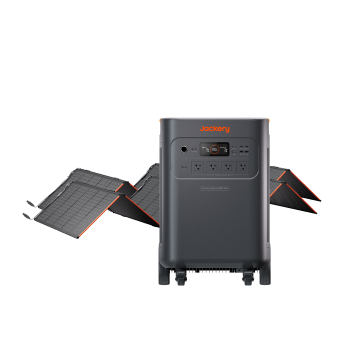
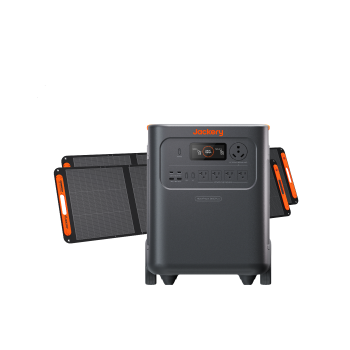
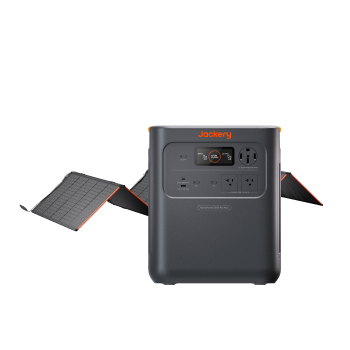
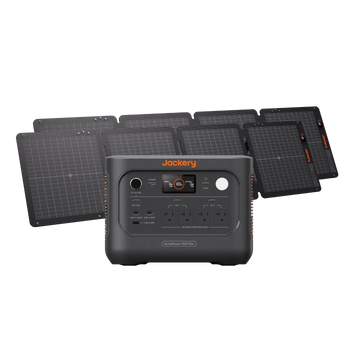
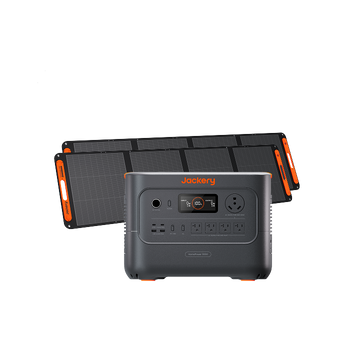
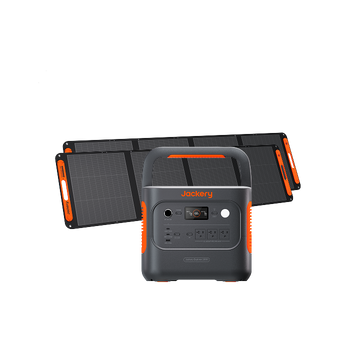
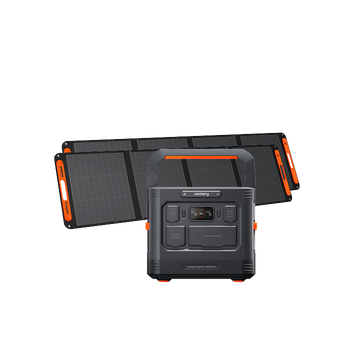
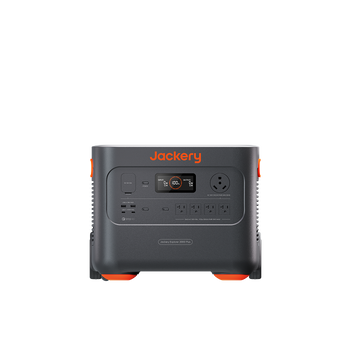

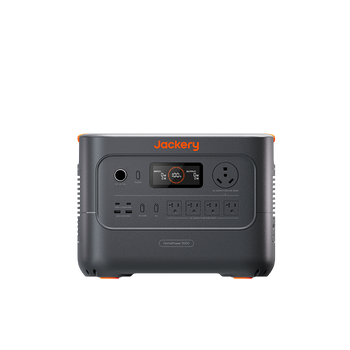
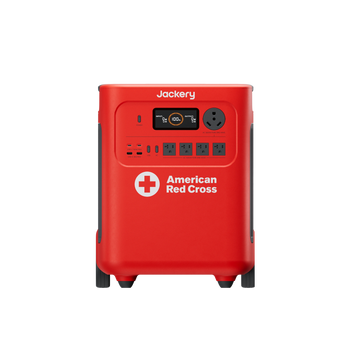
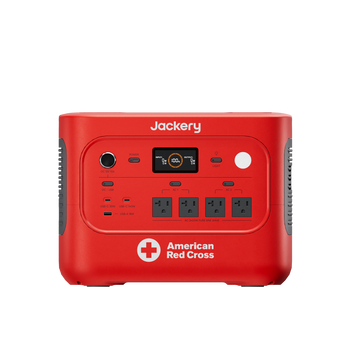
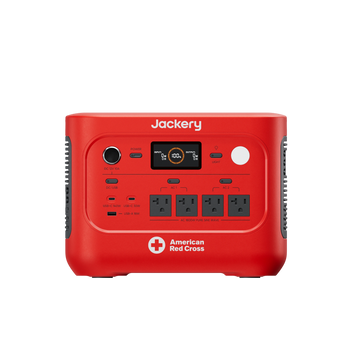
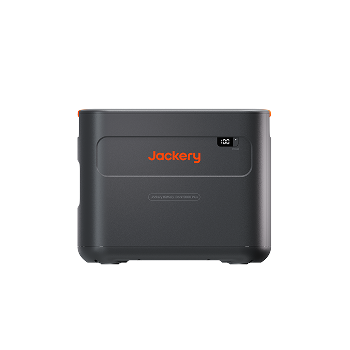
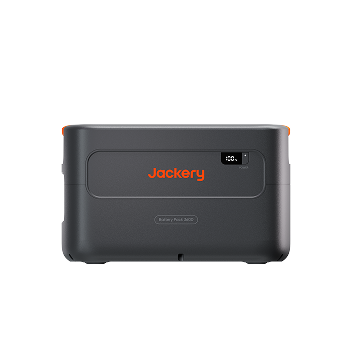
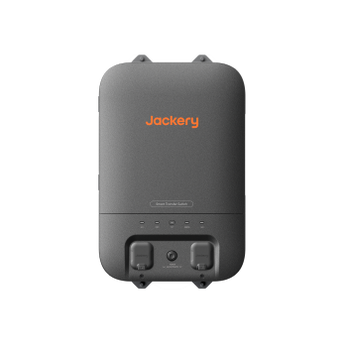





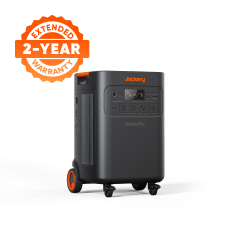
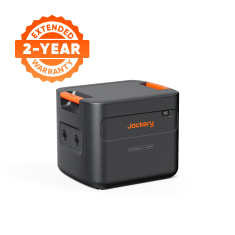
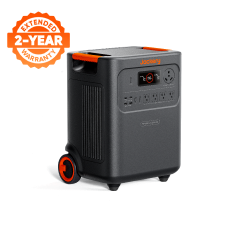
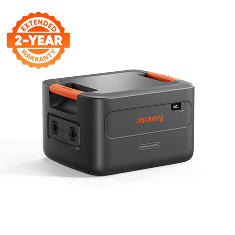
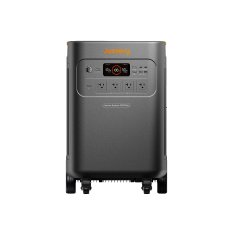
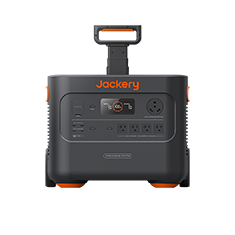


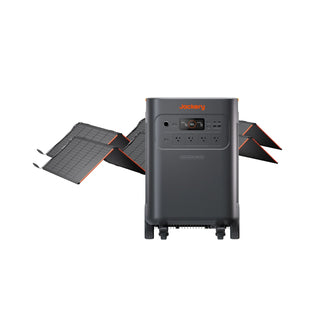
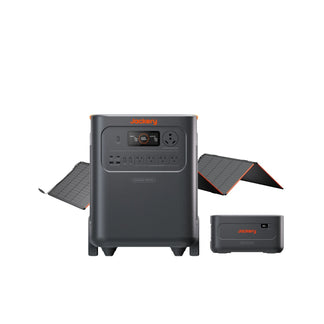
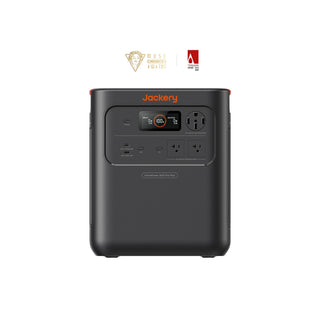
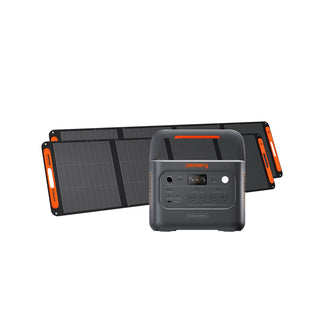
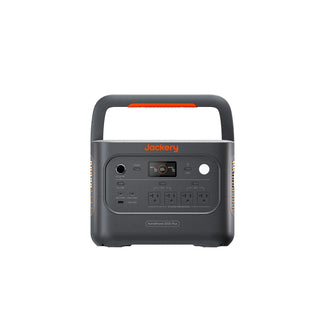

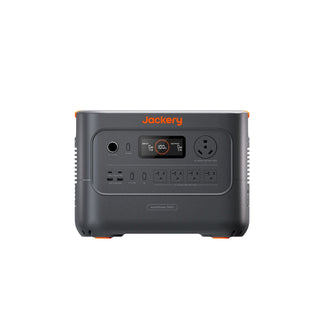
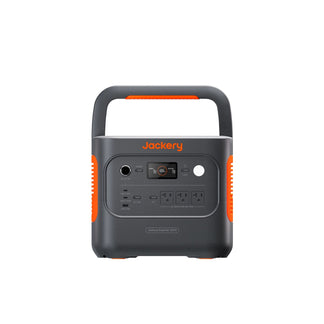
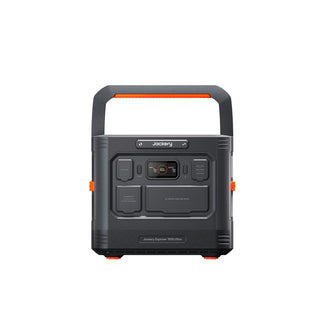
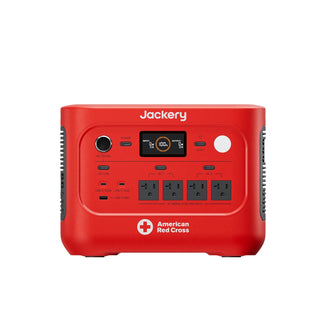

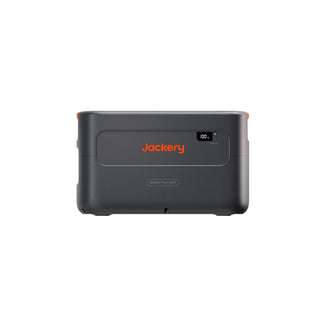
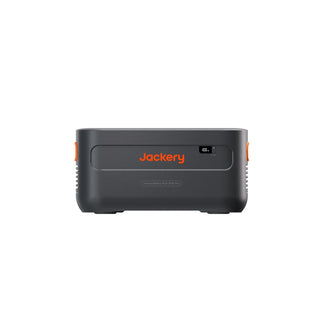
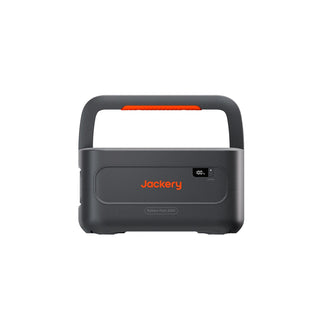





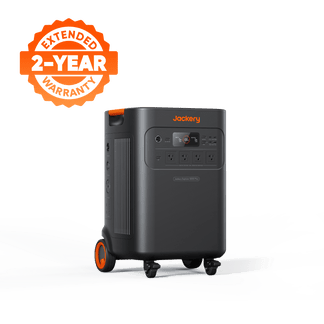
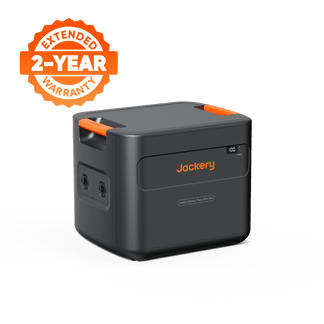
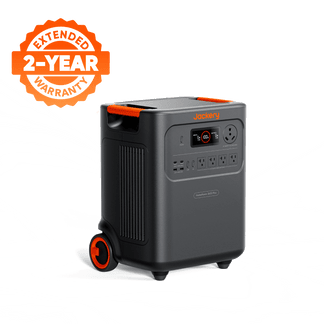
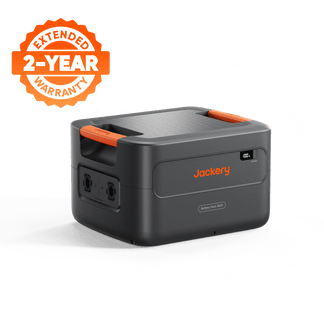
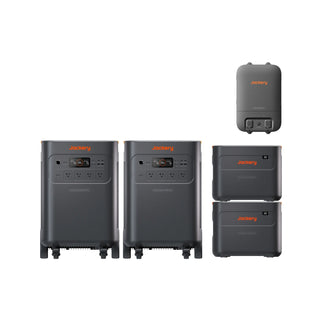
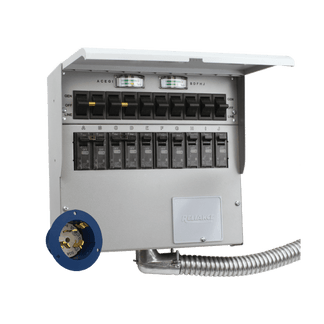


Quick Answer: Choose the Jackery Explorer 5000 Plus if you want built-in wheels, cold weather support, and the option to expand to about 60kWh with a second unit. Choose the EcoFlow TITAN 5000 if you prefer a lighter unit and plan to use EcoFlow’s Smart Home Panel 10.
Key Takeaways
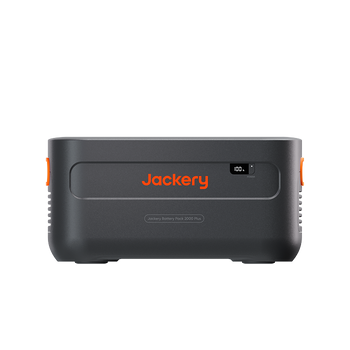
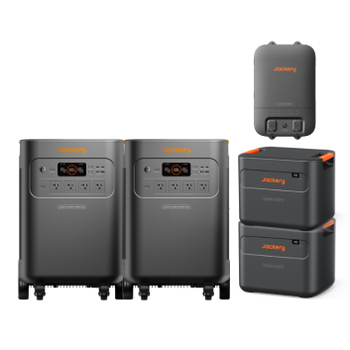
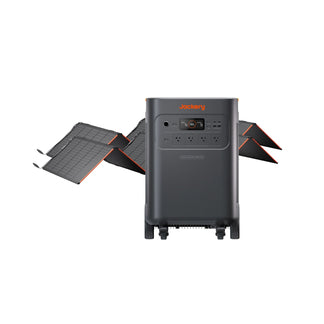
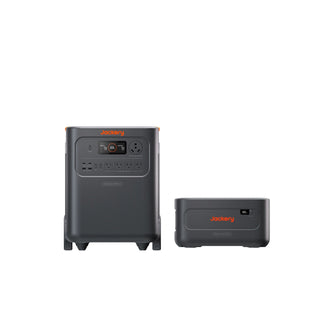
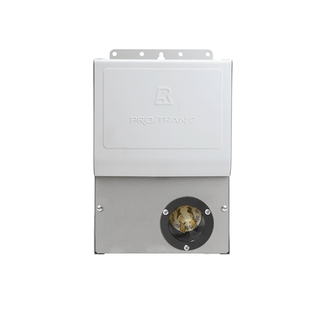
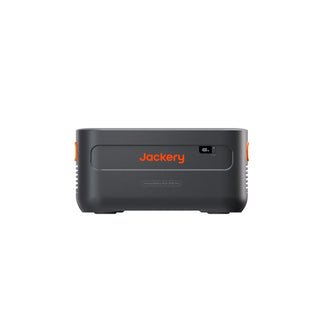
- The Jackery Explorer 5000 Plus supports approximately 60kWh with two main units, ten expansion batteries, and the Jackery Smart Transfer Switch.
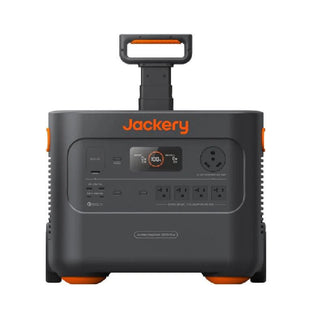
- The Jackery Explorer 5000 Plus has two 100W USB-C ports, whereas the EcoFlow TITAN 5000 has one 60W USB-C port.
- The Jackery Explorer 5000 Plus offers 0ms Online UPS operation through NEMA 5-20 outlets, limited to 3,600W in that mode.
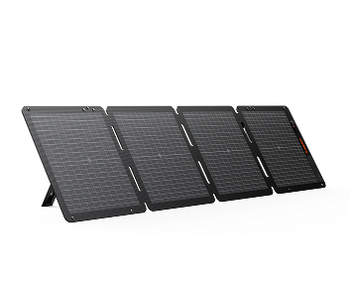
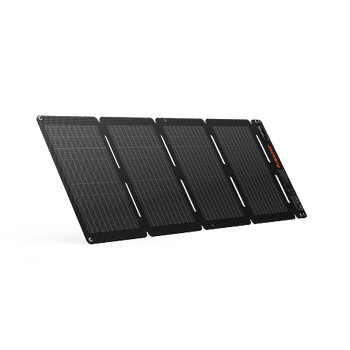
- The Jackery Explorer 5000 Plus accommodates both high-voltage and low-voltage solar panels through separate inputs.
- Both Jackery Explorer 5000 Plus and EcoFlow TITAN 5000 deliver native 120V/240V power. You should compare complete installation costs before deciding which configuration fits your budget.
How Do the Jackery Explorer 5000 Plus and EcoFlow TITAN 5000 Compare?
Specification |
Jackery Explorer 5000 Plus |
EcoFlow TITAN 5000 |
|---|---|---|
Battery Capacity |
5,040Wh |
5,017.6Wh |
Output Power |
7,200W continuous & 14,400W surge |
7,200W continuous |
AC Output |
120V/240V |
120V/240V |
Expansion With One Main Unit |
About 30kWh |
About 30kWh |
Maximum Expansion Path |
About 60kWh with two main units and compatible smart transfer switch |
About 30kWh with one main unit |
Weight |
134.5 lb |
119 lb |
Home Integration |
Jackery Smart Transfer Switch |
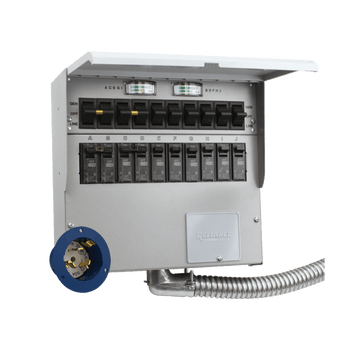
EcoFlow Smart Home Panel 10 |
Battery Chemistry |
LFP |
LFP |
Backup Transfer Switcher |
0ms (Online UPS) / <20ms (Backup UPS) |
<20ms |
Temperature |
Charging Temperature 32°F–113°F / 0°C–45°C Discharging Temperature 5°F–113°F / -15°C–45°C |
Charging Temperature 32°F–113°F / 0°C–45°C Discharging Temperature 14°F–113°F / -10°C–45°C |
Noise Level |
30 dB in Quiet Mode, and 51.7 dB at full load |
Less than 30dB at 2000W and less than 39dB at 5000W |
Warranty |
5 Years |
5 Years |
Which is Better for Home Backup and 240V Appliances: Jackery Explorer 5000 Plus vs. EcoFlow TITAN 5000?
Both the Jackery Explorer 5000 Plus and the EcoFlow TITAN 5000 can run essential household appliances, such as a refrigerator and lights at the same time. Both these home battery backups have 7,200W of continuous output, so household essentials can run together if their combined running and startup demand stays within that limit.
The Jackery Explorer 5000 Plus and EcoFlow TITAN 5000 also provide native 120V/240V output. You do not need a second unit just to supply 240V to a compatible appliance, such as a well pump or electric dryer. However, you must check wattage, startup demand, plug, and circuit requirements before connecting 240V appliances to either unit.
Which is Better for Cold Weather: Jackery Explorer 5000 Plus vs. EcoFlow TITAN 5000?
The Jackery Explorer 5000 Plus has an advantage in colder conditions because it can keep powering your appliances at temperatures as low as 5°F (-15°C). The EcoFlow TITAN 5000 has a minimum discharging temperature of 14°F (-10°C), so the Jackery Explorer 5000 Plus can operate at temperatures 9°F lower.
Both power stations have the same charging temperature range of 32°F to 113°F (0°C to 45°C). This means you should not charge either unit when the temperature drops below freezing. If you plan to use a power station in a garage, RV, or other cold location during winter, this difference is worth considering.
When comparing the Jackery Explorer 5000 Plus vs EcoFlow TITAN 5000, cold-weather limits are an important difference. You may consider choosing the Jackery Explorer 5000 Plus if you expect to use your power station in colder weather. However, remember that its lower operating limit applies to discharging. You will still need to bring the portable power station into a suitable temperature range before recharging it.
Which is Easier to Move: Jackery Explorer 5000 Plus vs. EcoFlow TITAN 5000?
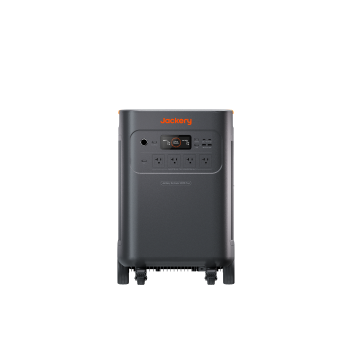
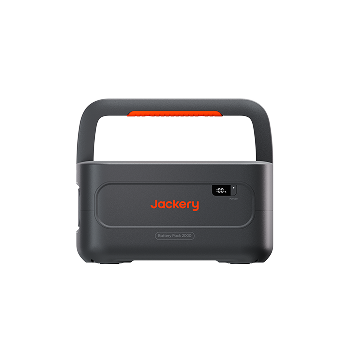
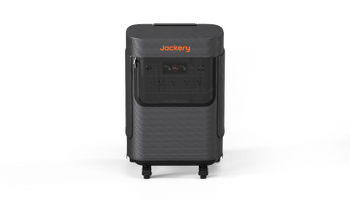
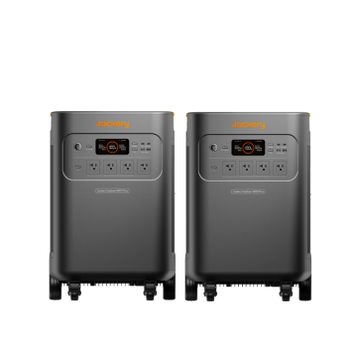
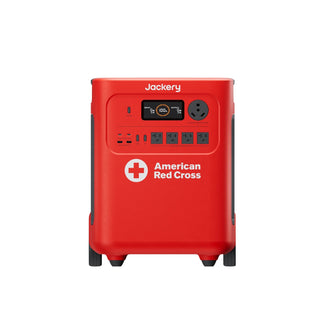
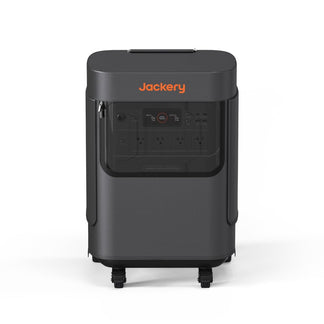
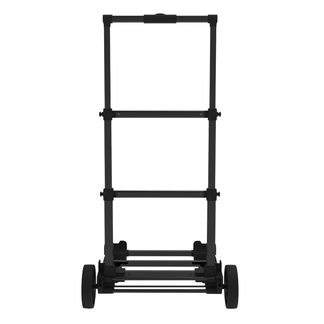
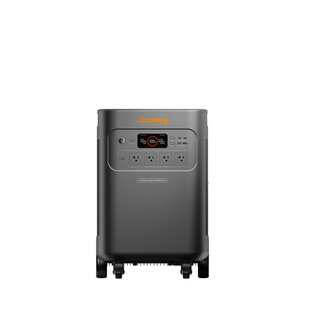
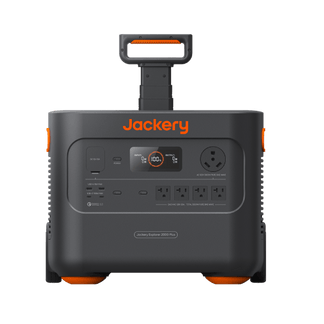
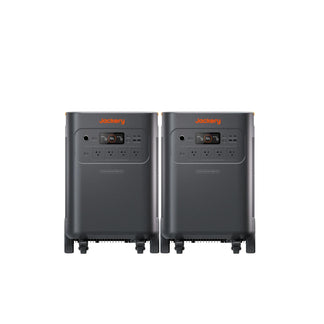
EcoFlow TITAN 5000 is lighter at 119 lb, compared with 134.5 lb for Jackery Explorer 5000 Plus. But Jackery Explorer 5000 Plus has built-in wheels, a retractable handle, and a wheel brake, so it is easier to roll across a level floor. EcoFlow TITAN 5000 is lightweight compared to the Jackery Explorer 5000 Plus but lacks integrated wheels.
Should You Buy the Jackery Explorer 5000 Plus or EcoFlow TITAN 5000?
For the Jackery Explorer 5000 Plus vs. EcoFlow TITAN 5000 decision, start with how you will use the essential home backup solution. Choose the Jackery Explorer 5000 Plus if you want to roll the unit yourself, charge several devices, plug into an RV, or grow past 30kWh.
Choose the EcoFlow TITAN 5000 if weight matters to you, you want a ten-circuit smart panel, or you need UL 9540 listing for a permanent install. Whichever you pick, compare the full setup, including batteries, transfer equipment, solar panels, and installation.
Shop the Jackery Explorer 5000 Plus and choose a configuration for the appliances you need to keep running.
FAQs
Can either unit work with existing rooftop solar?
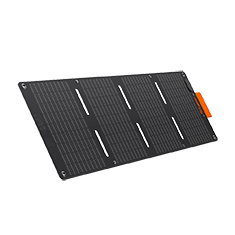
Both the Jackery Explorer 5000 Plus and EcoFlow TITAN 5000 can integrate with existing rooftop solar panels. The Jackery Explorer 5000 Plus can connect to compatible solar panels if their voltage and current stay within its input limits. You can read a detailed breakdown in our guide: Can I Connect My Roof Solar Panels to the Jackery. The EcoFlow TITAN 5000 supports AC coupling with existing rooftop solar but requires the Smart Home Panel 10 (240V) and a CT sensor.
How many years can I expect each unit to last?
The Jackery Explorer 5000 Plus could last around 11 years with a 4,000-cycle rating, whereas the EcoFlow TITAN 5000 could last around 10 years. However, the exact actual battery lifespan depends on usage, temperature, and charging habits.
Can either power station double as an RV or camping battery?
Yes. Both the Jackery Explorer 5000 Plus and EcoFlow TITAN 5000 can power an RV or campsite appliances if the voltage and connections are compatible. The EcoFlow TITAN 5000 weighs 119 lb with no wheels, making it harder to move to the RV or camping location. On the other hand, the Jackery Explorer 5000 Plus weighs 134.5 lb but has built-in wheels and a retractable handle for easier movement.
Can it run a refrigerator and lights at the same time?
Yes. Both the Jackery Explorer 5000 Plus and EcoFlow TITAN 5000 provide 7,200W of continuous output, enough for many refrigerators and lights running together, depending on their power requirements. Expanding the Jackery Explorer 5000 Plus up to 60kWh with additional batteries increases its storage capacity and can extend runtime between charges.
How fast does the Jackery Explorer 5000 Plus charge?
The Jackery Explorer 5000 Plus can fully recharge in about 3.5 hours under specified AC charging conditions. Its solar inputs also support flexible charging with compatible solar panels. Actual charging time depends on the power source, input conditions, and available sunlight.


