










An electric blanket typically costs only a small amount to operate compared with heating an entire room, because it warms a person directly rather than the air around them. The exact cost depends on the blanket's power rating, how many hours you run it, its heat setting, and your electricity rate, but the formula is simple: multiply wattage by hours, divide by 1,000 to get kilowatt-hours (kWh), then multiply by your electricity price per kWh.
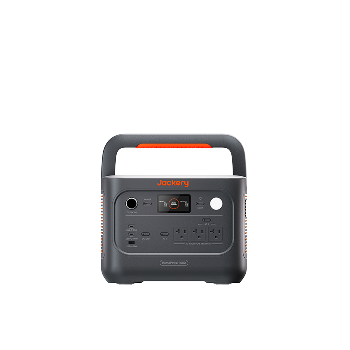
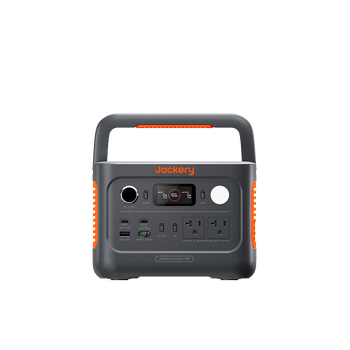
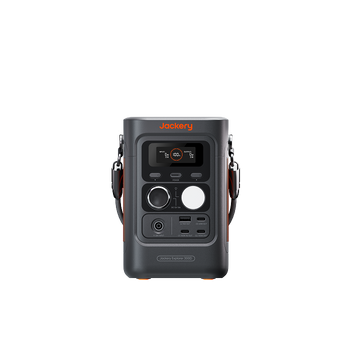
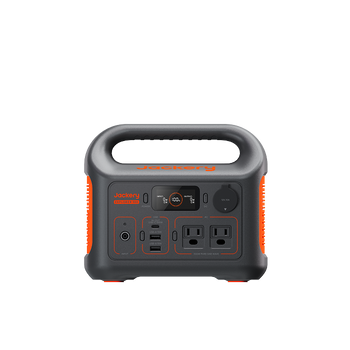
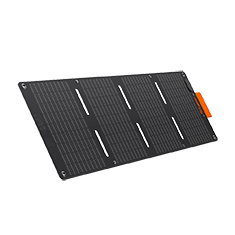
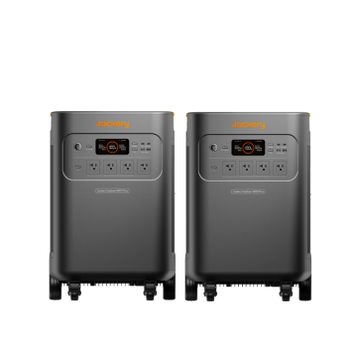
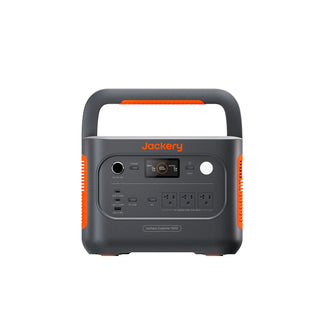
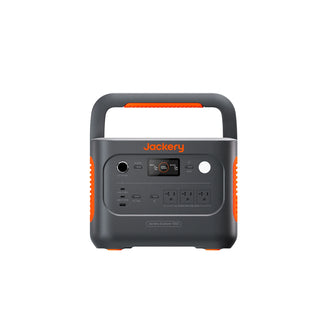
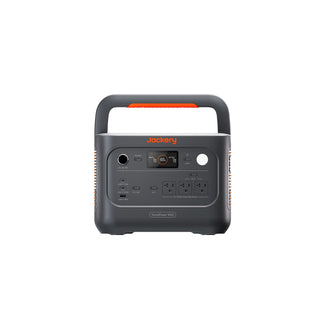
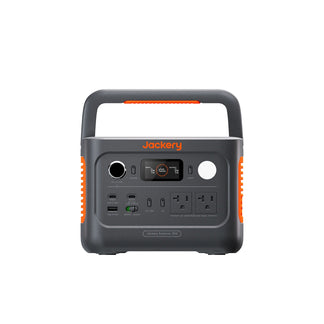
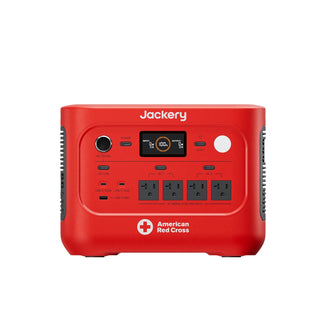
Jackery Solar Generators are ideal home battery backups that can run electric blankets and other household appliances. These solar battery backups are portable enough to move around the home and even outdoors. This guide walks through how much does an electric blanket cost to run: per hour, per night, per month, per winter season, and how an electric blanket compares with heating a room, using calculations you can adapt with your own numbers.
Key Takeaways
- An electric blanket typically costs just a few cents per hour to run, which is far less than heating an entire room or home.
- Running a 100W blanket for 8 hours overnight costs well under 15 cents at average US electricity rates.
- Using an electric blanket nightly through a full winter season usually adds only a modest, predictable amount to your bill.
- The actual cost to run an electric blanket depends on wattage, heat setting, hours of use, and your local electricity rate.
- Electric blankets warm a person directly, so they are generally far cheaper to run than space heaters or central heating.
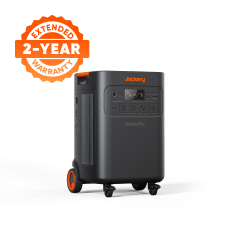
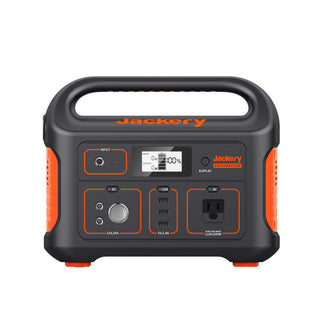
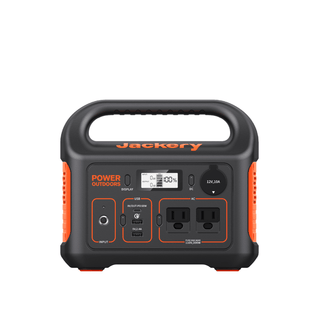
- A portable power station can run an electric blanket easily, since its power draw is low compared with most appliances.
How Much Does an Electric Blanket Cost to Run?
Electric blankets generally use relatively little electricity compared with whole-room heating, because they warm a person directly rather than an entire room's air. As one example: a 100W blanket run for 8 hours, at the EIA's roughly $0.18/kWh 2026 average US residential electricity rate, works out to:
100W × 8 hours ÷ 1,000 = 0.8 kWh
0.8 kWh × $0.18/kWh ≈ $0.14 for the night
This is one example, and actual blanket wattage, hours of use, and local electricity rates can all vary. For the full range of wattages across different blanket types and sizes, see our dedicated guide, How Many Watts Does an Electric Blanket Use?.
How Much Does an Electric Blanket Cost to Run Per Hour?
An electric blanket is one of the most cost-effective ways to stay warm, typically costing between $0.009 and $0.036 per hour to run in the United States.
|
Blanket Power |
1-Hour Energy Use |
Cost at $0.18/kWh |
|
50W |
0.05 kWh |
$0.009 |
|
100W |
0.10 kWh |
$0.018 |
|
150W |
0.15 kWh |
$0.027 |
|
200W |
0.20 kWh |
$0.036 |
The electric blanket wattages can vary depending on the different blanket types, sizes, and brands.
How Much Does an Electric Blanket Cost to Run Per Night?
Running a typical electric blanket overnight costs between $0.07 and $0.18 per night in the United States. They are exceptionally energy-efficient and drastically cheaper than running central heating or a portable space heater overnight.
|
Hours Used |
Energy Use (at 100W) |
Cost at $0.18/kWh |
|
4 hours |
0.4 kWh |
$0.07 |
|
6 hours |
0.6 kWh |
$0.11 |
|
8 hours |
0.8 kWh |
$0.14 |
|
10 hours |
1.0 kWh |
$0.18 |
Here is the step-by-step example:
100W × 8 hours ÷ 1,000 = 0.8 kWh
0.8 kWh × $0.18/kWh ≈ $0.14 for that night.
The $0.18/kWh figure reflects a rounded version of the EIA's average US residential electricity rate. Check the latest available figure for your area, since rates vary by state and utility.
How Much Does an Electric Blanket Cost to Run Per Month?
Running an electric blanket costs between $1.15 and $4.20 per month. The exact amount depends heavily on your region's utility rates, the blanket's size, and how long you leave it turned on.
|
Usage Frequency |
Nights/Month |
Estimated Monthly Cost (at 100W, 8 hrs, $0.18/kWh) |
|
Occasional (2 nights/week) |
~8 |
~$1.15 |
|
Regular (5 nights/week) |
~22 |
~$3.08 |
|
Daily |
~30 |
~$4.20 |
Even nightly use typically adds only a few dollars a month to a household's electricity bill, based on this example. However, costs still scale with wattage, hours of use, and your local electricity rate, so a larger or higher-wattage blanket used at a high heat setting every night will land meaningfully above these figures.
How Much Does an Electric Blanket Cost to Run for a Whole Winter?
Using the daily-use monthly figure above (~$4.20/month at 100W, 8 hours nightly) as a base, here's how that scales across different winter lengths:
- 3-month winter: ~$4.20 × 3 ≈ $12.60
- 4-month winter: ~$4.20 × 4 ≈ $16.80
- 5-month winter: ~$4.20 × 5 ≈ $21.00
Winter length, usage frequency, blanket type, and heat setting all vary by household and climate, so this is an example built on the assumptions above. A household running a higher-wattage blanket on a higher heat setting, or through a longer cold season, should expect a proportionally higher total.
Can You Run an Electric Blanket With a Portable Power Station?
Yes, you can run an electric blanket with a portable power station, as long as its AC output is sufficient for the blanket's wattage, the plug and voltage are compatible, and there is enough battery capacity for how long you want to run it. For detailed compatibility information and model-specific runtime tables, see our dedicated guide, Can Jackery Power an Electric Blanket? Which Model, How Long Can It Run?.
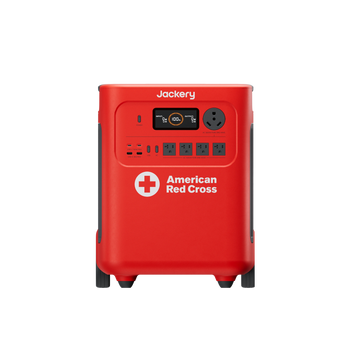
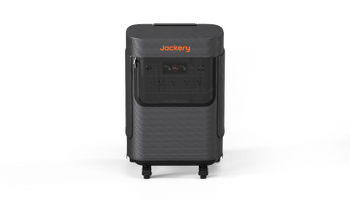
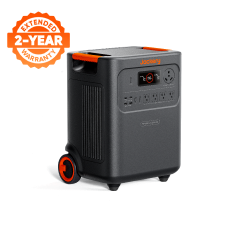
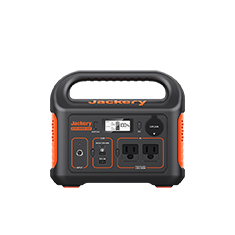
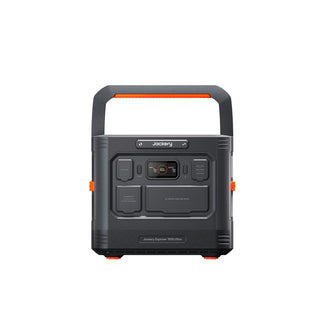
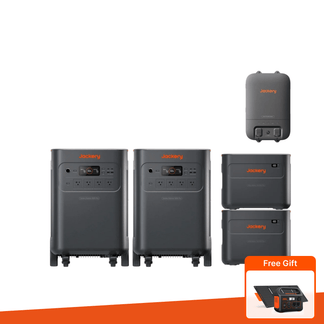
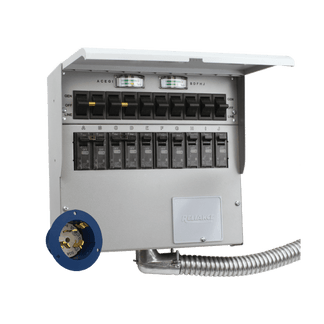
For Scott, a self-described engineer in rural northeast Wisconsin, home backup power is about pattern recognition. The Jackery Explorer 5000 Plus fits his needs, thanks to its 240-volt, 30-amp output. Now, when a storm rolls in, Scott charges the unit, wheels it onto his covered patio, and connects it to the generator inlet. Within two minutes, the lights, fridge, well pump, and WiFi are all back up. A smaller Jackery Explorer 240 rides in his trunk for road trips and lake days, while the Jackery Explorer 5000 Plus handles the heavier lift at home, sometimes alongside his gas generator when an outage catches him off guard. Explore more Jackery Stories like Scott to see how people have built a reliable home backup system.
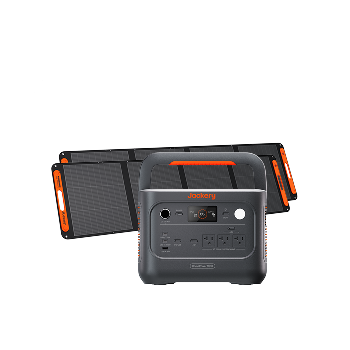
Which Jackery Solar Generators Can Help Run an Electric Blanket?
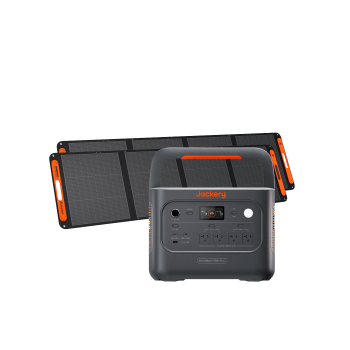
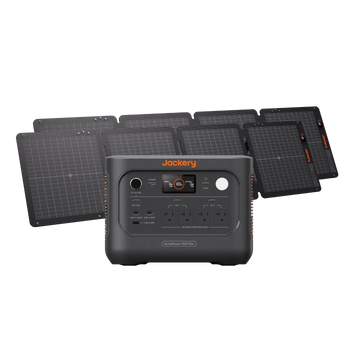
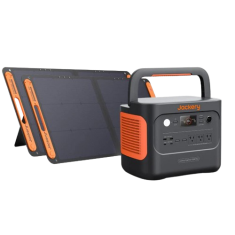
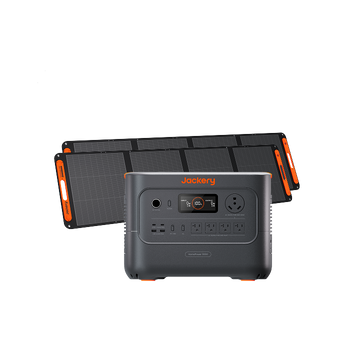
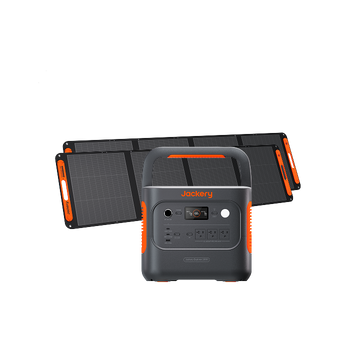
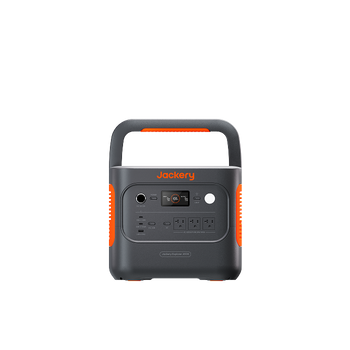
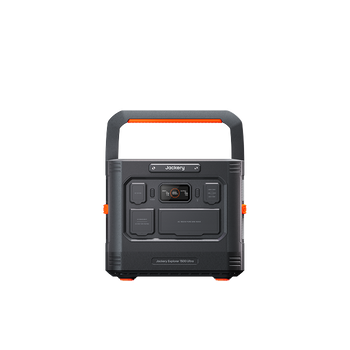
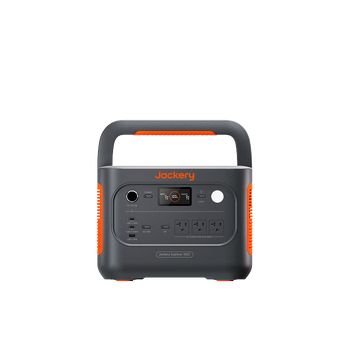
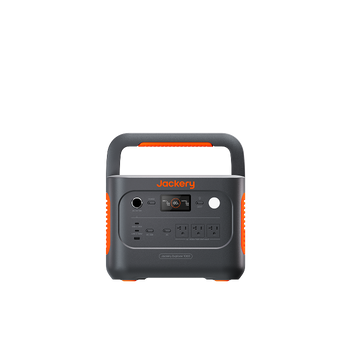
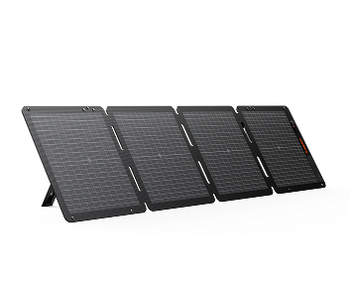
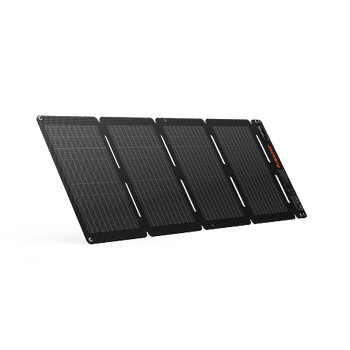
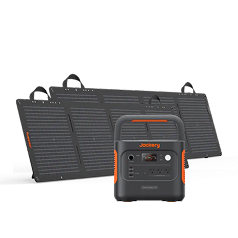
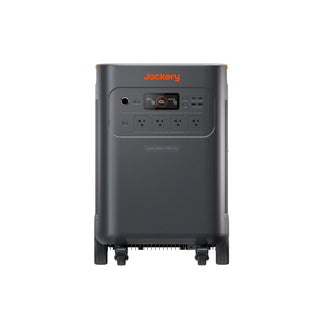
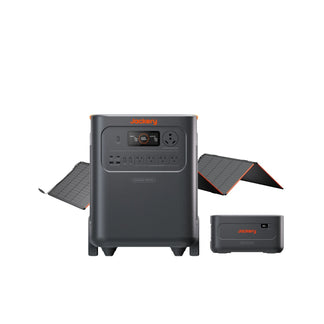
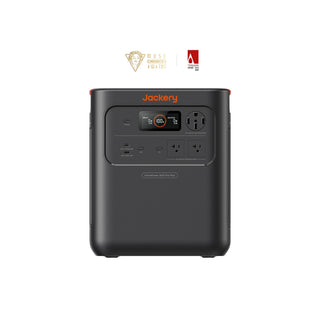
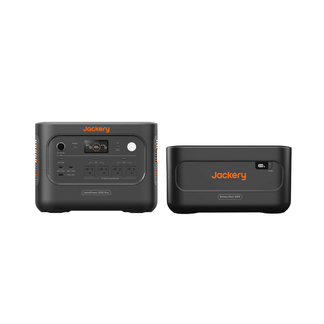
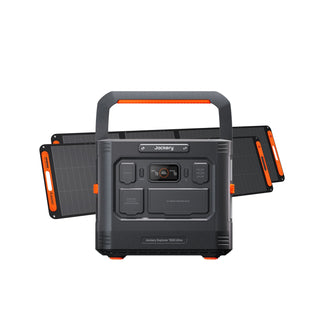
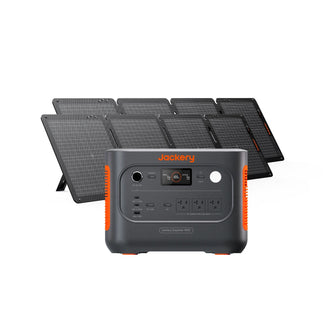
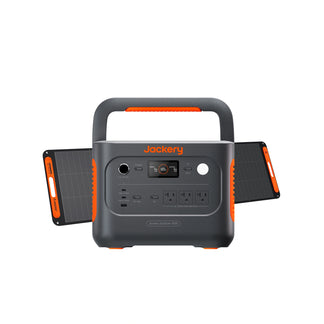
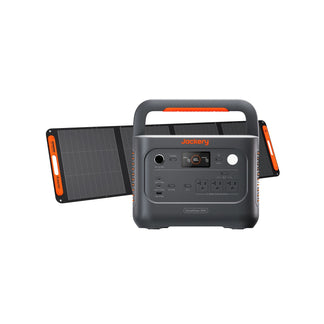
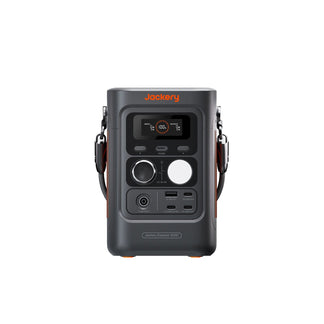
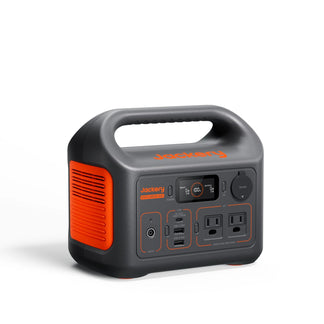
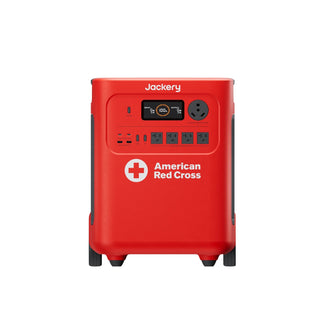
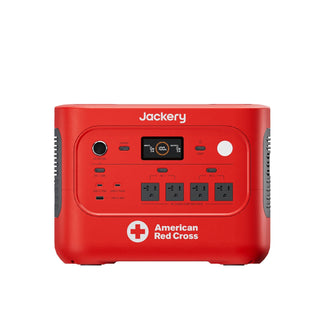
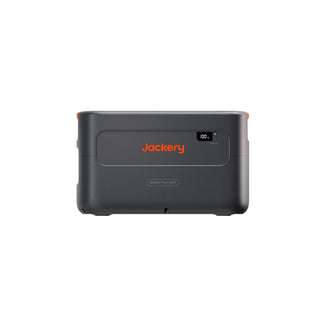
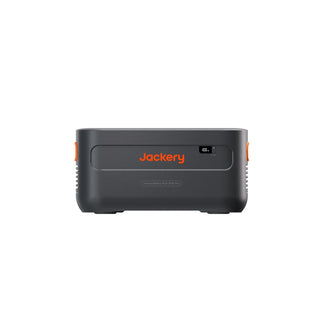
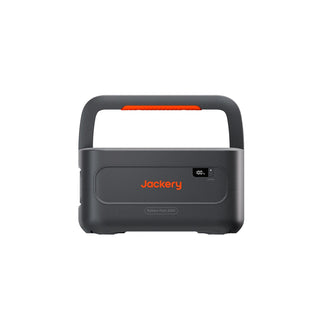
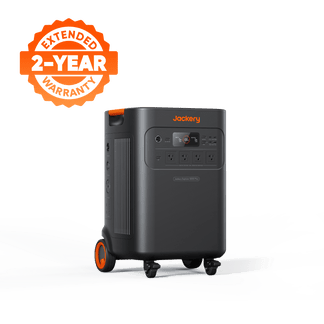
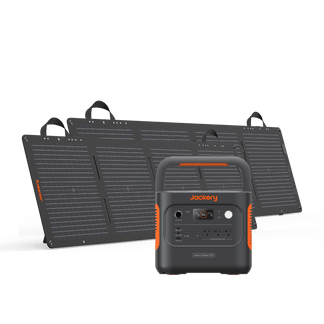
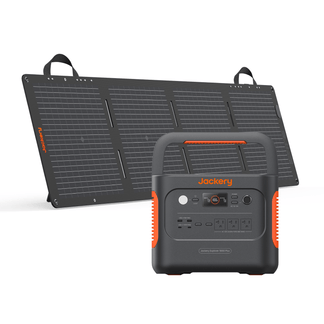
An electric blanket's low, steady power draw means nearly any portable power station can run one. What actually differentiates the solar generator options below is how much else you want covered at the same time, whether that is just the blanket itself during a camping trip or the blanket plus the rest of the bedroom and home during a winter power outage. The three Jackery Solar Generators can range from a compact, personal-backup option up to a larger household system, so the right fit depends on your intended use case.
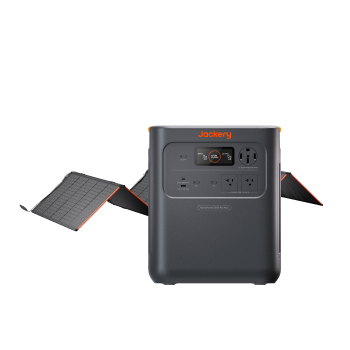
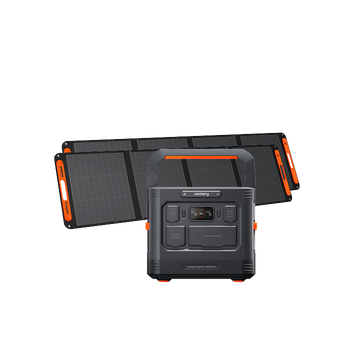
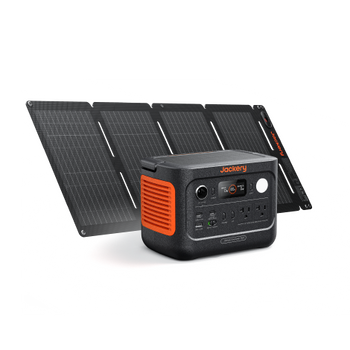
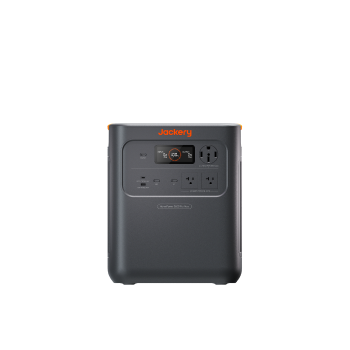
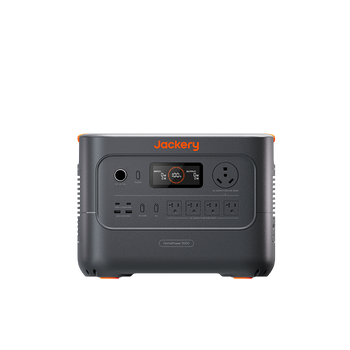
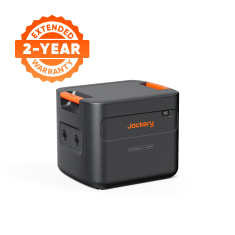
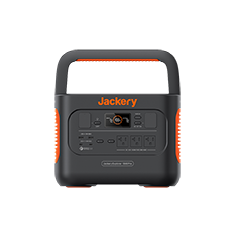
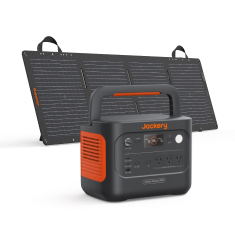
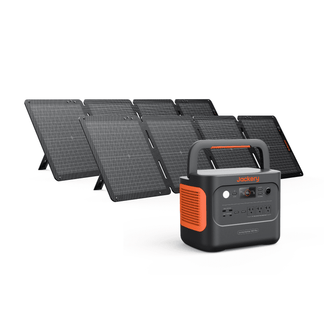
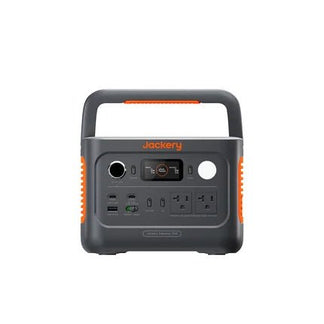
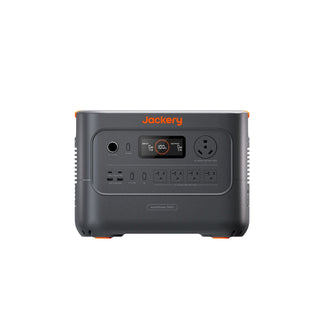
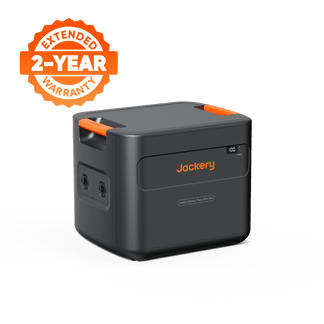
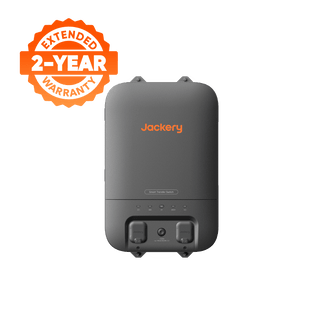
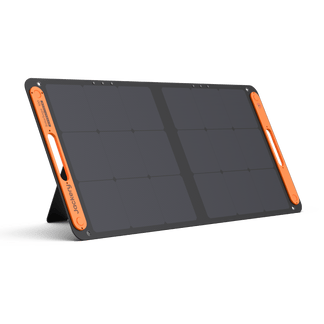
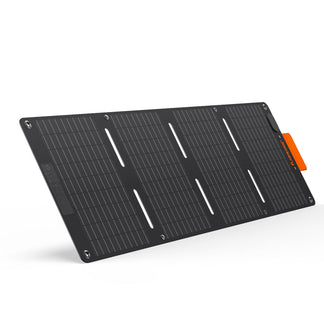
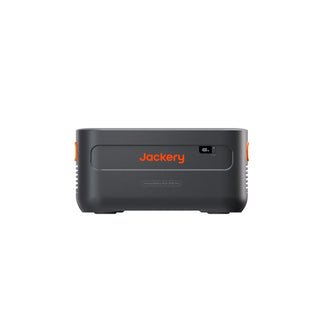
Jackery Solar Generator 1000 v2
The Jackery Solar Generator 1000 v2 is Jackery's smallest and lightest 1kWh-class unit, making it a natural fit for personal, portable backup for an electric blanket paired with a phone charger and a small lamp during a camping trip, RV stay, or a shorter power outage. Its sub-20-millisecond UPS-style switchover and one-hour emergency fast-charging mean it is ready to go again quickly even after a full night's use.
Appliance Running Time
- Single/Throw Electric Blanket (100W) = 7.6H
- Full/Queen-Size Electric Blanket (150W) = 5.3H
- Dual-Control Electric Blanket (180W) = 4.5H
- Heated Mattress Pad (150W) = 5.3H
- Low-Voltage/Travel Electric Blanket (70W) = 10.3H
Who Should Buy This
The Jackery Solar Generator 1000 v2 is ideal for individuals or couples wanting a compact and portable option to run an electric blanket plus a few small personal devices while camping, traveling, or during a shorter outage.

Customer Review
The generator itself is amazing. The screen is clear, it took no time to charge at home to 100%, and with the combined solar panel, I was able to keep the generator over 40% after charging tons and tons of phones, fans, portable lights, even a giant Misting fan. It was amazing to say the least.
— John-Mike N.
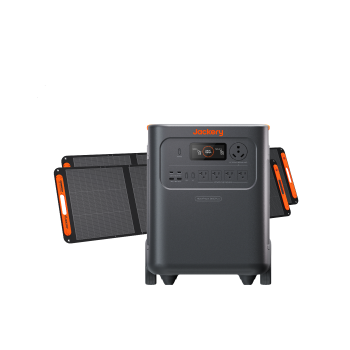
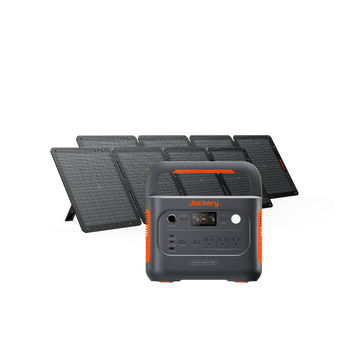
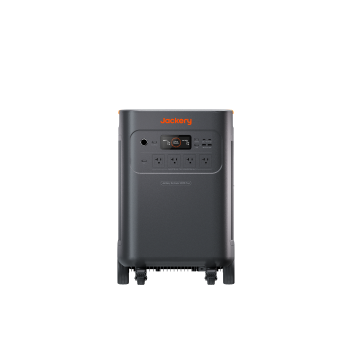
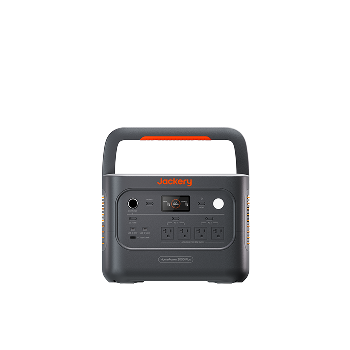
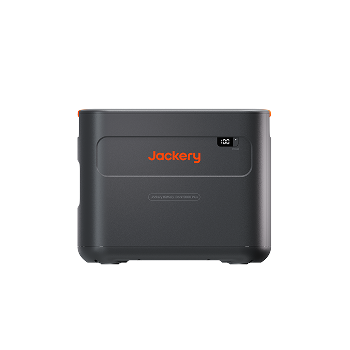
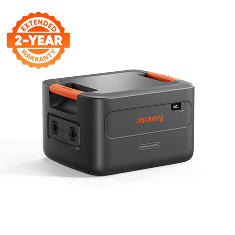
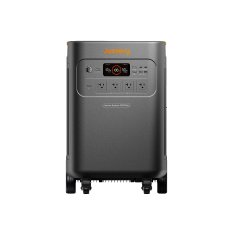
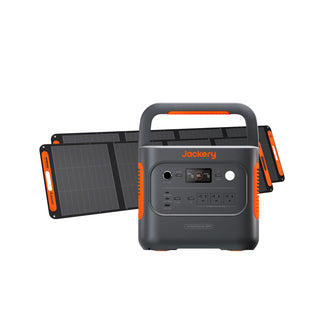
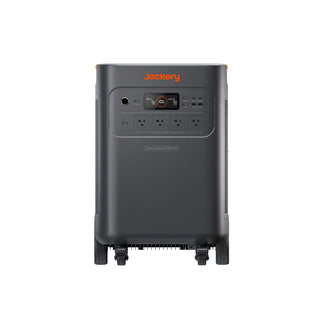
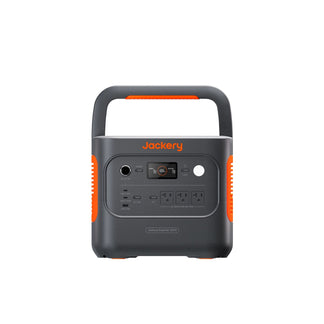
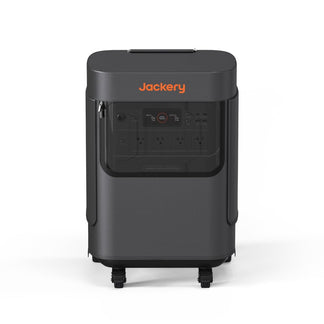
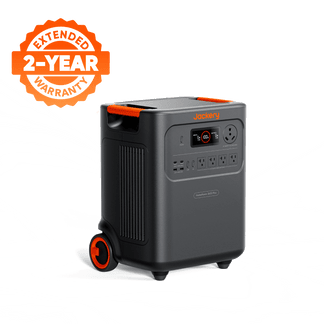
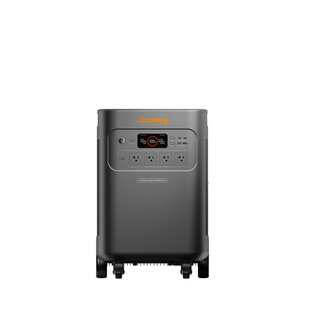
Jackery Solar Generator HomePower 3000
The Jackery Solar Generator HomePower 3000 is a home battery backup that gives an electric blanket enormous runtime headroom, which is well over a full night, even at a higher wattage, while leaving substantial capacity for other bedroom or household essentials running at the same time, such as a lamp, a phone charger, or a portion of the refrigerator's overnight draw. Its extended capacity makes it a better fit for a multi-night winter outage rather than a single trip or short interruption.
Appliances Running Time
- Single/Throw Electric Blanket (100W) = 21.4H
- Full/Queen-Size Electric Blanket (150W) = 15.2H
- Dual-Control Electric Blanket (180W) = 12.9H
- Heated Mattress Pad (150W) = 15.2H
- Low-Voltage/Travel Electric Blanket (70W) = 28.4H
Who Should Buy This
The Jackery Solar Generator HomePower 3000 is ideal for households wanting an electric blanket to run through multiple nights of a winter power outage alongside a handful of other bedroom or kitchen essentials.

Customer Review
I really like the portability, ease of deploying and storing the fold-out solar panels, DC and AC power, and a 30 amp AC plug for RV boondocking. An all around great solution for my first solar experience!
— Nick I.N.G.
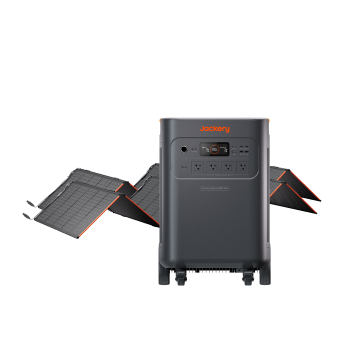
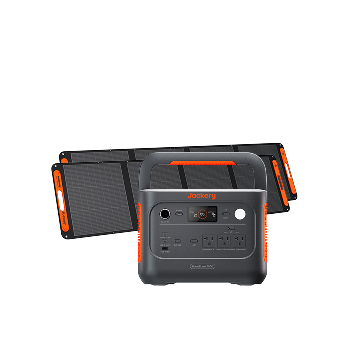
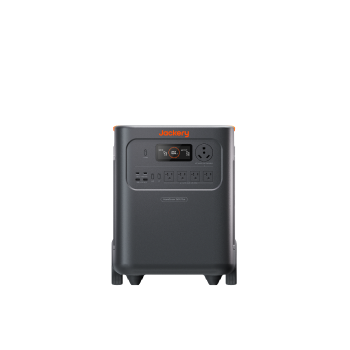
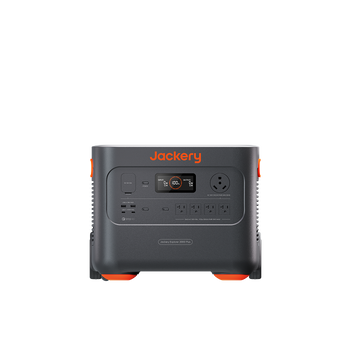
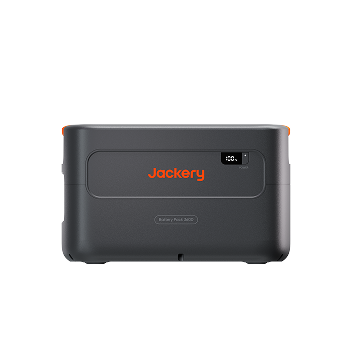
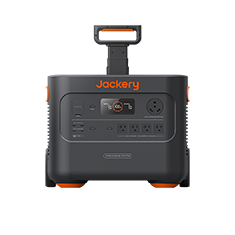
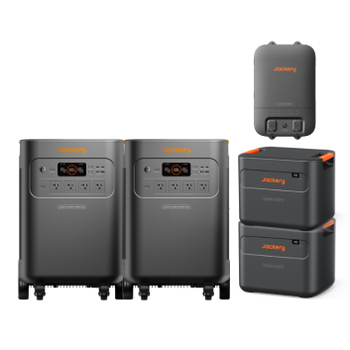
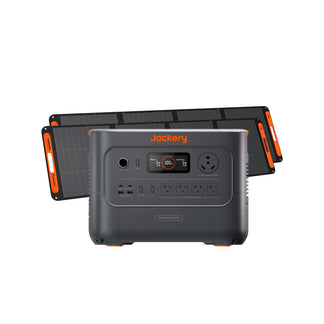
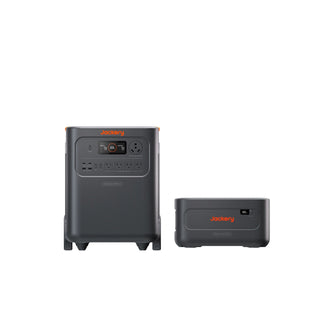
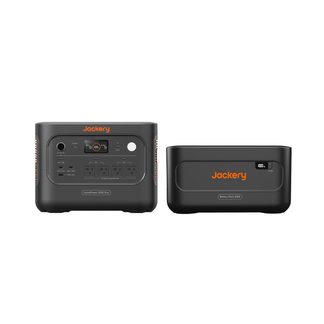
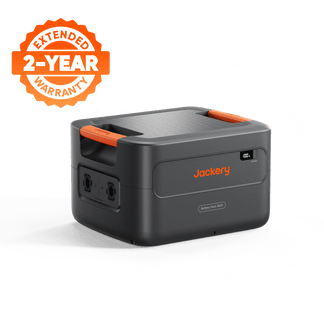
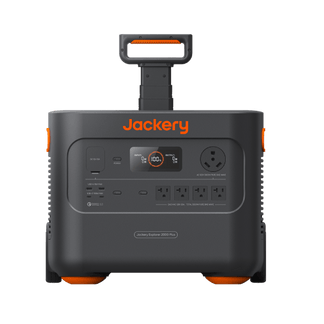
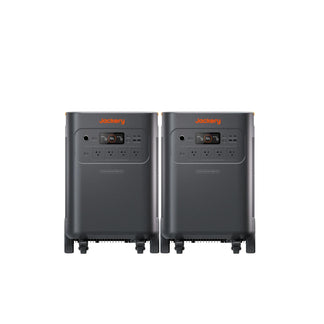
Jackery Solar Generator HomePower 3600 Plus
The Jackery Solar Generator HomePower 3600 Plus is built for broader household backup rather than a single appliance. Aside from running an electric blanket, it can also cover the refrigerator, home office equipment, or other devices during an extended winter outage. Its sub-10-millisecond UPS switchover and expandability make it the strongest option here for a household that wants essential home backup depth beyond just staying warm.
Appliances Running Time
- Single/Throw Electric Blanket (100W) = 25.0H
- Full/Queen-Size Electric Blanket (150W) = 17.7H
- Dual-Control Electric Blanket (180W) = 15.1H
- Heated Mattress Pad (150W) = 17.7H
- Low-Voltage/Travel Electric Blanket (70W) = 33.1H
Who Should Buy This
The Jackery Solar Generator HomePower 3600 Plus is ideal for households wanting an electric blanket covered as one small part of a larger, expandable home backup system for longer winter outages.

Customer Review
Finally I was able to put into service my 3600 plus. It was charged and ready for the unexpected 2 hour outage one recent morning. I hooked up my TV, WiFi, 2 lamps, fan, and most important was the morning K cup coffee! I was very happy!
— Billy V.
What Factors Affect the Cost of Running an Electric Blanket?
The cost of running an electric blanket depends primarily on the blanket's wattage, your local electricity rate, your chosen heat settings, and how long you leave it turned on. Some factors that affect the total running cost include:
- Blanket wattage (varies by model, size, and brand)
- Blanket size (larger blankets often draw more power)
- Single vs. dual controls (a dual-control blanket lets two people set independent heat levels, which can affect total draw)
- Heat setting (higher settings draw more power)
- Hours of use
- Thermostat cycling (many blankets cycle their heating element on and off once they reach a target temperature, rather than drawing full power the entire time)
- Automatic shutoff (some models turn off after a set number of hours, capping total energy use)
- Your electricity rate
- Time-of-use pricing, where your utility offers rates that vary by time of day
- The age and condition of the blanket
- How frequently you use it
It is worth remembering that a blanket's rated wattage is not necessarily the same as its average consumption over a full night, since many blankets cycle their heating elements once they reach your chosen temperature rather than running at full power continuously.
Does an Electric Blanket Use a Lot of Electricity?
Generally, no, electric blankets do not use a lot of electricity compared with appliances that heat an entire room or home. But actual cost still depends on the specific blanket, how long you run it, its heat setting, and your local electricity rate, so it is not accurate to say every electric blanket uses a negligible amount in every situation. The core distinction is what's being heated: a blanket warms a person directly, while a space heater, central heating system, or heat pump warms a much larger volume of air, which is generally why the blanket's energy use comes in so much lower for comparable comfort.
How Can You Reduce the Cost of Running an Electric Blanket?
You can reduce the cost of running an electric blanket by preheating the bed and turning the unit off before you fall asleep. Here are some easy methods to reduce the cost of running an electric blanket:
- Use the lowest heat setting that's still comfortable, rather than defaulting to the highest.
- Use a built-in timer or automatic shutoff feature where your blanket has one.
- Preheat the bed for a shorter period before getting in, rather than running the blanket continuously all night if you don't need to.
- Check your specific blanket's rated wattage so you know roughly what you are working with.
- Consider time-of-use electricity rates if your utility offers them, and shift use to lower-rate hours where your schedule allows.
- Keep your bedroom reasonably insulated, since a warmer room may mean you are comfortable at a lower blanket heat setting.
- Follow the manufacturer's operating instructions for your specific model.
- Use solar generators for electric blankets to power the appliance during peak electricity hours to reduce the reliance on the grid.
FAQ
Does an electric blanket cost more to run than leaving a furnace thermostat a few degrees higher?
Generally, no, turning a whole-home furnace thermostat up a few degrees affects every room the system heats, while an electric blanket affects only the immediate area around one person, so the blanket is typically the far lower-cost way to add warmth for an individual. The actual difference depends on your specific furnace's efficiency, home size, and how many degrees you would otherwise raise the thermostat.
Does a heated mattress pad cost about the same to run as an electric blanket?
Heated mattress pads and electric blankets are similar in concept but not identical products, and their wattage can differ somewhat depending on size and design. A mattress pad covering a larger surface area may draw more power than a comparably sized blanket, or vice versa, depending on the specific model. Check your specific product's rated wattage rather than assuming the two categories are interchangeable for cost purposes.
Does a dual-control electric blanket cost more to run than a single-control one?
No, a dual-control electric blanket does not cost more to run than a single-control one. That is because a dual-control blanket simply lets two people set independent heat levels on their own side, so the actual cost depends on what settings each side is actually using rather than the presence of dual controls alone. Two people running both sides on a high setting would cost more than one person running a single-control blanket on low, but that is a function of usage.
Do electric blankets get less efficient as they get older?
A blanket's heating element and thermostat can wear over time, and in some cases this may cause it to run less efficiently, cycle differently, or draw power in a way that no longer matches its original rated wattage. If you are noticing your electric bill increasing with no other explanation and you are using an older blanket, it may be worth comparing its behavior against a newer model of similar size, or checking it against manufacturer guidance for signs of wear.
Does running an electric blanket in a cold garage, camper, or unheated room cost more than running it in a heated bedroom?
The blanket's own electricity cost does not change based on the room's ambient temperature, since its heating element draws the same wattage regardless of where it is plugged in. What can change is your comfort level and how long you feel like you need to run it. A colder starting environment might lead you to use a higher heat setting or run it longer to feel warm, which would increase the total energy used even though the blanket itself isn't "working harder" in a way that changes its rated wattage.
Is it more cost-effective to buy one large electric blanket for a bed than two smaller heating pads for two people?
This depends on the specific wattage of each option and how they are actually used. A single larger blanket with dual controls might use less total energy than two separate heating pads if only one person needs warmth on a given night, since the unused side can often be left off. There is no universal answer here. It comes down to comparing the specific products' wattages and how consistently both areas would actually be in use.
Do smart or app-connected electric blankets cost more to run than basic manual ones?
The smart features themselves (Bluetooth or WiFi connectivity, app control) typically draw a very small amount of standby power, which is usually negligible compared with the blanket's heating element wattage. The primary driver of cost is still the heat setting and hours of use, not whether the blanket happens to be app-controlled.
Conclusion
An electric blanket is one of the lower-cost ways to stay warm, typically adding only a small, predictable amount to a household's electricity bill even used nightly through a full winter. That low, steady power draw is also exactly why an electric blanket pairs so naturally with a Jackery Solar Generator. Understanding the real cost and power draw involved turns a vague worry about the electric bill into a clear number, and having the right Jackery Solar Generator on hand means staying warm does not depend on the grid staying up.


