
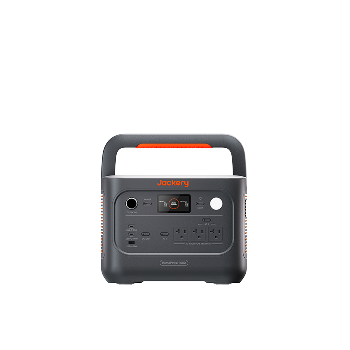
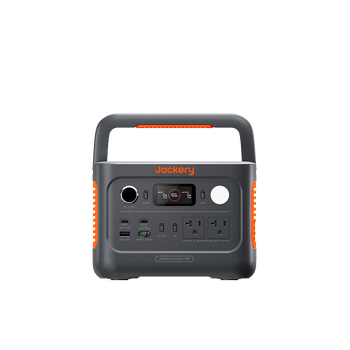
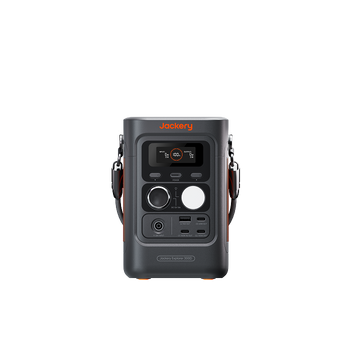
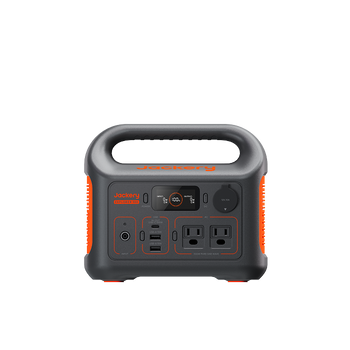
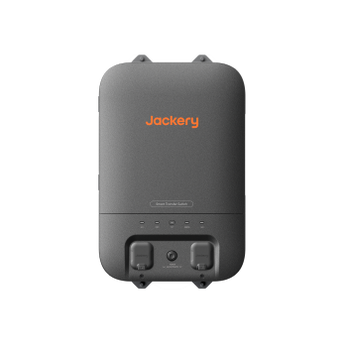
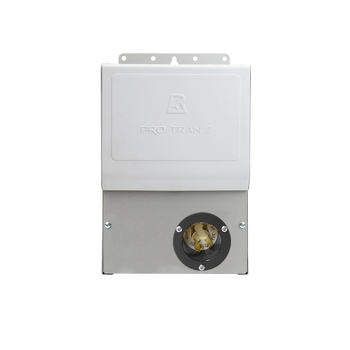
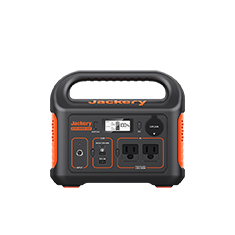
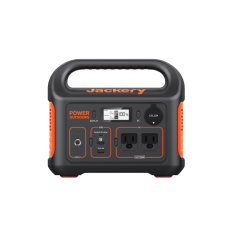
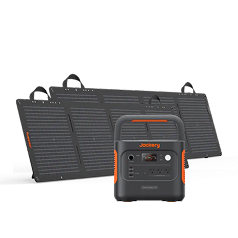
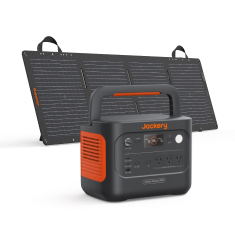






The executive order covers bulk power equipment used at substations, control rooms, and power generating stations. It includes items such as transformers, generators, inverters, battery storage systems, and grid control equipment. It does not cover the electrical equipment in an ordinary home. If you have been wondering whether this affects your appliances, your home battery, or anything in your garage, the short answer is no.
If you have seen "bulk power system electric equipment" appear in a headline and wondered "Does that include my household appliances?," you are not alone. The phrase sounds broad enough to cover almost anything with a plug. In reality, it is a narrow, specifically defined term written into a 2026 executive order, and it applies to a particular part of the electric grid most people never see: the substations, control rooms, and power plants that keep electricity flowing across the country.
This article breaks down exactly what is on the bulk power system equipment list, what each item actually does, and whether any of it touches equipment you might own.
Key Takeaways
- The new executive order lists specific bulk power equipment types and does not mention household appliances or products at all.
- Bulk power equipment is defined by where it is used, such as substations, control rooms, and power plants rather than just its type.
- Transformers, generators, inverters, and battery storage systems make the bulk power system equipment list only in utility-scale settings.
- Local distribution lines and equipment serving individual homes fall outside the order's defined scope.
- There is no government source that has stated portable power stations or home batteries are covered by this executive order.
What Does Bulk Power Equipment Actually Mean?
Bulk-power equipment is a term the 2026 executive order defines for its own purposes. It refers to equipment used in bulk-power substations, control rooms, and power generating stations rather than a general phrase for any electrical equipment, and not something you would find printed on the box of anything sold at a hardware store.
What Bulk Power Equipment is Actually on the List?
Section 5(b) in The White House sheet reveals a specific set of electrical equipment covered by executive order, and it is worth seeing the whole list in one place rather than piecing it together from scattered coverage.
|
Bulk Power Equipment |
What it does |
Where it's used |
|
Reactors |
Help manage power flow and voltage |
Substations |
|
Capacitors / shunt capacitor equipment |
Support power quality and voltage |
Substations |
|
Substation transformers |
Step voltage up or down |
Substations |
|
Grid-connected inverters (utility-scale) |
Convert power for grid compatibility |
Substations, generating stations |
|
Battery energy storage systems |
Store electricity at scale |
Substations, generating stations |
|
UPS systems supporting critical infrastructure |
Keep critical operations powered |
Control rooms |
|
Current coupling capacitors |
Support voltage/current measurement |
Substations |
|
Large, small, and backup generators; generation turbines |
Produce electricity |
Power generating stations |
|
Substation voltage regulators |
Maintain stable voltage |
Substations |
|
Automatic circuit reclosers |
Restore power after certain faults |
Substations |
|
Instrument transformers / coupling capacity voltage transformers |
Measure voltage and current |
Substations |
|
Protective relaying |
Detects faults, triggers protection |
Substations, control rooms |
|
Metering equipment |
Measures electricity flow |
Substations |
|
High-voltage circuit breakers |
Interrupt current to protect equipment |
Substations |
|
Industrial control systems (remote terminal units, PLCs, intelligent electronic devices) |
Monitor and coordinate operations |
Control rooms |
|
Distributed control systems |
Coordinate operations across points |
Control rooms |
|
Safety instrumented systems |
Trigger automatic safety responses |
Control rooms, substations |
What Does Each Type of Bulk Power Equipment Actually Do?
Reading a bulk power system equipment list of technical terms is one thing, and understanding what they actually do in practice is another. Here is a plain-English breakdown of the electrical equipment covered by executive order grouped by function.
Generation Equipment (Generators, Turbines)
Generators and turbines are the equipment that actually makes electricity at a power plant. The order names large generators, small generators, backup generators, and generation turbines specifically. It is worth pausing on "backup generator" here, because it is easy to misread: in this context, it means a backup generator installed at a power generating station and not the portable or standby generator a homeowner might keep for a storm.
Transmission and Substation Equipment (Transformers, Reactors, Capacitors, Circuit Breakers, Voltage Regulators)
This is the equipment that moves and manages high-voltage electricity as it travels between power plants and the wider grid. Substation transformers adjust voltage up or down along the way. Reactors and capacitors help keep voltage stable and power quality clean. Circuit breakers and automatic reclosers step in to protect the system when something goes wrong and help restore service afterward. Every item in this group is tied specifically to substation-level infrastructure.
Grid-Connected Power Electronics and Storage (Inverters, Battery Storage, UPS Systems)
Inverters convert electricity into a form the grid can use, and battery energy storage systems store electricity at scale to help balance supply and demand across the system. It is useful when, say, solar or wind generation dips and demand doesn't. UPS systems supporting critical infrastructure round out this group. What matters most here is the qualifier built into the order's own wording: "utility-scale and other grid-connected" inverters, and battery systems tied to substations or generating stations.
Protection, Control, and Communications Equipment
The last group does not generate or move electricity directly. It watches over the system and keeps it coordinated. Protective relaying detects faults and triggers a response. Metering equipment tracks how much electricity is flowing. Industrial control systems (including remote terminal units, programmable logic controllers, and intelligent electronic devices), distributed control systems, and safety instrumented systems all work together to monitor operations and trigger automatic safety measures when something goes wrong.
Does the Executive Order Cover Any Equipment in an Ordinary Home?
No, the order's bulk power system equipment list applies to items used in bulk-power substations, control rooms, and generating stations and not to anything sitting in a typical house. "Electrical equipment" sounds like it could mean almost anything, but the order's actual legal reach is much narrower and tied to a specific, industrial setting.
The order does not classify equipment by category alone. It classifies equipment by where that equipment operates. A transformer only counts as "bulk power system electric equipment" if it is a substation transformer working within that system. The order goes a step further and says, in its own words, that items with broader uses beyond the bulk-power system, unrelated to the security concerns it is addressing, fall outside its scope entirely.
Are Portable Power Stations or Home Backup Batteries Part of this Equipment List?
No, portable power stations or home backup batteries are not part of the bulk power equipment list based on anything the order actually says. It is easy to see why the question comes up. The order does name "battery energy storage systems" and "grid-connected inverters," and those are exactly the kind of components you would also find inside a portable power station. However, every time the order uses that language, it ties it back to the bulk-power-system setting: utility-scale batteries and inverters operating at substations or generating stations.
|
Item |
Bulk-power-system context (order's scope) |
Household/consumer context |
|
Battery storage |
Utility-scale, grid-connected systems at substations/generating stations |
A portable power station or home battery used inside a house |
|
Inverter |
Utility-scale, grid-connected inverter |
A small inverter built into a consumer power station |
|
Generator |
Large, small, or backup generators at power plants |
A residential backup generator in a garage |
|
Transformer |
Substation transformer |
Not applicable; homes don't contain substation-scale transformers |
Why is the Bulk Power Executive Order in the News Right Now?
On August 26, 2026, the President signed this order declaring a national emergency over the security risks of foreign-sourced bulk power equipment. According to the White House fact sheet, the administration is concerned about vulnerabilities that foreign-made grid equipment could introduce, like remote-access backdoors or supply-chain disruptions.
The order gives the Department of Energy authority to restrict certain future transactions involving bulk power system equipment tied to specific foreign entities, once the agency actually makes that determination.
What Does the Executive Order on Bulk Power Equipment Mean for an Ordinary Household?
As of now, nothing changes for most households today. The bulk power system equipment list this order targets lives at substations, inside control rooms, and on power-plant grounds. It is not in home electrical panels, appliances, or backup batteries (power stations) people keep for outages. Any future restrictions depend on determinations the Department of Energy hasn't made yet, and none of that process reaches into anything you already own.
What Should Households Actually Do to Prepare for Outages?
Since this order is about supply-chain security at the utility level and has nothing to do with how often your power might go out, the more useful question for most readers is simpler: what can you actually do to be ready for a routine outage, whenever one happens? That is a separate, everyday concern, and it is where backup power for your own home comes in.
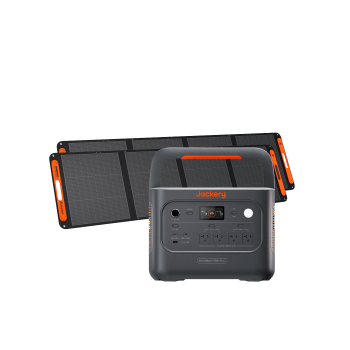
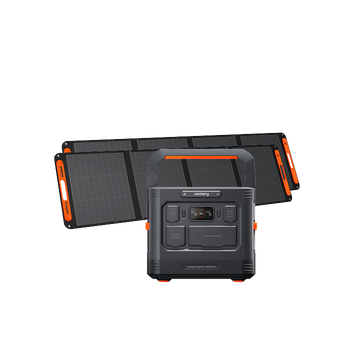
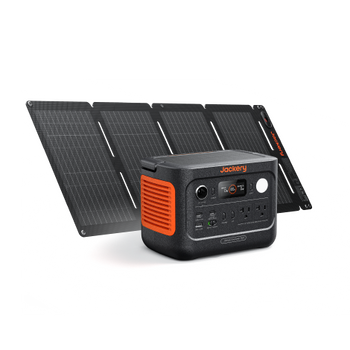
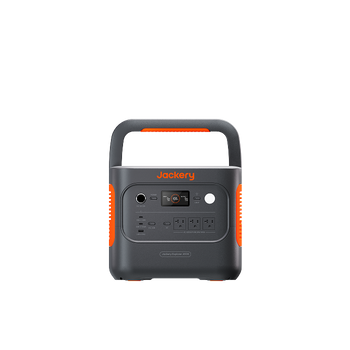
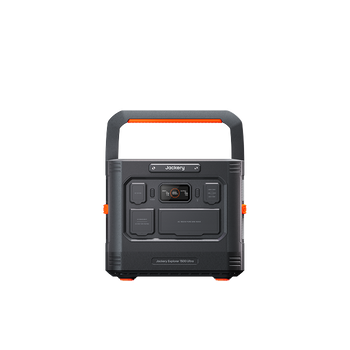
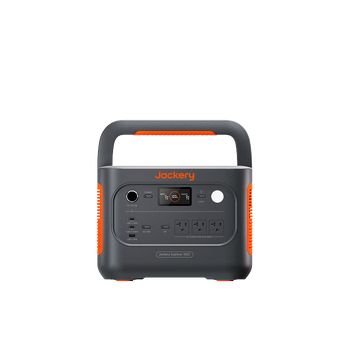
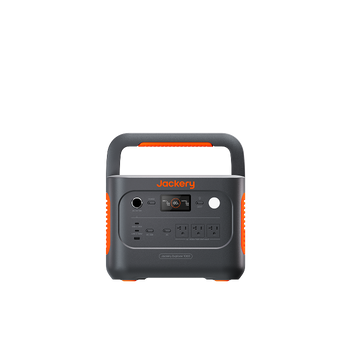
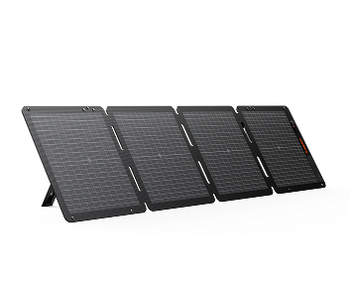
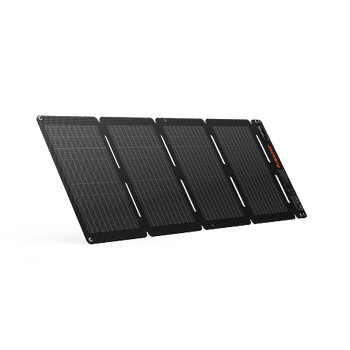
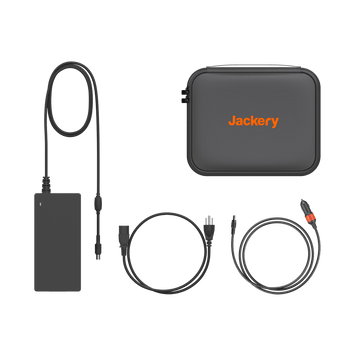
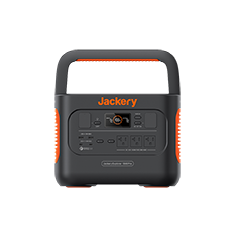
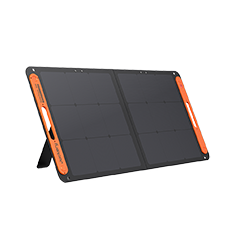
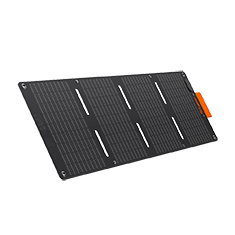
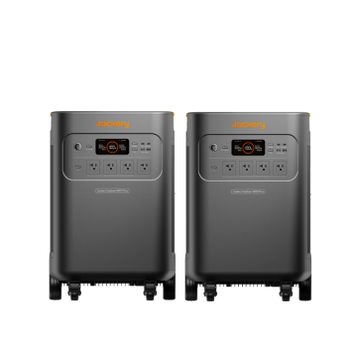
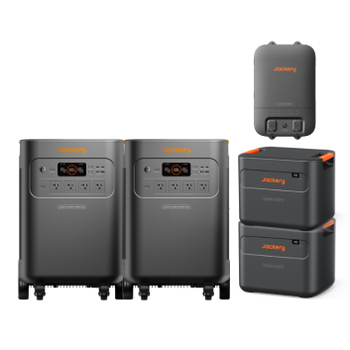
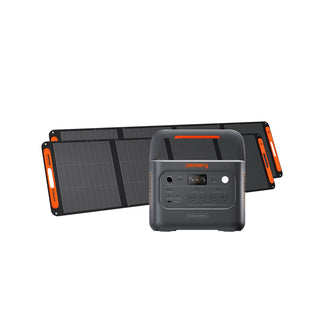
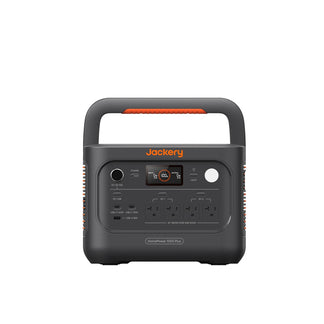
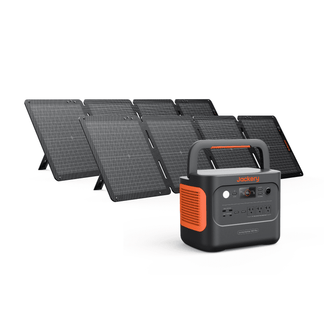
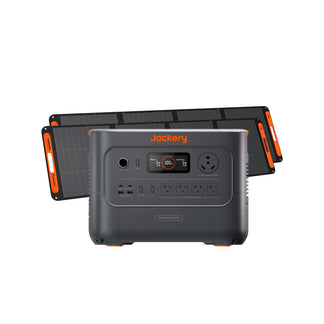
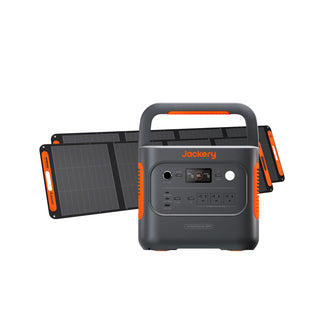
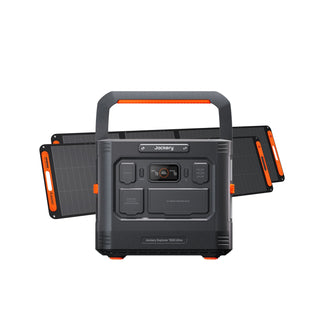
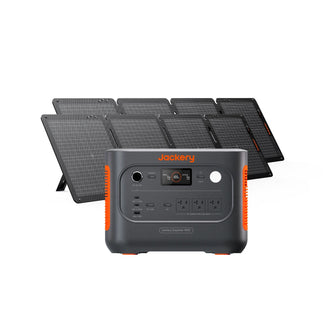
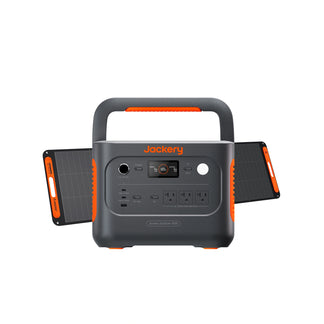
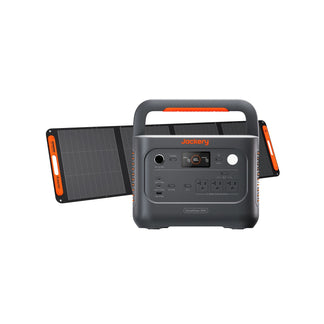
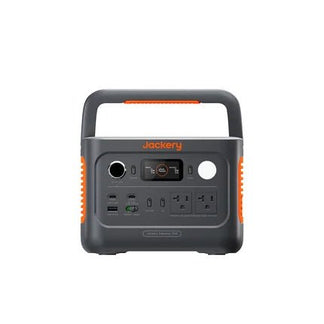
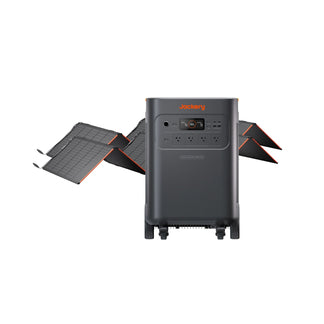
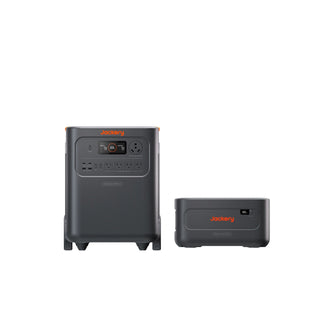
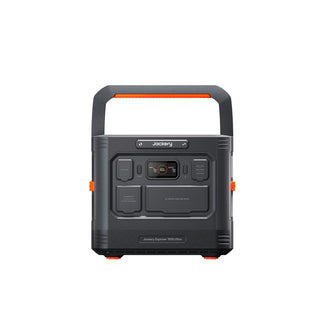
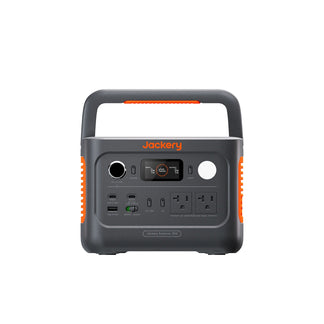
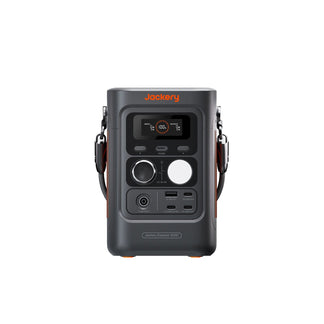
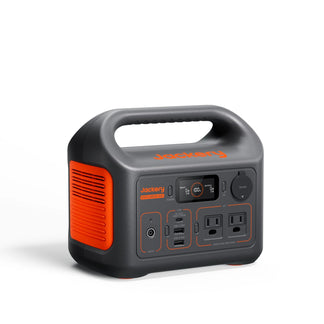
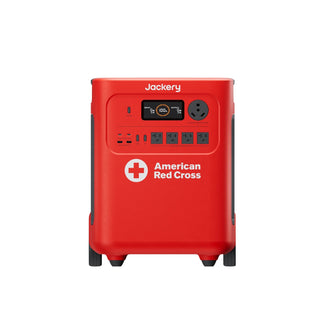
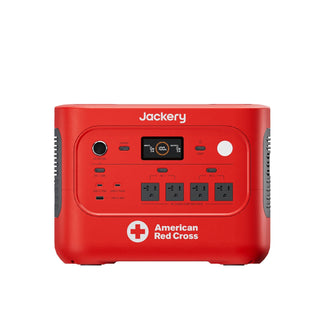
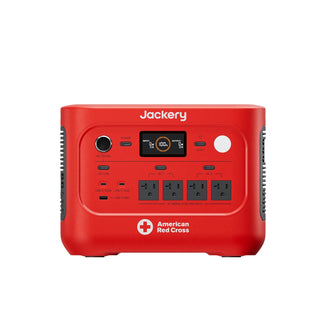
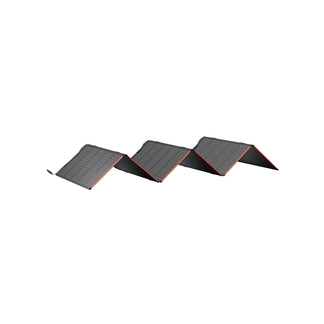
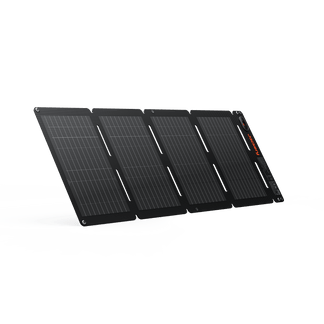
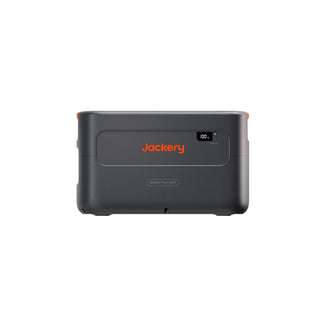
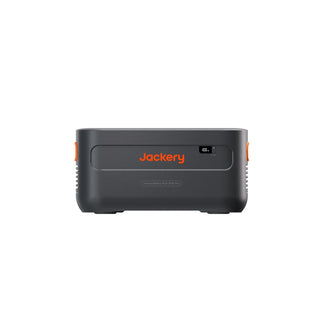
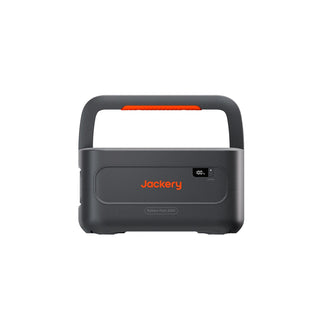
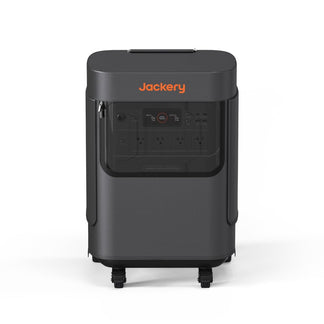
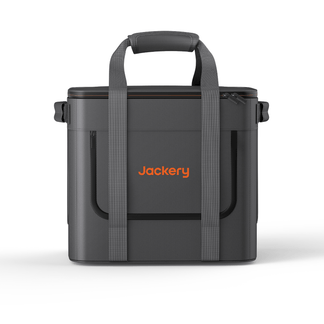
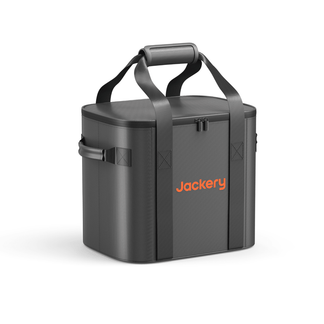
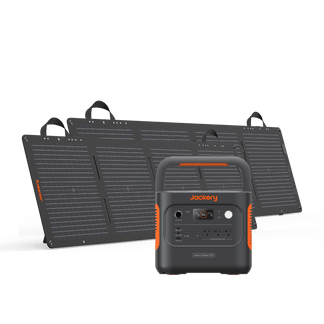
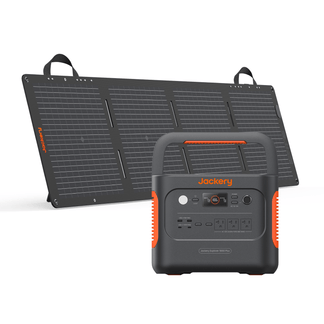
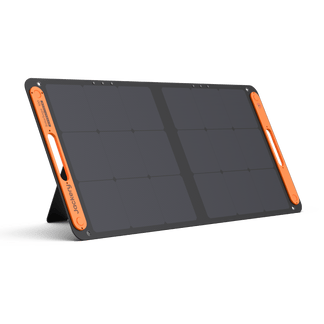
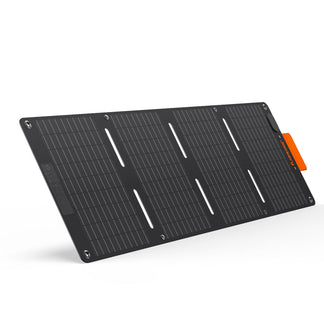
Jackery is a leading manufacturer of reliable solar generators, portable power stations, and solar panels. With these essential home backup solutions, you can keep critical household appliances running during unexpected power outages. You can keep the refrigerator powered, lights on, and AC running even when the power goes out in the neighborhood.
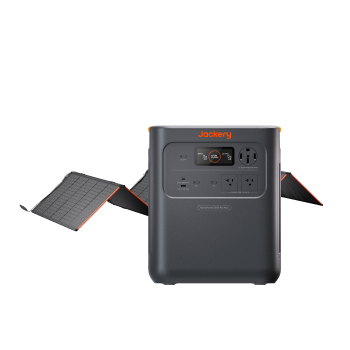
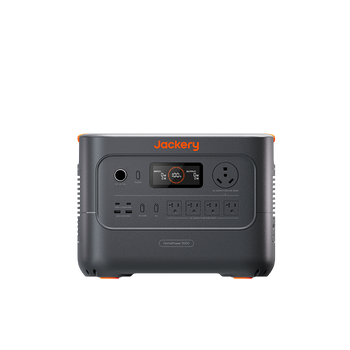
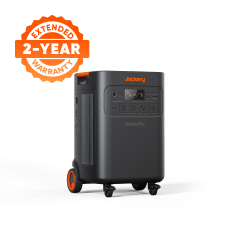
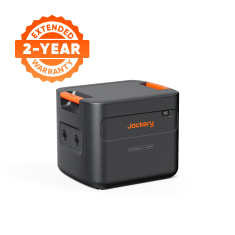
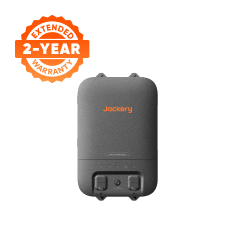
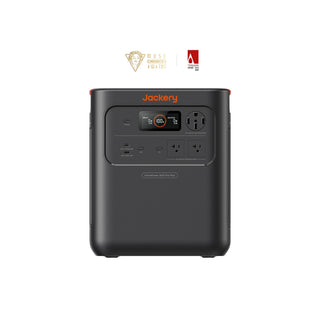
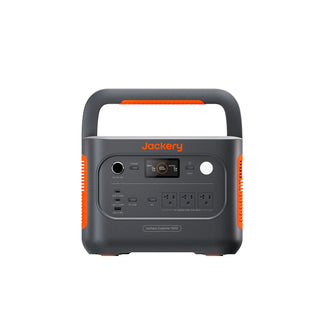
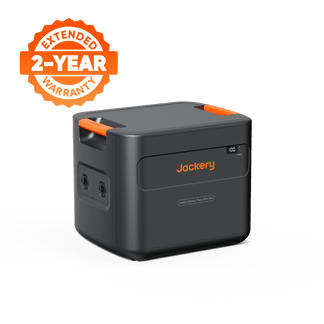
Jackery Solar Generator HomePower 2000 Plus v2
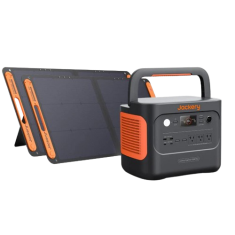
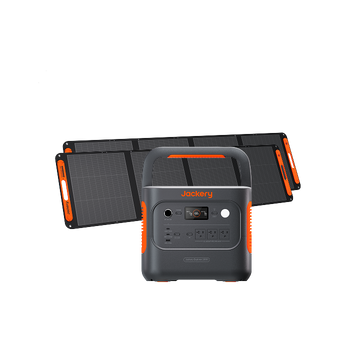
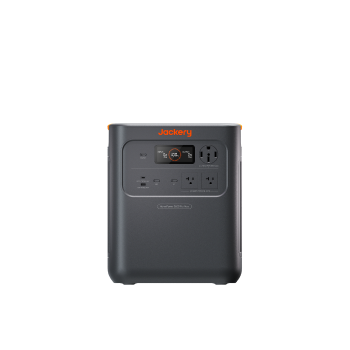
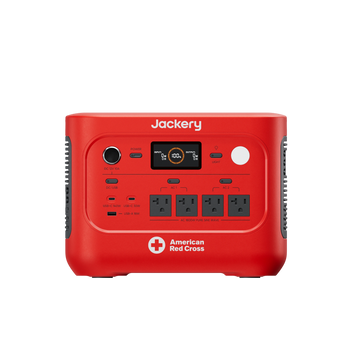
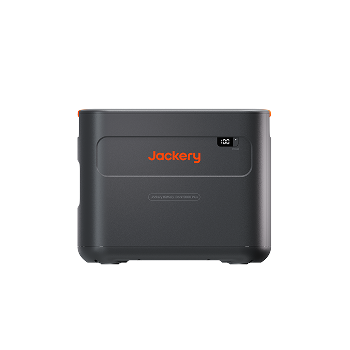
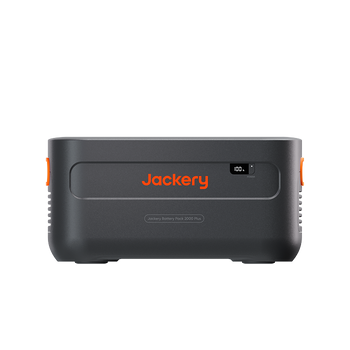
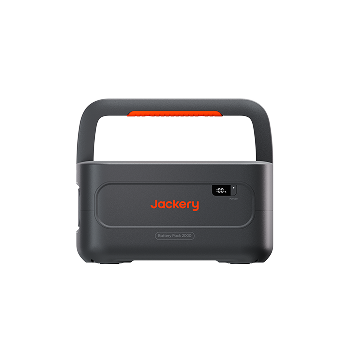
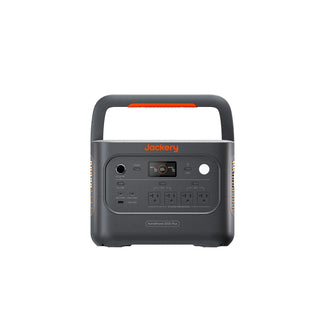
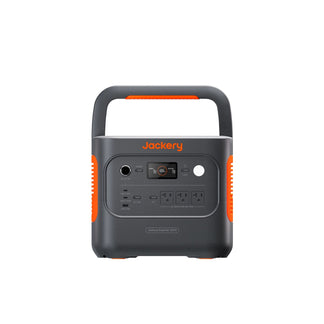
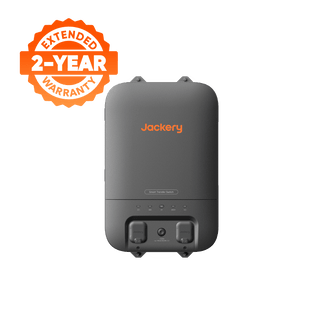
If your outage worries are mostly about keeping the refrigerator powered to prevent food spoiling and the Internet powered, the Jackery Solar Generator HomePower 2000 Plus v2 is the unit built for that job. It has enough capacity to run most of the household appliances and can grow to about 12kWh if you add extra battery packs down the line. With this home battery backup, the fridge stays cold, your router stays on so you are not stuck without the Internet, a lamp or two stays lit, and your phone and laptop keep charging. That is exactly the kind of night this unit is built to cover.
Appliances Running Time
- Fridge (300W) = 5.0H
- Internet Router (100W) = 14.0H
- TV (100W) = 14.0H
- Portable AC (800W) = 2.0H
- Electric Cooker (800W) = 2.0H
Who Should Buy This
The Jackery Solar Generator HomePower 2000 Plus v2 is ideal for renters, apartment residents, and smaller households who want reliable coverage for the essentials without paying for capacity they will never use, and who like the option to expand later if their needs grow.

Customer Review
I purchased this unit as additional support during hurricane season. I’ve not needed it yet this year, but I know that it will be useful in any power outage.
— Jean L.
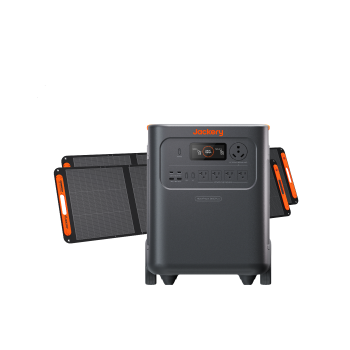
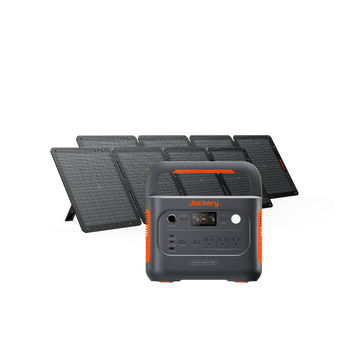
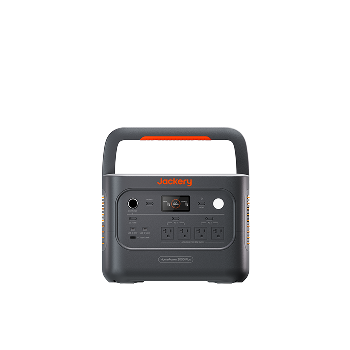
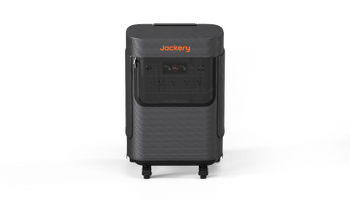
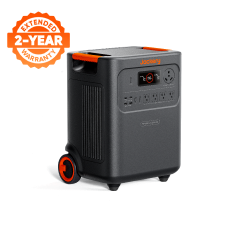
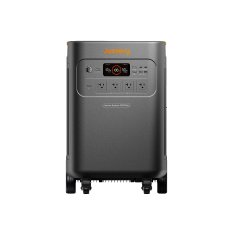
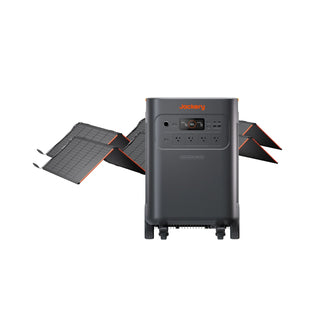
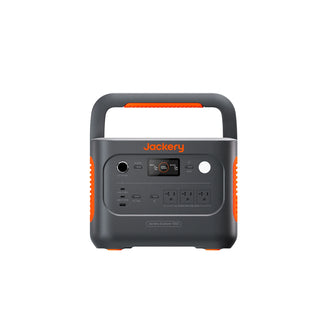
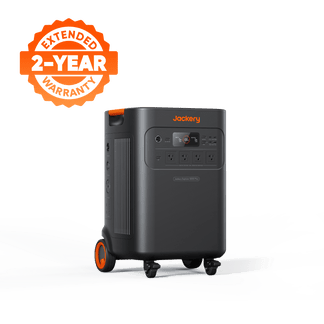
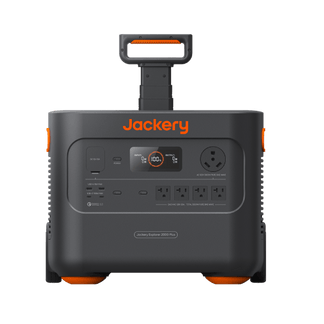
Jackery Solar Generator HomePower 3600 Plus
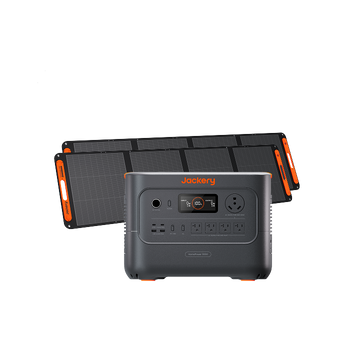
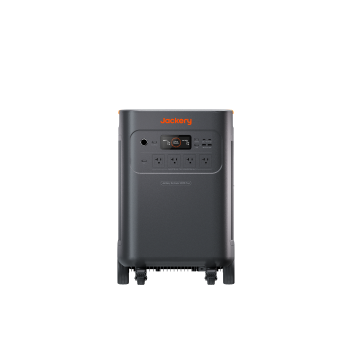
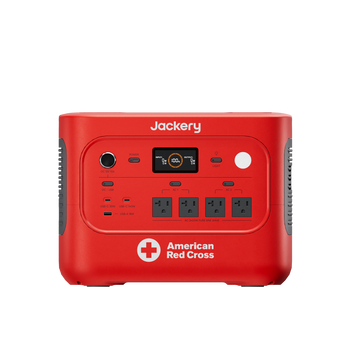
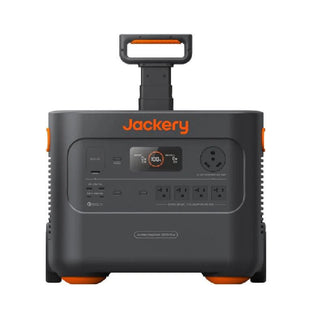
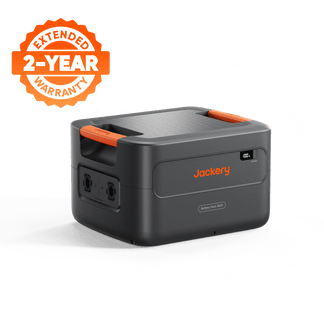
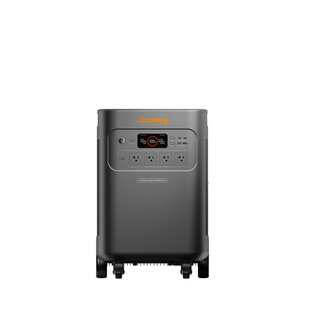
The Jackery Solar Generator HomePower 3600 Plus can run several things at once rather than just the basics. It can expand to around 21kWh or up to 43kWh when two of these units are connected in parallel. When fully expanded, this essential home backup solution can keep a fridge powered for up to 14 days. This is the tier where a household can realistically keep a refrigerator, a sump pump, and other appliances all running together from a few hours to a couple of days. It is designed to roll from room to room with its pull rod and double wheels.
Appliances Running Time
- Fridge (300W) = 9.5H
- Internet Router (100W) = 25.0H
- TV (100W) = 25.0H
- Portable AC (800W) = 3.7H
- Electric Cooker (800W) = 3.7H
Who Should Buy This
The Jackery Solar Generator HomePower 3600 Plus is ideal for homeowners who want genuine multi-appliance coverage during longer outages, especially anyone with a well pump or a family that just can't afford a spoiled fridge.

Customer Review
I just had my Jackery installed and it gives me great relief to know when the power goes out I will still have all the comforts. The electrician that installed my system thought it was a great system. Thank you.
— Beverly S.
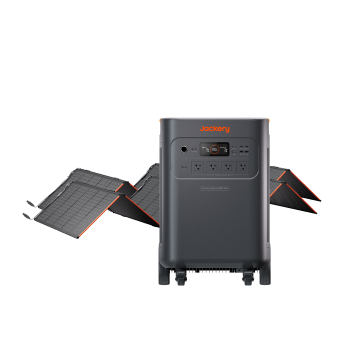
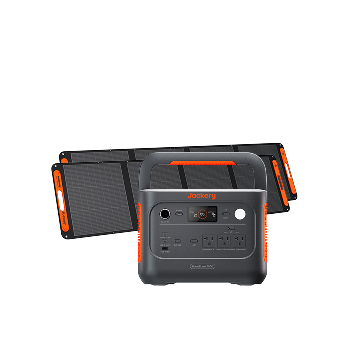
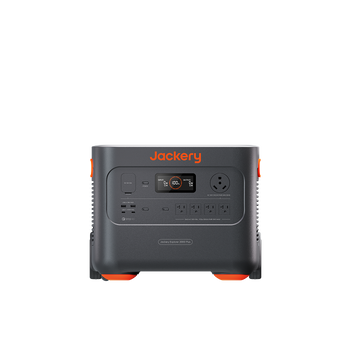
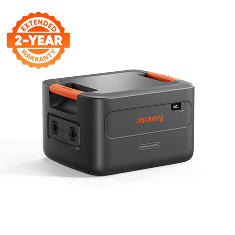
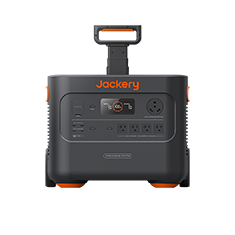
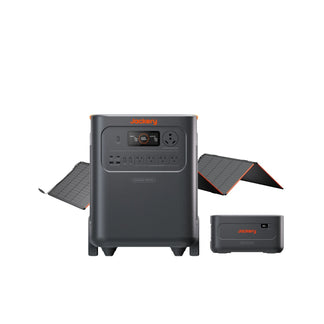
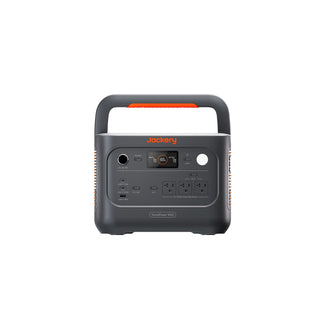
Jackery Solar Generator 5000 Plus
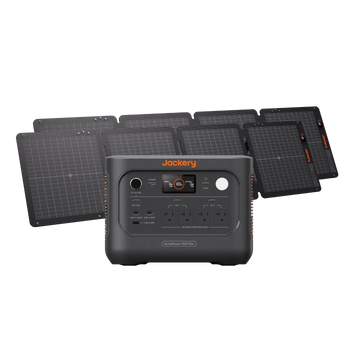
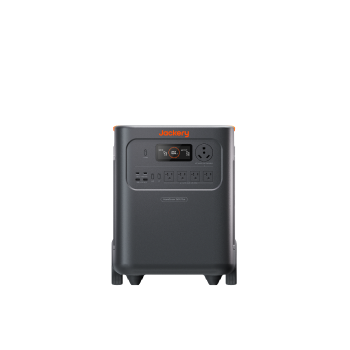
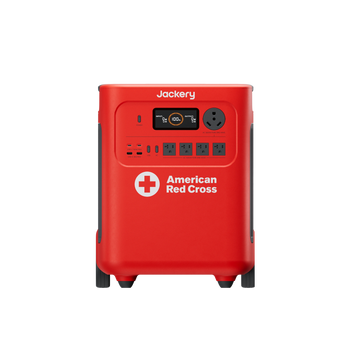
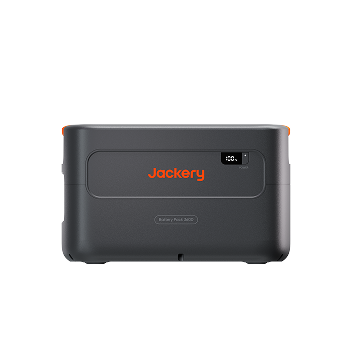
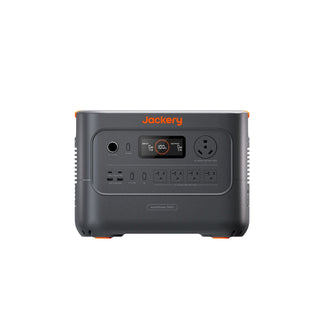
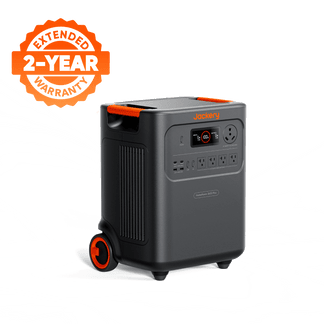
The Jackery Solar Generator 5000 Plus packs 5,040Wh of capacity with a 7,200W continuous output (14,400W surge) and dual voltage support. It can be expanded from roughly 5kWh up to a full 60kWh with additional battery packs. This is the unit for someone running a refrigerator, a water pump, and larger appliances like a dryer or oven together, through an outage that stretches for days rather than hours. It can also be rolled from one room to another with the help of double wheels and a pull rod.
Appliances Running Time
- Fridge (300W) = 9.5H
- Internet Router (100W) = 25.0H
- TV (100W) = 25.0H
- Portable AC (800W) = 3.7H
- Electric Cooker (800W) = 3.7H
Who Should Buy This
The Jackery Solar Generator 5000 Plus is one of the most important power outage supplies you should have at home, especially if you live in storm-prone or outage-heavy areas, or treat home backup as a long-term investment.

Customer Review
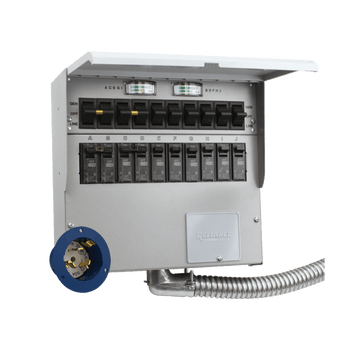
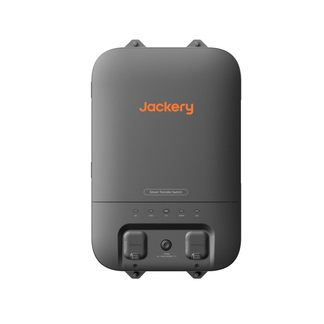
Love my jackery solar generator and smart transfer switch. I have already put it to use to offset reliance on the grid and stand ready for any outages.
— Gmeghoo.
Frequently Asked Questions
Does the order apply to equipment already installed in the grid, or only new purchases?
The order reaches both bulk power equipment that is already installed in the grid and new purchases. While the core prohibition targets transactions initiated after the order's signing date, the Department of Energy can also impose conditions on qualifying foreign equipment that was already installed beforehand, including requirements to monitor, isolate, or eventually replace it.
When do the Department of Energy's implementing rules take effect?
The order gives the Department of Energy 120 days from the signing date to publish rules putting its authority into practice, so the more detailed, enforceable specifics were still being worked out as of this writing.
Does the order name specific countries or companies?
No, the order does not name specific countries or companies directly. Rather than listing countries or companies in the order itself, it sets up a "Covered Foreign Entity" process, letting the Department of Energy determine which countries or entities qualify based on existing sanctions regimes or its own national-security findings.
Will the new executive order make electrical equipment more expensive for utilities or homeowners?
There is no reliable data yet on cost impact, and no authoritative source has published projections either way. Given the order's narrow focus on bulk-power infrastructure, any price effects would most plausibly show up at the utility level long before they reached consumer products.
Conclusion
The Executive Order 14420 signed on August 26, 2026, is about utility-scale bulk power equipment: transformers, generators, and control systems that live at substations and power plants. If you have been wondering whether your home battery, generator, or portable power station is suddenly a security concern, it is not. This is a policy aimed at the grid's high-voltage backbone, and it was written with a scope narrow enough that ordinary households simply are not part of the order. However, it is important to make sure you are actually ready the next time your power goes out, because outages happen for all kinds of local reasons that have nothing to do with national policy. Jackery Solar Generator is a genuinely reliable way to keep your essentials running when the grid fails.


