
















A 2026 executive order declared a national emergency over foreign-made equipment used in the US power grid's high-voltage backbone and not over the home's electricity. It does not ban anything yet, does not affect what is already installed in your house, and is not tied to any actual outage or blackout happening right now. It is just the government tightening the rules on where certain grid equipment comes from, with the real details still months away.
If you have seen headlines about a "national emergency power grid" tied to the US power grid recently, it is a fair question to ask what that actually means for your electricity, and whether it means anything at all for the lights in your own house. This guide walks through what was actually declared, why it is easy to confuse with other, unrelated "national emergency" news, and what it does and doesn't change for residents.
Key Takeaways
- On August 26, 2026, a national emergency was declared over foreign-made equipment used in the US bulk power system.
- The 2026 executive order is unrelated to the January 2025 "national energy emergency," which focuses on boosting domestic energy production rather than on equipment security.
- The 2026 national emergency power grid declaration does not report or forecast a power outage.
- The 2026 bulk system order does not yet ban any equipment. The Department of Energy has roughly until December 24, 2026, to publish implementing rules.
What National Emergency Was Declared Over the US Power Grid?
On August 26, 2026, an executive order declared a national emergency regarding the foreign supply of equipment used in the US bulk power system, citing national security risks associated with that equipment. The order was published in the Federal Register on August 31, 2026.
Two primary government sources currently give this order two different numbers. The Federal Register's published legal record (91 FR 55995, Document 2026-17843) cites it as Executive Order 14421. The White House's own presidential-actions listing, along with the fact sheet accompanying the announcement, cites it as Executive Order 14420.
Whichever number is used, the order's substance is consistent across every source: it invokes the International Emergency Economic Powers Act (IEEPA) and the National Emergencies Act, declaring that the foreign supply of bulk power system equipment presents what the order's text calls an unusual and extraordinary threat to national security.
Is this the Same as the 2025 "National Energy Emergency"?
No. A separate order titled "Declaring a National Energy Emergency" was signed on January 20, 2025. That order concerns boosting domestic energy production, i.e., increasing output of oil, gas, and other energy sources, and is not about equipment security or the bulk power system.
The two declarations share the phrase "national emergency," and both relate broadly to energy, but they address different problems, were signed over a year and a half apart, and one does not update or reference the other. If you see "national energy emergency" referenced elsewhere, know that it is describing the 2025 production-focused order.
What Does the 2026 National Emergency Actually Concern?
The declaration concerns vulnerabilities linked to foreign-produced equipment used in the bulk power system (the high-voltage transmission network), including concerns about digital backdoors, unauthorized remote access, and dependence on foreign supply chains. It is not a response to a specific ongoing outage or attack.
According to the order's own stated findings, growth in advanced manufacturing, data centers, artificial intelligence, and defense production has increased how much the country depends on reliable electricity, which in turn raises the stakes of any successful attack or supply disruption affecting the bulk power system. The order frames this as a forward-looking security concern rather than a description of a current incident.
What is the Bulk Power System, and How Does It Reach Households?
The bulk power system is the high-voltage transmission network, generally lines rated 69 kV or above, along with the generation needed to keep that network reliable, that moves electricity from power plants toward local areas. It does not include the lower-voltage local distribution lines that carry electricity the final stretch into a house.
The order covers equipment used in bulk power substations, control rooms, and generating stations, including transformers, grid-connected inverters, battery energy storage systems, generators, and related software and firmware, when that equipment is tied to a Covered Foreign Entity and meets a specific risk determination.
Does the 2026 National Emergency Mean a Nationwide Power Outage?
No, the national emergency does not mean there is a nationwide power outage. A national emergency declaration is a legal mechanism used to unlock specific executive authorities (in this case, over equipment transactions). The order does not report or forecast a nationwide blackout, and no authoritative source has stated that the declaration itself makes household outages more likely.
This distinction matters because the phrase "national emergency" sounds urgent and operational, but in this context it is a procedural legal term unrelated to whether the lights are currently on anywhere in the country. If you want to know whether there is an actual outage happening near you, you can use the United States Power Outage Map that tracks live outages in different US states.
Is a "National Emergency" the Same as a "National Emergency Alert"?
No, a national emergency is not the same as a national emergency alert. A national emergency declaration is a formal legal action taken by the President under statutes like IEEPA and the National Emergencies Act. A "national emergency alert" typically refers to a FEMA Wireless Emergency Alert (WEA) or Emergency Alert System (EAS) message, sent for specific, immediate hazards like severe weather.
The executive order did not trigger, and is unrelated to, any WEA or EAS alert. These two phrases (National Emergency and National Emergency Alert) may sound similar enough that they are worth explicitly separating. National Emergency is a policy mechanism about equipment security that unfolds over months, and the National Emergency Alert is a real-time public safety notification system for immediate hazards.
How Can Residents Verify an Actual Power Outage?
The most reliable way to confirm and start preparing for a power outage is through your own utility’s outage map or hotline, followed by state or local emergency-management channels if the outage is widespread.
National news about the bulk power system concerns long-term equipment policy, so it is not a reliable way to check whether your power is currently out.
If your area is experiencing a storm or another acute event, weather alerts from the National Weather Service or NOAA are also useful, since they are tied to real-time conditions rather than federal equipment policy.
How Can Residents Prepare for Power Outages in General?
General power-interruption preparedness, regardless of any specific news event, commonly includes knowing how to check the status of power outages through your utility, keeping a basic emergency kit on hand, and considering backup power sized to your household's actual needs.
The national emergency declaration does not itself predict household outages. However, residents may still reasonably want to prepare for ordinary power interruptions, the kind caused by storms, equipment failures, or planned maintenance. It is a sensible step at any time, independent of this news.
What Can Residents Do to Prepare for Power Interruptions?
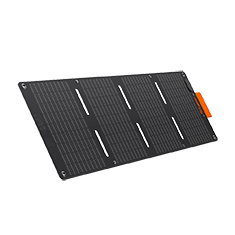
Backup power or a solar generator is one option among several power outage supplies you should have at home, and it is worth sizing to your household's actual needs rather than treating any single product as a requirement.
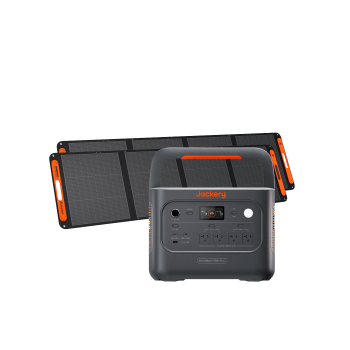
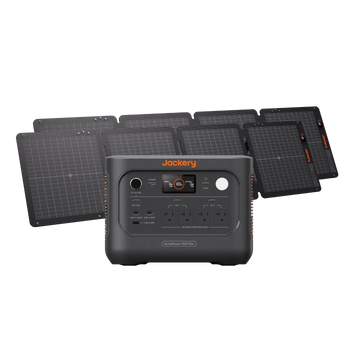
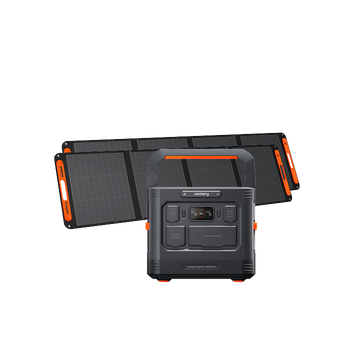
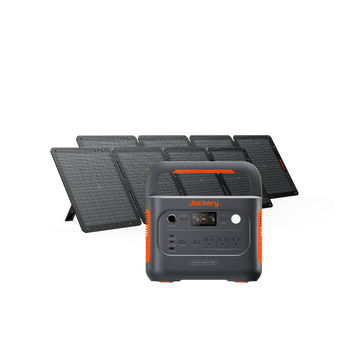
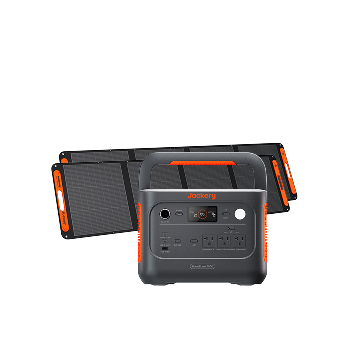
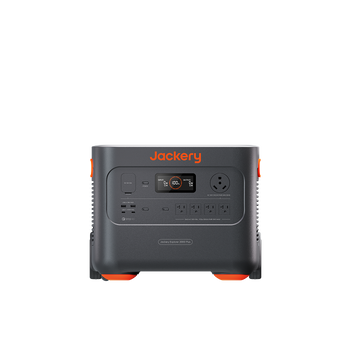
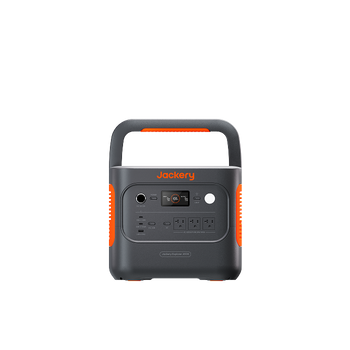
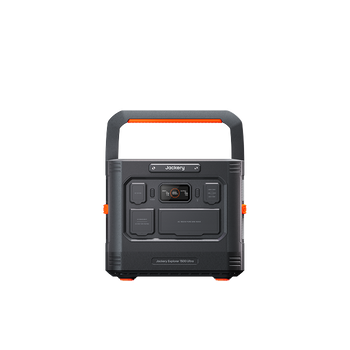
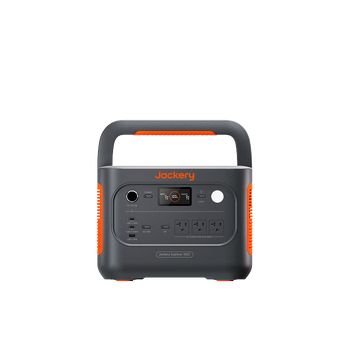
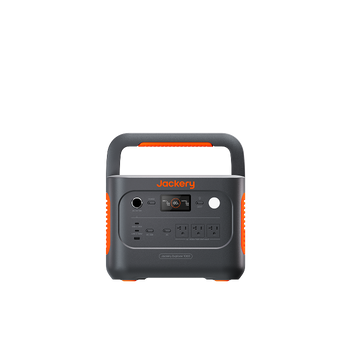
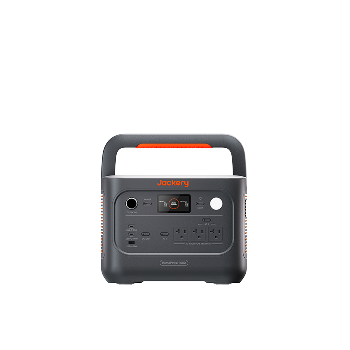
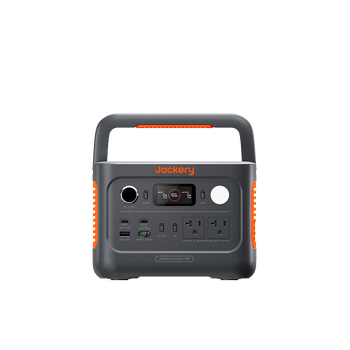
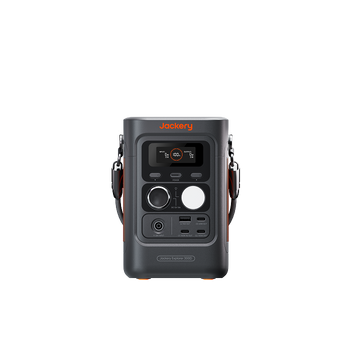
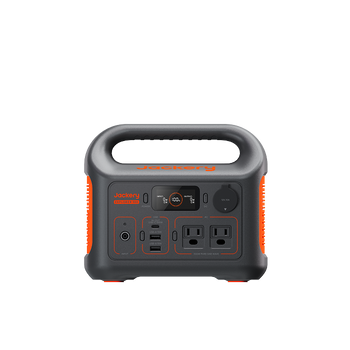
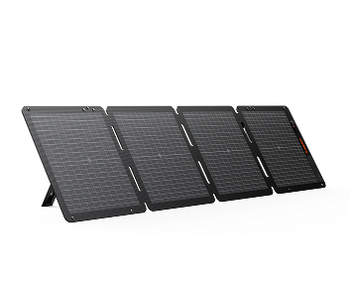
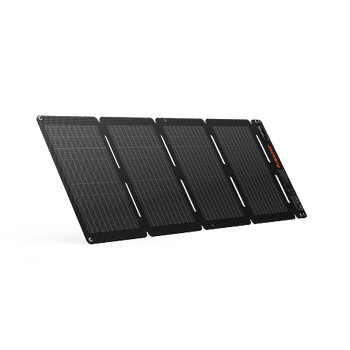
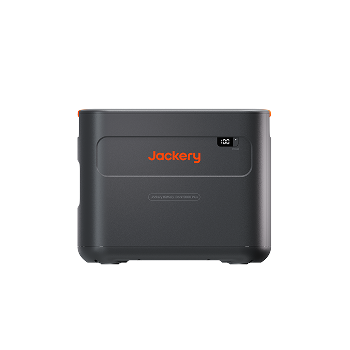
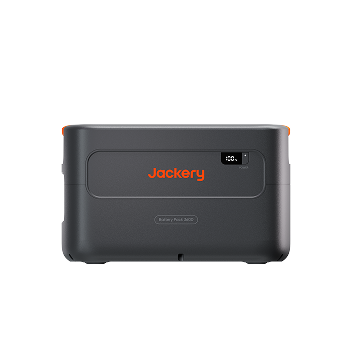
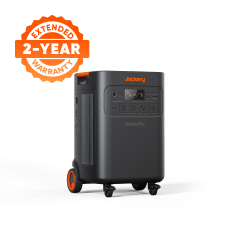
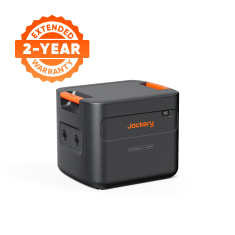
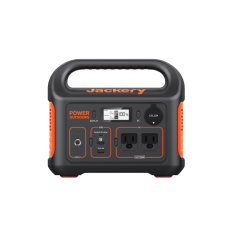
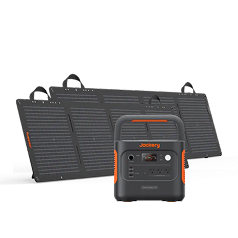
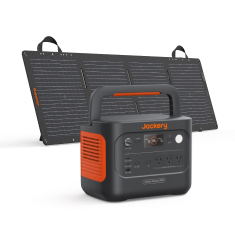
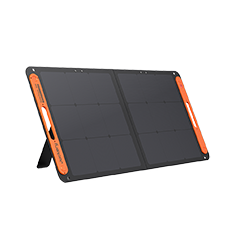
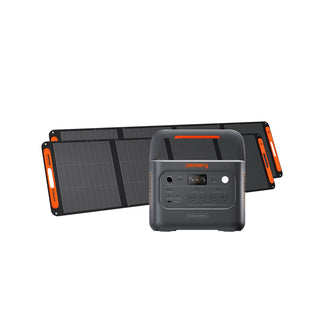
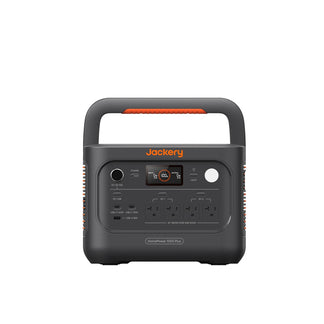
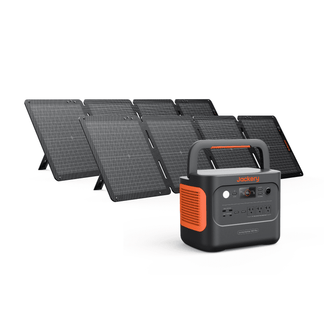
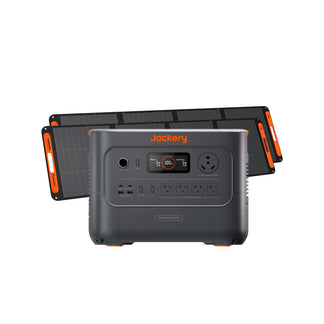
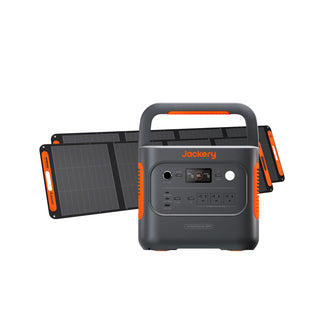
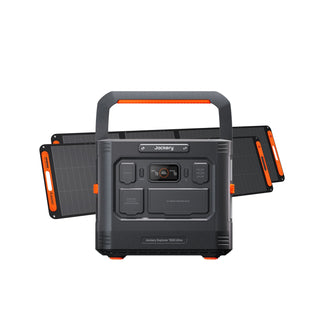
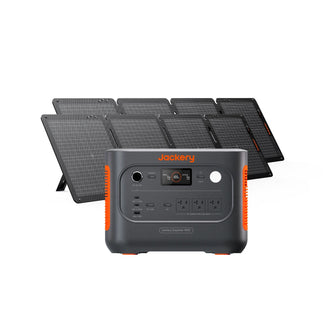
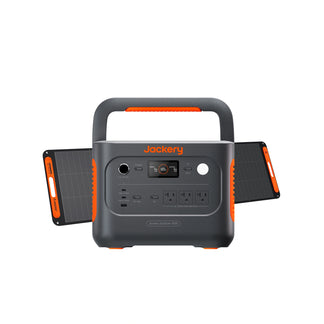
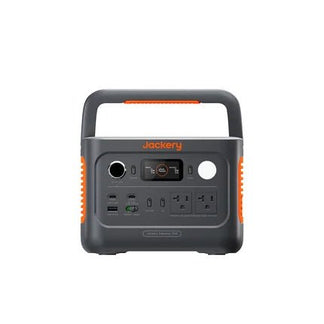
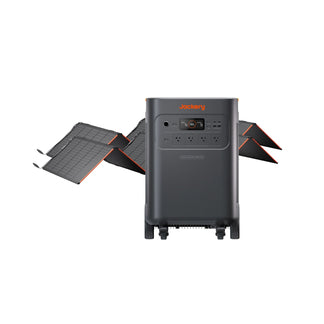
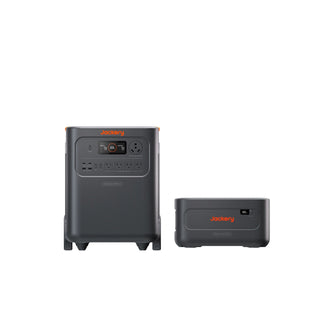
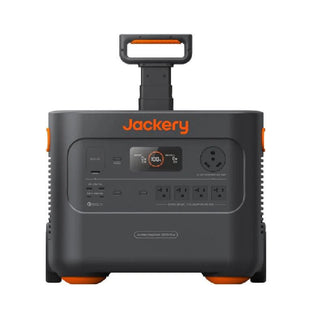
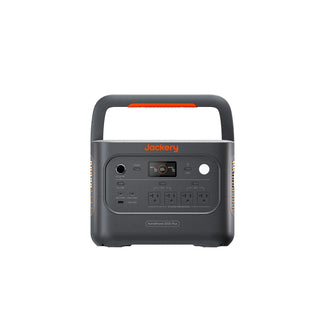
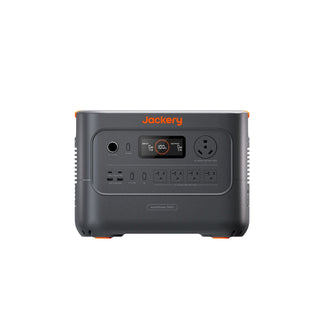
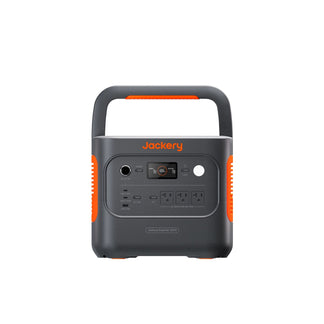
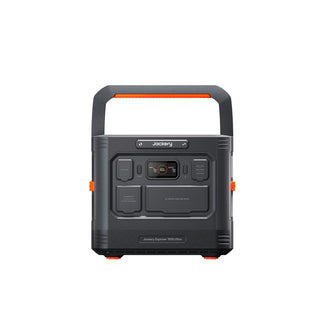
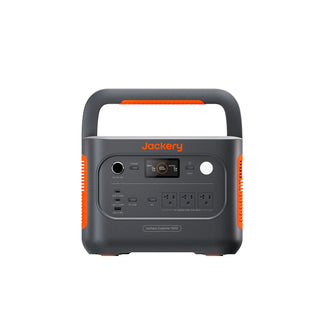
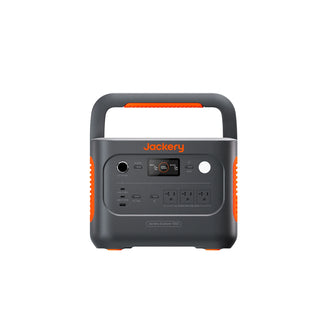
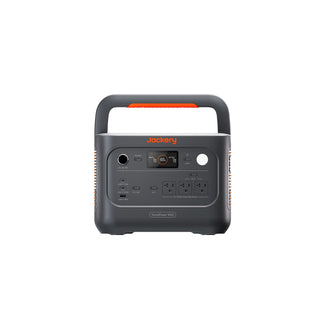
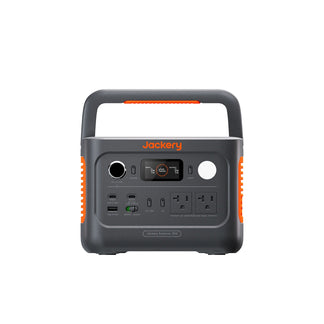
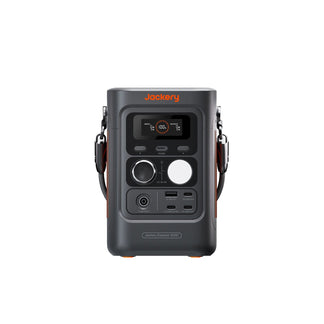
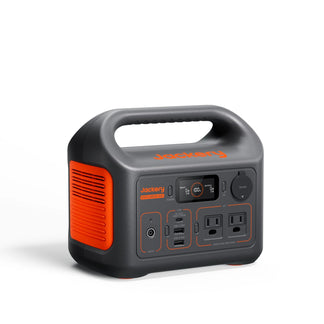
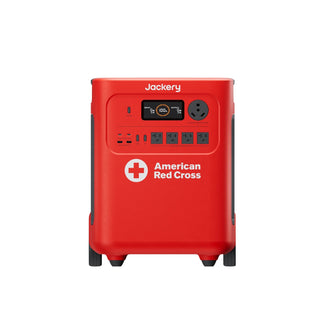
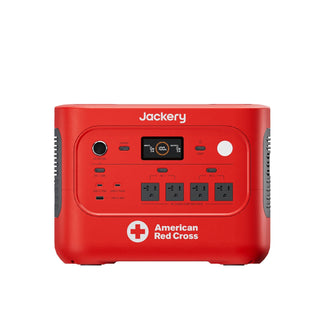
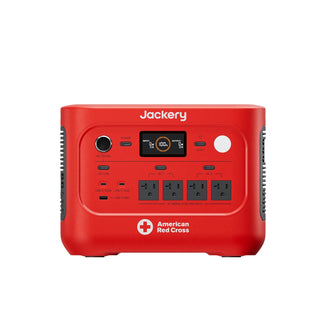
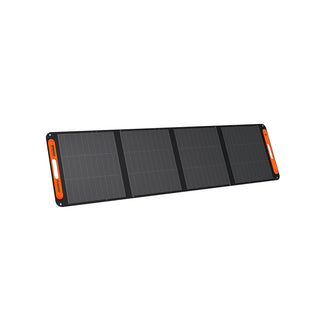
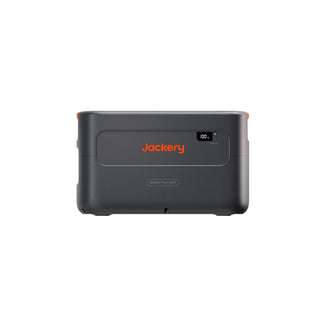
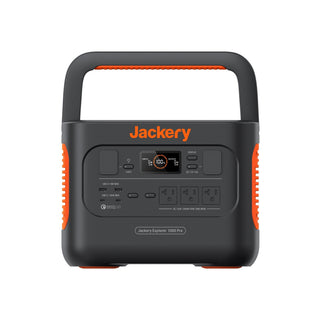
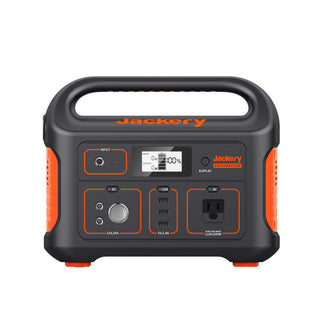
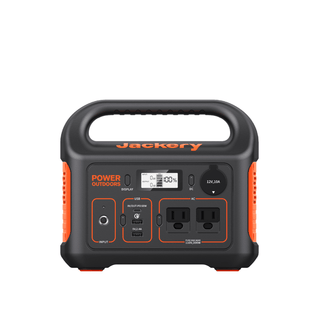
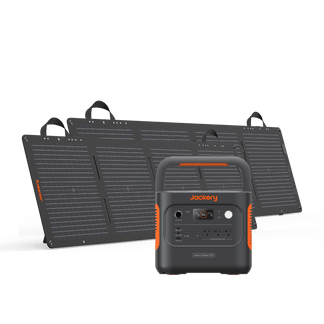
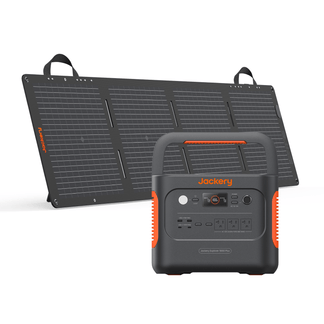
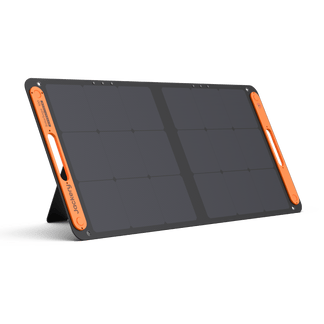
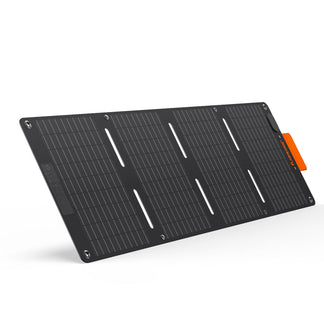
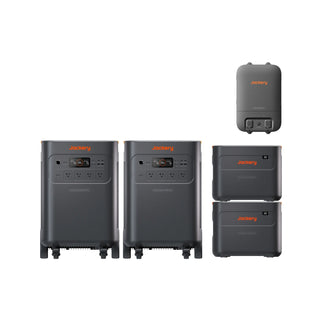
While a portable power station is not a substitute for grid-level or bulk power-system reliability, it is an essential home backup solution for keeping your own devices and appliances running during a local outage. Here's a look at three Jackery Solar Generators at different capacity levels.
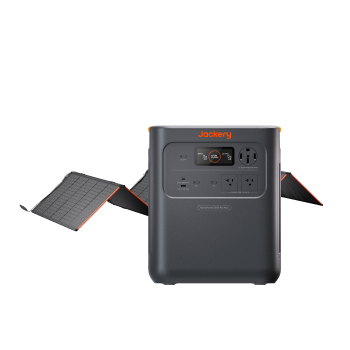
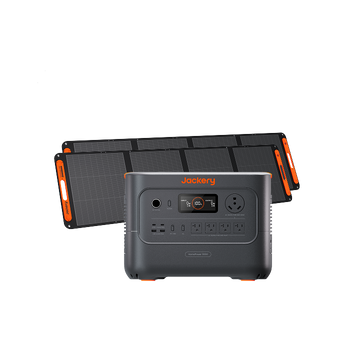
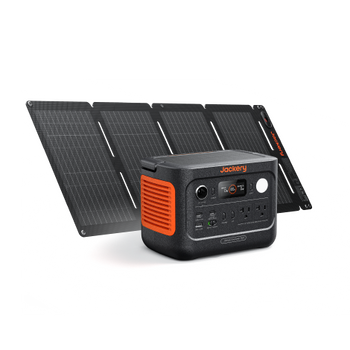
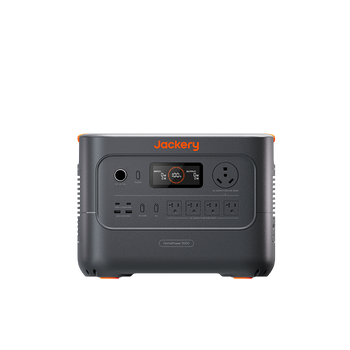
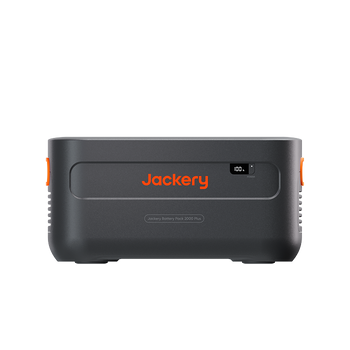
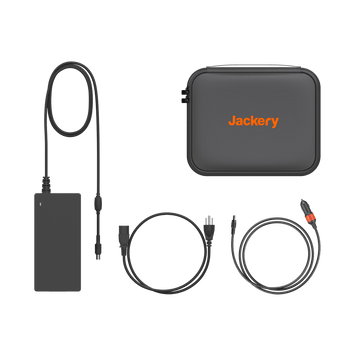
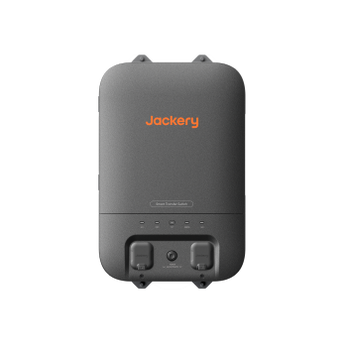
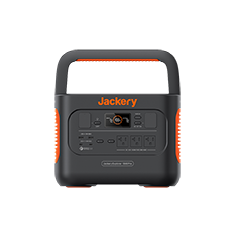
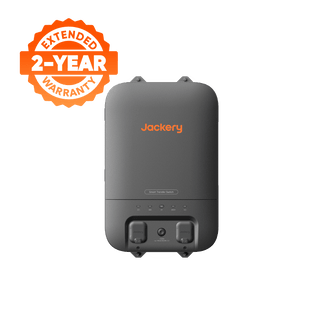
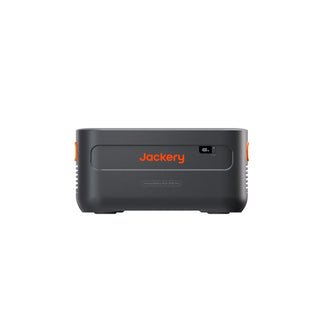
Jackery Solar Generator HomePower 2000 Plus v2: Compact Expandable Home Backup
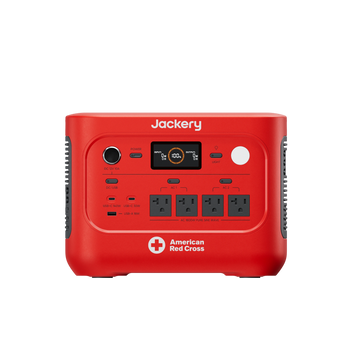
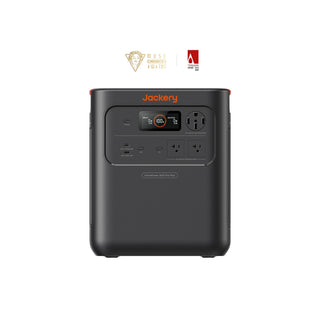
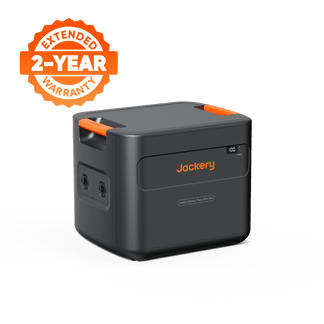
The Jackery Solar Generator HomePower 2000 Plus v2 is built to run the appliances that matter most during a shorter outage, such as a refrigerator, a sump pump, or basic home-office equipment. This tier suits apartment dwellers, smaller households, or anyone who wants room to expand capacity later without committing to a larger unit upfront. It can keep a fridge, WiFi router, and a few lights running through an overnight outage.
Appliance Running Time:
- Refrigerator (200W) = 8.0H
- Portable Fan (75W) = 18.0H
- Air Purifier (100W) = 14.0H
- Lights (10W) = 60.0H
- TV (60W) = 22.0H
Who Should Buy It
The Jackery Solar Generator HomePower 2000 Plus v2 is ideal for households in areas with long outages and who want to keep their essentials running with a portable and expandable solar battery backup.

Customer Review
It was delivered so quickly! I have assembled the solar panels, which are really big, and have been familiarizing myself with them. Took it out to the goat barn to run fan and lights and was impressed with how long it ran without much drop in stored power, 98%.
— Kathy W.
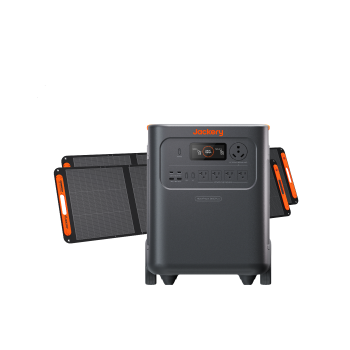
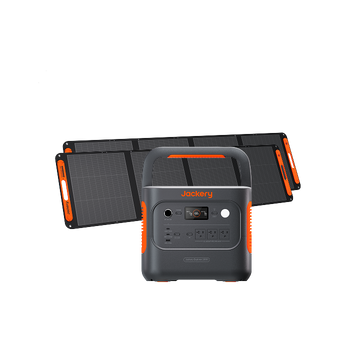
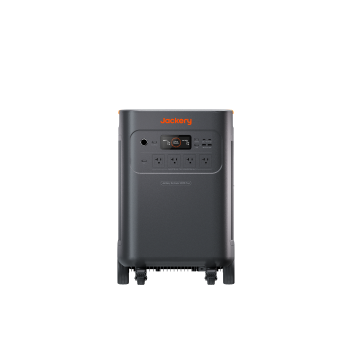
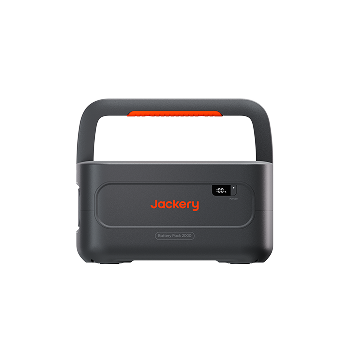
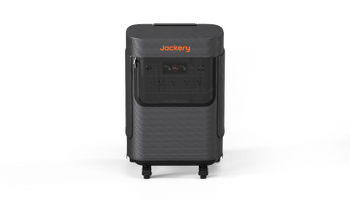
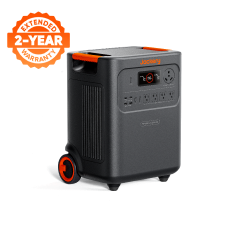
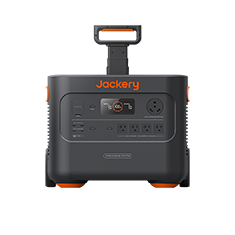
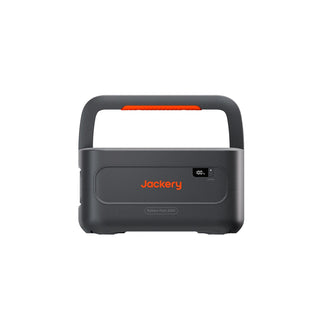
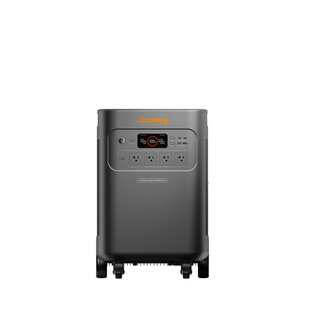
Jackery Solar Generator HomePower 3600 Plus: Higher-Capacity Home Backup
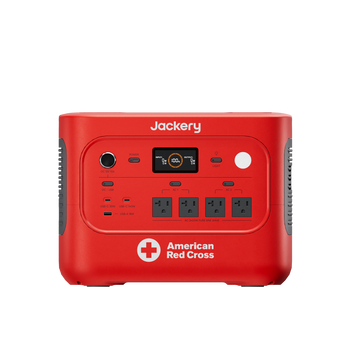
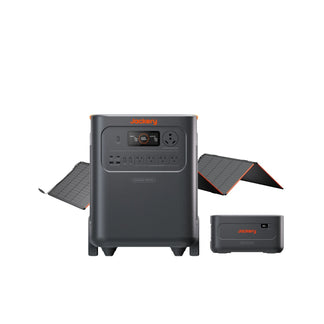
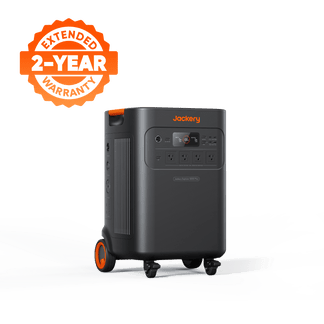
The Jackery Solar Generator HomePower 3600 Plus offers 3,584Wh of built-in capacity (roughly 3.6kWh), expandable up to 21kWh or 43kWh. This essential home backup power source can support multiple household circuits and appliances during a longer outage, such as a refrigerator, some lighting, and essential electronics. This tier suits homeowners who want more comprehensive coverage than an entry-level unit.
Appliance Running Time:
- Refrigerator (200W) = 13.7H
- Portable Fan (75W) = 31.4H
- Air Purifier (100W) = 25.0H
- Lights (10W) = 95.2H
- TV (60W) = 37.2H
Who Should Buy It
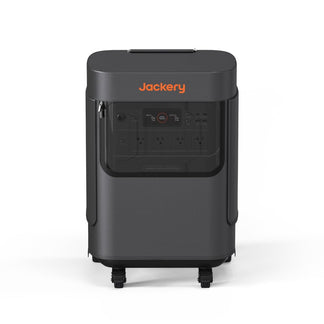
The Jackery Solar Generator HomePower 3600 Plus is an ideal home battery backup for those households who want to keep their critical circuits powered during unexpected outages. It also features a foldable handle and double wheels, so you can easily move the battery backup anywhere you go.

Customer Review
We have already used it for our refrigerator twice for brief black outs but were so happy to have it. Kept fridge running perfectly and was also useful to charge my phone.
— Vanna A.
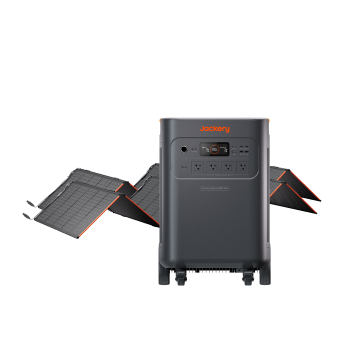
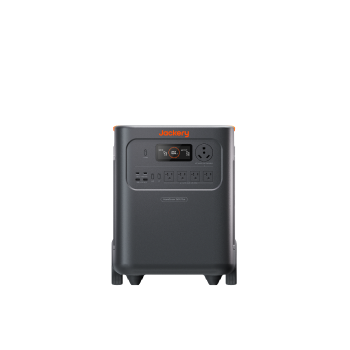
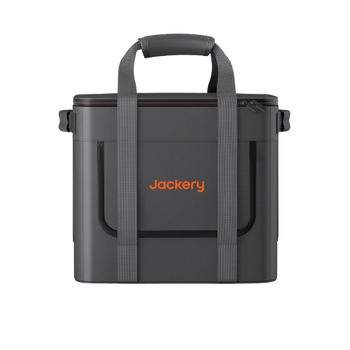
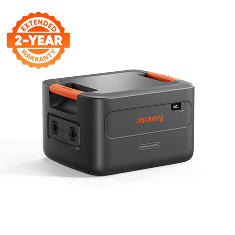
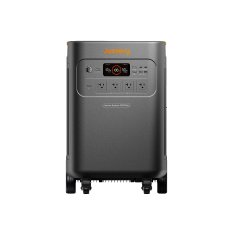
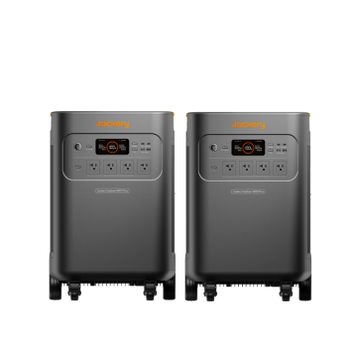
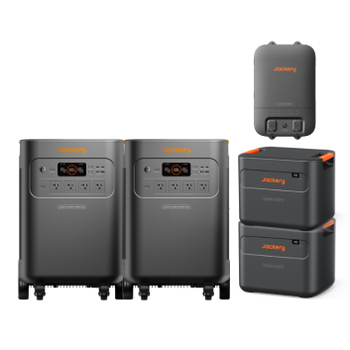
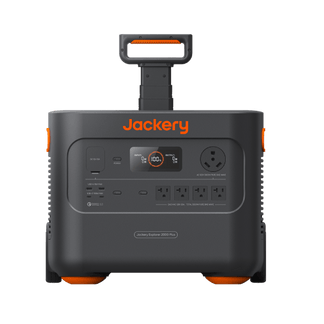
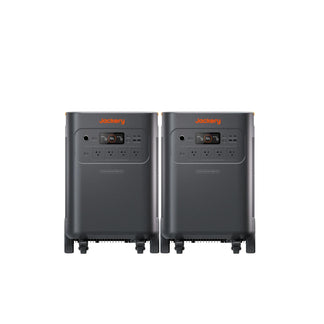
Jackery Solar Generator 5000 Plus: High-Capacity Essential Home Backup
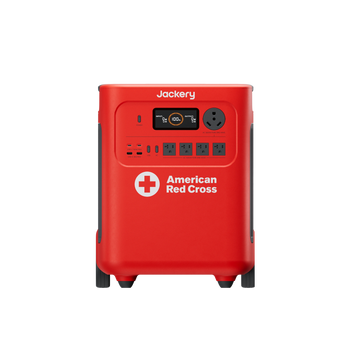
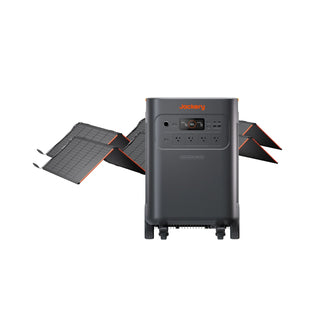
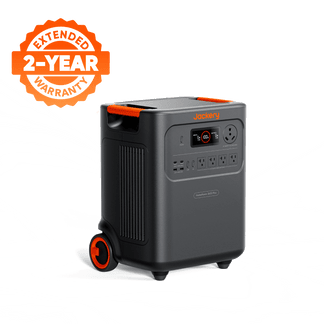
The Jackery Solar Generator 5000 Plus offers dual 120V/240V support and expansion up to 60kWh through additional battery packs. It is designed for more comprehensive home backup, including heavier appliances like dryers, ovens, and portable air conditioning units alongside everyday essentials. This tier is best suited to homeowners in areas with frequent or extended outages, or anyone who wants a system that can scale significantly over time.
Appliance Running Time:
- Refrigerator (200W) = 17.1H
- Portable Fan (75W) = 34.5H
- Air Purifier (100W) = 28.6H
- Lights (10W) = 71.4H
- TV (60W) = 38.9H
Who Should Buy It
If you need to power appliances that need 120V and 240V in your home during outages, you can consider investing in a solar generator that supports dual voltage, like the Jackery Solar Generator 5000 Plus.

Customer Review
The best part is that I can hook it up to my solar panels and I can run it with the STS and it’ll run most of my house. I purchased two of them so that way I can get the maximum output from the STS for the whole house. I really like the fact that it has wheels and can be moved when going on camping trips.
— Jeffrey H.
Frequently Asked Questions
What national emergency is declared in 2026?
On August 26, 2026, a national emergency was declared concerning foreign-produced equipment used in the US bulk power system, citing national security risks. It was published in the Federal Register on August 31, 2026.
Does the national emergency mean there's a power outage?
No. The national emergency power grid declaration is a legal and policy action rather than an outage report or forecast. There is no authoritative source that has tied it to increased outage risk.
Is the US experiencing a nationwide blackout?
No, the US is not experiencing a nationwide blackout, and this is unrelated to the declaration. Any actual outage should be verified through your own utility's outage map or hotline and not inferred from news about the bulk power system.
What is the bulk power system?
The bulk power system is a high-voltage transmission network, generally lines rated 69 kV and above, plus the generation needed to keep it reliable, that moves electricity toward local areas. It excludes local distribution lines.
What equipment is covered by the order?
Bulk power substation, control-room, and generating-station equipment, such as transformers, inverters, battery storage systems, generators, and related software, when tied to a Covered Foreign Entity and a specific risk finding.
Does the national emergency affect homeowners?
No, the national emergency does not affect homeowners directly or immediately. It targets future federal- and utility-level equipment transactions rather than household purchases or existing home equipment.
Are national emergency alerts being sent to residents because of this?
No. This declaration is unrelated to FEMA's Wireless Emergency Alerts or Emergency Alert System, and no alert was triggered by it.
How can I check whether there's a power outage in my area?
Check your utility's outage map or hotline, or your state or local emergency management agency for widespread events. For more detailed information about the tracking process for outages, you can refer to our guide: Power Outage Update Near Me: How to Track.
How can I prepare for a power outage?
General steps to prepare for a power outage include knowing how to check for outages, keeping a basic emergency kit, and considering backup power sized to your household's needs. For more guidance on how to prepare for long-term power outages, you can check out our guide that reveals what to do when the power goes out and reliable home battery backup solutions.
Conclusion
Executive Order 14420 is a national emergency declaration related to forward-looking security and supply-chain measures aimed at high-voltage equipment used by utilities and grid operators. There is no outage reported or forecast for residents. The most useful response, for now, is to stay informed as the Department of Energy's rulemaking unfolds over the next several months, and to treat ordinary outage preparedness, including backup power sized to your household, as good practice on its own terms. Jackery Solar Generators are available in different capacities, so you can match the right size of power backup source with your actual power needs before buying.
Note: This article reflects the text of Executive Order as published in the Federal Register (91 FR 55995) and the White House's own presidential-actions listing, along with publicly available agency and product information as of early September 2026. It is intended as general informational content and does not constitute legal advice on compliance obligations, which will depend on rules the Department of Energy has not yet published.


