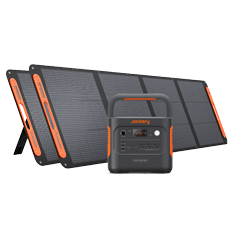
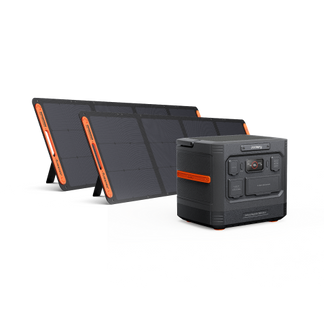
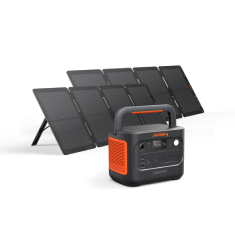
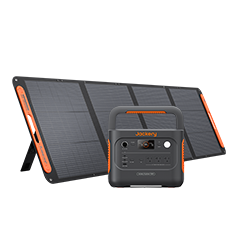

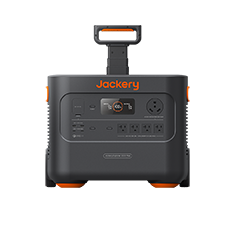
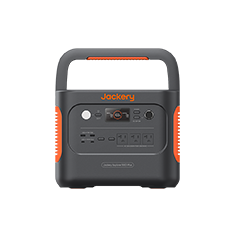
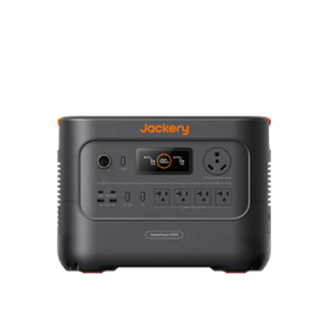
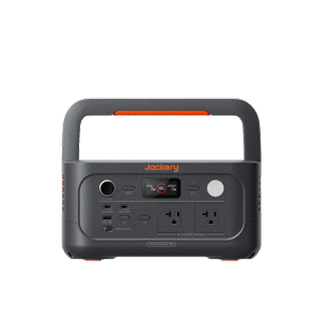
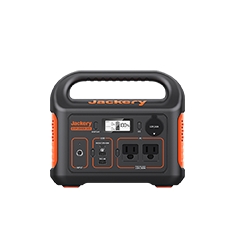
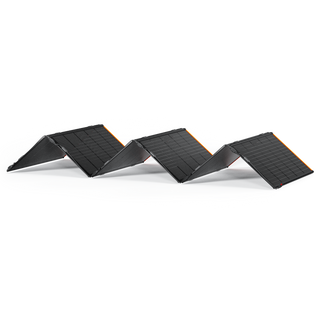
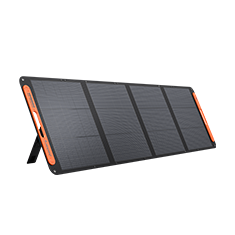







Brief Answer: Yes, a solar generator can power a CPAP machine. You should always choose a solar generator with a rated output that exceeds the CPAP's wattage requirements.
CPAP is a popular therapy for sleep apnea, but powering the appliance during power outages or outdoor adventures can be a hassle. A CPAP power supply is ideal for running the CPAP machines during unexpected power outages, when living off the grid, when camping, when RVing, etc. The portable solar generators can run CPAP machines throughout the night, ensuring sound and peaceful sleep.
You don't have to forgo off-grid experiences just because you or a loved one utilizes a CPAP! Solar energy is undoubtedly a wise option for running your CPAP, particularly solar generators, which are more hygienic and quiet than batteries. Jackery Solar Generators can run most CPAP machines throughout the night, so you don't have to rely on the power outlets. You will discover what CPAP is, CPAP power supply, and its types on this page.
AI Takeaways
- A solar generator can power a CPAP machine effectively, provided the generator has enough capacity and wattage to match the CPAP’s requirements.
- Most CPAP machines consume around 30 to 60 watts, though this can increase if you use the heated humidifier or heated tubing.
- A CPAP typically requires a solar generator with at least 600Wh of capacity for overnight use, and larger models like 1000Wh+ for extended or multi-night power.
- Solar generators provide a quiet, rechargeable, and eco-friendly backup option, making them especially useful for camping, travel, or power outages where reliable sleep support is critical.
- How to choose a CPAP power supply.
How Many Watts Does A CPAP Use
A CPAP machine typically consumes 30 to 60 watts without a heated humidifier at a usual pressure level of 7 to 12 cm H2O. The power consumption of CPAP machines can reach 70–100 watts when heated humidifiers are used in higher-pressure settings. Although most models only offer waterless humidification, travel CPAP machines are significantly more efficient and usually provide therapy for just 20 to 40 watts. The wattage consumption of a CPAP machine will vary depending on the brand and model of your CPAP machine and the comfort features you have turned on.
How Much Power Does A CPAP Need
The total power needed is calculated by multiplying the CPAP machine's wattage by the number of hours it's used. For example, a 40-watt machine running for 8 hours uses 320 watt-hours. To find your specific needs, you need to check your CPAP's power specifications and consider the additional power demand of any integrated heated humidifier or heated tubing.
How Many Watts Does A ResMed AirSense 10 Use?
ResMed AirSense 10 CPAP requires around 50-60W without the humidifier, but it can increase to 100-110W under certain conditions. On the other hand, the newer AirSense 11's CPAP wattage is around 56-73W.
How Much Energy Does A CPAP Use In 8 Hours
On average, the CPAP machine's power usage is around 40W. If you are running a CPAP machine for 8 hours, it will typically consume around 40W × 8H = 320Wh of energy.
What is a CPAP Power Supply?
The CPAP power supply, also called the CPAP power solution, must continuously supply power to the CPAP to function correctly. Virtually all CPAP machines use a power source plugged into an electrical outlet. Take your therapy when you travel, though, and ensure you're rested and prepared to appreciate your adventure!
For CPAP machines, numerous power options are available, allowing you to treat your sleep disorder at home or abroad successfully. Bringing AC power cords, portable battery packs, DC power cords, and solar generators is ideal for sleeping under the stars or away from fixed power sources.
There are four types of CPAP power supply.
What are the Types of CPAP Power Supply?
A CPAP machine needs continuous, steady, and quiet energy to operate, which can come from electricity, batteries, or another kind of power source.
- Inverter: An AC electricity at 120 volts is the most typical way to power your CPAP machine. You will require an inverter to power the wall outlet that your machine is connected to when using a 120-volt service. The inverter converts your 12-volt battery's power to 120 volts, and it needs enough wattage to supply the device with the proper quantity of electricity.
- Direct Current: Using direct current is a different choice (DC). This approach involves wiring a 12-volt outlet in your house or RV to use a DC cable for electricity, though it is less complex. The outlet must be installed in line with the electrical requirements of your particular RV. They are similar to cigarette lighter receptacles and can be bought from Amazon or an auto parts shop, but you'll need to have the right size wire and fuse.
- Battery Pack: The third and least popular option is to use a portable battery pack to power the CPAP machine. The battery pack must be designed especially for your machine. They are available for buy on Amazon and other retailers. The CPAP machine's battery pack or portable power source typically has enough power to run for two nights.
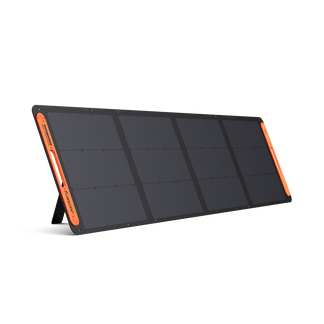
- Solar Generator: Solar generators combine power stations with solar panels. Solar panels convert solar energy into electrical energy, then stored in power plants for subsequent use. The generator technique helps recharge your battery bank and has no adverse effects on your batteries. Additionally, compared to other battery or generator kinds, the solar generator is quieter, cleaner, and simpler to use.
|
Types |
Pros |
Cons |
|
Inverter |
- Common option in RV or camping - Cheaper |
- Requires plug-in 12V outlet - Requires 12V battery - Efficiency decrease - Only the inverter can not power |
|
Direct Current |
- Less complex - Easily connects to the grid |
- Needs correct size wire and fuse - Needs DC cable - Hard to operate when off the grid -Not Portable |
|
Battery Pack |
- Portable - Easy to use |
- Need to match your CPAP - Only support short-time use |
|
Solar Generator |
- Renewable Power - Lightweight, portable - Quiet - Power even at night with its portable power station fully charged - Pass-through charging - Multiple outlets or ports - Combine solar panels with power stations - No maintenance costs - Off grid, power outage backup power |
- A little pricey |
Can A Solar Generator Power A CPAP
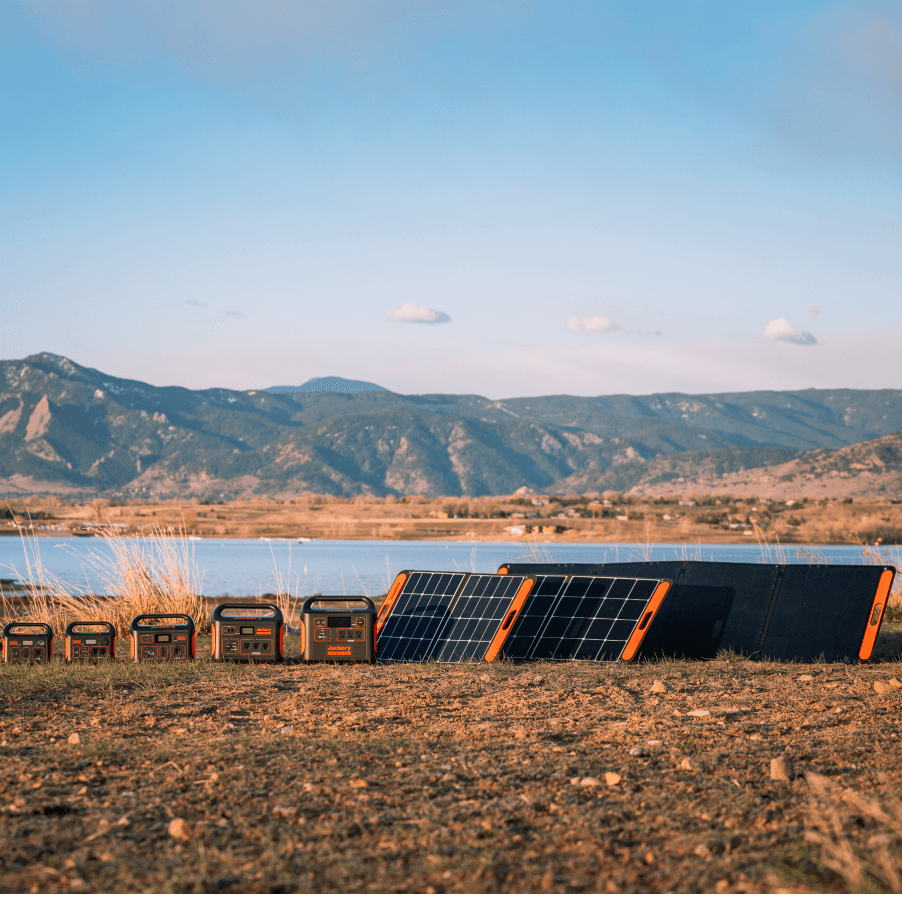
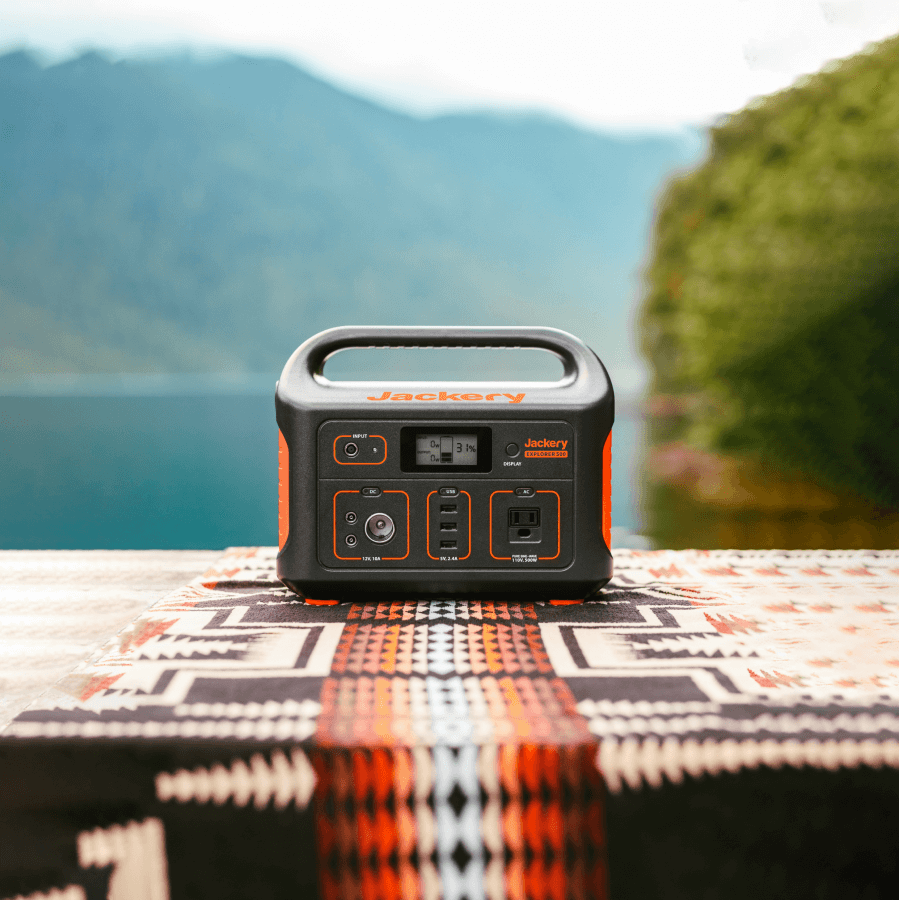
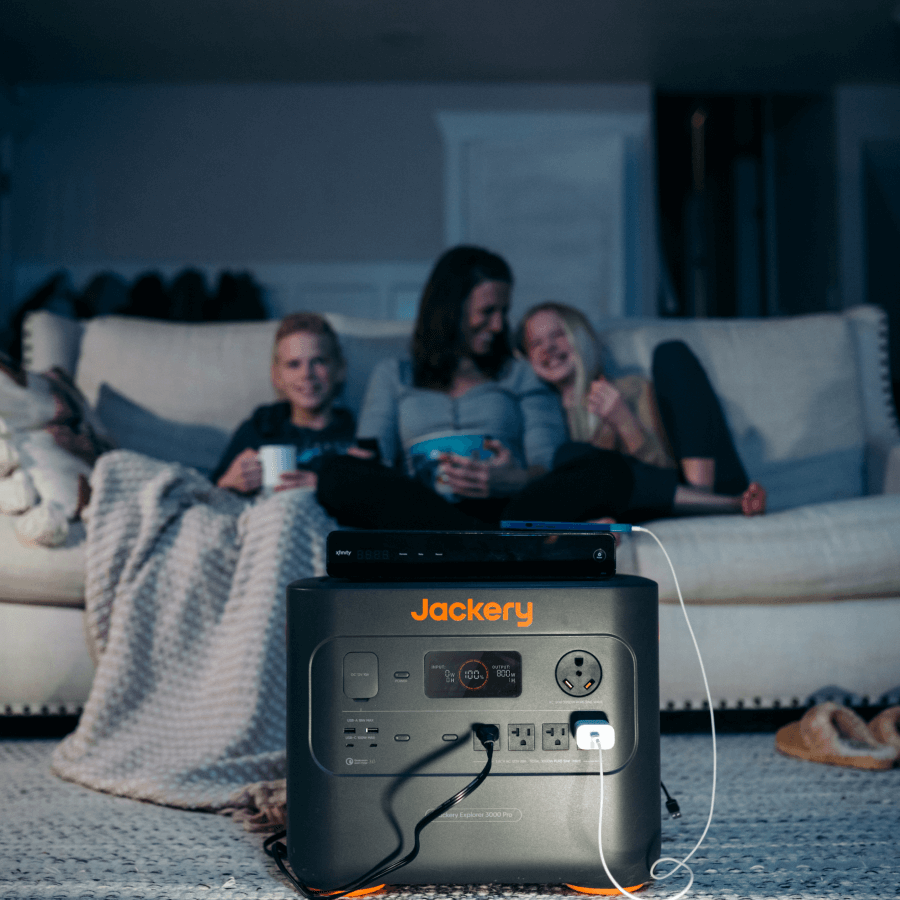
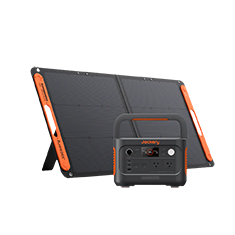
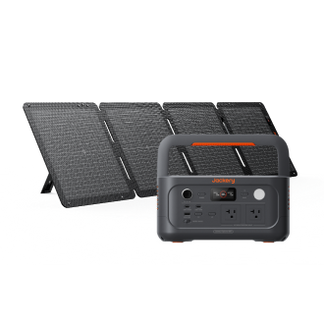
Yes! A solar generator is ideal for a CPAP power supply, especially when you are camping, living off the grid, or you are experiencing a home power outage. You will never go wrong with Jackery if you seek the best solar generator for a CPAP. It combines the portable power station with solar panels, which absorb solar energy and turn it into electricity.

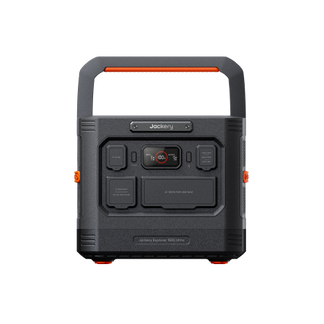
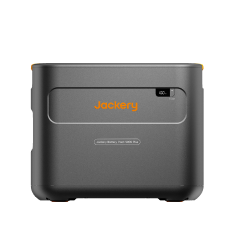
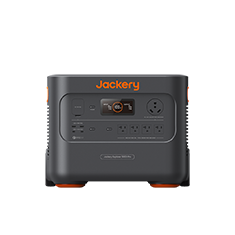
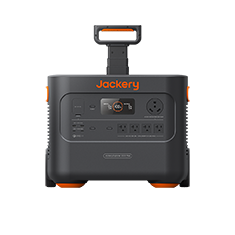
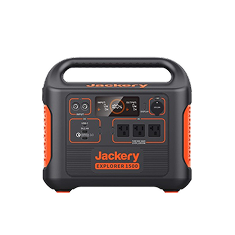
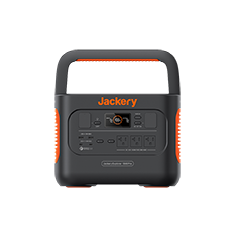
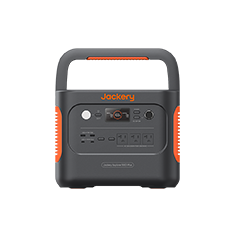
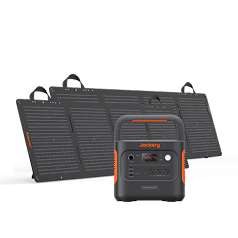
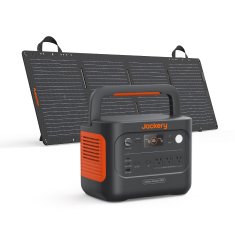
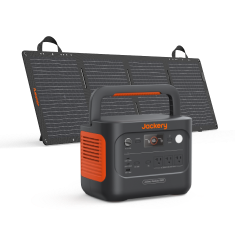
A quiet solar generator or portable power source works best for a CPAP machine. This is why it is wise to choose solar generators over conventional generators. Jackery provides a range of solar generators. You can choose the ideal size of the solar generator depending on the number of appliances you need to run and your power requirements. Since a CPAP only requires 30 to 60 watts of electricity, the Jackery Solar Generator 1000 v2 or Solar Generator HomePower 3000 are highly recommended because they are portable and quiet CPAP backup solutions.
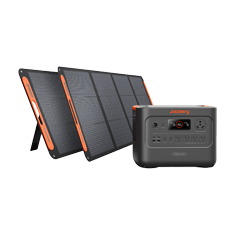
Jackery Solar Generator 1000 v2: Recommended for Uninterruptible Power Supply for CPAP
The Jackery Solar Generator 1000 v2 features a UPS system that ensures seamless power switching for CPAP machines. It has a response time of less than 20 milliseconds to offer continuous operation of essential devices during voltage fluctuations and power outages. It is the lightest and smallest 1kWh LFP solar generator to ensure you're left without power anytime. It operates by emitting less than 30dB of noise, so you can sleep without disturbance.
Appliances Running Time
- Standard CPAP (40W) = 16.0H
- APAP/Auto CPAP (50W) = 13.5H
- BiPAP (70W) = 10.2H
- Travel CPAP (30W) = 19.5H
- CPAP with Humidifier (120W) = 6.5H
Who Should Buy This
If you want a portable battery backup that can keep critical appliances such as CPAP machines, phones, and radios powered during outages, then the Jackery Solar Generator 1000 v2 has got your back.

Customer Review
We use this 1000-unit to power a countertop glass fridge at a farmers' market. Had it running 6 hours and still had a third of the battery left.
— Ron Ames.
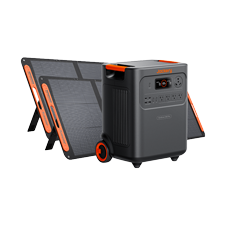
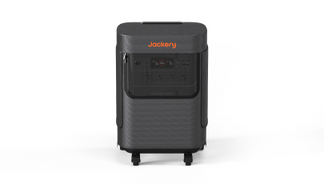
Jackery Solar Generator HomePower 3000: Recommended for CPAP Backup Power Supply
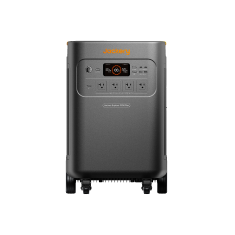
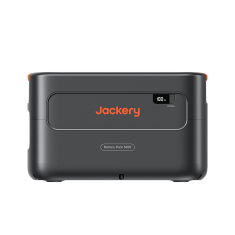
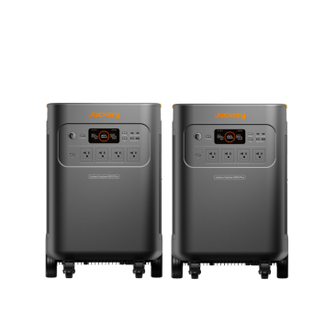
If you live in an area that experiences frequent power outages or blackouts, you'll need an essential home backup solution with a large battery capacity. The Jackery Solar Generator HomePower 3000 can run most of your home or outdoor appliances. With this large CPAP power supply generator, you can keep essential appliances, such as CPAPs, refrigerators, air conditioners, televisions, and space heaters, powered.
Appliances Running Time
- Standard CPAP (40W) = 42.1H
- APAP/Auto CPAP (50W) = 36.3H
- BiPAP (70W) = 28.4H
- Travel CPAP (30W) = 50.2H
- CPAP with Humidifier (120W) = 18.4H
Who Should Buy This
If you need a compact yet powerful CPAP power supply solution for home backup needs, the Jackery Solar Generator HomePower 3000 is your ideal choice. This home battery backup solution can keep CPAP machines powered for multiple nights.

Customer Review
Great home power system. We are using it as an all-in-one inverter/battery/solar system. For the price, it's unbeatable and high quality, and performance in each aspect!
— Bryan.
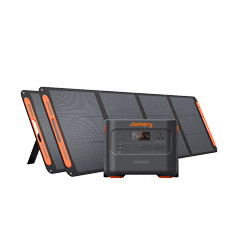
Jackery Solar Generator HomePower 3600 Plus: Recommended for Multi-Day Power Outage
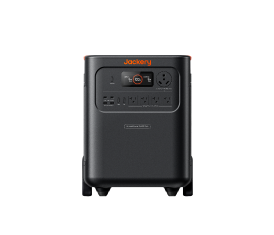
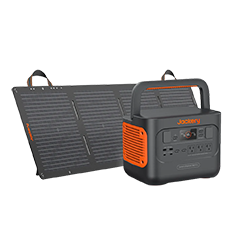
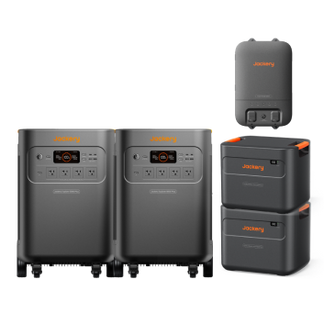
The Jackery Solar Generator HomePower 3600 Plus is a reliable and essential home backup solution you can count on when the lights go out for more than just a few hours. Built for multi-day outages, it keeps your fridge cold, devices charged, and essential appliances like CPAP machines running for multiple nights without the noise or fumes. With its expandable battery options, you can keep appliances powered for longer, making it a reliable choice for families who want peace of mind during extended blackouts.
Appliances Running Time
- Standard CPAP (40W) = 49.1H
- APAP/Auto CPAP (50W) = 42 3H
- BiPAP (70W) = 33.1H
- Travel CPAP (30W) = 58.6H
- CPAP with Humidifier (120W) = 21.5H
Who Should Buy This
If you want a powerful and essential home backup solution for multi-day outages, you can consider the Jackery Solar Generator HomePower 3600 Plus. It can not only power CPAP machines but also other important appliances, such as fridges, lights, and TVs.

Customer Review
Very easy to set up, solar charge, great support! Going to buy more batteries!
— Mike Palmer.
Just like Eric, a dedicated paramedic and disaster medicine fellow, who relies on Jackery to power his CPAP machine while camping in Boston, you can trust Jackery to keep your CPAP running no matter where you are. Jackery Solar Generators offer a clean, reliable backup solution, which makes them ideal for powering essential medical devices during outdoor adventures or unexpected outages. See how Eric uses Jackery for dependable, peaceful rest. Read his story on Jackery Stories.
How to Choose a CPAP Power Supply?
In order to choose a CPAP power supply, you need to check its battery capacity (in Watt-hours, Wh) for the desired runtime, compatible output type (pure sine wave is essential for CPAP machines), and charging flexibility, including options for wall, solar, or car charging.
The majority of CPAP machines available are AC-powered. Therefore, it might be challenging when there is no power or when you are traveling. You can use backup batteries, solar generators, or other generators as a CPAP power source to alleviate such a situation. The following factors should be taken into account when selecting a CPAP power supply:
- Power Capacity: In addition to battery capacity, a CPAP battery's power output capability should also be carefully considered. Whether or not your battery can run your CPAP depends on its power capacity. For instance, if your cell has a power capacity of 50W but your CPAP demands 55W, the battery will not be able to power it.
- Battery Capacity: How long the battery can fuel your CPAP device depends on the battery's capacity. Assume you have the Jackery Solar Generator 1000 v2 with a battery of 1070 Wh, and your CPAP device needs 40W. In this scenario, the solar generator can constantly power your CPAP for 16 hours on a single charge.
- Portability: The battery's mobility is the third and final factor to consider. Traveling already involves a lot of lifting; adding more baggage could only worsen the situation.
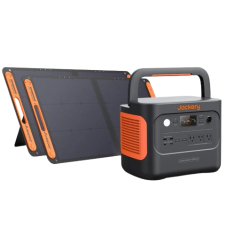
- Quiet: At near noiseless operation, the working volume of Jackery Solar Generator 1000 Plus is as low as 30dB - more modest than a library (40dB). And the Solar Generator 500 produces less than 37.9dB: a quiet generator for camping or RV is one of your best outdoor living investments.
- Safe: The solar generator does not emit any polluting fumes, whilst producing renewable energy. Safe solar energy for both outdoors and indoors.
CPAP Power Supply FAQs
The following shows the frequently asked questions about the CPAP power supply:
1. Is it worth using a solar generator for CPAP power supply?
Yes, a solar generator can be a very worthwhile investment for powering a CPAP machine. It offers reliable, quiet, and portable power for camping, travel, and backup during power outages. It won't produce any noise like a traditional fuel-powered generator would. A solar generator has no moving parts, so the only noise you might notice is coming from the inverter. Once you are in an area with an ideal quantity of sunlight, you have an endless energy supply.
2. What Size Solar Generator Do I Need to Run a CPAP?
The size of the solar generator needed to run a CPAP will depend on the wattage consumption of the CPAP machine and how much time you will use it. For example, if you are using the Jackery Solar Generator 1000 v2 to run a CPAP machine (40W), the working hours can be calculated by using the Running Time Calculator on the product page. On the calculator, input the exact wattage consumption for your CPAP and click Enter to get the estimated runtime. In this case, the Jackery Solar Generator 1000 v2 can run a CPAP (40W) for 16 hours.
3. What to consider when buying a CPAP power supply?
There are many things to think about when purchasing a CPAP power supply. In addition to power capability, battery capacity, and portability, other factors include machine compatibility, run time, charge time, cost, warranty, and warranty. The battery you select must, above all, work with your CPAP equipment.
4. How many amps does a ResMed CPAP use?
The average electricity consumed by ResMed CPAP is around 53 - 104 watts. When operated at 24V, the average amps drawn will be around 2.2 - 4.2 amps. It can be calculated using the simple formula: Amps = Watts ÷ Volts.
5. How to use CPAP when power is out?
A solar generator is one of the best options to run CPAP during power outages. Jackery can power CPAP or BiPAP during short or extended power outages. For example, the Jackery Solar Generator 1000 v2 is ideal for charging CPAPs for uninterruptible power supply.
Final Thoughts
It's crucial to make the correct purchase choice when purchasing a CPAP power supply. Because CPAP power supplies are expensive, you should spend your money on one that will last and is suitable for your particular CPAP machine. Solar generators are known for their clean energy, portability, low upkeep, and quiet charging. Your best option for a CPAP power supply to allow a cozy night might be Jackery!