

![[Add - on] Jackery Manual Transfer Switch for Explorer 5000 Plus - Jackery](http://www.jackery.com/cdn/shop/files/add-on-jackery-manual-transfer-switch-for-explorer-5000-plus-9017324.png?v=1754016782&width=350)



![[Add - on] Jackery Manual Transfer Switch for Explorer 5000 Plus - Jackery](http://www.jackery.com/cdn/shop/files/add-on-jackery-manual-transfer-switch-for-explorer-5000-plus-9017324.png?v=1754016782&width=324)


Reliability anxiety drives the demand for massive off-grid power. Homeowners and cabin dwellers fear multi-day overcast periods where even large arrays struggle without massive battery banks or generator backups. A permanent 10kW off grid solar system has long been the gold standard for alleviating this fear, promising total energy independence.
However, the barrier to entry is high. Custom off-grid builds often cost tens of thousands of dollars, require complex permitting, and demand significant lifestyle changes.
The Reality of a 10kW Off-Grid Solar System
What Are The Production Expectations of a 10kW Solar System?
The Daily energy production ranges from 30 to 55 kWh in optimal conditions. A 10kW array does not produce 10kW of power continuously. This output fluctuates drastically based on geography, season, and shading. A cloudy winter day in the Pacific Northwest might yield only 10-15 kWh, while a summer day in Arizona could exceed 60 kWh.
The Essential vs. Total Load
Essential household loads require 10–20 kWh daily. This covers lights, refrigeration, internet, and small appliances. A 10kW system easily covers these basics with surplus to spare.
Full electrification pushes these needs significantly higher. If you plan to run central HVAC, charge an electric vehicle (EV), or rely on electric baseboard heat, you will consume the full output of a 10kW off grid solar system. These total loads require massive battery banks to store the daytime surplus for nighttime use.
High-Voltage Requirements and Physical Constraints
Heavy appliances like well pumps, electric dryers, and water heaters demand 240V output. Permanent 10kW systems are almost always designed to handle these high-voltage loads, which historically separated fixed systems from portable units.
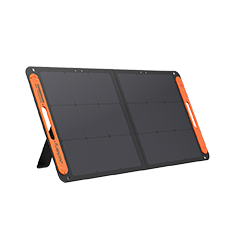
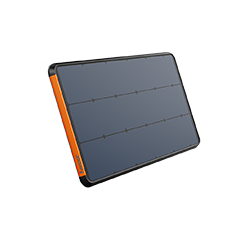
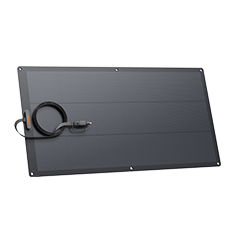
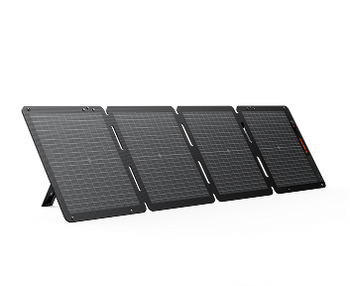
Space is another critical factor. Installing 10kW of solar panels requires approximately 400 to 500 square feet of unshaded roof or ground space. If your property has significant tree cover or complex roof angles, achieving this capacity may be physically impossible without ground mounts.
For a deeper dive into the components required, our DIY off-grid solar power guide covers the essential hardware list.
Permanent Installations vs. Expandable Power Stations: The Trade-offs
The choice between a fixed system and a modular one often comes down to permanence versus flexibility.
|
Feature |
Fixed Systems |
Expandable Modular Stations |
|---|---|---|
|
Installation |
Requires a construction mindset: permits, professional inspections, and permanent wiring. |
Plug-and-play: zero installation for basic use; appliances plug directly into the unit. |
|
Scalability |
Must size inverters and controllers for max load from day one; high upfront infrastructure costs. |
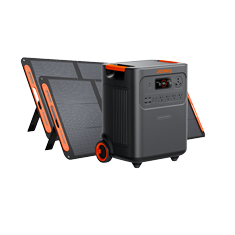
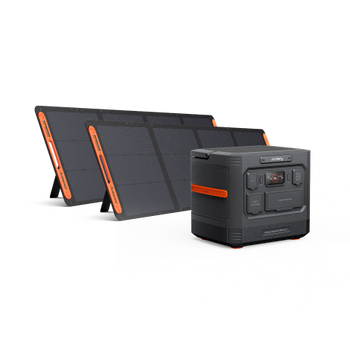
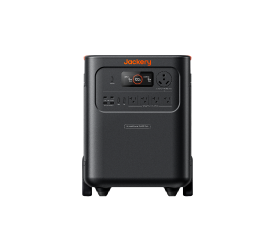
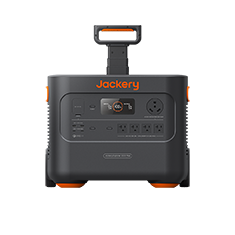
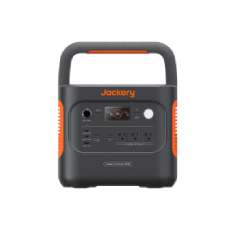
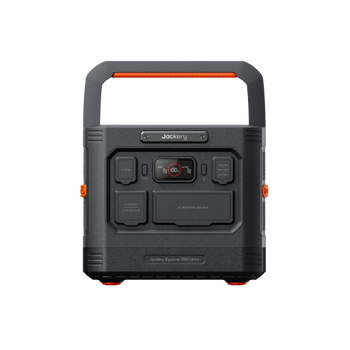
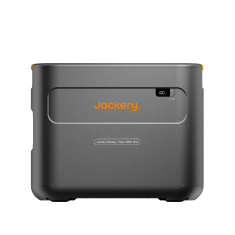
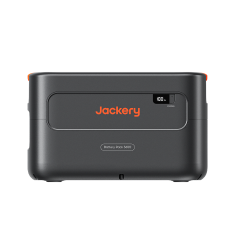
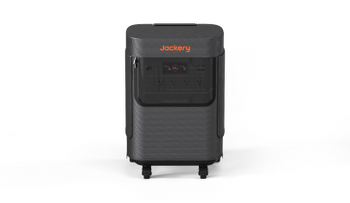
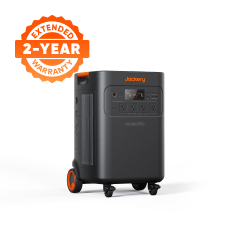
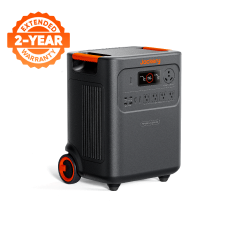
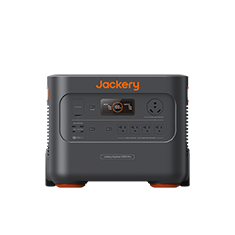
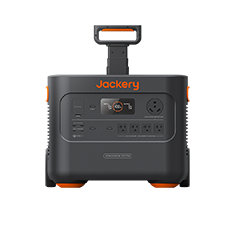
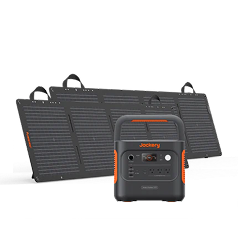
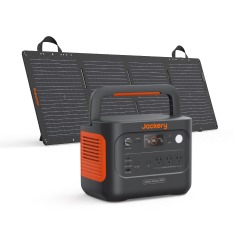
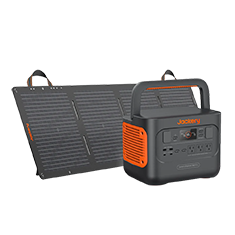
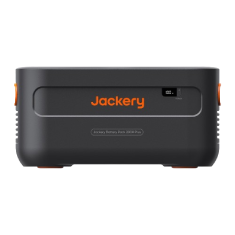
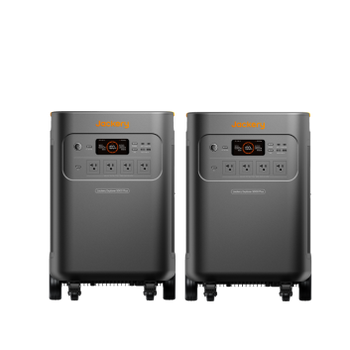
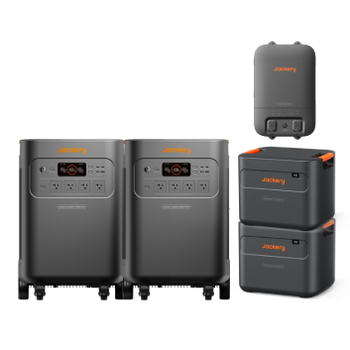
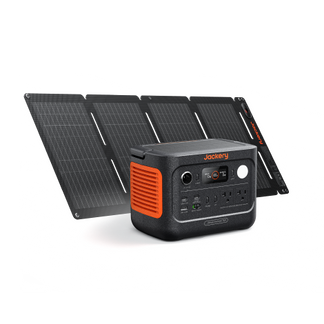
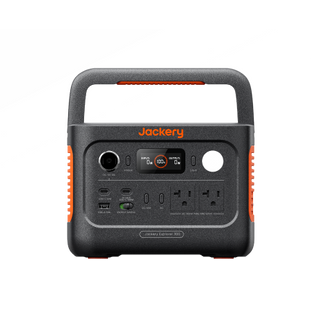
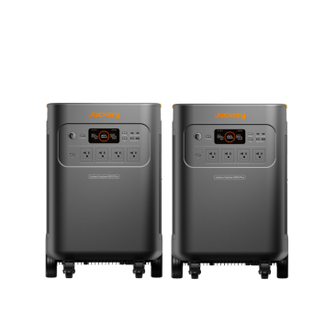
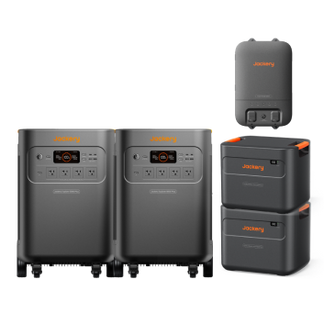
Incremental growth: purchase a base unit and add battery packs later (e.g., Jackery Solar Generator 5000 Plus expands 5kWh to 60kWh). |
|
Portability |
Immovable assets; the system stays with the property if you move. |
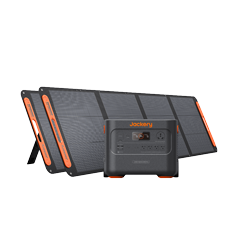
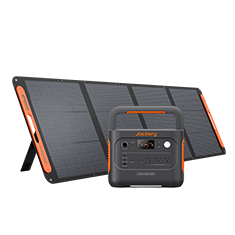
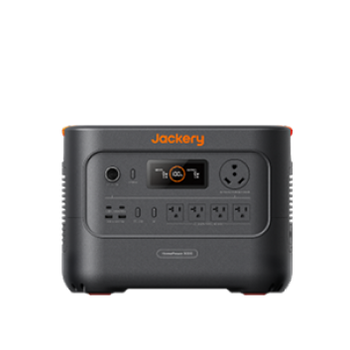
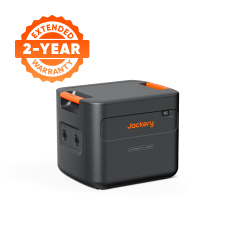
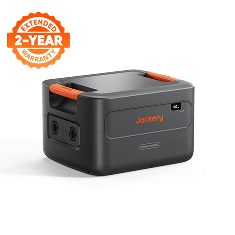
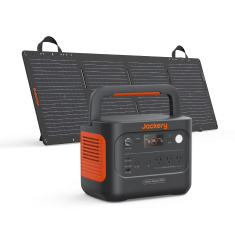
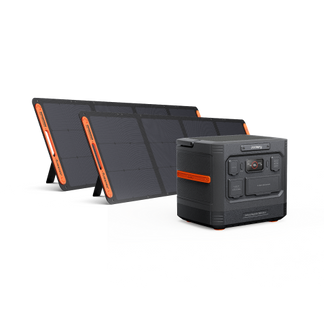
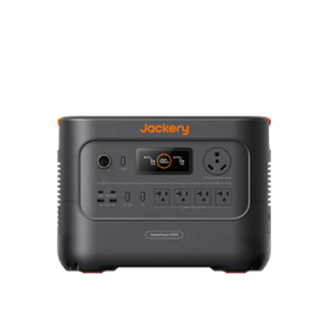
Mobile flexibility: can be moved between a primary home, RV, or job site (e.g., Jackery Solar Generator HomePower 3600 Plus). |
|
Maintenance |
Higher maintenance: requires annual cleaning, torque checks, and electrolyte monitoring for lead-acid setups. |
Virtually maintenance-free: enclosed LiFePO4 units only require occasional firmware updates. |
Financial Investment & ROI Analysis
Budget often dictates the feasibility of a project. The cost disparity between the two approaches is significant.
Upfront Cost Disparity
A turnkey 10kW off grid solar system costs upwards of $25,000. This price includes panels, inverters, racking, and batteries.
High-capacity solar generators have a lower entry price point. You pay for the capacity you need now, not the capacity you might need in ten years. For a detailed breakdown of expenses, review our off-grid solar power systems cost analysis to see where the money goes.
The Hidden Costs of Fixed Systems
Installation labor and permitting can add 30-50% to hardware costs. Fixed systems incur expenses that often catch homeowners by surprise:
- Permitting Fees: Local building departments charge for plan review and inspections.
- Trenching: Running wire from a ground mount to the house requires excavation.
- Professional Labor: Certified electricians charge high hourly rates for high-voltage DC work.
- Mounting Hardware: Rails and clips can add thousands to the bill.
Battery Economics
Battery banks represent the largest single expense in both scenarios. In a fixed system, you typically buy the entire battery bank at once to ensure cell balancing. Modular systems allow you to spread this cost out. You can buy extra battery packs over time, reducing the initial financial shock.
Technical Constraints & Safety (The 33% Rule)
Safety codes dictate where and how you can install solar. These regulations can severely limit the size of a fixed array.
Fire Code & Roof Access
The 33% Rule mandates clear pathways for firefighters to cut ventilation holes. This code often limits how much roof space can be covered by panels. You cannot simply cover every inch of your roof with panels to reach 10kW. You may need ground mounts to achieve your target capacity.
Permitting Hurdles
Permanent off-grid systems trigger strict reviews by the Authority Having Jurisdiction (AHJ). You must submit line diagrams, load calculations, and equipment specifications. Portable units typically bypass these hurdles because they are not hardwired into the grid, functioning instead as standalone appliances.
Safety Features
Factory-certified units eliminate wiring risks. Fixed systems rely on installer competence for safety; a loose connection or undersized wire can cause a fire. Pre-built units like Jackery Solar Generators come with factory-certified Battery Management Systems (BMS) and safety certifications (UL, TÜV). This dramatically reduces the risk of user error.

Sizing Guide: Balancing PV Input vs. Battery Storage
A balanced system is more important than a big system.
The Sweet Spot Concept
Optimal sizing pairs 10kW input with at least 15-20kWh storage. Having 10kW of panels is useless if you only have 5kWh of battery storage, as the batteries will fill by 10 AM, wasting the rest of the solar production. Conversely, a huge battery bank needs sufficient solar input to recharge fully during the limited sun hours of winter.
Autonomy Calculation
- Short-term (Outages): Aim for 1-2 days of critical load coverage.
- Long-term (Off-Grid): Aim for 3+ days of autonomy to weather storms.
Input Limitations
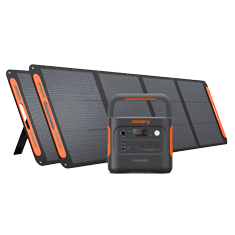
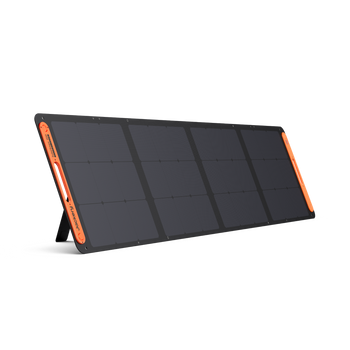
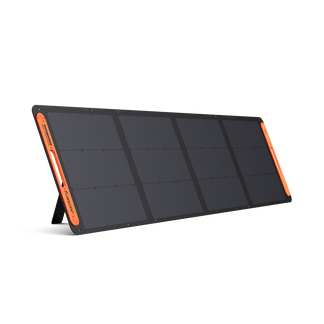
Fixed systems generally handle high solar input limits (10kW+). However, high-end portable systems are catching up. The Jackery Solar Generator 5000 Plus supports high-voltage PV input, allowing for rapid recharging that rivals permanent setups. To maximize this input, ensure you select the right off-grid solar panels for your specific voltage needs.
Decision Matrix: Which Solution Fits Your Use Case?
|
Scenario |
Verdict |
Recommended Solution |
Key Reasoning |
|---|---|---|---|
|
Full-Time Off-Grid Family Home |
Permanent System |
10kW Fixed Array |
Lowest cost per kWh over 20 years; supports massive continuous loads like electric heating and daily laundry. |
|
Cabin, RV, or Hybrid Backup |
Expandable Station |
Jackery Solar Generator 5000 Plus |
120V/240V dual voltage runs well pumps/dryers; 7200W output and 60kWh max capacity bridge the gap to fixed infrastructure. |
|
Emergency Prep & Renters |
Modular System |
Jackery Solar Generator HomePower 3600 Plus |
Provides substantial backup (3600W output) without permanent installation; ideal for renters who cannot modify property. |
|
Industrial/Work Site |
Hybrid Approach |
Jackery Solar Generator 5000 Plus |
Mobility allows power at the point of work; runs heavy tools (welders, saws) without gas fumes or noise. |
Practical Tips for Implementation
Start with an Energy Audit
Accurate sizing requires measuring actual consumption. Guessing your usage leads to expensive mistakes. Use a Kill-a-Watt meter to measure the actual consumption of your appliances over 24 hours. This data is far more accurate than label ratings.
Hybridize for Reliability
Fuel generator integration ensures uptime during low-solar weeks. Even a 10kW system can fail during weeks of rain. Combine your solar setup with a fuel generator inlet. This allows you to recharge batteries rapidly during worst-case scenarios, ensuring you never go dark.
Voltage Matters
Split-phase 240V output is mandatory for well pumps and dryers. Check your appliances immediately. If you have a 240V well pump, dryer, or welder, you must choose a system capable of split-phase output. The Jackery Solar Generator 5000 Plus handles this natively. Standard 120V units will not run these appliances, regardless of battery size. For more on inverter capabilities, read about the off-grid inverter types available.
Test Before Emergency
Run a full blackout drill. Flip your main breaker and attempt to live off your system for 24 hours. This stress test will reveal any capacity issues or missing adapters before a real emergency strikes.
Evaluation Checklist
Use this checklist to finalize your decision:
- Capacity: Does the system support your daily kWh needs? (Look for expandability).
- Output: Can the inverter handle your highest surge load (e.g., well pump startup)?
- Voltage: Do you need 120V or 240V output?
- Portability: Do you ever need to move the power source?
- Warranty: Compare component warranties (panels vs. batteries vs. inverters).
Frequently Asked Questions
How does property tax change with these two solar options?
Permanent installations typically increase property value and tax assessments because they are considered capital improvements. Portable power stations are classified as personal property and are generally tax-exempt.
Can I take my solar system with me if I move?
Fixed arrays are rarely moved due to labor costs and roof repairs. De-installing a fixed 10kW array is expensive and leaves holes in the roof. Modular power stations are grab-and-go, making them the perfect investment for renters or mobile homeowners.
What happens to solar production during heavy snow or hail?
Fixed roof-mounts can be covered by snow for days, producing zero power, and are vulnerable to hail damage. Portable panels can be temporarily stowed during hailstorms or tilted manually to shed snow and capture winter sun.
Do these systems require special insurance riders for home coverage?
Permanent systems need dwelling coverage. You must notify your insurance carrier about permanent structures to ensure they are covered. Portable units are usually covered under standard personal contents insurance but always verify limits with your agent.
How do I dispose of the batteries after ten years?
LiFePO4 batteries use established e-waste recycling pathways. Modern stations use these safer cells. Older fixed systems often use lead-acid banks, which require specialized, heavy-duty disposal handling due to toxicity.