








![[Add-on] Jackery Battery Pack 5000 Plus - Jackery](http://www.jackery.com/cdn/shop/files/add-on-jackery-battery-pack-5000-plus-6713401.webp?v=1786503068&width=324)






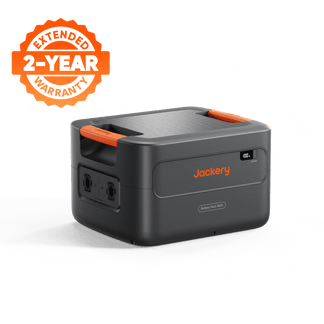
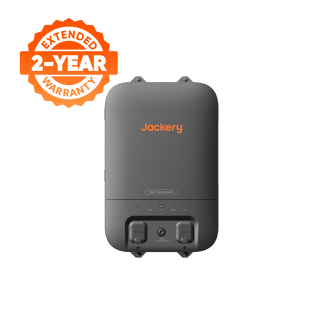
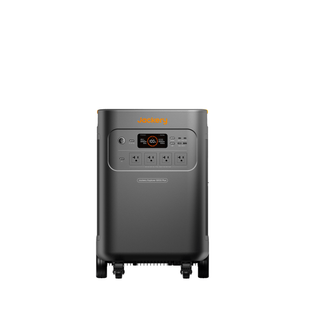
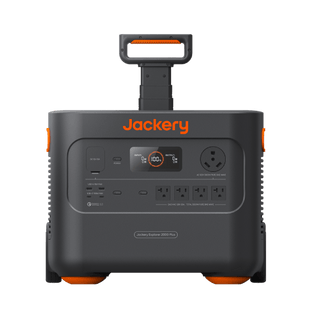
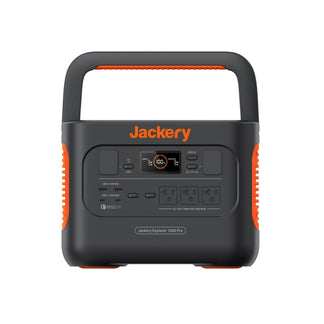
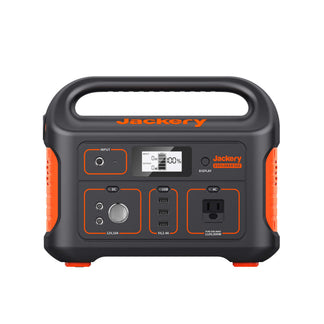
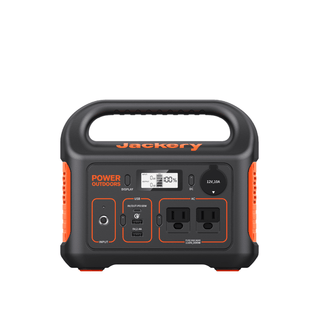
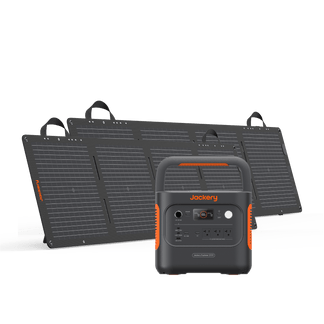


Home backup portable generators have gone from a nice-to-have to a serious household priority. Grid outages are becoming longer and more frequent across the US, and the cost of spoiled food, missed work, and disrupted medical routines during even a 24-hour blackout is real. The question is no longer whether you should have a backup power solution. In fact, it is the question of which home backup portable generator model will actually last long enough when you need it most.
Runtime is what separates a generator that gets you through a rough night from one that keeps your household running through a multi-day storm outage. However, runtime changes depending on your load, your recharge setup, and how smart you are about managing power during the outage itself. Jackery Solar Generators with large battery capacities offer longer runtimes, ensuring your essential appliances stay powered during outages.
This guide covers the specs that drive runtime, how to size your system for your specific needs, a simple calculation method anyone can use, the best Jackery Solar Generators for extended runtime, and the practical habits that can meaningfully stretch how long your generator lasts.
Takeaways
- The runtime of a home backup portable generator model is determined by two things: how much energy your generator stores (or how large its fuel tank is) and how hard it is working at any given moment.
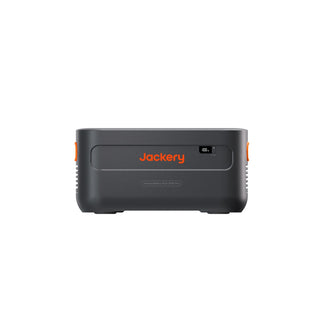
- Expandability is the most underrated runtime multiplier. Generators that accept additional battery packs can scale from single-night backup to week-long coverage.
- FEMA recommends at least 72 hours of self-sufficiency as a baseline after a disaster, and for hurricane zones or major ice storms, planning for 5–14 days is more realistic.
- The Jackery HomePower 3600 Plus, Jackery Solar Generator HomePower 3600 Plus, and Jackery Solar Generator 5000 Plus are purpose-built for extended home backup, with solar recharge capability that makes runtime essentially unlimited on sunny days.
What Should You Look for in a Long-Run Home Backup Generator?
Runtime is always a product of two things: how much energy the generator stores or can access, and how efficiently it delivers that energy under load. Every other spec on the page flows from these two factors. Here is what to evaluate when comparing home backup portable generators for long runtime.
Battery-Based Generators
For solar generators and portable power stations, these are the numbers you need to understand before buying:
- Watt-hours (Wh) of Capacity: This is the total usable energy in the battery. A 3,000Wh battery can theoretically run a 100W device for 30 hours, though real-world efficiency losses bring that number down slightly.
- Inverter Efficiency: DC battery power must be converted to AC to run most household appliances. This conversion process loses some energy, typically 5–15%. A higher-efficiency inverter means more of your stored energy actually reaches your appliances instead of being lost as heat.
- Recharge Speed: A generator that takes 12 hours to recharge from solar gives you one usable cycle per day at best. One that recharges in 2 hours can theoretically be fully replenished multiple times per day, making solar recharge a reliable primary strategy rather than just a supplement.
- Expandability: This is the most underrated runtime feature on the market. Some generators let you connect additional battery modules, multiplying capacity without replacing the base unit. A 3.5kWh system that expands to 21kWh is a fundamentally different backup solution than one that maxes out at its starting capacity.
- UPS Switching Speed: When the grid cuts out, how fast does the generator take over? A <10ms or 0ms switch is essentially seamless, where refrigerator compressors, computers, and medical devices do not even notice the transition. A slower switch can cause device resets or data loss.
Fuel-Based Generators
Gas, propane, and dual-fuel generators use a different set of metrics, but the same two core factors apply: stored energy (fuel) and load efficiency.
- Tank Size (Gallons): More fuel means more runtime, but it also means more to store. During widespread regional emergencies, fuel availability can become a critical constraint, something battery-based systems avoid entirely.
- Fuel Consumption Rate at 25% vs. 100% Load: This is where generator marketing can be misleading. A unit advertised as running for 20 hours may achieve that only at 25% of its rated load. At 100% load running your fridge, lights, and a fan, that same generator might last 7–9 hours. Always check both figures.
- Eco-Mode Availability: Many fuel generators can throttle down engine speed under light loads, reducing fuel burn significantly. If the unit you are considering has eco-mode, check how much it extends runtime at typical home backup loads.
- Dual-Fuel Capability: Generators that run on both gasoline and propane give you more options during regional emergencies when one fuel type runs out. Propane also stores indefinitely without degradation, making it a strong choice for long-term preparedness.
The most important thing to understand about any generator's published runtime is that it is almost always calculated at 25% of rated load. That is a lightly loaded scenario, which is far below what most households actually draw during a real outage. Running a refrigerator (60W average), four LED lights (40W), a fan (50W), and phone and laptop charging (60W) puts you at around 210W of continuous load.
On a 1,000Wh battery at 90% inverter efficiency, that is roughly 4.3 hours of runtime. On a 3,000Wh battery, it is closer to 13 hours. The difference between understanding your load and guessing it can mean the difference between a generator that gets you through the night and one that dies at 2am. This is why matching your home backup portable generator to your actual load is the only approach that works.
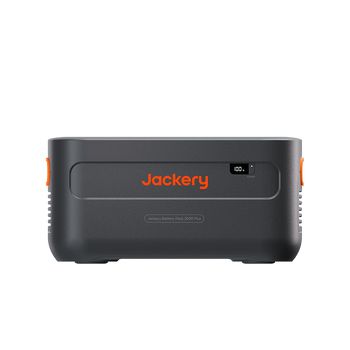
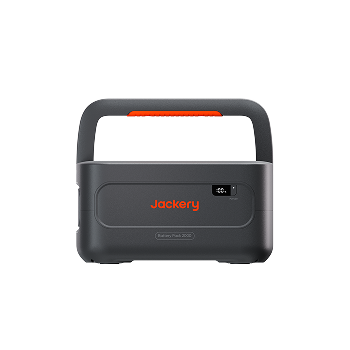
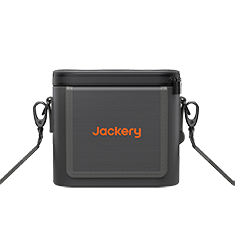
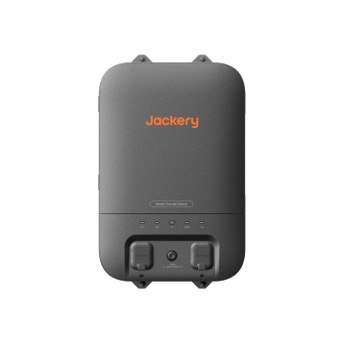
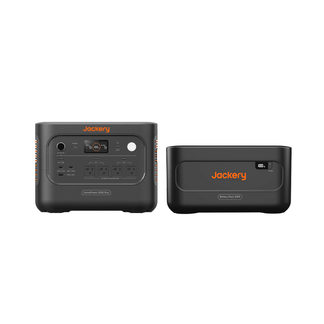
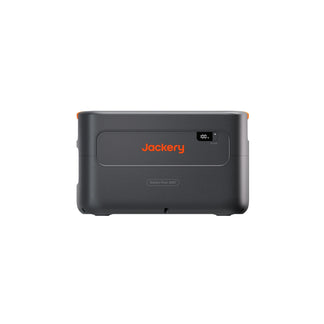
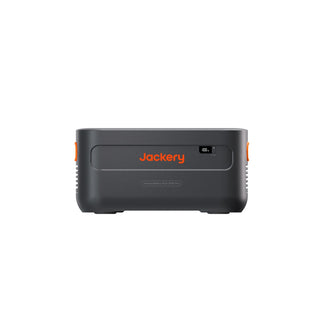
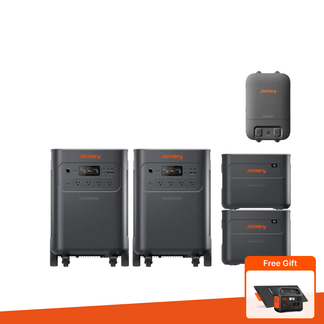
Some generators let you add additional battery packs or fuel sources. This single feature, expandability, is more valuable for long-term runtime than almost any other specification. A 3kWh generator that can scale to 21kWh covers an entirely different range of outage scenarios than one that is permanently fixed at 3kWh. When evaluating options for extended home backup, always check whether the home backup solution supports expansion and what the maximum capacity ceiling is.
How Long Should a Home Backup Generator Be Able to Run?
The right runtime target depends on where you live, which appliances you consider essential, and the types of outages your area is most likely to experience. Here is how to think about it based on the outage scenario, followed by the home backup portable generator sizing implications for each.
Short Outages: 2–8 Hours
These are the most common types of outage in most US regions when a storm blows through, a transformer blows, or peak demand overloads a substation. Power is usually restored within hours. Almost any portable generator handles this comfortably. Even a mid-range 1,000–2,000Wh battery backup solution will cover essential loads through a short overnight outage with capacity to spare.
Storm Outages: 1–3 Days
This is the most common "serious" outage scenario when a significant weather event takes the grid down regionally and requires crews to work through repairs over multiple days. For this scenario, you need either:
- A large-capacity battery system (2,000+ Wh) paired with solar panels that can fully recharge the battery each day, creating an indefinitely sustainable cycle as long as the sun is out.
- A fuel-based generator with enough tank capacity and stored fuel to run continuously for the duration, or a plan to refuel.
Fuel planning is often the overlooked variable for gas generator owners. During a major regional storm outage, gas stations may be closed, have lines stretching for hours, or run out entirely. A solar-based battery system avoids this problem entirely.
Extended Grid Failures: 3–7+ Days
Hurricane zones, major ice storms, and wildfire events can leave large areas without power for a week or more. Planning for this level of outage requires a different level of investment:
- A standby whole-home generator with automatic transfer and a large propane tank is the traditional solution, but it requires professional installation and significant ongoing fuel costs.
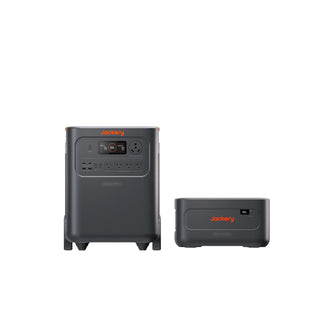
- A large, expandable battery system, like the Jackery Solar Generator 5000 Plus, which can expand to 60kWh, paired with a substantial solar array, can handle extended outages cleanly and quietly, without fuel logistics.
- A dual-fuel portable generator with significant stored propane and a backup gasoline supply covers the fuel risk while keeping initial costs lower.
The 72-Hour Baseline
FEMA strongly recommends that every household prepare to be self-sufficient for at least 72 hours following a major disaster. This accounts for the time it typically takes for emergency services and grid repair crews to reach and address affected areas. For most US households, 72 hours is the minimum planning target. Regions prone to major storms or extended grid events should plan for significantly longer.
What Are You Actually Trying to Power?
Your runtime target also depends heavily on which appliances you actually need to keep running.
- Essential-Only (fridge + lights + phone/laptop charging): This load is surprisingly manageable. A well-sized 2,000–3,000 Wh battery system handles it for 24+ hours and is easy to recharge with a modest solar setup.
- Comfort Loads (central AC, microwave, electric range, TV): These dramatically increase your energy demand. A central air conditioner can draw 1,500–3,000W, which is more in a single hour than a refrigerator uses in an entire day. If you want to run comfort appliances, you need significantly more capacity and output wattage.
- Medical Equipment (oxygen concentrator, nebulizer, home dialysis): Runtime reliability is not optional here. Size up generously, add expandable capacity if available, and prioritize a system with fast solar recharge so a cloudy day cannot drain you completely. A 0ms UPS switch also matters for equipment that cannot tolerate any interruption.
How Do You Calculate How Long a Generator Will Power Your Home?
Calculate your generator's runtime by dividing the total fuel capacity by your generator’s hourly fuel consumption at a specific load, then apply a 20% safety buffer. To estimate this accurately, you must identify your total household wattage and measure how that load impacts fuel burn rates.
Step 1: List Your Appliances and Their Wattages
Write down every appliance you plan to run during an outage and look up its running wattage. The best sources are the energy label on the appliance itself, the manufacturer's spec sheet, or a Kill-A-Watt meter for a real-world reading. Do not use nameplate watts for devices with compressors (refrigerators, AC units, freezers) as their average draw is significantly lower than their peak startup surge.
Step 2: Find Your Peak Surge Load
Compressors and motors draw 2–3 times their running wattage for a fraction of a second when starting up. Your generator's rated surge capacity (sometimes called peak watts) must be at or above the highest single startup surge in your home. For most households, the refrigerator compressor or a window AC unit is the biggest surge draw. A generator that handles your running load but cannot absorb the surge will trip its overload protection and shut down.
Step 3: Calculate Daily Energy Consumption
Multiply each appliance's running wattage by the number of hours per day it actually operates. Add all the results together to get total watt-hours per day. For a battery-based system, add 10–15% to account for inverter inefficiency. This final number is your minimum required battery capacity for one full day of operation.
Step 4: Match to a Generator
For battery-based generators, your required Wh per day should not exceed the battery's usable capacity. For fuel-based generators: divide your required Wh by the generator's fuel consumption rate at your expected load to estimate daily fuel use.
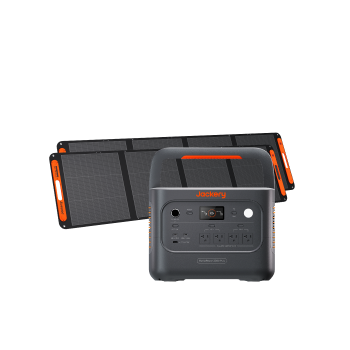
Andrew Evans spent nearly three decades in the Canadian Army. When he retired in 2012 and started RV camping with his wife, that same mindset followed him. Andrew discovered Jackery and was drawn in by its versatility, fast charging, and how everything worked together without friction. He started with the Jackery Solar Generator 1000 v2 and quickly saw the difference: boiling water with an electric kettle, keeping devices charged without thinking twice, and running a slow cooker on a sunny afternoon. He's since expanded to the Jackery Solar Generator 5000 Plus with an additional battery pack, with plans to connect it to his home for whole-house backup. Read more such Jackery Stories to see how people use their home backup solutions and outdoor generators.
What Are the Best Portable Generator Models for Long Home Backup Runtimes?
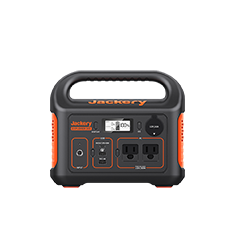
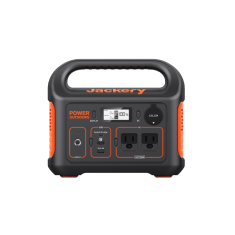
Jackery is a leading manufacturer of portable solar panels, power stations, and solar generators. The large capacity solar generators offer longer runtime of the appliances, especially during long-term power outages. These home backup solutions can power most appliances, such as refrigerators, coffee makers, and TVs, for extended periods. Here are some of the best portable generator models for long home backup runtimes from Jackery:
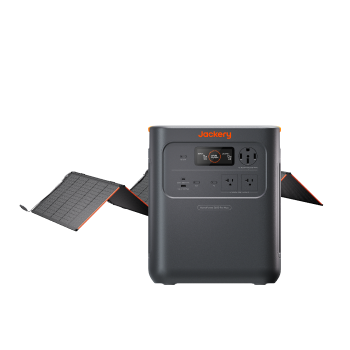
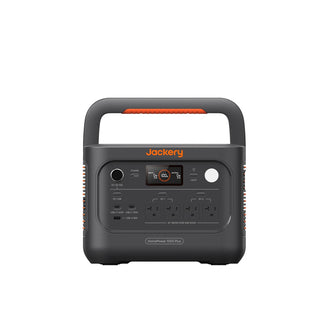
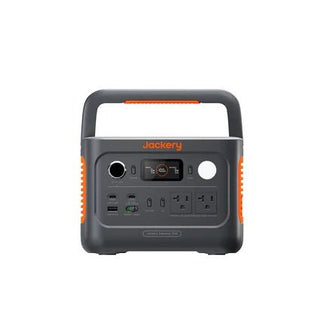
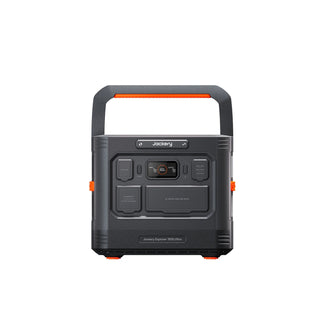
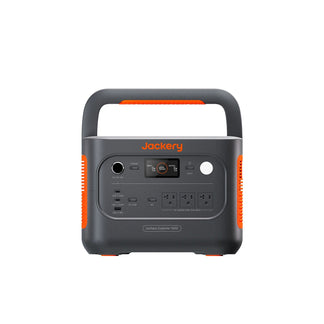
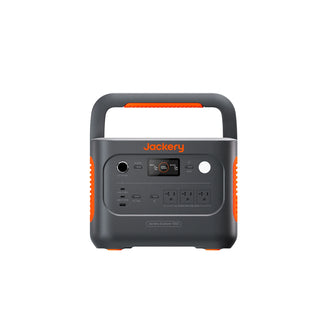
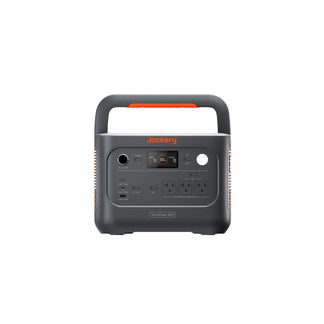
Jackery HomePower 3600 Plus
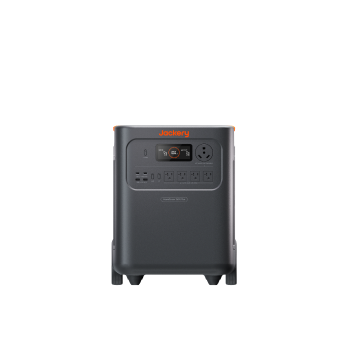
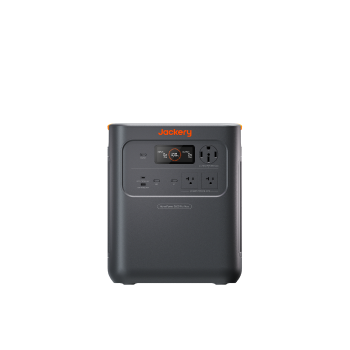
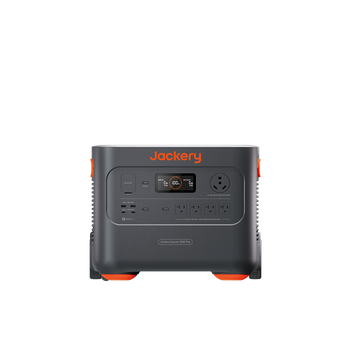
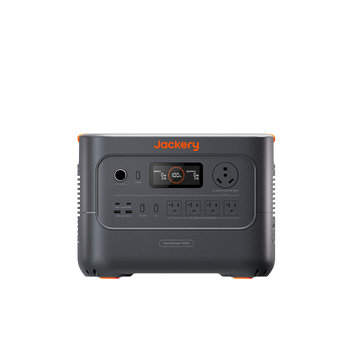
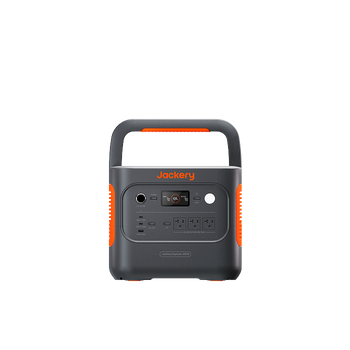
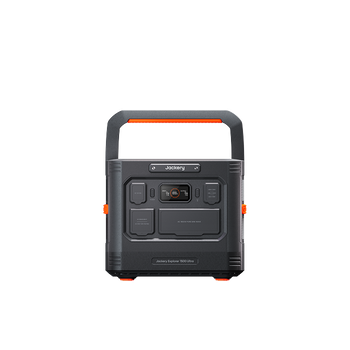
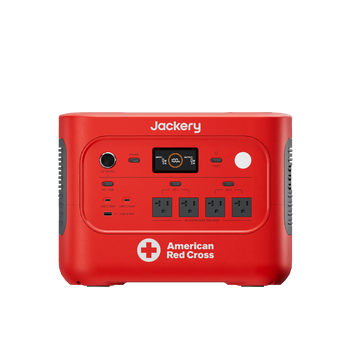
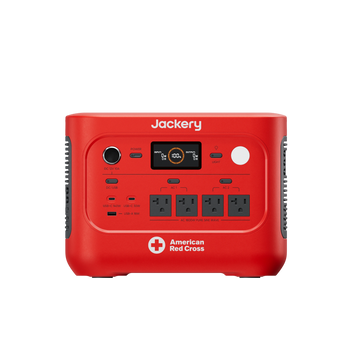
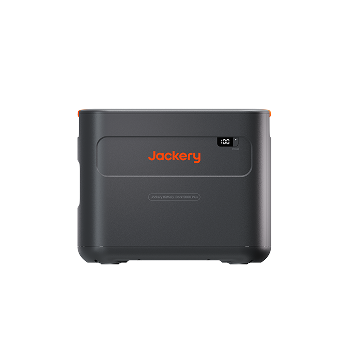
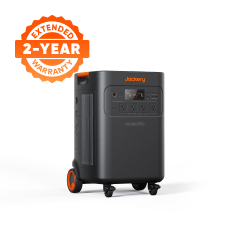
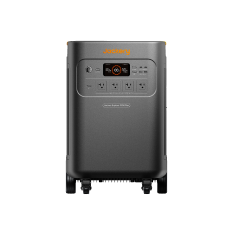
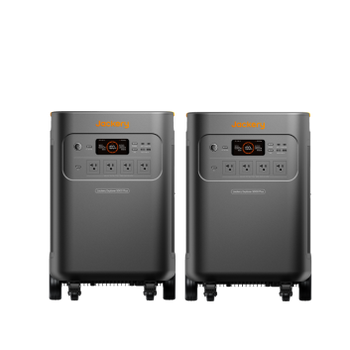
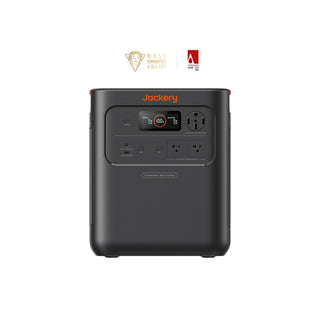
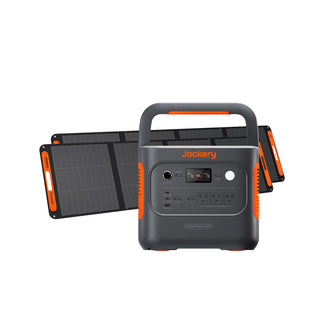
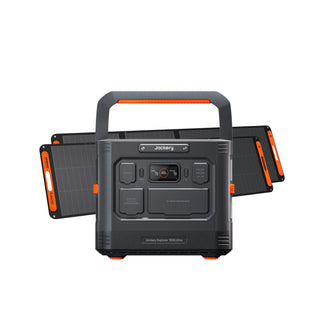
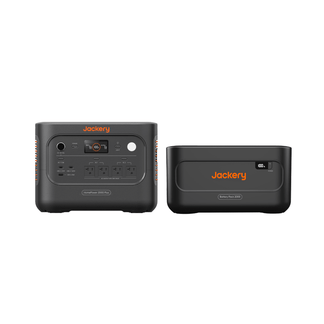
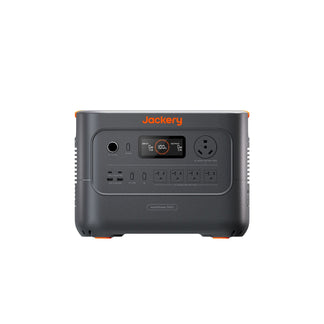
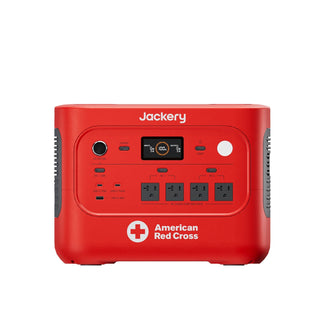
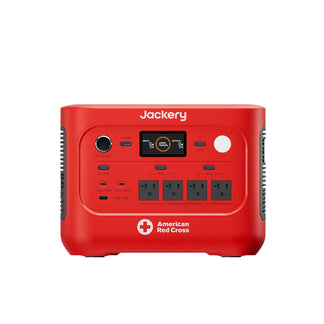
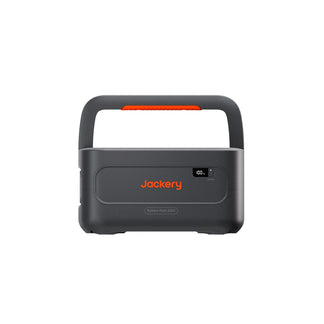
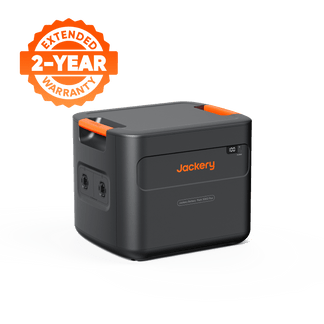
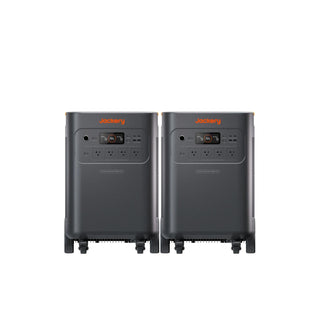
The Jackery HomePower 3600 Plus is a plug-and-play portable power station that can run your refrigerator, lights, fans, router, and devices simultaneously, and if your needs grow, you can expand its capacity by adding battery packs. It recharges quickly from the wall, solar panels, or even a gas generator, which means once the grid comes back or the sun comes out, you are back to full power faster than you might expect. It operates nearly silently, switches to backup power the instant the grid fails, and is compact enough to roll from room to room without any heavy lifting.
Appliances Running Time
- Refrigerator (300W) = 9.5H
- TV (150W) = 17.7H
- Coffee Maker (1000W) = 3.0H
- Air Cooler (150W) = 17.7H
- Induction Cooktop (1000W) = 3.0H
Who Should Buy This
If you live in an area prone to storm outages lasting more than a day, have a home office you cannot afford to lose power to, or want a backup system that can grow alongside your energy needs, the Jackery HomePower 3600 Plus is worth every penny.

Customer Review
I enjoy using my solar generator. We had lost power for a few hours, and I was able to get lights and watch TV. So, I would recommend this product to anyone looking to invest in a solar generator.
— Rhonda F.
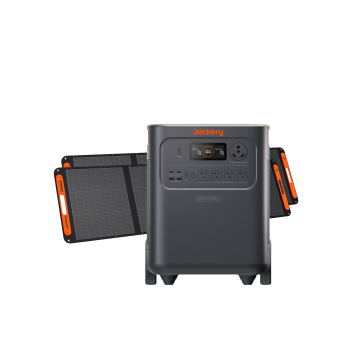
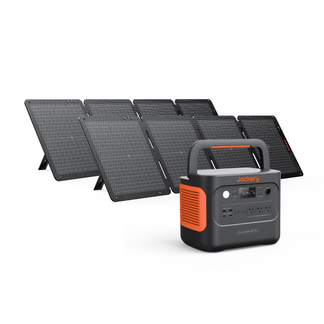
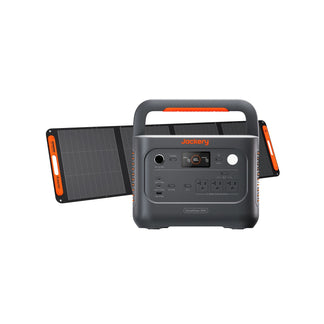
Jackery Solar Generator HomePower 3600 Plus
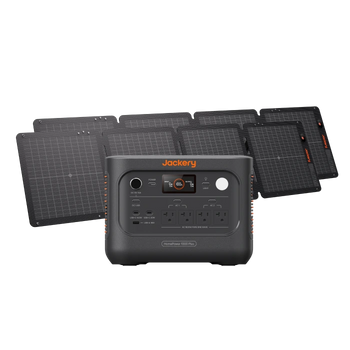
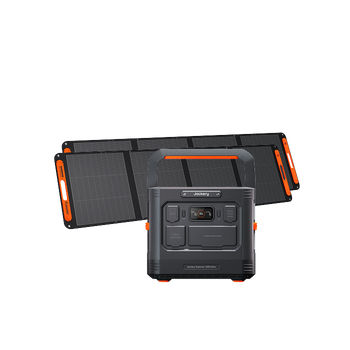
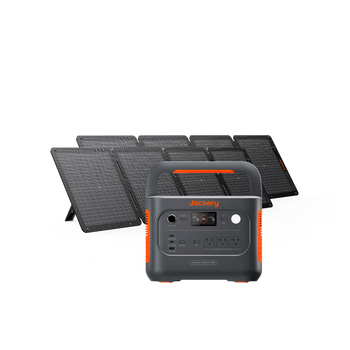
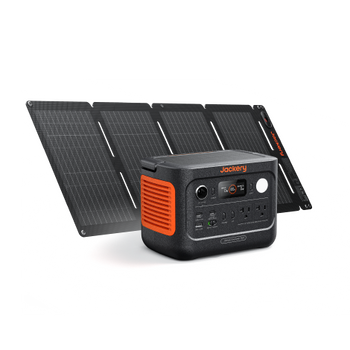
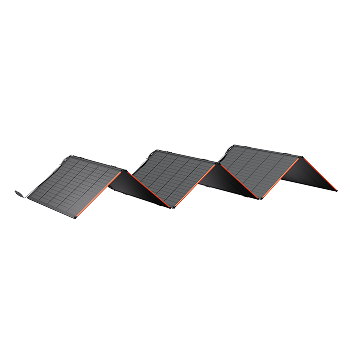
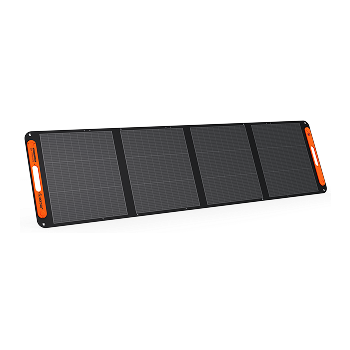
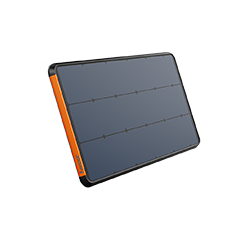
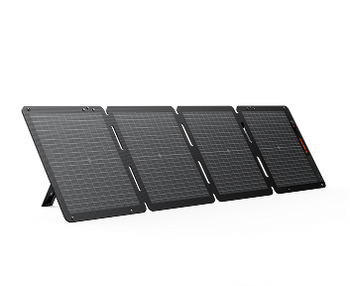
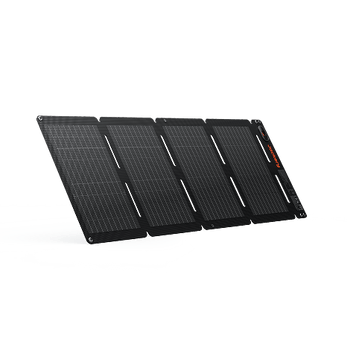
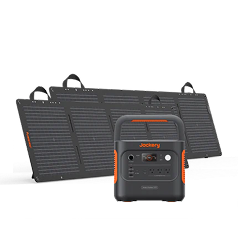
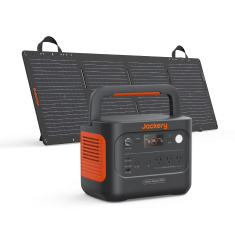
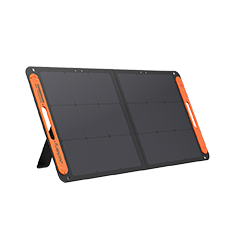
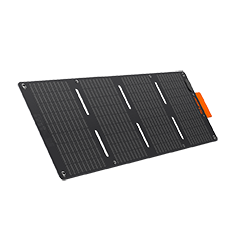
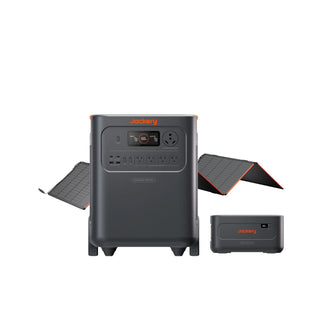
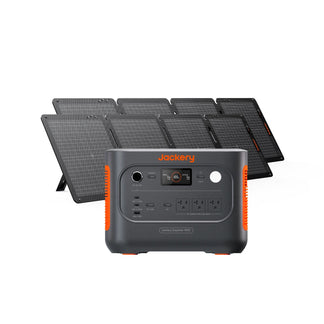
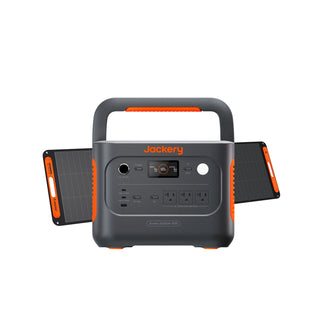
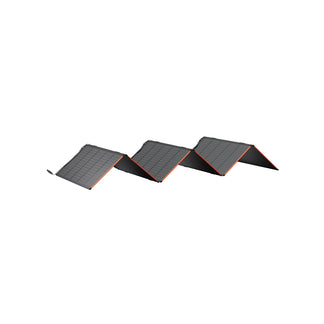
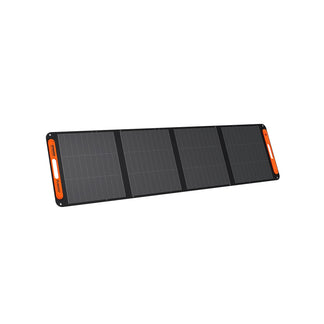
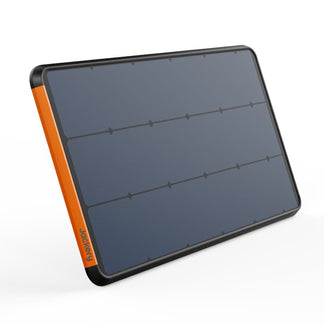
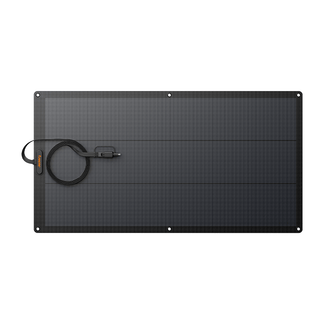
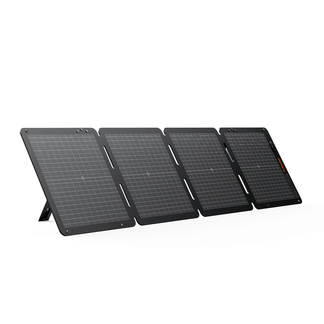
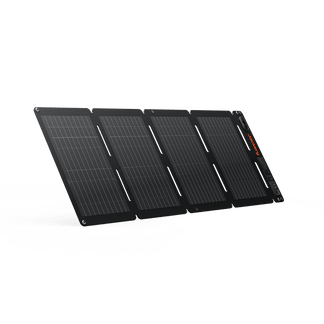
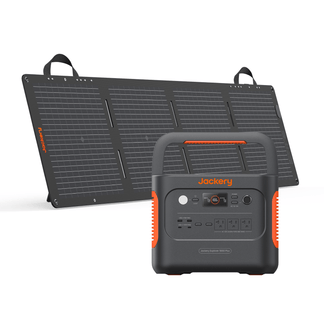
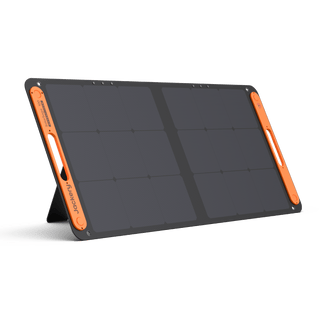
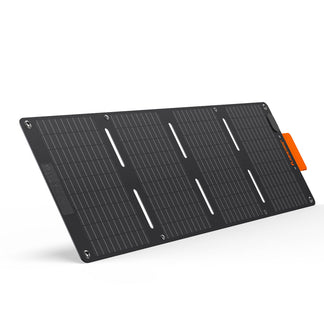
The Jackery Solar Generator HomePower 3600 Plus bundle pairs the power station with solar panels. During a prolonged outage, this changes the situation entirely. Instead of watching your battery percentage go down after every usage, your solar panels are working to refill it throughout the day. It is a genuinely self-sufficient setup that does not depend on fuel availability, noisy engines, or waiting for utility crews. The solar generator is ideal for those living in areas that experience multi-day power outages.
Appliances Running Time
- Refrigerator (300W) = 9.5H
- TV (150W) = 17.7H
- Coffee Maker (1000W) = 3.0H
- Air Cooler (150W) = 17.7H
- Induction Cooktop (1000W) = 3.0H
Who Should Buy This
If you want a complete, plug-and-play solar backup system that keeps running day after day without relying on the grid or a fuel supply, especially if you live somewhere with decent sunlight, the Jackery Solar Generator HomePower 3600 Plus is the complete package.

Customer Review
Phenomenal! I looked at a few different brands of solar generators, and Jackery is the best. So easy to use and at a decent price. It also shipped within a reasonable amount of time!
— William.
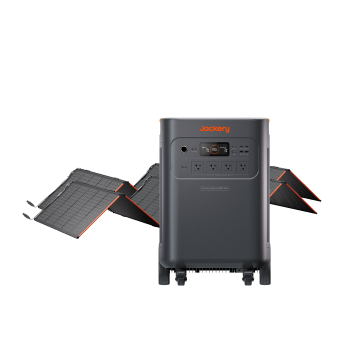
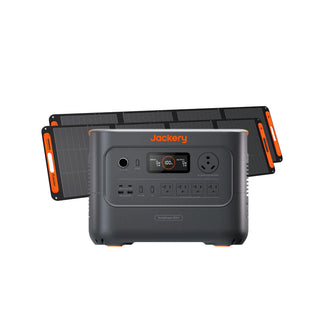
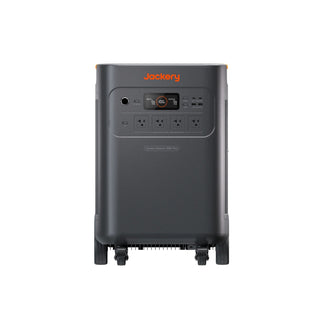
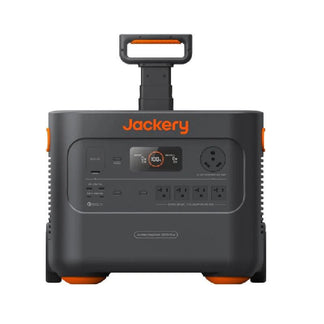
Jackery Solar Generator 5000 Plus
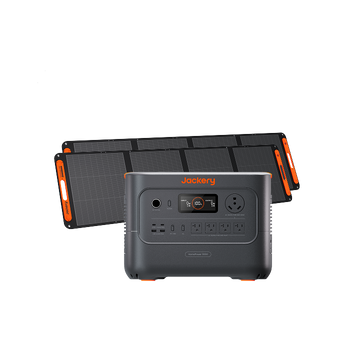
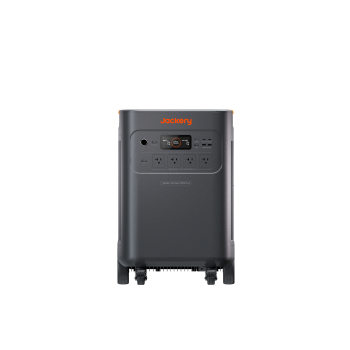
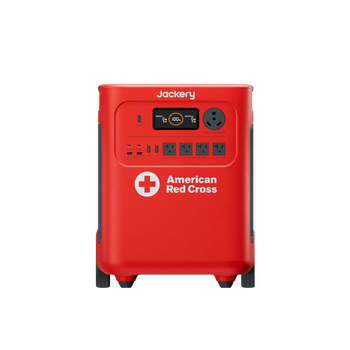
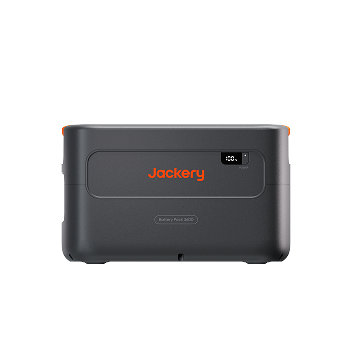
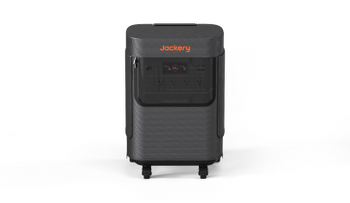
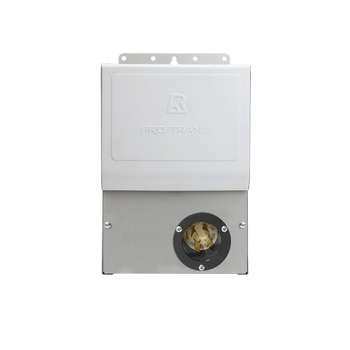
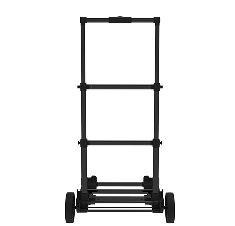
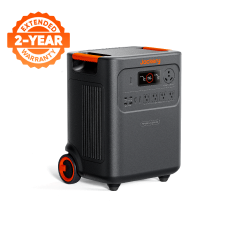
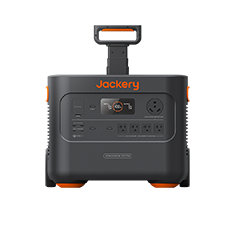
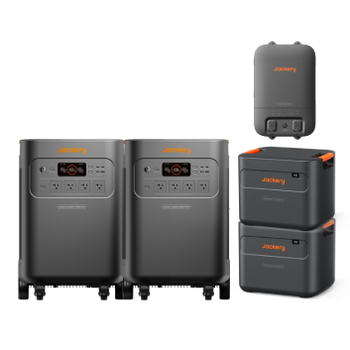
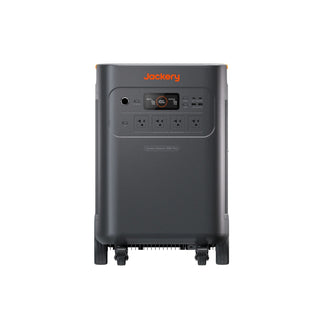
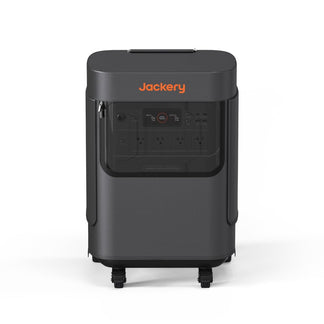
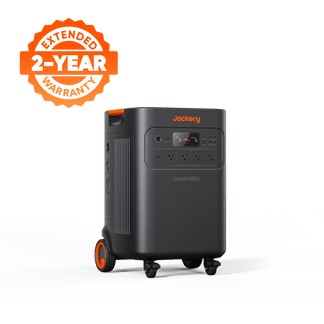
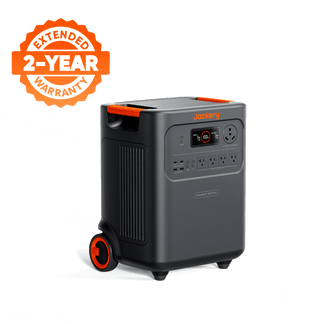
The Jackery Solar Generator 5000 Plus is ideal for those who want a reliable home battery backup solution that can handle the full range of what a household needs. For example, it can run air conditioning, a full-size oven, a water pump, and a dryer. When the grid fails, it switches over to backup power instantly so your refrigerator keeps running, your security system stays on, and your medical devices never stop working. It features a pull rod and double wheels so you can easily move the power station from one room to another.
Appliances Running Time
- Refrigerator (300W) = 12.2H
- TV (150W) = 21.4H
- Coffee Maker (1000W) = 4.1H
- Air Cooler (150W) = 21.4H
- Induction Cooktop (1000W) = 4.1H
Who Should Buy This
If you live in a hurricane zone, wildfire region, or anywhere that experiences extended multi-day outages, the Jackery Solar Generator 5000 Plus is the system to get.

Customer Review
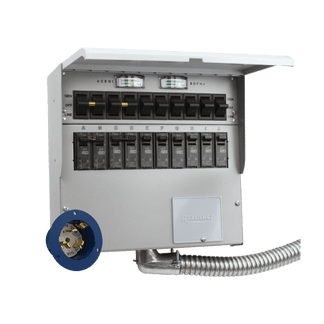
I have the Jackery 5000 with the STS installed (no solar panels). So far, I am very pleased with it. I have had it for about two months, and it has carried me through 2 power failures without issues. The first power failure lasted about 5 hours, and the second was about 3 hours. In both cases, I used less than 50% of the power. The system kept my network running and my essential circuits going without issue.
— George W.
How Can You Extend Your Backup Generator's Runtime During a Real Outage?
You can extend the runtime of your backup generator by managing load, fully charging the battery before the storm, using eco mode and load-sensing features, running high-draw appliances during peak hours, etc.
Load Management
Every watt you do not draw is a watt you get to keep. During an outage, you should focus on load management:
Priority Tier 1 (Always On): Refrigerator, medical devices (oxygen concentrator), and phone or communication charging. These run continuously and are non-negotiable.
Priority Tier 2 (As needed): Lighting and fans. LED bulbs draw a fraction of what incandescents use, as a single 60W incandescent-equivalent LED consumes just 8–10W. Run fans only in occupied rooms.
Priority Tier 3 (Strategic Use Only): Microwave, coffee maker, and TV. These should be run briefly and deliberately. A microwave drawing 1,200W for 5 minutes uses 100Wh, which is the same as running your refrigerator for almost two hours. Use high-draw appliances during peak solar hours so you draw from live solar input rather than depleting the stored battery.
Pre-Charge Before a Forecasted Storm
If you have advance warning of a storm or planned grid event, plug your solar generator into a wall outlet and charge to 100% before the outage begins. You want to enter the outage at full capacity. Use wall power for pre-charging, as it is faster and more reliable than waiting for the sun.
Use Eco-Mode and Load-Sensing Features
Many modern home backup portable generator models, including Jackery Solar Generators, include an eco or low-power mode that reduces output when devices are lightly loaded. This cuts energy consumption without affecting performance for most appliances. Check whether your solar generator includes this feature and enable it during long outages.
Run High-Draw Appliances During Peak Solar Hours
Consider running high-draw appliances, such as microwaves, coffee makers, and hair dryers, between 10am and 2pm, when solar input is at its highest. During these hours, your solar panels may produce enough power to run the appliance directly from live solar input, so the battery level does not drop at all. Outside of peak hours, that same appliance draws entirely from the stored battery.
Fridge Thermal Mass Strategy
A full refrigerator holds its temperature significantly longer between compressor cycles than a half-empty one. The food and drinks inside act as thermal mass, staying cold and reducing how often the compressor needs to run. Fill the empty shelf and door space with water bottles before a storm. Not only does this extend the time between compressor cycles, but it also keeps your food protected longer if the generator eventually runs low.
Switch to LED Lighting
Replacing a single 60W incandescent-equivalent bulb with an LED at 8–10W saves approximately 400Wh over an 8-hour night. Across four bulbs over three nights of outage, that is nearly 5kWh of energy, which is equivalent to running a full-size refrigerator for over three days. This is one of the highest-return and lowest-effort optimizations available.
Know Your Solar Recharge Window and Maximize It
Position solar panels before sunrise so recharging starts at first light. Every hour of lost morning sun is energy your battery never gets back. Keep solar panels clear of debris and avoid shading because even one shaded cell can reduce an entire panel's output significantly. A generator with an MPPT (Maximum Power Point Tracking) charge controller, which all current Jackery Solar Generators include, automatically maximizes energy extraction from your panels throughout the day.
Conclusion
Finding the right home backup portable generator model with long runtimes is not about picking the highest wattage or the biggest battery on the shelf. It is about matching your system to your actual load, your most likely outage scenarios, and your charging plan. The Jackery HomePower 3600 Plus is the right starting point for households that want an essential home backup solution for short outages. The Jackery Solar Generator HomePower 3600 Plus features solar panels that let you recharge the portable power station with sunlight, especially when the grid is unavailable. The Jackery Solar Generator 5000 Plus is the premium home battery backup solution, expandable to 60kWh, with 0ms UPS, dual voltage, and built to keep a real household powered through days or weeks of extended outages.


