

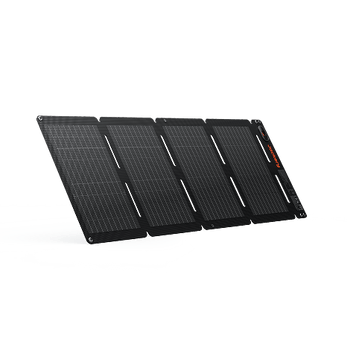







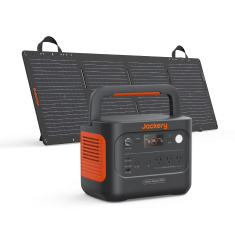
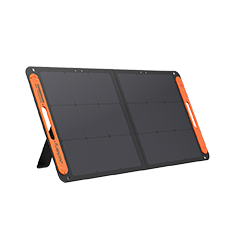



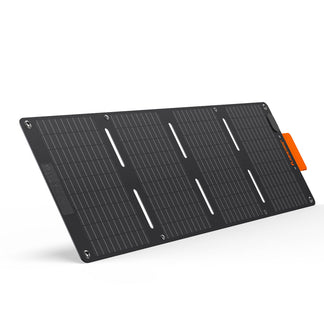
![[Add-on] Jackery SolarSaga 500 X - Jackery](http://www.jackery.com/cdn/shop/files/add-on-jackery-solarsaga-500-x-1493607.webp?v=1786503068&width=324)
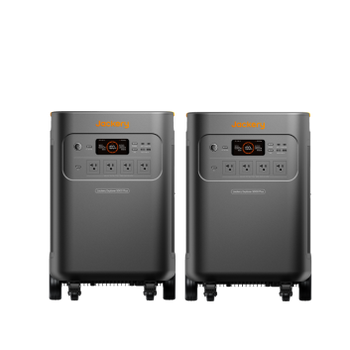
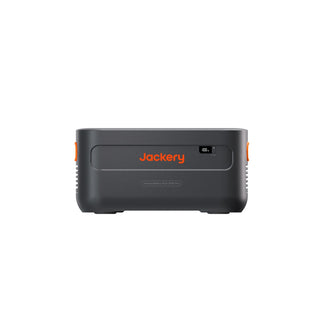
![[Add-on] Jackery Battery Pack 5000 Plus - Jackery](http://www.jackery.com/cdn/shop/files/add-on-jackery-battery-pack-5000-plus-6713401.webp?v=1786503068&width=324)










A dual fuel generator is a portable power system engineered to run on two distinct fuel sources: standard gasoline and liquid propane (LPG). This dual-capability offers a critical advantage over single-fuel models by eliminating reliance on a single supply chain.
Dual fuel technology solves the problem of fuel scarcity during disasters. While gas stations often lose power and lines stretch for miles, propane offers an indefinite shelf life and is widely available in pre-filled tanks. This flexibility provides a hedge against shortages, though users must accept a slight performance trade-off. Propane has a lower energy density than gasoline, resulting in a 5–10% reduction in power output when switching from gas to LPG.
Understanding Dual Fuel Technology
Operational Mechanics
Dual fuel generators switch between gasoline and propane using a specialized carburetor and selector switch. Basic models utilize a manual dial to shut off the gas line and open the propane inlet, while advanced units feature auto-switching regulators. These regulators adjust ignition timing and air-fuel ratios on the fly, ensuring the engine transitions seamlessly without stalling.
Gasoline Performance
Gasoline delivers the highest British Thermal Unit (BTU) rating per gallon. When running on gasoline, a dual fuel generator provides its maximum rated peak and running wattage. This high energy density makes gasoline the preferred fuel for heavy startup loads, such as engaging a central air conditioner compressor or a deep well pump.
Propane (LPG) Performance
Propane burns cleaner than gasoline and eliminates carburetor clogging issues. The primary benefit of LPG is long-term storage stability; a tank stored for ten years functions as effectively as a new one. Unlike gasoline, which degrades and creates varnish deposits, propane ensures the generator remains operational even after sitting idle for months.
Inverter Technology
Inverter generators produce clean power with low Total Harmonic Distortion (THD), typically under 3%. This stable sine wave is mandatory for safely charging sensitive electronics like laptops and smartphones. If you require a small generator for power outage scenarios that involve remote work equipment, inverter technology prevents microprocessor damage.
Tri-Fuel Distinction
Tri-fuel generators differ from dual fuel models by adding natural gas (NG) capability. While natural gas offers convenience, it requires a permanent utility hookup and professional plumbing installation. Dual fuel units remain fully portable and self-contained, requiring no infrastructure changes to operate effectively.
Sizing Your Generator: The Math of Buying
Accurate sizing prevents overloaded circuits and wasted fuel. You must calculate total load requirements based on the lower output capacity of propane.
Wattage Load Table
Calculate your needs by summing the running watts and the surge watts (the extra power needed to start a motor).
|
Appliance |
Running Watts (Avg) |
Surge/Starting Watts |
|---|---|---|
|
Refrigerator / Freezer |
700W |
2200W |
|
Sump Pump (1/2 HP) |
1050W |
2200W |
|
Window AC (10,000 BTU) |
1200W |
3600W |
|
Central HVAC (3-ton) |
3500W |
6000W+ |
|
Microwave |
1000W |
1500W |
|
WiFi Router + Modem |
50W |
50W |
The Propane Power Drop Calculator
Propane output is typically 10% lower than gasoline output. When sizing a dual fuel generator, always calculate capacity based on the propane specs. If a unit is advertised as 10,000 Watt (gasoline rating), the propane rating will likely be around 9,000 Watts. Factor in this reduction to ensure essential appliances run reliably on LPG.
The 20% Safety Margin
Generators should operate at no more than 80% of their rated capacity. Running a unit at 100% load shortens engine lifespan and increases noise levels. Sizing your generator with this 20% buffer handles unexpected power surges and keeps the engine running cooler during extended outages.
Capacity Tiers
- 3.5–5kW: Capable of running lights, a refrigerator, internet router, and charging devices. This tier covers essentials for short-term outages.
- 7.5–10kW: The standard home backup size. These units power a well pump, microwave, window AC units, and lighting circuits simultaneously.
- 12kW+: Necessary for heavy loads. This capacity is required to power central HVAC systems, electric water heaters, or electric dryers.
Critical Pros and Cons of Ownership
Advantage (i): Fuel Flexibility
Dual fuel capability serves as a logistical safeguard during regional disasters. When gas stations run dry, propane tanks remain available at exchange cages in grocery stores and hardware centers. In emergencies, fuel can even be harvested from backyard BBQ grill tanks to keep the lights on.
Advantage (ii): Maintenance
Propane extends engine service life by eliminating fuel system gumming. Because LPG is a gas at room temperature, it leaves no varnish deposits in the carburetor. This characteristic avoids the most common small engine maintenance issue: the need for frequent carburetor rebuilds due to stale fuel.
Drawback (i): Cold Weather Logistics
Propane pressure drops significantly in extreme cold. In sub-freezing conditions, a standard 20lb tank may not maintain sufficient pressure to sustain a large generator under heavy load. The tank can freeze up, potentially causing the unit to stall despite having fuel remaining.
Drawback (ii): Complexity
Dual fuel units are mechanically more complex and expensive than single-fuel models. They utilize additional valves, gaskets, and fuel lines that require inspection. Consequently, the initial purchase price is typically 15–30% higher than a comparable gasoline-only generator.
CO Safety
Carbon monoxide (CO) sensors are integrated into modern generators to shut down the unit if dangerous levels are detected. While vital for safety, these sensors can trigger nuisance trips if the generator is placed in an area with poor airflow. Proper positioning is critical to avoid false shutoffs.
Home Integration and Professional Setup
Transfer Switch vs. Interlock Kit
Connecting a generator to a home requires a code-compliant transfer method.
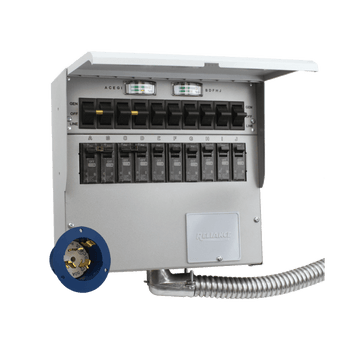
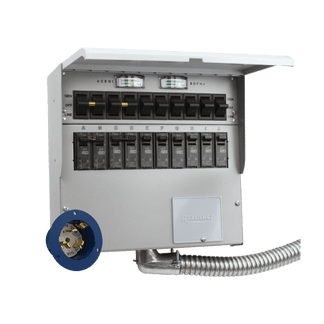
- Transfer Switch: A permanent sub-panel installed by an electrician that switches specific circuits to generator power. It is the safest and most user-friendly option.
- Interlock Kit: A mechanical slider plate on the main breaker panel. It forces the main utility breaker off before the generator breaker can be turned on. This is a cost-effective alternative to a transfer switch but requires manual operation.
The Suicide Cord Warning
Never use a double-male extension cord to backfeed a home through a dryer outlet. This practice is illegal and dangerous. Backfeeding sends high-voltage electricity onto the utility grid, creating a lethal electrocution hazard for utility workers repairing lines miles away.
Grounding Requirements
Generators connected via a transfer switch typically require a floating neutral configuration. This is because the home's panel is already bonded to the ground. Conversely, units used as standalone power sources on job sites require a bonded neutral. Always verify the manufacturer's manual for the correct grounding setup.
Power Inlet Boxes
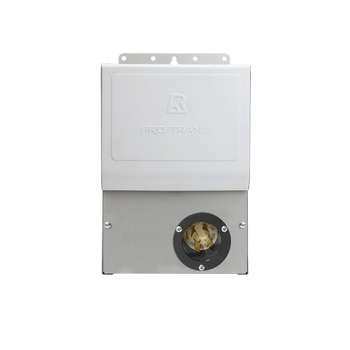
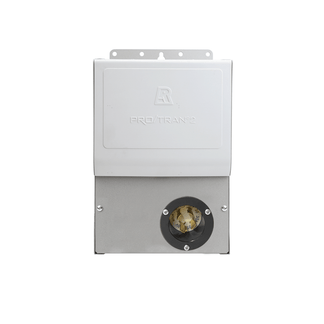
A dedicated 30A or 50A power inlet box should be installed on the home's exterior. This allows for a single heavy-duty cord connection, eliminating the need to run multiple extension cords through open windows or doors, which compromises security and insulation.
Maintenance, Fuel Management, and Safety
Gasoline Storage
Gasoline requires a fuel stabilizer if stored for more than 30 days. Even with treatment, fuel supplies should be rotated every 6–12 months. Old gas should be used in a vehicle and replaced with fresh fuel to prevent oxidation and engine damage.
Propane Storage
Propane cylinders must be stored outdoors in a shaded, well-ventilated area. Never store propane tanks in garages or basements. A leaking valve indoors causes heavy gas to pool on the floor, creating a severe explosion hazard.
Routine Maintenance Protocol
- Monthly: Run the generator for 20 minutes under load to lubricate seals.
- Oil Changes: Change oil after the first 20 hours, then every 50–100 hours.
- Spark Plugs: Inspect and clean annually.
Battery Care
Electric-start generators rely on small lead-acid batteries that self-discharge. Keep the battery connected to a trickle charger during storage. This ensures sufficient cranking amps are available to start the engine immediately when a power outage occurs.
Placement Rules
Generators must operate at least 20 feet away from the home with exhaust directed away from openings. Reviewing safety protocols on how to use a generator during a power outage is essential before operating the unit. Never run a generator in rain or snow without a specialized tent that permits airflow while keeping electrical components dry.
Comparing Solutions: Portable Dual Fuel vs. Solar Hybrids
The Hybrid Strategy
A resilient backup system combines a dual fuel generator with a battery energy storage system. This hybrid approach uses the fuel-consuming generator only for high-draw appliances and rapid battery recharging. The battery system then takes over for silent, emission-free power during the night or for lighter loads.
Generator Role vs. Battery Role
Run the dual fuel generator during the day to handle peak loads and charge the battery bank. Switch to battery power at night to run fans, and chargers. This strategy conserves fuel and eliminates engine noise during sleep hours.
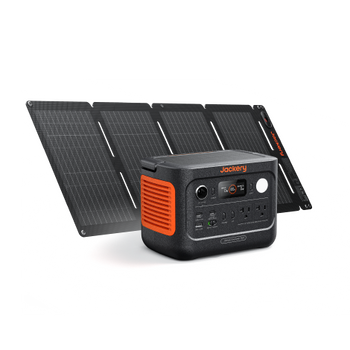
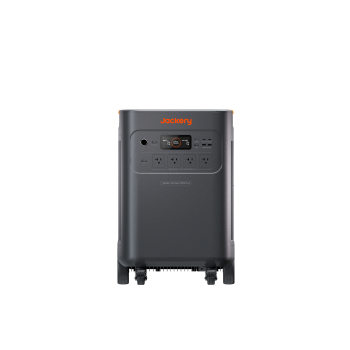
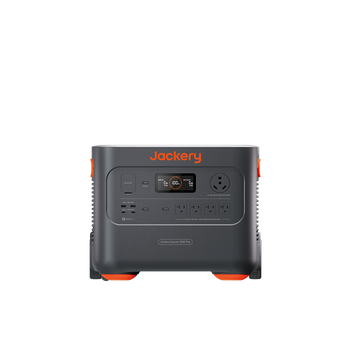
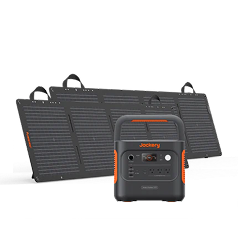
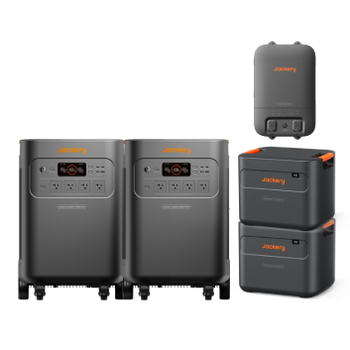
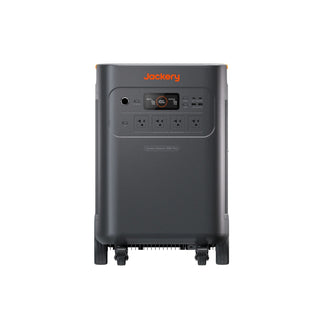
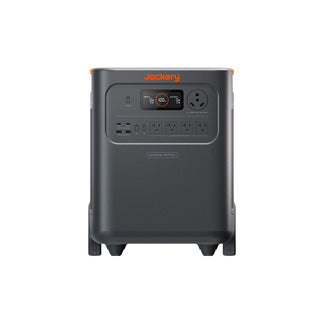
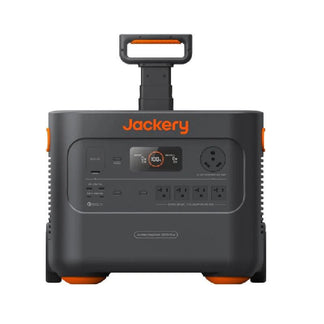
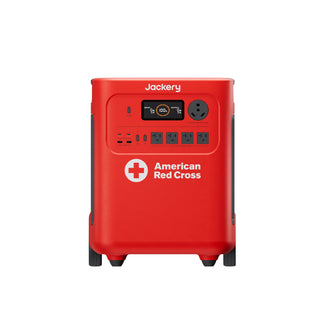
Jackery Solar Generator 5000 Plus
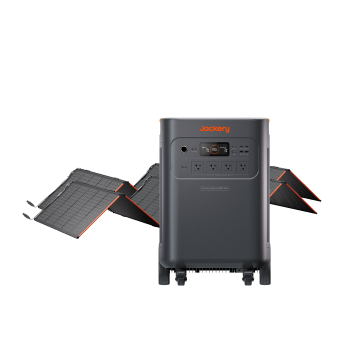
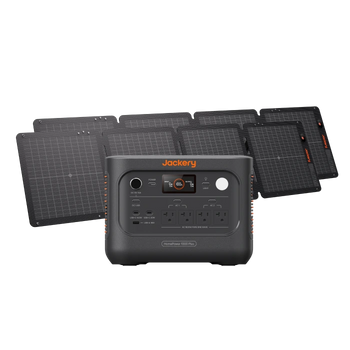
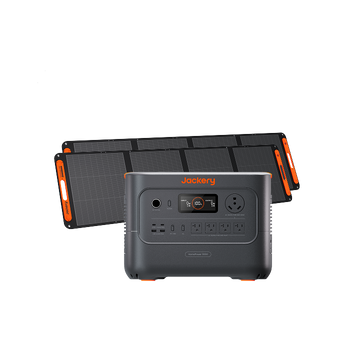
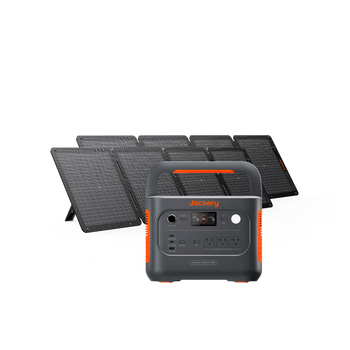
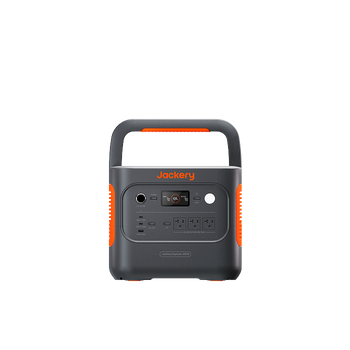
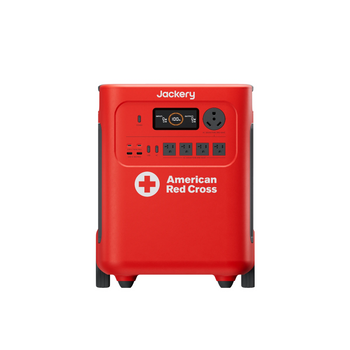
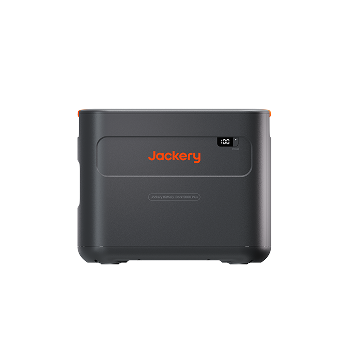
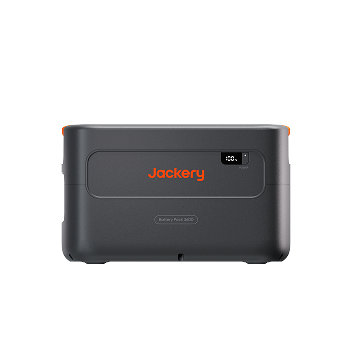
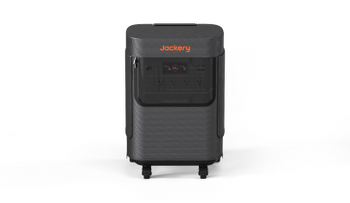
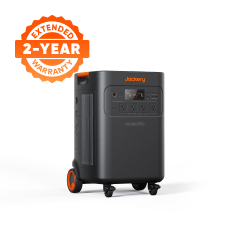
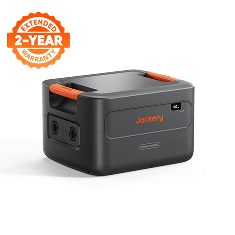
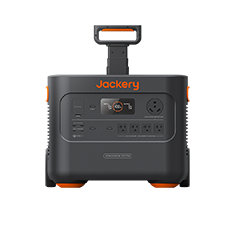
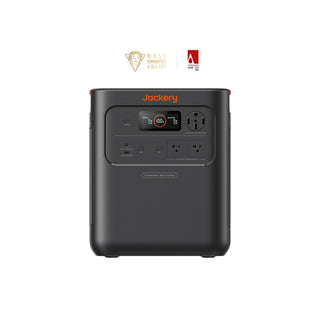
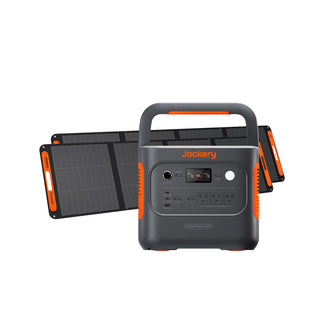
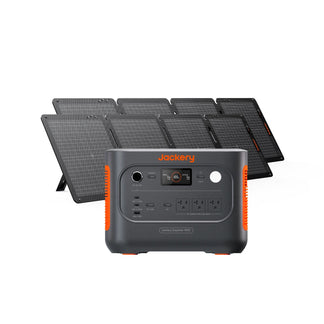
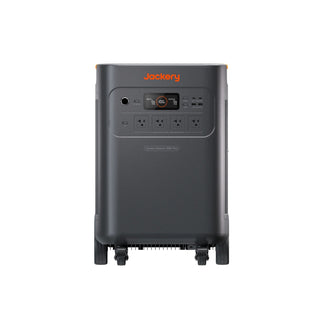
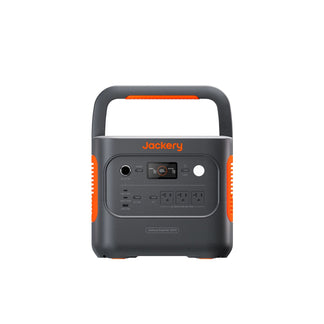
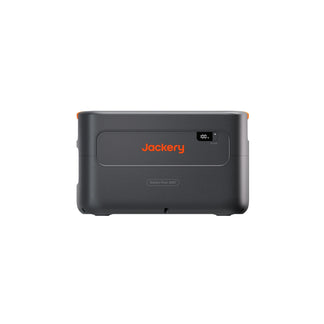
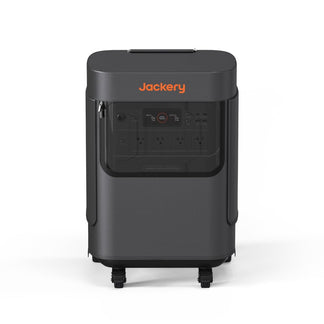
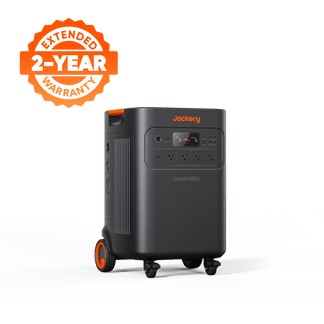
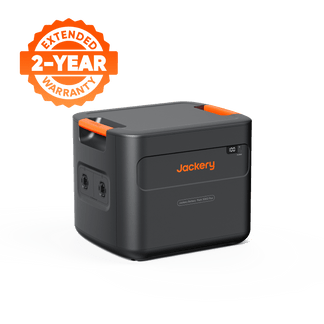
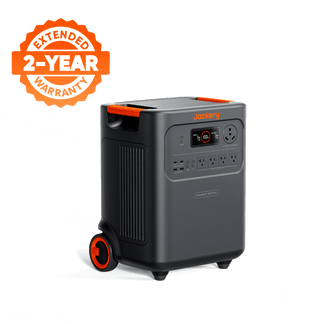
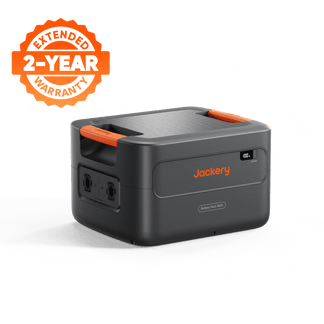
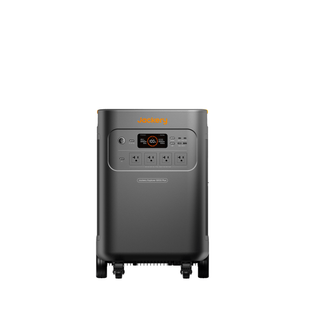
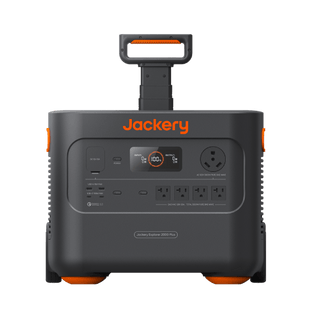
The Jackery Solar Generator 5000 Plus delivers 7200W rated power and 14400W surge output. This unit offers a massive 5040Wh capacity (expandable to 60kWh), handling heavy appliances like portable ACs silently. The Jackery Solar Generator 5000 Plus recharges in just 1.7 hours via high-voltage PV or AC, providing a zero-emission alternative for indoor use.
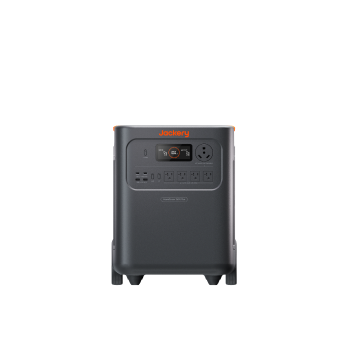
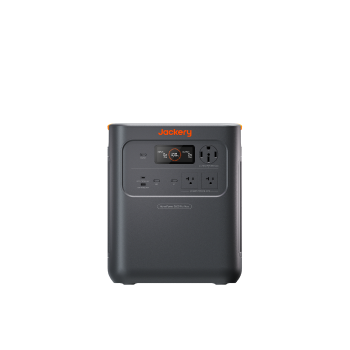
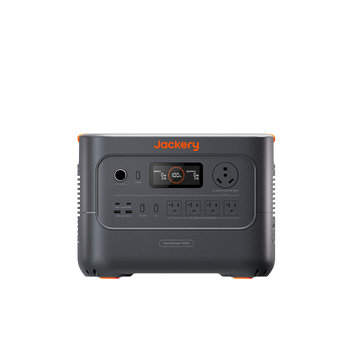
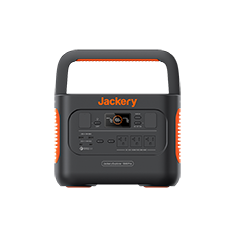
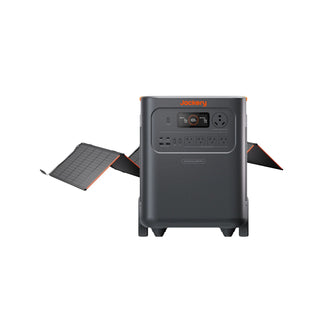
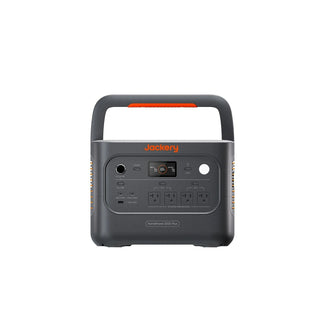
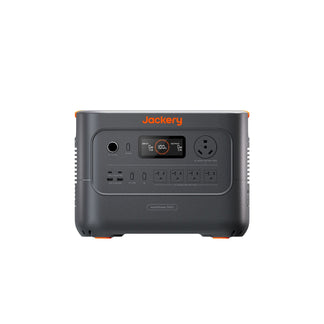
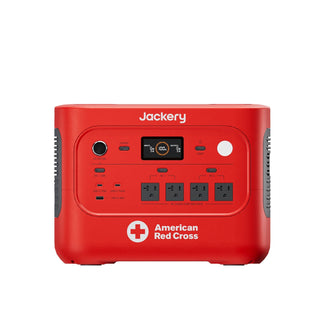
Jackery Solar Generator HomePower 3600 Plus
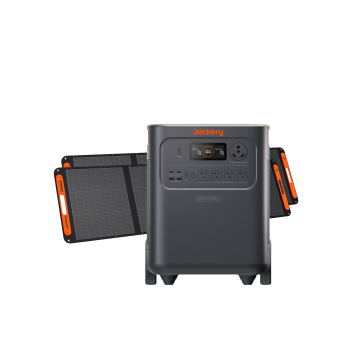
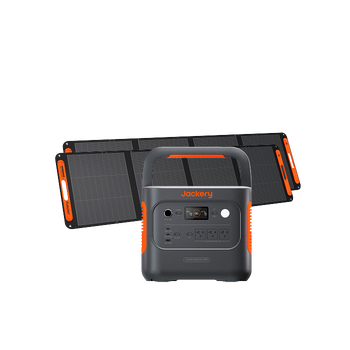
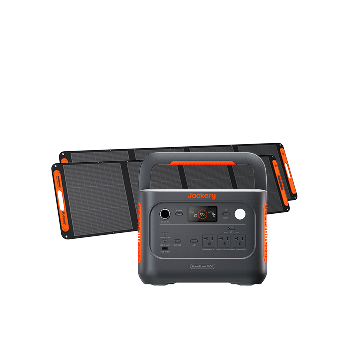
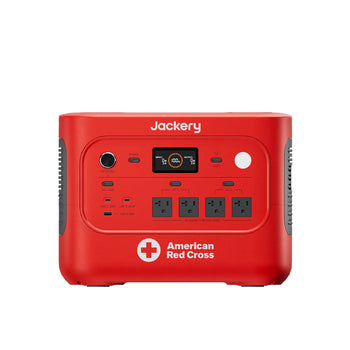
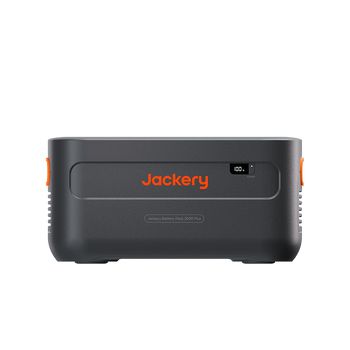
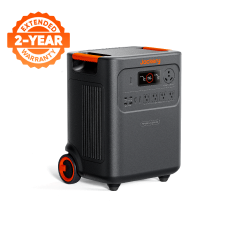
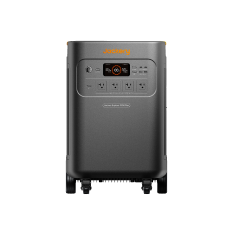
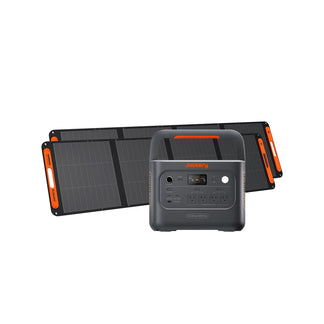
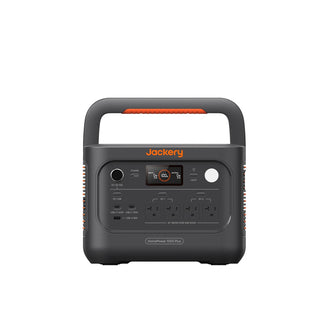
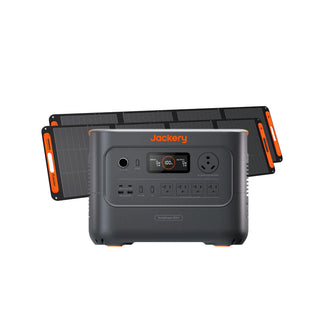
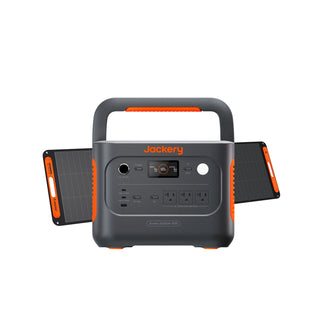
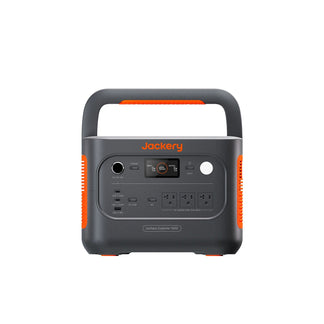
The Jackery Solar Generator HomePower 3600 Plus features a LiFePO4 battery with a 10-year lifespan (6,000+ cycles). For homeowners comparing the best standby generators against portable options, this Jackery Solar Generator HomePower 3600 Plus offers a compelling mix of mobility and power. It integrates seamlessly with solar panels for renewable charging, making it ideal for essential circuits.

Synergy
Combining these technologies ensures continuous power availability. If solar input is unavailable due to weather, the dual fuel generator can recharge the Jackery unit. This redundancy ensures a silent power reserve is always available, regardless of environmental conditions.
Final Checklist Before Purchase
- Audit Total Loads: Sum appliance wattage and add a 20% safety margin to determine size.
- Fuel Storage Plan: Secure enough gasoline and propane for 72 hours of operation.
- Noise Constraints: Check local ordinances. In dense neighborhoods, consider off grid generators that utilize solar for silent operation.
- Safety Gear: Acquire 10-gauge extension cords, indoor CO detectors, and a maintenance kit with oil and spark plugs.
Frequently Asked Questions
Is dual fuel worth the cost?
Yes, the price premium is justified by fuel security. The ability to use propane ensures power availability even when gasoline is degraded or unobtainable.
Can I store propane indoors?
No. Propane cylinders must be stored outdoors in ventilated areas. Indoor storage creates a risk of explosion from gas leaks pooling on the floor.
Can I convert a gas unit?
Conversion is not recommended. Aftermarket kits often void warranties and may lack safety compliance. Factory dual fuel models ensure proper air-fuel tuning and safe operation.
How much propane do I need?
A standard 20lb BBQ tank provides 4–8 hours of runtime at 50% load. This varies based on the specific generator size and power draw.


