

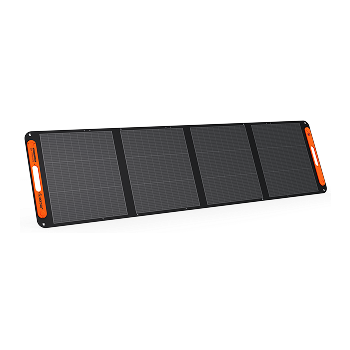
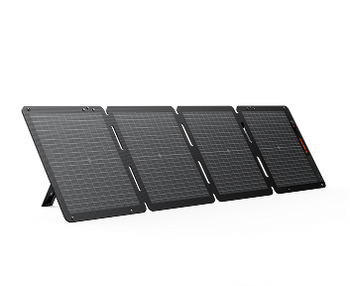
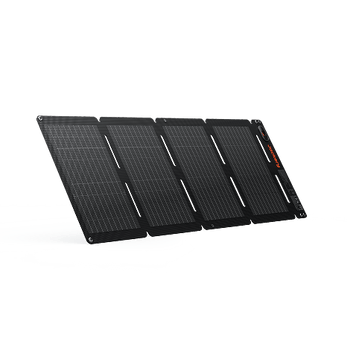






![[Add-on] Jackery SolarSaga 500 X - Jackery](http://www.jackery.com/cdn/shop/files/add-on-jackery-solarsaga-500-x-1493607.webp?v=1786503068&width=324)
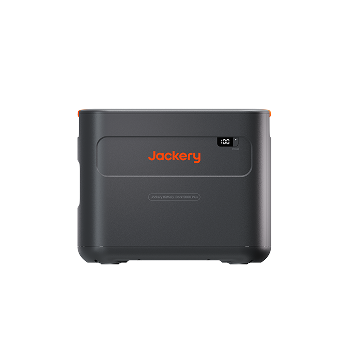
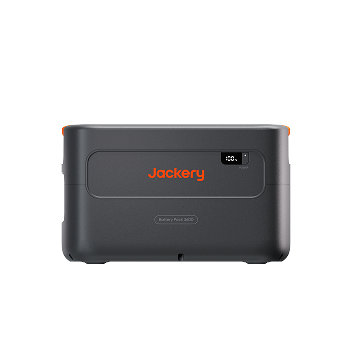
![[Add-on] Jackery Battery Pack 5000 Plus - Jackery](http://www.jackery.com/cdn/shop/files/add-on-jackery-battery-pack-5000-plus-6713401.webp?v=1786503068&width=324)





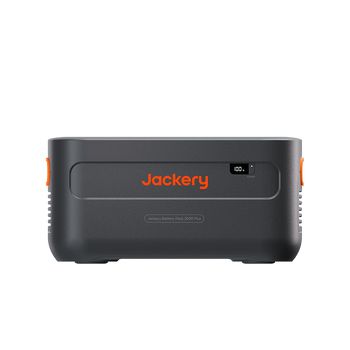
![[Add - on] SolarSaga 200W - Jackery](http://www.jackery.com/cdn/shop/files/add-on-solarsaga-200w-4834329.png?v=1754016915&width=324)


Power failures risk spoiled groceries, wasted medication like insulin, and interrupted sleep. In small spaces like dorms or bedrooms, the stakes are high. You need a cooling solution that fits tight quarters and a backup power plan that doesn't rely on loud, banned gas generators.
Placing a mini fridge in a bedroom requires specific planning regarding noise (under 40dB), ventilation, and electrical safety. This guide provides evidence-based steps to choose the right unit, calculate your power needs, and secure a silent, indoor-safe backup system.
Powering a Mini Fridge for Bedroom Use: Wattage Basics
Understanding your fridge's energy appetite is crucial for choosing a backup battery. Most people overestimate the power required because they confuse running watts with startup surges.
Running vs. Startup Watts
Efficient mini fridges typically require 70–90 running watts to maintain temperature. However, when the compressor kicks on, it demands a startup surge of 280–360 watts to overcome inertia. A backup power station must handle this peak wattage, or the refrigerator will fail to start.
Calculate Amps for Safety
Most bedroom fridges draw approximately 0.67 Amps on a standard 120V circuit. Calculate this using the formula Watts ÷ Volts = Amps (e.g., 80W ÷ 120V). While this is low enough for standard household circuits, always check the breaker load to ensure high-draw devices like gaming PCs don't trip the fuse.
Duty Cycle and Energy Math
A standard mini fridge consumes about 640Wh per day assuming an 8-hour total run time. Since compressors cycle on and off, understanding how many watts a refrigerator uses is vital for sizing a battery. Efficient units with Energy Star ratings under 1 kWh per day drastically reduce the required backup capacity.
Selecting the Right Size for Your Space
Size dictates energy consumption. Choosing the smallest viable option saves floor space and extends backup runtime during outages.
Compact (1.7–2.5 cu ft)
Compact 1.7–2.5 cu ft fridges draw the lowest power (~70W) and are ideal for dorms. These cube style units fit tight corners and are the easiest to keep running during a blackout using a portable power station.
Mid-sized (3.1–4.4 cu ft)
Mid-sized 3.1–4.4 cu ft units offer separate freezer compartments but require higher surge wattage. While the freezer adds convenience, the increased energy consumption makes frozen goods harder to protect during extended outages without a robust battery backup.
Compliance and Fit
Mini fridges require 2–3 inches of ventilation clearance on all sides to prevent overheating. Before installation, verify university or landlord rules regarding amperage limits and prohibited appliances to ensure the setup is compliant.
Critical Safety, Electrical, and Placement Guidelines
Bedroom safety is non-negotiable. Improper installation creates fire hazards and risks electrical shock.
Electrical Safety
- Wall Connection: Plug the fridge directly into a grounded, three-prong wall outlet for maximum safety.
- Extension Cord Warning: Avoid standard extension cords, which often overheat under compressor loads. If necessary, use a heavy-duty cord rated specifically for the appliance's amperage.
- Surge Protection: Use an appliance-rated surge protector to shield the fridge's electronics from grid spikes, as standard power strips often fail to protect against compressor surges.
Ventilation and Placement
Never block compressor vents, as poor airflow increases fire risk and electricity usage.
- Vibration Control: Place the unit on a hard surface or a dedicated appliance mat.
- Carpet Risks: Avoid placing a mini fridge directly on thick carpet. The fibers trap heat and restrict airflow from the bottom. If carpet is your only option, place a solid board or plastic mat underneath to ensure stability.
Backup Power Solutions: Sizing and Options
Dorms and apartments strictly prohibit gas generators due to deadly carbon monoxide fumes. Portable power stations are the standard for safe, silent indoor backup.
Battery vs. Gas
Portable power stations are the only safe option for indoor backup since gas generators emit deadly carbon monoxide. A battery-powered station operates silently without fumes, making it essential for bedroom environments.
Pure Sine Wave Necessity
A power station with a Pure Sine Wave inverter is essential for fridge compressors. Unlike modified sine wave inverters that cause motors to run hot and buzz, pure sine wave technology mimics grid power to protect the refrigerator's motor.
Calculating Runtime
To calculate the runtime more accurately, please visit the Jackery Solar Generator HomePower 3600 Plus page here. Look for the 'Estimate Runtime' section, where you can input your appliance's wattage to see the estimated duration.
High-Capacity Example: Jackery Solar Generator HomePower 3600 Plus
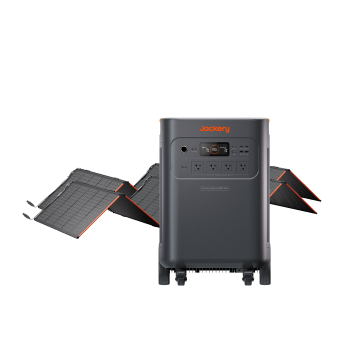
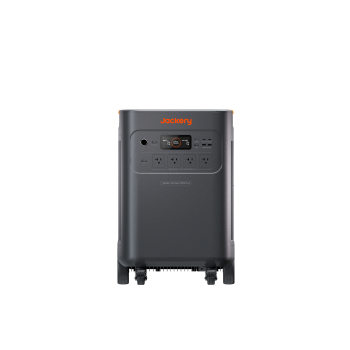
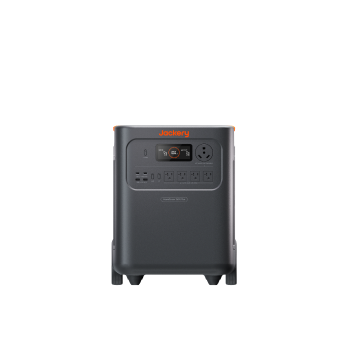
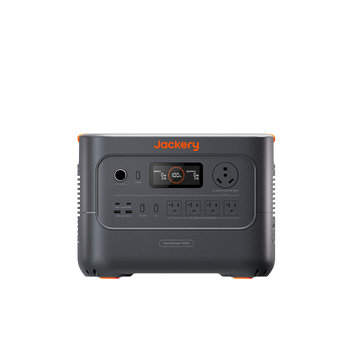
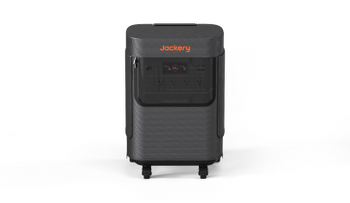
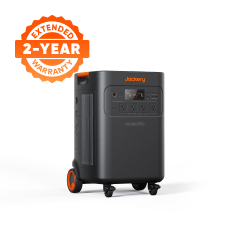
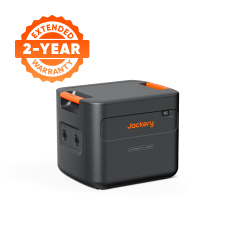
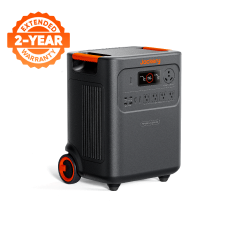
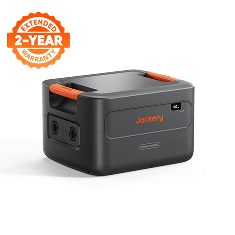
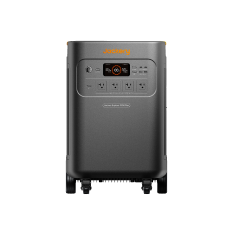
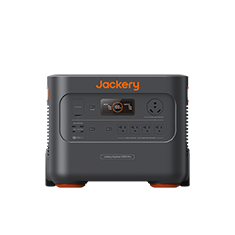
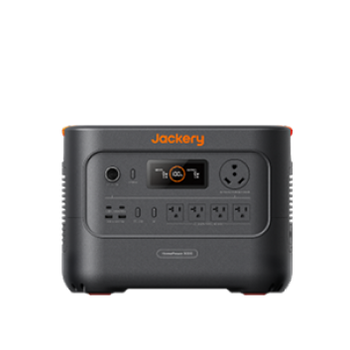
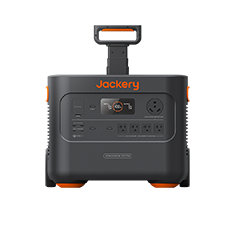
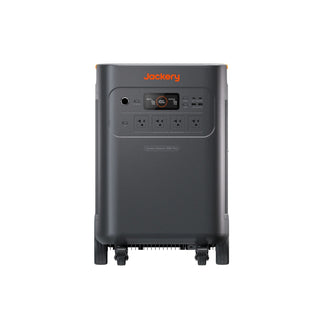
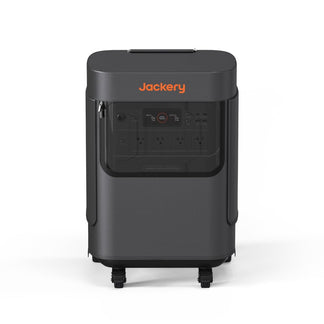
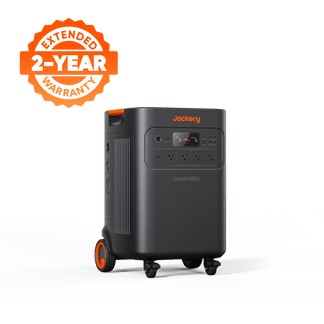
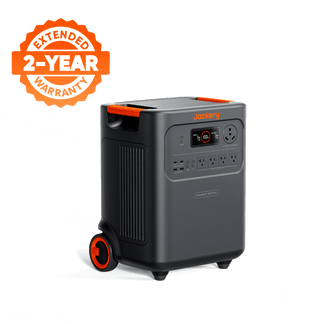
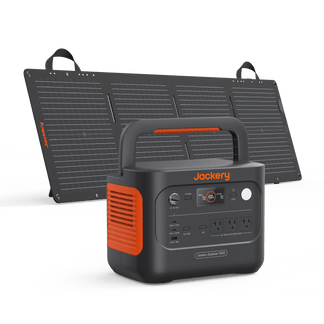
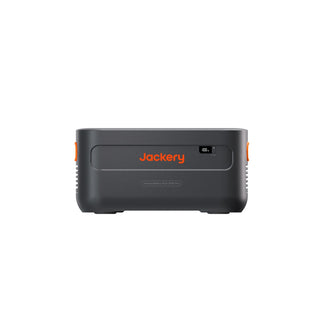
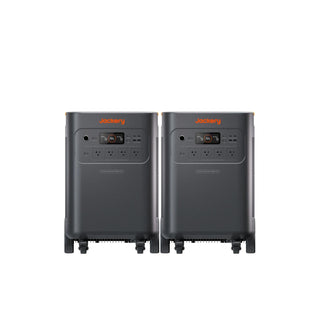
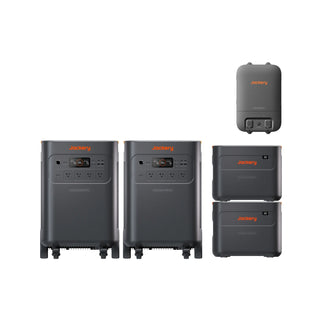
The Jackery Solar Generator HomePower 3600 Plus provides 3584Wh of capacity, offering approximately 44+ hours of runtime for an 80W fridge. This unit delivers 3600W of power output to handle startup surges and expands up to 21kWh with add-on packs for multi-week autonomy.
Hybrid Strategy and EPS
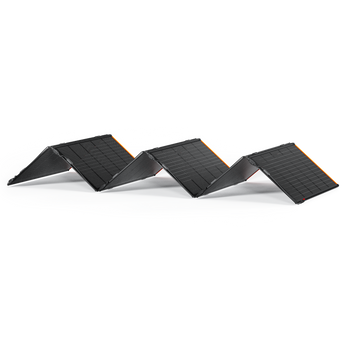
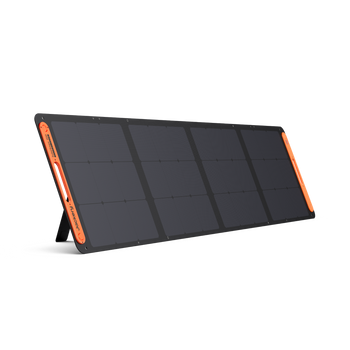
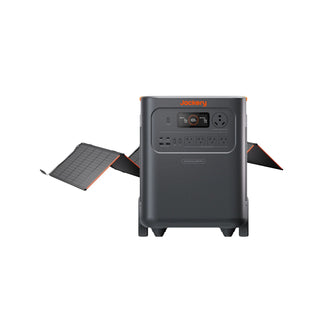
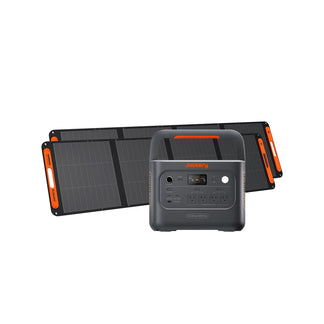
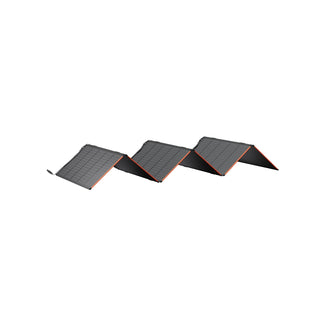
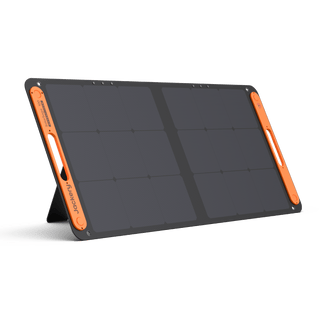
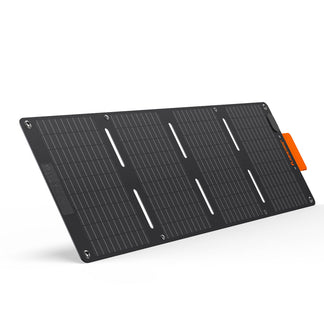
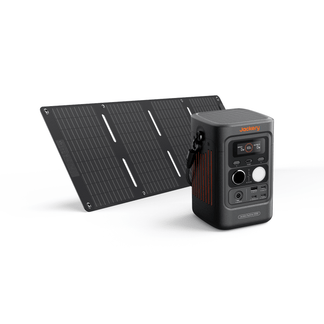
Pairing a battery with 200W+ solar panels creates a self-sustaining energy loop. The Jackery Solar Generator HomePower 3600 Plus features an EPS (Emergency Power Supply) with a <20ms switchover time, ensuring seamless battery backup for refrigerators when the grid fails.
Managing Noise and Sleep Quality
A mini fridge for bedroom must be quiet. The hum of a compressor can easily disrupt sleep in a small room.
Decibel Limits and Isolation
Select a fridge rated under 40 dB (library quiet) for sleeping environments. To further reduce noise, place rubber anti-vibration pads under the feet to decouple the unit from the floor and use shelf liners to prevent internal rattling of glass bottles.
Strategic Placement
Position the refrigerator as far from the bed as possible. Placing the unit inside a closet with a louvered (vented) door can significantly muffle compressor sound while maintaining necessary airflow.

Maintenance for Efficiency and Longevity
A neglected fridge works harder, gets louder, and drains your backup battery faster.
Clean Coils
Dust the condenser coils annually to prevent heat trapping. Clean coils allow the compressor to run shorter cycles, saving energy and extending the lifespan of the backup battery.
Seal Check
Test door gaskets monthly using the dollar bill method; if the bill pulls out easily, the seal is weak. Air leaks cause rapid ice buildup and continuous running, which destroys energy efficiency.
Defrosting and Temperature
- Defrost: If the unit has a manual freezer, defrost when ice accumulation hits 1/4 inch to ensure the evaporator cools effectively.
- Settings: Maintain the thermostat between 35–38°F (3–5°C). Settings colder than this waste energy without improving food safety.
Example Scenarios & Practical Recommendations
Different users have different power needs. Here is how to match the setup to your situation.
The Dorm Student
Needs: Overnight backup for a 1.7 cu ft fridge.
- Advice: A compact portable battery covers 8–10 hour outages.
- Why: Ideal for limited dorm space and minimal power needs.
The Apartment Renter
Needs: Protection for a 3.1 cu ft mid-sized fridge.
- Advice: A mid-range small generator for power outages ensures food safety during work-day brownouts.
- Why: Balances capacity with portability for apartment living.
Extended Outage / Home Backup
Needs: Multi-day protection for medication and frozen goods.
- Advice: The Jackery Solar Generator HomePower 3600 Plus offers 3584Wh capacity for long-duration backup.
- Why: Expandable capacity (up to 21kWh) powers a fridge for weeks during critical failures.
Van Life / Remote Living
Needs: Off-grid cooling efficiency.
-
Advice: Pair a 12V fridge with solar panels to bypass inverter losses. Learn more about setting up an off-grid refrigerator for maximum autonomy.
Decision Checklist
Before you buy, run through this list to ensure your setup is safe and compliant.
- Rules: Have I checked dorm/apartment policies on wattages and batteries?
- Space: Is there 3 inches of clearance for ventilation around the unit?
- Power: Did I calculate the fridge's daily Wh consumption based on its label?
- Backup: Does my power station handle the startup surge (3x running watts)?
- Safety: Is the wall outlet grounded and dedicated to this appliance?
- Plan B: Do I have an insulated cooler ready for perishables if the outage exceeds battery life?
Conclusion: Reliable Cooling for Small Spaces
Choosing the right mini fridge for bedroom use requires balancing convenience with safety. Proper ventilation and grounded outlets are essential, while gas generators must be avoided indoors.
For reliable security, the Jackery Solar Generator HomePower 3600 Plus provides silent, indoor-safe backup to keep food fresh and medication safe during grid failures. Use the checklist above to finalize your setup and sleep soundly knowing your cooling needs are covered.
Frequently Asked Questions
Can I use a standard computer UPS for my mini fridge?
No. Most computer UPS units use simulated sine waves and lack the peak surge capacity required to start a fridge compressor, potentially damaging both devices.
How does room temperature affect my backup battery's runtime?
High ambient temperatures force the fridge compressor to run more frequently to maintain coolness, which significantly shortens the calculated battery runtime.
Is it safe to charge a power station while it's running?
Yes, this is called pass-through charging. However, always check the manufacturer's manual to ensure the specific model supports simultaneous input and output without overheating.
Will a mini fridge damage a carpeted floor over time?
Yes, heat trapping can damage carpet fibers, and condensation leaks can cause mold. Always use a waterproof drip tray or plastic mat for protection.
How long can food stay cold if the battery dies?
Food stays safe for about four hours in a sealed fridge. Adding thermal mass, like frozen water bottles, can extend this safety window.


