















![[Add - on] Jackery Manual Transfer Switch for Explorer 5000 Plus - Jackery](http://www.jackery.com/cdn/shop/files/add-on-jackery-manual-transfer-switch-for-explorer-5000-plus-9017324.png?v=1754016782&width=350)


![[Add - on] Jackery Battery Pack 5000 Plus - Jackery](http://www.jackery.com/cdn/shop/files/add-on-jackery-battery-pack-5000-plus-6078351.png?v=1754016791&width=324)



![[Add - on] Jackery Car Charging Cable - Jackery](http://www.jackery.com/cdn/shop/files/add-on-jackery-car-charging-cable-3882421.png?v=1754016863&width=324)














![[Add - on] Jackery Smart Transfer Switch - Jackery](http://www.jackery.com/cdn/shop/files/add-on-jackery-smart-transfer-switch-5842915.png?v=1754016784&width=324)
![[Add - on]Jackery 102W GaN 3 - Port Fast Charger - Jackery](http://www.jackery.com/cdn/shop/files/add-onjackery-102w-gan-3-port-fast-charger-6377742.png?v=1754016790&width=324)



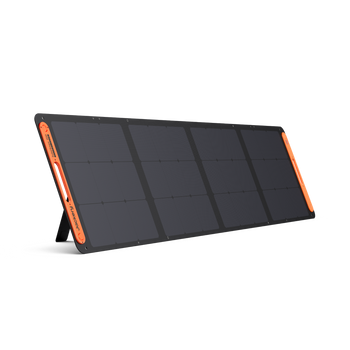
![[Add - on] SolarSaga 200W - Jackery](http://www.jackery.com/cdn/shop/files/add-on-solarsaga-200w-4834329.png?v=1754016915&width=324)

![[Add - on] Jackery Manual Transfer Switch for Explorer 5000 Plus - Jackery](http://www.jackery.com/cdn/shop/files/add-on-jackery-manual-transfer-switch-for-explorer-5000-plus-9017324.png?v=1754016782&width=324)


Rising utility rates and confusing energy bills leave nearly 60% of Americans entirely in the dark about what drives their monthly costs. Without knowing your average household electricity consumption, identifying faulty appliances, phantom loads, or inefficient HVAC systems is impossible.
This guide breaks down exact U.S. consumption benchmarks, regional extremes, and data-driven strategies. Read along to audit your home, permanently lower your electricity bills, and discover reliable solar backup solutions.
The Baseline: What is the Average U.S. Electricity Consumption?
According to recent data from the U.S. Energy Information Administration (EIA), the national average for residential electricity purchases hovers around 10,800 kWh annually. This translates to a monthly average of roughly 900 kWh, or approximately 30 kWh per day for a standard American home. While energy-efficient appliances have helped lower base usage, the rising adoption of electric vehicles and smart home tech keeps the national average steady.
Purchased electricity does not always equal consumed electricity. Utility bills only show what you buy from the grid. Homes with grid-connected net-metered solar PV systems consume significantly more electricity than their utility purchase history indicates.
Kilowatt-hour, or kWh, is a unit of energy that measures how much electricity an appliance or home consumes in an hour. Before auditing your home, it’s essential to understand how to calculate this. Wattage measures electrical power using a simple formula:
Watts = (kWh × 1000) ÷ Hours
Once you have the watts, you can easily calculate kilowatts by dividing the result by 1000.
How Home Size and Demographics Impact Your kWh
Electricity consumption scales directly with square footage and occupancy. The average U.S. home is approximately 1,818 square feet and uses about 0.49 kWh per square foot monthly.
A standard 2,000-square-foot home typically consumes between 1,000 and 1,225 kWh per month. Efficient apartments may use just 300 to 600 kWh monthly, while larger estates naturally require significantly more energy.
Daily usage scales dramatically with household size. A single individual might use 15 kWh per day, while a family of five or more can easily exceed 50 kWh daily due to increased hot water demand, laundry cycles, and electronics usage.
The table below provides monthly kWh consumption estimates based on square footage:
|
Home Size (Sq Ft) |
Estimated Monthly Consumption (kWh) |
|---|---|
|
1,000 |
490 - 600 kWh |
|
1,500 |
735 - 900 kWh |
|
2,000 |
980 - 1,225 kWh |
|
2,500 |
1,225 - 1,500 kWh |
|
3,000 |
1,470 - 1,800 kWh |
Note: If you charge an EV at home or work remotely full-time, expect to add 300 to 500 kWh to these monthly estimates.
Regional Extremes: Why Your State Dictates Your Power Bill
Climate dictates demand. Geographic location and local weather patterns account for 40-50% of the variation in residential electricity usage.
Louisiana averages a massive 14,774 kWh annually (over 1,200 kWh/month) due to extended cooling seasons, high humidity, and low solar adoption. Conversely, Hawaii (6,178 kWh) and California (~5,892 kWh) consume the least, benefiting from milder climates and strict energy efficiency building codes.
Low consumption does not guarantee low bills.Hawaii has the lowest usage but the highest average monthly bill (often exceeding $240) due to steep local utility rates. In states like Texas, seasonal spikes routinely push summer usage past 1,176 kWh per month due to heavy air conditioning reliance.
Heating fuel differences also skew the data. Northern states often rely on natural gas or heating oil for winter warmth. This artificially lowers their average household electricity consumption compared to all-electric Southern homes.
Below we compare the average annual kWh consumption by households in the United States by state.
|
State |
Electricity use per household per month (kWh) |
Average cost per month ($) |
Electricity cost per kWh ($) |
|---|---|---|---|
|
Alaska |
552 |
143.52 |
0.26 |
|
Alabama |
1,144 |
171.60 |
0.15 |
|
Arkansas |
1,060 |
127.20 |
0.12 |
|
Arizona |
1,113 |
167.00 |
0.15 |
|
Illinois |
697 |
111.52 |
0.16 |
|
Louisiana |
1,200 |
144.00 |
0.12 |
|
Massachusetts |
610 |
176.90 |
0.29 |
The Biggest Energy Drains: What Uses the Most Electricity in a Home?
Heating and cooling account for 40-50% of total home energy use. Air conditioning alone represents 17-19% of U.S. electricity consumption.
Electric water heaters are the second-largest drain, accounting for 12-18% of usage. This spikes significantly if immersion switches are left on permanently. Lighting accounts for roughly 9%, while refrigerators use 7%.
Secondary refrigerators and freezers kept in uninsulated Midwest or Southern garages are notorious energy hogs. They work overtime to stay cool in extreme heat, silently inflating your monthly bill.
Modern lifestyle shifts also drastically impact your baseline. Charging an electric vehicle (EV) fundamentally alters demand, adding 3,000 to 4,500 kWh annually—a 25-40% increase in base consumption. Working from home increases daily usage by 10-30% due to extended daytime HVAC operation and continuous electronics use.
Here is the average power consumption by different home appliances:
Kitchen Energy Usage
- Dishwasher: 1200 to 1500 watts
- Refrigerator: 150 to 400 watts
- Coffee maker: 800 to 1400 watts
- Microwave: 900 to 1700 watts
- Electric Oven: 2500 to 4000 watts
Living Room Energy Usage
- Flat-screen TV: 60 to 115 watts
- Laptop: 50 to 100 watts
Laundry Room Energy Usage
- Electric Dryer: 2000 to 5000 watts
- Washing machine: 500 watts
Central Cooling or Heating System Energy Usage
- Window AC unit: 900 to 1440 watts
- Central air conditioner: 3000 to 5000 watts
- Portable space heater: 750 to 1500 watts
- Gas heating furnace (blower fan): 300 to 500 watts
Diagnosing High Usage: Is 100 kWh a Day Normal?
Hitting 100 kWh per day is exceptionally high. This is three to four times the national average.
Usage of 100 kWh/day or 3,000 kWh/month is only typical for 4,000+ sq ft all-electric homes, heavy EV charging, or constant pool pump operation. If you lack heavy machinery, sudden spikes indicate malfunctioning equipment.
Look for broken well pumps, faulty immersion heaters, iced-up refrigerator compressors, or severely degraded home insulation. Phantom loads also create massive cumulative energy drains. Devices left on 24/7, such as older PCs, entertainment systems, and standing heat loss from hot water tanks, silently inflate your bill.
Conduct a 12-month energy audit to establish a baseline. Review a year of utility bills to identify seasonal spikes. Then, perform a room-by-room audit by dividing appliance wattage by 1,000 and multiplying by hours used. Tracking this helps identify exactly which device is causing bill spikes.
Proven Strategies to Lower Your Average Household Electricity Consumption
There are several data-driven practices you can follow to reduce your home’s electricity usage and lower your monthly power bills.
HVAC Optimization and Weatherization: Upgrading insulation and weatherization yields the highest ROI, providing 15-30% savings on heating and cooling costs. Because HVAC systems are the most power-hungry appliances, properly sealing your home—checking for drafts around windows, doors, and attics—is your first line of defense against high electricity bills.
Upgrade to ENERGY STAR: Replace aging, inefficient appliances. Swapping out a 15+ year old refrigerator for an ENERGY STAR-certified model eliminates one of the biggest continuous power drains in your home.
Smart Thermostat Integration: Installing a smart thermostat reduces overall HVAC electricity usage by 10-23%. While they require a minimal upfront investment, most local utility providers offer instant rebates ranging from $50 to $100, which can cover the majority of the device's cost. Once installed, they automatically adjust temperatures when you are asleep or away.
Time-of-Use (TOU) Management: Shifting heavy loads like laundry, dishwashing, and EV charging to off-peak or super off-peak hours drastically lowers monthly bills. Check with your utility provider for TOU rate schedules to take advantage of cheaper electricity rates.
Eliminate Phantom Loads: Using smart power strips and utilizing sleep modes for monitors and TVs stops continuous, wasteful standby power consumption. Unplug devices that consume electricity when you are not using them.
Solar Offset Planning: Reducing reliance on the electricity grid and harnessing solar energy permanently lowers monthly energy costs. You can estimate your required solar panel system size by dividing your annual kWh usage by 1,400 (a standard benchmark for sunny states).
Jackery Solar Generators – Your Home Power Backup Solution
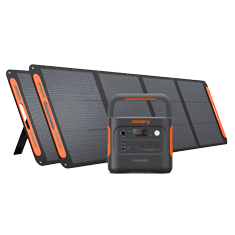
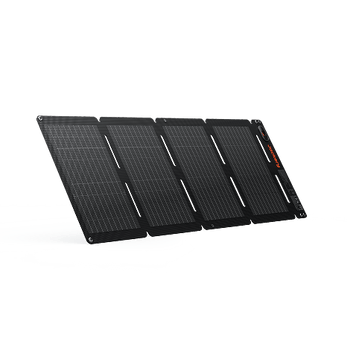
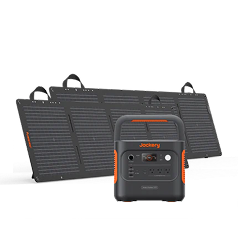
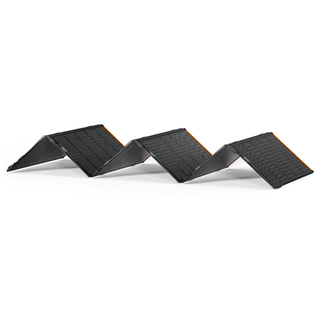
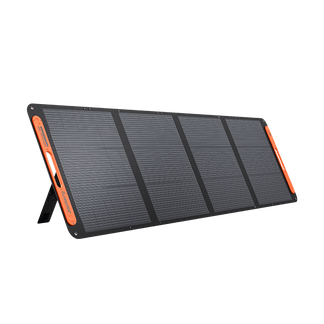
One of the most effective ways to offset grid usage and protect your home from outages is investing in a solar generator. It combines a portable power station and solar panels to absorb, convert, and store electricity.
Unlike gas-guzzling generators, Jackery solar generators are a safe, reliable, and emission-free choice for homeowners. They do not emit noises or harmful gases, making them perfectly safe for indoor use. Charging home appliances using the sun’s energy rather than grid electricity helps you reduce overall electricity bills and prepare for blackouts.
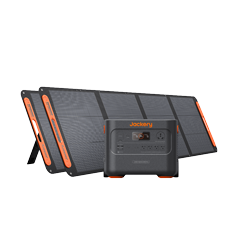
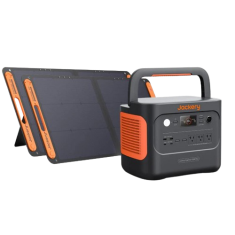
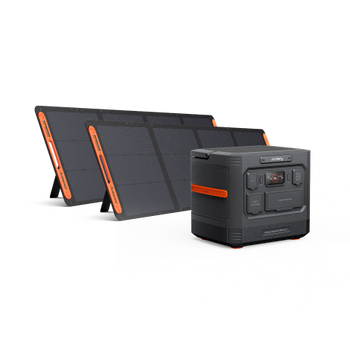
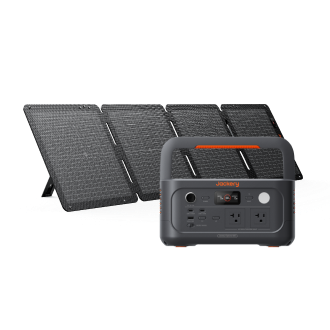
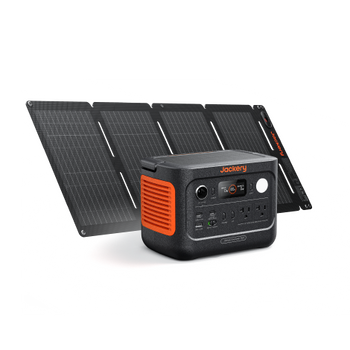
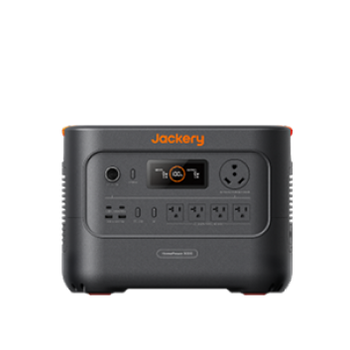
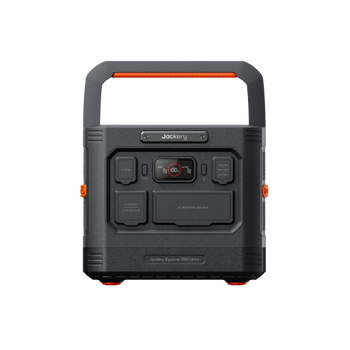
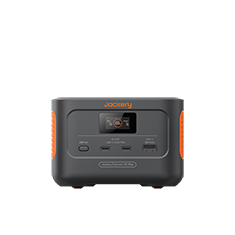
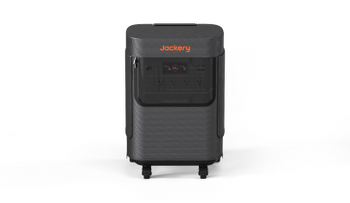
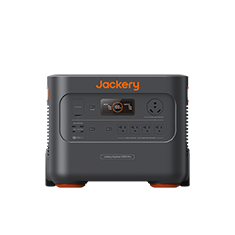
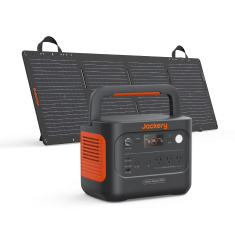
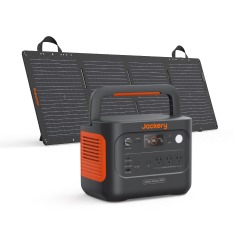
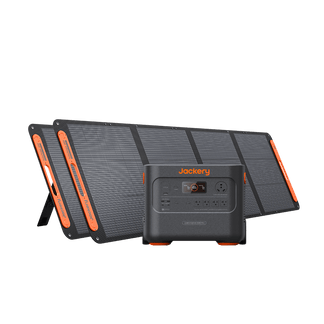
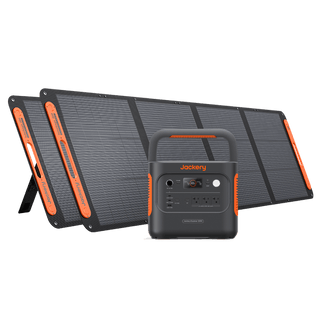
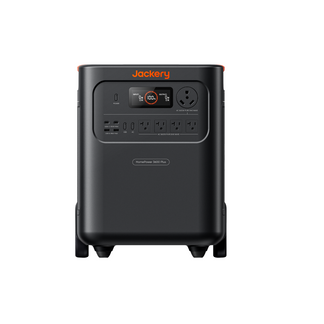
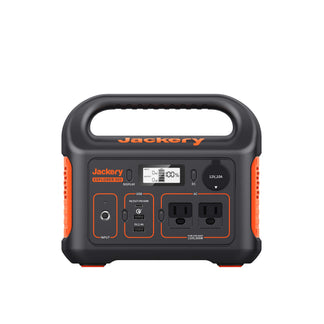
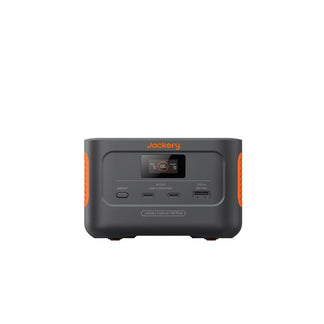
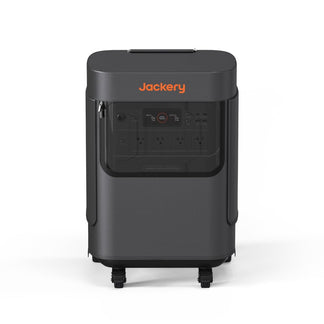
Jackery Solar Generator HomePower 3600 Plus
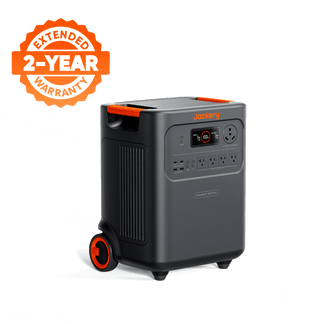
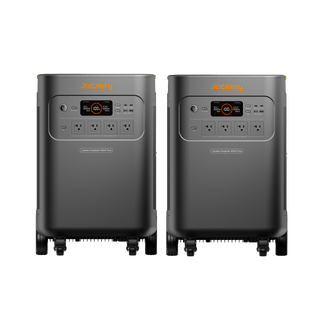
The Jackery Solar Generator HomePower 3600 Plus is a robust, high-capacity home battery backup system. Designed to handle the heavy lifting of modern households, it provides a reliable charging solution that can power most of your household appliances.
By integrating this system into your home, you can shift heavy electrical loads off the grid during peak pricing hours, directly reducing your average household electricity consumption costs. It features ultra-fast solar charging and an upgraded BMS (Battery Management System) for all-around safety.

Key Home Appliance Runtimes:
- Refrigerator (400W): 7-10 Hours
- Microwave (1000W): 2.5-3 Hours
- Window AC unit (1200W): 2-2.5 Hours
- Flat-screen TV (100W): 28-30 Hours
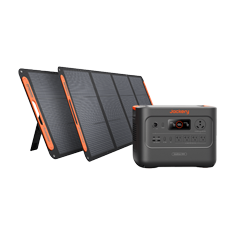
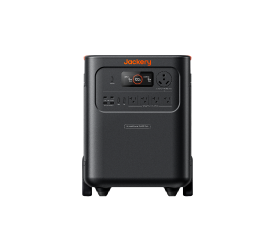
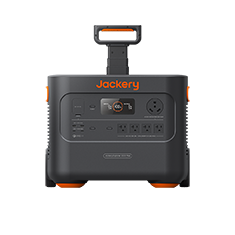
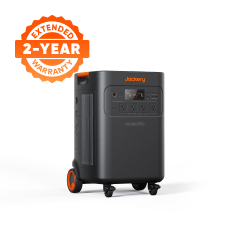
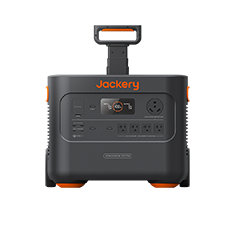
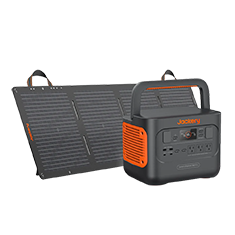
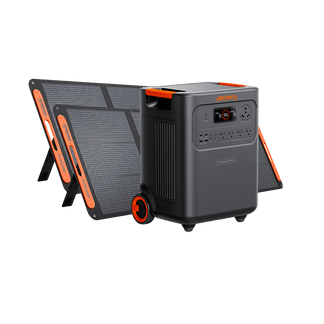
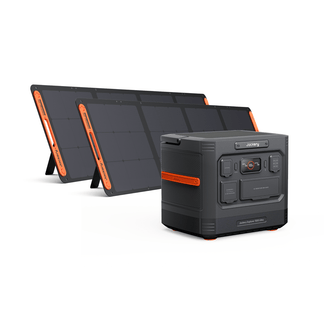
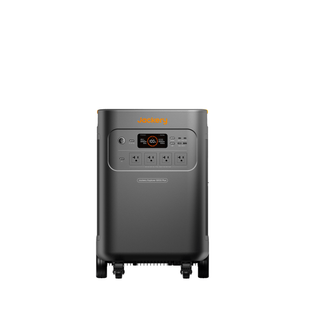
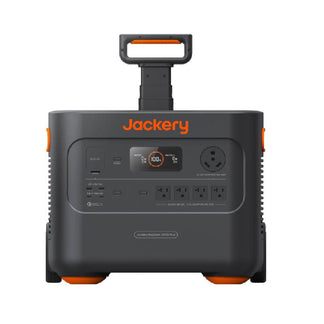
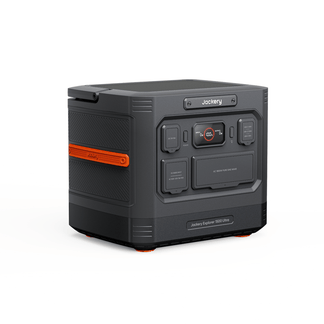
Jackery Solar Generator 5000 Plus
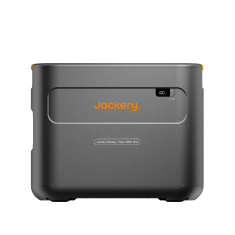
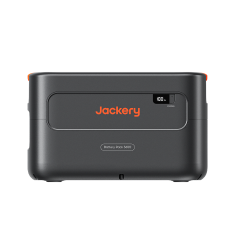
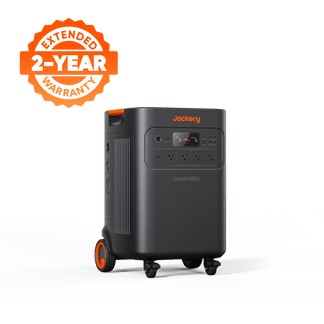
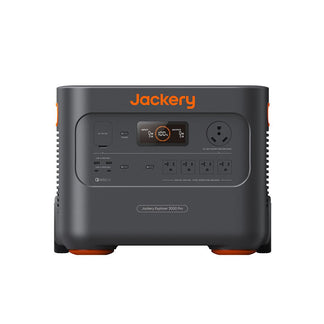
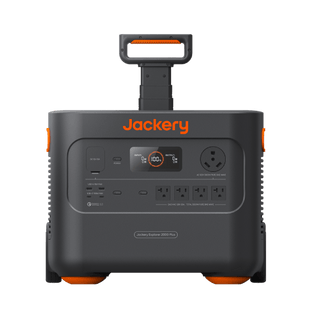
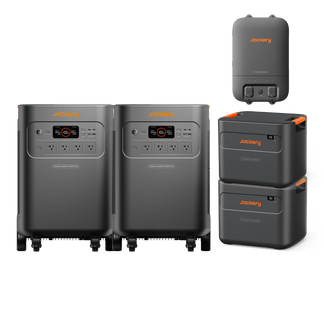
If you have a larger home or require an expandable solution for high-consumption appliances, the Jackery Solar Generator 5000 Plus is the ultimate choice. Built for leaping performance, it easily powers heavy-duty devices and can be expanded to meet the demands of extended power outages.
Featuring an outstanding LiFePO4 battery with a 10-year lifespan, the Jackery Solar Generator 5000 Plus utilizes ChargeShield Technology to boost battery life and ensure safe, steady power. When you charge heavy-duty appliances with this high-capacity solar generator, you significantly reduce your reliance on the utility grid.

Key Home Appliance Runtimes:
- Central Air Conditioner (2000W): 2-2.5 Hours
- Electric Oven (2150W): 1.8-2 Hours
- Washing Machine (500W): 8-9 Hours
- Laptop (50W): 80+ Hours
Average Household Electricity Consumption FAQs
What is the average household electricity usage?
The average U.S. household purchases about 10,791 kilowatt-hours (kWh) of electricity per year. This breaks down to roughly 899 kWh per month.
How much electricity does a house use per day?
On average, a standard U.S. household uses between 29 and 30 kWh per day. This scales up significantly for larger homes, high-occupancy households, or those charging electric vehicles.
Why is my electricity usage 2,000 kWh a month?
Consuming 2,000 kWh a month is exceptionally high. This is typically driven by living in a 4,000+ sq ft home, heavy EV charging, constant pool pump operation, or malfunctioning equipment like broken well pumps and iced-up refrigerators.
What is the average cost of electricity per month?
While rates fluctuate by season and provider, the national average currently hovers around $160 to $175. Location matters immensely. Hawaii residents use the least electricity but face the highest average monthly bills (often exceeding $240) due to steep local rates.
Is a solar generator worth it?
Yes. A solar generator helps you reduce environmental impact, lower electricity bills by offsetting peak grid pricing, and provides critical backup power during outages.
Final Thoughts
Understanding your average household electricity consumption is the first step to taking control of your utility bills. By auditing your daily kWh usage, you can identify energy vampires, optimize your HVAC system, and shift heavy loads to off-peak hours.
To further protect your home from rising grid costs and unexpected blackouts, consider investing in reliable power solutions like the Jackery Solar Generator HomePower 3600 Plus or the Jackery Solar Generator 5000 Plus. Harnessing solar energy empowers you to run your household efficiently, safely, and affordably.