


































































![[Add - on] Jackery Manual Transfer Switch for Explorer 5000 Plus - Jackery](http://www.jackery.com/cdn/shop/files/add-on-jackery-manual-transfer-switch-for-explorer-5000-plus-9017324.png?v=1754016782&width=350)




















![[Add - on] Jackery Battery Pack 5000 Plus - Jackery](http://www.jackery.com/cdn/shop/files/add-on-jackery-battery-pack-5000-plus-6078351.png?v=1754016791&width=324)






![[Add - on] Jackery Car Charging Cable - Jackery](http://www.jackery.com/cdn/shop/files/add-on-jackery-car-charging-cable-3882421.png?v=1754016863&width=324)




















![[Add - on] Jackery Smart Transfer Switch - Jackery](http://www.jackery.com/cdn/shop/files/add-on-jackery-smart-transfer-switch-5842915.png?v=1754016784&width=324)
![[Add - on]Jackery 102W GaN 3 - Port Fast Charger - Jackery](http://www.jackery.com/cdn/shop/files/add-onjackery-102w-gan-3-port-fast-charger-6377742.png?v=1754016790&width=324)


















![[Add - on] SolarSaga 200W - Jackery](http://www.jackery.com/cdn/shop/files/add-on-solarsaga-200w-4834329.png?v=1754016915&width=324)



![[Add - on] Jackery Manual Transfer Switch for Explorer 5000 Plus - Jackery](http://www.jackery.com/cdn/shop/files/add-on-jackery-manual-transfer-switch-for-explorer-5000-plus-9017324.png?v=1754016782&width=324)


The cost of charging a Tesla can swing dramatically based on where you plug in, the time of day, and your local utility's pricing, making it difficult to budget. This guide provides a clear, practical breakdown of the tesla charging cost, helping you calculate, manage, and minimize your expenses for affordable electric vehicle ownership.
What Are the Core Factors Driving Your Tesla Charging Bill?
Understanding the variables that influence your bill is the first step toward controlling your EV charging cost. Several key factors work together to determine the final price you pay to power your vehicle.
Key variables to understand:
- Location & Electricity Rate ($/kWh): This is the single biggest factor. Residential electricity rates in the U.S. can vary widely, typically ranging from as low as $0.10 per kilowatt-hour (kWh) to over $0.30/kWh . States like Hawaii, California, and Massachusetts often have higher rates.
- Charging Method: The type of charger you use has a direct impact on cost. Home charging (Level 1 or Level 2) is the most economical, followed by public Level 2 chargers, with DC Fast Charging stations like Tesla's Supercharger network being the most expensive.
- Vehicle & Battery: Your specific Tesla model's efficiency and battery size matter. Tesla battery capacities range from 75 kWh to 123 kWh. This directly impacts the cost of a full charge.
The simple formula for cost calculation:
Calculating your charging cost is straightforward with a simple formula. It allows you to estimate expenses for any charging session, whether at home or on the road.
-
(kWh needed for charge) x (Your local $/kWh rate) = Total Cost.
An overall cost range for a full charge can be from $10 to over $50, depending on these factors.
Why Is Home Charging Your Most Cost-Effective Strategy?
For the vast majority of Tesla owners, charging at home is consistently the cheapest and most convenient method for meeting daily driving needs.
The average cost to fully charge a Tesla at home is typically between $10 and $20, a fraction of what a comparable amount of gasoline would cost.
How can you optimize home charging for savings?
- Use Time-of-Use (TOU) rates: Many utility providers offer TOU plans with lower electricity prices during off-peak hours, typically overnight. By scheduling your Tesla to charge during these windows, you can potentially cut your tesla charging cost by 50% or more.
- Install a Level 2 charger: While a standard 120V wall outlet (Level 1) can charge your car, it's very slow. A 240V Level 2 charger is faster and more efficient, ensuring your car is ready to go each morning and maximizing your ability to charge during cheap off-peak windows.
- Check for utility rebates: Many utility companies offer special EV charging rate plans. These can help offset the initial cost of home charging equipment, which includes Mobile Connectors, Wall Connectors, or third-party chargers.
What are the challenges for renters and apartment dwellers?
- Explore alternatives: If you live in an apartment or rental where home charging isn't an option, prioritize workplace charging if available. Many employers offer free or low-cost charging as a perk. Community chargers in your neighborhood are another viable option.
- Set realistic expectations: Relying exclusively on public charging networks, especially DC fast chargers, will be significantly more expensive than charging at home. Your overall EV charging cost will resemble gas prices more closely, though likely still cheaper.
How Do You Navigate Public Charging Costs on the Go?
Public charging is essential for long-distance road trips and for drivers who cannot charge at home. While it offers crucial flexibility, it comes at a higher price point than home charging.
Breaking Down the Options and Costs
- Tesla Superchargers: This network is renowned for its speed and seamless integration with Tesla vehicles. Rates are dynamic and vary by location and time of day, with average Supercharger rates around 40-41 cents per kWh. Check the Tesla app for current rates.
- Other Public Networks: Third-party networks offer a mix of charging options. Level 2 public chargers typically have hourly or per kWh costs. Level 3 DC Fast Chargers (non-Tesla) are faster but more expensive than Level 2.
What are some expert tips for road trips?
- Plan ahead: Use your Tesla’s in-car trip planner before you leave. It will automatically map out necessary Supercharger stops and provide estimated charging times and costs.
- Charge only what you need: To save both time and money, don't feel obligated to charge to 80% or 90% at every stop. Charge just enough to comfortably and safely reach your next charging stop or final destination.
- Avoid idle fees: Tesla charges per-minute idle fees if your car remains plugged in after its charging session is complete. Supercharger Membership can also be considered for frequent users.
How Can Solar Generators Lower Your EV Charging Net Cost?
While a portable solar generator cannot directly charge a power-hungry Tesla EV, it serves as a powerful tool for strategic energy management. By using a solar generator to power other household appliances, you can significantly reduce your home's total electricity bill, which in turn lowers the net cost of your EV charging. Solar panels are the cheapest long-term charging option.
How can you maximize savings under specific utility rate structures?
Your utility's rate structure determines the best way to leverage a solar generator.
-
Tiered Rate Structures: Under this model, the price per kWh increases as your total monthly energy consumption moves into higher "tiers." By powering some of your appliances with a solar generator, you can keep your household's total grid usage down, preventing you from entering more expensive upper tiers.
Recommended Solar Generators
-
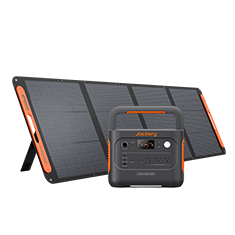
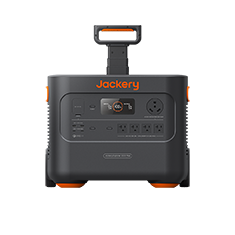
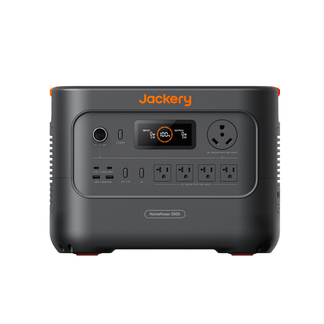
Jackery Solar Generator 2000 Plus:
- Expandable capacity from 2 kWh to an impressive 24 kWh.
- Up to 6000W output to power most home appliances.
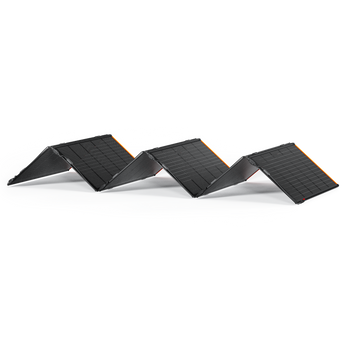
- Ultra-fast solar charging in as little as 2 hours (with 6x 200W solar panels).
- Use it to run a refrigerator, microwave, home office setup, or entertainment system during peak hours, directly reducing your grid consumption.

-
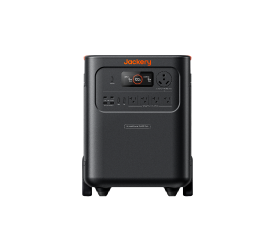
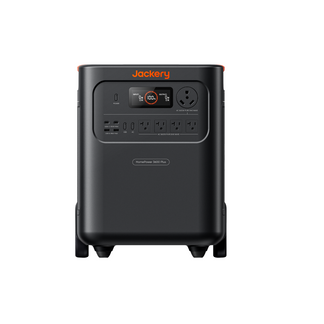
Jackery Solar Generator HomePower 3000:
- Massive 3072Wh capacity and 3600W (7200W Surge) output.
- Fully charges in 1.7 hours via a wall outlet.
- Smart app control for easy management.
- On a single charge, this unit can power an energy-efficient refrigerator (200W) for 24-48 hours, completely offsetting its draw from the grid.

This strategy effectively reduces your reliance on grid electricity, especially during the most expensive times of day. This lowers your overall electricity bill, making the portion attributed to your Tesla charging even more affordable.
For example, if you are wondering about the average electric bill in Tennessee or the average electric bill in Georgia, using a solar generator can help keep your costs below those regional averages. The cost of solar charging is about $0.06 per kWh.
How Does a Tesla Compare to a Gas Car in Cost?
When you focus on home charging, the financial benefit of driving a Tesla becomes undeniable. The per-mile cost is dramatically lower than that of an internal combustion engine (ICE) vehicle. The savings are particularly stark in states with high gas prices but average electricity rates, such as those seen in the average electric bill in Texas or the average electric bill in Las Vegas.
|
Vehicle Type |
Assumptions |
Estimated Cost Per Mile |
|---|---|---|
|
Tesla (Home Charging) |
$0.15/kWh, 4 miles/kWh efficiency |
$0.04 - $0.13 |
|
Gas Car (Average Sedan) |
25 MPG, $4.00/gallon gasoline |
$0.16 |
Quantifying these savings on an annual basis reveals a compelling financial picture. A Tesla costs around 4 to 13 cents per mile to charge, compared to about 16 cents per mile for a gas car. The average monthly cost to charge a Tesla at home is around $47.35, while the estimated average monthly gas cost is about $204. This represents potential savings of over $150 per month or $1,800 annually.
It is important to include a few caveats in your calculation. Your total savings will be slightly reduced by the occasional need for more expensive public charging on road trips and any initial setup costs for installing a Level 2 home charger. While Teslas have a higher upfront cost, their operating costs are much lower.
Quick Answers to Common Tesla Charging Questions
How much does a full charge cost?
At home, a full 0-100% charge often costs between $10 and $20, depending on your battery size and electricity rate. At a Supercharger, the same charge could cost $25 to $40 or more.
Is charging a Tesla cheaper than gas?
Yes, in almost all scenarios, the tesla charging cost is significantly cheaper than gas, especially when charging primarily at home. Savings on a per-mile basis can be between 50-70%.
How does cold weather affect cost?
Expect 10-20% higher energy consumption, and thus a higher EV charging cost, in cold climates. This is due to the energy required for battery heating and maintaining cabin temperature.
What if I can't charge at home?
Your running costs will be noticeably higher. To keep expenses down, prioritize finding reliable and affordable workplace or public Level 2 charging stations for your daily needs.
How does battery degradation over time impact charging costs or range, and what can owners do to mitigate it?
Battery degradation slightly reduces total range, meaning you may need to charge marginally more often for the same trips over time. To prolong battery life, avoid frequent charging to 100% or deep discharges to 0%, and limit repeated DC fast charging sessions.
What are the potential hidden costs of Tesla ownership beyond charging, such as maintenance or insurance, that new buyers should consider?
Beyond charging, new buyers should budget for higher insurance premiums, which are common for EVs, and potential tire replacements. However, maintenance costs are generally lower due to fewer moving parts compared to a gas car.
Are there any government incentives or tax credits for EV charging equipment installation that could further reduce upfront costs?
Yes, many federal, state, and local utility programs offer tax credits or rebates for the purchase and installation of home charging equipment. Check resources like the Database of State Incentives for Renewables & Efficiency (DSIRE) for current offers.
How reliable are the cost estimates provided by Tesla's in-car navigation for Supercharger stops, and should owners double-check them?
The in-car estimates are generally reliable for planning purposes but are subject to real-time price changes. It's wise to tap the Supercharger icon on your screen before you arrive to verify the current, live per-kWh rate.
Beyond solar generators, what other smart home energy management systems or devices can integrate with EV charging to optimize costs?
Smart electrical panels and home energy monitoring systems can track your household's consumption and intelligently schedule EV charging. These systems can work with your utility's rate plan to ensure you always charge at the cheapest possible time.