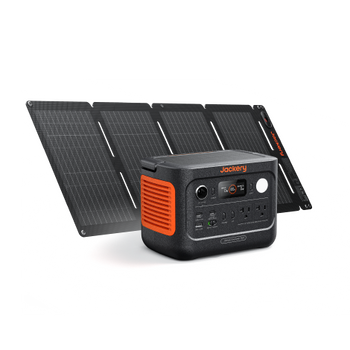

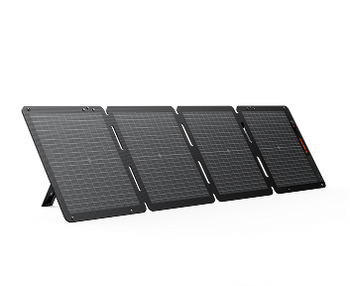
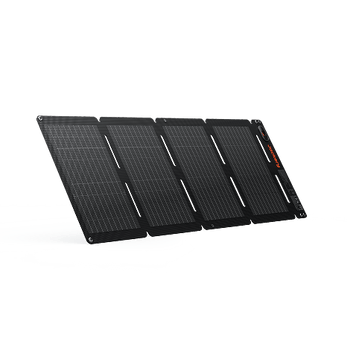


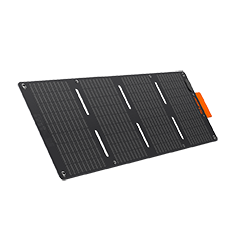



![[Add-on] Jackery SolarSaga 500 X - Jackery](http://www.jackery.com/cdn/shop/files/add-on-jackery-solarsaga-500-x-1493607.webp?v=1786503068&width=324)
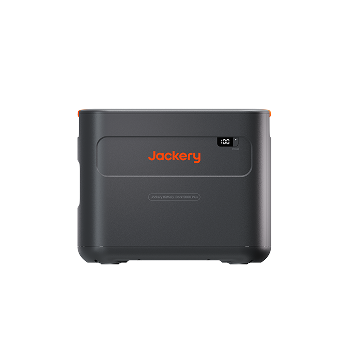
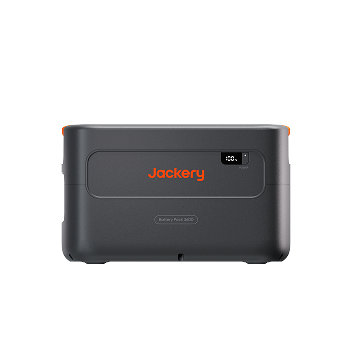
![[Add-on] Jackery Battery Pack 5000 Plus - Jackery](http://www.jackery.com/cdn/shop/files/add-on-jackery-battery-pack-5000-plus-6713401.webp?v=1786503068&width=324)
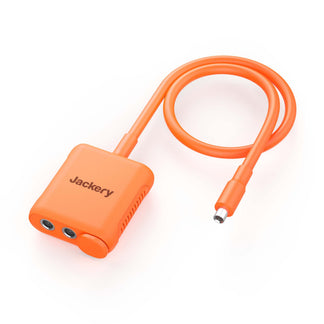
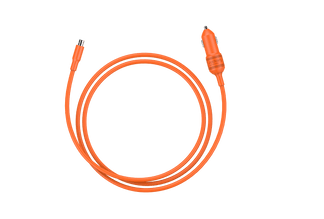
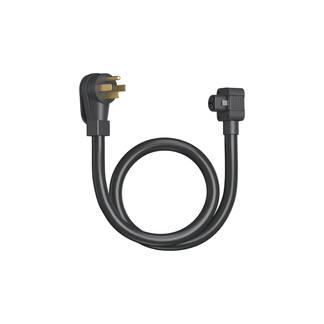
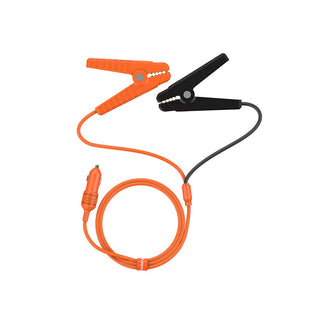
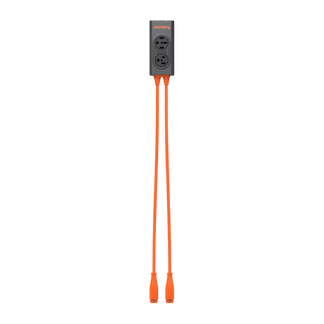





Smart Home Energy Management (SHEMS) is the brain of a modern electrical system, connecting energy sources (grid, solar, battery) with consumers (HVAC, lights, appliances). Traditional backup solutions often fail because grid-tied solar panels shut down automatically during outages to protect utility workers, and gas generators rely on fuel supply chains that break during disasters.
A robust SHEMS overcomes these limitations by detecting grid failure and isolating the home for safety. The system instantly switches to battery reserves, protecting sensitive electronics like gaming PCs from dirty power or sudden shutdowns.
Core Components of a Modern SHEMS
A functional energy management system requires specific hardware to monitor, control, and supply power efficiently.
Central Hub and Connectivity
A central hub acts as the local controller for your energy system, using protocols like Wi-Fi, Zigbee, or Z-Wave to communicate with devices. While cloud connectivity allows for remote monitoring, resilient local control is mandatory. If the internet fails during a storm, the hub must still manage loads and execute automation routines locally to ensure the home remains operational.
Smart Thermostats
Smart thermostats integrate with the SHEMS to perform automated setbacks, as HVAC systems are typically the largest energy draw in a home. During a power outage, the thermostat adjusts the temperature to a preservation mode. This action significantly reduces the load on the backup battery and extends the runtime of the generator.
Energy Monitors (Panel vs. Plug)
Energy monitoring hardware provides the data necessary to manage consumption.
- Whole-Panel Monitors: These devices use Current Transformers (CTs) clamped inside the breaker panel to track total home usage and prioritize circuits.
- Plug-Level Monitors: Smart plugs sit between the wall and the device to identify specific energy hogs like older dehumidifiers.
These monitors provide critical alerts. If a sump pump stops drawing power during a rainstorm, the system notifies the homeowner of the potential failure immediately.
Smart Lighting and Loads
Smart lighting integration extends battery duration during emergencies. When the SHEMS detects a grid outage, it automatically turns off non-essential lights in unoccupied rooms via occupancy scheduling. This load shedding preserves battery reserves for critical needs like refrigeration and communication.
Integration with Backup Power
High-capacity battery systems must integrate into the stack to keep the lights on. The backup source communicates its state of charge (SoC) to the central hub. This data allows the house to shed heavy loads automatically as the battery drains, ensuring the backup power unit prioritizes essential circuits.
Strategic Energy Auditing and Baselines
Defining an energy profile is the first step before purchasing hardware.
Data-Driven Baselines
An energy baseline defines your home's idle power draw and peak usage times. Reviewing utility interval data, typically available in 30-minute increments, reveals exactly how much storage is required. Accurate sizing of a Jackery Solar Generator depends on this hard data rather than estimates.
Categorizing Loads
Segmenting devices into three tiers prioritizes power distribution effectively:
- Critical: Medical devices, refrigerator, well pump, security system.
- Essential: LED lighting, internet router, phone charging.
- Deferrable: Laundry, dishwasher, EV charging, pool pumps.
Peak Shaving Analysis
Smart management saves money by identifying peak rate hours and shifting loads. The system can program flexible loads like dishwashers to run during off-peak times. Alternatively, the home can utilize battery power during high-rate windows to avoid expensive grid electricity.
Envelope Optimization
Improving insulation and air sealing reduces the demand on heating and cooling systems. A tighter building envelope significantly extends the runtime of the backup power system by reducing the frequency of HVAC cycles, making the stored energy last longer.
Integrating Portable Power for Resilience
Portable power stations serve as the central hub for resilience, bridging the gap when the grid fails.
Role of High-Capacity Storage
Modern battery systems provide clean, silent power immediately without the fumes of gas generators. These units act as a buffer, absorbing solar energy during the day and dispensing it at night. Understanding the daily uses for your solar home backup generator helps maximize ROI beyond just emergencies, allowing the system to serve as a daily energy asset.
Solar and Battery Interaction
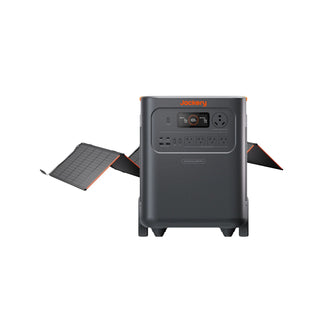
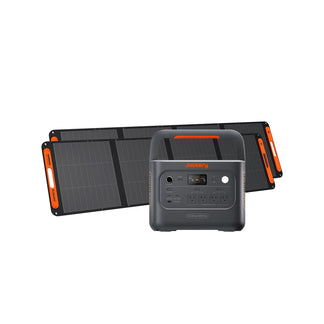
Backup systems must support island mode to keep solar panels working during a blackout. Batteries harvest solar energy independently of the grid, creating a self-sustaining loop. This capability allows the Jackery Solar Generator to recharge daily without relying on fuel delivery.
Seamless Switchover (UPS/EPS)
Transfer speed is critical for protecting sensitive electronics.
- UPS (Uninterruptible Power Supply): Ensures a transfer time of 0ms to <20ms, keeping desktop computers and routers running without data loss.
- EPS (Emergency Power Supply): Provides a slightly slower switchover sufficient for appliances like fridges and lights.
Product Examples (High-Capacity Solutions)
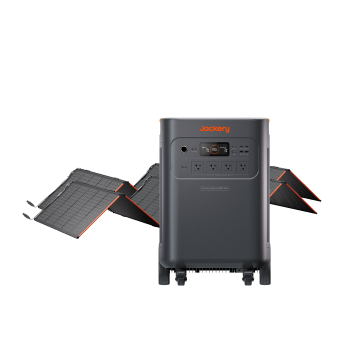
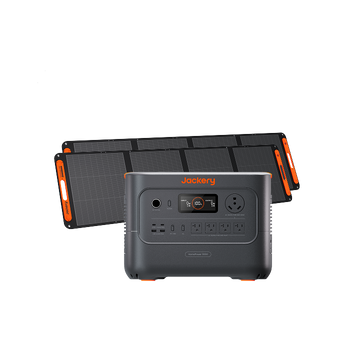
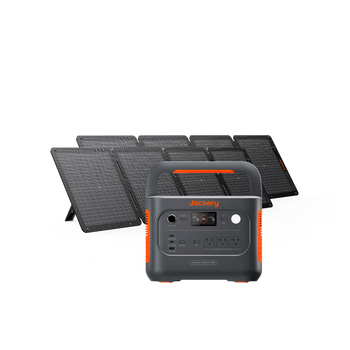
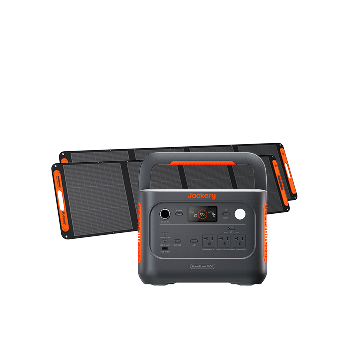
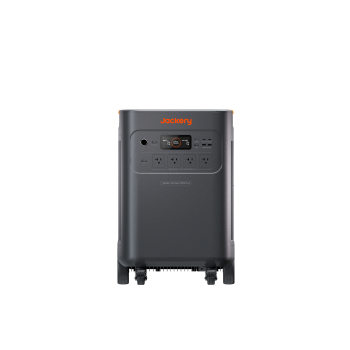
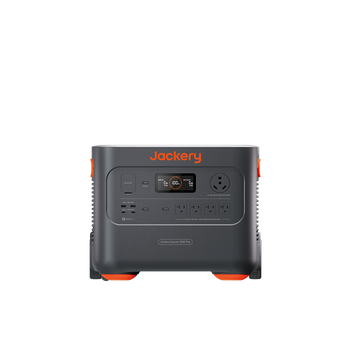
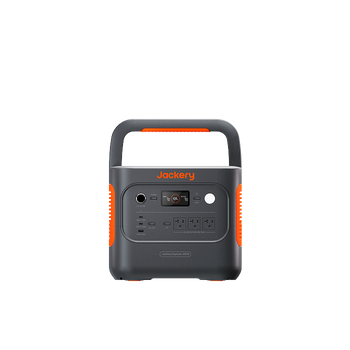
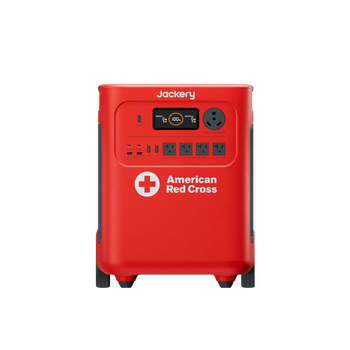
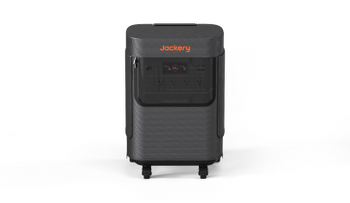
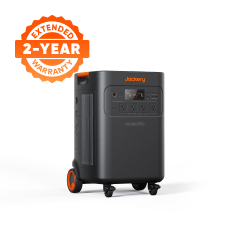
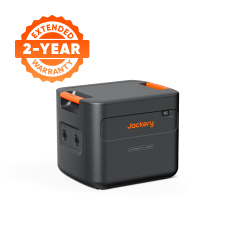
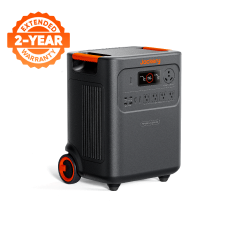
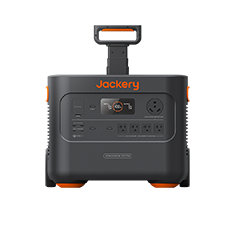
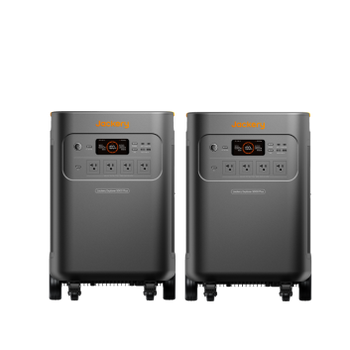
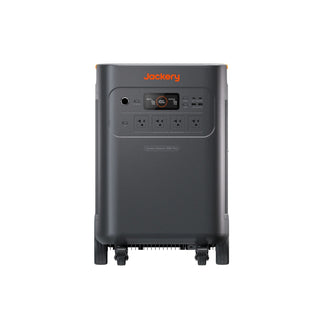
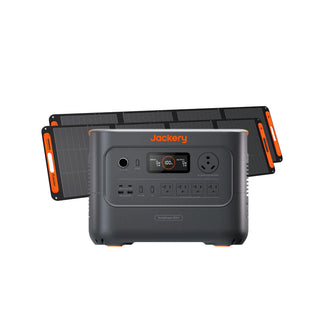
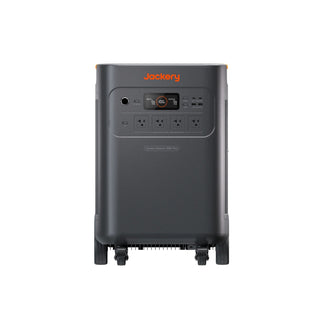
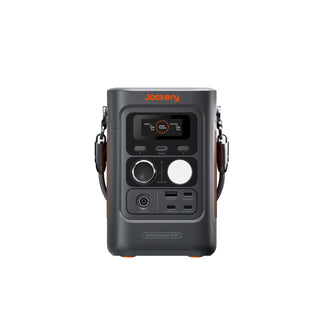
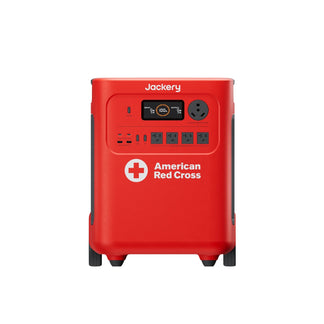
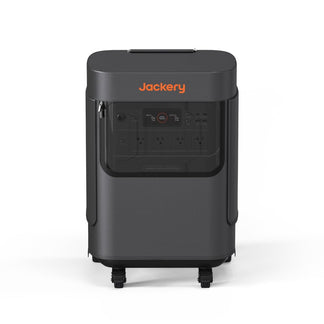
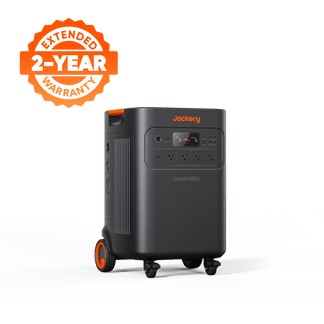
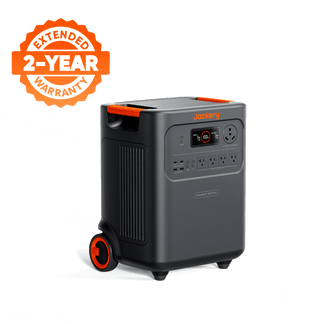
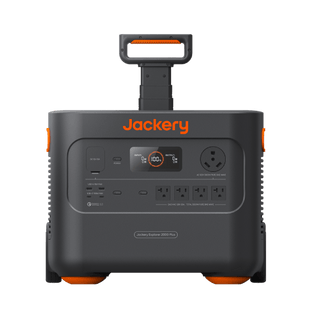
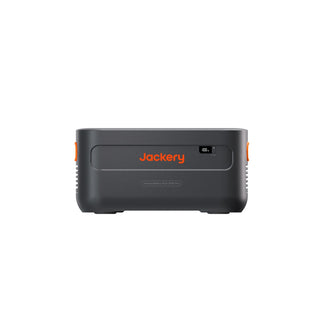
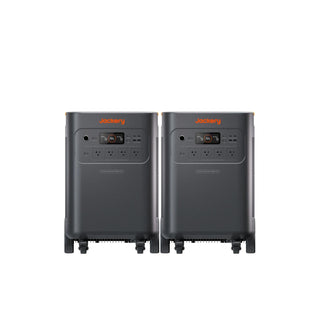
- Jackery Solar Generator 5000 Plus: This unit features a 0ms UPS switchover, making the generator ideal for home offices and medical equipment. It offers dual voltage output (120V/240V), capable of powering heavy-duty appliances like well pumps and dryers directly.

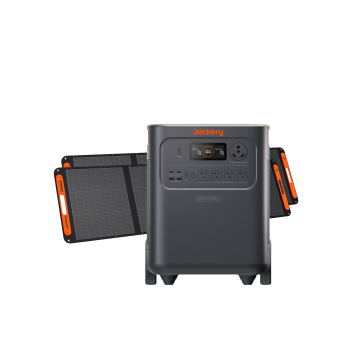
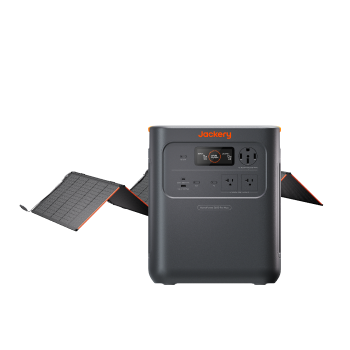
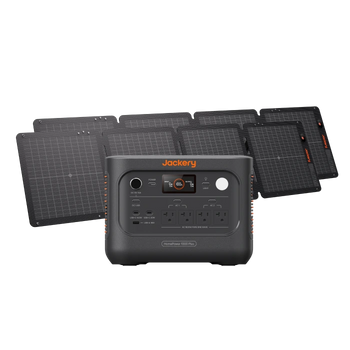
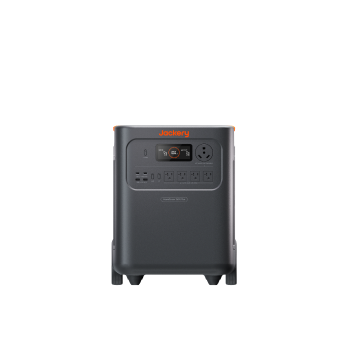
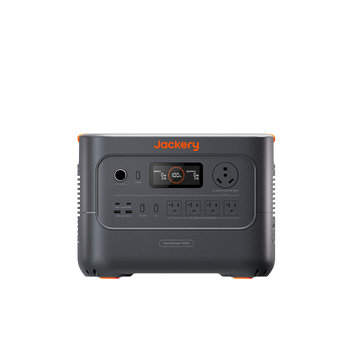
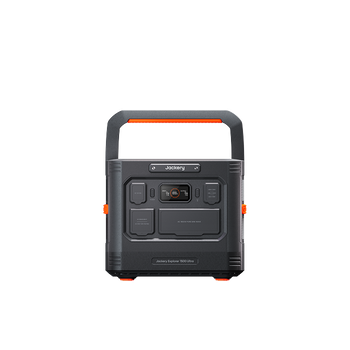
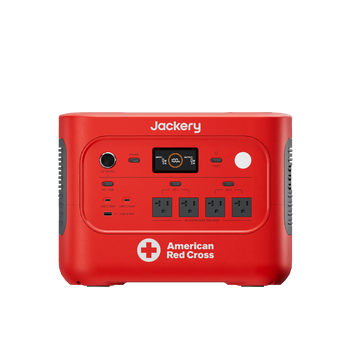
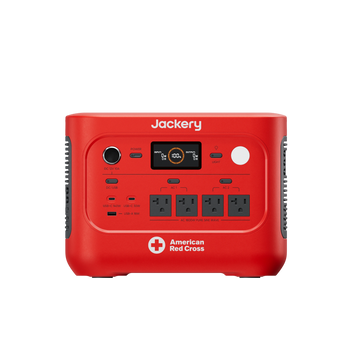
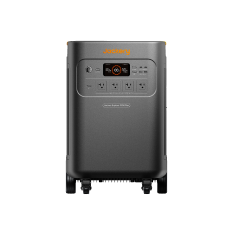
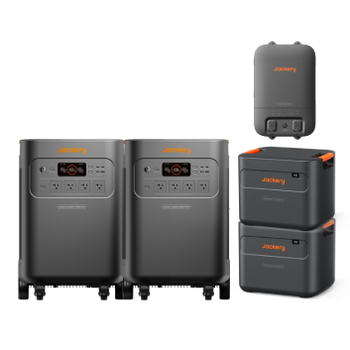
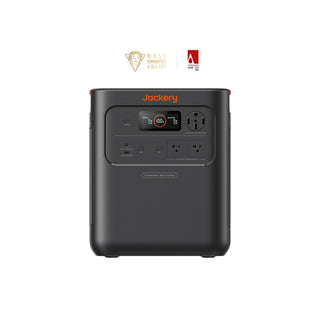
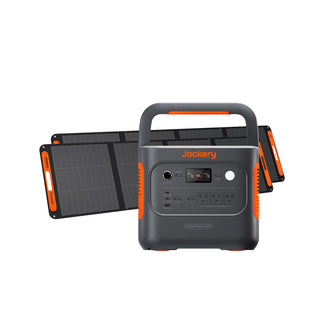
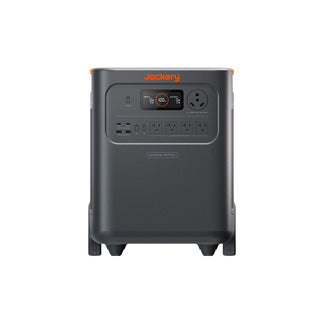
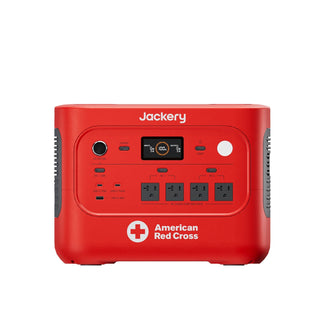
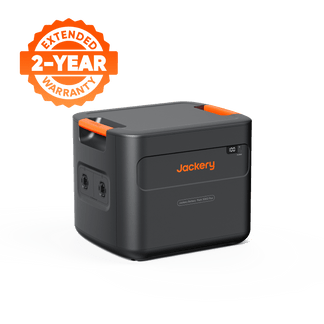
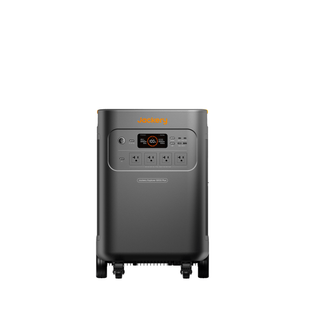
- Jackery Solar Generator HomePower 3600 Plus: This system provides a <20ms EPS switchover. The unit handles essential circuits easily and offers massive expansion potential for versatile home integration.
Scalability and Expansion
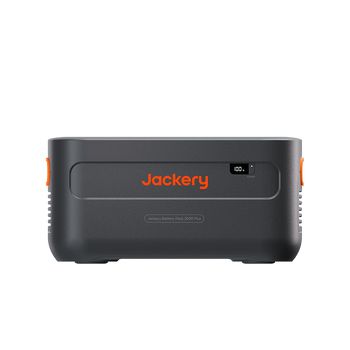
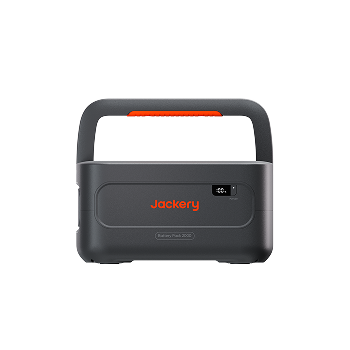
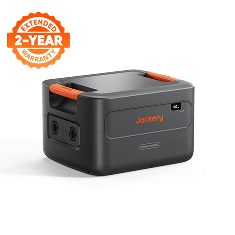
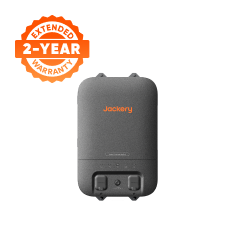
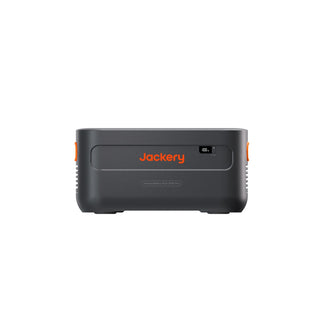
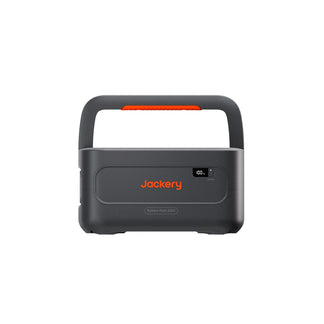
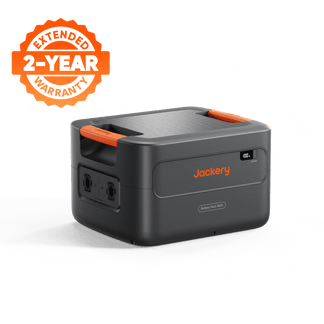
Modular systems allow capacity to increase without replacing the main unit. A homeowner can expand a home backup system from a base of 5kWh up to 60kWh by adding battery packs, ensuring runtime scales with the family's growing energy needs.
Safe Installation and Connection Methods
Connecting a high-capacity battery to home wiring requires strict adherence to safety codes.
Transfer Switches
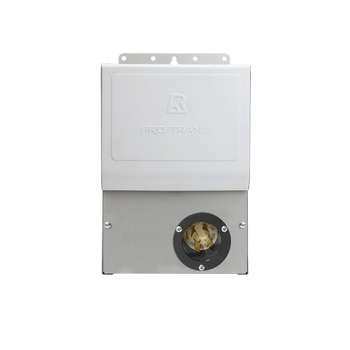
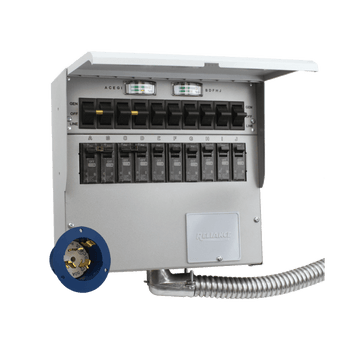
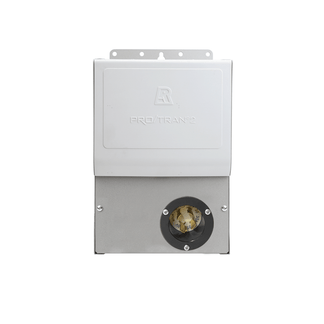
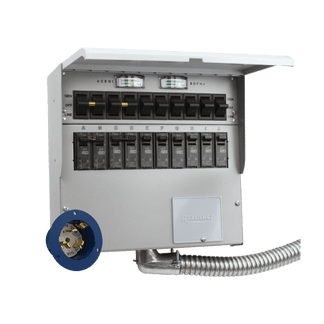
A transfer switch physically isolates selected circuits from the grid to power them safely. A licensed electrician must install this device next to the main panel. This isolation allows the home backup system to power hardwired circuits like furnaces and ceiling fans without risk.
Interlock Kits
An interlock kit is a code-compliant metal plate that prevents the main grid breaker and generator breaker from operating simultaneously. This cost-effective alternative to a transfer switch ensures safety while allowing the homeowner to energize any circuit in the panel up to the generator's limit.
Backfeeding Dangers
WARNING: Never plug a generator directly into a standard wall outlet using a male-to-male suicide cord. This action causes backfeeding, sending high-voltage electricity back onto utility lines which can electrocute workers. Homeowners learning how to build a secure power backup for home appliances must prioritize proper inlet boxes and transfer mechanisms to avoid this fatal error.
Grounding and Bonding
Proper grounding ensures breakers trip correctly during a fault. Portable stations are often floating neutral, while home panels are bonded. An electrician will manage this compatibility during the transfer switch installation to follow manufacturer guidelines.
Capacity Planning and Load Management
Sizing a system requires distinguishing between instantaneous power and total energy capacity.
Power (Watts) vs. Energy (Wh)
- Power (Watts): The instantaneous draw that determines what can run simultaneously (e.g., a microwave and a heater).
- Energy (Watt-hours/Wh): The fuel tank capacity that determines how long those devices can run.
Surge vs. Running Watts
Motors in refrigerators and AC units require a massive spike of power to start, often 3x their running wattage. The inverter must handle this surge. The Jackery Solar Generator 5000 Plus handles surges significantly higher than its rated running watts, accommodating heavy inductive loads without tripping.
Prioritization Strategy
A Survival Mode list dictates which devices run during grid failures. The smart home system should cut power to deferrable loads immediately. Medical devices and refrigeration take precedence over comfort loads like electric ovens.
Battery Chemistry Benefits
LiFePO4 (LFP) batteries offer superior safety and a lifespan of 4,000+ charge cycles. This longevity compares favorably to the 500-800 cycles of older chemistries. Both the Jackery Solar Generator 5000 Plus and Jackery Solar Generator HomePower 3600 Plus utilize durable LFP chemistry, ensuring over a decade of reliable service.
Automation and Future-Proofing
A truly smart home energy management system anticipates needs through data and automation.
Smart Charging and Forecasting
Advanced systems utilize weather data APIs to prepare for outages. If a storm is predicted, the SHEMS automatically charges the batteries to 100% from the grid before the weather hits, ensuring maximum readiness.
Home Automation Integration
Connecting battery status to smart hubs like Home Assistant allows for automated routines. For example, If battery drops below 50%, turn off the smart plug controlling the dehumidifier. This automation removes human error from emergency load shedding.
Modular Expansion
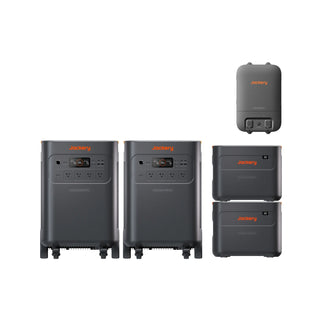
Select systems that grow with your needs. Starting with a base unit like the Jackery Solar Generator HomePower 3600 Plus (3.6kWh) allows for adding battery packs later to reach up to 21kWh. This modularity prevents the need to buy an entirely new system if energy needs increase.
Sustainability
Systems compatible with solar charging reduce the home's carbon footprint. Cycling the battery daily—charging with solar and discharging during peak grid times—maximizes the utility of the hardware while lowering emissions.
Troubleshooting Common Questions
- Solar Islanding: Grid-tied systems shut down during outages to prevent backfeeding; you must have a battery with islanding capability to create a local microgrid and harvest solar power when the grid is down.
- 240V Requirements: Standard units only provide 120V; a split-phase capable unit (like the Jackery Solar Generator 5000 Plus) is required to power heavy-duty appliances like well pumps, dryers, or central AC.
- EV Emergency Charging: Home backups should only be used for emergency EV range (10–20 miles), as a full vehicle charge will instantly deplete most home battery reserves.
- Transfer Switches: A transfer switch is mandatory for hardwired essentials like furnaces; however, plug-in appliances (fridges, routers) can be powered via extension cords in an emergency.
Conclusion and Next Steps
Achieving energy resilience is a structured process of visibility, implementation, and integration.
- Phase 1: Visibility. Install energy monitors to understand consumption and define critical loads.
- Phase 2: Backup Implementation. Deploy a scalable solution like the Jackery Solar Generator 5000 Plus to secure the power supply.
- Phase 3: Integration. Install transfer switches and automate load shedding for seamless protection.
Safety First: Always consult licensed professionals for hardwired installations and adhere to local codes. Homeowners can learn how to DIY home battery backup solutions to start small before scaling up to full-home integration.
Frequently Asked Questions
Can I integrate my power station with my smart home using the Matter protocol?
Yes. The Matter standard is evolving to include energy management, allowing for cross-brand interoperability. This enables your smart home hub to read battery data and control power stations alongside your lights and thermostats for unified energy management.
How do I properly maintain a Lithium (LiFePO4) battery?
To maximize the 4,000+ cycle lifespan, store your battery at a 50–80% state of charge in a dry environment between 32°F and 86°F. Check the charge level every 3–6 months to ensure health.
Can a smart plug automatically switch my devices to battery power?
No. Smart plugs cannot physically switch power sources, but they can be used for automation. You can set routines to notify you when utility rates peak or to turn off non-essential devices when the grid fails.
Do I need a permit to install a transfer switch?
Yes. Most municipalities require an electrical permit because installing a transfer switch involves modifying the main service panel. A licensed electrician must perform the work to ensure compliance with the National Electrical Code (NEC) regarding grounding and grid isolation.
How does cold weather affect battery performance?
Low temperatures increase internal resistance, which can temporarily reduce effective capacity. To maintain full power, keep the unit indoors or use an insulated cover to ensure the battery temperature remains above freezing during operation.


