








![[Add-on] Jackery SolarSaga 500 X - Jackery](http://www.jackery.com/cdn/shop/files/add-on-jackery-solarsaga-500-x-1493607.webp?v=1786503068&width=324)
![[Add-on] Jackery Battery Pack 5000 Plus - Jackery](http://www.jackery.com/cdn/shop/files/add-on-jackery-battery-pack-5000-plus-6713401.webp?v=1786503068&width=324)



![[Add - on] SolarSaga 200W - Jackery](http://www.jackery.com/cdn/shop/files/add-on-solarsaga-200w-4834329.png?v=1754016915&width=324)



Can you camp on BLM land? The answer is generally yes, with most dispersed areas allowing stays of up to 14 days. While public lands offer immense freedom, fears regarding fines, safety, and off-grid power often deter beginners. This guide maps out legal spots, the essential 14-day rule, and power solutions, helping you confidently access millions of acres for your next adventure.
What is BLM Land and Is Camping Allowed?
The Bureau of Land Management (BLM) oversees 245 million acres of public land, primarily located in the Western United States. These are multi-use lands designated for livestock grazing, energy development, conservation, and recreation. Because these lands belong to the public, dispersed camping is a recognized and protected use.
Where Is Camping Permitted on BLM Land?
Camping is permitted on the majority of BLM land. Unless a specific area is marked as Closed to Camping, Day Use Only, or is a designated wilderness area with specific restrictions, you are free to set up camp. This accessibility makes free camping on blm land one of the most popular ways to explore the outdoors on a budget.
How Do Local Field Offices Affect Rules?
BLM regulations vary by district because the agency is divided into local Field Offices that manage regions based on specific environmental needs. One district might allow campfires, while a neighboring district strictly prohibits them due to drought conditions. You must always verify rules with the specific Field Office managing the area you intend to visit.
What is the Difference Between Dispersed and Developed Camping?
Understanding the difference between dispersed camping and developed campgrounds is vital for planning your trip. The experience, amenities, and costs vary significantly between the two styles.
How Does Dispersed Camping Work?
Dispersed camping, often called boondocking, refers to camping outside of a designated campground without services. These areas have no trash removal, water spigots, or restrooms. This style suits self-sufficient travelers seeking solitude, flexibility, and zero nightly fees.
While usually free, some high-traffic dispersed areas now require permits. Popular destinations have implemented low-cost permit systems to manage human impact and fund waste removal. Travelers planning to dry camping everything you need to know without hookups should check local signage or online maps before settling in.
Many developed BLM campgrounds operate on a first-come, first-served basis, but popular locations increasingly require reservations. You can check availability and book sites through the federal portal.
What Are the BLM Camping Rules?
To prevent public lands from becoming permanent residential areas, the BLM enforces strict stay limits. Understanding these rules protects you from fines and ensures these lands remain open for everyone.
What Is the 14-Day Camping Limit?
The 14-day rule states that you may camp at a single location for no more than 14 days within a 28-day period. The 14-day count begins as soon as you set up camp. Even if you leave the site for a day to resupply, the count continues until you move the required distance.
How Far Must You Move After 14 Days?
Once you reach the 14-day limit, you must move at least 25 miles away from your original spot (distance varies by Field Office). You cannot return to the original location until the 28-day cycle has reset. This rule prevents homesteading and allows vegetation to recover.
Can You Live on BLM Land?
No, BLM land is designated for recreation, not residency. Rangers look for signs of permanent occupation, such as excessive trash accumulation, semi-permanent structures, or unattended gear left for long periods. Unattended property left for more than 72 hours may be considered abandoned and confiscated.
How Should You Select a Site?
Responsible site selection requires camping on durable surfaces like bare soil, rock, or gravel. Do not crush vegetation to create a new spot. Look for existing disturbed sites—areas where previous campers have flattened the ground or built fire rings—and use those to minimize your environmental footprint.
What Are the Fire Restrictions on BLM Land?
Preserving public lands requires strict adherence to safety and environmental protocols. Fire safety is paramount, especially in the arid West where wildfire risk is high.
When Are Campfires Prohibited?
Fire bans are common and depend on current Stage 1 or Stage 2 restrictions. Before lighting any flame, you must check the current Fire Restrictions for the specific BLM district. High-level restrictions often prohibit campfires, charcoal grills, and sometimes even smoking outside of a vehicle. Ignorance of these bans is not a valid legal defence.
How Should You Manage a Campfire?
If fires are allowed, use existing metal or rock fire rings rather than building new ones. Keep fires small and manageable. When extinguishing a fire, drown it with water, stir the ashes, and drown it again. You should be able to touch the ashes with your bare hand before leaving the site.
What Gear Do You Need for BLM Camping?
Success on BLM land depends on your gear. Without utility hookups, you must bring your own life support systems for water, navigation, and power.
How Much Water Should You Bring?
Plan to carry a minimum of one gallon of water per person, per day, for drinking and basic hygiene. Water is your heaviest and most critical resource, so increase this amount in hot climates. Always carry a backup filtration system to purify water from natural sources like creeks or rivers if you run out.
How Do You Navigate Without Service?
Cell service is rarely guaranteed in dispersed camping areas, so relying solely on Google Maps can be dangerous. Download offline maps and Motor Vehicle Use Maps (MVUMs) before you leave civilization. These official maps show exactly which forest roads are open to motor vehicles.
What Is the Best Power Source for Boondocking?
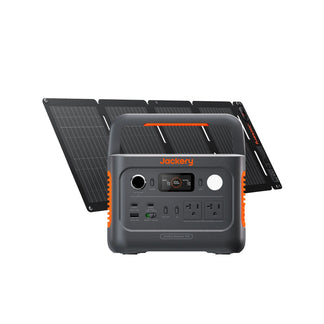
Solar generators offer a quiet, fume-free alternative to gas generators for off-grid power. While gas generators are noisy and require fuel storage, a solar solution allows you to run essential devices without disturbing wildlife or neighbors.
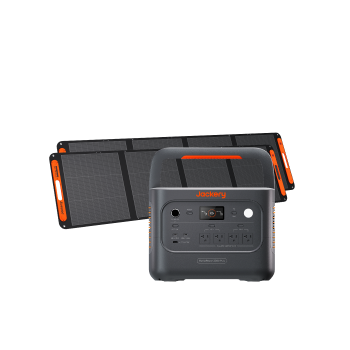
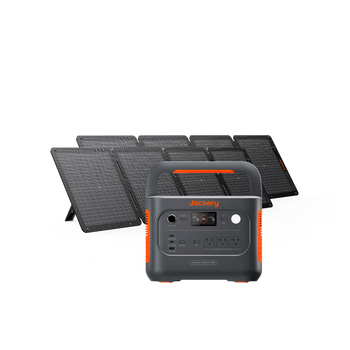
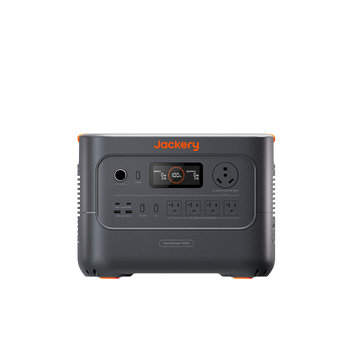
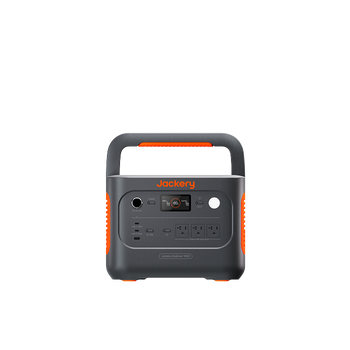
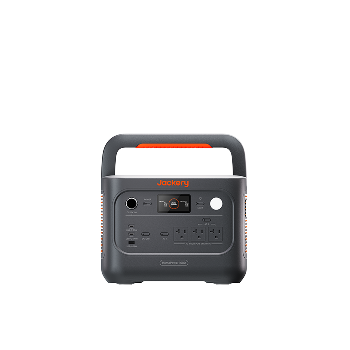
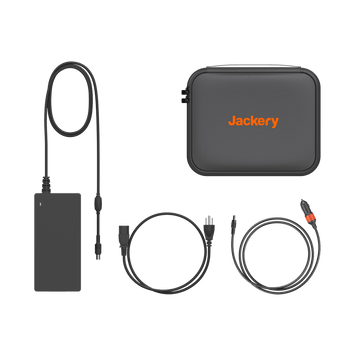
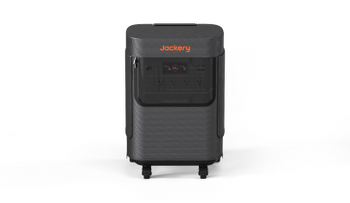
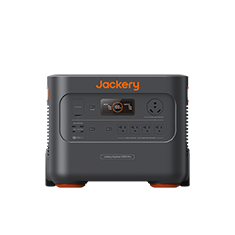
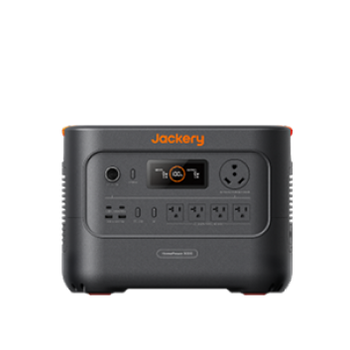
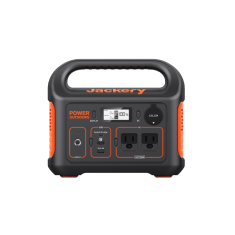
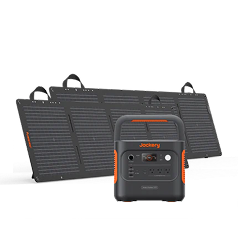
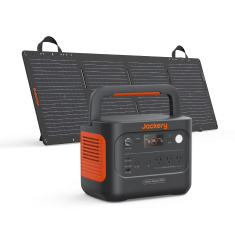
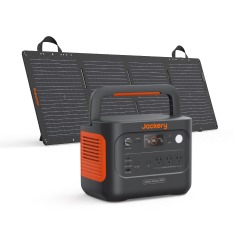
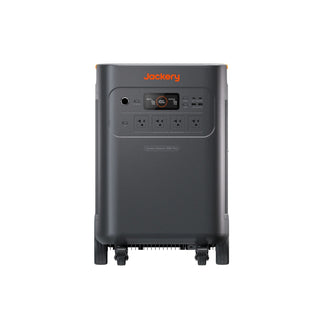
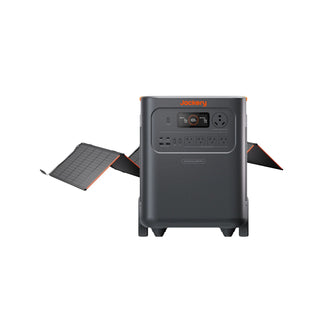
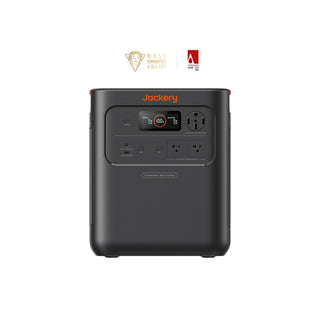
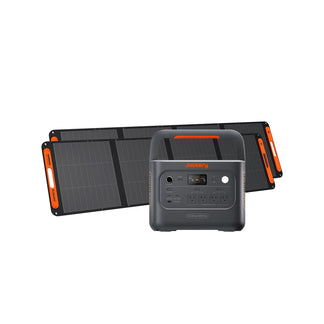
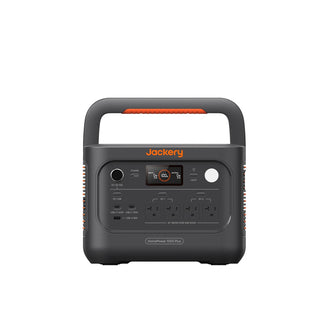
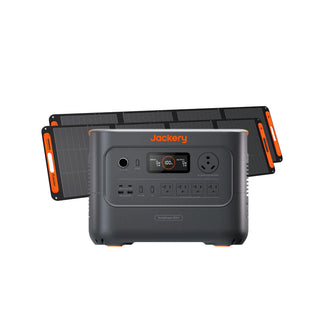
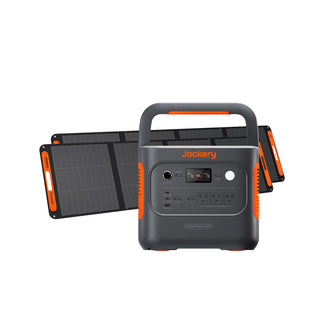
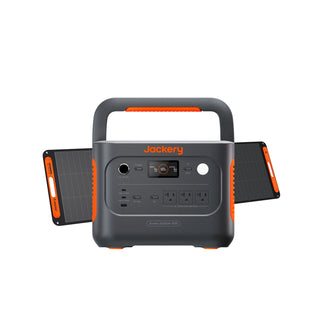
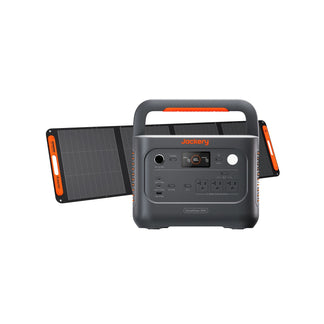
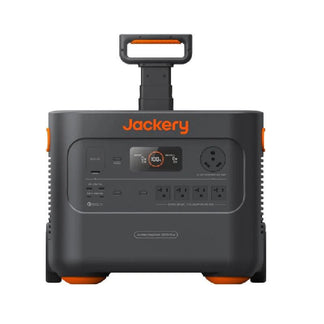
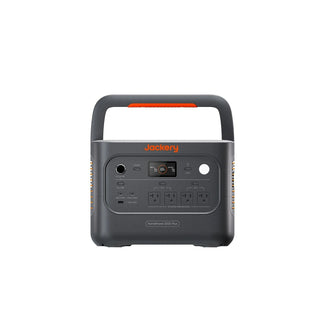
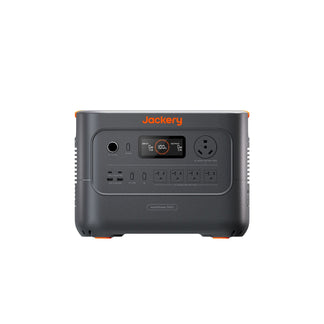
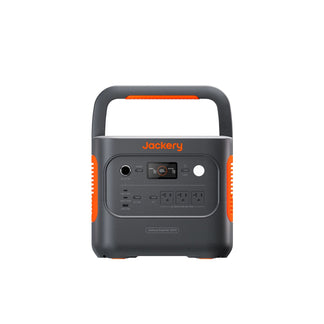
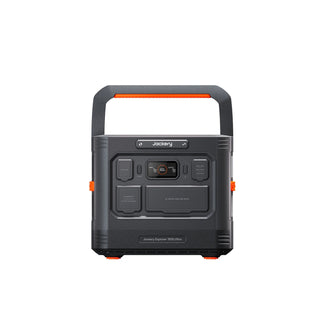
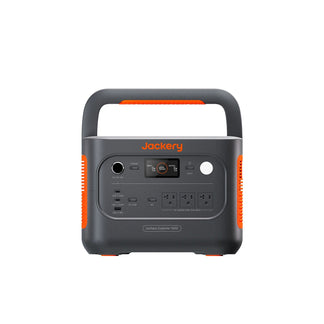
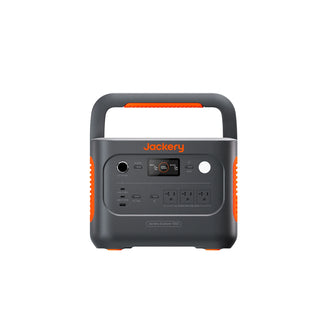
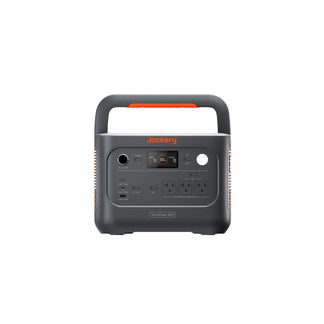
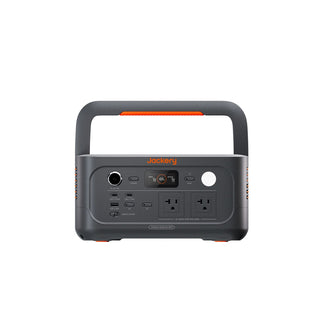
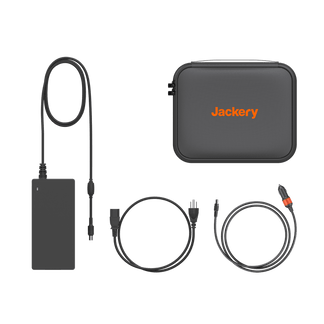
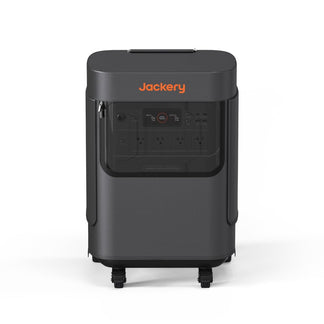
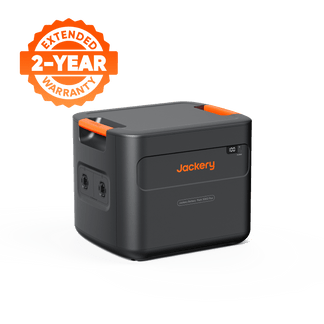
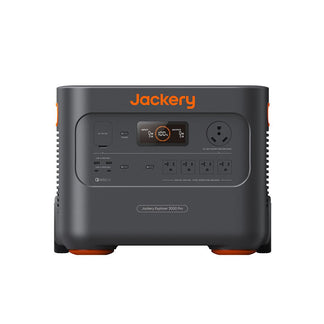
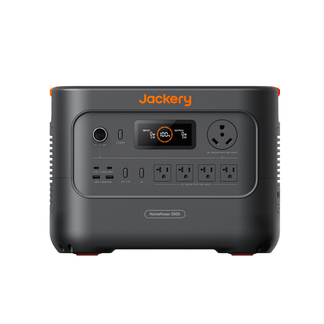
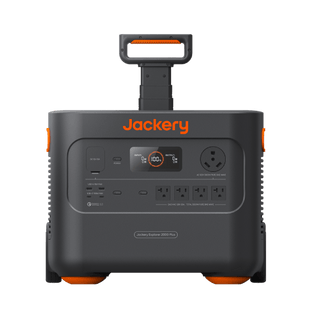
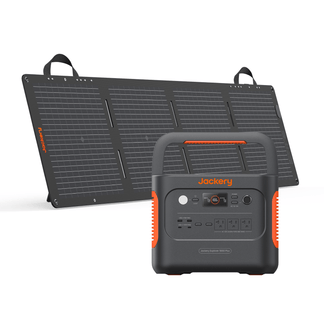
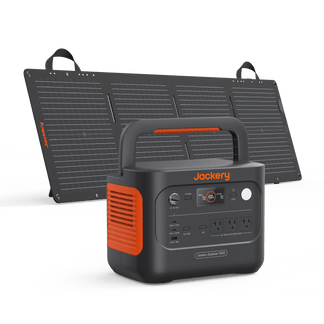
Jackery Solar Generator 1500 v2
- Capacity: 1536Wh
- Output: 2000W (4000W Surge)
- Charging: Recharges via AC wall outlet (1 Hour Emergency Charge), car outlet, or solar panels.
The Jackery Solar Generator 1500 v2 is an ideal mid-range solution for weekend to week-long trips. The unit's 1536Wh capacity is substantial enough to run a portable refrigerator (60W) for 22-57 hours, depending on ambient temperature, eliminating the need for ice runs. The 2000W output can easily handle high-draw appliances like electric skillets or coffee makers (1120W), bringing the comforts of home to the backcountry.

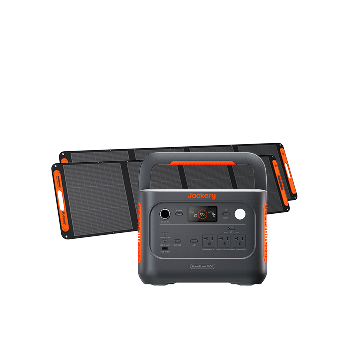
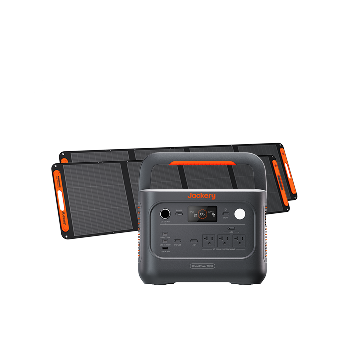
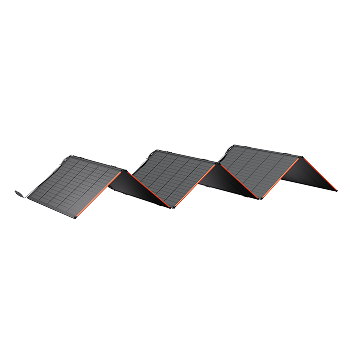
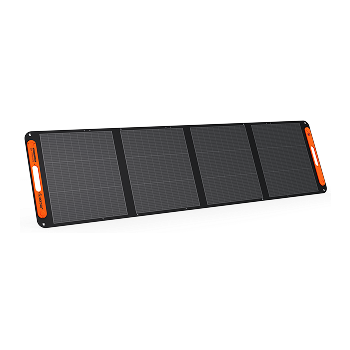
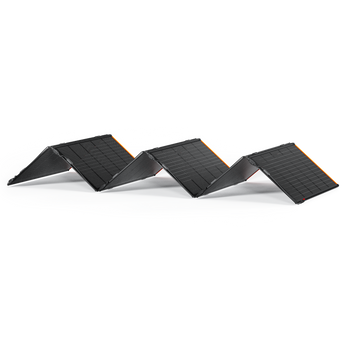
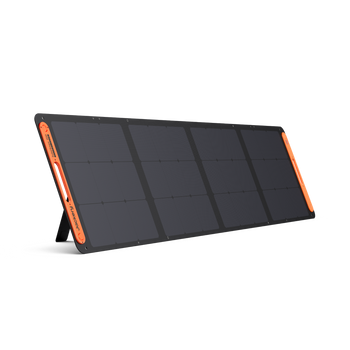
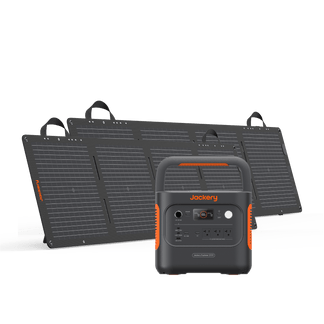
For extended stays, you can recharge the generator using solar panels, such as the Jackery SolarSaga 100W. Using a solar generator creates a sustainable energy loop, allowing you to stay off-grid indefinitely as long as you have sunlight.
How Do You Find Free BLM Campsites?
Finding the perfect spot requires research. Do not rely on luck; utilize available tools to ensure your destination is legal and accessible.
How Can You Verify Road Conditions?
Calling the local BLM Field Office is the most reliable way to get up-to-date details on road closures, washouts, and current usage levels. A five-minute phone call can save you hours of driving down a closed road.
How Can You Scout Digitally?
Use satellite imagery to scout potential sites for existing clearings and road width. If you are RV camping on blm land, this step is crucial to avoid getting stuck on narrow, winding trails that are only suitable for 4x4 vehicles.
Which Maps and Apps Are Best?
Several resources are specifically designed for public land campers:
- Motor Vehicle Use Maps (MVUM): Official government maps showing legal roads.
- iOverlander: User-generated reviews of campsites with details on signal strength and road conditions.
- Campendium: Excellent for filtering sites by vehicle size and cell carrier coverage.
- Bureau of Land Management Official Maps: The primary source for land boundaries.
When Should You Arrive?
Plan to arrive at your destination before 3 PM to ensure ample daylight for scouting. Setting up camp in the dark increases the risk of parking on vegetation or missing safety hazards like ant hills or dead trees.
Is Camping on BLM Land Safe?
Camping in remote areas requires a heightened sense of awareness regarding wildlife and personal safety.
How Do You Handle Wildlife?
Store all food in your vehicle or in bear-resistant containers to prevent wildlife habituation. Animals are attracted to human food and trash, so never leave food scraps or dirty dishes out overnight. This practice protects both the animal and future campers.
How Do You Prepare for Emergencies?
A satellite communicator (like a Garmin inReach or ZOLEO) is essential for safety in areas without cell service. These devices allow you to send text messages and SOS alerts via satellite networks, ensuring you can summon help in a medical or mechanical emergency.
Conclusion
Camping on BLM land is a privilege that relies on responsible use and adherence to regulations. By following the 14-day rule, managing your waste, and respecting fire bans, you help ensure these lands remain open and accessible for future generations.
Before you head out, check the local field office rules, download your maps, and pack the right gear. With preparation—and reliable power from the Jackery Solar Generator 1500 v2—public lands offer an endless playground for adventure.
Frequently Asked Questions
Can I bring my pet camping on BLM land?
Yes, pets are generally allowed, but they must be under control at all times and often leashed in developed sites. You are responsible for picking up and packing out all pet waste to protect local wildlife and water sources.
What if I don't have a 4x4 vehicle?
Many BLM areas are accessible via high-clearance 2WD vehicles, but road conditions vary significantly. Stick to well-graded gravel roads and use apps like Campendium to check user reviews for road difficulty before attempting access.
Are there any areas where BLM camping is never allowed?
Yes, camping is prohibited on private inholdings, active mining claims, and designated Day Use Only areas. Always check official maps to ensure you are not trespassing on private property or restricted government zones.
How do I handle trash if there are no bins?
You must practice Pack It In, Pack It Out for all garbage, including biodegradable food scraps. Carry heavy-duty trash bags and store them inside your vehicle or a sealed container to prevent odors from attracting wildlife.
Is it safe to drink water directly from natural sources?
No, you should never drink untreated water from creeks or lakes due to the risk of Giardia and bacteria. Always filter, boil, or chemically treat natural water sources before consumption.


