

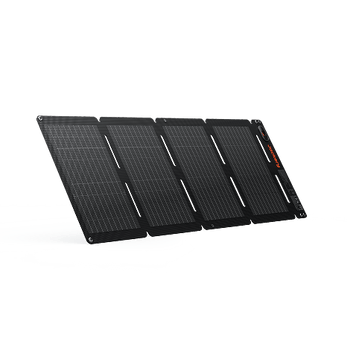





















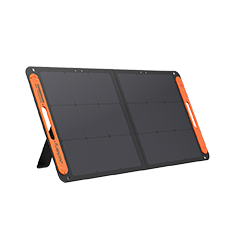






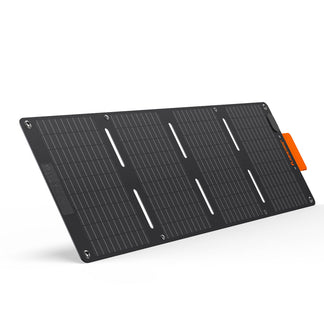
![[Add-on] Jackery SolarSaga 500 X - Jackery](http://www.jackery.com/cdn/shop/files/add-on-jackery-solarsaga-500-x-1493607.webp?v=1786503068&width=324)

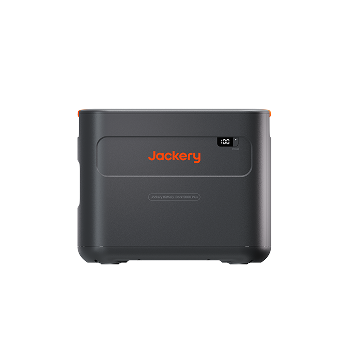
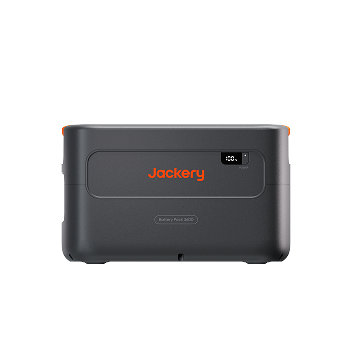
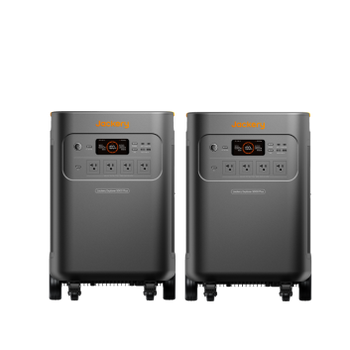
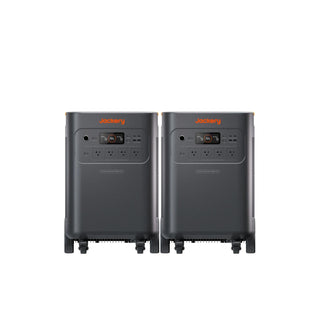
![[Add-on] Jackery Battery Pack 5000 Plus - Jackery](http://www.jackery.com/cdn/shop/files/add-on-jackery-battery-pack-5000-plus-6713401.webp?v=1786503068&width=324)




















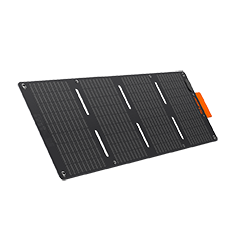
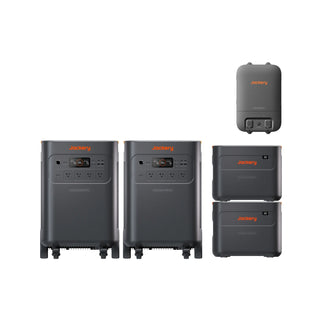
![[Add - on] SolarSaga 200W - Jackery](http://www.jackery.com/cdn/shop/files/add-on-solarsaga-200w-4834329.png?v=1754016915&width=324)





Skirting a camper creates a barrier around your RV's underbelly to trap heat and prevent plumbing from freezing. Without this protection, cold wind strips away warmth faster than your furnace can replace it, leading to icy floors and burst pipes. Learning how to skirt a camper is the most effective way to stabilize interior temperatures and drastically reduce heating costs. This guide covers practical, budget-friendly options to keep your rig safe during the freeze.
How Does RV Skirting Work?
Skirting functions primarily by blocking wind to prevent convective heat loss. When cold wind sweeps under an RV, it creates a wind chill effect that pulls heat away from the underbelly materials. By stopping this airflow, you reduce the rate at which heat escapes from your floors and waste tanks.
What Are the Limitations of Skirting?
Skirting alone will fail in extreme cold once temperatures drop below -20°F (-28.8°C). At this point, the ambient temperature of the trapped air will eventually equalize with the outside if no heat is added. While you can live in an RV in the winter successfully, experienced full-timers know that skirting must be paired with monitored heaters and interior insulation for reliable freeze protection.
What Are the Best Skirting Methods?
Selecting the right skirting method depends on your specific temperature lows, wind exposure, and available storage space. Stationary RVers often have different needs than those who move frequently.
What Are the Best DIY Skirting Methods?
For those wondering how to skirt a camper on a budget, DIY methods often provide the best balance of cost and thermal performance.
- Rigid Foam Board (XPS/EPS): Rigid foam insulation offers high thermal performance (approx. R-5 per inch) and is the top choice for stationary living. While cost-effective, these boards are bulky to store and generally considered single-use.
- Vinyl/Tarp Custom Skirts: Heavy-duty vinyl or tarps are common for those who move occasionally. While easy to store, these materials have a low R-value without added insulation and can flap loudly in high winds.
- Plywood/OSB Panels: Wood panels provide a sturdy wind barrier for long-term setups. They are durable against snow loads but are heavy to transport and susceptible to rot if in contact with wet ground.
What Are the Best Commercial Skirting Kits?
Commercial solutions offer durability and ease of use for RVers with higher budgets or frequent travel schedules.
- Vinyl Skirting Kits (Snaps/Turn-buttons): These kits snap directly onto the RV body and are ideal for seasonal storage. They offer a professional look but often require drilling snaps into the sidewall.
- Inflatable Skirts: Air tube technology wedges between the RV and the ground to create a seal. They require no modification to the RV and set up fast, but are vulnerable to punctures and pressure fluctuations.
- Custom Canvas Shops: Owners following the DIY van build approach often prefer custom canvas tailored to their specific rig. These offer the best fit and aesthetics but come with a high upfront investment.
Comparison of Skirting Methods
|
Feature |
Rigid Foam Board |
Vinyl Skirt |
Custom Canvas |
|---|---|---|---|
|
Insulation (R-Value) |
High (R-5+) |
Low (R-1) |
Medium (depends on lining) |
|
Cost |
Low |
Medium |
High |
|
Durability |
Medium |
High |
Very High |
|
Portability |
Low |
High |
High |
|
Setup Time |
High |
Medium |
Low (after install) |
Which Materials Should You Avoid?
Not all skirting methods are safe or effective. Avoid these common mistakes to protect your RV and your safety.
Why Should You Avoid Hay or Straw?
Hay and straw create a significant fire hazard and attract rodents seeking warmth. As the organic material absorbs moisture, it rots against the RV, leading to mold issues and potential water damage to the underbelly.
Is Piling Snow Effective?
Piling snow is an unreliable insulation method because it eventually melts. This melting creates water pooling around the tires and jacks. The subsequent freeze-thaw cycle can cause water damage to sidewalls and metal components.
Are Improvised Heaters Safe?
Open-flame devices or unshielded heat sources are dangerous in confined spaces. The area under skirting has limited airflow, significantly increasing fire hazards. Only use heaters specifically designed for safe, enclosed operation.
Do Universal "One-Size" Skirts Work?
Generic skirts often leave gaps around corners, stairs, and slide-outs. Even small gaps render the wind-blocking capability useless, as cold air will rush in to replace the warm air.
Step-by-Step Installation Best Practices
If you are learning how to skirt a camper for the first time, follow these steps to ensure a secure and functional setup.
- Plan Ahead: Measure the perimeter of your rig, including slide-outs and steps, before freezing temperatures arrive. Calculate the height from the frame to the ground at various points, as the ground is rarely perfectly level.
- Ground Prep: Lay down a 6-mil vapor barrier on the ground first. This keeps the area under the rig dry. Secure the plastic so it doesn't blow away during the installation process.
- Cut and Fit: Cut your material to fit. Ensure tight fits around sewer hoses, jacks, and stabilizers. If using foam board, cut slightly larger than the gap to create a friction fit.
- Seal Seams: Use cold-weather tape to seal connections. Foil HVAC tape works well for foam boards, while specialized vinyl tape is best for fabric skirts. Seal the top edge against the RV carefully to prevent air leaks, but be mindful of tape residue on the paint.
- Anchor Down: Weight the bottom edge heavily. Winter storms can bring powerful gusts. Sandbags placed every few feet along the bottom of the skirt provide the best stability.
- Ventilation: Allow for some airflow or use a dehumidifier to prevent condensation. Refer to a skoolie interior guide for more tips on managing moisture in small spaces, as a completely airtight seal can trap moisture and lead to mold growth.
How to Power Skirting Heaters Safely
Skirting creates a space to heat, but active heating is what truly prevents freezing.
What Active Heating Elements Should You Use?
- Heat Tape: Apply this to fresh water hoses and exposed sewer lines.
- Tank Pads: Use thermostatically controlled pads on fresh and waste tanks to keep fluids liquid.
- Space Heaters: Use small, thermostatic electric heaters inside the skirted area.
- Safety: These must be monitored remotely via temperature sensors to ensure they do not overheat or fail.
How Do You Power Your Protection?
Reliable continuous power is essential for running heaters and heat tape, especially during outages.
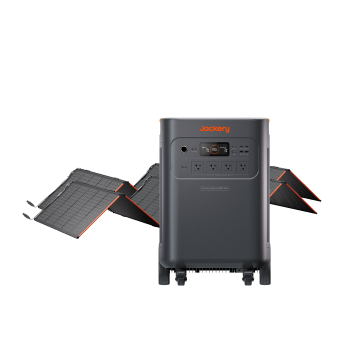
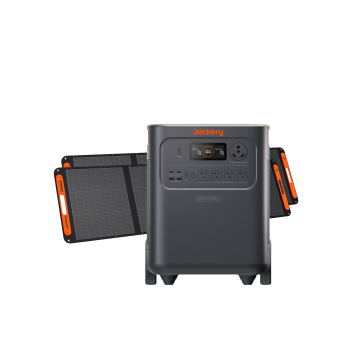
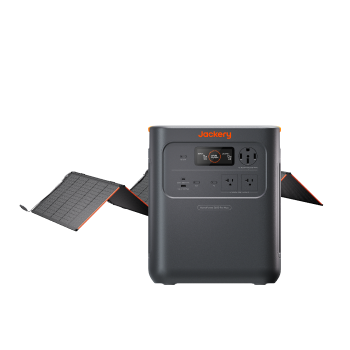
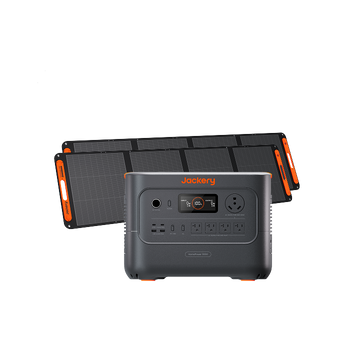
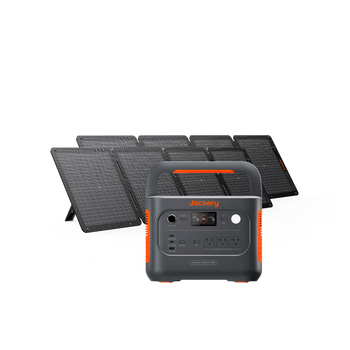
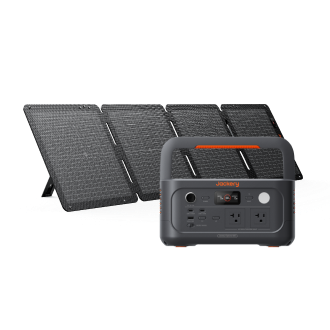
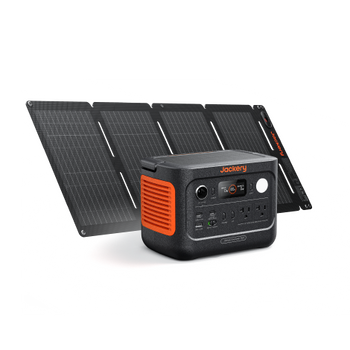
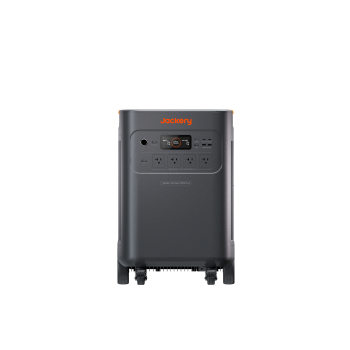
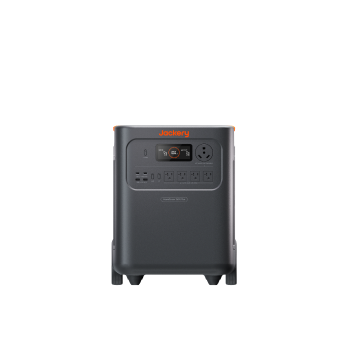
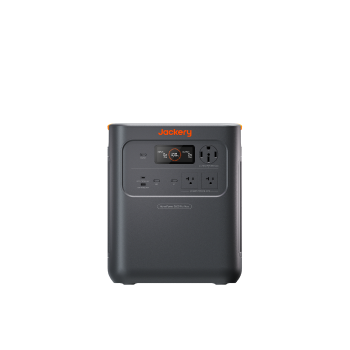
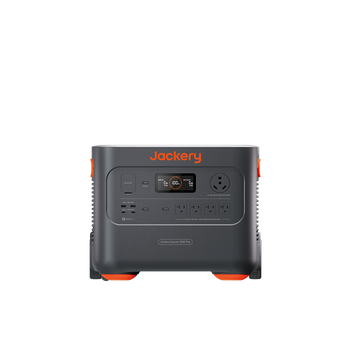
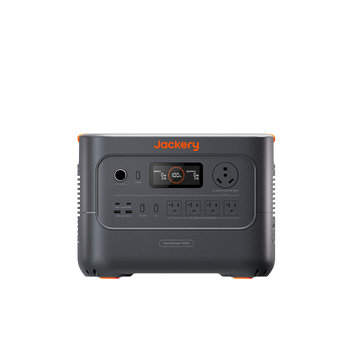
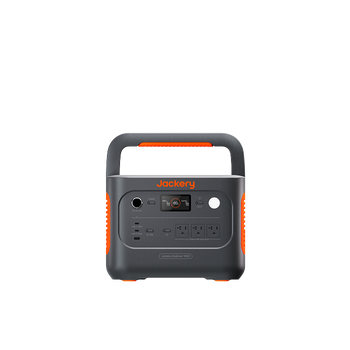
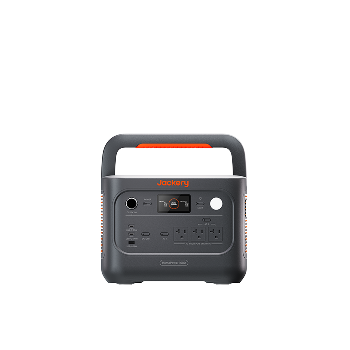
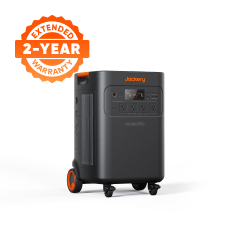
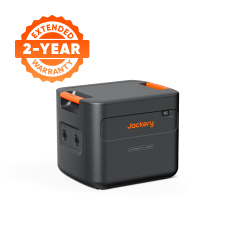
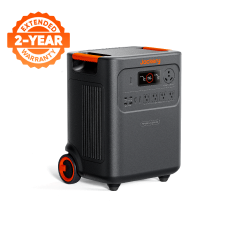
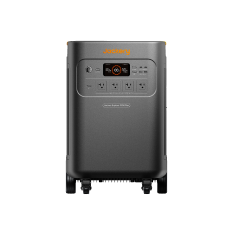
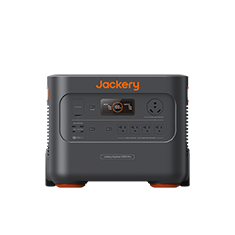
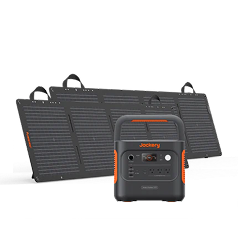
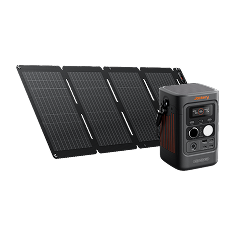
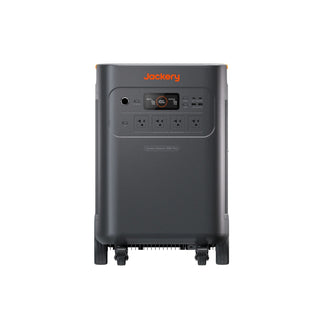
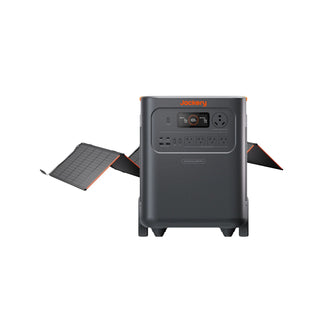
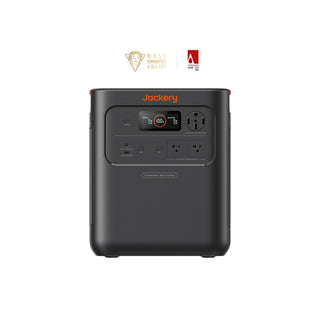
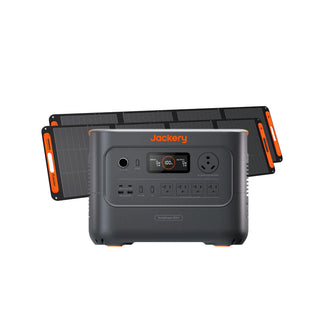
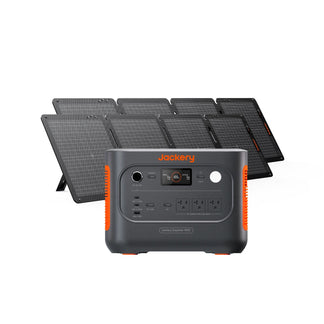
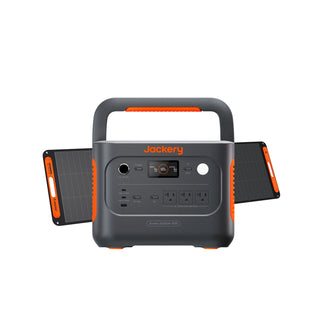
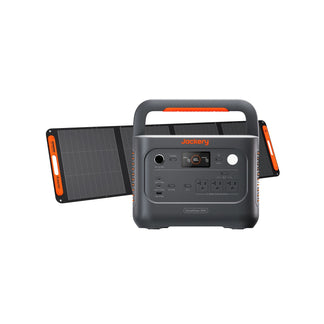
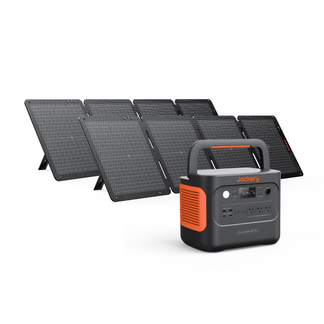
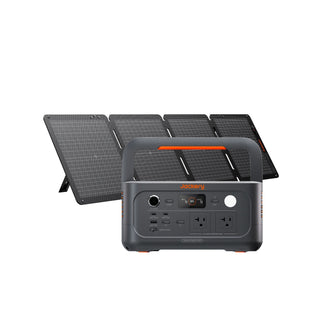
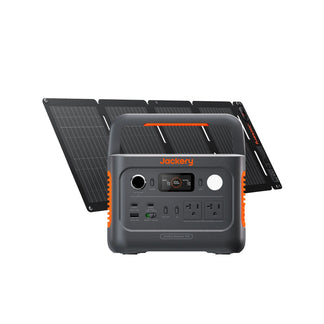
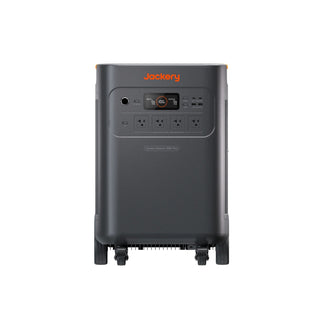
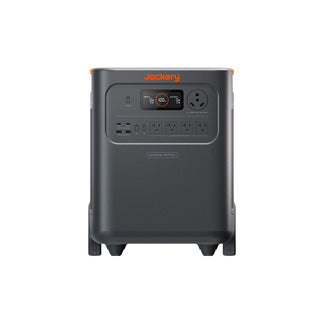
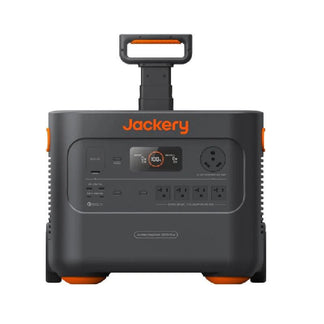
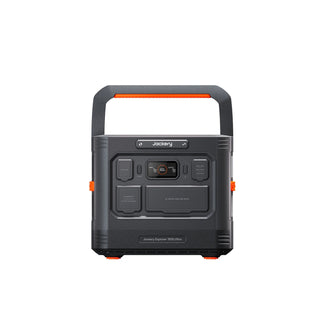
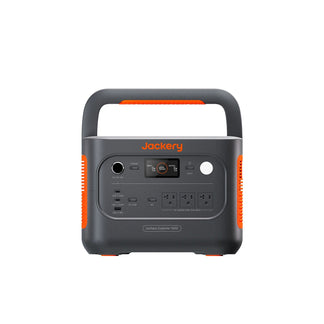
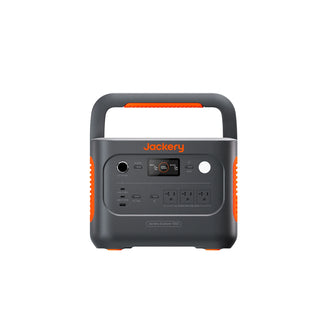
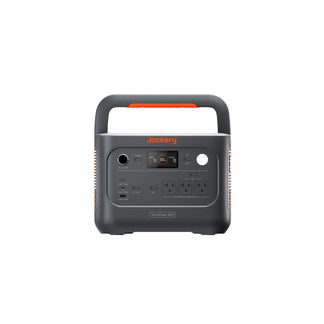
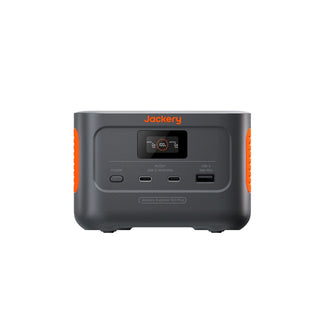
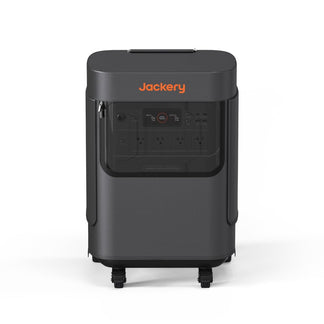
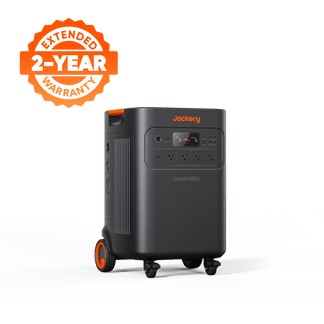
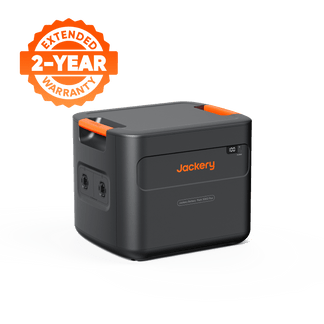
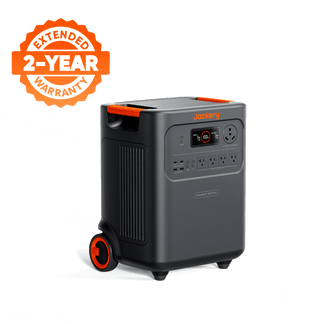
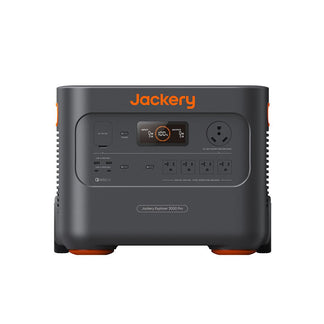
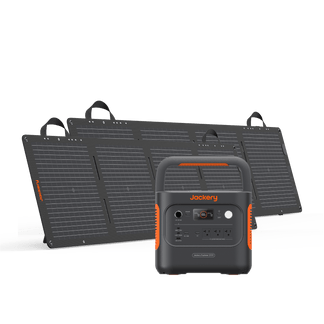
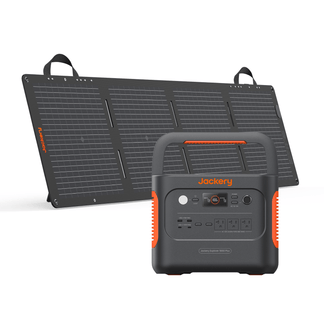
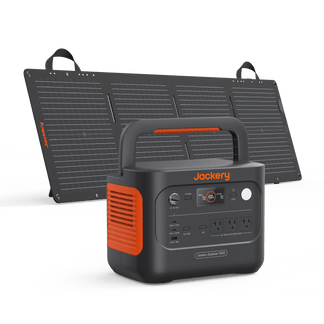
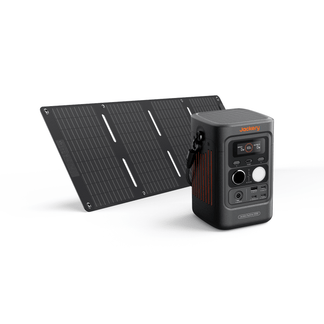
Jackery Solar Generator 2000 Plus
- Capacity: The Jackery Solar Generator 2000 Plus offers 2042.8Wh capacity to sustain heating elements for extended periods.
- High Output: This unit delivers 3000W (6000W surge) to handle the startup spikes of heaters and heavy-duty tools.
- Expandable: The system can scale up to 24kWh with additional battery packs for extended winter stays.
- Safety: Built with LiFePO4 battery chemistry, the generator ensures safety and stability during continuous operation.
- Use Case: Using a portable solar generator ensures your underbelly heater and heat tape keep running through the night, even if the campground power fails.

Troubleshooting Common Winter Failures
Even with the best preparation, winter can be unpredictable. Here is how to handle common issues.
What If the Wind Detaches the Skirt?
Re-secure detached skirting immediately using heavier weights or screw-in ground anchors. Reinforce seams with fresh tape if the adhesive fails due to cold.
Why Are Pipes Freezing Despite Skirting?
Freezing pipes usually indicate gaps in the foam or vinyl where cold air is entering. Add a remote temperature sensor to monitor underbelly temps in real-time. You may need to increase active heating or add specific insulation to the problematic pipe section.
How Do You Handle Rodents?
Inspect the perimeter for tunnels and use steel wool to block small gaps. Rodents dislike chewing through steel wool, making it an effective barrier where the skirting meets the RV or ground.
How Do You Manage Condensation?
Ice forming on the inside of the skirting indicates high humidity. Increase ventilation slightly or run a dehumidifier under the rig. Ensure your ground vapor barrier is intact.
Seasonal Checklist: Pre-Winter to Spring
- Late Fall Preparation: Measure your rig and purchase materials early. Supply shortages are common once the first snow falls. Test your heat tape and tank pads to ensure they function correctly.
- First Freeze Actions: Install your skirting and ground vapor barrier. Set up remote thermometers to establish a baseline for how your underbelly holds heat.
- Mid-Winter Maintenance: Check anchors after every high wind event. Monitor battery levels closely if using the Jackery Solar Generator 2000 Plus for supplemental heat. Clear snow away from the skirting walls to prevent crushing.
- Spring Thaw Removal: Remove skirting carefully to preserve it for next year. Clean and dry all materials thoroughly before storage to prevent mildew. Inspect the underbelly for any rodent damage that may have occurred during the season.
Conclusion
Effective skirting combines wind blocking, insulation, and active heating to create a secure thermal barrier. There is no "perfect" method; you must choose based on your climate and mobility needs. Always prioritize safety regarding heaters and ventilation to prevent fire and moisture damage.
Redundancy is key to surviving winter in a camper. Have backup power and repair tape ready for emergencies. Proper preparation protects your investment and ensures winter comfort, allowing you to enjoy the snowy season rather than fighting it.
Frequently Asked Questions
How do I manage humidity under the skirt?
Use a small, low-power dehumidifier or ensure slight ventilation to allow moisture to escape. A ground vapor barrier is also essential to stop moisture from rising.
Can skirting damage my RV's exterior?
Proper installation with non-residue tape or custom fasteners prevents damage. Avoid drilling holes unless installing permanent snap studs for a commercial kit.
What if I need to move my RV in winter?
Choose a skirting method designed for easy removal and reinstallation, like custom vinyl kits or inflatable skirts. Rigid foam board is difficult to transport once cut.
Are there eco-friendly skirting material options?
Look for recycled content foam boards or durable, reusable vinyl to minimize waste. Reusing high-quality materials for multiple seasons is the most sustainable practice.
How often should I check under the skirt?
Regularly inspect for pests, moisture, and proper anchoring, especially after storms. A weekly visual check ensures you catch issues before they become disasters.


