

![[Add - on] Jackery Manual Transfer Switch for Explorer 5000 Plus - Jackery](http://www.jackery.com/cdn/shop/files/add-on-jackery-manual-transfer-switch-for-explorer-5000-plus-9017324.png?v=1754016782&width=350)


![[Add - on] Jackery Manual Transfer Switch for Explorer 5000 Plus - Jackery](http://www.jackery.com/cdn/shop/files/add-on-jackery-manual-transfer-switch-for-explorer-5000-plus-9017324.png?v=1754016782&width=324)


Gathering energy from the sun is the ultimate way to power your adventures or backup your home. It's cost-free, abundant, and silent. While traditional rigid panels have dominated the market for decades, flexible solar panels are changing how we capture energy on irregular surfaces like RV roofs, boats, and teardrop trailers.
These lightweight, bendable modules solve problems that heavy glass panels cannot. But they come with specific trade-offs regarding lifespan and heat management. Here is everything you need to know about flexible solar technology and whether it’s the right choice for your setup.
What Are Flexible Solar Panels?
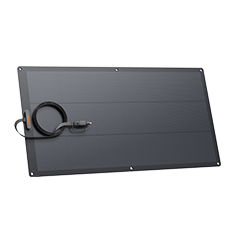
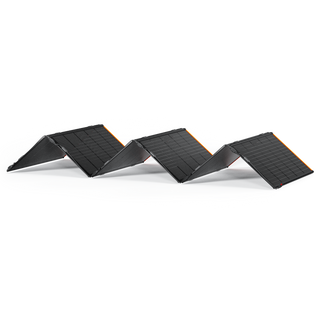
Flexible solar panels are ultra-thin photovoltaic modules created by printing solar cells onto a pliable substrate rather than encasing them in glass and aluminium.
Unlike rigid panels, which are thick and heavy, flexible panels are approximately 70-80% lighter. They typically measure just 2mm in thickness, allowing them to conform to curved surfaces up to 30 degrees.
There are two main technologies used:
- CIGS (Copper Indium Gallium Selenide): Thin-film technology known for better performance in low-light or shaded conditions.
- Flexible Monocrystalline: Silicon wafers sliced incredibly thin to allow flexibility, offering higher efficiency but slightly less durability than CIGS.
Flexible vs. Rigid Solar Panels: The Hard Numbers
Before buying, you must understand the performance gap between flexible and rigid technology.
|
Feature |
Rigid Solar Panels |
Flexible Solar Panels |
|---|---|---|
|
Lifespan |
25–30+ Years |
5–10 Years |
|
Weight |
Heavy (40+ lbs) |
Ultra-light (4–8 lbs) |
|
Cost per Watt |
$0.50 – $1.00 |
$0.80 – $3.00 |
|
Efficiency |
20–23% |
15–20% |
|
Heat Tolerance |
High (Airflow underneath) |
Low (Direct mount traps heat) |
|
Warranty |
20–25 Years |
1–5 Years |
Rigid panels are the gold standard for stationary homes and flat, sturdy roofs. They are cheaper, last decades, and handle heat well because air flows beneath them.
Flexible panels are the only viable option for curved surfaces, canvas bimini tops on boats, or vehicles with strict weight limits. You pay a premium—roughly 50-100% more per watt—for the ability to mount solar where rigid panels simply cannot fit.
Pros and Cons of Flexible Solar Technology
Advantages
- Versatility: They conform to Airstreams, boat decks, and vehicle contours.
- Aerodynamics: Their ultra-low profile (approx. 2mm) eliminates wind drag, improving fuel efficiency for vehicles compared to bulky roof racks.
- No-Drill Installation: Most flexible panels use adhesive backing or industrial tape, removing the need to drill holes in your roof which can lead to leaks.
- Low-Light Performance: Technologies like CIGS often capture energy better during cloudy days or partial shading than standard glass panels.
Disadvantages
- Heat Management: Because they are glued directly to surfaces, there is no airflow to cool the cells. High heat reduces efficiency and accelerates degradation.
- Shorter Lifespan: Expect 5 to 10 years of service compared to the 25+ years of rigid panels.
- Durability Issues: They are susceptible to micro-cracks if bent too far or impacted by hail.
- Delamination: Cheaper polymer coatings can peel or yellow under UV exposure over time.
Critical Installation and Safety Codes
If you are installing flexible solar panels on a home or RV, you must adhere to safety standards to ensure performance and legal compliance.
The 33% Roof Coverage Rule
According to the International Fire Code (IFC), rooftop solar arrays often cannot exceed 33% of the roof's plan-view area.
- Why? Firefighters need space to cut ventilation holes to release smoke and access the attic during a fire.
- The Consequence: If your array covers more than 33%, you may be required to leave larger setbacks (e.g., 36 inches from the ridge).
- The Solution: If you hit this limit, supplement your roof system with portable solar generators that don't count toward permanent structure codes.
Inverter Sizing and DC-to-AC Ratio
Flexible panels rarely hit their peak rated output because heat buildup reduces their efficiency. To compensate, follow the 133% Oversizing Rule.
- The Rule: Your solar panel capacity (DC) can be up to 33% higher than your inverter's rating (AC).
- The Benefit: This clipping ratio ensures your inverter runs at full capacity for more hours of the day, capturing more energy during mornings, evenings, and cloudy weather.
Material Quality: PET vs. ETFE Coatings
Not all flexible panels are built the same. The plastic coating determines how long your panel survives the sun.
PET (Polyethylene Terephthalate)
- Found in budget panels.
- Prone to yellowing and delamination within 3–5 years.
- Avoid for long-term marine or RV applications.
ETFE (Ethylene Tetrafluoroethylene)
- Superior polymer with high corrosion and heat resistance.
- Self-cleaning texture allows rain to wash away dirt.
- Recommended for all serious outdoor applications.
- Verdict: Always pay extra for ETFE if you want your system to last past the 5-year mark.
Best Uses for Flexible and Portable Solar Panels
Recreational Vehicles (RVs) and Van Life
Curved roofs on Airstreams or fiberglass teardrop trailers are impossible to outfit with flat glass panels. Flexible panels adhere directly to the curve. For Class B vans where roof weight is a concern, the 70% weight reduction is critical for staying within payload limits.
Boating and Marine Applications
Boats require walk-on capable panels for decks and lightweight options for canvas biminis. Flexible panels offer low wind resistance and withstand marine environments better when made with ETFE.
Portable Power and Camping
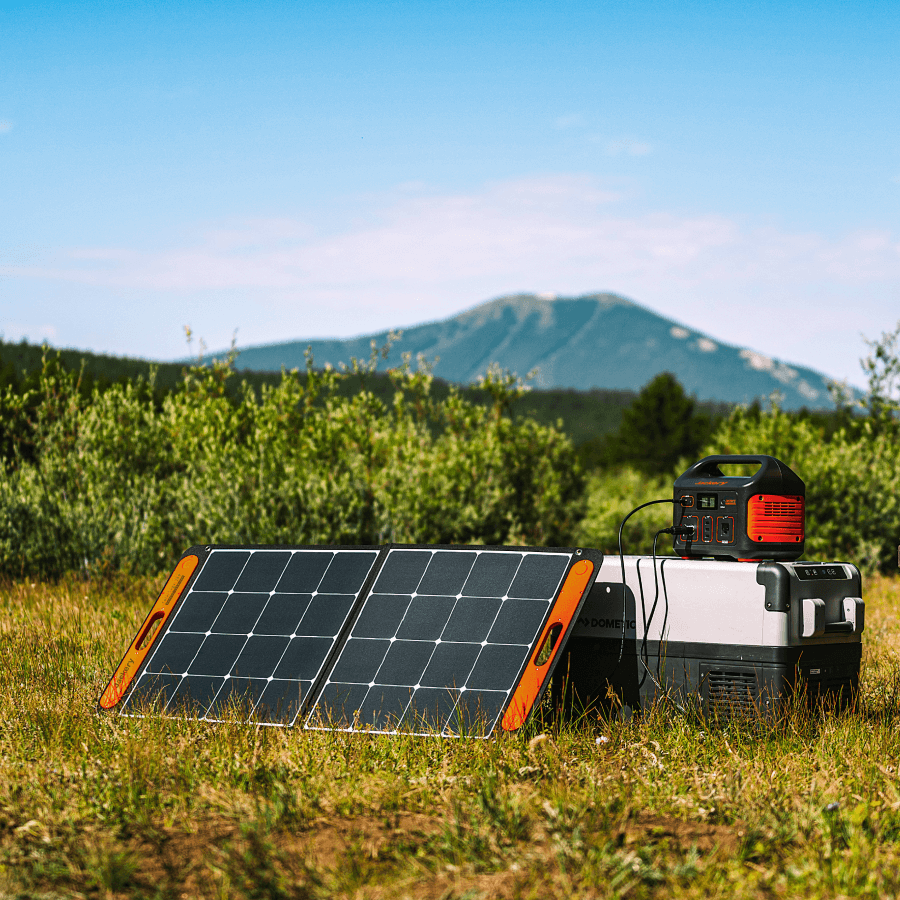
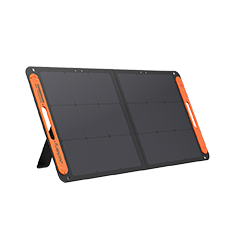
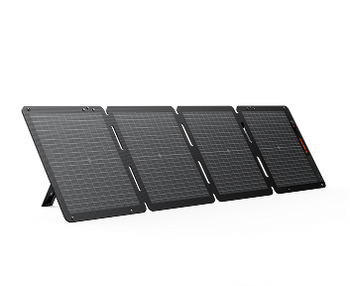
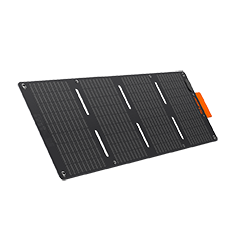
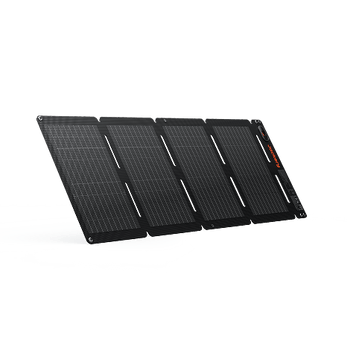
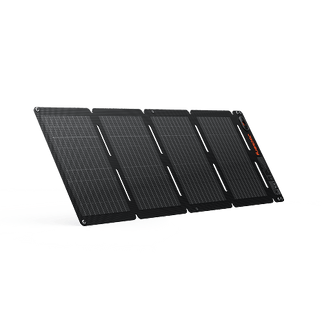
For those who don't want to glue anything to their vehicle, portable flexible systems are the answer. They can be deployed when parked and stored away instantly.
Best Portable Solar Solutions from Jackery
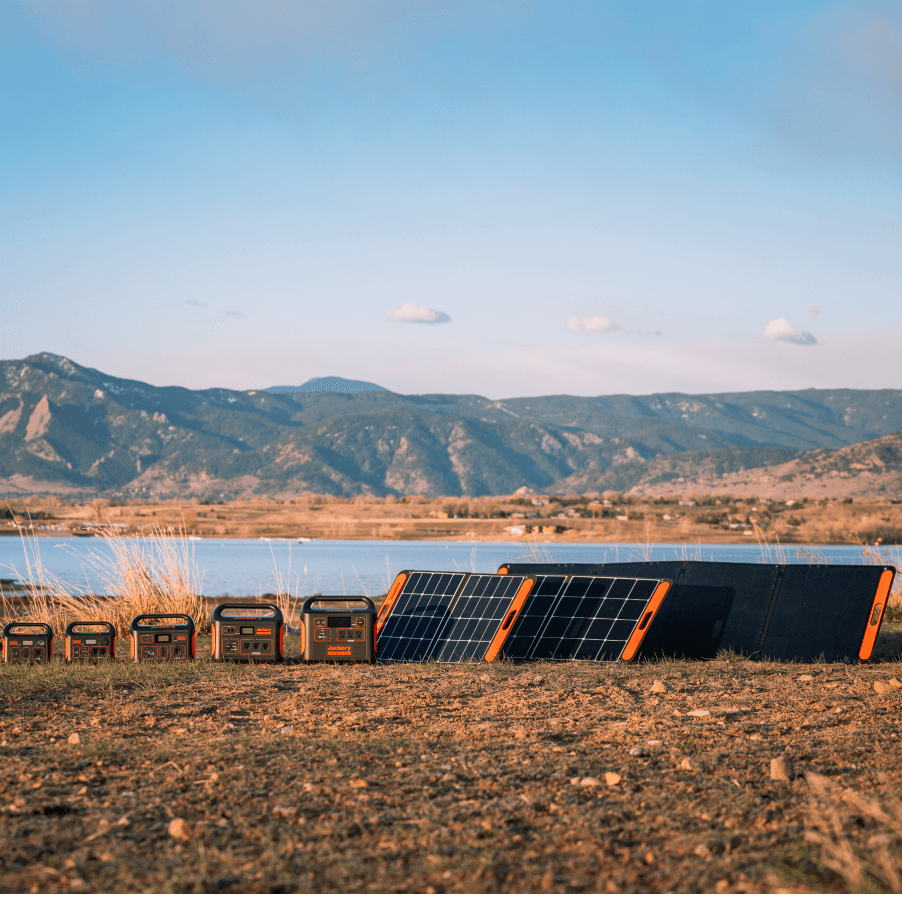
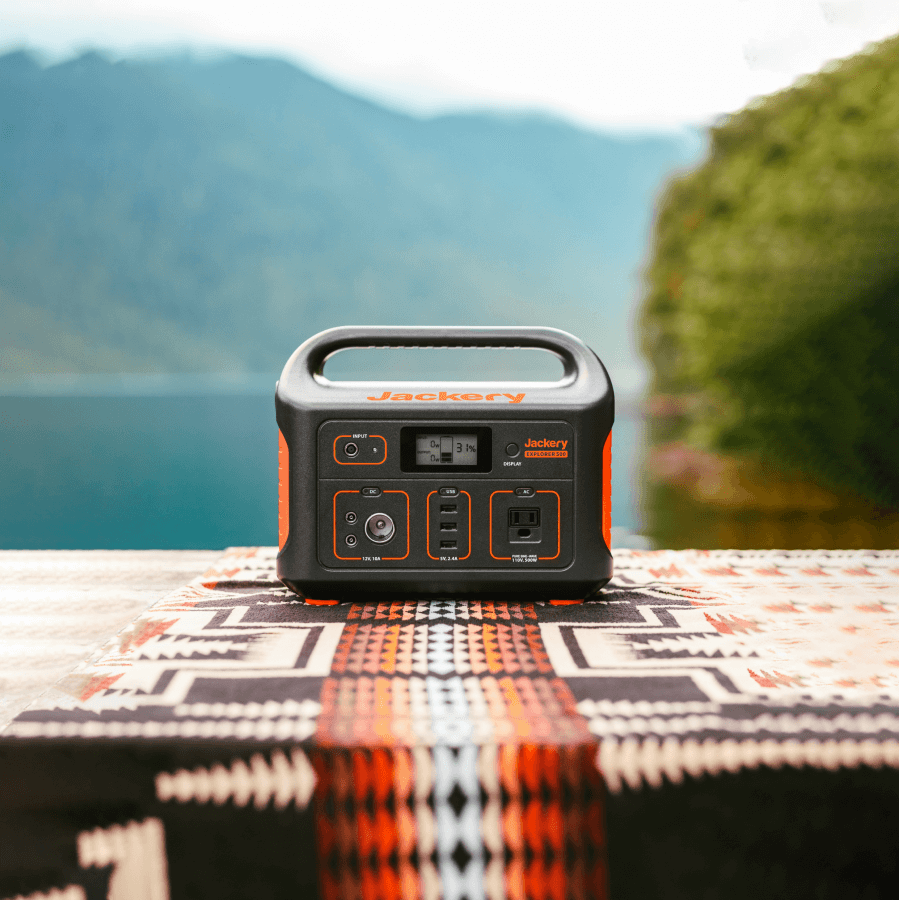
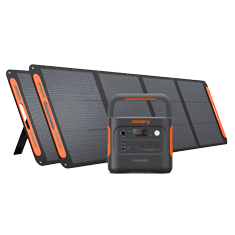
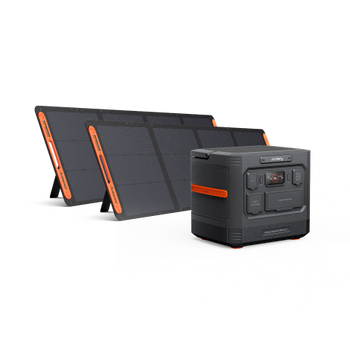
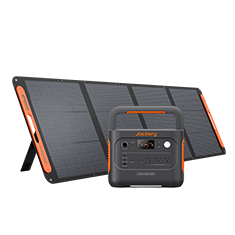
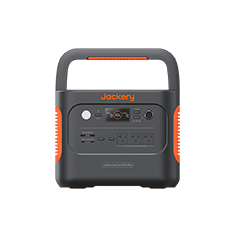
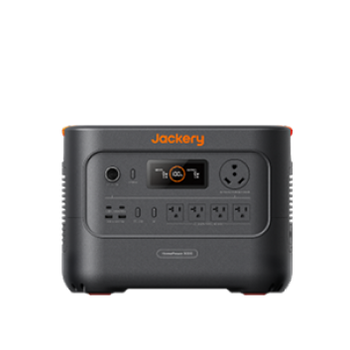
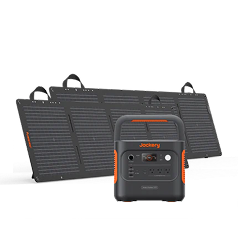
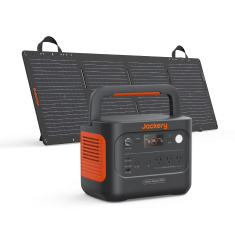
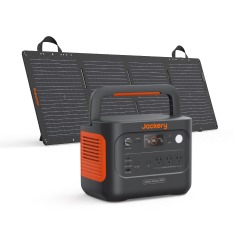
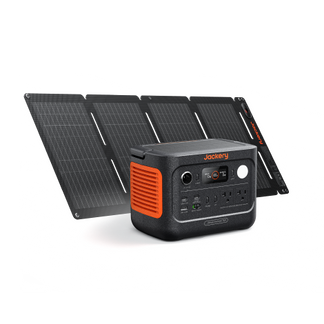
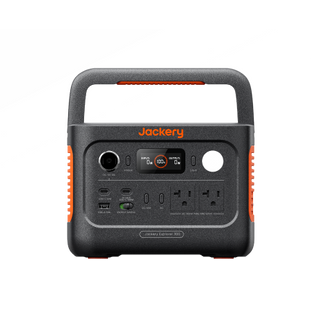
If you need the benefits of solar power without the complexity of permanent roof installation, Jackery's high-capacity solar generators offer the ultimate flexibility. These systems combine high-efficiency solar input with massive storage, perfect for RVs, home backup, and off-grid living.
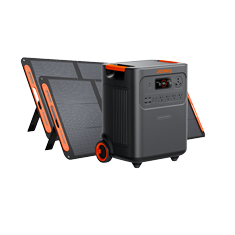
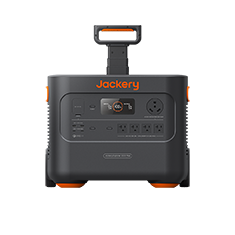
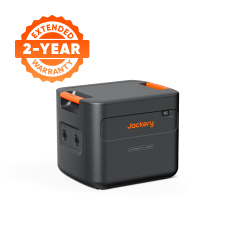
Jackery Solar Generator HomePower 3600 Plus
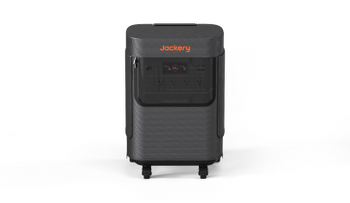
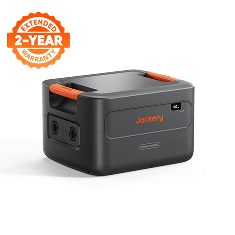
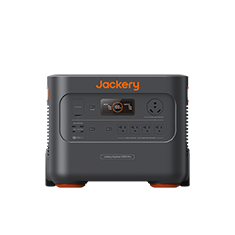
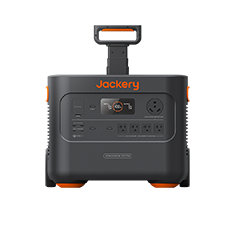
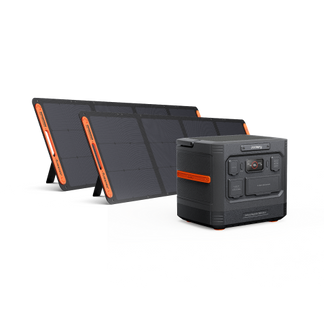
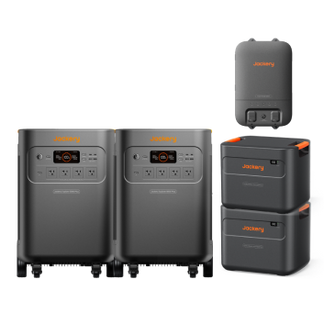
The Jackery Solar Generator HomePower 3600 Plus is a powerhouse designed to replace complex custom vehicle installs. It offers a massive capacity that can be expanded to meet heavy energy demands.
- Capacity: Expandable from 3.6kWh up to 21kWh, enough to power RV AC units, galleys, and tools for days.
- Power Output: Delivers 3600W of power, easily handling high-draw appliances like microwaves and space heaters.
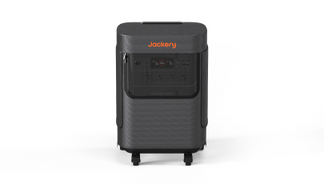
- Flexibility: Instead of permanently adhering panels to your roof, use this Jackery Solar Generator HomePower 3600 Plus to harvest solar energy anywhere. It features a portable design with a pull rod and double wheels, making it easy to move despite its power.
- Durability: Built with LiFePO4 battery chemistry, it ensures a lifespan of over 10 years even with daily use.
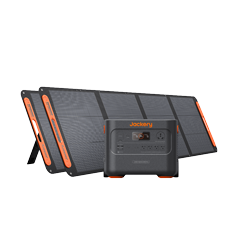
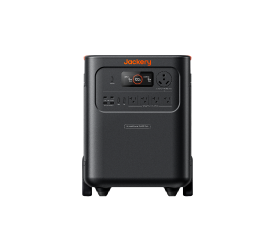
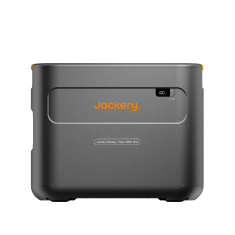
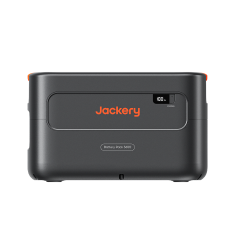
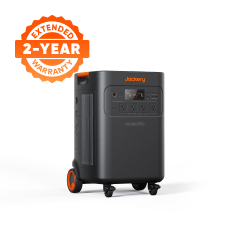
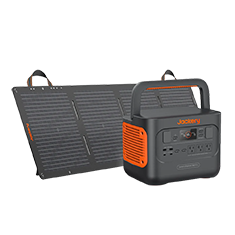
Jackery Solar Generator 5000 Plus
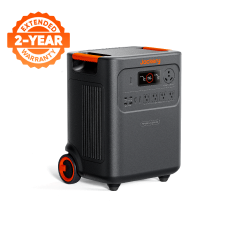
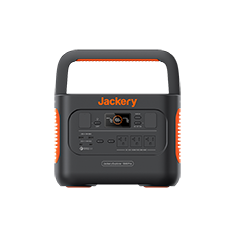
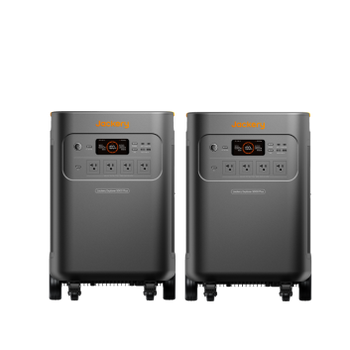
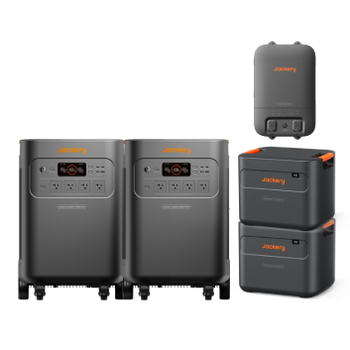
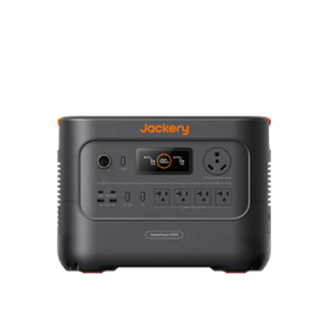
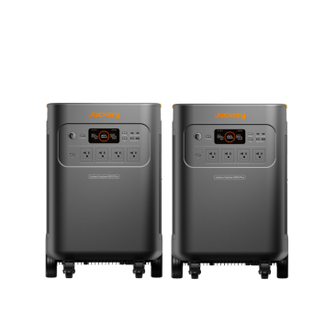
For the ultimate off-grid experience, the Jackery Solar Generator 5000 Plus provides top-tier performance. It is designed for users who need significant power without the noise or fumes of a gas generator.
- Massive Output: Rated at 7200W output, it can run virtually any heavy-duty appliance in your RV or home.
- Smart Control: Manage your energy usage directly via the Jackery app via Wi-Fi or Bluetooth.
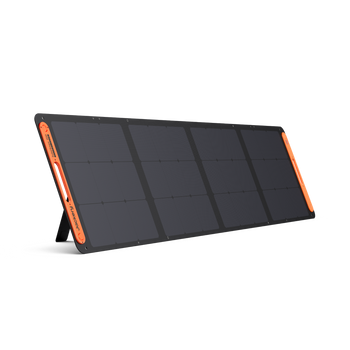
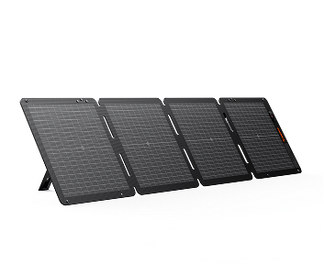
- Fast Charging: The system supports rapid solar charging, allowing you to replenish the massive battery quickly using Jackery's high-efficiency solar panels.
- Quiet Operation: Unlike gas generators (which can hit 70+ dB), the Jackery Solar Generator 5000 Plus operates silently (30dB), making it campground-friendly and perfect for nature observation.

Maintenance and Care for Longevity
Flexible panels are more fragile than their rigid counterparts. Follow these rules to prevent early failure:
- Do Not Bend Past 30 Degrees: excessive bending causes micro-cracks in the silicon cells, permanently reducing voltage.
- Heat Mitigation: If possible, install panels on cement sheets or twin-wall polycarbonate spacers to allow some heat dissipation beneath the panel.
- Cleaning: Use only water and a microfiber cloth. Never use abrasive brushes or harsh chemicals, as scratching the ETFE/PET coating will reduce light transmittance.
- No Point Loading: While some marine panels are walk-on rated, avoid walking on them with shoes or dropping heavy objects, which can fracture the internal connections.
Conclusion
Flexible solar panels are a specialized solution for specific problems: weight restrictions and curved surfaces. While they cost more and last roughly half as long as rigid panels, they are indispensable for aerodynamic RV setups and marine applications.
For most users seeking portable power without the hassle of permanent installation, a robust solar generator system like the Jackery HomePower 3600 Plus or Jackery Explorer 5000 Plus offers the best balance of power, portability, and longevity.
Invest in high-quality materials like ETFE, respect the installation codes, and your flexible solar setup will provide reliable, silent energy for years to come.