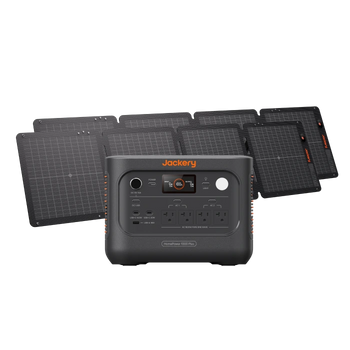










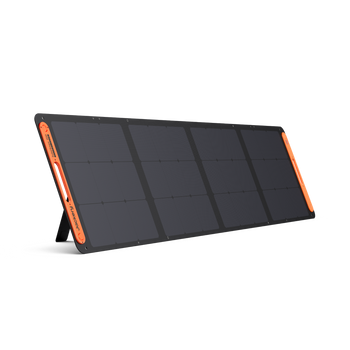




![[Add-on] Jackery SolarSaga 500 X - Jackery](http://www.jackery.com/cdn/shop/files/add-on-jackery-solarsaga-500-x-1493607.webp?v=1786503068&width=324)
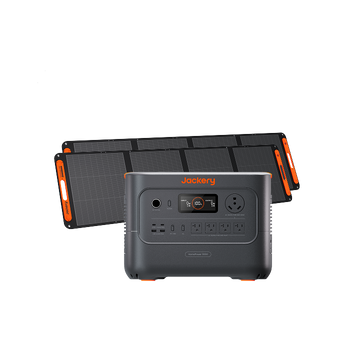
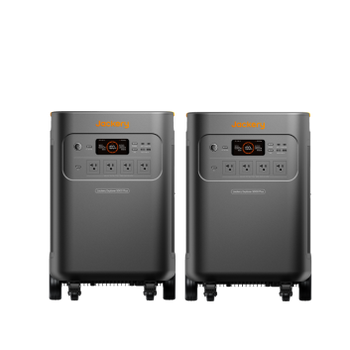
![[Add-on] Jackery Battery Pack 5000 Plus - Jackery](http://www.jackery.com/cdn/shop/files/add-on-jackery-battery-pack-5000-plus-6713401.webp?v=1786503068&width=324)








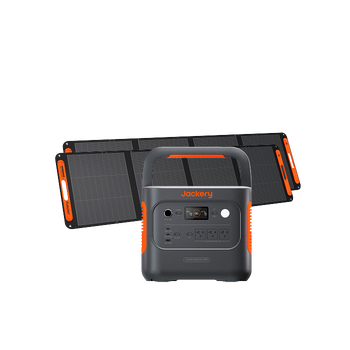
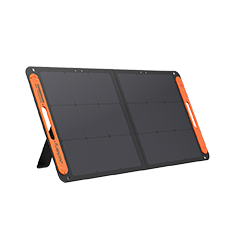
![[Add - on] SolarSaga 200W - Jackery](http://www.jackery.com/cdn/shop/files/add-on-solarsaga-200w-4834329.png?v=1754016915&width=324)


The Habit of Being Ready
10 min · May 7, 2026

How a lifetime in uniform shaped the way Andrew Evans prepares for life off the grid
Training for What Hasn’t Happened Yet
Andrew Evans learned early that comfort is not something you rely on. It is something that can disappear at any moment. He joined the Canadian Army at eighteen, a teenager stepping into a system built around discipline, repetition, and preparation. What followed was nearly three decades of service: armored vehicles, overseas deployments, long stretches in places where conditions were unpredictable and often unforgiving.
He trained in environments most people never experience. Arctic exercises at minus fifty degrees. Missions that stretched months at a time across Afghanistan, Kosovo, Bosnia, and beyond. In those conditions, you don’t wait for problems to appear. You prepare for them in advance. “You learn to adapt and overcome,” he says. “You prepare for what hasn’t happened yet.” That mindset does not disappear when the uniform comes off. It stays, quietly shaping decisions long after the structure of military life is gone.
Life After Structure
Today, Andrew is sixty years old. He retired from the military in 2012 and now lives a slower life, one shaped more by limitation than by schedule. He is permanently disabled, and the pace of his days reflects that reality. But if the rhythm has changed, the mindset has not.
He still plans. Still anticipates. Still builds systems that work before they are needed.
Camping became part of that next chapter, not as an escape, but as a continuation of something familiar. A controlled version of unpredictability. A way to stay connected to the outdoors, to movement, to a life that still requires small forms of self-reliance.
He and his wife travel in a 23-foot RV. Sometimes they stay in parks with shore power. Sometimes they don’t. And those moments, when there is no plug, no infrastructure, are the ones that matter most.

The Limits of Plugging In
Before Jackery, off-grid camping meant compromise. You rationed power. You relied on propane. You chose what you could and could not use.
“It works,” Andrew says. “But it’s not the same.”
Cooking becomes slower. Charging devices become strategic. Comfort becomes conditional. And for someone used to systems that simply work, that friction becomes noticeable.
He had been researching alternatives for a while, watching online content, comparing products, and paying attention to what other people were using in real-world conditions. One creator in particular, someone living full-time on the road, kept coming back to the same solution.
Jackery.
Andrew didn’t jump immediately. He compared. Evaluated. Looked at other brands. But eventually, one system stood out, not because of one feature, but because of how everything fit together. “It was versatile,” he says. “Fast charging. Easy setup. It just made sense.”
The First Real Shift
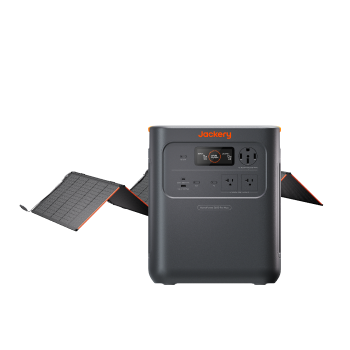
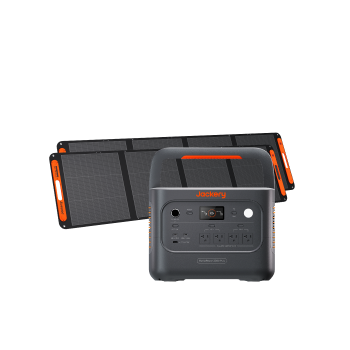
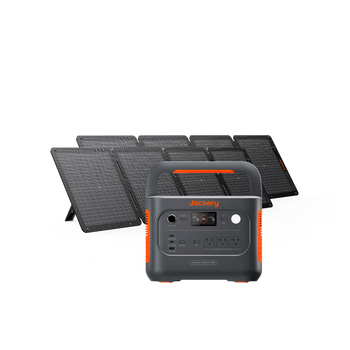
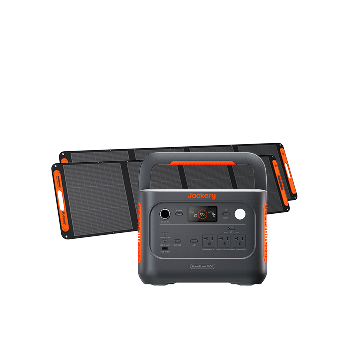
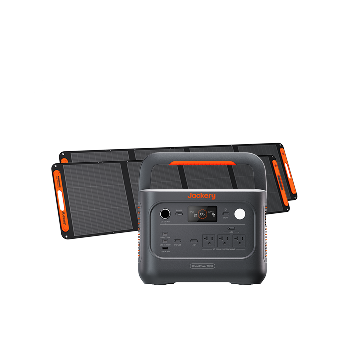
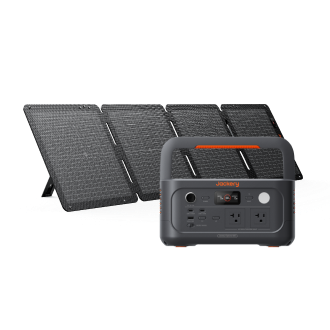
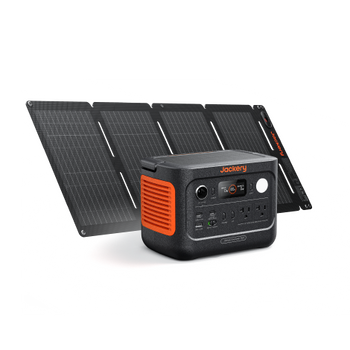
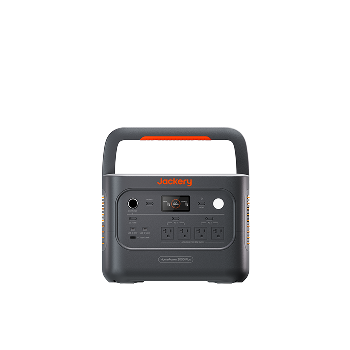
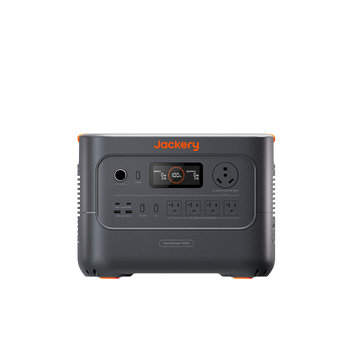
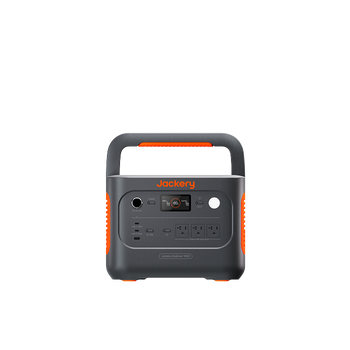
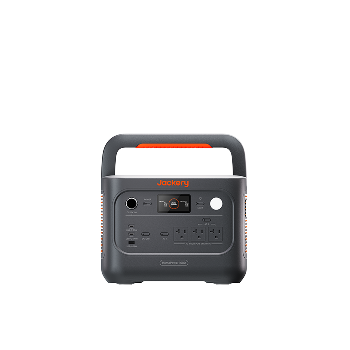
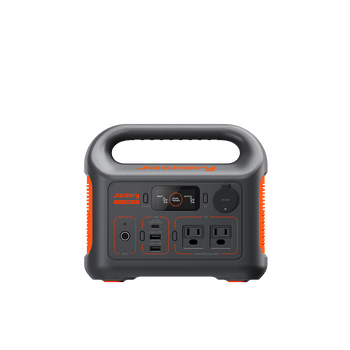
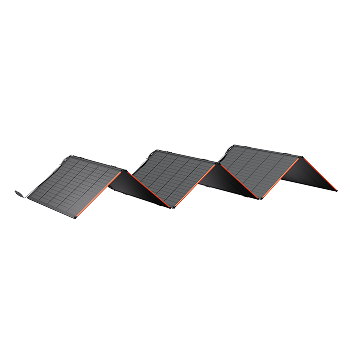
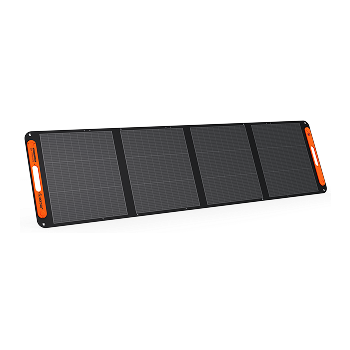
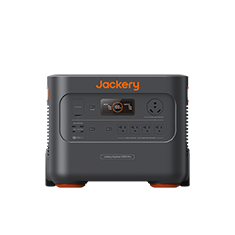
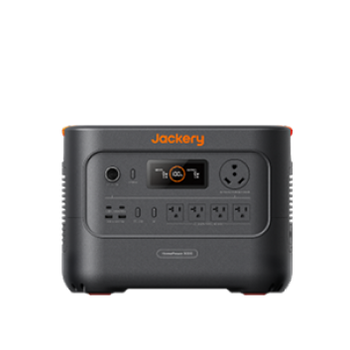
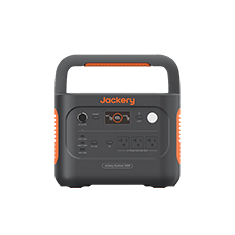
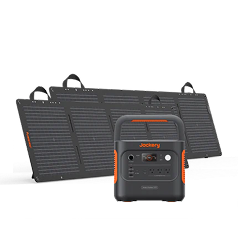
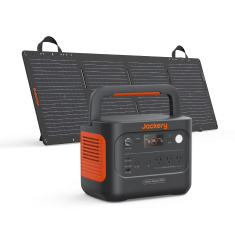
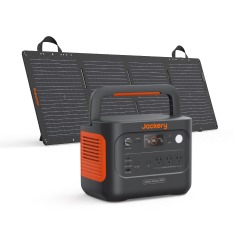
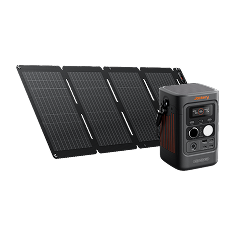
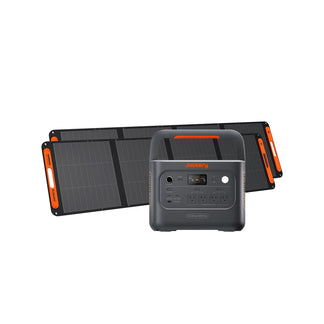
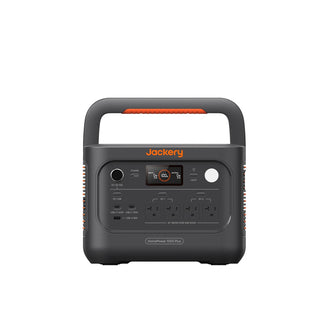
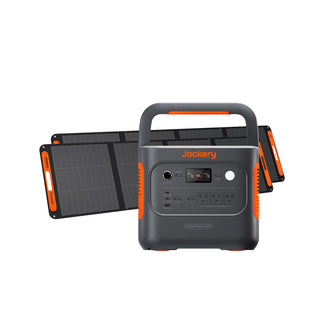
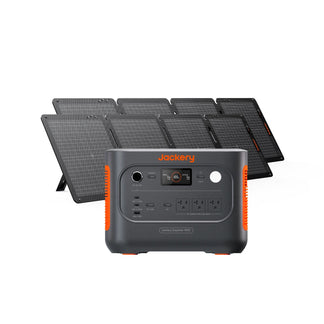
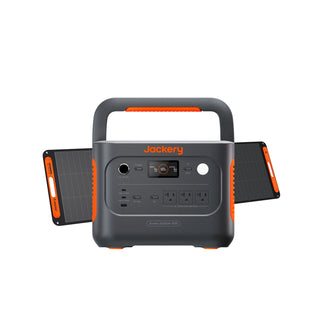
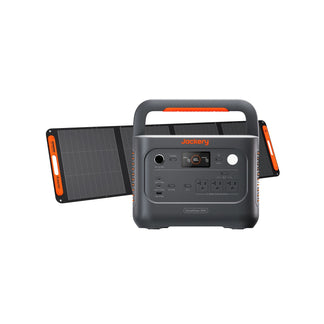
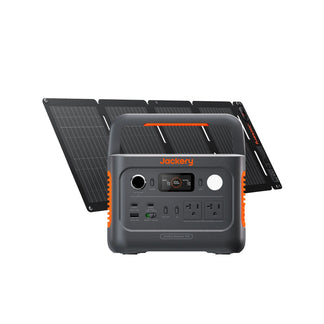
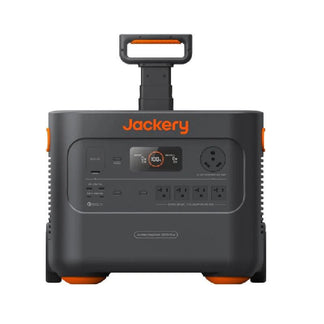
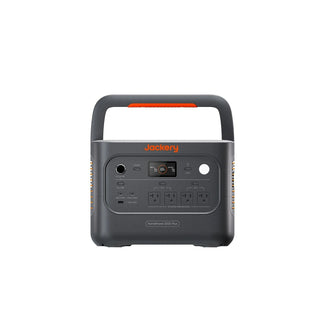
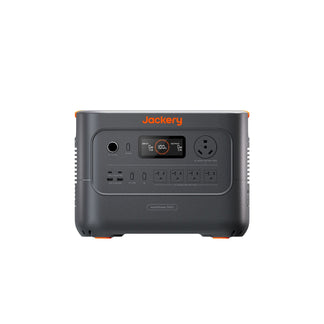
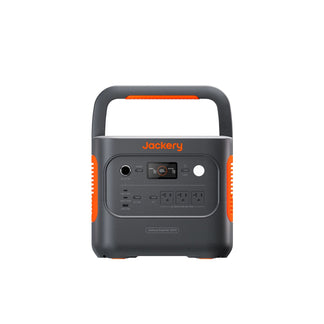
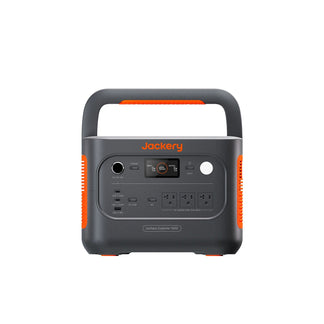
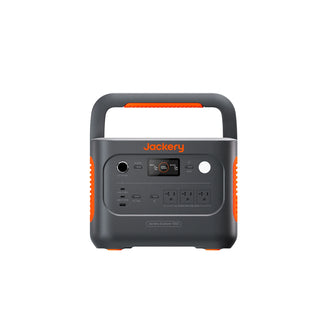
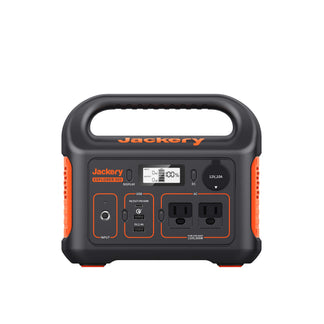
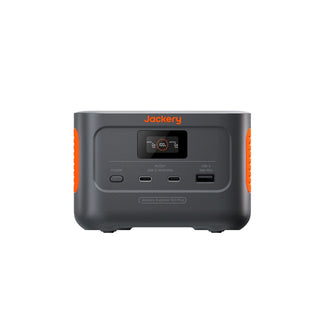
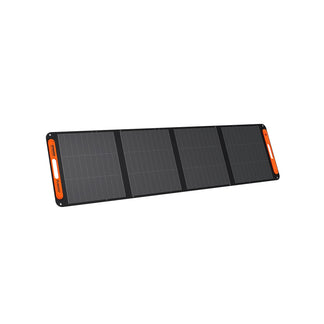
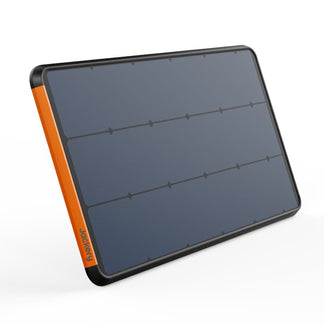
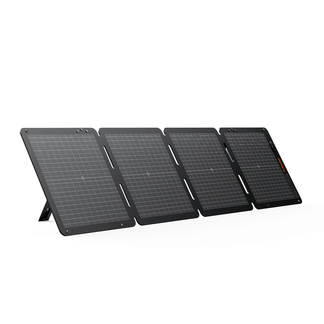
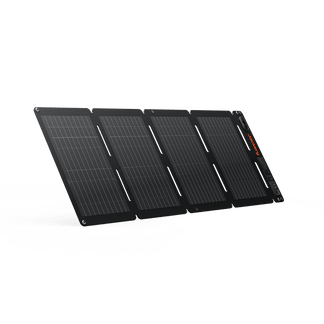
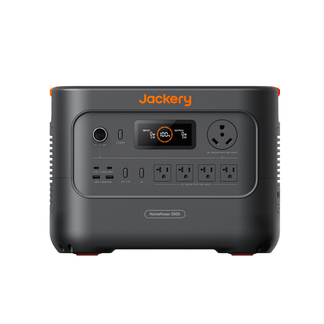
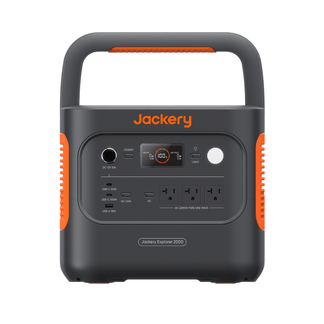
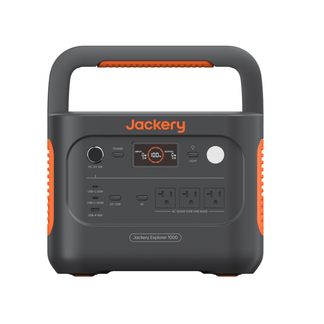
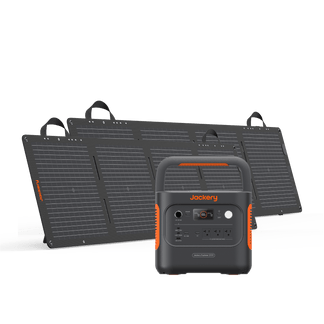
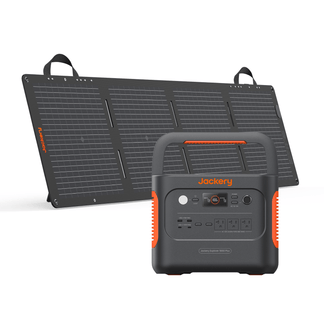
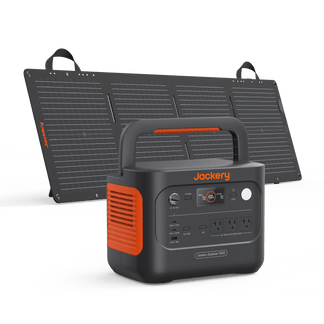
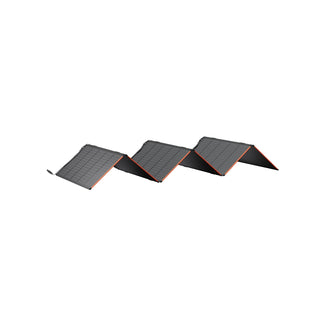
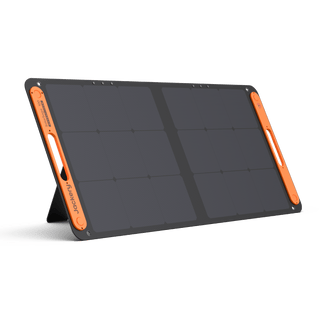
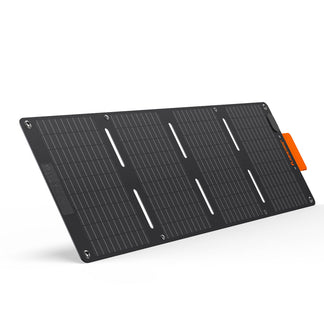
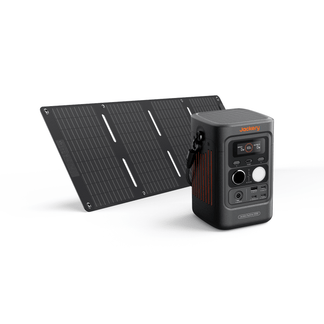
He started with the Jackery Solar Generator 1000 v2, paired with SolarSaga panels.
The first time he used it, the difference was immediate. “The charging speed surprised me,” he says. “I didn’t expect it to be that fast.”
In a typical Jackery Solar Generator 1000 v2 review, you might read about output capacity or runtime. Andrew talks about something simpler: continuity.
Being able to boil water with an electric kettle instead of propane. Running a toaster. Using a slow cooker. Keeping phones, tablets, and everyday devices charged without thinking about it.
“It changes everything,” he says.
Not dramatically. Not in a way that feels like a transformation. But in the accumulation of small moments that become easier, smoother, and more predictable.
A Different Kind of Camping
What surprised him most wasn’t just what the system could power. It was how it changed the experience itself.
Camping became less about managing limitations and more about simply being there.
On sunny days, the system holds steady: fans running, devices charging, everything functioning while the battery remains full. “As long as there’s sun,” he says, “it just keeps going.”
Other campers notice. They see the solar panels. They ask questions. They’re used to generators; noise, fuel, and constant attention. This is different.
Andrew enjoys those conversations. Not because he’s trying to convince anyone, but because the system speaks for itself.
“It’s easy to show,” he says.

Expanding the Idea of Power
What began as a camping solution didn’t stay there.
Over time, Andrew started thinking differently about power, not as something tied to location, but as something portable, adaptable, transferable.
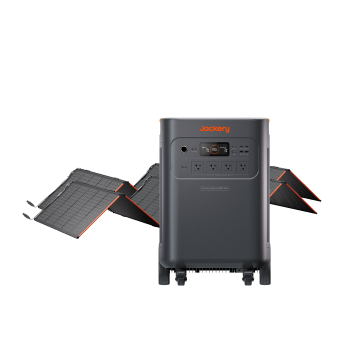
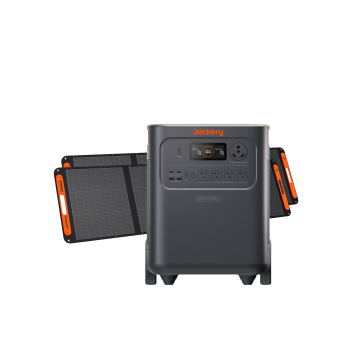
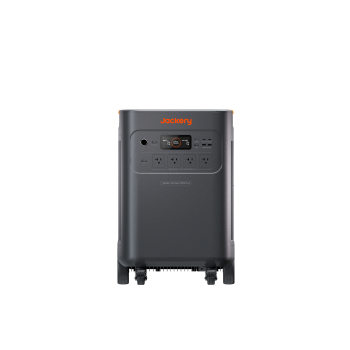
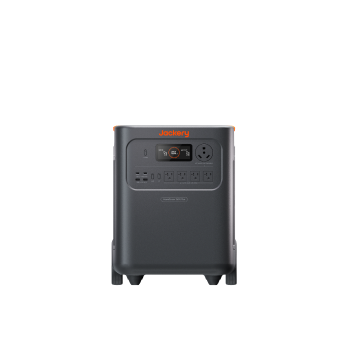
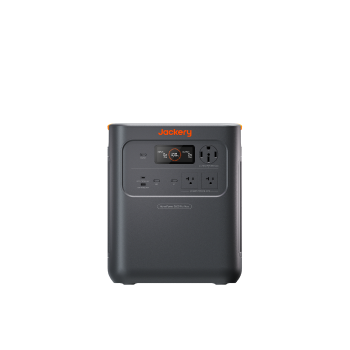
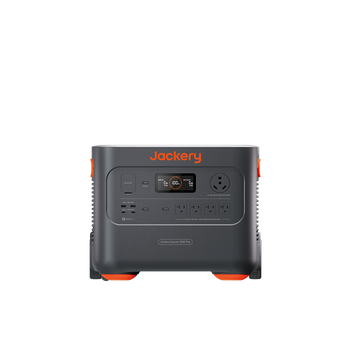
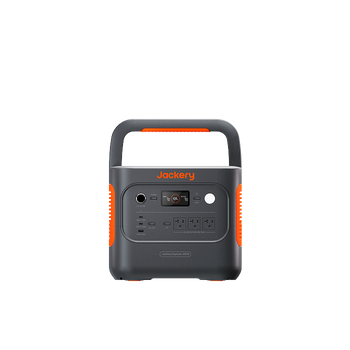
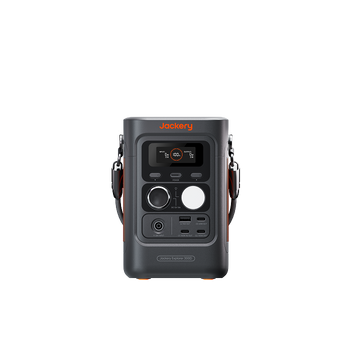
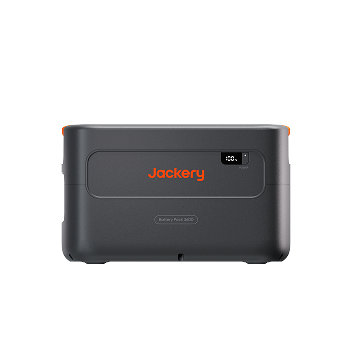
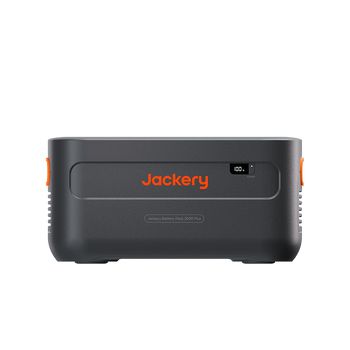
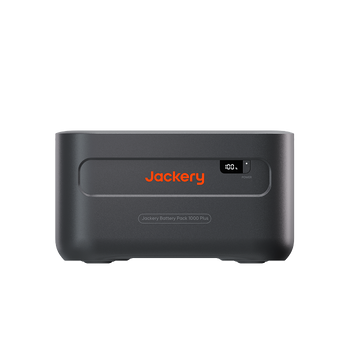
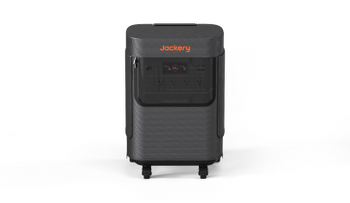
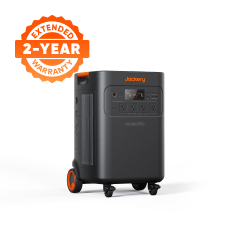
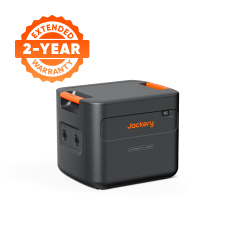
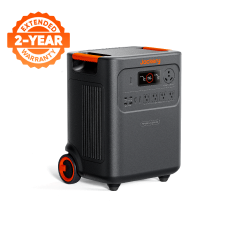
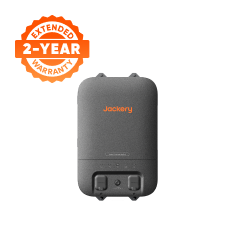
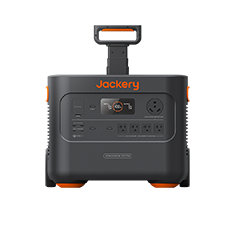
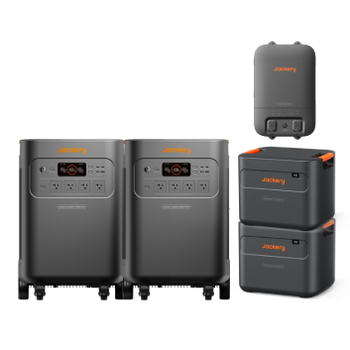
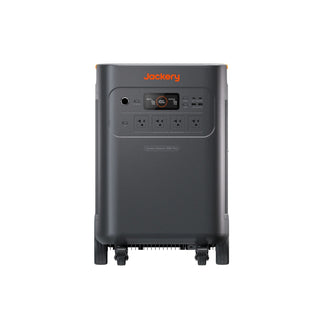
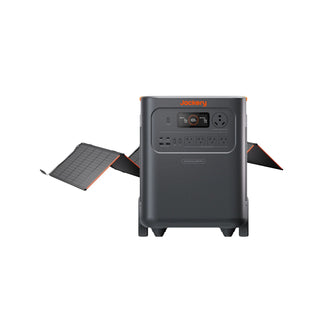
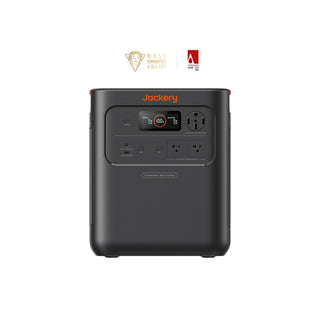
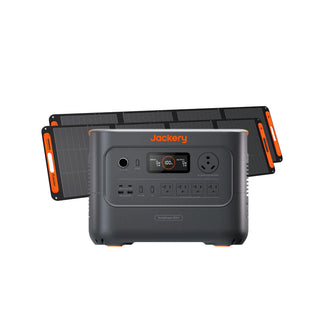
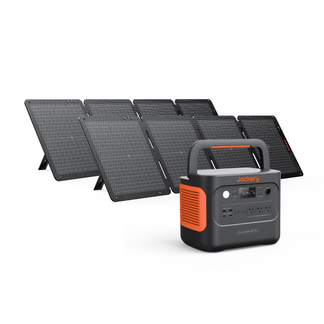
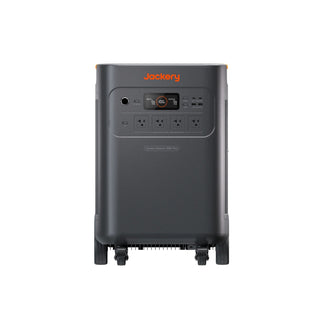
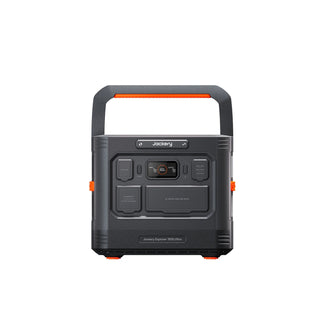
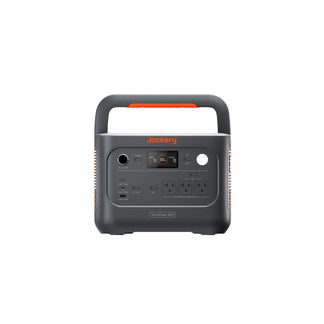
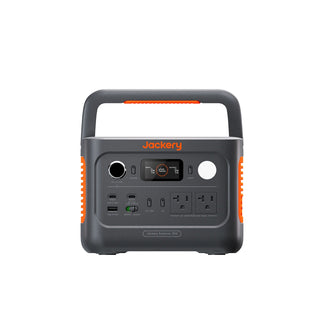
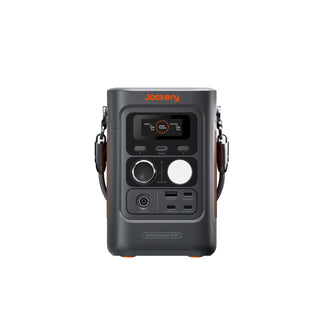
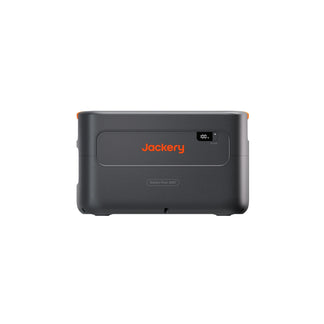
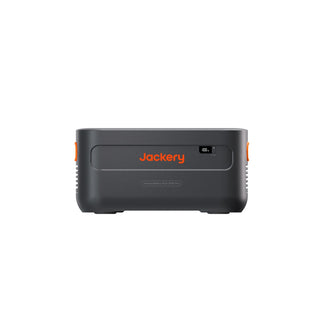
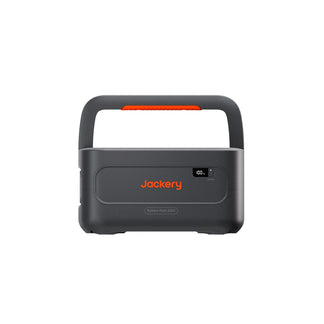
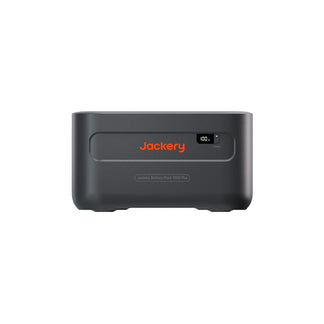
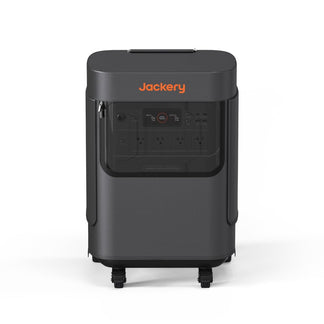
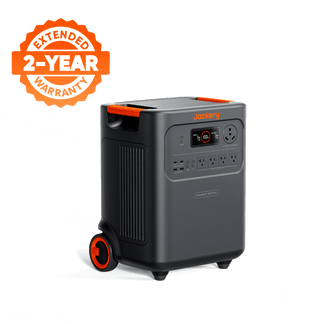
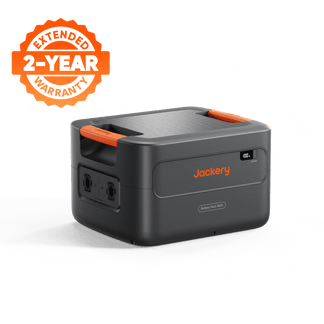
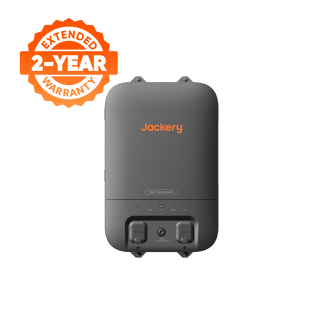
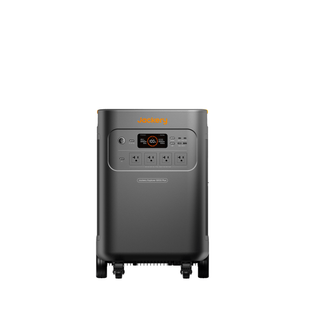
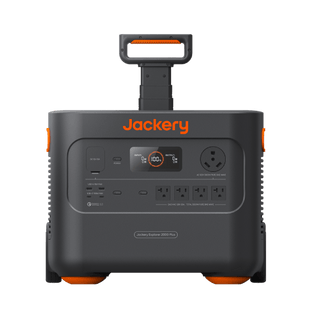
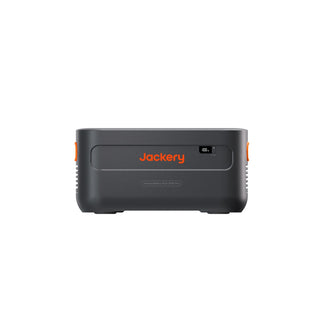
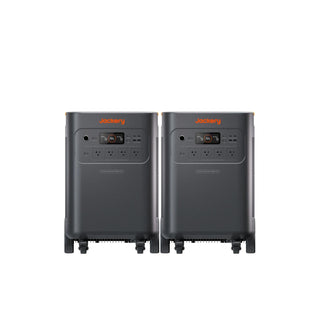
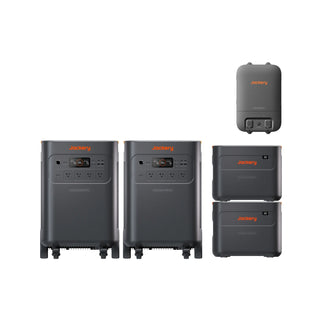
That thinking led him to expand his setup. He added the Jackery Solar Generator 5000 Plus and an additional battery pack. A system capable not just of supporting travel, but of supporting a home.
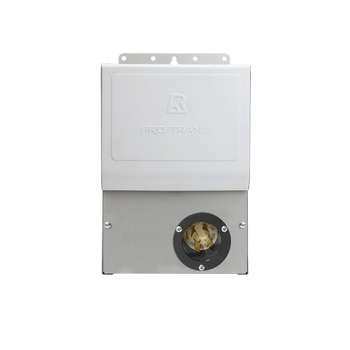
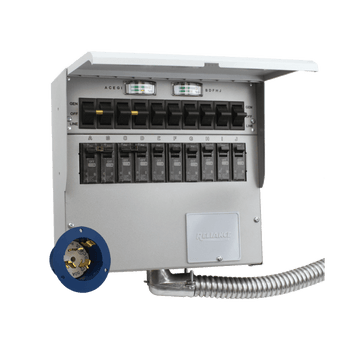
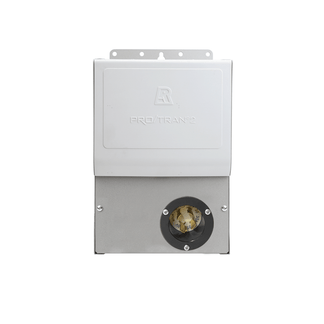
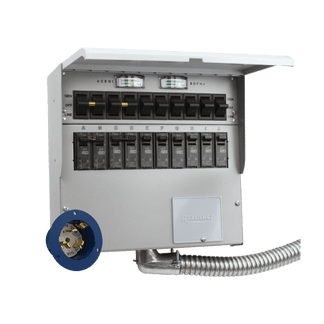
He hasn’t fully integrated it yet, plans are in place for a manual transfer switch, and electrical work still needs to be completed, but the intention is clear.
Refrigerator. Freezer. Furnace. Air conditioning.
Not luxury, continuity.
Preparedness Without Urgency
Andrew doesn’t live in an area with frequent outages.
That’s not the point. “I just want to be prepared,” he says.
It’s a subtle distinction, but an important one. Preparation isn’t a reaction to constant risk. It’s a habit. A way of structuring life so that when something does happen, unexpected weather, infrastructure failure, anything that interrupts the normal flow, you are already positioned to respond.
The system sits ready. Charged. Available.
Not in use, but not inactive either.

A Shared System
In the house, the Jackery has found its own place in daily life.
His wife uses it regularly, charging her tablet and phone and keeping it nearby as part of her routine. It’s no longer just equipment. It’s part of the environment.
Something that exists quietly, doing what it’s meant to do.
That quiet integration matters because the best systems don’t demand attention; they simply work.
Building Toward Independence
Andrew isn’t finished. If anything, he’s thinking bigger.
More battery packs. Greater capacity. A system that could, eventually, support the entire house if needed.
Not all the time. Not as a permanent replacement.
But as an option.
“I want to be able to run everything,” he says.
There’s no urgency in the way he says it. Just a clear direction.
What Remains
At the end of the conversation, Andrew is asked to describe his experience.
He answers without hesitation: “Easy setup. Reliable power.”
Simple words. Direct.
But behind them is something larger, a way of thinking shaped over decades, carried from one life into another.
Because for Andrew Evans, preparation isn’t about reacting to emergencies. It’s about removing uncertainty before it arrives.
And sometimes, that begins with something as small and as significant as having power exactly where you need it, before you ever have to ask for it.


See More Stories
 CampingGetting the Ice Out of His LifeIn retirement, Pat uses Jackery to simplify camping and enjoy flexible off-grid travel without relying on ice.
 Off-Grid LivingWhere the Forest Still Has a SignalChemistry professor Bryan uses Jackery to power his off-grid cabin and stay connected in the forest.
 Home BackupWhen the Power Goes QuietDarryl uses Jackery to prepare for the unexpected, from winter outages at home to emergencies in remote outdoor settings.


