

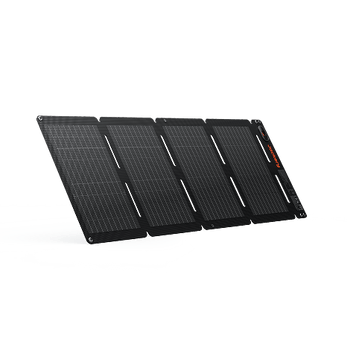





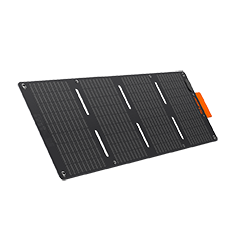




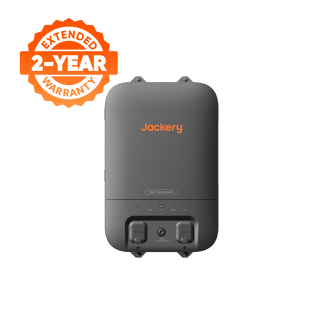
![[Add-on] Jackery SolarSaga 500 X - Jackery](http://www.jackery.com/cdn/shop/files/add-on-jackery-solarsaga-500-x-1493607.webp?v=1786503068&width=324)
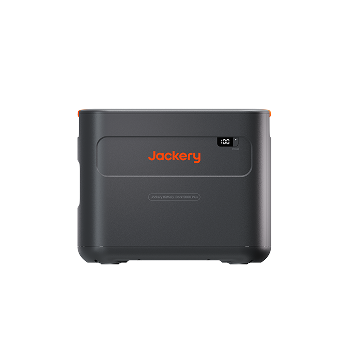
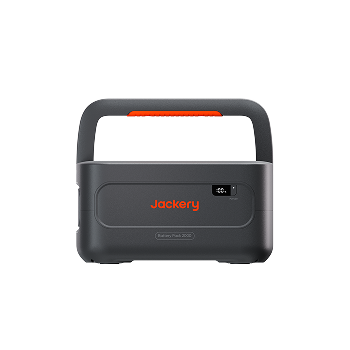
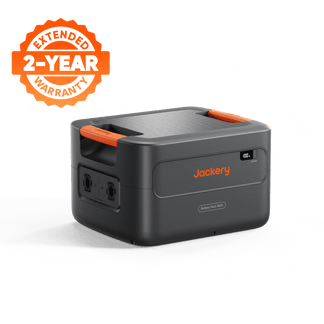
![[Add-on] Jackery Battery Pack 5000 Plus - Jackery](http://www.jackery.com/cdn/shop/files/add-on-jackery-battery-pack-5000-plus-6713401.webp?v=1786503068&width=324)








Most new families choose the wrong solar generator size because they either underestimate their actual energy needs or overestimate what a small battery backup solution can realistically power. They often look at a single appliance rating, ignore daily watt-hours and surge power, and assume a compact battery backup will run the whole house. This leads to dead batteries during outages, tripped systems, or wasted money on equipment that doesn’t meet needs.
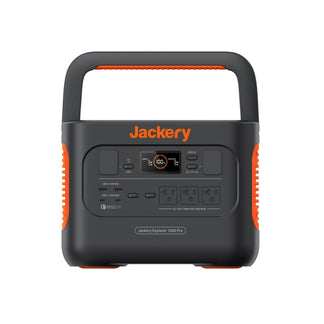
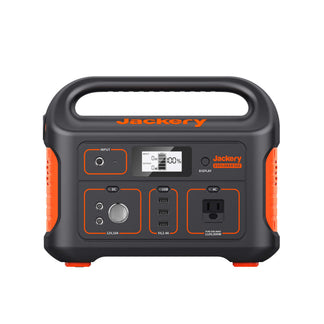
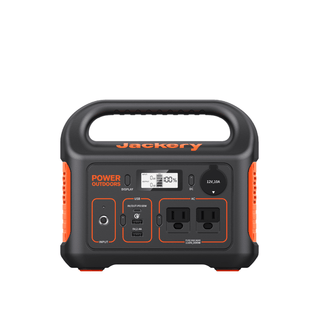
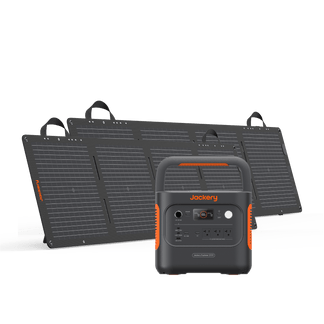
Jackery’s product lineup ranges from compact battery backup solutions to expandable home support systems, which help families size correctly instead of buying impulsively. You can consider going ahead with the small battery backups that can handle basic needs or expandable battery backup solutions that can be expanded with the help of add-on battery packs for an extended power supply. The expandable battery backup solutions not only meet current power needs but can also be used as power needs increase.
Takeaways
- Running power (watts) tells you what a generator can handle at one moment, but battery capacity (watt-hours) determines how long it will run. Without calculating total daily energy use, families either buy undersized systems that die mid-outage or oversized ones they never fully use.
- The correct approach to understanding the generator size is to list essential appliances, calculate daily watt-hours, factor in inverter efficiency, and verify surge requirements. With this process, you can eliminate shutdown risks and unrealistic runtime expectations.
- Choosing a scalable or correctly sized solar generator from the start avoids the common mistake of replacing an undersized unit within a year.
- Most families only need selective essential coverage during outages. Matching real simultaneous appliance load to the right solar generator tier ensures reliability, cost efficiency, and long-term performance.
What are the Common Solar Generator Sizing Mistakes New Families Make?
Most new families make sizing mistakes because they skip load calculations and rely on assumptions instead of numbers. They confuse power (watts) with energy (watt-hours), ignore surge demand, underestimate battery storage, and expect one battery backup solution to run everything. Here are some common mistakes new families make while choosing the solar generator:
Miscalculating Energy Needs (Watt-Hours)
Families often look at a refrigerator labeled “700W” and assume a 1000W generator is enough. However, the real question is: how many watt-hours does a refrigerator consume in 24 hours? If it runs intermittently throughout the day, total energy usage could exceed what a small battery can store. Without calculating daily consumption, runtime expectations might collapse.
Ignoring "Startup" Surge Power
Refrigerators, sump pumps, microwaves, and air conditioners require surge power at startup, which is often 2–3× their running wattage. If your solar generator cannot handle that peak load of the appliances, it will trip instantly. The starting and running wattage of the appliances are different, and ignoring that difference leads to system failure during emergencies.
You can read the detailed blog about starting watts vs. running watts to learn more about these terms.
Ignoring Future Needs
As families grow, more devices, baby equipment, home office setups, medical devices, and kitchen appliances get added over time. Buying a non-expandable battery backup solution based only on current power needs often forces a costly replacement later.
Assuming "Full House" Power
Many buyers assume a portable solar generator can power central air conditioning, water heaters, ovens, and every outlet simultaneously. That’s unrealistic unless you are investing in a high-capacity, expandable battery backup solution designed for that scale. If you need reliable power for essential house circuits during an outage, an essential home backup is generally enough.
How Can Families Accurately Calculate the Right Solar Generator Size?
You can accurately size a solar generator by calculating total daily energy consumption in watt-hours, verifying peak surge requirements, and choosing battery capacity that supports at least one full day of essential usage. Here's how to calculate what size generator you need:
Step 1: List Essential Appliances and Wattage
Start by listing only essential appliances that you want to power during an outage. Think refrigerator, WiFi router, lights, fans, baby monitor, laptop, maybe a microwave. Write down each appliance’s running wattage (found on the label or manual).
- Refrigerator: 200W
- Microwave: 800W
- WiFi router: 10W
- LED light bulb: 80W
- Laptop: 100W
You can refer to the appliance wattage chart to check the power consumption.
Step 2: Calculate Daily Energy Consumption (Watt-Hours)
Multiply each appliance’s wattage by the number of hours it runs per day:
Watts × Hours = Watt-hours (Wh)
Example:
Refrigerator (200W × 8 hours cycling) = 1,600Wh
WiFi (10W × 24 hours) = 240Wh
Lights (50W total × 5 hours) = 250Wh
Total daily energy = 2,090Wh (2.090kWh)
That means a 1,000Wh solar generator will not last a full day. You would need at least 2,100Wh usable capacity and realistically 20–30% buffer on top.
Step 3: Account for Inverter Efficiency and Battery Life
No solar generator or power station can deliver 100% usable power. Inverter efficiency typically ranges from 85–95%. If you need 2,100Wh daily, assume at least 10–15% energy loss. So instead of buying exactly 2,100Wh capacity, you should consider targeting closer to 2,500–2,800Wh. That margin prevents deep battery drain, which shortens lifespan over time.
Step 4: Determine Output Power (Continuous vs. Peak)
Battery capacity (Wh) determines runtime. Output power (W) determines what you can run simultaneously. You should add up the appliances that will operate at the same time:
If your fridge (700W surge), microwave (1,200W), and lights (100W) run together, you may briefly require over 2,000W.
In this case, you should choose a generator with a continuous output that matches your typical load. For more information, you can read our detailed blog about: What Size Generator to Run a House (with Chart).
Which Jackery Solar Generators Help Families Avoid Common Sizing Mistakes?
Families can avoid sizing mistakes by choosing solar generators with clearly defined capacity, strong surge handling, and expandable storage. The key is matching real household load to the right tier of backup power. Here are some different Jackery Solar Generators that fit different power needs:
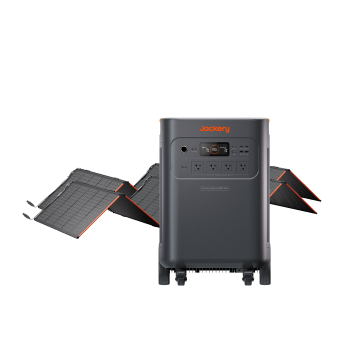
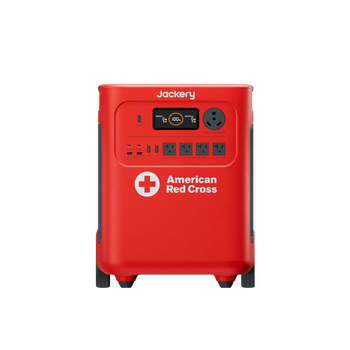
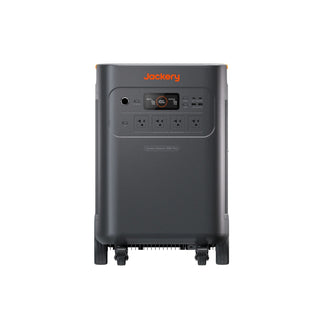
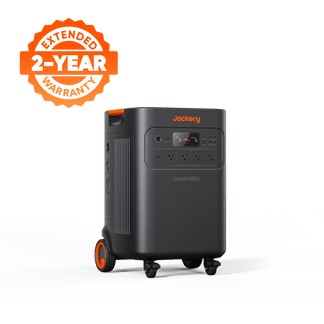
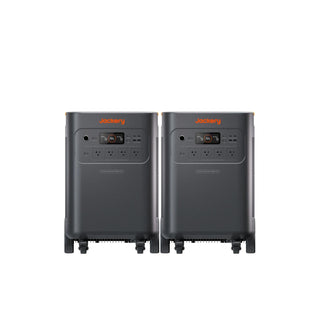
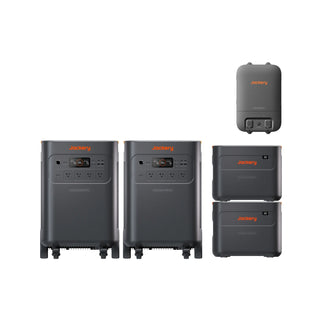
Jackery Solar Generator 5000 Plus
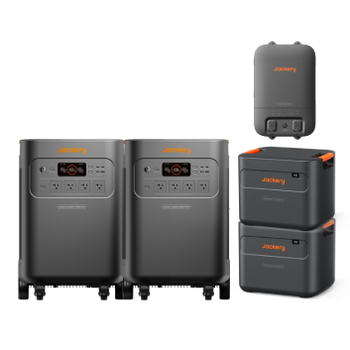
The Jackery Solar Generator 5000 Plus is for families who need extended outages or essential home backup. It offers large-capacity storage with expansion capability, allowing families to scale well beyond basic emergency needs. It’s built to handle high continuous loads, dual-voltage appliances, and strong surge demands, which means refrigerators, sump pumps, microwaves, and even larger appliances can run without tripping the system.
Appliances Running Time
- Refrigerator (200W) = 17.1H
- TV (150W) = 21.4H
- Cooker (1000W) = 4.1H
- Heater (1000W) = 4.1H
- Microwave (800W) = 5.0H
Who Should Buy This
If you are preparing for long outages, need an expandable capacity, or are running multiple high-demand appliances simultaneously, the Jackery Solar Generator 5000 Plus is a reliable solution.

Customer Review
I really like the system because it is relatively small and transportable, while still strong enough to support my house's critical power requirements.
— Robert K.
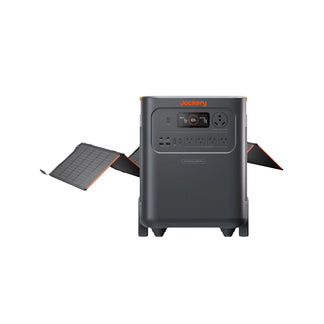
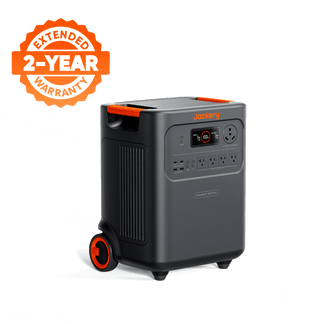
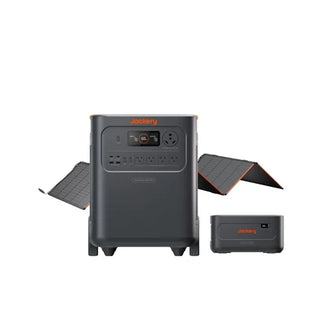
Jackery Solar Generator HomePower 3600 Plus
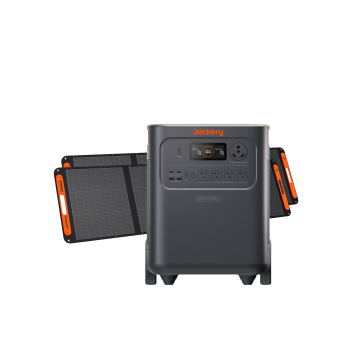
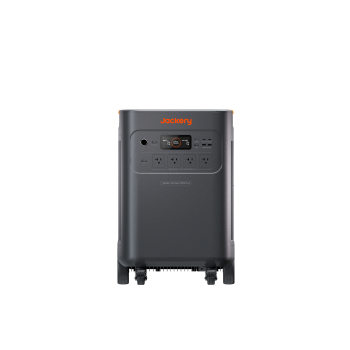
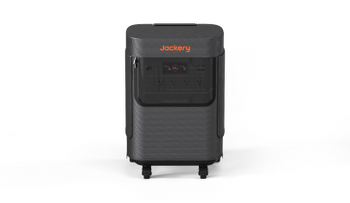
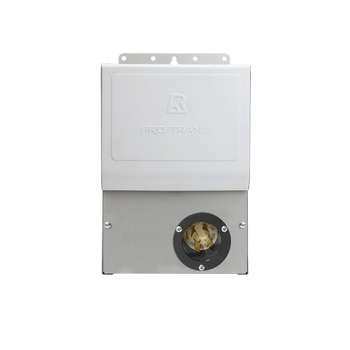
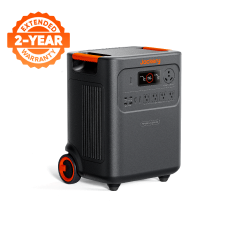
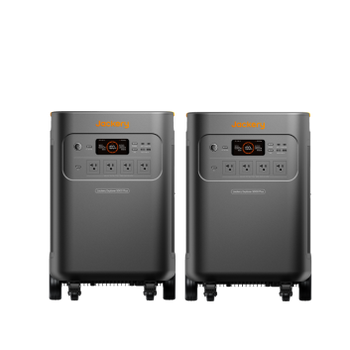
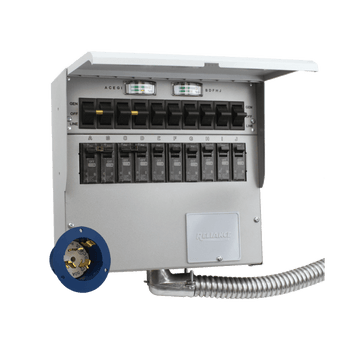
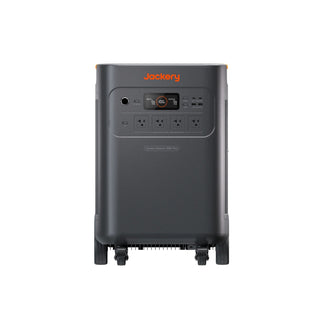
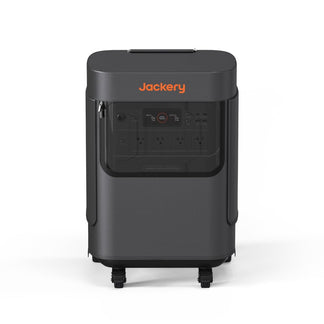
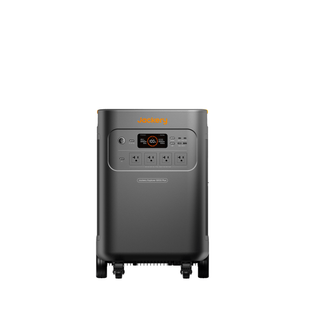
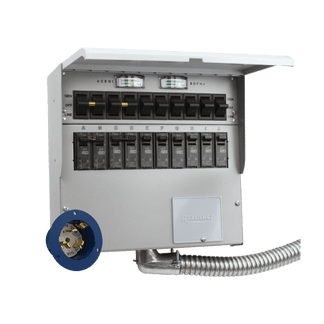
The Jackery Solar Generator 3600 Plus is a home battery backup solution that fits families who want a strong home backup without going into an ultra-high capacity generator. It offers solid, continuous output for running kitchen appliances, refrigerators, routers, lights, and work-from-home setups together. It features a pull rod with double wheels for easier transportation around the home. You can also connect this solar generator to the home's electrical panel via a transfer switch, ensuring appliances stay powered during a sudden outage.
Appliances Running Time
- Refrigerator (200W) = 13.7H
- TV (150W) = 17.7H
- Cooker (1000W) = 3.0H
- Heater (1000W) = 3.0H
- Microwave (800W) = 3.7H
Who Should Buy This
If you want multi-appliance backup or a balance of power and portability, the Jackery Solar Generator HomePower 3600 Plus is the ideal solution.

Customer Review
Convenient, transportable with handles/wheels, and the power lasts a long time. Don't have to recharge often. Solar panels are useful for using the sun for energy when power is totally out.
— Tracey W.
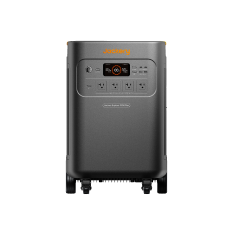
Jackery Solar Generator HomePower 3000
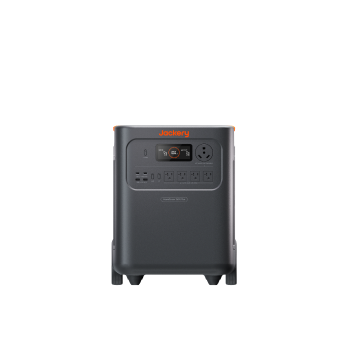
The Jackery Solar Generator HomePower 3000 is practical for families who want a dedicated essential circuit backup instead of powering the entire house. With strong output and around 3kWh capacity, it handles refrigerators, lights, WiFi, fans, and basic kitchen appliances comfortably. It features dual-sided handles for easier transportation around the home and even outdoors. It operates by emitting less than 30dB, which is almost equal to the sound of a refrigerator's hum, making the solar generator ideal for night use.
Appliances Running Time
- Refrigerator (200W) = 11.8H
- TV (150W) = 15.2H
- Cooker (1000W) = 2.6H
- Heater (1000W) = 2.6H
- Microwave (800W) = 3.2H
Who Should Buy This
If you need an essential-only battery backup solution for apartment or townhouse living, you can consider going ahead with the Jackery Solar Generator HomePower 3000.

Customer Review
Powers our full-size Samsung fridge for 24 hours. Charges very fast from mains power. Looking forward to adding enough solar capacity to charge it.
— John V.
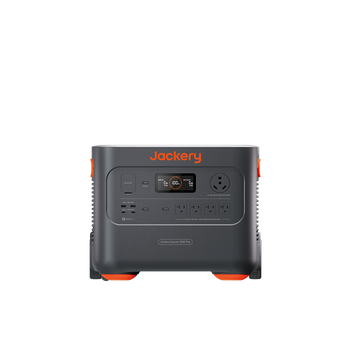
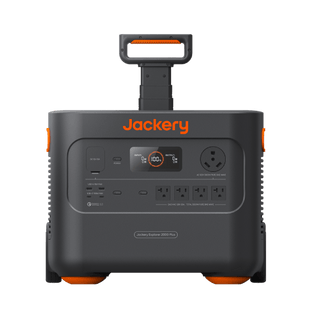
Jackery Solar Generator 2000 Plus
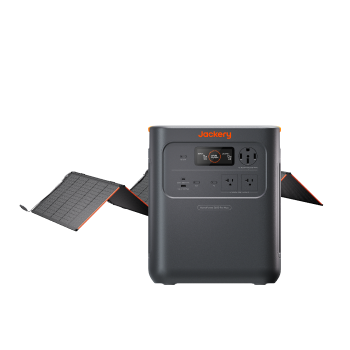
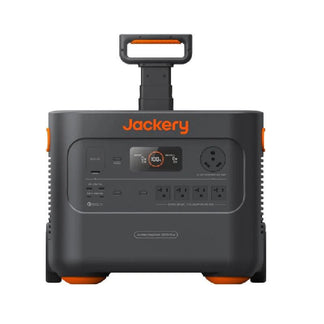
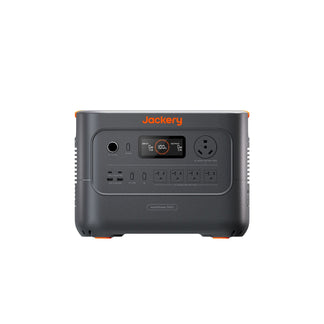
The Jackery Solar Generator 2000 Plus is expandable, allowing you to increase the battery capacity as your needs grow. It starts at a strong base capacity and can grow up to 24kWh with additional battery packs. It features a foldable handle for transportation, and if you wish to drag the power station, you can use the double wheels and the available pull rod.
Appliances Running Time
- Refrigerator (200W) = 7.7H
- TV (150W) = 10.0H
- Cooker (1000W) = 1.6H
- Heater (1000W) = 1.6H
- Microwave (800W) = 2.0H
Who Should Buy This
If you want a reliable battery backup solution that keeps essential appliances powered during brief power outages and can also be expanded, the Jackery Solar Generator 2000 Plus is the right fit.

Customer Review
I have one 300 J, two 1000 J, and two 2000 plus kits. I have not had to use the 2000 for a long time. I am ready for an electrical failure. That’s a good piece of mind. Thank you Jackery.
— Anonymous.
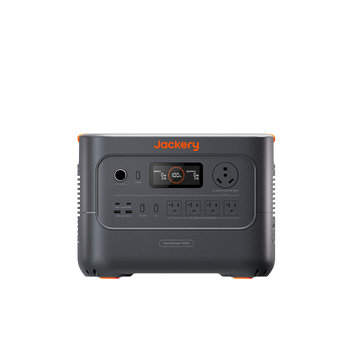
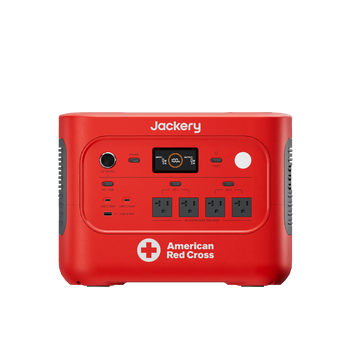
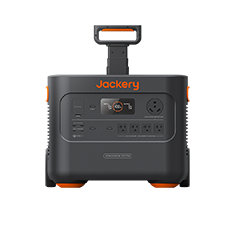
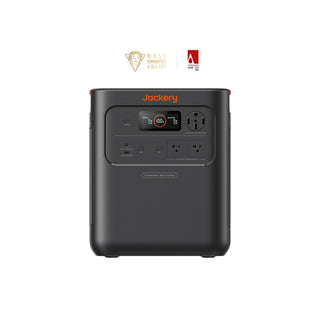
Jackery Solar Generator 2000 v2
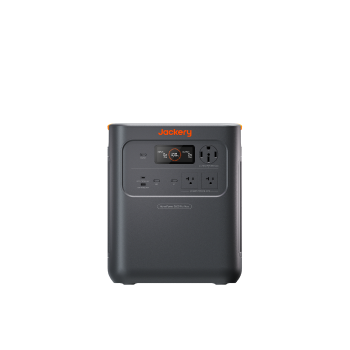
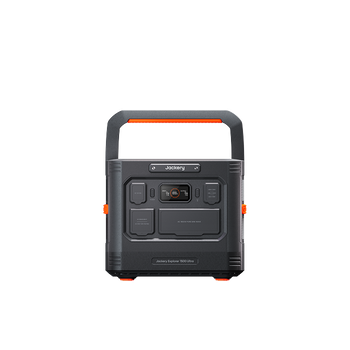
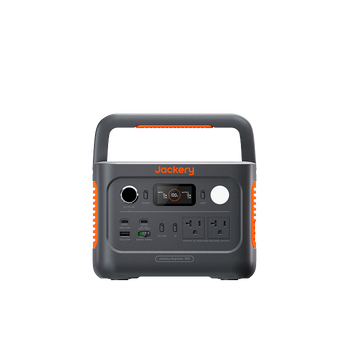
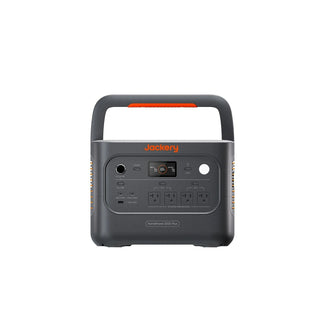
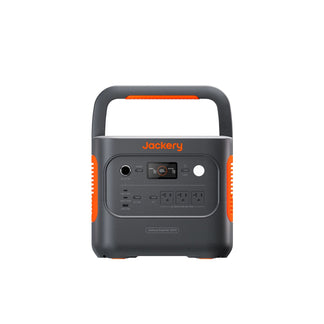
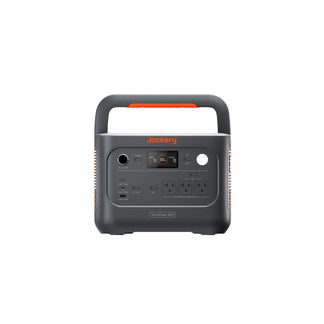
The Jackery Solar Generator 2000 v2 is suited for essential appliance backup with reliable surge handling. It supports refrigerators, microwaves, lights, routers, and small kitchen devices. If you need power for a few hours during an outage, at a remote worksite, or on an outdoor adventure, you can consider the Jackery Solar Generator 2000 v2. It is the world's lightest and smallest 2kWh LFP solar generator that features a foldable handle so you can easily move it around.
Appliances Running Time
- Refrigerator (200W) = 7.7H
- TV (150W) = 10.0H
- Cooker (1000W) = 1.6H
- Heater (1000W) = 1.6H
- Microwave (800W) = 2.0H
Who Should Buy This
The Jackery Solar Generator 2000 v2 is ideal for essential kitchen and connectivity backup during short-to-medium outages.

Customer Review
So far, so good. The Explorer 2000 v2 is ready for emergencies. It charges quickly & holds a charge well.
— D.P.Milliken.
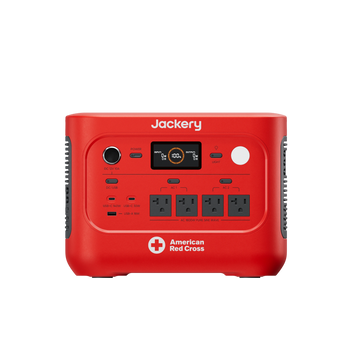
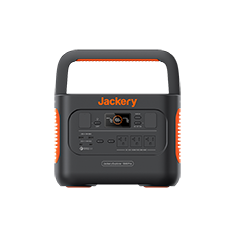
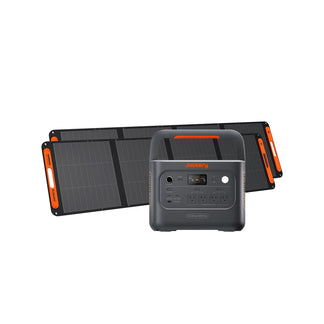
Jackery Solar Generator 1000 v2
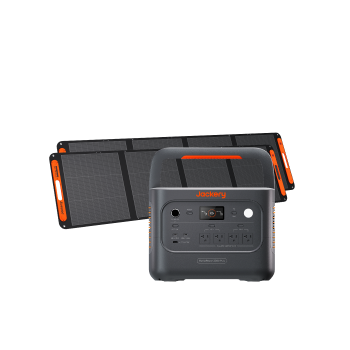
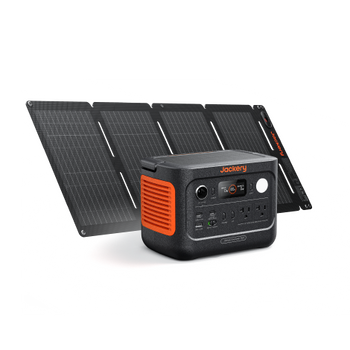
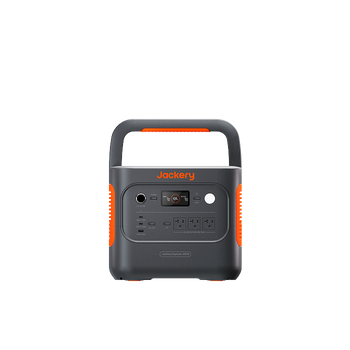
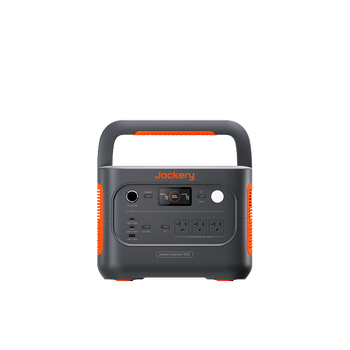
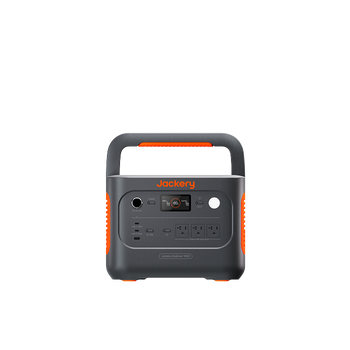
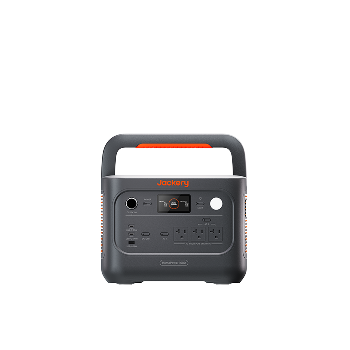
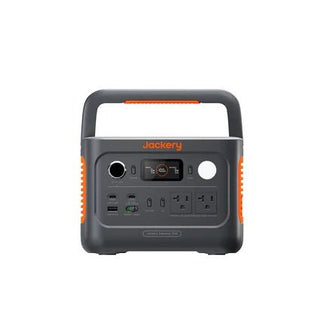
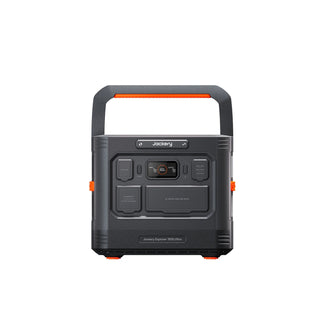
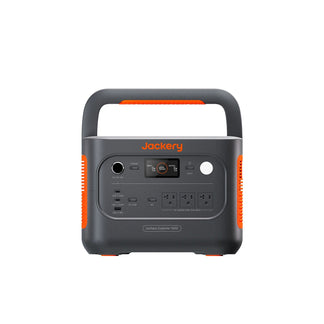
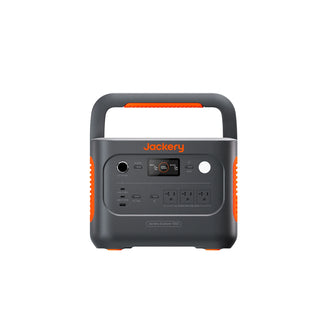
The Jackery Solar Generator 1000 v2 works for minimal emergency coverage. It can handle routers, lights, laptops, phone charging, and possibly a small refrigerator, depending on daily watt-hour calculations. If you have a home office with basic appliances, this solar generator can provide around a day of backup power. With the help of its foldable handle, you can easily move the battery backup wherever you go.
Appliances Running Time
- Refrigerator (200W) = 4.1H
- TV (150W) = 5.3H
- Cooker (1000W) = 0.9H
- Heater (1000W) = 0.9H
- Microwave (800W) = 1.1H
Who Should Buy This
If you want a battery backup solution for light emergency use or short-duration outages, then you can consider going ahead with the Jackery Solar Generator 1000 v2.

Customer Review
The backup power supplies (Jackery 1000 v2) are doing the job well so far. Thankfully, we haven’t lost power yet, but I let them power the fridge and freezer for a handful of cycles, and they worked. When I disconnected from the grid power, the backups maintained power flawlessly.
— Anonymous.
Conclusion
When sizing a solar generator for your needs, it is important to calculate daily watt-hours, check surge requirements, add a safety buffer, and choose a system that matches the actual simultaneous usage of critical appliances.
When you approach sizing logically, solar generators become reliable emergency assets during power outages and even during outdoor adventures. Whether you are buying compact essential backup or expandable home backup support, it should align with real consumption patterns today and allow room for tomorrow.


