







![[Add - on] Jackery Manual Transfer Switch for Explorer 5000 Plus - Jackery](http://www.jackery.com/cdn/shop/files/add-on-jackery-manual-transfer-switch-for-explorer-5000-plus-9017324.png?v=1754016782&width=350)


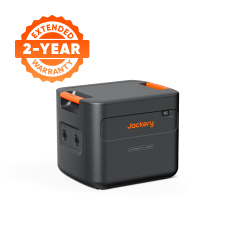
![[Add - on] Jackery Battery Pack 5000 Plus - Jackery](http://www.jackery.com/cdn/shop/files/add-on-jackery-battery-pack-5000-plus-6078351.png?v=1754016791&width=324)

![[Add - on] Jackery Car Charging Cable - Jackery](http://www.jackery.com/cdn/shop/files/add-on-jackery-car-charging-cable-3882421.png?v=1754016863&width=324)






![[Add - on] Jackery Smart Transfer Switch - Jackery](http://www.jackery.com/cdn/shop/files/add-on-jackery-smart-transfer-switch-5842915.png?v=1754016784&width=324)
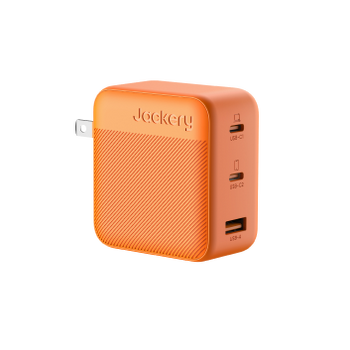
![[Add - on]Jackery 102W GaN 3 - Port Fast Charger - Jackery](http://www.jackery.com/cdn/shop/files/add-onjackery-102w-gan-3-port-fast-charger-6377742.png?v=1754016790&width=324)


![[Add - on] SolarSaga 200W - Jackery](http://www.jackery.com/cdn/shop/files/add-on-solarsaga-200w-4834329.png?v=1754016915&width=324)
![[Add - on] Jackery Manual Transfer Switch for Explorer 5000 Plus - Jackery](http://www.jackery.com/cdn/shop/files/add-on-jackery-manual-transfer-switch-for-explorer-5000-plus-9017324.png?v=1754016782&width=324)


Understanding the Need for Hybrid Energy Resilience
Relying solely on the aging power grid is a massive financial gamble. A sudden, multi-day blackout can easily ruin a freezer full of groceries or a $2,500 saltwater aquarium long before utility crews even locate the fault.
Yet, achieving total energy independence presents its own frustrating hurdles: massive whole-house battery banks easily exceed $15,000, mixing grid-tied systems with generators often triggers aggressive utility red tape, and harsh winter weather can cripple solar panel production right when you need heat the most.
To navigate these high costs, complex regulations, and seasonal weather deficits, modern homeowners are turning to smart, affordable hybrid energy solutions to ensure their homes remain running safely no matter what happens to the grid.
Why You Need a Hybrid Generator Solution for Your House
A true hybrid system combines solar panels, battery storage, and a backup generator for the ultimate, cost-effective energy resilience. It delivers the silent, daily savings of solar power alongside the brute-force reliability of a generator. Here is how to maximize this dual setup:
- Secure on-demand charging: Generators provide on-demand power to quickly charge your battery bank when solar production inevitably drops during prolonged winter storms or heavy cloud cover.
- Maximize fuel efficiency: Use your batteries for short power blips and overnight loads. Running a traditional gas generator 24/7 wastes expensive fuel and accelerates engine wear. Reserve your heavy-duty generator only for extended outages to preserve its lifespan.
- Optimize daily utility rates: Use your solar and battery setup to offset daily Time-of-Use rates by discharging stored power during expensive evening hours. This daily cycle saves you money year-round.
- Rely on clean alternatives: Modern solar generators offer a clean, quiet alternative to traditional gas units. Because they do not use fossil fuels or rely on combustion engines that wear out over time, they are ideal for indoor use and long-term, low-maintenance reliability.
- Reserve brute force for emergencies: Keep a gas or propane generator strictly for multi-day hurricanes or severe weather events where continuous, high-draw power (like running well pumps or central AC) is completely unavoidable.
Core Rules for Sizing Your Hybrid Backup System
Sizing your hybrid backup system requires understanding simultaneous load powering and charging to determine if you really need to double your generator size. The answer depends entirely on your wiring strategy and inverter capabilities.
- The Itemized List Rule: Identify the appliance with the highest starting wattage and add that to your total running load for optimal safety. If your well pump requires a 4,000W surge to start, your system must handle that spike on top of your baseline consumption.
- Account for Charging + Loads: If wired through the inverter, size the generator to at least 1.5 times (50% larger) the charging capacity of your inverter-charger. A 4,000W charger requires at least a 6,000W generator to prevent the engine from stalling under the heavy magnetic load.
- The Chargeverter Loophole: Use a standalone DC charger to separate the generator from AC peak loads, allowing a much smaller generator. The generator feeds power directly into the batteries, while the home runs exclusively off the inverter.
- PowerAssist / Load Shaving: Utilize smart inverters to combine battery and generator power for starting heavy loads efficiently. The battery handles the initial 3-second surge, keeping the generator small, quiet, and fuel-efficient.
Step-by-Step: Calculating Your Household Power Needs
Calculating your household power needs starts with auditing your appliances immediately. List every essential device you plan to run simultaneously during a grid failure to establish baseline needs.
|
Essential Appliance |
Running Watts |
Starting Watts |
|
Refrigerator |
800W |
1,200W |
|
Well Pump (1/2 HP) |
1,000W |
3,000W |
|
Gas Furnace Blower |
400W |
1,000W |
|
LED Lighting & Wi-Fi |
150W |
150W |
- Leverage existing data rather than guessing: Use your existing solar PV 15-minute interval consumption graphs for accurate sizing instead of generic online calculators. Downloading this CSV file from your utility dashboard reveals your exact peak consumption spikes.
- Calculate your total load: Add the running watts of all devices, then add the single highest starting watt requirement. Do not add all starting watts together; appliances rarely start at the exact same millisecond.
- Apply a safety margin: Add a 20-30% capacity buffer to your final calculation to safely accommodate future appliance additions or degrading generator efficiency over time. If you are wondering what size generator to run a 1600 sq ft house, this 30% buffer is the difference between a system that works and one that trips breakers.
Small Generator for Your House with Solar Panels
A small generator for houses with solar panels ranging from 2000W to 3000W perfectly backs up essential circuits like lights and refrigerators. You do not need a massive industrial unit to survive a blackout comfortably.
You can run 10kW solar systems with a small 3500W inverter generator by relying on smart inverter power-boosting capabilities. The inverter throttles the generator input, taking only what the small engine can provide without stalling. Utilize smaller units as excellent supplemental chargers for your solar battery bank during multi-day overcast weather. These small inverter generators sip fuel while keeping your core storage topped off.
Whole House Solar Generators Prices and Capacity
Whole-house backup typically requires a massive capacity of 15-40 kWh and a robust 6000W-8000W+ inverter system to handle HVAC units and electric ovens.
Important 2026 Update: When evaluating whole house solar generators prices, homeowners must remember that the direct 30% federal tax credit for purchasing solar equipment expired at the end of 2025. To capture federal incentives today and lower your long-term costs, you must look toward Third-Party Ownership (TPO) leases or PPAs, which utilize the still-active commercial tax credit.
Ensure your setup has two-wire dry contacts for Automatic Generator Start (AGS) to prevent battery depletion. When the battery bank drops to 20%, the dry contacts automatically fire up the standby generator, recharge the system, and shut the engine down without human intervention.

Integrating with Existing Equipment and Inverters
Integrating with existing equipment requires connecting a new hybrid inverter to an existing 10kW whole-home generator and Automatic Transfer Switch (ATS) for seamless operation. This integration prevents you from abandoning expensive legacy equipment when upgrading house battery backup in the basement and garage.
Proper placement dictates installing the hybrid All-In-One (AIO) inverter between the transfer switch and the main panel for optimal safety. Choose high-end hybrid inverters with dedicated generator input ports to vastly simplify wiring and grid-isolation.
Configure your utility agreements and software settings so the inverter never exports power back into the generator or the grid illegally. Backfeeding a generator destroys the alternator instantly, and backfeeding the grid endangers utility line workers.
Integrating Portable Power for Seamless Backup
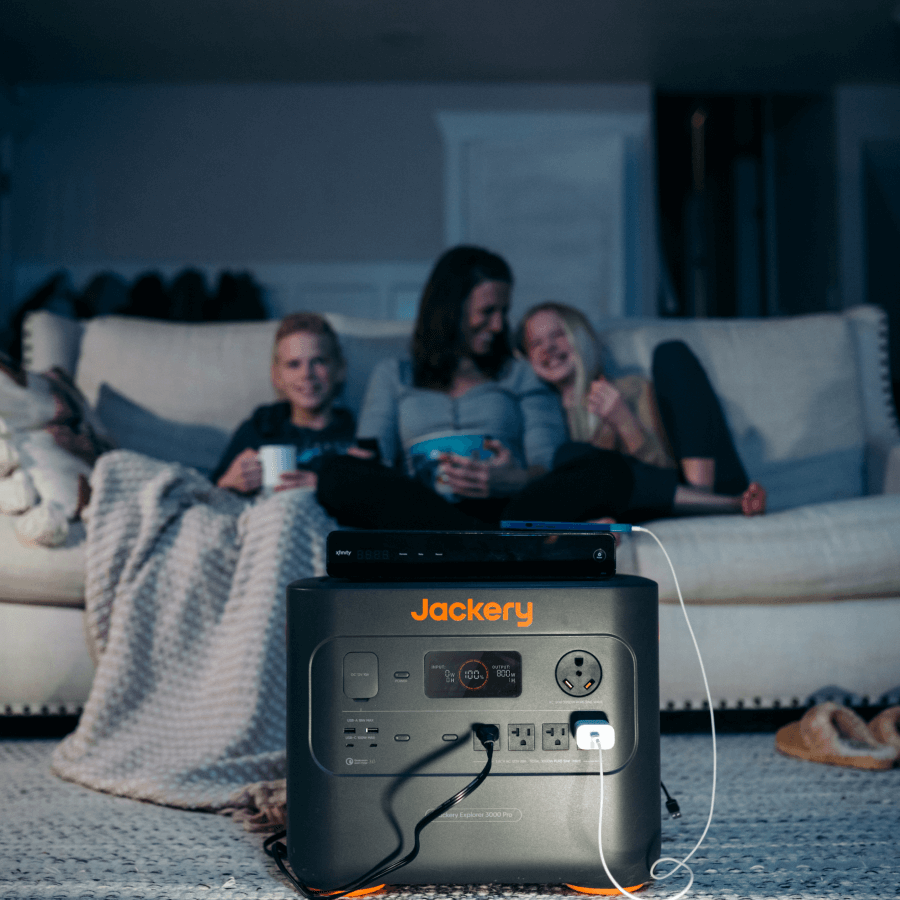
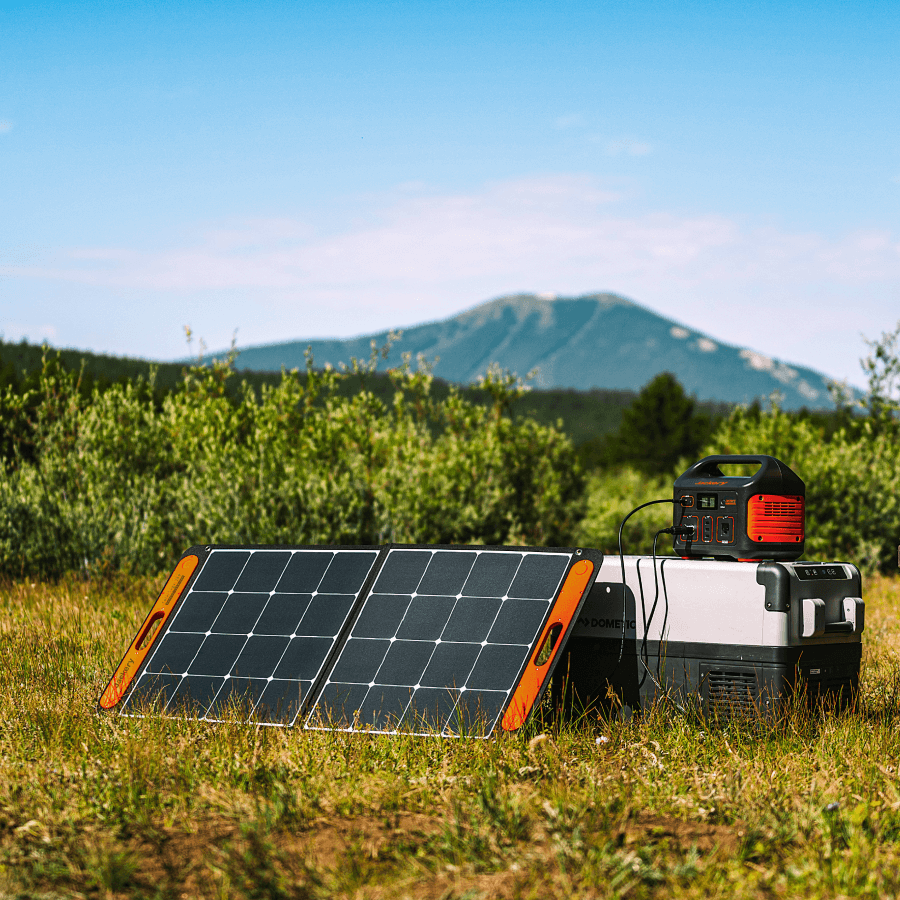
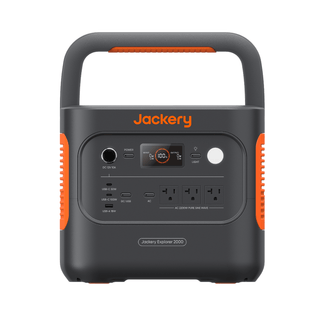
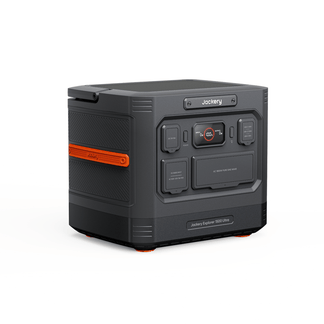
Modern solar generators offer clean, silent, and fume-free alternatives to traditional gas-guzzling backup systems, completely avoiding utility red tape. You bypass the complex permitting process entirely.
|
Solar Generator Model |
Capacity |
Output |
Best Use Case |
|
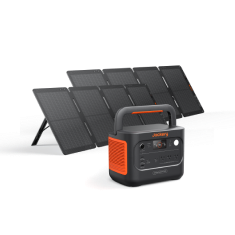
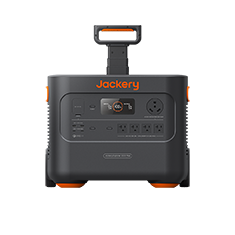
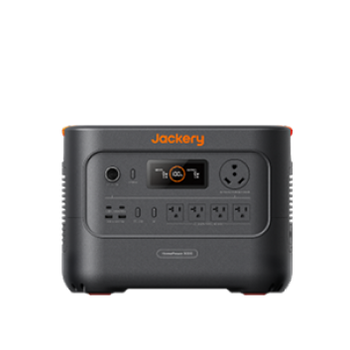
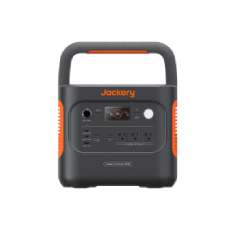
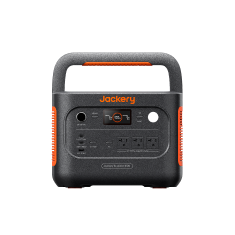
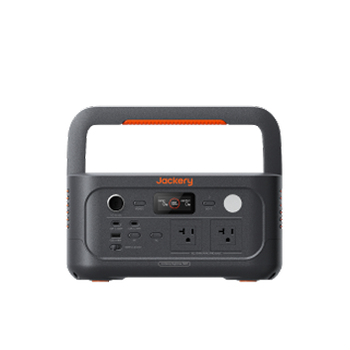
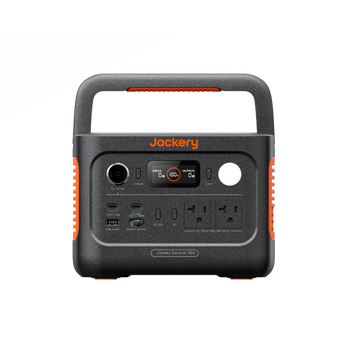
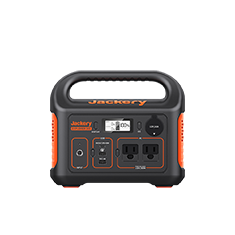
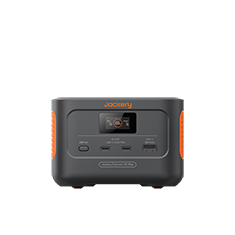
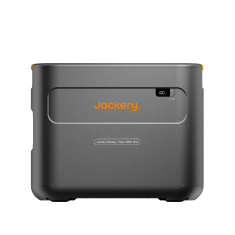
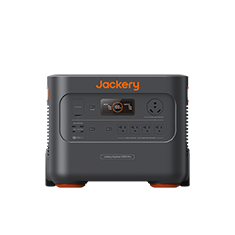
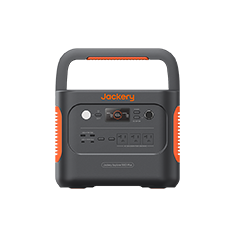
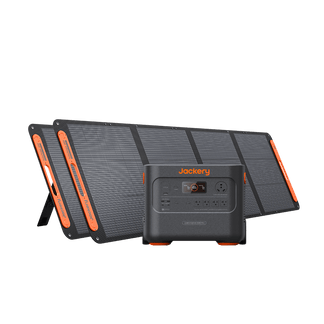
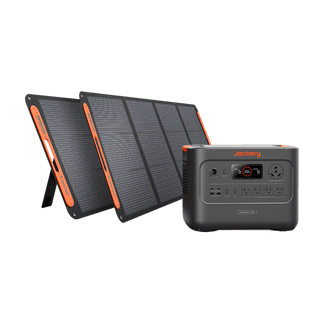
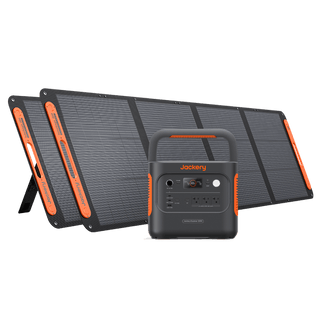
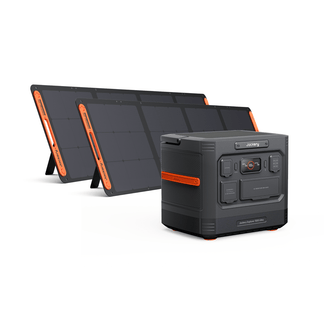
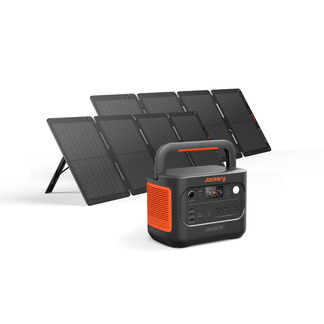
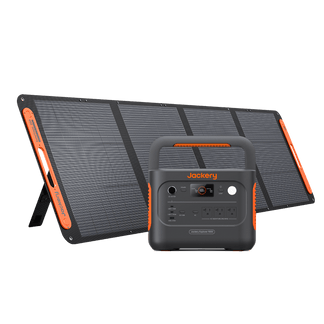
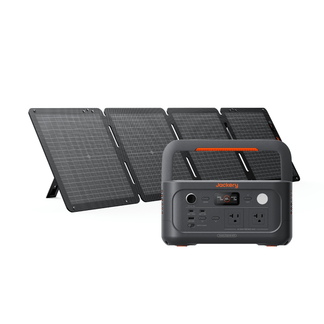
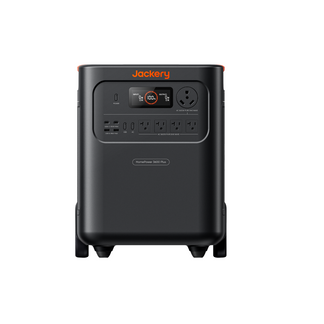
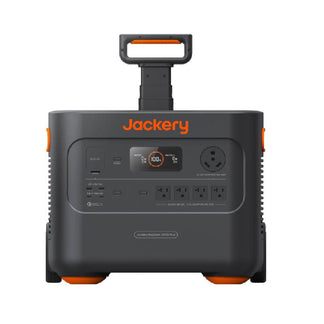
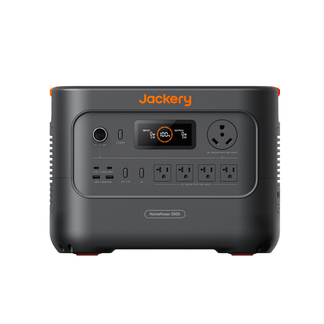
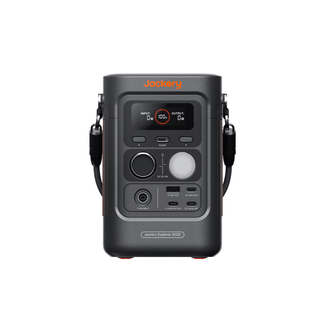
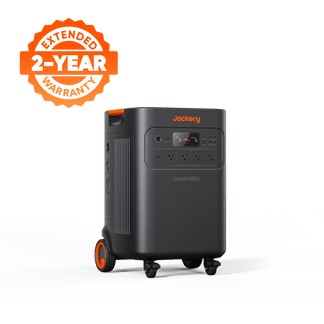
Jackery Solar Generator HomePower 3600 Plus |
3584Wh |
3600W |
Keeping essential appliances running smoothly during short blips |
|
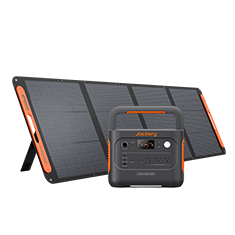
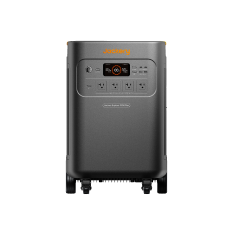
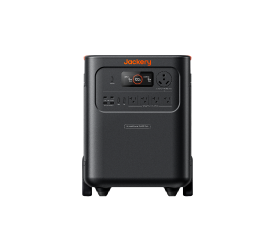
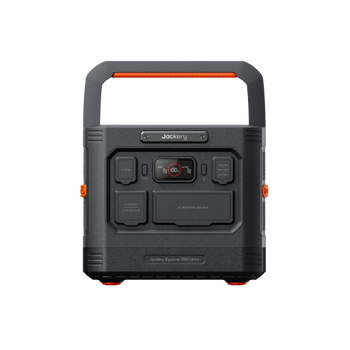
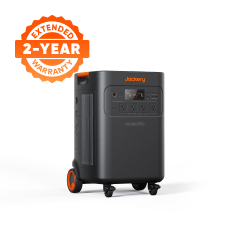
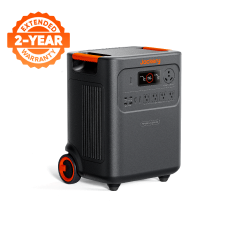
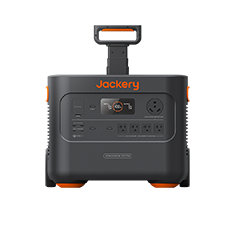
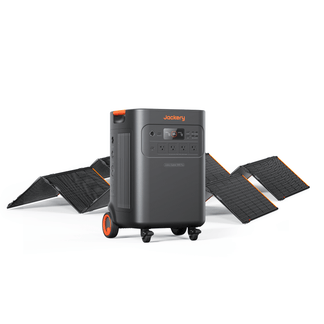
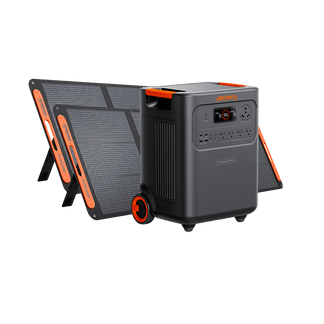
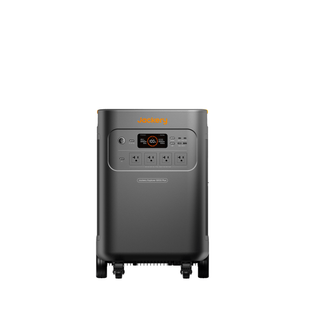
Jackery Solar Generator 5000 Plus |
5040Wh |
7200W |
Supporting larger household energy demands, including well pumps and space heaters |
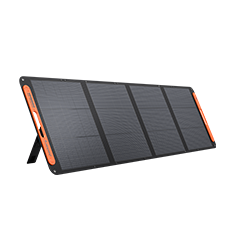
Both models feature advanced LiFePO4 battery technology, ensuring thousands of charge cycles and seamless integration with portable solar panels. These Jackery Solar Generators function as plug-and-play lifelines when your primary grid connection fails.

Crucial Safety and Placement Rules
- The 20 Feet Distance Rule: Always keep portable gas generators at least 20 feet away from doors, windows, and vents. Exhaust fumes kill quickly; follow guidelines from local safety authorities to prevent carbon monoxide poisoning.
- The 20-Minute Cooldown Rule: Turn off fuel-based generators and let them cool for 20 minutes before refueling to prevent fires. Spilling raw gasoline onto a 600-degree muffler causes instant ignition.
- Carbon Monoxide Safety: Invest in a $20 battery-powered CO alarm for your home; never run a gas generator indoors, in a basement, or inside an attached garage.
- The 33% Roof Rule: Local fire codes do not limit coverage to 33%; instead, exceeding 33% roof coverage typically triggers larger setback requirements (e.g., 36-inch pathways at the ridge) to ensure safe firefighter access and ventilation during your DIY solar panel installation.
- The 133% Inverter Rule: Safely oversize your solar panel array up to 133% of your inverter's AC rating for better low-light performance. This "clipping" strategy ensures you max out your inverter's production earlier in the morning and later in the evening.
Conclusion
Properly sizing a generator for a house with solar panels requires balancing your essential loads with your inverter's capacity and charging needs. Use features like PowerAssist or a standalone Chargeverter to safely run a smaller, more affordable generator without stalling the engine. Expand your solar setup with reliable battery solutions like the Jackery Solar Generator HomePower 3600 Plus to guarantee uninterrupted power during short grid blips. Always prioritize safety by following strict placement, cooling, and carbon monoxide guidelines during any power outage.
Frequently Asked Questions
Do gas generators qualify for federal solar tax credits?
Important 2026 Update: The direct 30% Residential Clean Energy Credit (Section 25D) expired at the end of 2025 for homeowner-purchased systems. Homeowners can still indirectly benefit from the 30% commercial tax credit (Section 48E) by utilizing Third-Party Ownership (TPO) models like $0-down solar leases or Power Purchase Agreements (PPAs). However, these TPO models and associated commercial credits only apply to solar equipment and battery storage, and strictly exclude fossil-fuel generators.
How often should I test my hybrid backup system?
Run the gas generator under a partial electrical load for about 15 minutes every month to ensure mechanical reliability. This routine burns off accumulated moisture in the alternator and keeps the engine seals lubricated.
Can I run a portable gas generator in the rain?
Never run an exposed gas generator in wet conditions. Use a specialized generator tent to protect the sensitive electrical outlets from moisture and prevent lethal electrocution while maintaining proper airflow.
What happens to grid-tied solar when the power goes out?
Standard grid-tied solar panels automatically shut down during an outage to protect utility workers from backfed electricity on the power lines. Standard grid-tied solar panels only continue generating usable power if paired with a hybrid inverter and an isolating battery system.