






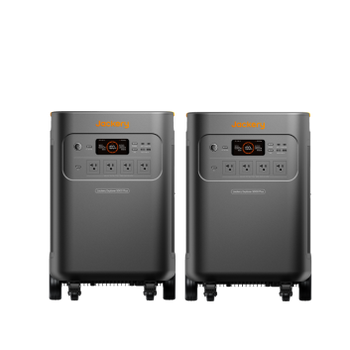
![[Add - on] Jackery Manual Transfer Switch for Explorer 5000 Plus - Jackery](http://www.jackery.com/cdn/shop/files/add-on-jackery-manual-transfer-switch-for-explorer-5000-plus-9017324.png?v=1754016782&width=350)


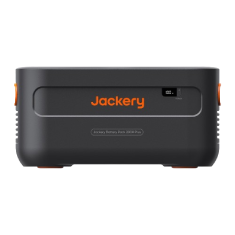
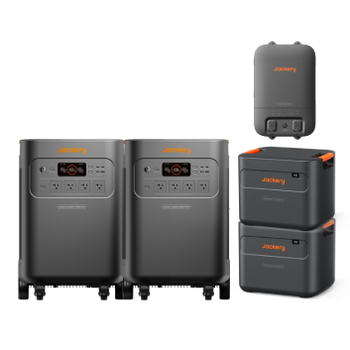
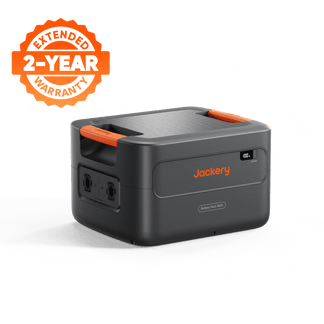
![[Add - on] Jackery Battery Pack 5000 Plus - Jackery](http://www.jackery.com/cdn/shop/files/add-on-jackery-battery-pack-5000-plus-6078351.png?v=1754016791&width=324)
![[Add - on] Jackery Car Charging Cable - Jackery](http://www.jackery.com/cdn/shop/files/add-on-jackery-car-charging-cable-3882421.png?v=1754016863&width=324)



![[Add - on] Jackery Smart Transfer Switch - Jackery](http://www.jackery.com/cdn/shop/files/add-on-jackery-smart-transfer-switch-5842915.png?v=1754016784&width=324)
![[Add - on]Jackery 102W GaN 3 - Port Fast Charger - Jackery](http://www.jackery.com/cdn/shop/files/add-onjackery-102w-gan-3-port-fast-charger-6377742.png?v=1754016790&width=324)


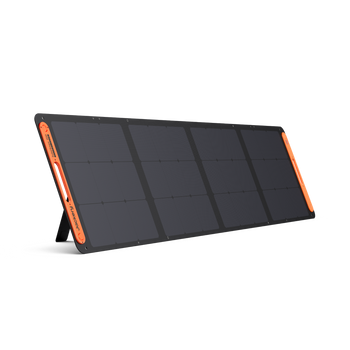
![[Add - on] SolarSaga 200W - Jackery](http://www.jackery.com/cdn/shop/files/add-on-solarsaga-200w-4834329.png?v=1754016915&width=324)
![[Add - on] Jackery Manual Transfer Switch for Explorer 5000 Plus - Jackery](http://www.jackery.com/cdn/shop/files/add-on-jackery-manual-transfer-switch-for-explorer-5000-plus-9017324.png?v=1754016782&width=324)


![3 Best Solar Generators for Refrigerators and Freezers [2026] - Jackery](http://www.jackery.com/cdn/shop/articles/3-best-solar-generators-for-refrigerators-and-freezers-2026-5361514.jpg?v=1780695070&width=800)
A power outage that lasts a few hours is an inconvenience. One that lasts a day or more becomes an expensive problem. Long-term power outages lead to spoiled groceries, lost medication, and a disrupted household. The right solar generator for refrigerator and freezer use changes that equation entirely. Instead of watching your food and your patience run out together, you stay powered, calm, and in control.
What makes a solar generator actually good for refrigerators and freezers is the combination of how much energy the battery holds, how quickly it recharges from solar panels, how cleanly it handles compressor surge loads, and how quietly it does all of this without needing fuel, exhaust management, or a garage.
This guide covers how to calculate the capacity you actually need, which Jackery Solar Generators are best matched to different refrigerator and freezer setups, and honest runtime estimates by product. Whether you are powering a dorm mini fridge through a short outage or running a full-size side-by-side and a chest freezer through a multi-day storm, you can find the right solar generator for the refrigerator in this list.
Takeaways
- A full-size refrigerator uses roughly 1–2 kWh of electricity per day, but the daily number alone is not enough. You need a battery large enough to handle overnight hours when solar panels are not producing.
- LiFePO4 (LFP) batteries, used in all current Jackery Solar Generators, deliver nearly 100% of their rated capacity and last 10+ years, making them the best chemistry for sustained fridge and freezer operation.
- Surge watts matter as much as running watts. A refrigerator compressor can draw 2–3 times its running wattage at startup. Your solar generator needs to handle that spike without tripping.
- The Jackery Solar Generator HomePower 3000 handles mini fridges and short outages. The Jackery Solar Generator HomePower 3600 Plus covers full-size fridges for a full day. The Jackery Solar Generators are built for days or weeks of extended coverage.
- Solar recharge is what makes 24/7 fridge operation sustainable. A generator that recharges fully in 2–4 hours of sunlight creates a daily cycle that runs indefinitely.
How Much Capacity Do You Actually Need to Run a Fridge All Day and Night?
To run an average household fridge (which typically consumes 1-2kWh all day and night), you need a battery capacity of about 100 to 200 Amp-hours (Ah) at 12V (or roughly 1200 - 2400 Watt-hours). This ensures it can run continuously without draining your battery below safe levels.
Step One: Know Your Fridge's Real Draw
Every refrigerator has two wattage numbers that matter. The running wattage is what the compressor draws while it is actively cooling, which is typically 100–400W for a full-size unit. The surge wattage is the spike that happens when the compressor first starts up, which can be 2–3 times the running draw. Your solar generator must handle the surge without tripping, and its continuous output must meet or exceed the running watts.
The average daily consumption for different refrigerator types looks like this:
|
Fridge Type |
Wattage Consumption |
Daily Wh Consumption (~8 Hours) |
|
Refrigerator |
400W |
3200Wh |
|
Mini Fridge |
50W |
400Wh |
|
RV Fridge |
150W |
1200Wh |
|
Chest Freezer |
100W |
800Wh |
|
Car Fridge |
50W |
400Wh |
To know more about the power consumption, you can check out our detailed guide: How Many Watts Does a Refrigerator Use? [and Mini-Fridge, Freezer].
Step Two: Solve the Overnight Problem
If your solar panels are producing solar energy from the sunlight, they can power the fridge and recharge the battery at the same time. The real challenge is the night. When the sun goes down, the fridge runs entirely off stored battery power for 8–10 hours. Your battery needs to cover that draw completely.
For a full-size off-grid refrigerator drawing an average of 100W overnight, you need at least 1,000–1,200Wh of usable battery capacity just to get through the night, and that is before accounting for other devices you might have running. Adding lights, a fan, device charging, a router, and a 2,000Wh battery is a more realistic minimum for overnight essential coverage.
A good rule of thumb: size your battery to 1.5x your expected overnight draw. That buffer covers compressor surges, inefficiency losses, and any extra devices without leaving you anxious at 3am.
Step Three: Make Sure Your Solar Input Can Refill the Battery
For a 24/7 solar power generator for refrigerator use, the solar panels need to replace everything the fridge uses overnight and then save some more. A 2,000Wh battery that gets 6 hours of good sun with a 400W solar input gets back roughly 2,000–2,400Wh in a day, which more than covers overnight use. The key is having enough solar wattage paired with your generator so the recharge cycle completes each day reliably.
Battery type matters for refrigerator use specifically because LFP batteries deliver nearly 100% of their rated capacity, handle deep-discharge cycles without damage, and maintain stable voltage output throughout discharge, which keeps the compressor running cleanly without the voltage sag that older lead-acid or some lithium-ion batteries produce near empty.
Bernard Bereksazi spent thirty-six years running professional kitchens in Pennsylvania, where systems never failed, and timing was everything. When he retired to Florida with his wife, he brought that same mindset south. After watching a nearby hurricane send neighbors scrambling for fuel, standing in gas lines, and running loud generators through the night for over ten days, Bernard started researching a better way. He eventually built a Jackery system around a single priority: keeping his wife comfortable when the grid goes down. Today, his setup runs a portable air conditioner, television, and internet in the master bedroom silently and without fuel. The refrigerator stays covered through an extension cord from the same system. Check out more such Jackery Stories to see how people use their essential home backup solutions.
What Are the Best Solar Generators for Running Refrigerators and Freezers in 2026?
Jackery is the leading manufacturer of high-quality, highly efficient solar panels, solar generators, and other solar products. These solar generators feature large battery capacities that can power most indoor and outdoor appliances, such as refrigerators and freezers. Here are the three best solar battery backups for refrigerators and freezer use in 2026, ranging from a capable camping and short-outage option all the way to an essential home backup solution.
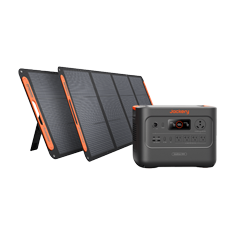
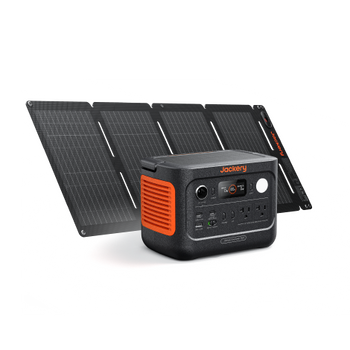
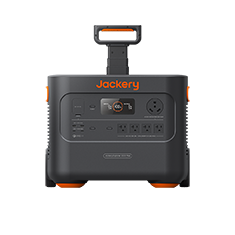
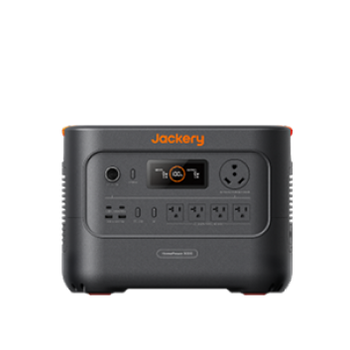
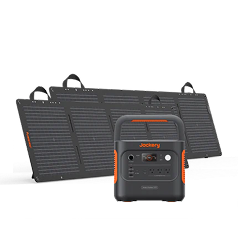
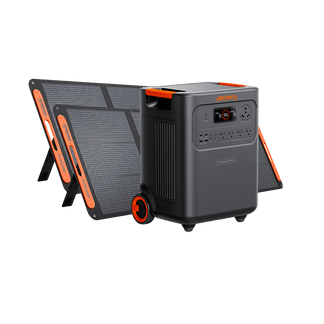
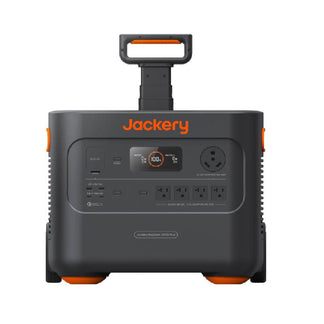
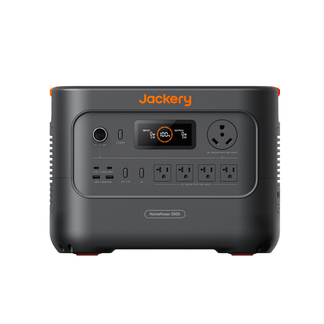
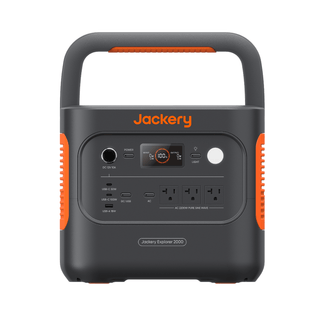
Jackery Solar Generator HomePower 3000
For households that run both a full-size refrigerator and a standalone freezer, the Jackery Solar Generator HomePower 3000 handles both simultaneously and keeps them running well into a second day without needing a recharge. It is the kind of backup power that removes the mental math during an outage. You do not have to choose between the fridge and the freezer, or worry about whether you have enough left to charge a phone or run a fan. When the sun comes back out, a connected solar panel array brings it back to full capacity in a few hours.
Appliances Running Time
- Refrigerator (400W) = 2.1H
- Mini Fridge (50W) = 13.5H
- RV Fridge (150W) = 5.3H
- Chest Freezer (100W) = 7.6H
- Car Fridge (50W) = 13.5H
Who Should Buy This
If you keep both a refrigerator and a separate freezer stocked for a large family, a home garden harvest, or bulk buying, and you want backup power that protects all of it through a multi-day outage without any compromises, the Jackery Solar Generator HomePower 3000 is built for your setup.

Customer Review
I only had this product for a few days, but so far it is doing everything I expected it to do. And the solar panels were very simple to set up. Although we really didn't have much sun yet in the northeast, I will be using them this summer.
— Jesse N.
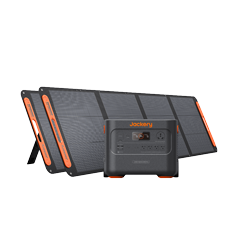
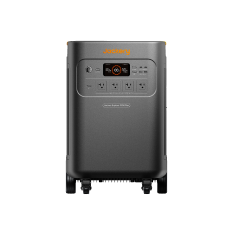
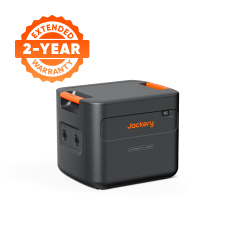
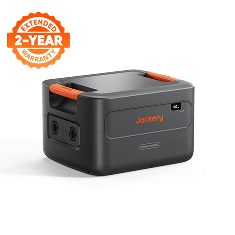
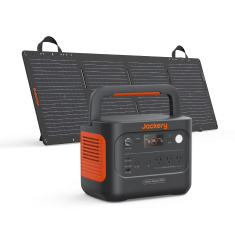
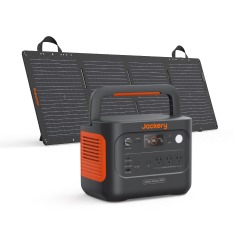
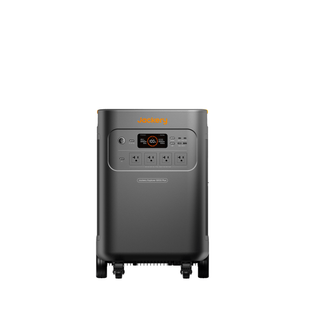
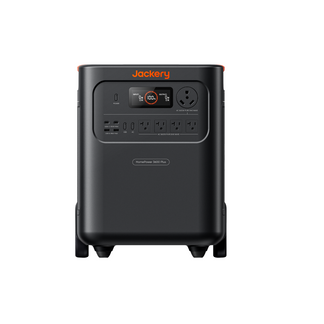
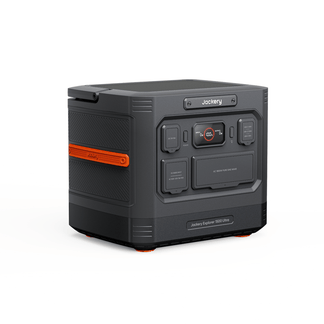
Jackery Solar Generator HomePower 3600 Plus
Running a refrigerator and a freezer through a three-day storm outage is a very different problem from surviving a single overnight blackout, and the Jackery Solar Generator HomePower 3600 Plus is sized for the harder scenario. It starts with enough capacity to cover both appliances for multiple days, and if your needs grow with a second freezer, a wine fridge, or a garage chest freezer, you can add battery packs and extend coverage without buying an entirely new system. This home battery backup works silently, switches over instantly when the grid fails, and recharges from solar panels during the day so the cycle keeps running as long as the sun keeps rising.
Appliances Running Time
- Refrigerator (400W) = 7.2H
- Mini Fridge (50W) = 42.3H
- RV Fridge (150W) = 17.7H
- Chest Freezer (100W) = 25.0H
- Car Fridge (50W) = 42.3H
Who Should Buy This
If you live in a hurricane zone, a region with frequent multi-day outages, or simply have a household that depends on keeping a significant amount of frozen and refrigerated food safe for days at a time, the Jackery Solar Generator HomePower 3600 Plus gives you that coverage with room to expand as your needs grow.

Customer Review
I simply love this product!! Simple to put together and get charging. It had come with a 26 charge in the battery, and it did take a full day to charge it to 90%. We had put our refrigerator on the battery and it lasted 12 hours and still had 56% left in the battery.
— Marc M.
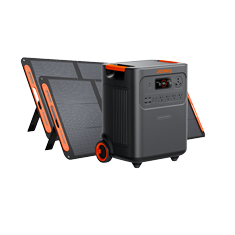
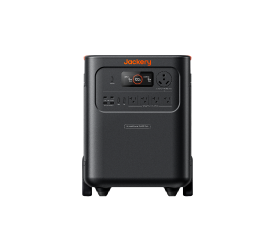
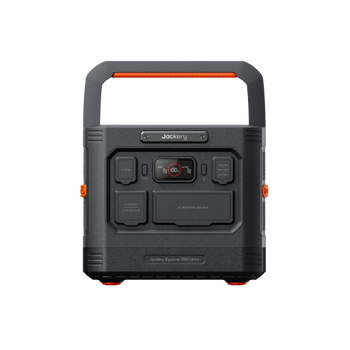
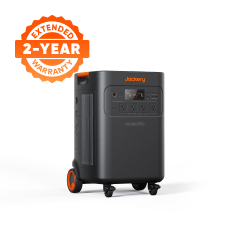
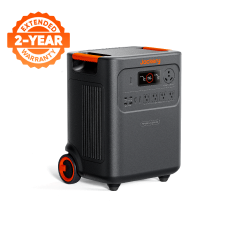
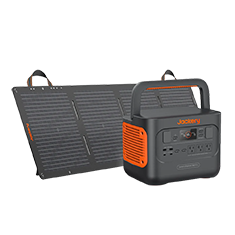
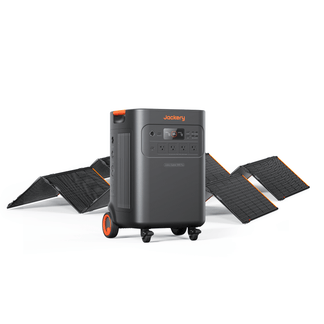
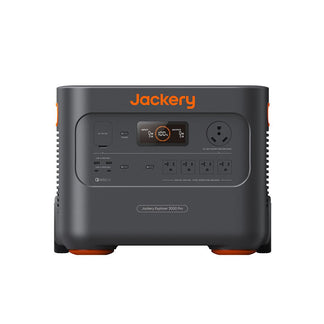
Jackery Solar Generator 5000 Plus
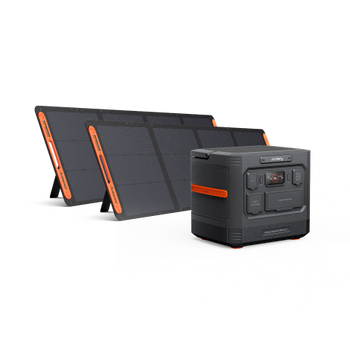
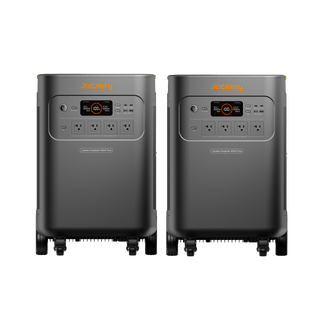
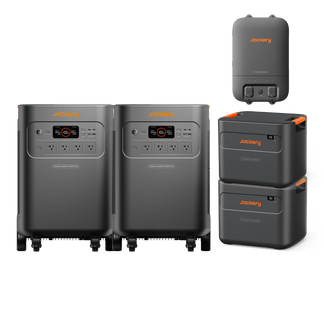
The Jackery Solar Generator 5000 Plus is built for essential home backup coverage. It can run multiple cold storage appliances in the house simultaneously, for days, without asking you to unplug anything or think carefully about your power budget. When paired with enough solar panels, it recharges fast enough to sustain that level of output day after day, turning a week-long grid failure into something your household barely notices. This essential home backup solution offers the kind of energy independence that makes extended outages a non-event.
Appliances Running Time
- Refrigerator (400W) = 9.5H
- Mini Fridge (50W) = 42.8H
- RV Fridge (150W) = 21.4H
- Chest Freezer (100W) = 28.6H
- Car Fridge (50W) = 42.8H
Who Should Buy This
If protecting a large amount of refrigerated and frozen food is a real concern in a wildfire zone, a hurricane corridor, off-grid, or simply someone who takes food preservation seriously, and you want a system that covers every cold storage appliance in your home without rationing, the Jackery Solar Generator 5000 Plus is the one built for that.

Customer Review
I have the Jackery 5000 with the STS installed (no solar panels). So far, I am very pleased with it. I have had it for about two months, and it has carried me through 2 power failures without issues. The first power failure lasted about 5 hours, and the second was about 3 hours. In both cases, I used less than 50% of the power. The system kept my network running and my essential circuits going without issue.
— George W.
How Long Will a Solar Generator Keep a Refrigerator Running During an Outage?
Runtime depends on three things: the size of the battery, the energy draw of the specific refrigerator, and whether solar panels are recharging the battery during the day. To calculate how long Jackery can run a refrigerator, you can use the Running Time calculator available on the Jackery Buying Guide page. Simply add the wattage consumption of the refrigerator in the calculator, choose the Jackery model, and then click Enter to get an estimated runtime.
Here is an honest breakdown by product for a typical full-size refrigerator drawing an average of 100W, as well as the impact of a solar power generator for refrigerator recharging on total effective runtime.
|
Jackery Product |
Capacity |
Output |
Fridge Runtime (100W) |
Best For |
|
Jackery Solar Generator HomePower 3000 |
3072Wh |
3600W |
21H |
Home essentials and storm backup |
|
Jackery Solar Generator HomePower 3600 Plus |
3584Wh |
3600W |
25H |
Multi-day outages and growing needs |
|
Jackery Solar Generator 5000 Plus |
5040Wh |
7200W |
29H |
Premium home backup and extended outages |
A few real-world factors that affect these numbers:
- Fridge Temperature Setting: A fridge set to 34°F (1.1°C) cycles the compressor more often than one set to 38°F (-13.3°C). The difference can add up to 10–15% more energy use over a full day.
- How Full the Fridge is: A fully stocked refrigerator maintains a longer temperature between compressor cycles. Fill the empty space with water bottles to reduce compressor runtime during an outage.
- Ambient Temperature: A fridge working in a 90°F (32.2°C) kitchen uses noticeably more power than one in a 70°F (21.1°C) environment. During summer outages, ambient temperature is a real factor.
- Door Opening Frequency: Every time the fridge door opens, warm air enters, and the compressor runs longer to recover. Minimize unnecessary openings during extended outages.
If you are running a chest freezer alongside a refrigerator, you should add 30–60% to the above estimates for total energy draw. A standalone chest freezer is actually more efficient than most people expect. A well-stocked one can maintain safe temperatures for 24–48 hours, even without power, which gives a partially discharged battery extra buffer time during a prolonged outage.
FAQs
What size solar generator is needed for a refrigerator?
For a mini fridge or compact refrigerator, a 1,000–1,500Wh solar generator is sufficient for short outages. For a full-size refrigerator running through the night, you need at least 2,000Wh of usable battery capacity. For running a full-size fridge and freezer together through a multi-day outage, aim for 3,000Wh or more, or choose an expandable model like the Jackery Solar Generator HomePower 3600 Plus, which can grow with your needs.
How much solar power is needed to run a fridge?
To run a full-size refrigerator continuously using a combination of direct solar power and a battery, you need enough solar input to replace the fridge's daily use, typically 1–2 kWh. A 400W solar array producing 4–6 hours of good output per day generates 1,600–2,400Wh, which comfortably covers a fridge's daily consumption and recharges the battery for overnight use. For smaller fridges, a single 200W panel is often sufficient.
Can a fridge be powered by solar?
Yes, a fridge can be powered by solar. A solar generator with adequate battery capacity and the right panel setup can power a refrigerator 24 hours a day, 7 days a week. The battery covers nighttime operation, and the solar panels recharge it during the day. With LiFePO4 battery chemistry and an MPPT charge controller, this cycle runs reliably and efficiently over thousands of charge-discharge cycles.
Can solar generators run a refrigerator?
Yes, solar generators with enough battery capacity can easily handle refrigerators. Modern solar generators like the Jackery Solar Generators handle full-size refrigerator compressor surges without tripping, deliver clean sine wave output that is safe for sensitive compressor motors, and recharge from solar panels fast enough to sustain continuous operation through multi-day outages. The key is matching the generator's capacity and output rating to your specific fridge's draw.
How many solar panels for a 12V fridge?
A 12V compressor fridge (common in RVs and boats) typically uses 30–60Wh depending on ambient temperature and how full it is. A single 100W solar panel producing 400–500Wh is usually enough to cover a 12V fridge's daily use and keep the battery topped up on a sunny day. For cloudy climates or multiple devices, a 200W solar panel or two 100W solar panels gives you a more reliable daily recharge buffer.
Conclusion
Choosing the right solar generator for refrigerator and freezer use comes down to matching capacity to your actual overnight draw, making sure your solar input can fully recharge the battery each day, and picking a solar generator whose output can absorb the compressor startup surge without tripping. Get those three things right, and your fridge runs continuously.
For camping trips and short outages with a mini or compact fridge, the Jackery Solar Generator HomePower 3000 is capable and highly portable. For a full-size household refrigerator through a full day or two of outage, the Jackery Solar Generator HomePower 3600 Plus is the clear sweet spot. For essential home coverage during multi-day outages, the Jackery Solar Generator 5000 Plus is an ideal solution for a fridge, freezer, and essential appliances.