







![[Add-on] Jackery SolarSaga 500 X - Jackery](http://www.jackery.com/cdn/shop/files/add-on-jackery-solarsaga-500-x-1493607.webp?v=1786503068&width=324)
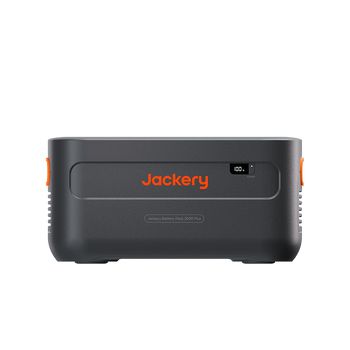
![[Add-on] Jackery Battery Pack 5000 Plus - Jackery](http://www.jackery.com/cdn/shop/files/add-on-jackery-battery-pack-5000-plus-6713401.webp?v=1786503068&width=324)




How Chef Bernard Bereksazi redesigned his home for life in Florida’s unpredictable weather
A Different Kind of Heat
When Bernard Bereksazi talks about Florida, he doesn’t start with hurricanes. He starts with freedom.
After thirty-six years as a chef and restaurateur in Pennsylvania, including a decade running his own restaurant in Pittsburgh, Bernard and his wife sold the business and moved south. Florida offered what kitchens rarely do: time. Less cold. No snow to shovel. Mornings that began with golf instead of prep lists.
“I’m enjoying not working as much,” he says. “And I’m enjoying not being the boss anymore.”
But Florida brings its own pressures. Heat that doesn’t relent. Storms that arrive fast and leave damage behind. And outages that can stretch for days, sometimes weeks, turning comfort into logistics overnight.
For someone who spent a lifetime making sure systems never failed mid-service, that reality was hard to ignore.

Watching the Neighborhood Go Dark
The storm that stayed with Bernard didn’t knock out his power, but it didn’t have to.
A hurricane passed close enough to unleash tornadoes that flattened nearby neighborhoods. Friends lost electricity for more than ten days. Gas generators appeared suddenly on driveways, roaring through the night. People scrambled for fuel. Lines formed. Tempers flared.
“I felt bad for them,” Bernard says. “I even offered my shower.”
At the time, he didn’t yet own a backup system. But he was already thinking about one. The noise, the fuel, the unpredictability, it all felt wrong.
“I don’t like to mess around with gas or propane,” he explains. Even up north, his lawn equipment had been electric. Cleaner. Quieter. More controlled.
That storm didn’t force a purchase. It forced a decision.
Research Before Commitment
Bernard approached the problem the same way he once planned menus or redesigned kitchens: carefully, patiently, and without shortcuts.
He followed brands online. Watched videos. Compared configurations. Portable power appealed to him not as a gadget, but as a modular system. Something that could grow, adapt, and stay indoors where it belonged.
Eventually, he chose Jackery.
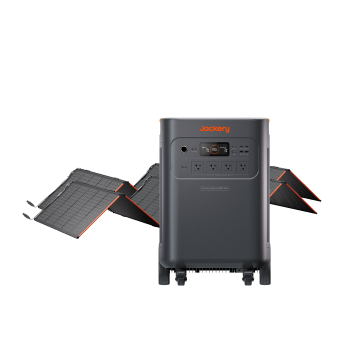
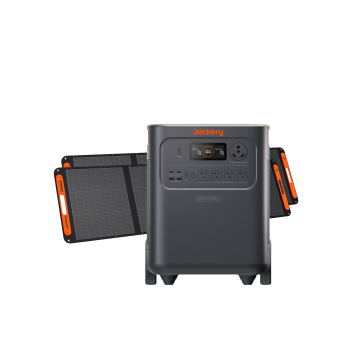
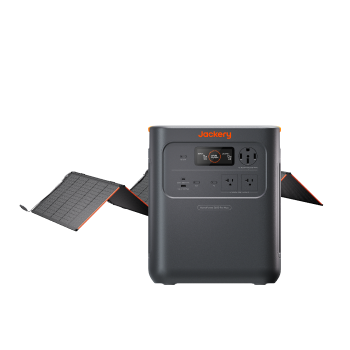
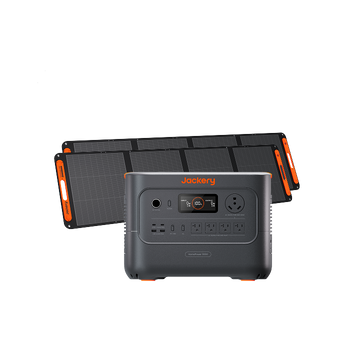
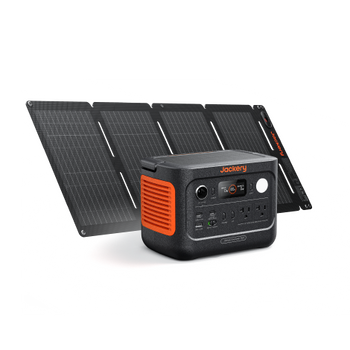
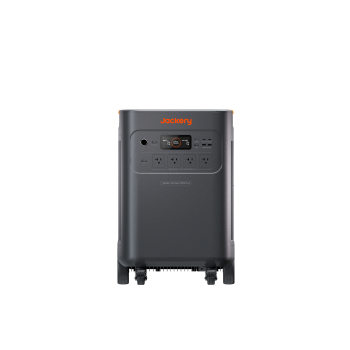
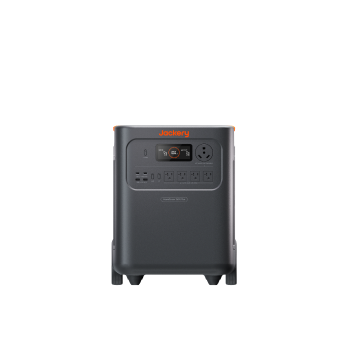
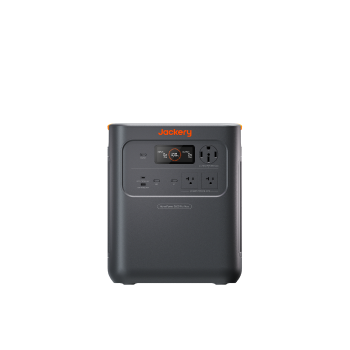
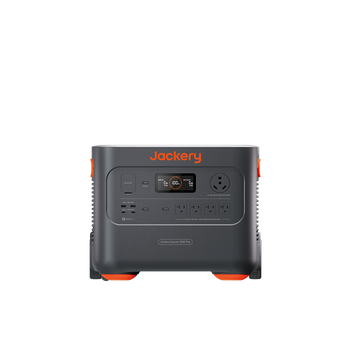
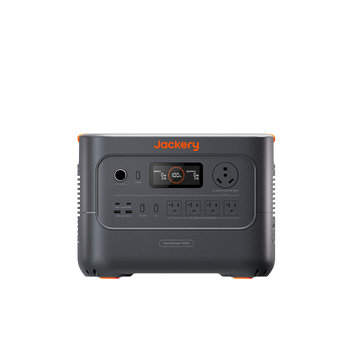
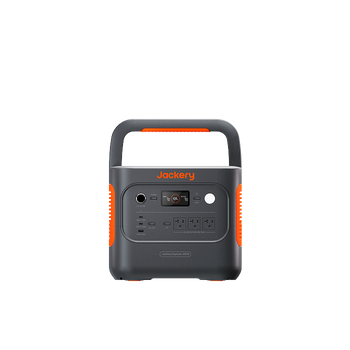
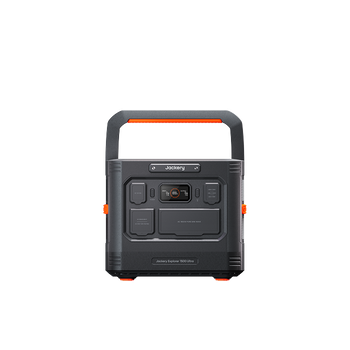
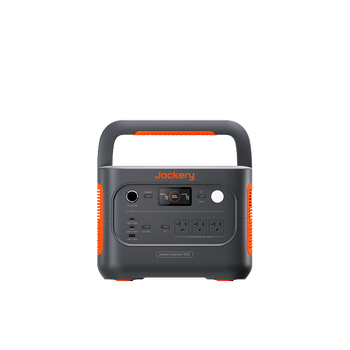
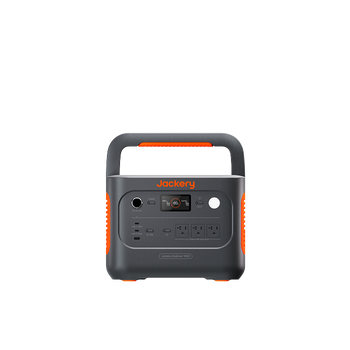
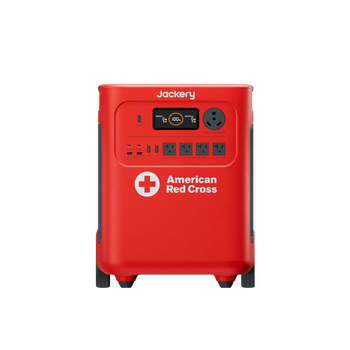
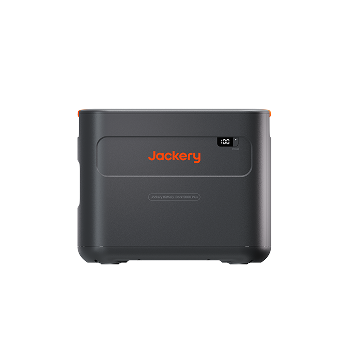
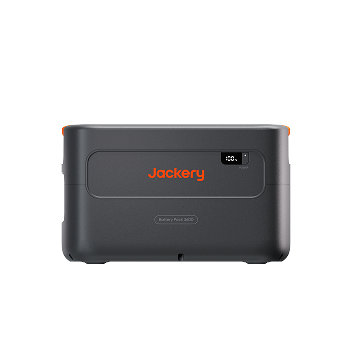
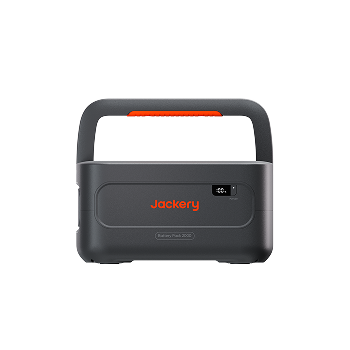
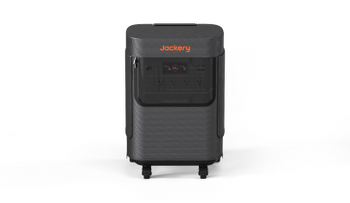
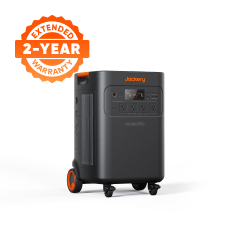
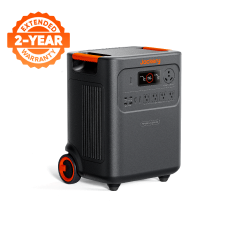
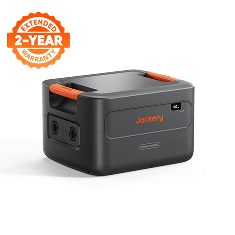
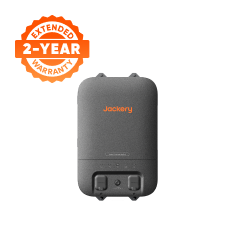
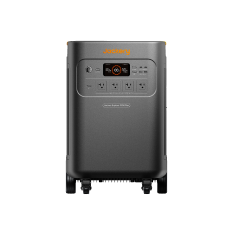
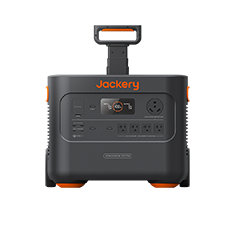
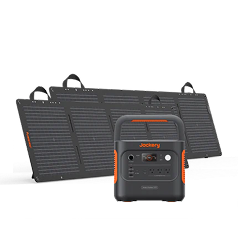
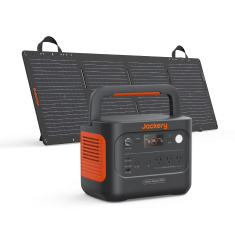
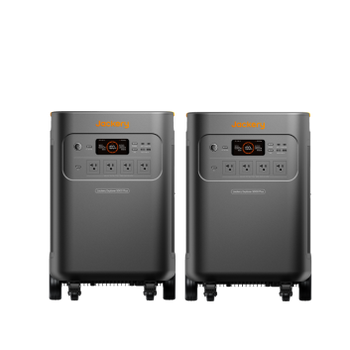
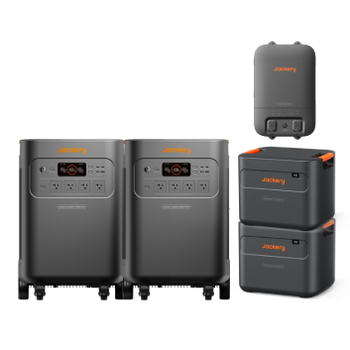
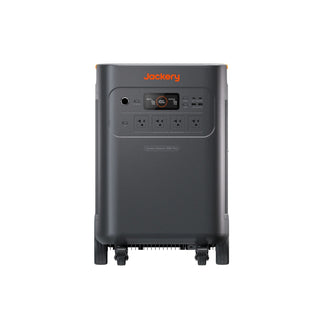
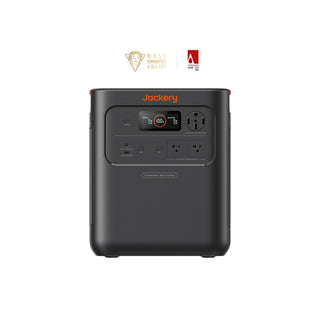
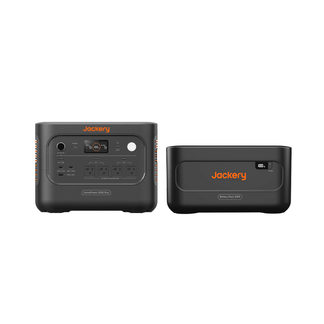
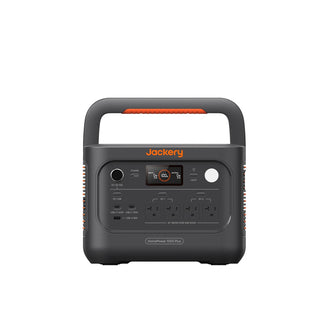
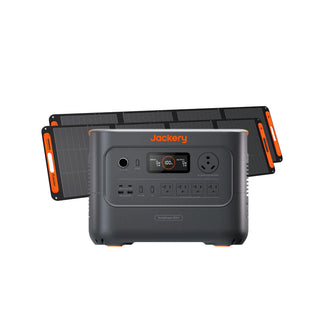
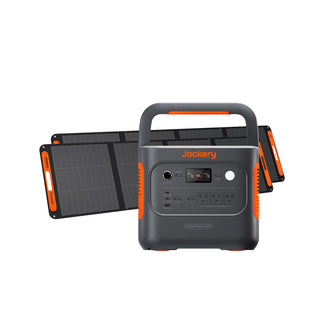
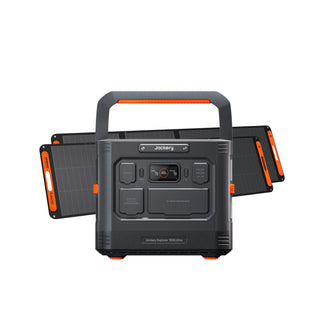
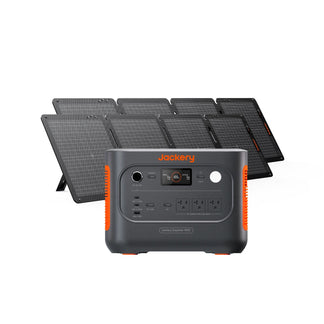
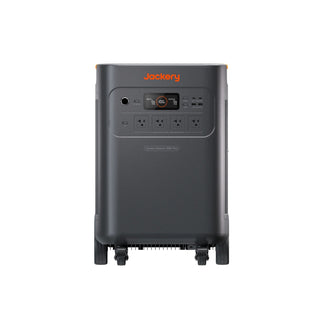
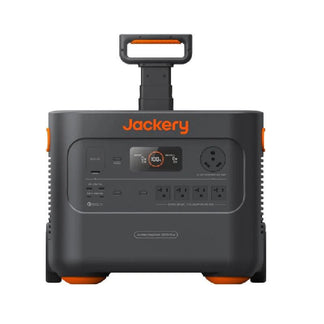
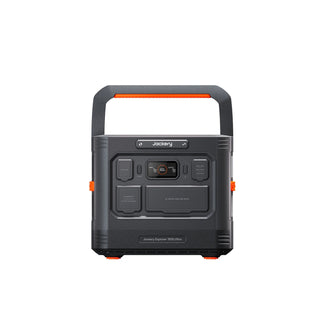
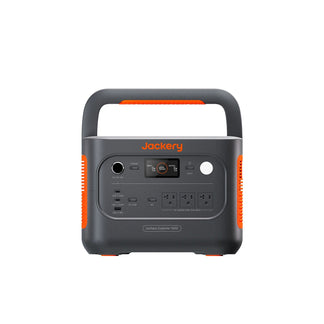
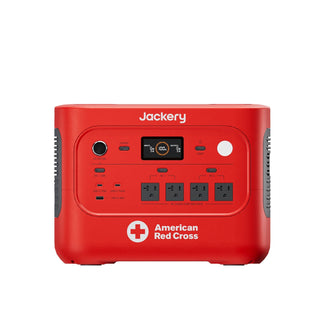
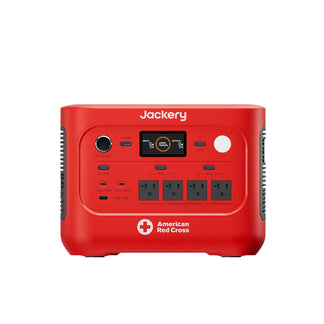
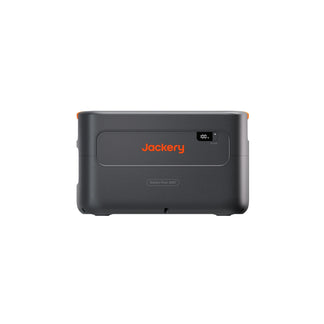
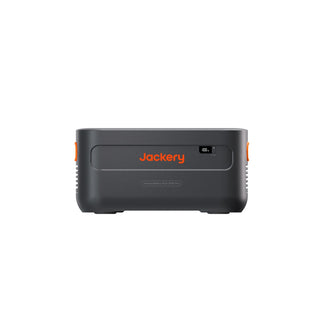
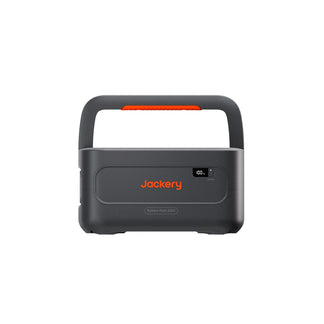
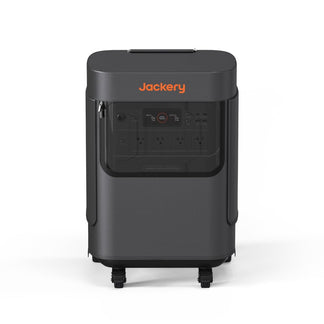
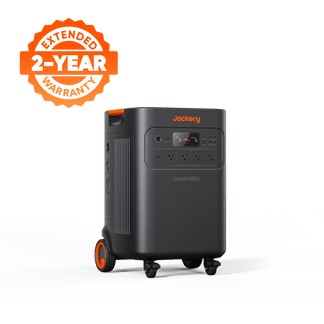
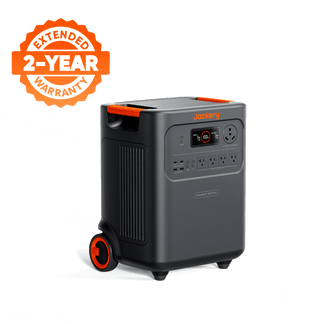
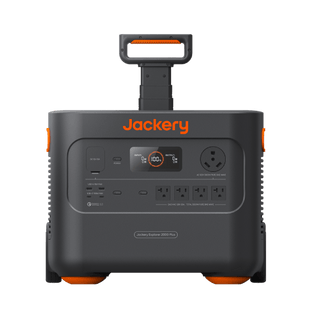
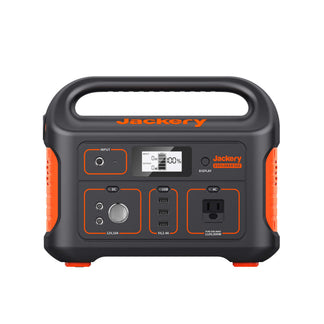
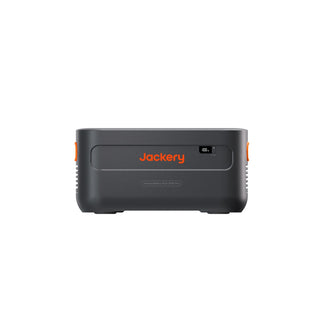
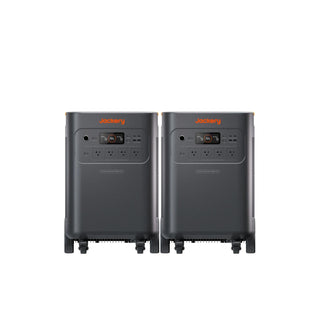
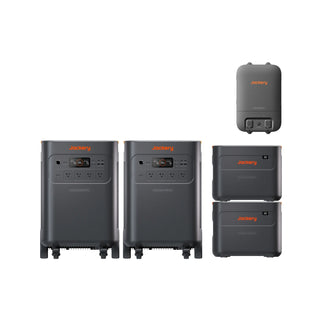
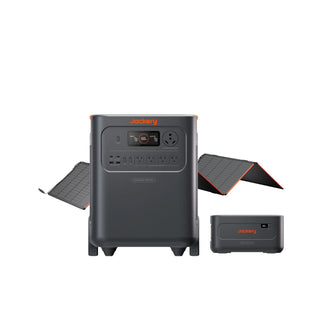
What stood out wasn’t just reputation, but scale. The Explorer 2000 Plus, with its expandability, offered flexibility that fixed generators couldn’t. “It’s not a cheap investment,” Bernard admits. “But after buckling up and buying what I did buy, I felt comfortable with that decision.”
Convincing his wife wasn’t easy. They talked it through. Split the cost. Agreed on one condition: if the power went out, the setup had to keep her comfortable, too.
That shaped everything that followed.


Building the System
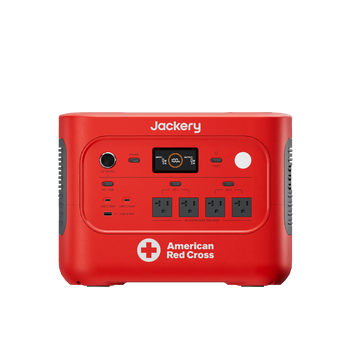
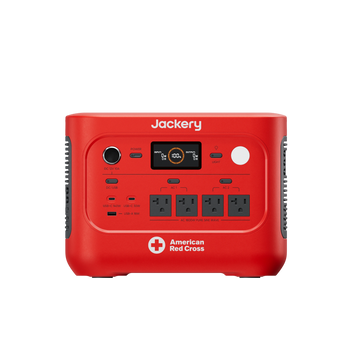
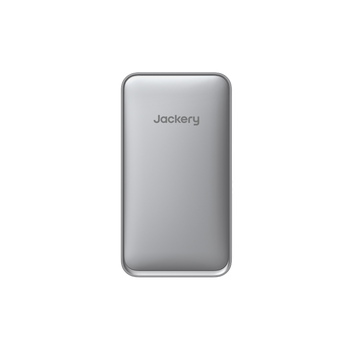
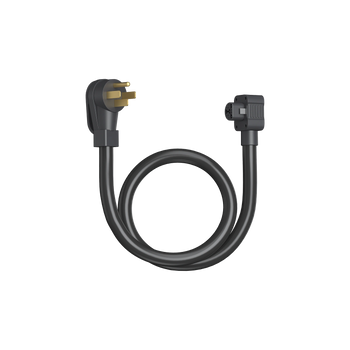
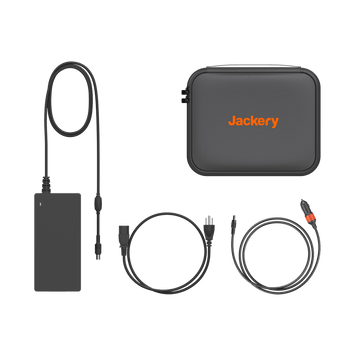
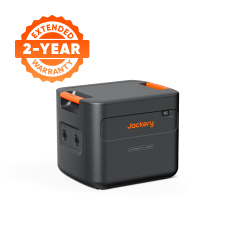
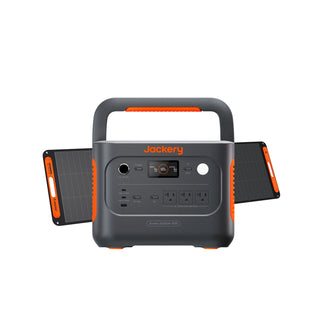
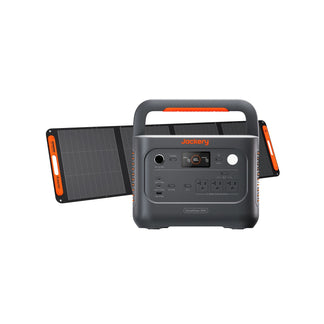
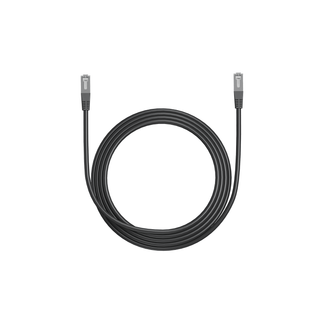
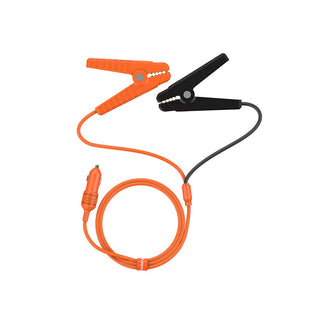
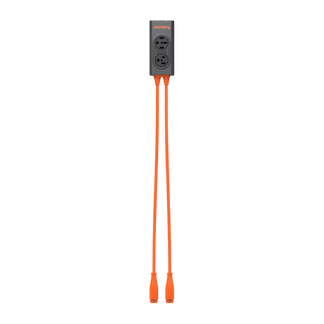
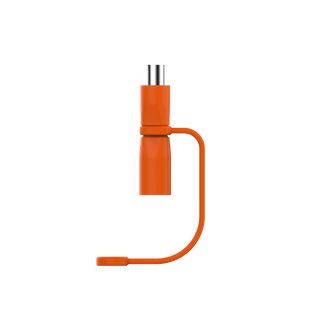
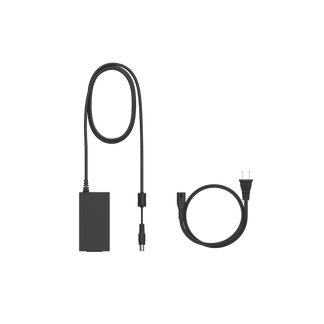
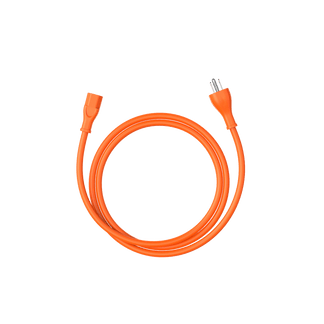
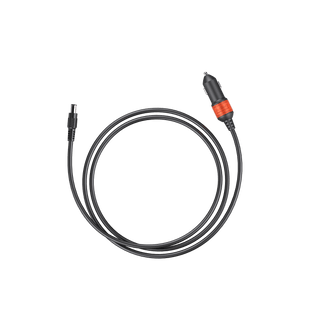
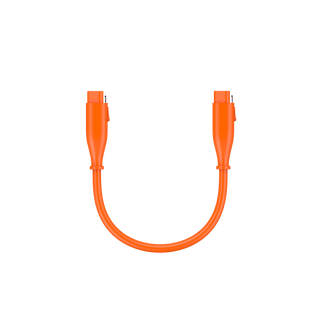
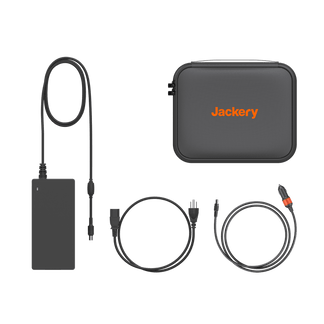
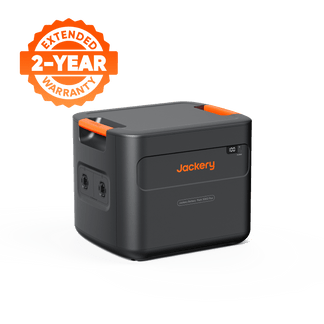
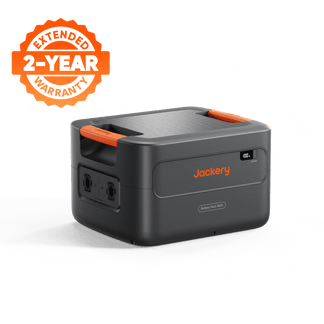
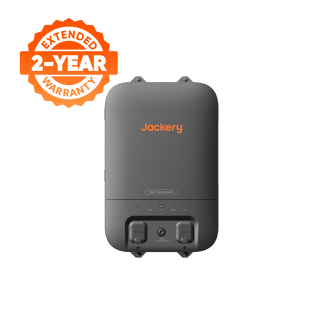
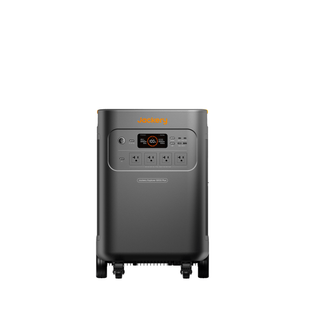
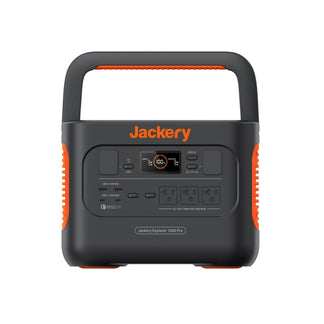
Today, Bernard’s setup is substantial:
This isn’t a whole-house system. It’s more deliberate than that.
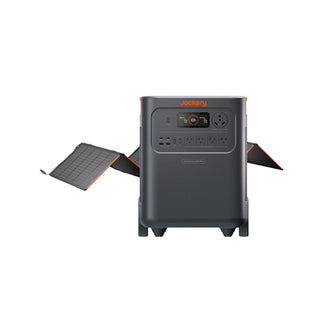
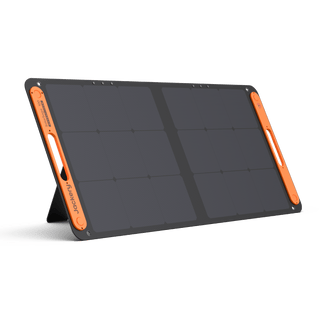
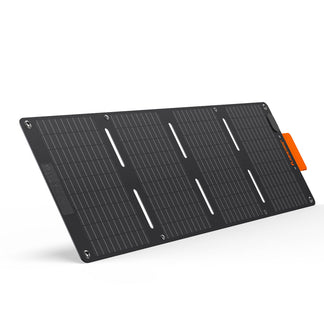
Bernard designed it around a single priority zone: the master bedroom. It’s where comfort matters most when conditions turn extreme. A portable, high-efficiency room air conditioner keeps the space livable. The Internet and television stay online. Solar panels feed power through the window. Everything remains quiet.
“It’s a quiet operation,” he says. And that matters more than he expected.
The refrigerator comes next. Bernard plans to run an extension cord from the bedroom setup into the kitchen, keeping food cold without powering the entire house. He’s considering adding another unit just for refrigeration, but for now, the system holds.
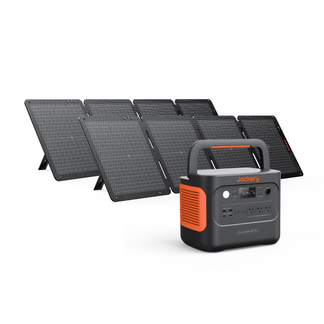
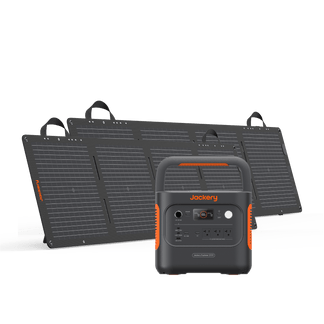
In a Jackery Explorer 2000 Plus review, Bernard describes what surprised him most: how quickly the system charges. With all six solar panels connected, the charging speed rivals a wall outlet. Two hours can restore a unit. Six hours of sun can recharge the entire setup.
“You don’t need to know all the technical terms,” he says. “You just see how it performs.”


Quiet Matters
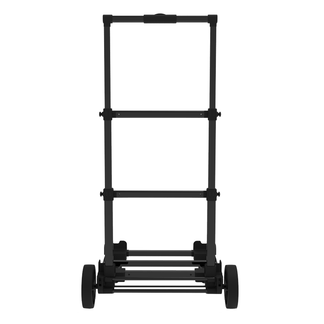
Bernard tested his system deliberately: television first, then smaller appliances, gradually increasing the load. Everything behaved as advertised. Battery life matched expectations. Handles felt sturdy. Wheels made the unit manageable, even for his wife.
He had her move it herself. Just in case.
“She could do it,” he says. “That was important to me.”
The contrast with fuel generators couldn’t be clearer. No motors running outside in the rain. No fumes. No sound bleeds into the night while neighbors struggle to sleep.
During the last major storm, Bernard heard generators all around him. He stayed inside, knowing exactly where his system was: stacked neatly in a closet, ready.
A Chef’s Relationship with Energy
As a chef, Bernard has always understood energy as something physical. Heat transforms food. Timing matters. Failures ripple fast.
That mindset shapes how he thinks about outages. The refrigerator isn’t just an appliance; it’s food security. Cooling isn’t a luxury; it’s safety. Noise isn’t an inconvenience; it’s stress.
What he appreciates most about portable solar is control. No fuel runs. No mechanical failures. No scrambling.
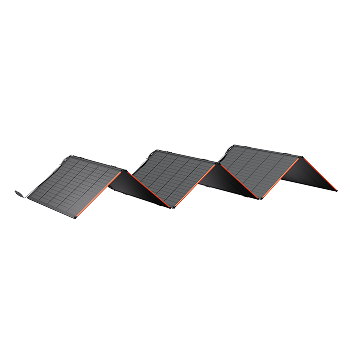
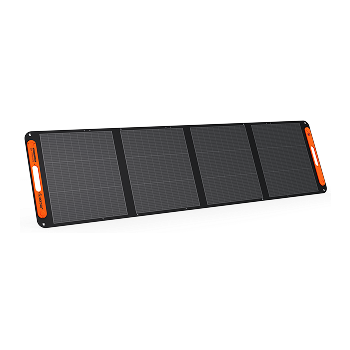
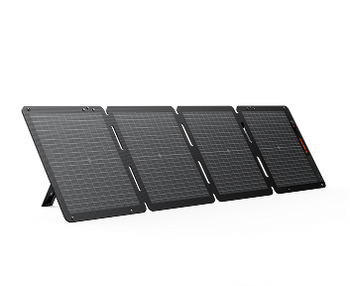
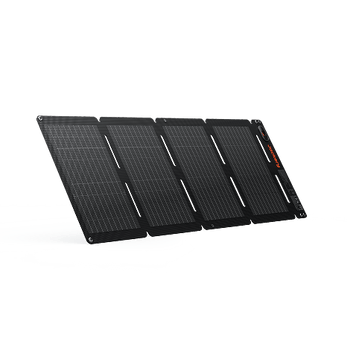
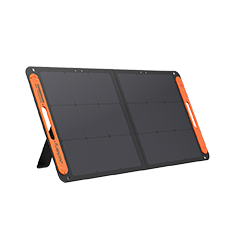
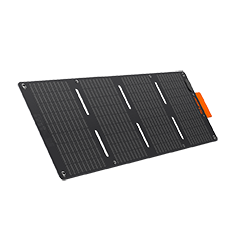
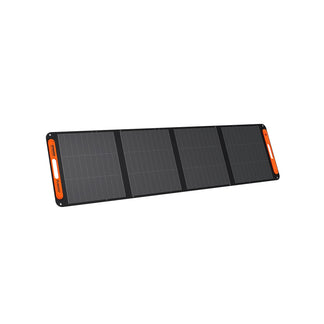
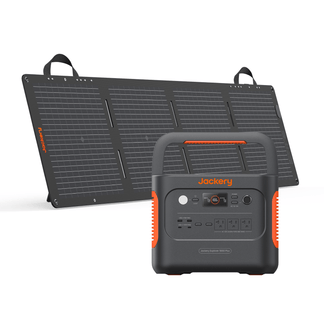
In a Jackery SolarSaga 200W review, Bernard notes the panels’ sturdiness and ease of setup. Older versions felt slightly lighter in construction, newer ones more solid—but all did their job. They sit on the grass. They connect easily. They don’t demand expertise.
“It’s not rocket science,” he says.

Looking Ahead
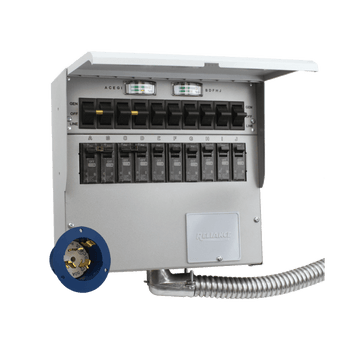
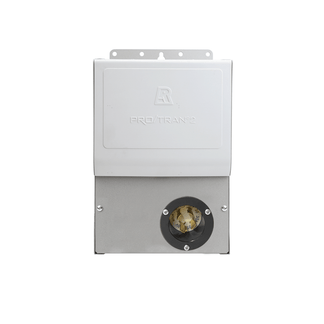
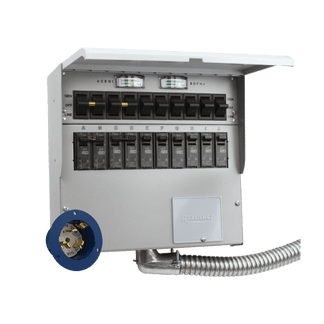
Bernard stores everything indoors. Florida heat is relentless, and he wants his equipment to last. He’s considered a transfer switch but ruled out the garage: too hot, too exposed.
He’s also realistic. His system won’t run central air conditioning. That’s fine. He planned around it. Adaptation, not excess, is the goal.
As technology evolves, he’s curious. Better solar mounting options. More stable panel setups for high wind. Incremental improvements.
But for now, he’s satisfied.
Advice from Experience
If someone asked Bernard whether preparing like this is worth it, he wouldn’t talk about fear. He’d talk about avoiding chaos.
Fuel lines. Noise. Stress. Dependence.
Portable solar removes those variables. It doesn’t make storms disappear, but it makes responses intentional.
For a chef who spent decades making sure nothing fell apart at the worst possible moment, that matters.
And in Florida, where weather tests patience as much as infrastructure, it feels like a system built for reality.


