


![[Add - on] Jackery Manual Transfer Switch for Explorer 5000 Plus - Jackery](http://www.jackery.com/cdn/shop/files/add-on-jackery-manual-transfer-switch-for-explorer-5000-plus-9017324.png?v=1754016782&width=350)


![[Add - on] Jackery Battery Pack 5000 Plus - Jackery](http://www.jackery.com/cdn/shop/files/add-on-jackery-battery-pack-5000-plus-6078351.png?v=1754016791&width=324)
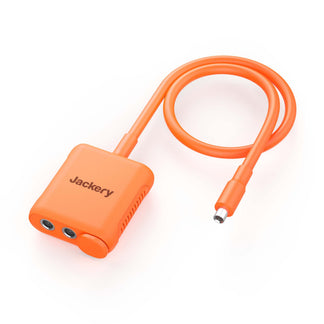
![[Add - on] Jackery Car Charging Cable - Jackery](http://www.jackery.com/cdn/shop/files/add-on-jackery-car-charging-cable-3882421.png?v=1754016863&width=324)
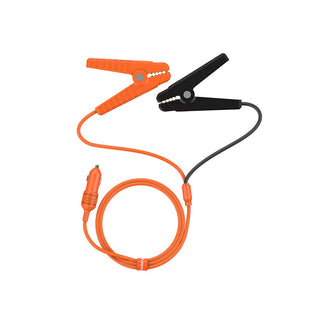
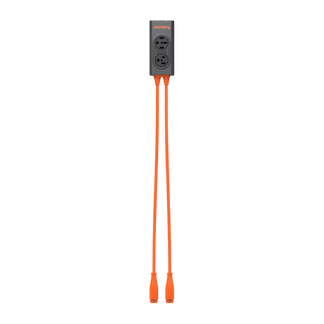
![[Add - on] Jackery Smart Transfer Switch - Jackery](http://www.jackery.com/cdn/shop/files/add-on-jackery-smart-transfer-switch-5842915.png?v=1754016784&width=324)
![[Add - on]Jackery 102W GaN 3 - Port Fast Charger - Jackery](http://www.jackery.com/cdn/shop/files/add-onjackery-102w-gan-3-port-fast-charger-6377742.png?v=1754016790&width=324)


![[Add - on] SolarSaga 200W - Jackery](http://www.jackery.com/cdn/shop/files/add-on-solarsaga-200w-4834329.png?v=1754016915&width=324)
![[Add - on] Jackery Manual Transfer Switch for Explorer 5000 Plus - Jackery](http://www.jackery.com/cdn/shop/files/add-on-jackery-manual-transfer-switch-for-explorer-5000-plus-9017324.png?v=1754016782&width=324)


Switching to solar power does not have to cost thousands of dollars or require professional installation. If you are comfortable with basic wiring and a bit of hands-on work, you can make your own solar power DIY system for under $1,000. These solar power DIY kits are ideal for powering appliances in small cabins, RVs, or home offices during power outages or emergencies.
A solar power DIY setup for under $1000 can power lights, charge devices, run small appliances, or even back you up with essential appliances during outages. This guide breaks down everything you need step by step to create a budget-friendly solar power DIY system. However, if you want to skip the wiring and tools, essential home backup solutions like Jackery Solar Generators offer plug-and-play power, allowing you to run critical appliances without the need for additional setup.
Takeaways
- You can make your own solar power system under $1000 without any rooftop panels or complicated setup.
- A carefully selected combination of a solar panel, battery, controller, and inverter is enough to run small appliances, charge devices, and stay powered off-grid.
- If you prefer zero-assembly, plug-and-play solar generators, the Jackery Solar Generator offers an easy and affordable alternative.
- How to build a DIY solar power system.
- What are the common mistakes to avoid when building DIY off-grid solar power systems.
What Can a Sub-$1000 DIY Solar Setup Power?
A well-planned solar power DIY setup under $1000 can comfortably support small but essential devices. Here's a look at what this type of system can typically handle:
- Lighting: It can power LED bulbs, string lights, or small lamps for several hours a day.
- Phone and Laptop Charging: It can keep your devices charged without pulling power from the grid.
- WiFi Router: You can stay connected during outages or while living off-grid.
- Small Fan or Air Circulator: It lets you stay cool in a single room or tent.
- Portable Fridge or Mini Freezer: Low-wattage coolers or camping fridges can run reliably with the right battery setup.
- TV or Small Entertainment Setup: You can watch movies, news, or connect streaming devices for a few hours daily.
What Do You Need to Build a DIY Solar Power System?
Building a solar power DIY kit under $1000 is all about choosing the right components without overspending. Each part has a specific role in capturing, storing, and delivering solar energy. Here's what you'll need:
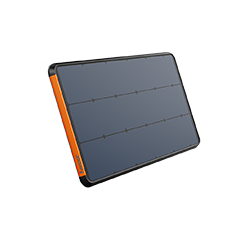
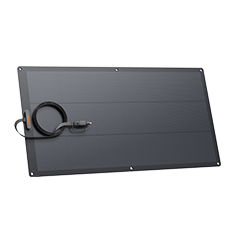
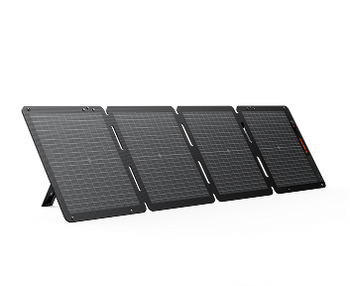
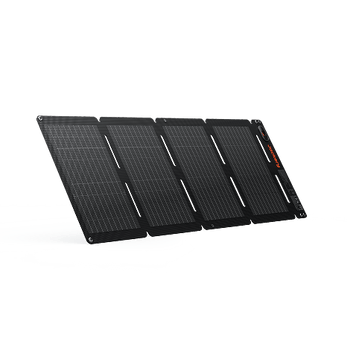
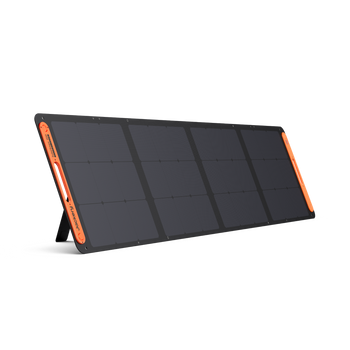
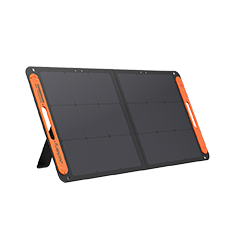
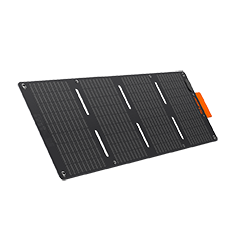
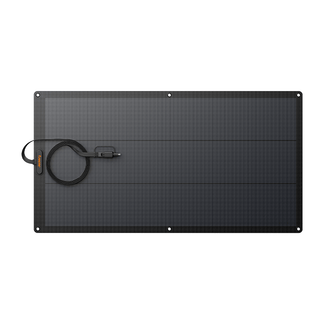
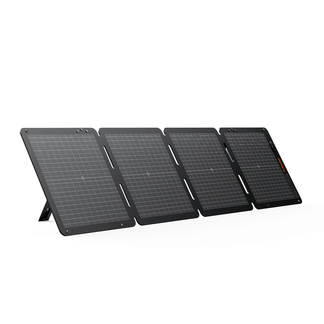
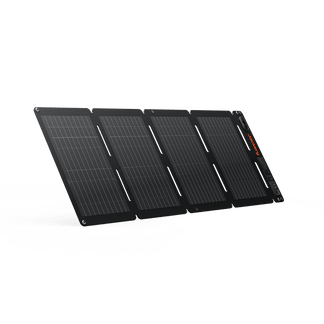
- Solar Panel(s): Your solar panel is the source of power. For a $1000 solar power setup, a 100W to 400W solar panel (or two smaller ones) is typically enough. Look for monocrystalline panels for better efficiency in a limited space.
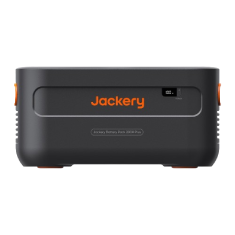
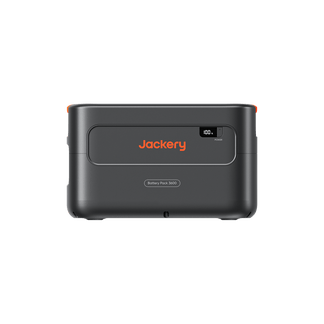
- Battery: The battery stores the solar energy collected during the day. Lithium iron phosphate (LiFePO4) batteries are ideal for solar generators and home battery backups.
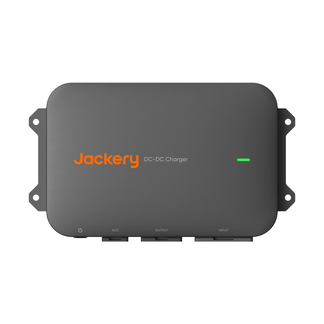
- Charge Controller: A charge controller manages how the solar panel charges your battery, preventing overcharging or draining. MPPT controllers are more efficient, but PWM models are cheaper.
- Power Inverter: Some power stations come with a built-in inverter that converts stored DC (direct current) power from the battery into usable AC (alternating current) power for standard home devices. Pure sine wave inverters are best, but modified sine wave models are more budget-friendly.
- Cables, Connectors & Fuses: These connect everything safely. You'll need MC4 connectors, appropriate gauge wires, a fuse or circuit breaker, and ring terminals for clean connections, depending on your solar power supply setup.
How to Build a DIY Solar Power System?
Once you have all the components, setting up your solar power DIY kit is just a matter of following the right steps. Here's how to DIY a solar generator or make your own solar power system:
Step 1: Calculate the Load
The first step is to figure out how much power you need daily. Make a list of all appliances you want to run, note their wattage, and estimate how many hours you'll use each one. This gives you your total daily watt-hour (Wh) requirement.
Step 2: Select the Battery
Choose a battery backup that can handle your daily load with some backup. LiFePO4 batteries are reliable and safer alternatives to other types of batteries. If your appliances use 500Wh per day, you can aim for a 12V 100Ah battery (~1,200Wh) that can supply 1–2 days of power.
Step 3: Select the Solar Panel(s)
Based on your battery or power station, the next step is to select solar panels that can recharge your battery on a daily basis. A 200W-400W solar panel setup is typically sufficient for light to moderate usage in sunny areas.
Step 4: Select the Charge Controller
Next, you need to match the charge controller to your solar panel's wattage and battery voltage. For tight budgets, a PWM controller is fine. However, if you need better efficiency and faster charging, an MPPT controller is worth considering.
Step 5: Select the Inverter
Choose an inverter that matches the total wattage of the devices you want to run at the same time. A 300W–600W inverter works for basic setups. Make sure it supports the correct voltage (12V or 24V system).
Step 6: Mount the Solar Panel
Place your panel in a sunny area, ideally a south-facing location if you're in the Northern Hemisphere. You can use a simple ground mount, pole mount, or create a DIY frame from wood or metal.
Step 7: Connect the Components
Use MC4 connectors to link your solar panel to the charge controller. Then connect the charge controller to your power station, and the battery to the inverter. Always check polarity (+ and –) before connecting.
Step 8: Wire the Components
Use the correct wire gauge for the current you're carrying to avoid voltage drops or overheating. Add in-line fuses between components for safety. Secure all wiring neatly and avoid loose connections.
Cost Breakdown of a $1000 DIY Solar Setup
Here is a table revealing the estimated costs of different components in a $1000 DIY solar kit:
|
Solar Power DIY Component |
Cost Range |
|
Solar Panel (200W-400W) |
$150 - $250 |
|
Battery Backup |
$500 - $800 |
|
Charge Controller |
$50 - $100 |
|
Power Inverter |
$150 - $250 |
|
Cables, Connectors, and Fuses |
$40 - $80 |
|
Total Cost |
$890 - $1480 |
Note: The prices can vary depending on brand, location, and whether you buy components individually or in kits.
Jackery Solar Generators for Home & Outdoors Under $1000
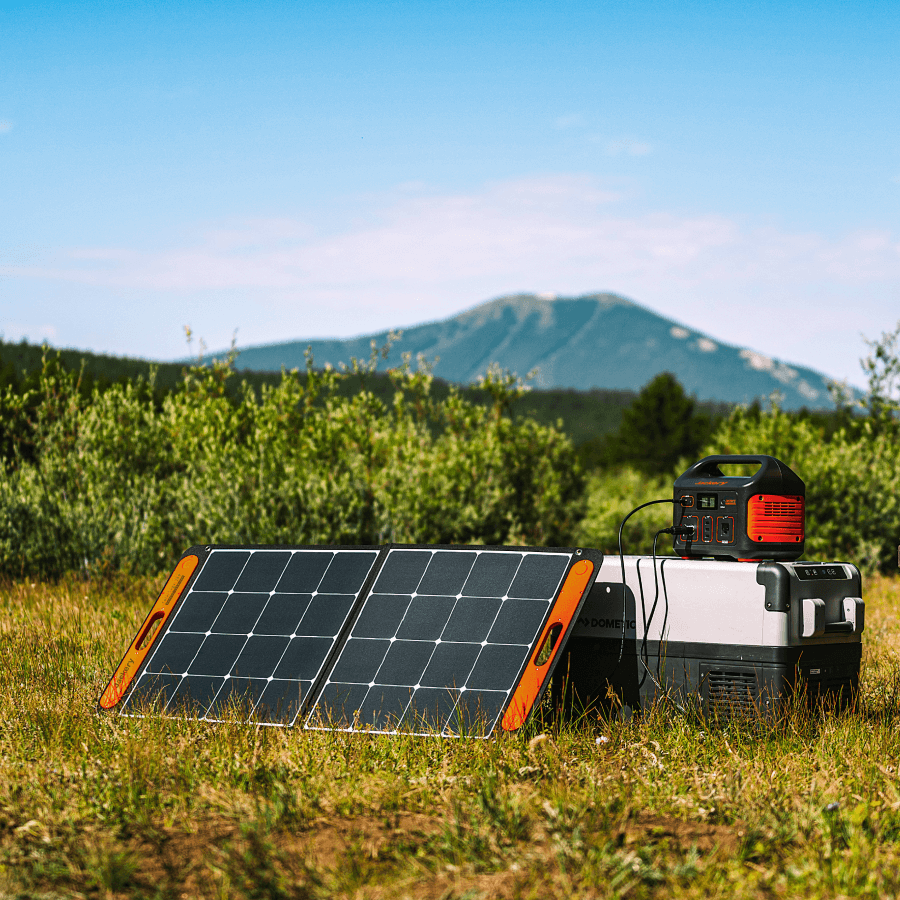
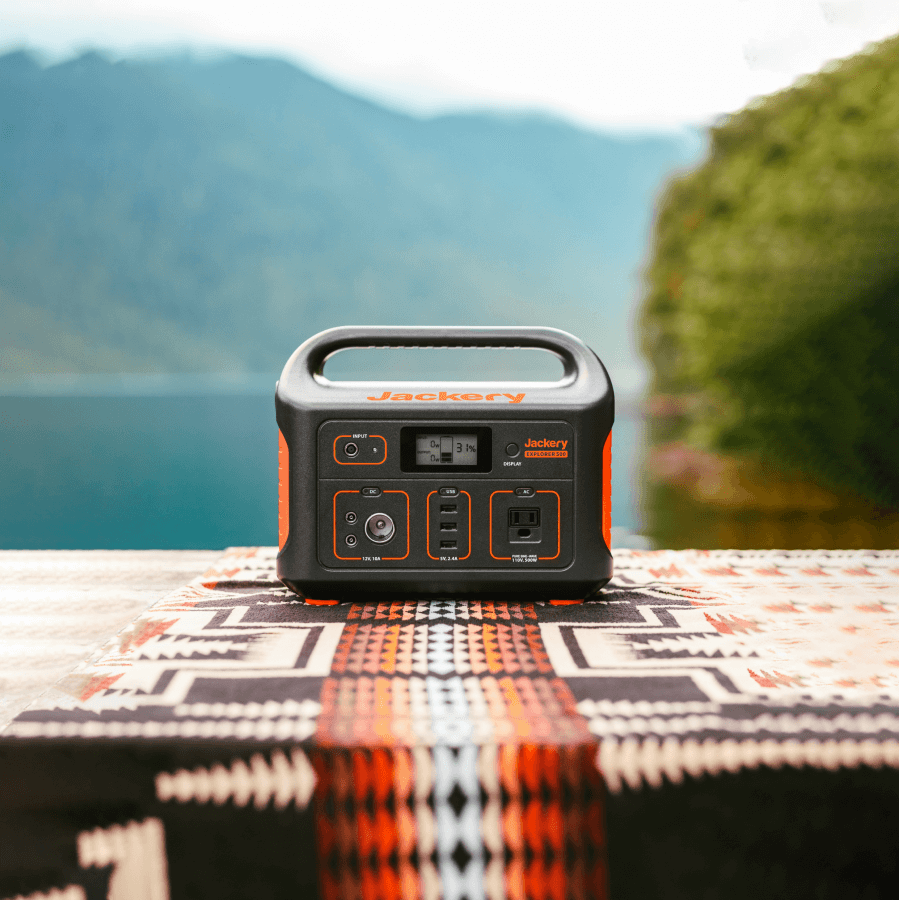
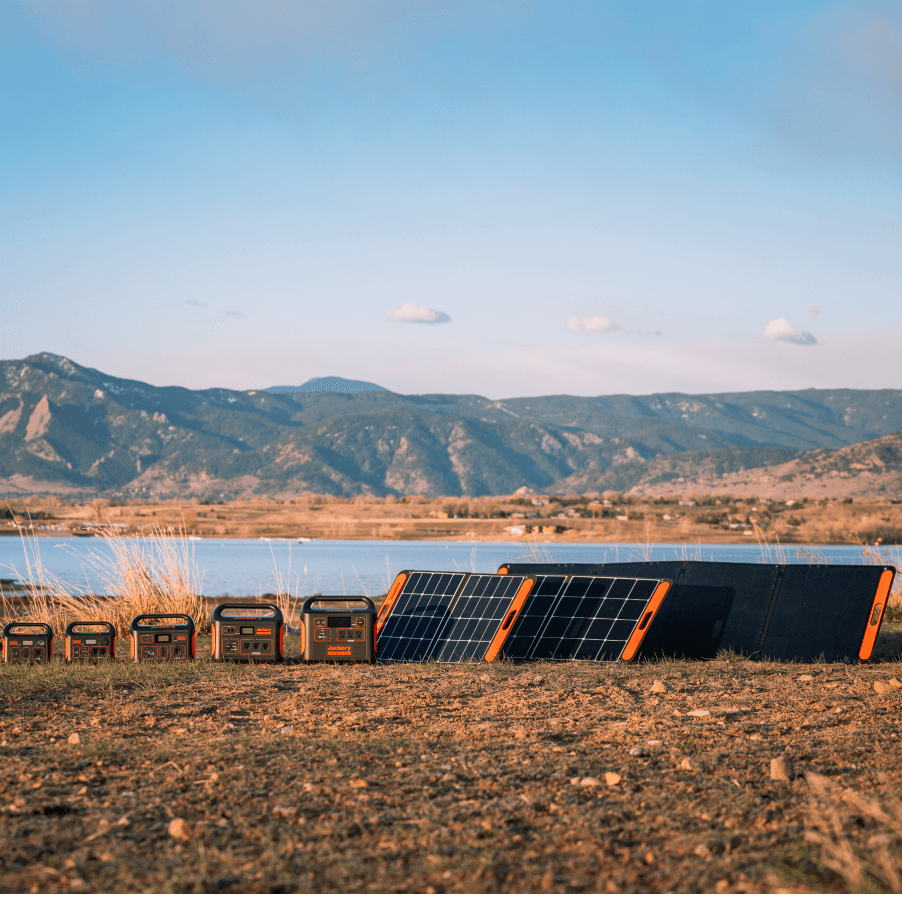
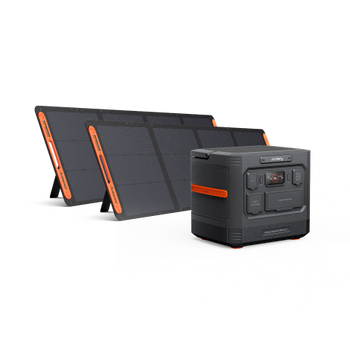
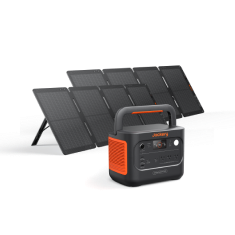
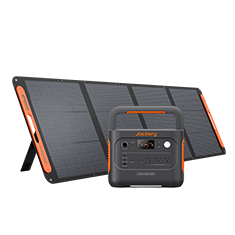
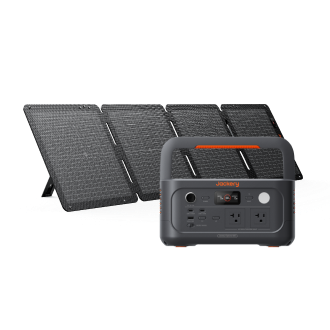
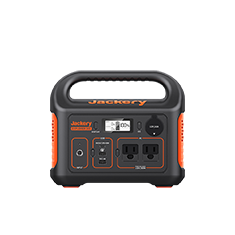
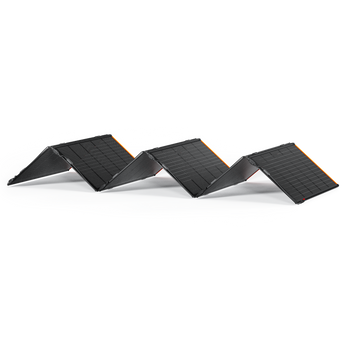
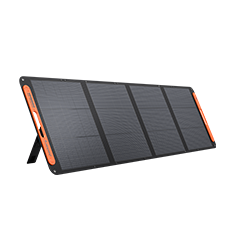
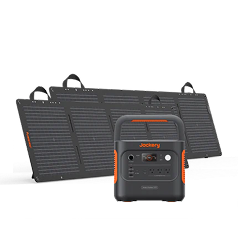
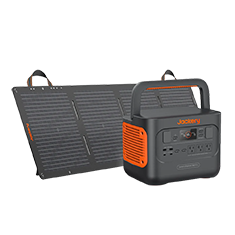
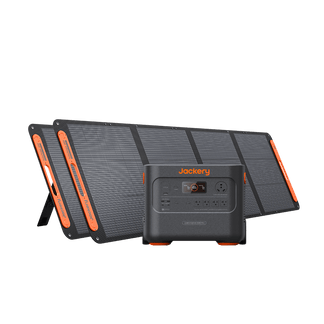
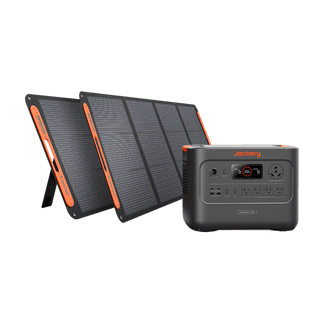
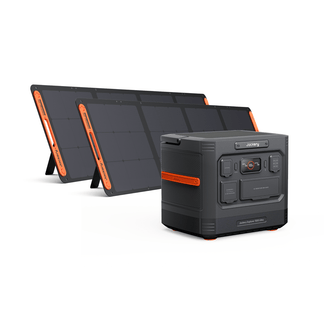
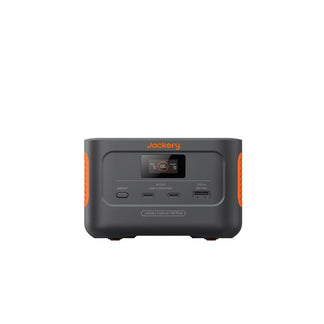
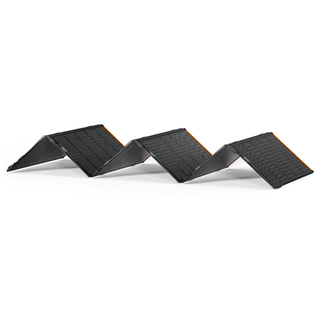
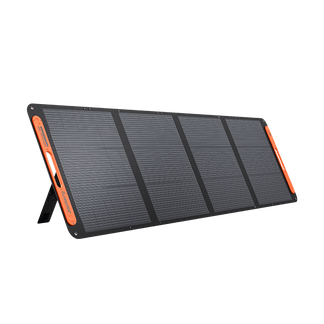
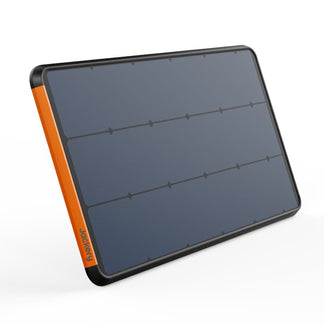
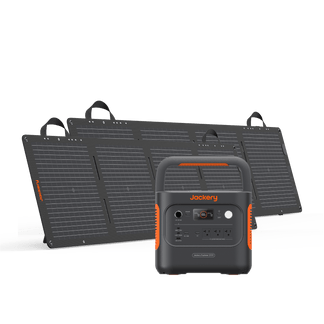
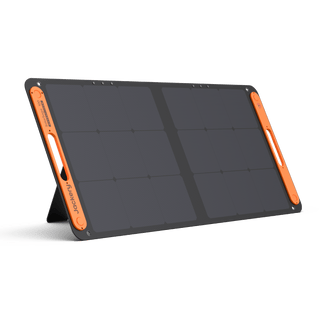
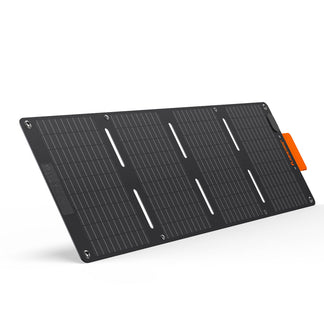
If you are not comfortable with wires, tools, or calculating voltages, there's still a simple way to get started with solar. Jackery is a leading brand that manufactures solar generators, power stations, and solar panels. You can unfold and place the solar panels under direct sunlight to absorb the sun's rays and generate electricity. The power stations convert DC to AC electricity to run appliances during home backup or outdoor adventures. Here are the two solar generators from Jackery for home backup and outdoor use:
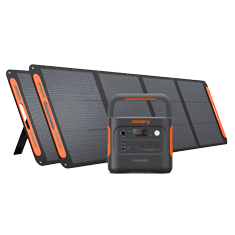
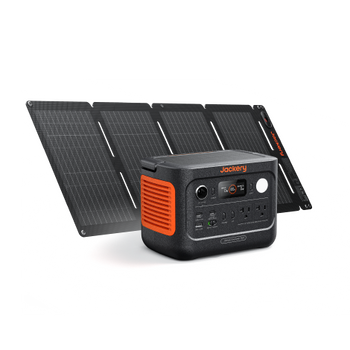
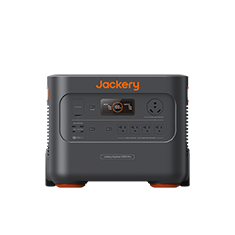
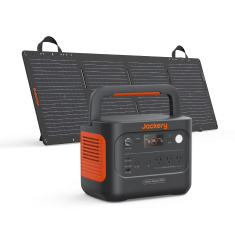
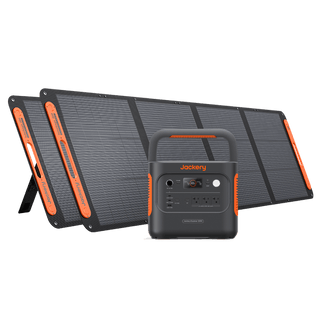
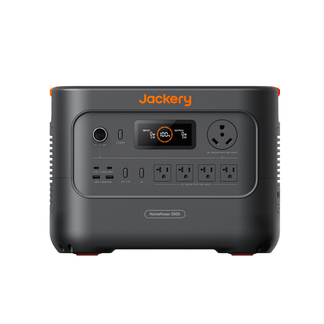
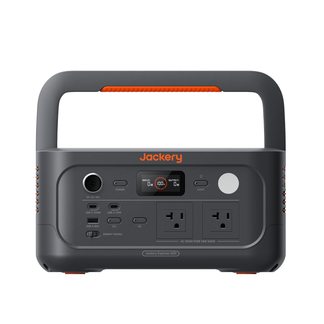
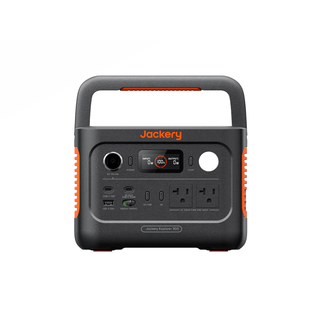
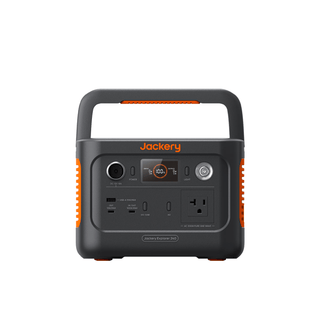
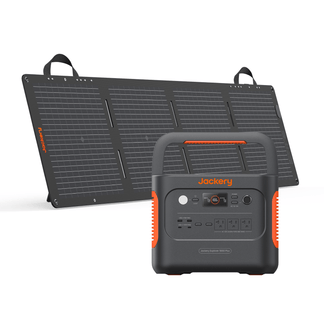
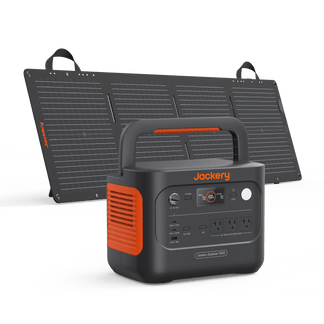
Jackery Solar Generator 600 v2
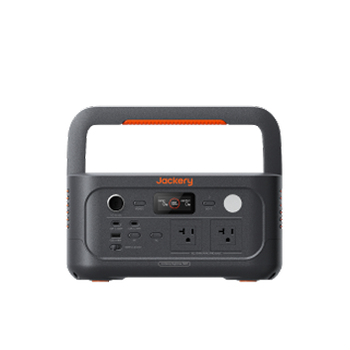
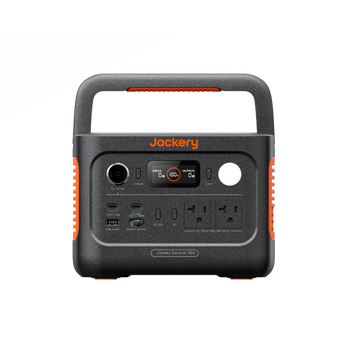
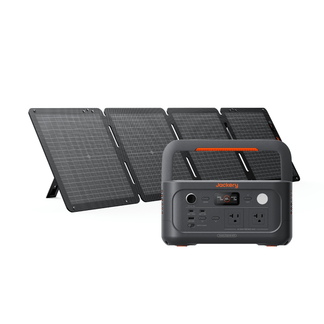
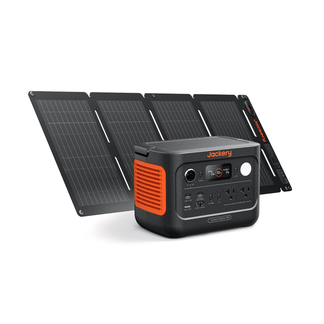
The Jackery Solar Generator 600 v2 is a compact solar battery backup solution that gives you reliable backup power in a small, easy-to-carry form. It can charge phones, tablets, laptops, run a fan, power your WiFi router, or keep a small light on during outages. It's ideal for short power cuts or outdoor adventures. It has a foldable handle that ensures easy movement anywhere you go.
Appliances Running Time
- Laptop (80W) = 5.8H
- Light (50W) = 8.7H
- Desktop (100W) = 4.8H
- Fan (150W) = 3.3H
- TV (150W) = 3.3H
Who Should Buy This
If you need portable power for outdoor adventures where electrical outlets are not available, you can consider going ahead with the Jackery Solar Generator 600 v2.

Customer Review
Definitely a 5 star this is our 4th jackery product. We have the 3000, 2000 plus and the extra battery for the 2000 and now the 600 v2. We got this to power our lights, a radio and charge our phones in our cabin.
— Karon O.
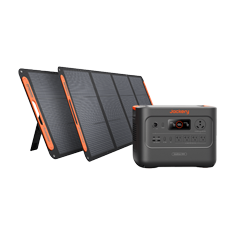
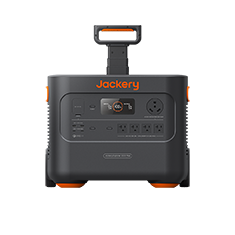
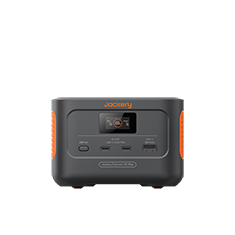
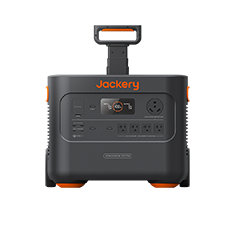
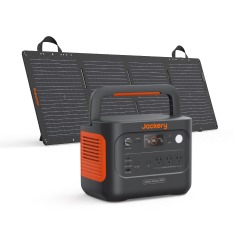
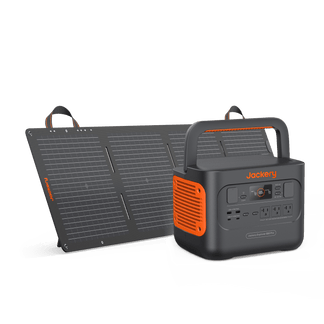
Jackery Solar Generator 1000 v2
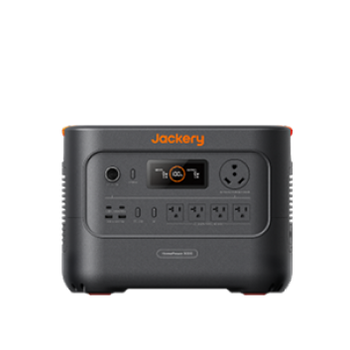
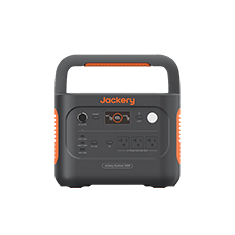
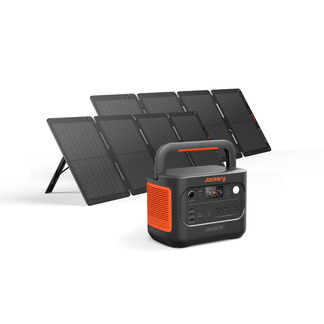
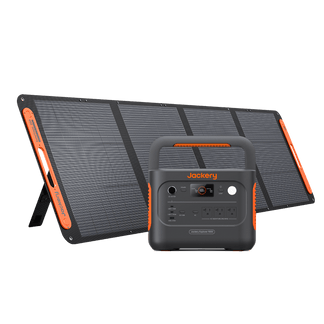
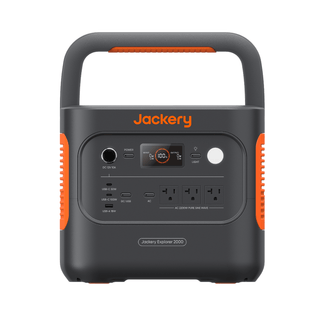
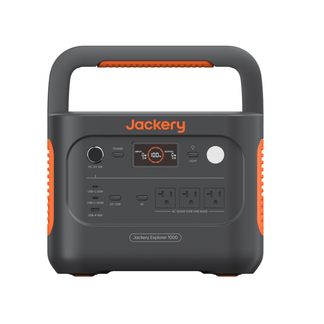
If you live in an area where short power outages are common, you can consider investing in the Jackery Solar Generator 1000 v2. This solar battery backup solution can power essential home appliances, including refrigerators, TVs, lights, and fans. It's the lightest and smallest 1kWh solar generator and features a foldable handle to ensure easy transportation.
Appliances Running Time
- Refrigerator (300W) = 2.8H
- TV (150W) = 5.3H
- Light (100W) = 7.6H
- Air Cooler (300W) = 2.8H
- Coffee Maker (800W) = 1.1H
Who Should Buy This
If you need a home battery backup for short power outages or blackouts that can keep essential appliances running, you can consider investing in the Jackery Solar Generator 1000 v2.

Customer Review
This was the 2nd unit I bought. Love them both. I keep them charged for when I need them, and they don't lose power. Recently, I used one during a power outage, and one ran through my freezer and refrigerator.
— Michael Wenson.
What are the Common Mistakes to Avoid When Building DIY Solar Systems?
Building a solar power DIY system can be rewarding, but several common mistakes can impact the overall efficiency and safety of the setup. Here are a few common mistakes to avoid:
- Undersized Inverters: If the inverter is too small for the capacity of the solar panels, it cannot handle the generated power. Thus, it leads to wasted energy and reduced system efficiency.
- No Fuse or Surge Protection: Fuses and surge protectors help protect the system from overloads and voltage spikes. Without appropriate protection, a short circuit or surge can damage your system, and even worse, a fire.
- Wrong Battery Chemistry: Choosing the wrong type of battery for your needs or charge controller can reduce efficiency or shorten battery life. For example, using a lithium battery with a controller meant for lead-acid can cause charging issues.
- Lack of Charge Controller: Connecting solar panels for home directly to the battery backup without a charge controller can lead to overcharging, battery swelling, or rapid degradation of the battery. Even for small solar power DIY systems, a basic MPPT or PWM controller is a must.
Common Questions About Solar Power DIY
Can I install DIY solar on my balcony?
Yes, you can install DIY solar panels on your balconies. However, you must consider factors such as space, sunlight, and local regulations before installing a permanent solar panel system.
Do I need a permit for small solar kits?
Yes, you will generally need a permit for small solar kits if they are installed on the house's rooftop. However, if you are investing in portable solar generators that do not require any installation, you don't generally need a permit.
Can a $1000 solar kit run a fridge?
Yes, a $1000 solar kit can run a fridge, but it depends on the refrigerator's wattage consumption and the solar generator's battery capacity. For example, the Jackery Solar Generator 600 v2 can run a mini-fridge (150W) for 3.3 hours.
How many kW of solar do I need for a DIY setup?
The kW of solar needed for a DIY setup depends on individual energy consumption and lifestyle. A 1000-watt generator is generally ideal for short outages or outdoor adventures. On the other hand, a 3000-watt solar generator is ideal for long-term outages.
Conclusion
Building your own solar power DIY system under $1000 is entirely possible and incredibly rewarding. With the right planning and components, you can power essential devices, save on electricity costs, and reduce reliance on the grid. Jackery Solar Generators are reliable solar battery backup solutions that can power various indoor or outdoor appliances. These are portable and easy to set up, allowing you to transport them easily anywhere to power appliances.