














![[Add-on] Jackery Battery Pack 5000 Plus - Jackery](http://www.jackery.com/cdn/shop/files/add-on-jackery-battery-pack-5000-plus-6713401.webp?v=1786503068&width=324)
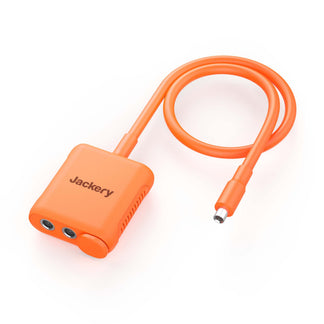
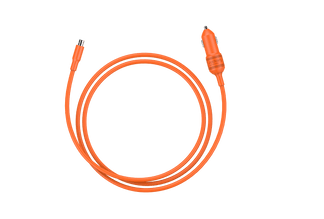
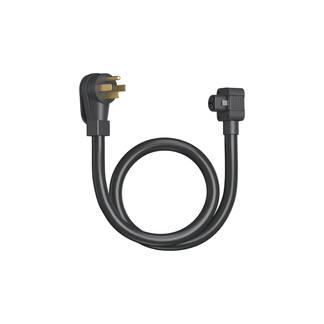




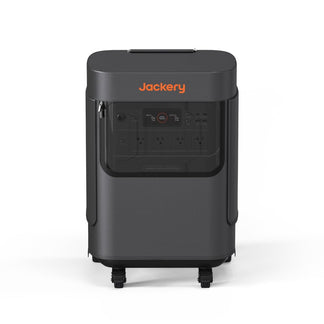
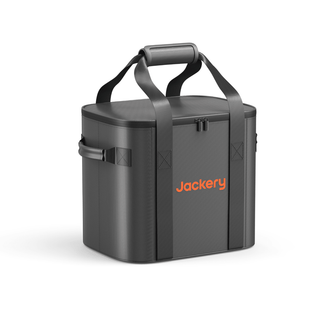

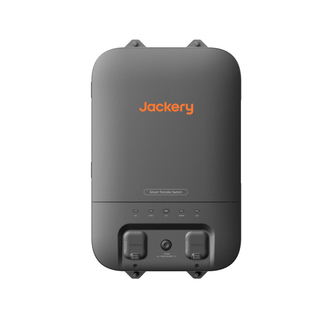


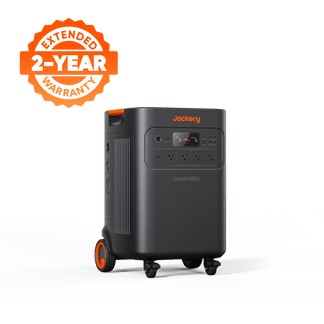
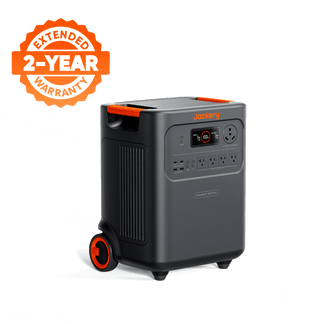
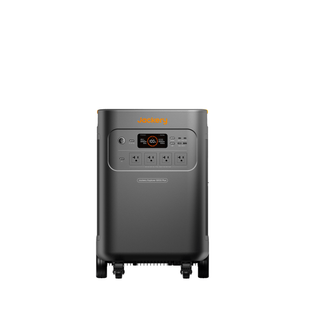
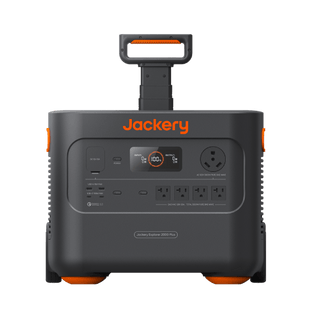
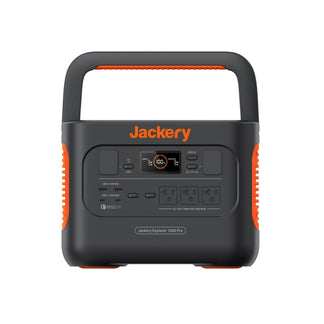
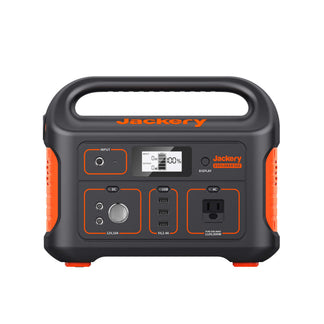
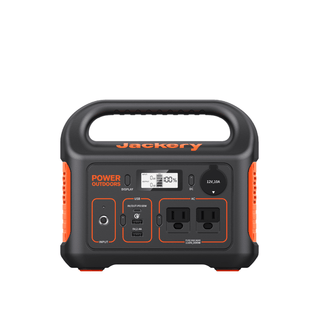
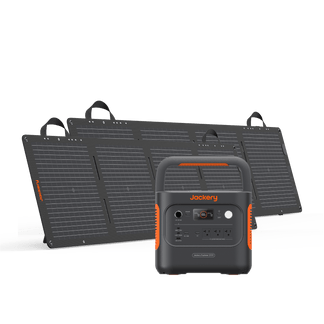
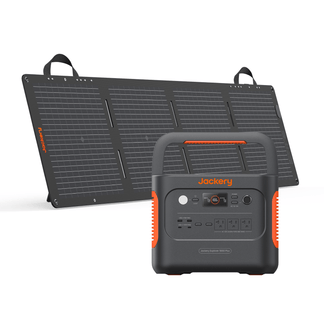
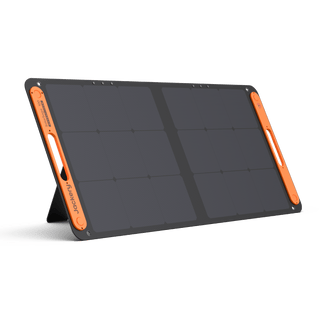
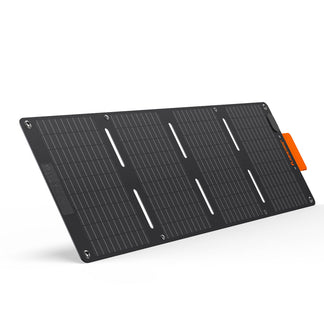
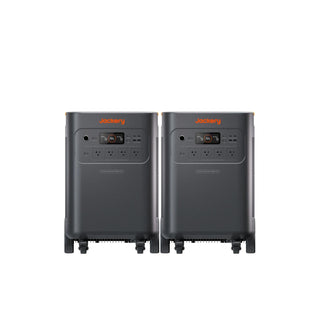


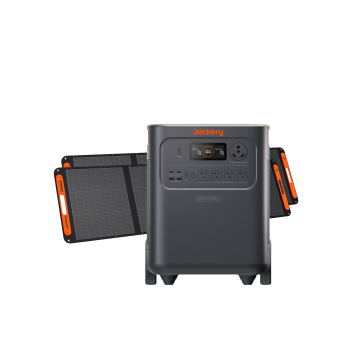
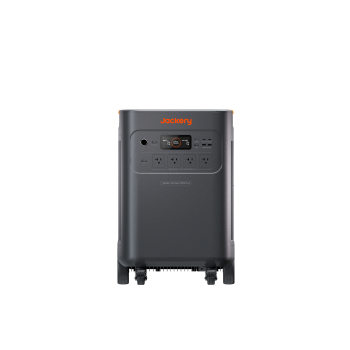
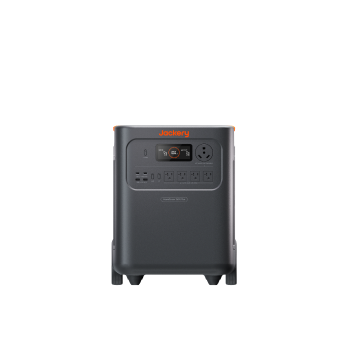
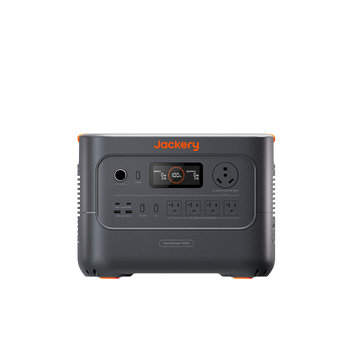
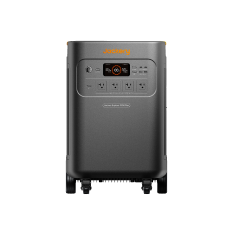
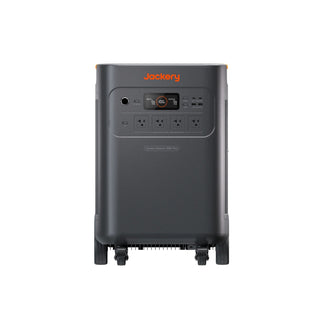
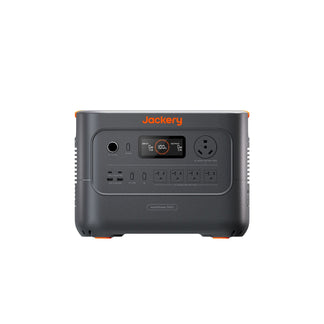
A 3000-watt solar generator is powerful enough to run a refrigerator, a window AC unit, and a handful of smaller devices at once, but still small enough to fit in a closet, garage corner, or the back of an SUV. For most US households, that's more capacity than a single outage actually demands. The Jackery Solar Generator HomePower 3000 packs 3,072Wh of capacity and 3,600W of continuous output into Jackery's lightest and smallest 3kWh LFP power station.
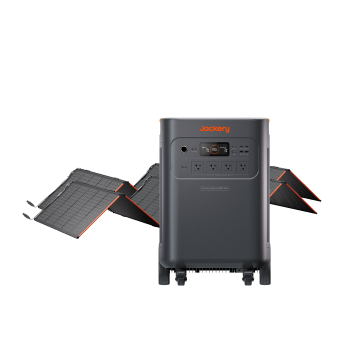
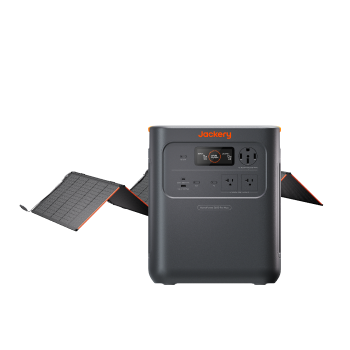
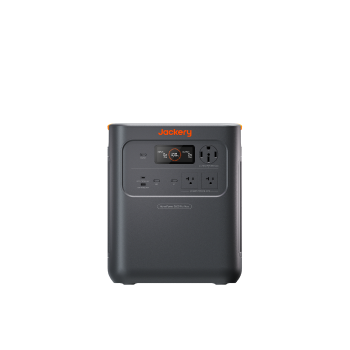
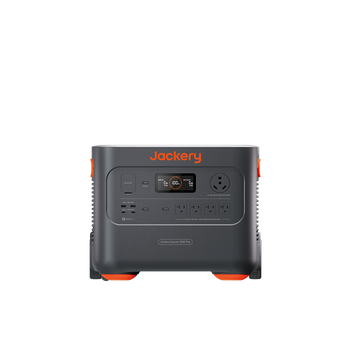
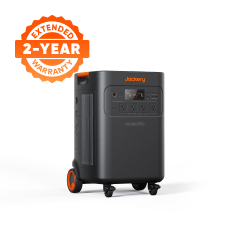
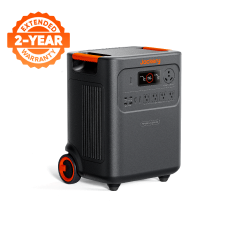
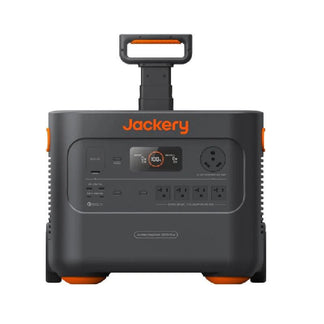
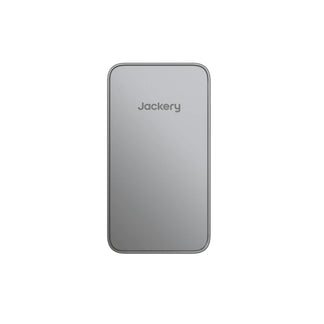
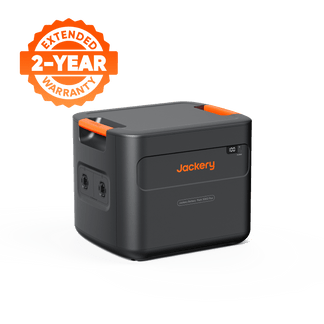
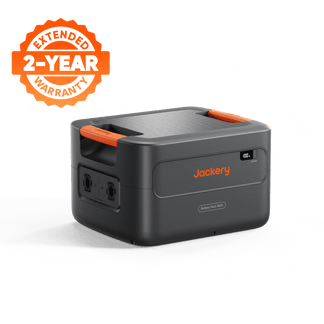
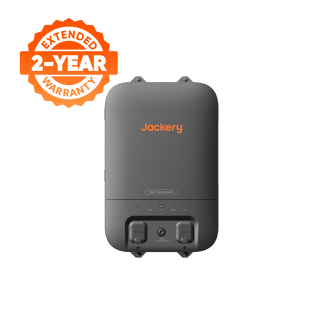
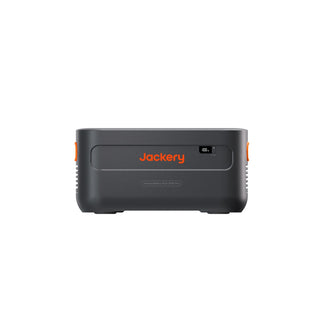
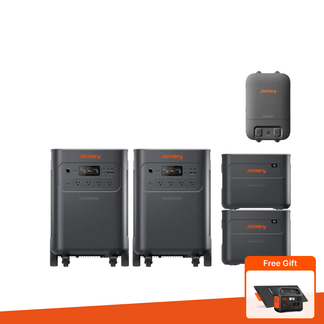
The Jackery Solar Generator 2000 Plus starts smaller, at 2,042.8Wh and 3,000W, but expands up to 24kWh with add-on battery packs, making it the better long-term pick for anyone who expects their power needs to grow. This guide breaks down what a 3000W solar generator can realistically run, how to size one for your home, and how two of Jackery's current 3000W-class systems compare in terms of capacity, output, and long-term flexibility.
Key Takeaways
- A 3,000W solar generator can run nearly everything in a typical home except central air conditioning and electric ranges. For example, refrigerators, WiFi, power tools, and microwaves are all well within range.
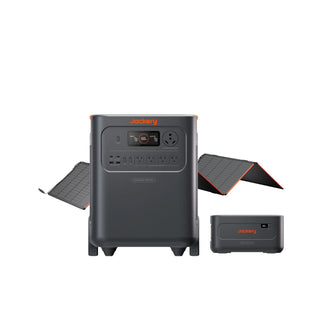
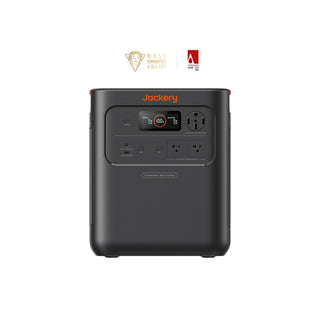
- The Jackery Solar Generator HomePower 3000 delivers 3,072Wh of capacity and 3,600W of continuous output (7,200W surge) in a fixed, non-expandable unit that's also Jackery's lightest and smallest 3kWh power station.
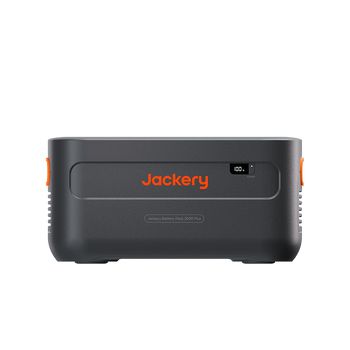
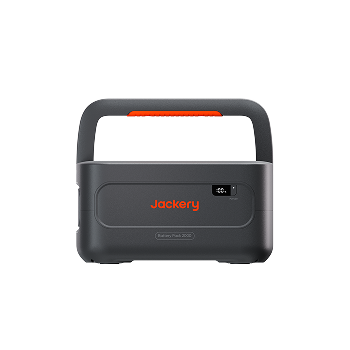
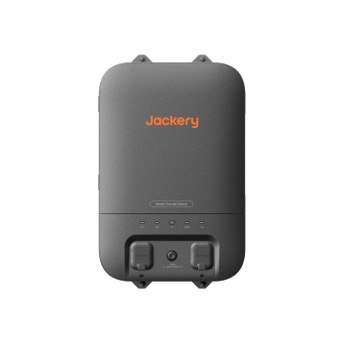
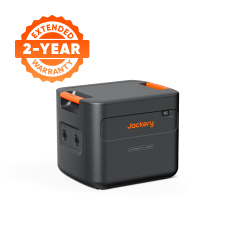
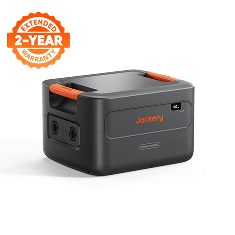
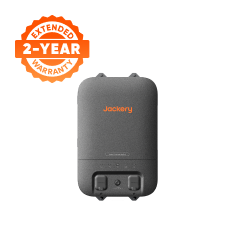
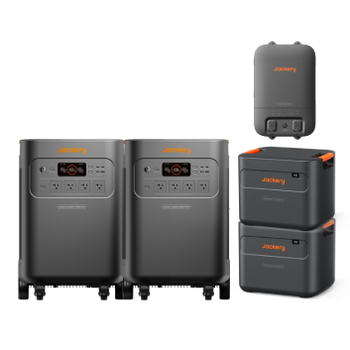
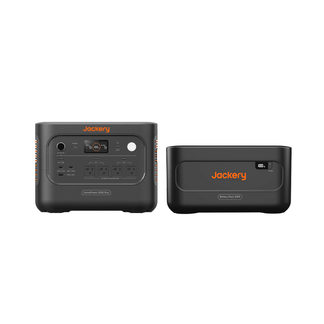
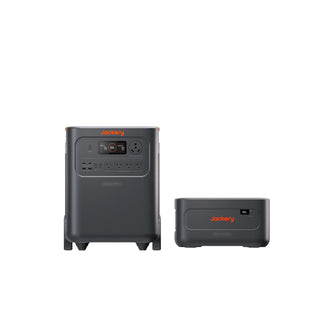
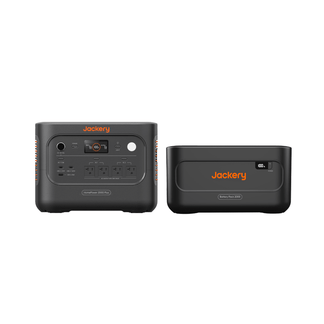
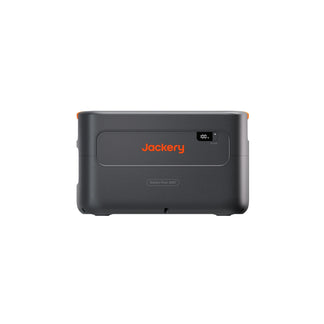
- The Jackery Solar Generator 2000 Plus starts at 2,042.8Wh and 3,000W, then scales up to 24kWh by adding Jackery Battery Pack 2000 Plus units.
- Watts measure how much you can run at once, and watt-hours measure how long you can run it. Rated output determines whether a given appliance will even turn on.
What is a 3000W Solar Generator?
A 3,000-watt solar generator is a battery-based power station, usually paired with solar panels, with enough continuous output to run mid-size appliances like a microwave, a window air conditioner, or a set of power tools, either one at a time or in combination up to its rated wattage. "3000W" describes the generator's power rating and not how long it can run any appliance.
|
Term |
What It Means |
Why It Matters |
|
Watts (W) |
The rate of power draw or delivery |
Determines what you can run at once |
|
Watt-hours (Wh) |
Total stored energy |
Determines how long you can run something |
|
Amps (A) |
Rate of electrical current flow |
Combines with volts to calculate watts |
|
Volts (V) |
Electrical pressure |
Most home appliances run on 120V |
The Jackery Solar Generator HomePower 3000, for example, is rated at 3,600W but stores only 3,072Wh. A 1,200W window AC unit would drain it in a little over two hours, while a 60W WiFi router could run for nearly two days on the same charge. Watts and watt-hours solve two different problems, and mixing them up is the most common mistake people make when sizing a solar generator.
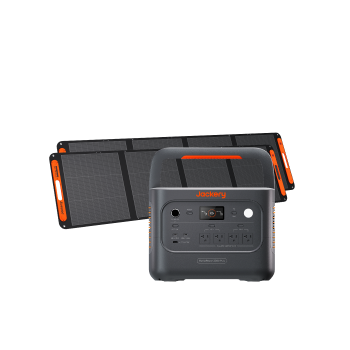
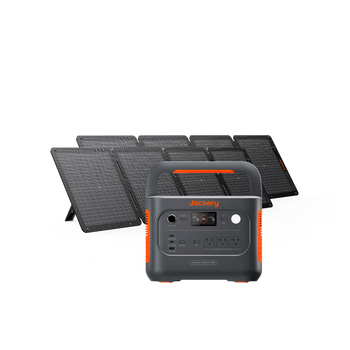
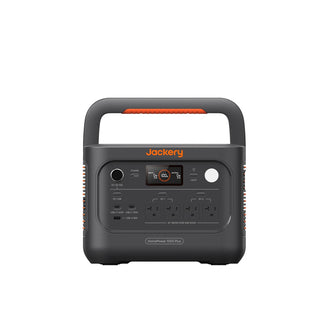
Hugh Richards splits time between his city home and a coastal cottage in Nova Scotia, a property that regularly loses power during hurricanes, sou'wester winds, and winter storms, sometimes for two to three days at a stretch. After a gas generator proved unreliable and a hardware-store car battery inverter failed to hold a charge, Hugh researched his options and bought a Jackery Solar Generator 1500, later adding a Jackery Solar Generator HomePower 3000 for redundancy across both properties.
The units have since carried him through a −25°C cold snap that threatened to freeze the cottage's well and filtration system, powered his work laptop and modems through a planned two-day utility shutoff for local roadwork, and run corded tools for shoreline maintenance and brief pump cycles for the water system, all while sitting idle for weeks at a time without losing charge. Read more such Jackery Stories to see how solar generators have proved to be a reliable power source for people.
What Can a 3000W Solar Generator Power?
A 3,000W solar generator can power almost anything you would normally plug into a wall outlet, such as refrigerators, microwaves, window AC units, power tools, and full entertainment setups, as long as the appliance's running wattage stays under the unit's rated output and its starting wattage stays under the surge rating.
|
Appliance |
Typical Running Watts |
Runs on 3000W Output? |
|
LED lights, phone chargers |
5–30W |
Yes, easily |
|
WiFi router |
7–15W |
Yes, easily |
|
Refrigerator (standard) |
150–200W |
Yes |
|
Box fan |
30–100W |
Yes |
|
Laptop |
30–65W |
Yes |
|
Microwave |
900–1,200W |
Yes |
|
Sump pump |
800–1,500W |
Yes |
|
Window AC unit |
900–1,500W |
Yes |
|
Power tools (drill, saw) |
500–1,500W |
Yes |
|
13,500 BTU RV air conditioner |
1,500–2,000W (start-up higher) |
Usually, alone |
|
Electric water heater |
3,000–4,500W |
No, exceeds rated output |
Here is what a 3000-watt solar generator can run during power outages, off-grid living, and at job sites:
Home Essentials
During an outage, a 3000-watt solar generator can keep a household's core systems running for one to several days: refrigerator, chest freezer, WiFi router and modem, lighting circuits, phone and laptop charging, and a sump pump if your basement is prone to flooding during storms.
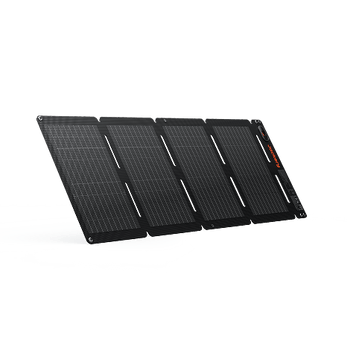
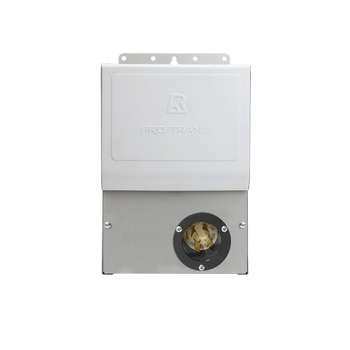
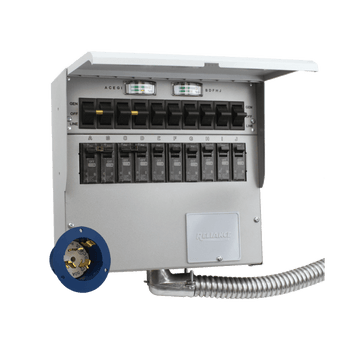
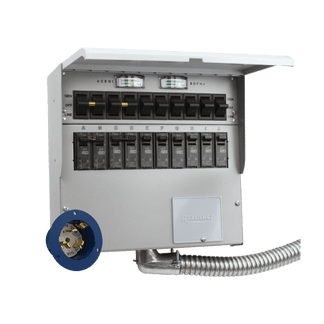
You can pair the essential home backup solutions, such as the Jackery Solar Generator HomePower 3000 or Jackery Solar Generator 2000 Plus, with a manual transfer switch to route power directly into a handful of home circuits instead of running extension cords from room to room.
Off-Grid, RV, and Camping
A 3000-watt generator comfortably runs coffee makers, induction cooktops, portable air conditioners, and 12V fridges common in RVs and off-grid cabins. Jackery Solar Generators feature easy-to-carry handles and a compact design to ensure easy transportation in and out of the RV.
Power Tools and Job Sites
Circular saws, angle grinders, hand drills, and air compressors typically draw 700–1,500W while running and spike well higher for a fraction of a second on startup. For job sites running multiple tools throughout the day, you can consider investing in the expandable Jackery Solar Generator 2000 Plus with high rated and surge output.
Recommended Jackery 3000W Solar Generators for Outdoors & Home Backup
Not every 3,000W-class buyer is solving the same problem. Some just want the lights and fridge back on during a storm, while others are planning a season of camping, van life, or off-grid living. Jackery Solar Generator HomePower 3000 and Jackery Solar Generator 2000 Plus both sit in the same power class, but they are built around two different lifestyles: one is a plug-and-play backup solution for the house, and the other is a road- and trail-ready system meant to travel and grow with you. Here's how these 3000-watt generators fit into real outdoor and home-backup use.
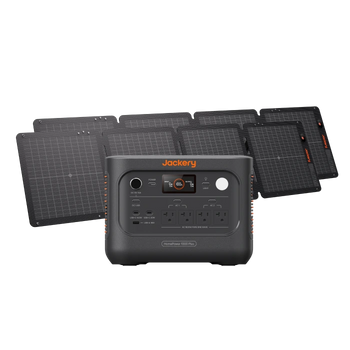
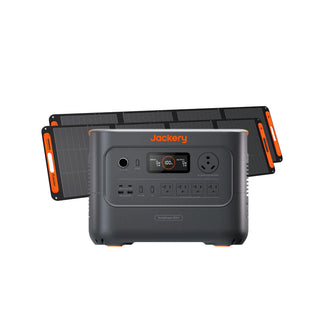
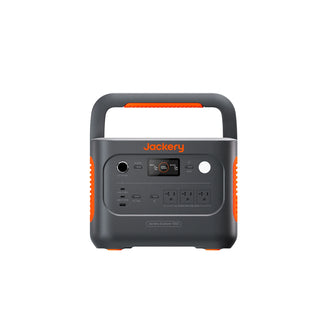
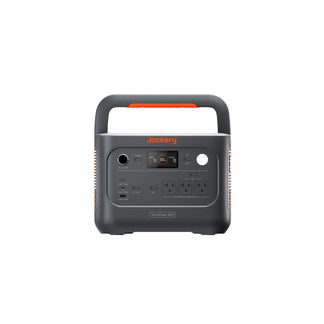
Jackery Solar Generator HomePower 3000
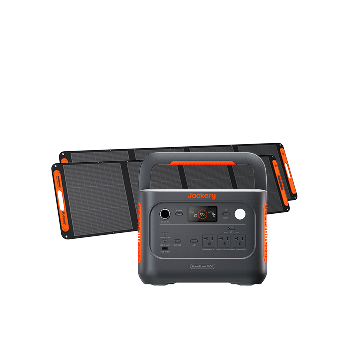
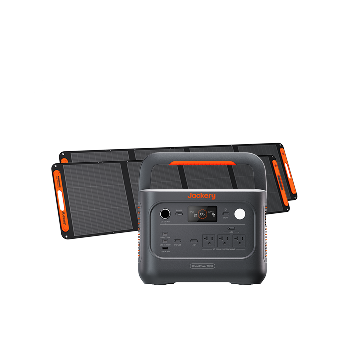
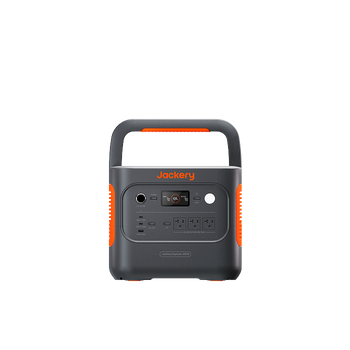
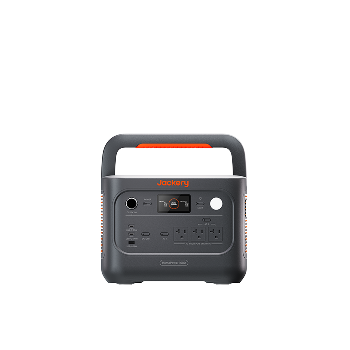
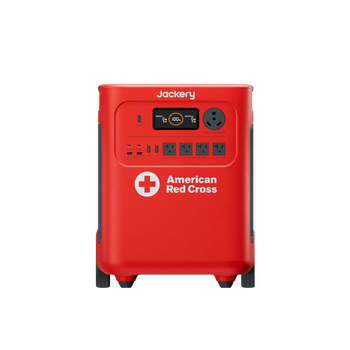
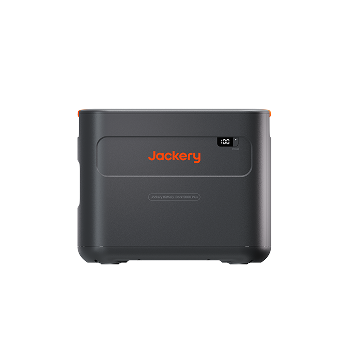
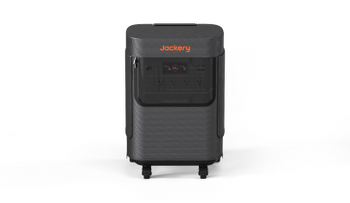
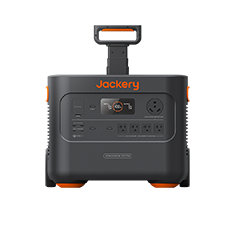
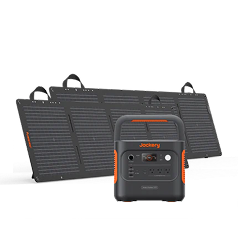
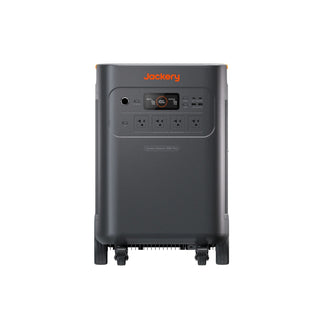
The Jackery Solar Generator HomePower 3000 is the choice for anyone who wants home backup to feel like a solved problem. It sits quietly in a closet or garage until a storm knocks out the grid, then keeps the refrigerator cold, the WiFi up, and the lights on without anyone needing to plan for it in advance. It's equally at home for weekend cabin trips or tailgates, where you want power without hauling around something bulky. You can pack this solar generator in the trunk, and it's ready the moment you arrive.
Tech Specs
- Capacity: 3072Wh
- Rated Output: 3600W
- Surge Output: 7200W
Appliance Running Time
- Refrigerator (200W) = 11.8H
- Box Fan (50W) = 36.3H
- Microwave (1000W) = 2.6H
- Sump Pump (1500W) = 1.7H
- Window AC Unit (1000W) = 2.6H
Who Should Buy This
The Jackery Solar Generator HomePower 3000 is an ideal home battery backup solution for homeowners who prioritize a dependable, zero-maintenance backup for critical circuits during severe weather or grid failures.

Customer Review
The HomePower 3000 is a great unit. It does everything as advertised. Have charged it with 120 AC, 400 watts of solar, as well as 12V DC. Have run a number of different kinds of AC and DC equipment. Very pleased with the unit.
— Scott S.
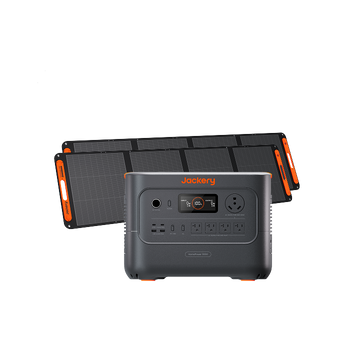
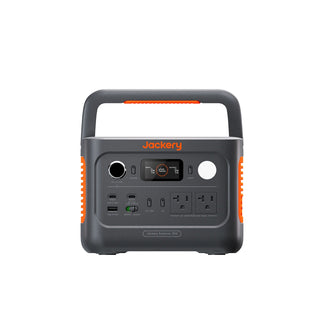
Jackery Solar Generator 2000 Plus
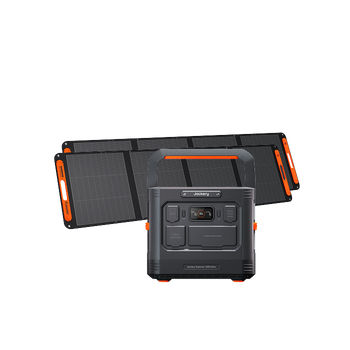
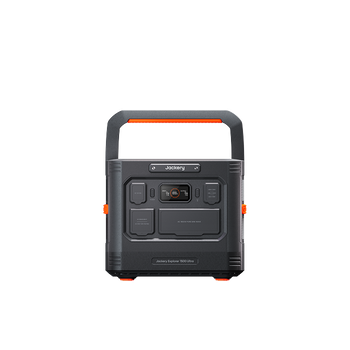
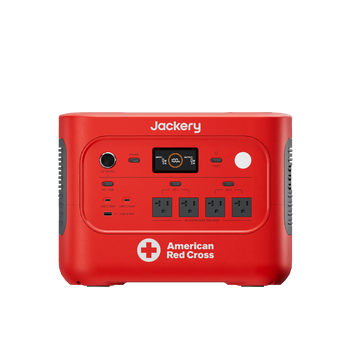
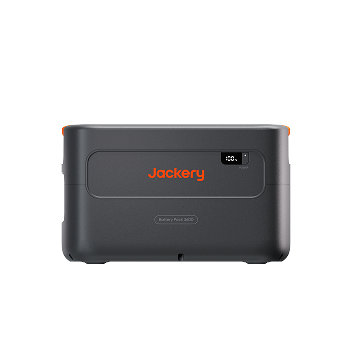
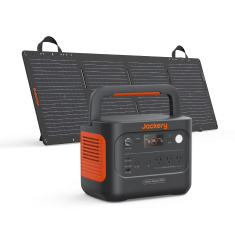
The Jackery Solar Generator 2000 Plus is built for people whose power needs move with them. It's the natural fit for RV owners, van-lifers, and overlanders who need to run a fridge, cook a meal, and charge devices at a remote campsite for days at a time, then recharge off solar the next morning and do it again. It can grow alongside a lifestyle, so you can start small for weekend trips and add capacity as someone transitions to full-time off-grid living. It can keep tools running at job sites and in workshops, where multiple tools and long days away from an outlet are the norm.
Tech Specs
- Capacity: 2042.8Wh (Expandable up to 24kWh)
- Rated Output: 3000W
- Surge Output: 6000W
Appliance Running Time
- Refrigerator (200W) = 7.7H
- Box Fan (50W) = 24.6H
- Microwave (1000W) = 1.6H
- Sump Pump (1500W) = 1.1H
- Window AC Unit (1000W) = 1.6H
Who Should Buy This
The Jackery Solar Generator 2000 Plus is an ideal battery backup solution for van-lifers and full-time RVers who require genuine road power and fast solar recharging, and individuals building toward total grid independence at off-grid or remote properties.

Customer Review
With the Jackery solar generator providing energy during these outages, there is no worry about food spoiling in the refrigerator. We can run portable swamp coolers to beat the heat outside, as well as having some lights on or heating up some food, or water for coffee or tea. It has reduced the stress of dealing with power outages.
— Jane T.
Can a 3000W Solar Generator Power a House?
It depends on what "house" means to you. A 3,000W-class solar generator can comfortably power your home's essential circuits, such as refrigerator, WiFi, lighting, a sump pump, and a few outlets, for one to several days. It can't replace whole-home 240V utility service for things like central air conditioning, an electric range, or an EV charger without scaling up significantly. Here's how to calculate what size generator do you need for home essentials:
Step 1: List what you actually need to run. Focus on essentials first: refrigerator, WiFi, lighting, and anything else non-negotiable during an outage.
Step 2. Add up running watts. Check each appliance's rating plate or user manual, or use the formula Watts = Volts × Amps if only volts and amps are listed. Total everything you would realistically run at the same time, and not everything you own.
Step 3. Check against starting watts. Motors in refrigerators, AC units, and pumps briefly draw 2–3× their running wattage on startup. Add the single highest starting-watt spike to your running total, then compare against the generator's surge rating: 7,200W for the Jackery Solar Generator HomePower 3000, 6,000W for the Jackery Solar Generator 2000 Plus.
Step 4. Match capacity to how long you need power. Divide your total running watts by the unit's watt-hour capacity, accounting for roughly 15% inverter loss, to estimate hours of runtime.
If you want to calculate how long any appliance or a combination of appliances will run, you can use the Running Time Calculator available on the Jackery Buying Guide page. Simply choose the product from the drop-down and enter the total wattage consumption to get an estimated runtime.
3000W Solar Generator FAQs
What's the difference between a 3000W and a 3000Wh solar generator?
Watts measure output rate, meaning how much power the unit can deliver at once. Watt-hours measure stored energy, which means how long it can sustain that output. A generator can be rated at 3000W with a battery anywhere from 2kWh to well over 5kWh, so the two numbers need to be checked separately.
Do I need an expandable battery, or is a fixed-capacity unit enough?
If your typical outage is a few hours and you mainly need to keep a fridge and some lights running, a fixed-capacity 3kWh-class unit like the Jackery Solar Generator HomePower 3000 is usually plenty. If you live somewhere prone to multi-day outages, or you're not yet sure how your power needs will change, an expandable system like the Jackery Solar Generator 2000 Plus gives you room to grow without buying a second unit later.
How long does it take to recharge a 3000W-class solar generator?
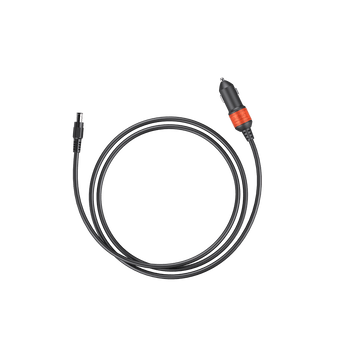
Wall-outlet recharging is typically the fastest option, often completing in under three hours, depending on the model and available input wattage. Solar recharging varies more, expect anywhere from several hours to most of a day depending on panel wattage and sunlight conditions. Car charging is the slowest of the three and best treated as a backup method.
Is a 3000W solar generator loud?
No, a 3000W solar generator is not loud. Unlike gas or propane generators, solar generators have no combustion engine, so they run silently or close to it. Most Jackery Solar Generators operate at 30 decibels or less, comparable to a quiet room, with the only sound coming from an internal cooling fan under heavy loads.
Can I run a 3000W solar generator indoors?
Yes, you can run a 3000W solar generator indoors. Because there's no fuel combustion or exhaust, solar generators are safe to run indoors, which is an advantage over gas generators that require outdoor placement and carbon monoxide precautions.
Final Thoughts
A 3,000W-class solar generator is enough to keep a household running through most outages, power a genuinely off-grid setup, or run job-site tools without a fuel line. If you want a fixed, plug-and-play 3kWh LFP solar generator that's lighter and more compact than most 3kWh units on the market, the Jackery Solar Generator HomePower 3000 is the simpler buy. If you would rather start smaller and build up capacity as your budget or needs change, especially for RV or off-grid living, the Jackery Solar Generator 2000 Plus's expandability makes it the more future-proof choice. Either way, matching the unit to your actual running watts, not just the "3000W" label, is what determines whether it fits your home.


