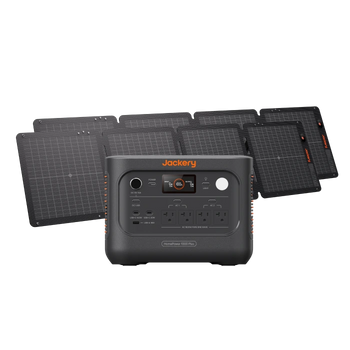
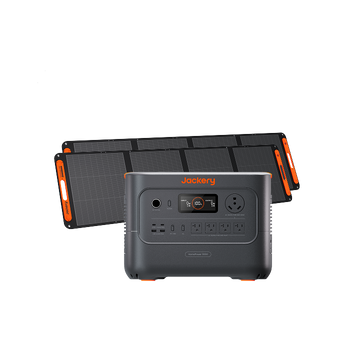
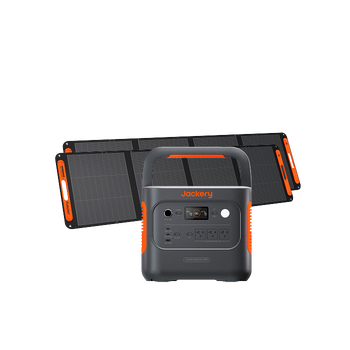
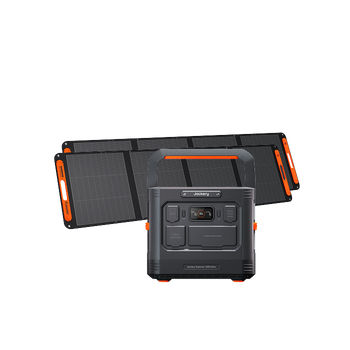
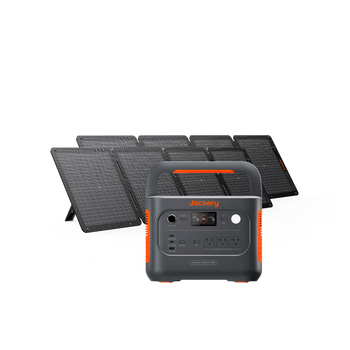
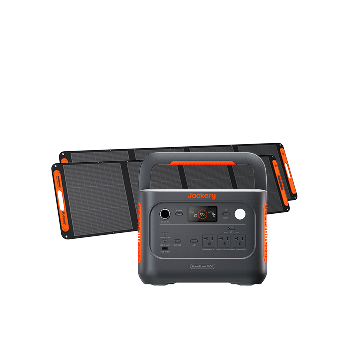
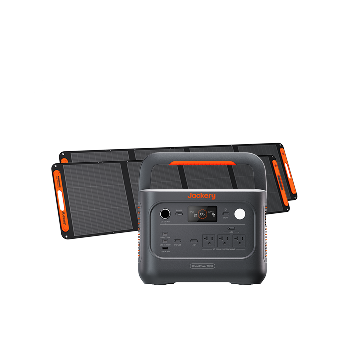
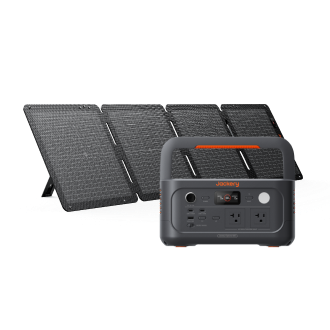
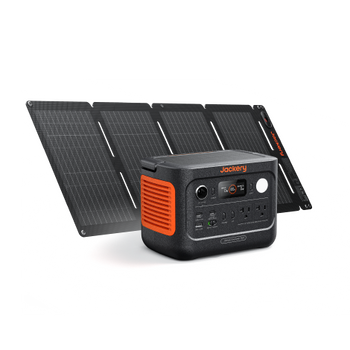


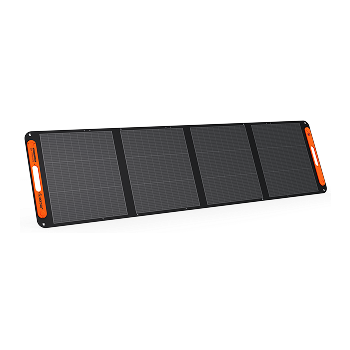
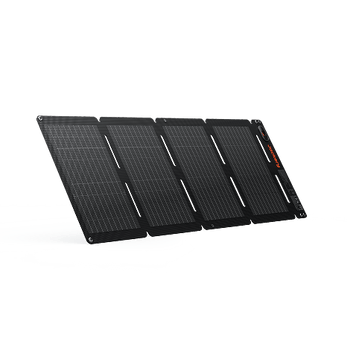




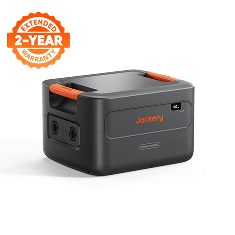
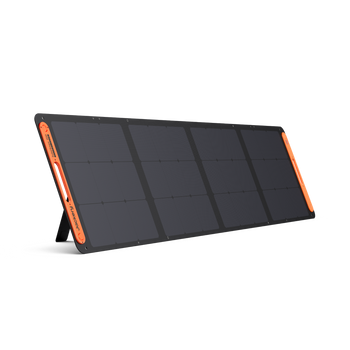


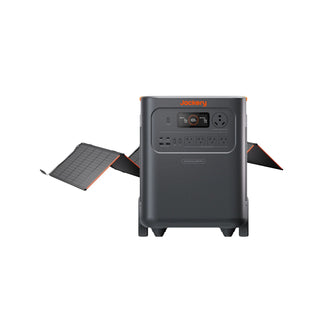
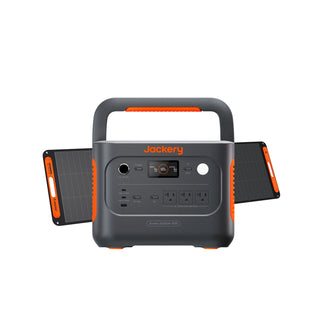


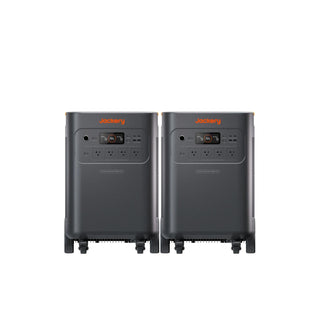
![[Add-on] Jackery SolarSaga 500 X - Jackery](http://www.jackery.com/cdn/shop/files/add-on-jackery-solarsaga-500-x-1493607.webp?v=1786503068&width=324)
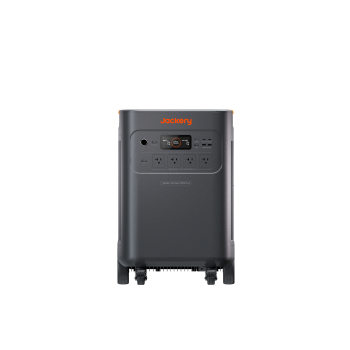
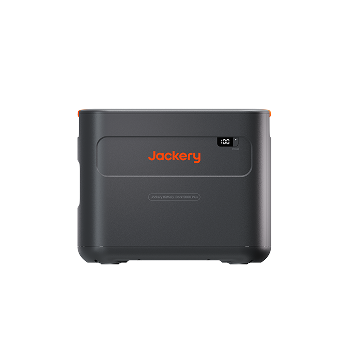
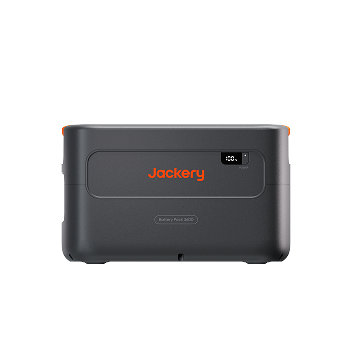
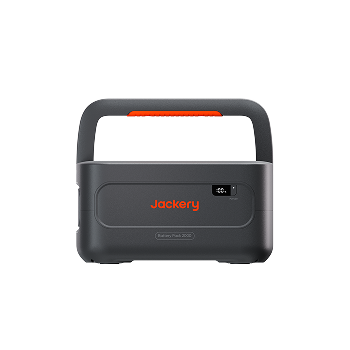
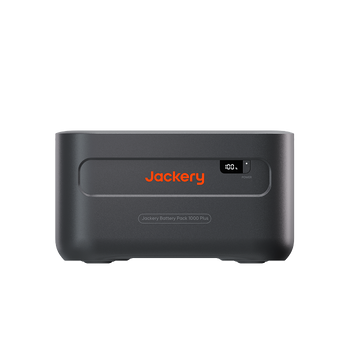
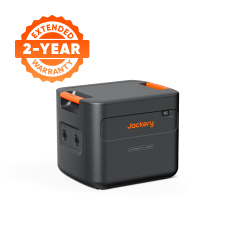
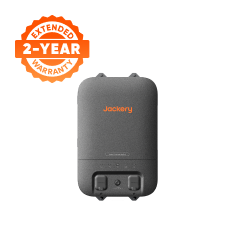
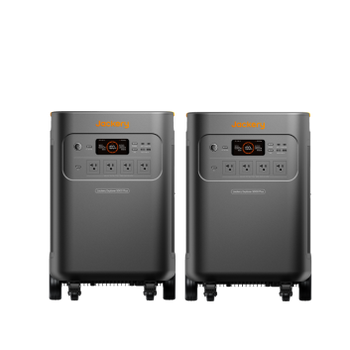
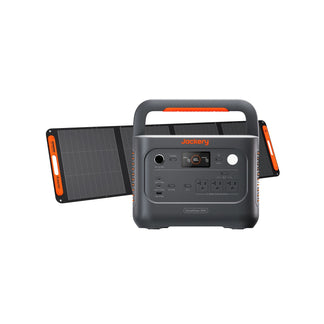
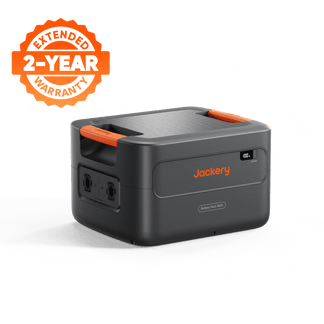
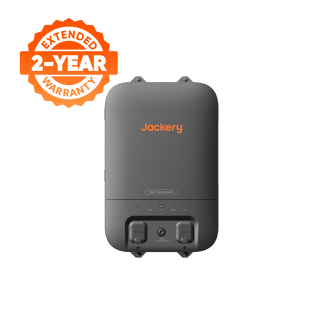
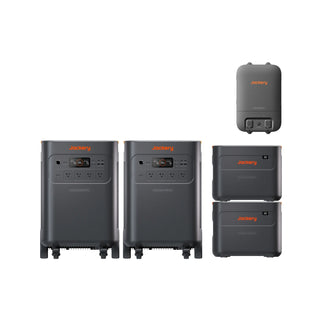
![[Add-on] Jackery Battery Pack 5000 Plus - Jackery](http://www.jackery.com/cdn/shop/files/add-on-jackery-battery-pack-5000-plus-6713401.webp?v=1786503068&width=324)



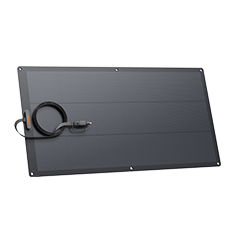
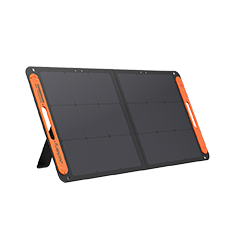
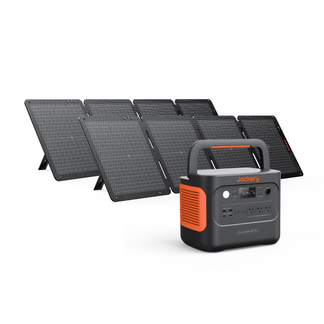
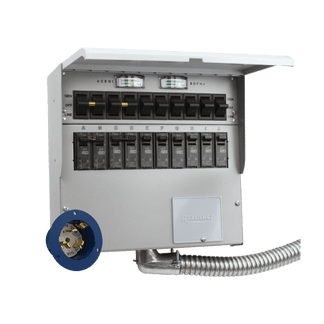
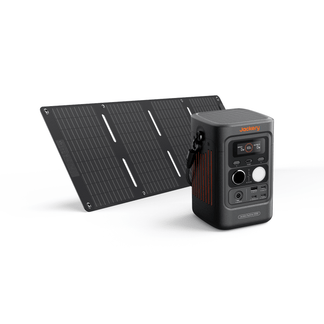
![[Add - on] SolarSaga 200W - Jackery](http://www.jackery.com/cdn/shop/files/add-on-solarsaga-200w-4834329.png?v=1754016915&width=324)


How Hugh Richards learned to live and work between storms in coastal Nova Scotia
Two Homes, One Reality
Hugh Richards lives between two worlds.
One is a house in Halifax, connected to fiber-optic internet, conference calls, and the daily cadence of modern professional life. The other is a coastal cottage several hours away, perched closer to weather than infrastructure, shaped by wind, salt, and long winters.
Hugh moves between them regularly with his wife and two children. He works in financial services technology, a field where being reachable is not optional. “If there’s a power outage,” he says, “I’m not able to carry on with my calls.” His wife, a financial controller, faces the same constraint. Systems must stay online. Deadlines do not pause for weather.
In Nova Scotia, that expectation collides with reality.
Living with Interruption
Storms arrive here with variety and force: hurricanes in late summer, sou’wester winds that tear through power lines, snowstorms that drop trees across roads. Most outages are short. Some are not.
“If there’s a bad storm,” Hugh explains, “we could be out of power for a day.” At the cottage, where repairs take longer and priority is lower, outages can stretch to two or three days.
In 2020, a hurricane cut electricity to the cottage for three full days. The impact wasn’t dramatic in a cinematic sense, but it was deeply disruptive. Refrigerators warmed. Freezers became liabilities. Water systems stalled. Work became impossible.
Insurance might reimburse spoiled food, Hugh notes, “but what a pain it is to actually deal with it.”
The question stopped being whether outages would happen. It became how often, and what was worth doing about them.
Gas, Guesswork, and a False Start
Before Jackery, Hugh relied on a gas generator at the cottage. It worked, but only conditionally.
Generators require servicing. Fuel degrades. And in extended outages, refueling becomes its own problem. “If I’m bracing for a big outage,” Hugh says, “the generator isn’t always guaranteed.”
He tried another solution: a car battery inverter from a hardware store. It was affordable. It was portable. And it failed quietly.
“It wouldn’t hold a charge,” he recalls. “Near the end, it dropped immediately.”
That experience sharpened his criteria. He wanted something that could sit idle and still be ready. Something that didn’t require advance notice. Something that could be topped up during multi-day outages.
Solar, suddenly, mattered.
Finding Jackery Through Comparison
Hugh didn’t stumble into Jackery casually. He researched.
He compared brands. Read technical reviews. Paid attention to user stories that felt authentic rather than promotional. “I’m a bit wary of reviews,” he says, “unless they resonate.”
What won him over was simplicity: integrated solar, intuitive design, and a price point that felt proportional to the risk he was taking.
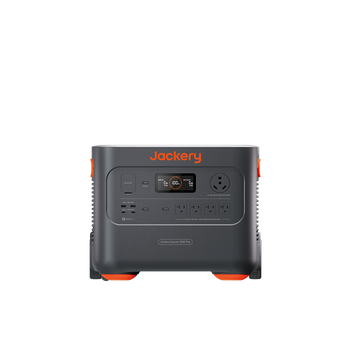
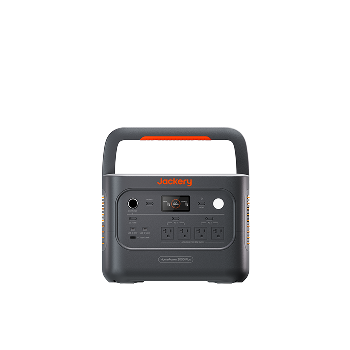
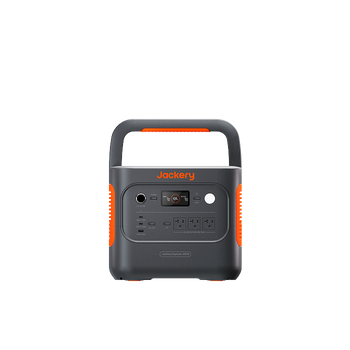
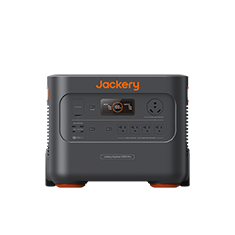
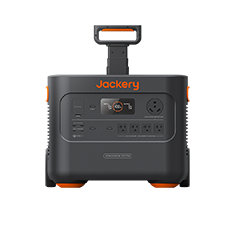
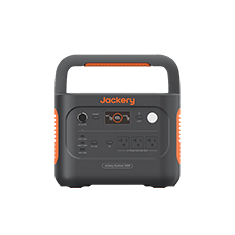
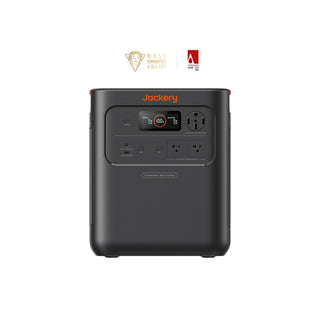
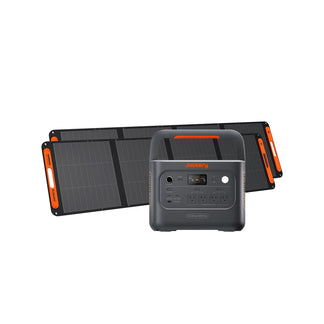
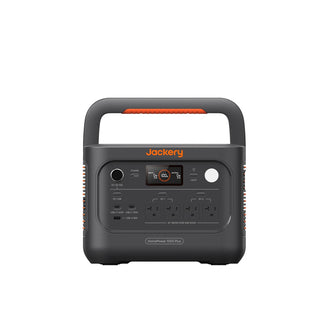
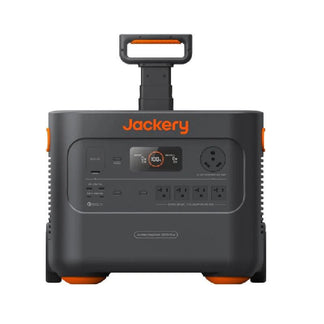
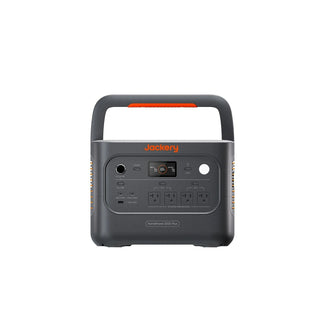
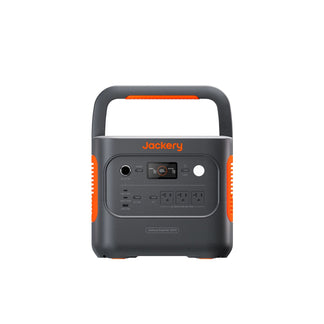
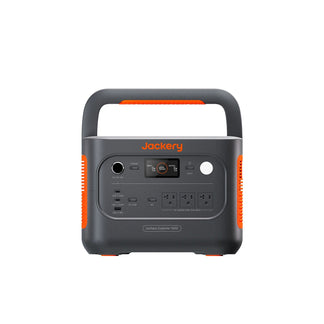
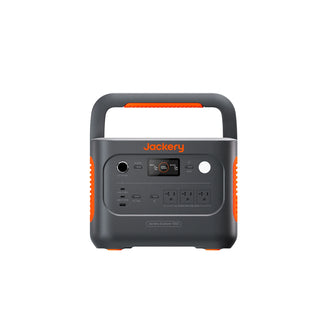
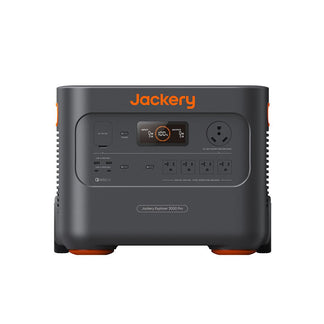
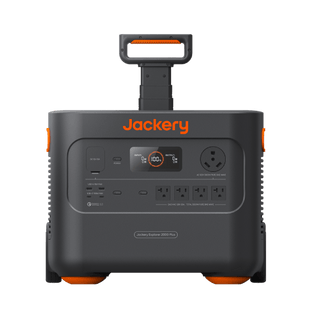
His first purchase was the Jackery Solar Generator 1500.
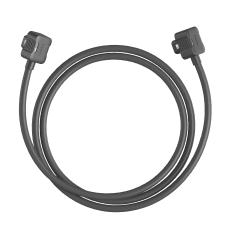
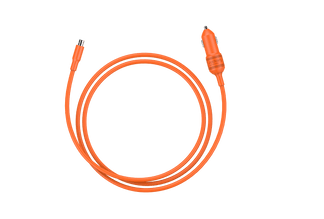
In a Jackery Solar Generator 1500 review, Hugh describes being surprised not just by performance, but by build quality. The unit arrived solid, thoughtfully designed. Jackery even sent an extra solar extension cable without being asked.
“That stuck with me,” he says. “It told me something about the company.”


The First Real Test
Two years ago, during a severe winter cold snap, temperatures dropped to –25°C. Hugh received word that power would be cut to the cottage.
The real concern wasn’t comfort; it was infrastructure. The cottage relies on a well and filtration system. If those pipes froze, replacement would cost thousands.
Hugh and his wife drove down immediately.
They plugged a small space heater into the Jackery, warming the crawl space just enough to keep everything intact. The house was cold. They made tea. They waited.
“The Jackery was there,” he says. “It had maintained its charge.”
That moment reframed the purchase. This wasn’t a backup for convenience. It was a tool for targeted problem-solving.
Scaling Up, Thoughtfully
As Hugh’s confidence grew, so did his system.
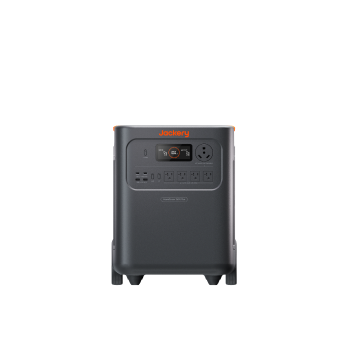
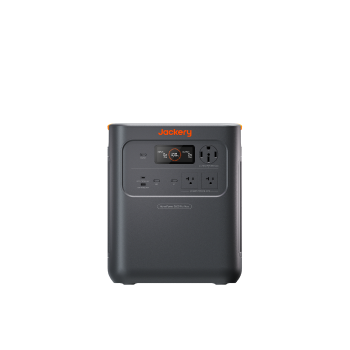
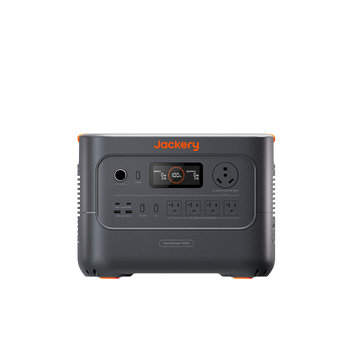
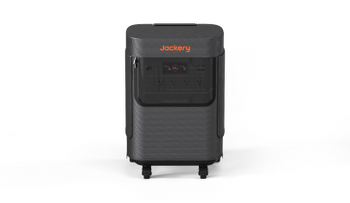
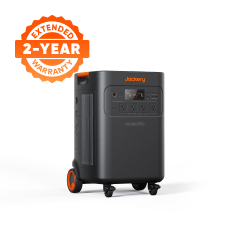
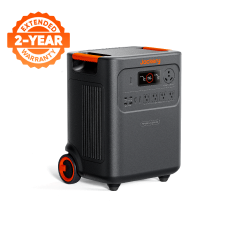
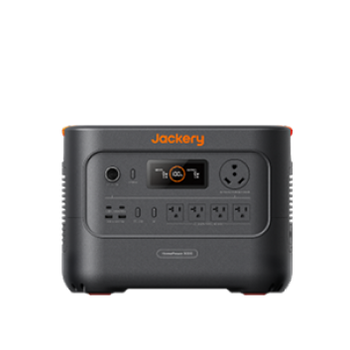
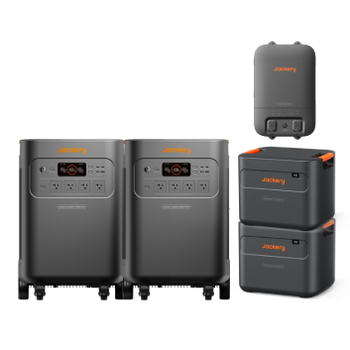
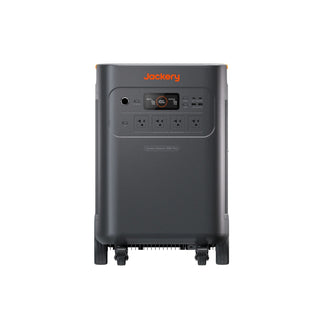
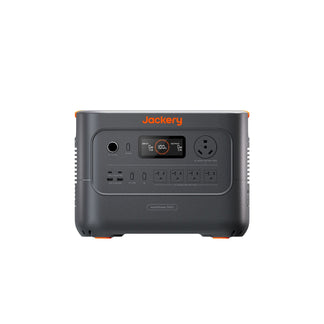
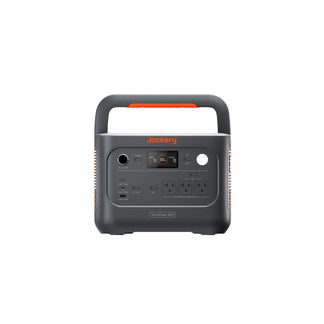
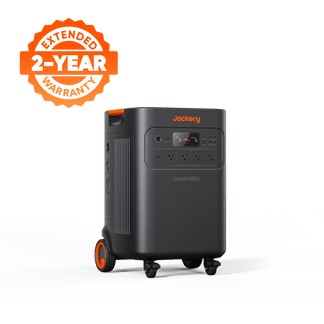
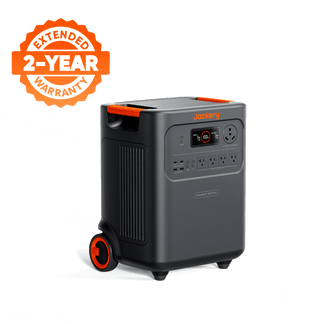
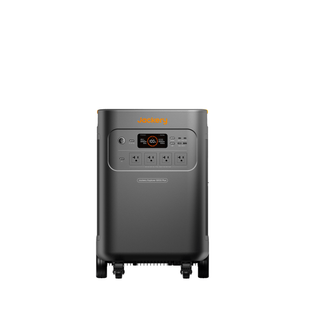
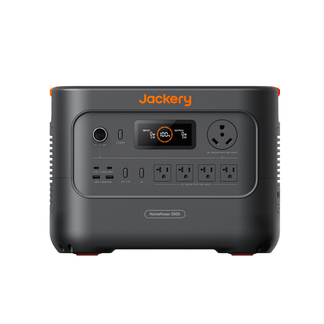
He added a Jackery Solar Generator HomePower 3000, giving him redundancy and flexibility across both properties. One unit could support work continuity (laptops, monitors, modems), while the other handled utilities: refrigeration, lighting, and small appliances.
In a Jackery Solar Generator HomePower 3000 review, Hugh emphasizes output and clarity. The display tells him exactly what’s happening. The controls don’t require interpretation. “You don’t have to think,” he says. “You just plug it in.”
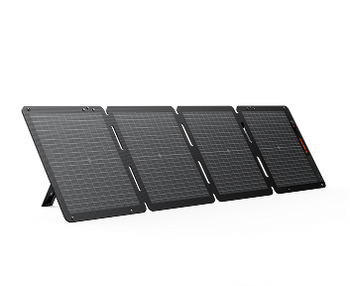
Solar panels, too, exceeded expectations. Charging rates were faster than he anticipated, even in variable coastal conditions.

Work Doesn’t Stop Because the Wind Picks Up
One of Hugh’s most overlooked use cases came during planned outages.
Roadwork near the cottage required moving a power pole and cutting electricity for 12 hours a day, two days in a row. Summer weather made heating unnecessary, but work still had to happen.
Internet stayed live. Screens stayed on. Calls continued.
“That alone paid for the unit,” Hugh says. “I could continue billing my clients.”
For someone who works in strategy and business development, the math was simple: uninterrupted work offsets cost faster than most people realize.
Power Beyond Emergencies
Jackery doesn’t live in Hugh’s closet.
He wheels it down to the shoreline to power corded tools (drills, saws, reciprocating saws) used for constant coastal maintenance. While neighbors wrestle with expensive battery tools and extension cords, Hugh plugs in once and works uninterrupted.
He also relies on Jackery to pressurize the cottage’s water system during outages, running the pump briefly without risking motor damage from generator surges.
“These are small things,” he says, “until they’re not.”

Designed for Use, Not Fear
Hugh describes Jackery as “the Apple of simplicity” for portable power. The connectors are weather-resistant. The panels fold intuitively. The system doesn’t demand technical literacy.
He appreciates that the units can sit unused for weeks and still hold their charge. “I could go right now,” he says, “and it would be at 99 or 98 percent.”
That reliability led him to buy a second unit, not because outages are constant, but because they’re unpredictable.
Looking Ahead
Hugh doesn’t see himself replacing Jackery. He sees himself expanding it.
He’s interested in smaller units for canoe trips, portable charging, and family use. He’s curious about new features, but careful not to introduce unnecessary complexity.
What matters most is fit-for-purpose design.
When asked to describe Jackery in three words, Hugh chooses carefully: reliable, convenient, and apt.
Not flashy. Not exaggerated. Just appropriate for a life lived between storms.


