





















































![[Add-on] Jackery SolarSaga 500 X - Jackery](http://www.jackery.com/cdn/shop/files/add-on-jackery-solarsaga-500-x-1493607.webp?v=1786503068&width=324)
![[Add-on] Jackery Battery Pack 5000 Plus - Jackery](http://www.jackery.com/cdn/shop/files/add-on-jackery-battery-pack-5000-plus-6713401.webp?v=1786503068&width=324)










![[Add - on] SolarSaga 200W - Jackery](http://www.jackery.com/cdn/shop/files/add-on-solarsaga-200w-4834329.png?v=1754016915&width=324)
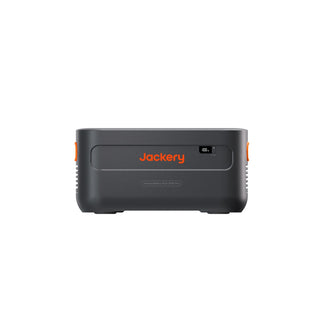
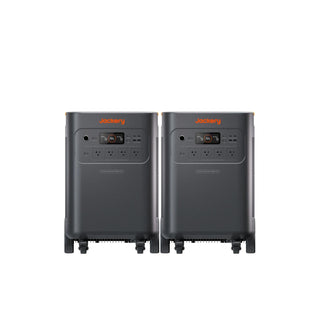
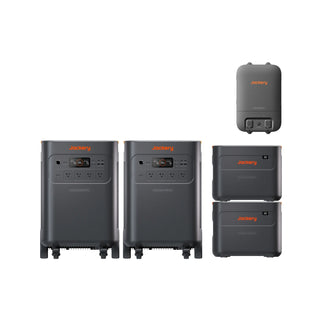
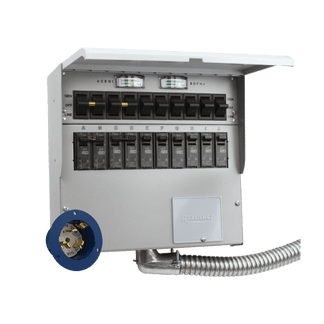


Energy needs don't stay the same. A power station that covered your camping trips two years ago may not be enough for a home backup situation today. A power station that handled weekend outages last year may fall short during a five-day storm this season. That is the core problem with buying a fixed-capacity power station, especially when your energy needs grow, but the unit's capacity doesn't. Expandable power stations solve this by letting you add battery packs and integrate with your home's electrical system as your needs change without buying an entirely new setup.
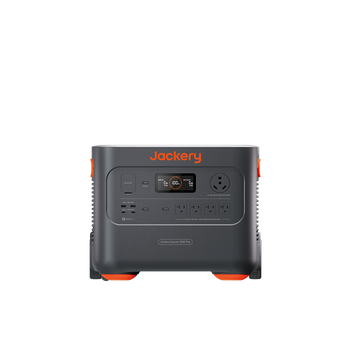
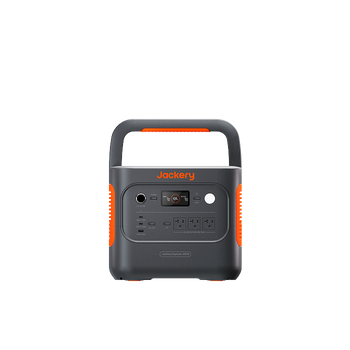
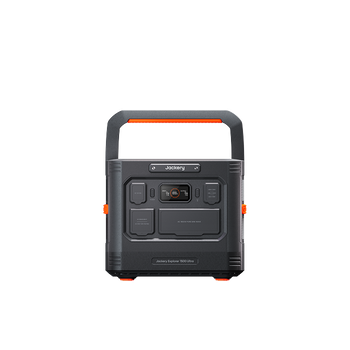
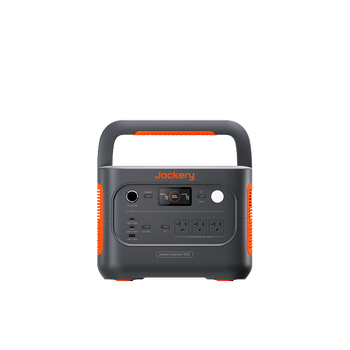
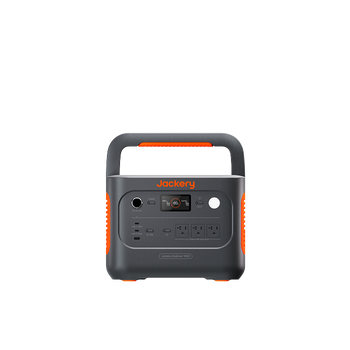
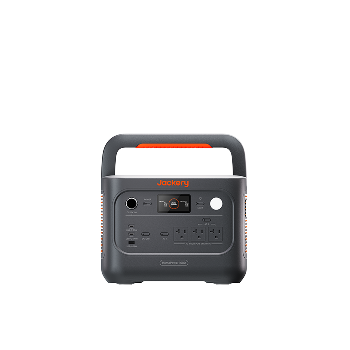
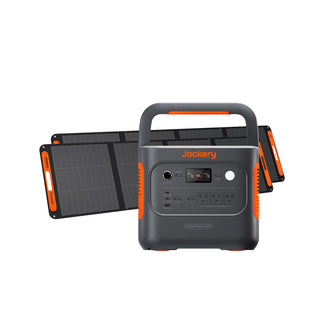
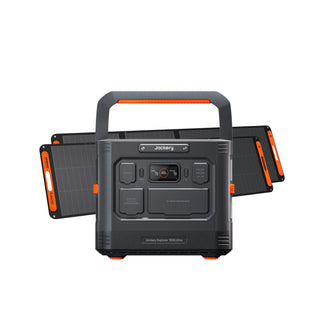
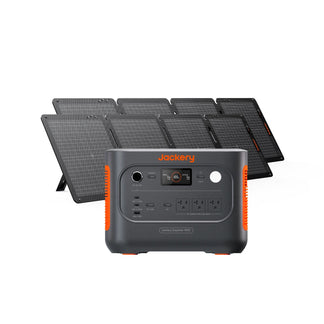
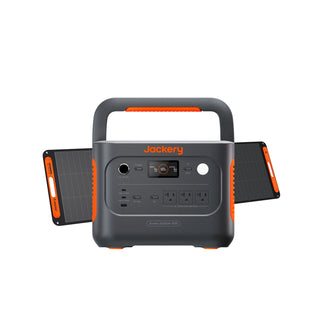
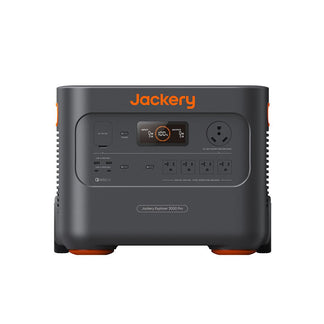
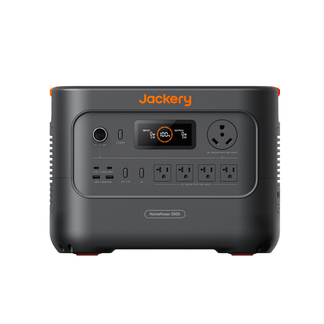
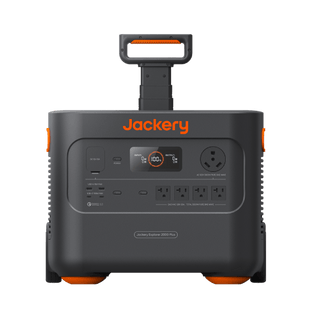
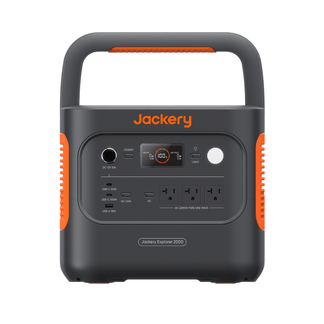
The best expandable power station for you depends on your starting point and where you expect your energy needs to go. For most households, the Jackery Explorer 5000 Plus is the strongest overall pick among portable power stations with expandable modular batteries. For large homes, the Jackery HomePower 3600 Plus handles higher home loads. For multi-day outages, the Jackery Explorer 2000 Plus offers flexible mid-range capacity. And for those starting out on a budget, the Jackery Explorer 1000 Plus is the most accessible entry point into expandable power.
Key Takeaways
- Expandable power stations let you add capacity and output over time, so you are not locked into a fixed system from day one.
- Buying a portable power station with an expandable modular battery upfront is more cost-effective in the long term than replacing a fixed power station as your needs grow.
- The right power station depends on your current energy needs, your home size, and how much you expect those needs to increase.
- Smart home integration via a transfer switch turns a portable power station into a seamless home backup system.
- Battery type matters, as newer lithium iron phosphate (LFP) chemistry offers longer cycle life and better safety compared to older lithium-ion cells.
What Does Expandable Actually Mean in a Power Station?
The word expandable gets used loosely in the portable power industry, so it's worth understanding exactly what it means and what it doesn't before comparing products.
Expandable Capacity
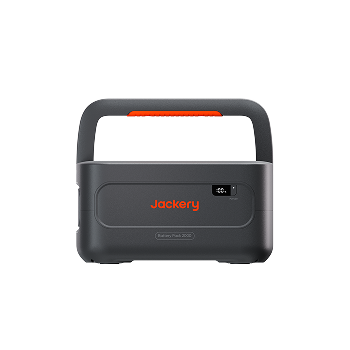
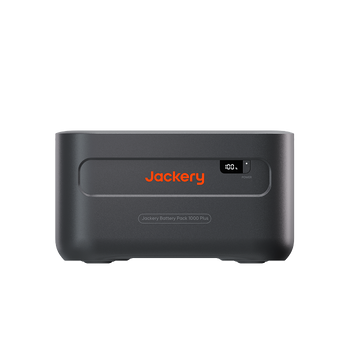
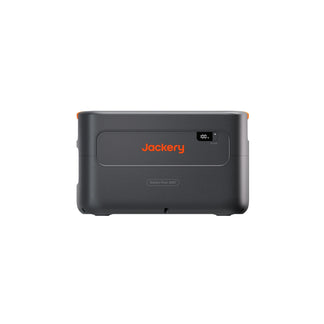
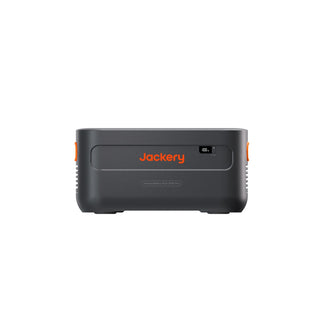
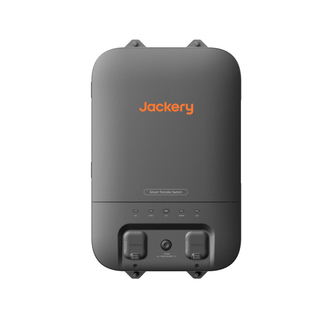
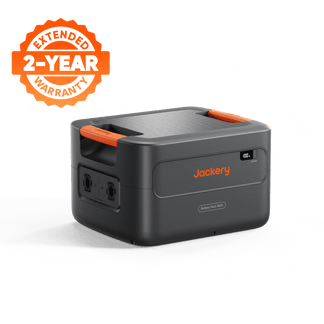
The most common form of expandability is the ability to add extra battery packs to a base unit, increasing the total watt-hours (Wh) of stored energy. A power station with a 2,000Wh base capacity might expand to 4,000Wh or 6,000Wh by adding one or two additional battery packs. This directly extends how long you can run appliances before the expandable power station needs to recharge. For instance, the Jackery Explorer 1000 Plus can expand the capacity up to 5kWh when you add three Jackery Battery Pack 1000 Plus.
You can also compare 10kW off-grid solar systems vs. expandable power stations to understand which one is better for your needs.
Expandable Output
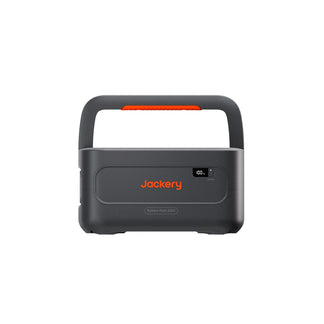
Some expandable portable power stations also allow you to stack multiple units together to increase total wattage output. This matters when you need to run high-draw appliances like a sump pump, a chest freezer, and a portable air conditioner simultaneously. A single power station may have enough capacity in Wh but not enough output in watts to power everything at once. An expandable output solves that problem without requiring a separate system. For example, when you connect two Jackery Explorer 5000 Plus in parallel, you can expand the rated output to 14,400 watts.
Smart Home Integration
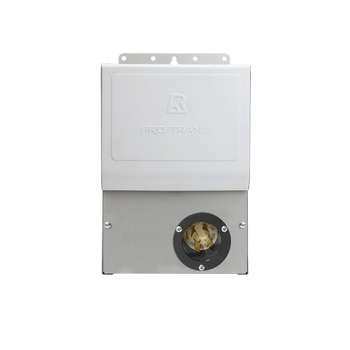
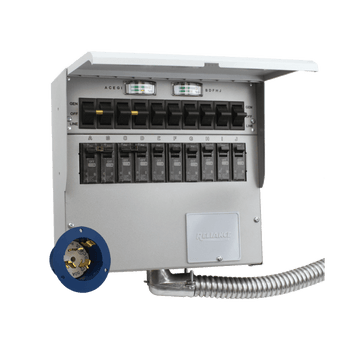
The most advanced form of expandability is integration with your home's electrical system via a Smart Transfer Switch (STS). This allows the power station to function like a home battery backup system, automatically switching your home's circuits to battery power when the grid goes down, and switching back when it returns. For households in storm-prone regions, this transforms a portable power station from a plug-in device into a true home backup solution.
Tifa Lynn, a cybersecurity specialist based in Florida, has built her entire career around one principle: always have a backup. When a major hurricane knocked out power for several days, Tifa's small Jackery product kept her laptop running, but her full work setup, including PCs, a server, peripherals, a modem, and air conditioning, needed more.
She researched her options in solar generators carefully, the way a cybersecurity professional would, and landed on two Jackery Explorer 5000 Plus, one on each side of the house. The next time the grid went down, it barely registered. "It's almost like we didn't lose power at all," she says. Read more Jackery Stories to see how people use their portable power stations.
What Are the Top 4 Expandable Power Stations Worth Buying in 2026?
Jackery's expandable portable power station lineup is built around one core idea: your energy needs today are not the same as they will be two years from now. The four expandable power stations from Jackery below cover every major use case, from a budget-friendly entry point for first-time buyers to a high-capacity system capable of running a large home through a multi-day outage. Each pick is chosen for its combination of genuine expandability, output reliability, battery quality, and smart home compatibility.
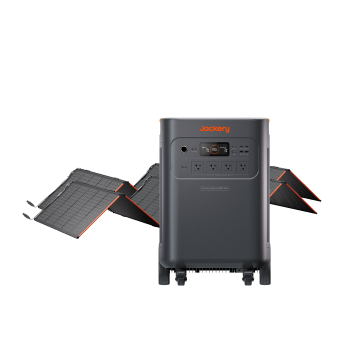
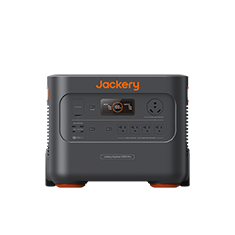
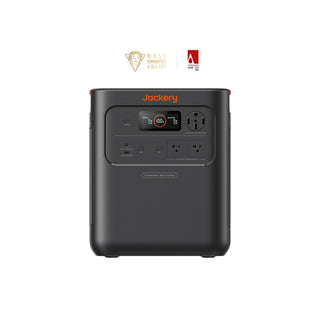
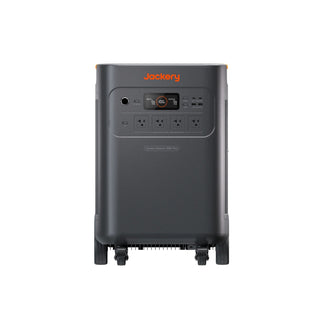
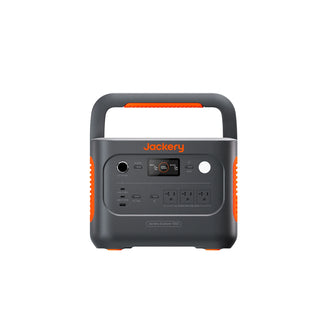
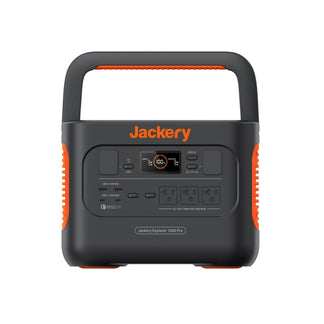
Best Overall Expandable: Jackery Explorer 5000 Plus
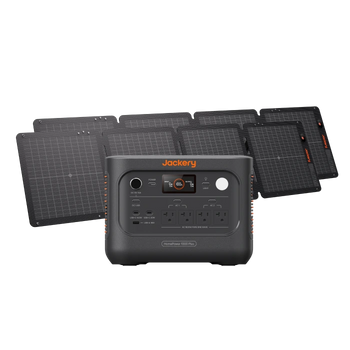
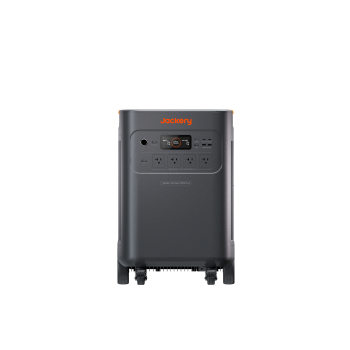
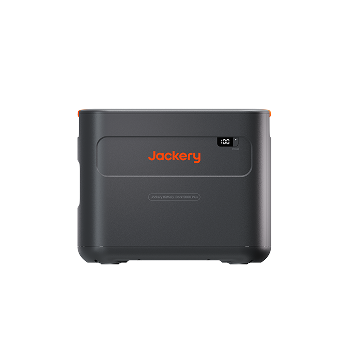
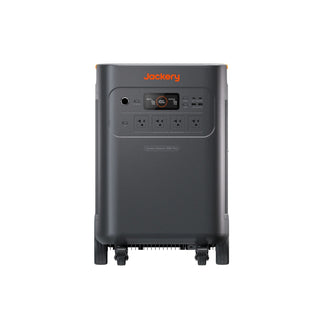
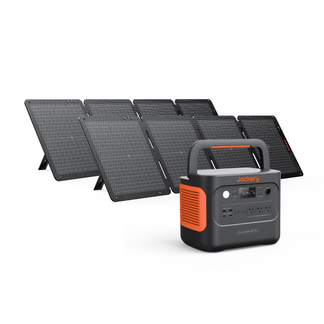
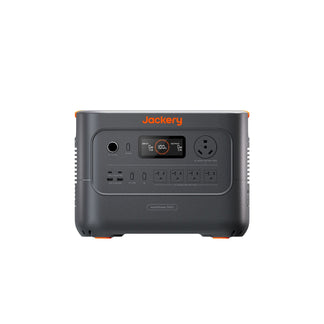
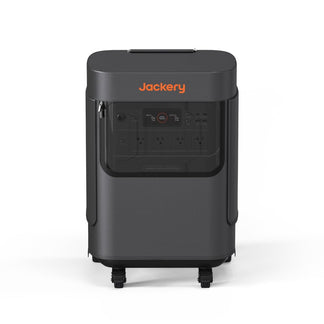
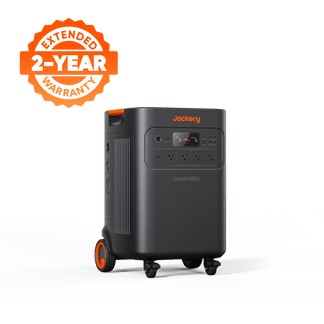
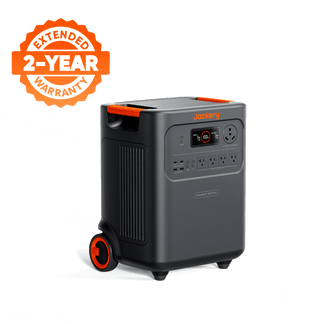
The Jackery Explorer 5000 Plus is a powerful, essential home backup solution because it covers the widest range of real-world scenarios without compromise. At its base capacity, it's already one of the most powerful portable power stations available. When expanded to its maximum capacity, it becomes a multi-day home backup system capable of keeping a full household running through extended outages. It supports solar recharging with solar panels, AC fast charging, and Smart Transfer Switch integration, making it equally effective as a campsite power hub, a storm backup unit, and a long-term energy solution for off-grid homes.

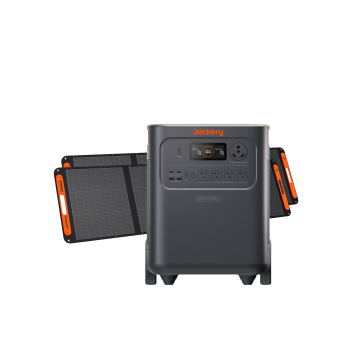
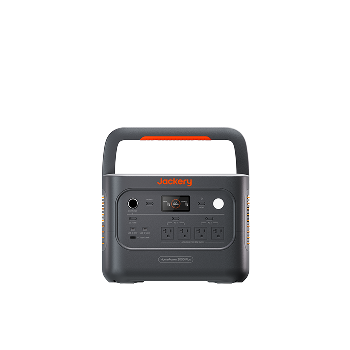
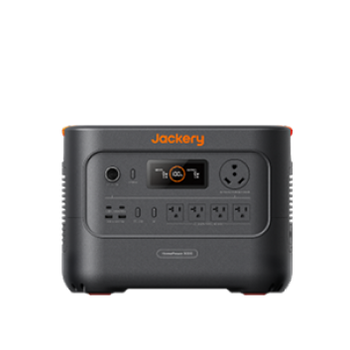
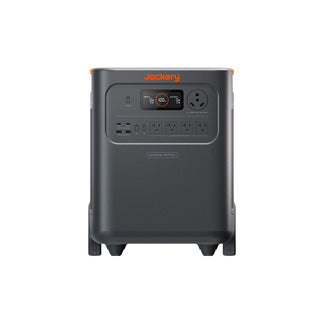
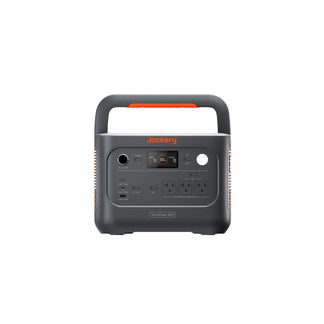
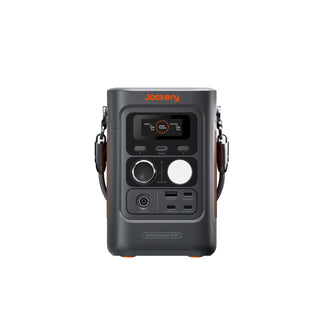
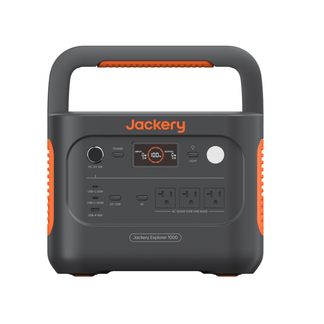
Best for Large Homes: Jackery HomePower 3600 Plus
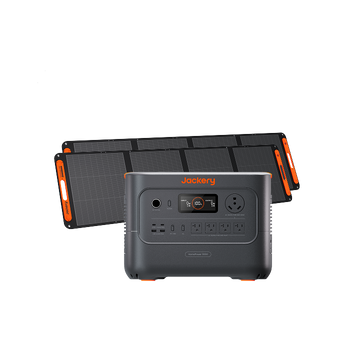
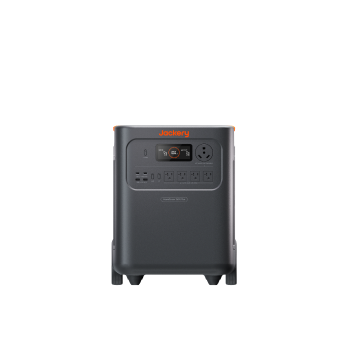
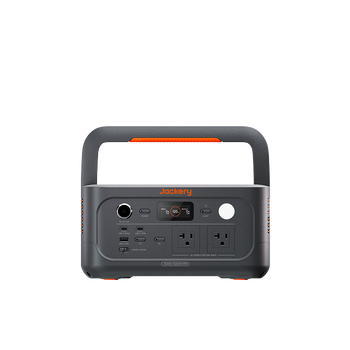
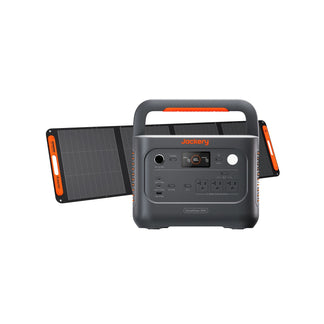
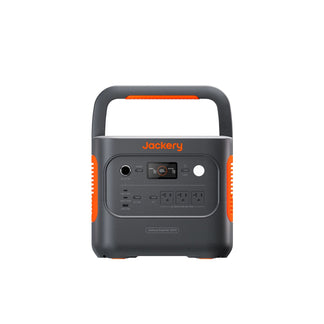
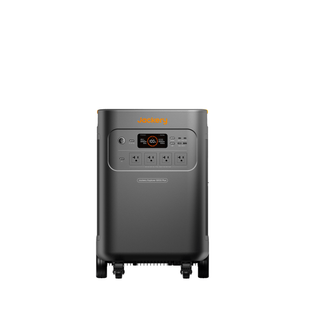
Large homes have multiple refrigerators, a chest freezer, a sump pump, and central lighting across several rooms. And the combined device load of a bigger household, all drawing simultaneously, puts pressure on output as much as capacity. The Jackery HomePower 3600 Plus is designed with exactly this in mind, delivering high output alongside high expandable capacity so large households don’t have to choose between which appliances stay on during an outage.

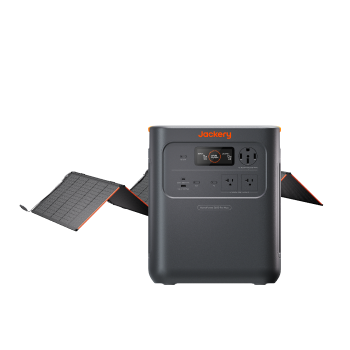
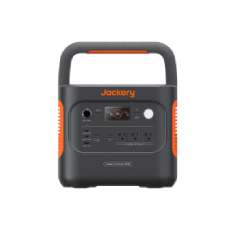
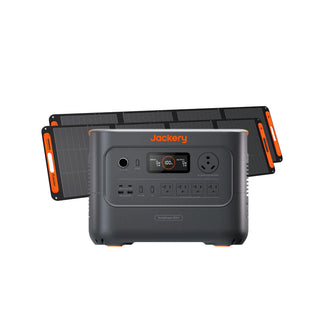
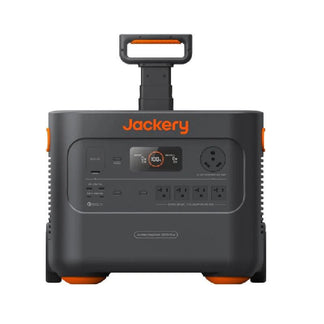
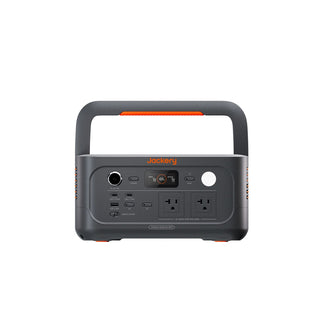
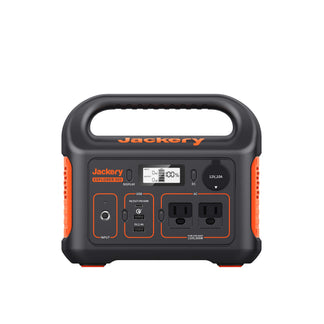
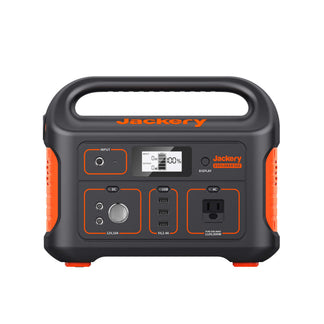
Best for Multi-Day Outages: Jackery Explorer 2000 Plus
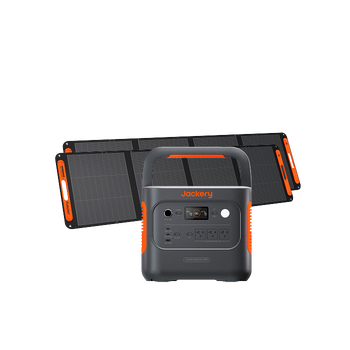
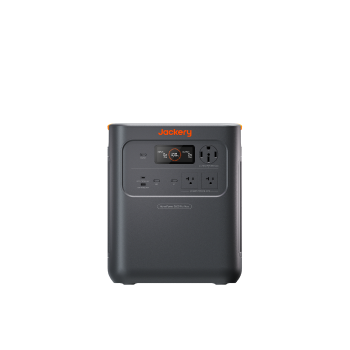
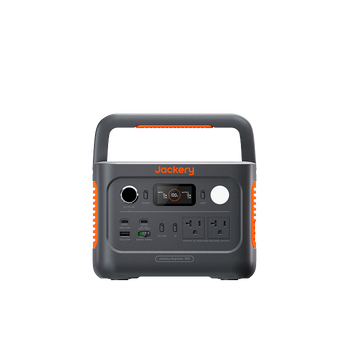
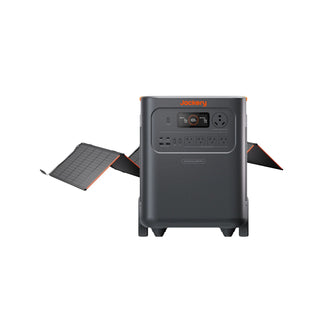
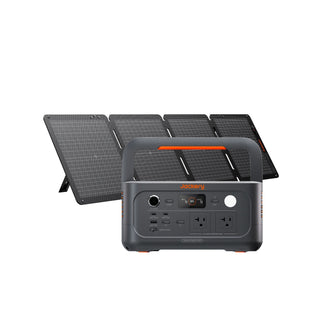
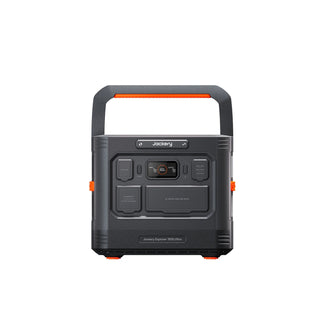
The Jackery Explorer 2000 Plus sits at a practical midpoint with more capacity than entry-level units, more affordable than the top-tier models, and genuinely expandable for households whose primary concern is outlasting a multi-day outage rather than powering a large home. For a standard three or four-person household that needs to cover a 48 to 72-hour outage with a refrigerator, lighting, device charging, and a fan running continuously, the Jackery Explorer 2000 Plus, expanded to its maximum capacity, handles the load cleanly.

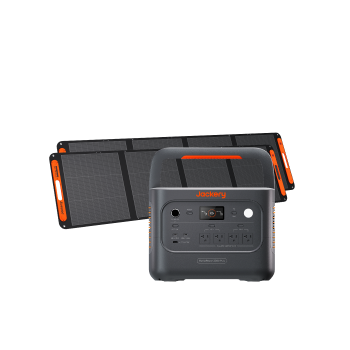
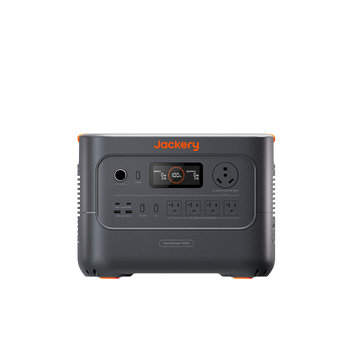
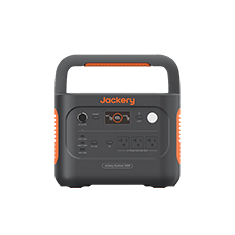
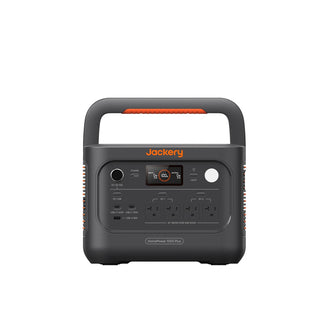
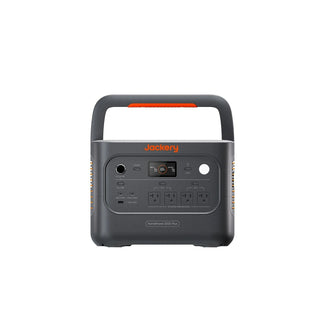
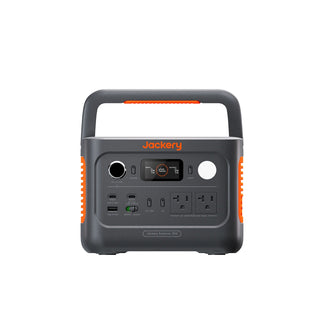
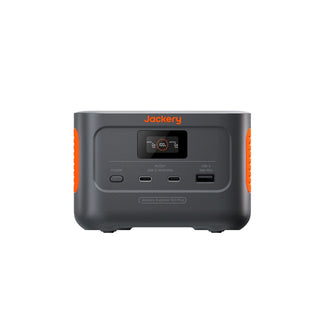
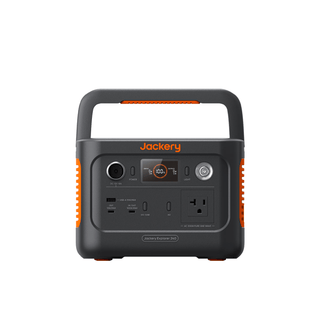
Best Budget Expandable: Jackery Explorer 1000 Plus
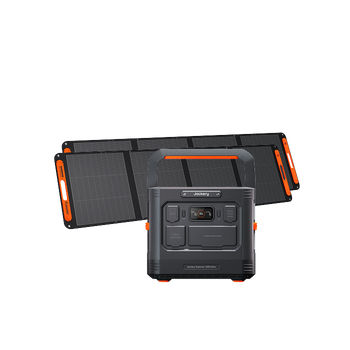
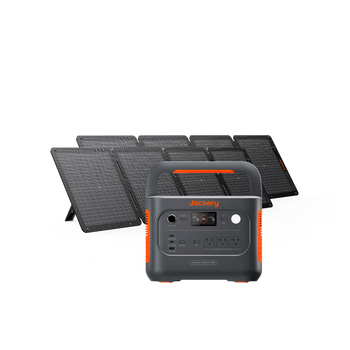
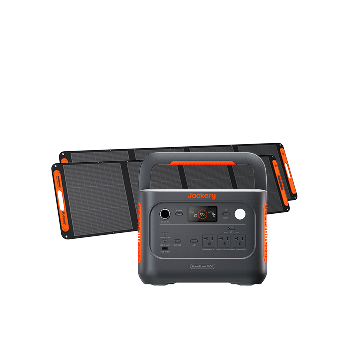
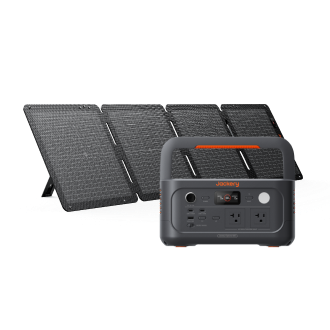
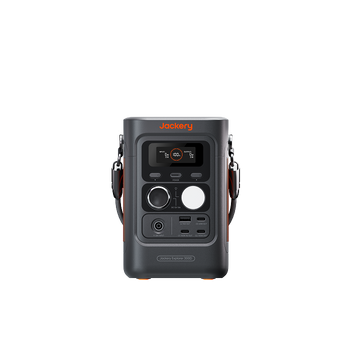
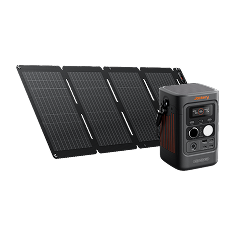
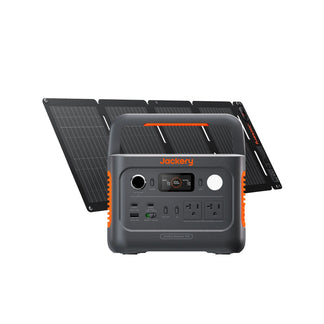
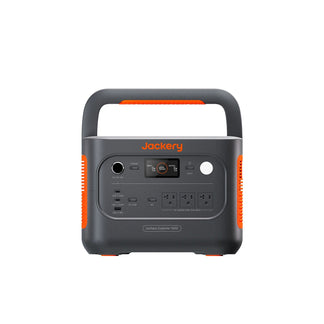
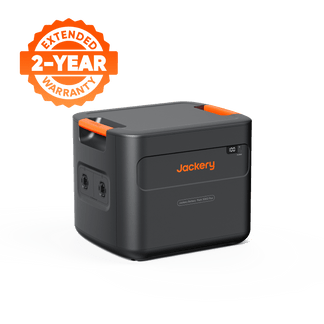
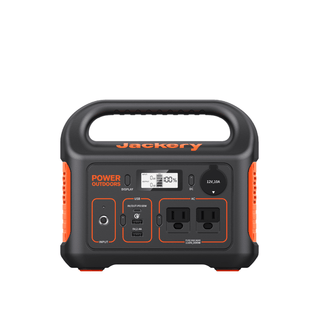
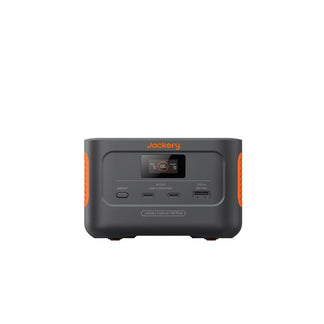
The Jackery Explorer 1000 Plus is the most accessible entry point into expandable power, and the right starting power station for anyone who isn't ready to commit to a high-capacity system yet but wants the option to grow into one. At base capacity, it covers the essentials for a solo camper or small apartment: phone charging, lighting, a portable fridge, and a coffee maker. When expanded, it grows into a home battery backup capable of covering a standard overnight outage.

|
Product |
Base Capacity |
Rated Output |
Max Expanded Capacity |
Battery Type |
Appliances Running Time with Base Unit |
|
Jackery Explorer 5000 Plus |
5040Wh |
7200W |
60kWh with twelve Jackery Battery Pack 5000 Plus connected to two Jackery Explorer 5000 Plus in parallel |
LiFePO4 |
Refrigerator (300W) = 12.2H TV (150W) = 21.4H Space Heater (1000W) = 4.1H AC (1000W) = 4.1H Coffee Maker (500W) = 7.8H |
|
Jackery HomePower 3600 Plus |
3584Wh |
3600W |
43kWh with twelve Jackery Battery Pack 3600 connected to two Jackery HomePower 3600 Plus in parallel |
LiFePO4 |
Refrigerator (300W) = 9.5H TV (150W) = 17.7H Space Heater (1000W) = 3.0H AC (1000W) = 3.0H Coffee Maker (500W) = 5.8H |
|
Jackery Explorer 2000 Plus |
2042Wh |
3000W |
24kWh with twelve Jackery Battery Pack 2000 Plus connected to two Jackery Explorer 2000 Plus in parallel |
LiFePO4 |
Refrigerator (300W) = 5.3H TV (150W) = 10.0H Space Heater (1000W) = 1.6H AC (1000W) = 1.6H Coffee Maker (500W) = 3.2H |
|
Jackery Explorer 1000 Plus |
1264Wh |
2000W |
5kWh with three Jackery Battery Pack 1000 Plus |
LiFePO4 |
Refrigerator (300W) = 3.3H TV (150W) = 6.2H Space Heater (1000W) = 1.0H AC (1000W) = 1.0H Coffee Maker (500W) = 2.0H |
If you want to know more about the expandable power stations from Jackery, you can check out the guide: How Big Can Jackery Plus Get Expandable Power.
What Should You Look for Before Buying an Expandable Power Station?
Expandability is a feature that only pays off if the rest of the power station holds up. Here are the key things to evaluate before committing to any expandable power station.
Maximum Expandable Capacity: Not all expandable power stations expand equally. Some add one battery pack for a modest capacity increase. Others support multiple packs that multiply the base capacity several times over. Know the maximum expandable capacity before you buy. It determines whether the system can actually meet your long-term needs.
Battery Chemistry: Lithium iron phosphate (LFP) batteries offer significantly longer cycle life, often 3,000 cycles or more, compared to 500–1,000 for older lithium-ion cells. They are also more thermally stable, which matters for safety when storing a power station indoors or in a garage. For a power station you plan to own and expand for years, LFP chemistry is the better long-term investment.
Output Capacity: Expandable storage means nothing if the power station's output can't run your appliances simultaneously. Check both the continuous output (W) and the peak surge output, which covers the startup spike of appliances like refrigerators and sump pumps.
Recharge Speed and Input Options. A power station that takes 12 hours to recharge during a multi-day outage is a liability. Look for home battery backups that support fast AC charging, high solar input wattage, and ideally simultaneous charging from multiple sources. The faster a power station recharges, the less you have to ration power between appliance use and battery recovery.
Smart Transfer Switch Compatibility. If home backup is your primary use case, smart transfer switch compatibility is what separates a plug-in power station from an essential home backup system. It automates the switchover, protects sensitive electronics, and removes the need for manual intervention when the grid goes down.
Weight and Portability. Higher-capacity expandable power stations are heavy. Before buying, consider whether you need to move the power station between locations, from the garage to the living room during a storm, or from home to a campsite on weekends. Large battery backups with built-in wheels and ergonomic handles make this manageable even at higher weights.
FAQs
What is an expandable power station?
An expandable power station is a portable battery system that allows you to increase its total energy capacity by connecting additional battery packs to the base unit. Unlike fixed-capacity units, which are limited to their built-in storage, expandable systems grow with your energy needs, making them a more flexible and cost-effective long-term solution for both home backup and off-grid use.
Can you add batteries to a power station?
Yes, you can add batteries to a power station, but only if the unit is designed to accept them. Expandable power stations have dedicated expansion ports and compatible battery packs that connect directly to the base unit. Fixed-capacity power stations do not support this. Before purchasing additional battery packs, always confirm compatibility with your specific model.
Is an expandable power station worth it?
For most households, yes. The upfront cost is typically higher than a comparable fixed unit, but the long-term value is significantly better. When your energy needs grow from a new appliance, a longer outage, or a lifestyle change, you add a battery pack rather than replacing the entire system. Over a two to five-year period, that upgrade path is almost always more economical than buying successive fixed-capacity units.
How much capacity do I need for home backup?
Start by listing the appliances you need to keep running and adding up their wattages. Multiply the total by the number of hours you want coverage to get your minimum capacity in Wh. A standard household running a refrigerator, lighting, and device charging needs roughly 2,000–3,500Wh for a 24-hour outage. For multi-day coverage or larger homes with higher loads, 5,000Wh and above gives you the buffer to run confidently without rationing.
Can a power station replace a generator?
For most essential home backup needs, a power station can replace a generator. A high-capacity, expandable power station runs refrigerators, lighting, fans, device charging, and small appliances that actually matter during an outage, without the noise, fuel storage, exhaust, or outdoor-only restrictions of a gas generator. For very high-draw applications like central air conditioning or continuously running electric water heaters, a traditional generator still has an output advantage. But for the majority of households managing standard outages, a well-chosen expandable power station is a cleaner, safer, and more practical solution.
Conclusion
Before you pick a power station, the question is whether your current setup will be ready to meet your future energy needs. An expandable power station answers that question before the next storm, outage, or off-grid adventure forces it. The four Jackery Portable Power Stations on this list cover every major use case: the Jackery Explorer 5000 Plus for the broadest range of scenarios, the Jackery HomePower 3600 Plus for large home loads, the Jackery Explorer 2000 Plus for multi-day outage coverage at a practical price, and the Jackery Explorer 1000 Plus for those starting out and building toward a bigger system over time.


