










![[Add - on] Jackery Manual Transfer Switch for Explorer 5000 Plus - Jackery](http://www.jackery.com/cdn/shop/files/add-on-jackery-manual-transfer-switch-for-explorer-5000-plus-9017324.png?v=1754016782&width=350)


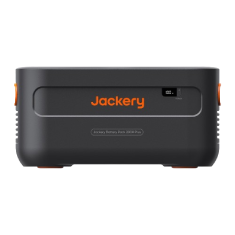
![[Add - on] Jackery Battery Pack 5000 Plus - Jackery](http://www.jackery.com/cdn/shop/files/add-on-jackery-battery-pack-5000-plus-6078351.png?v=1754016791&width=324)
![[Add - on] Jackery Car Charging Cable - Jackery](http://www.jackery.com/cdn/shop/files/add-on-jackery-car-charging-cable-3882421.png?v=1754016863&width=324)






![[Add - on] Jackery Smart Transfer Switch - Jackery](http://www.jackery.com/cdn/shop/files/add-on-jackery-smart-transfer-switch-5842915.png?v=1754016784&width=324)
![[Add - on]Jackery 102W GaN 3 - Port Fast Charger - Jackery](http://www.jackery.com/cdn/shop/files/add-onjackery-102w-gan-3-port-fast-charger-6377742.png?v=1754016790&width=324)


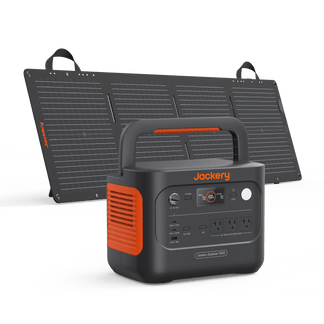
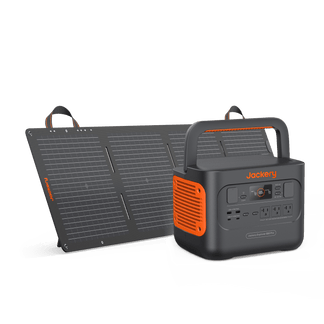
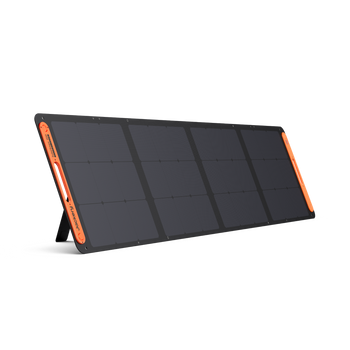
![[Add - on] SolarSaga 200W - Jackery](http://www.jackery.com/cdn/shop/files/add-on-solarsaga-200w-4834329.png?v=1754016915&width=324)
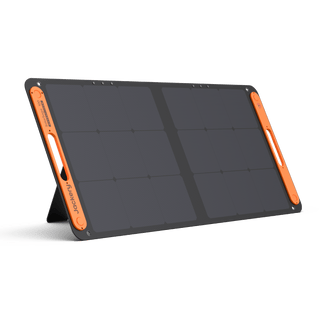
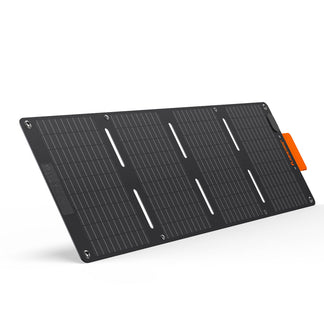
![[Add - on] Jackery Manual Transfer Switch for Explorer 5000 Plus - Jackery](http://www.jackery.com/cdn/shop/files/add-on-jackery-manual-transfer-switch-for-explorer-5000-plus-9017324.png?v=1754016782&width=324)


You need 5,000 to 7,500 watts for basic survival essentials, or 16,000 to 24,000 watts for seamless whole-home coverage (including central AC and EVs). A 20,000-watt generator is the sweet spot for an average 2,000 to 3,000-square-foot home.
When the grid fails, the immediate question is: what size generator do I need to power my house? Guessing carries severe risks. Undersizing trips breakers and damages appliances, while oversizing wastes thousands of dollars on equipment and fuel. Because modern homes require more electricity than ever, accurate wattage calculation is mandatory. This guide breaks down the exact formulas, square footage estimates, and real-world appliance data to help you choose the perfect backup system.
The 2026 Power Reality: Why Old Generator Sizing Rules No Longer Apply
Homes today consume power differently. Relying on outdated sizing charts from even a few years ago will leave you in the dark.
The widespread adoption of Electric Vehicles (EVs) and electric heat pumps drastically alters sizing requirements. Plugging in a modern Level 2 EV charger adds a massive 7,200W to 9,600W continuous load during an outage. Furthermore, AI-integrated smart home devices, high-res security cameras, and always-on gigabit routers have pushed the continuous phantom baseline load up to 200W to 300W total.
Because of these heavier daily electrical demands, the old 80% capacity safety rule is dead. To run your home safely and handle sudden smart-device surges, your generator should rarely exceed a new 70% capacity standard.
The 3 Tiers of Home Backup: What Size Generator Do I Need to Power My House?
Determining the right generator size depends heavily on whether you want to power a few critical circuits or your entire electrical panel.
- Tier 1: Bare Essentials (5,000 - 7,500 Watts): Powers critical survival items like a refrigerator (700W), sump pump (1000W), internet routers, and basic lighting. It cannot run central AC, electric ranges, or electric water heaters. You must stagger appliance usage by turning off specific breakers to prevent overloading.
- Tier 2: Key Comforts (10,000 - 15,000 Watts): Adds support for well pumps, space heaters, and multiple kitchen appliances simultaneously. This tier bridges the gap between survival and comfort, though heavy HVAC systems may still require load management.
- Tier 3: Whole-House Power (16,000 - 24,000+ Watts): Provides seamless comfort. This tier runs 3-to-5 ton central AC units, electric furnaces (10,000W), EV chargers, and pool equipment simultaneously. A 20,000-watt generator is the optimal baseline for the average US home.
Generator Sizing by Square Footage and Estimated Costs
The size of the generator you need scales with your home's square footage and your comfort expectations. Here is the modern breakdown and estimated total cost for US homes:
- Under 1,500 sq ft: Requires 10-12 kW for essentials or 16-18 kW for whole-home coverage. Estimated cost: $6,000-$10,000.
- 1,500 - 2,000 sq ft: Requires 12-14 kW for essentials or 18-20 kW for whole-home coverage. Estimated cost: $8,000-$12,000.
- 2,000 - 2,500 sq ft: Requires 14-16 kW for essentials or 20-22 kW for whole-home coverage. Estimated cost: $10,000-$14,000.
- 3,000 - 4,000 sq ft: Requires 18-20 kW for essentials or 24-26 kW for whole-home coverage. Estimated cost: $14,000-$20,000.
- 5,000+ sq ft: Requires 22-26 kW for essentials or 36+ kW for whole-home coverage. Estimated cost: $20,000-$35,000.
The Math: How to Calculate Your Exact Wattage Requirements
Do not rely on estimates if you want a perfect fit. Calculate your exact needs using the standard electrical formula.
Running watts provide continuous power. Starting (surge) watts provide the 2-3 second burst needed to start electric motors. You must account for both.
- Step 1: List Essential Running Watts. Sum the continuous wattage of every appliance you intend to run simultaneously. Prioritize refrigerators, medical equipment, and well pumps.
- Step 2: Add the Single Highest Starting Wattage. Identify the one appliance with the largest motor (usually central AC or a sump pump) and add its surge wattage to your total. Do not add all starting watts together—they will not all surge at the exact same millisecond.
- Step 3: Apply the 20% Safety Buffer. Multiply your final total by 1.20. This accounts for voltage drops, future electrical additions, and power factor inefficiencies. Most generators run at a 0.8-0.9 power factor, meaning a 5,000W generator only provides 4,000-4,500 usable watts.
High-Draw Appliances That Dictate Your Generator Size
A single high-draw appliance often dictates your entire generator purchase. Motor-driven appliances require 2 to 3 times their running wattage just to start. Use this chart to calculate your peak kW needs:
|
Appliance |
Running Watts |
Starting (Surge) Watts |
|---|---|---|
|
3-Ton Central AC |
3,500W |
4,500W |
|
5-Ton Central AC |
5,500W |
7,500W |
|
Electric Furnace |
10,000W |
10,000W |
|
Gas Furnace Blower |
800W |
1,300W |
|
Electric Water Heater |
4,500W |
4,500W |
|
Refrigerator |
700W |
2,100W |
|
Sump Pump (1/2 HP) |
800W |
1,300W |
|
Microwave Oven |
1,500W |
1,500W |
The Rule of 20s: Critical Safety and Maintenance Guidelines
Whether you choose gas, propane, or solar, following the Rule of 20s guarantees safety and longevity.
- The 20-Foot Rule: Always place gas generators at least 20 feet away from doors, windows, and vents to prevent deadly carbon monoxide intrusion.
- The 20-Minute Cooldown: Never refuel a hot generator. Turn it off and wait 20 minutes to prevent spilled fuel from igniting on the hot engine block.
- The $20 Lifesaver: Invest in a $20 battery-operated carbon monoxide detector for your home's interior whenever running an outdoor combustion generator.
- The 20/20/20 Maintenance Rule: Run your generator for 20 minutes, at a 20% electrical load, every 20 days. This keeps fuel fresh and engine seals lubricated.
Gas, Standby, or Solar? Installation Realities and Hidden Costs
Your generator's fuel type dictates its reliability during a regional disaster. It also dictates your hidden installation costs.
- Portable Generators (Gas/Propane): Cost $450-$2,500. They provide up to 12,000W but require manual setup and constant refueling. By US law, they must connect to your home via a legally compliant manual transfer switch. Plugging a generator directly into a wall outlet causes backfeeding, which sends lethal voltage back into utility lines and can kill repair workers.
- Home Standby Generators (Natural Gas/Propane): Cost $10,000-$18,000+ fully installed. They range from 13kW to 150kW. They turn on automatically and run on municipal natural gas or large propane tanks. Hidden costs: Hiring a licensed electrician for a standby generator installation in 2026 typically adds $2,000 to $6,000 to the total cost. You must also factor in municipal permits, concrete pads, and upgrading natural gas meters.
- Solar Battery Generators: Cost $3,000+. They offer zero emissions, indoor safety, and high surge capacities. Because they use battery storage and solar panels, they are silent alternatives to gas and require zero engine maintenance. They also allow you to avoid peak utility rates by running your home off stored solar power daily.
Jackery Solar Generators to Run a House
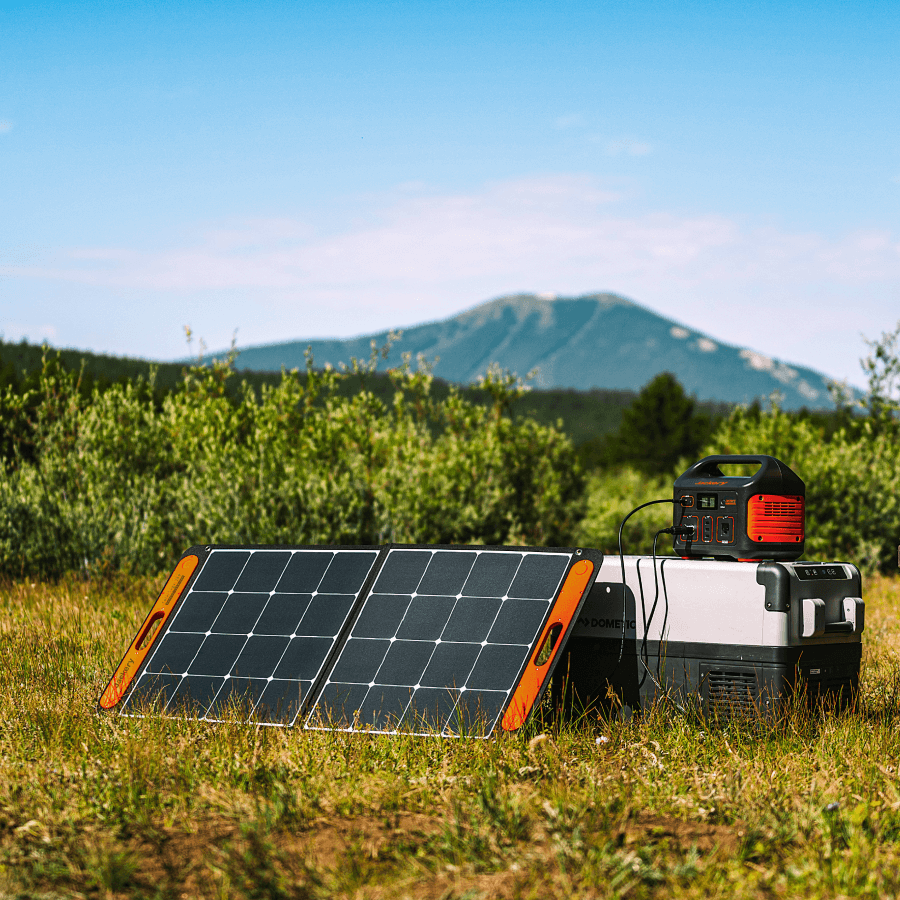
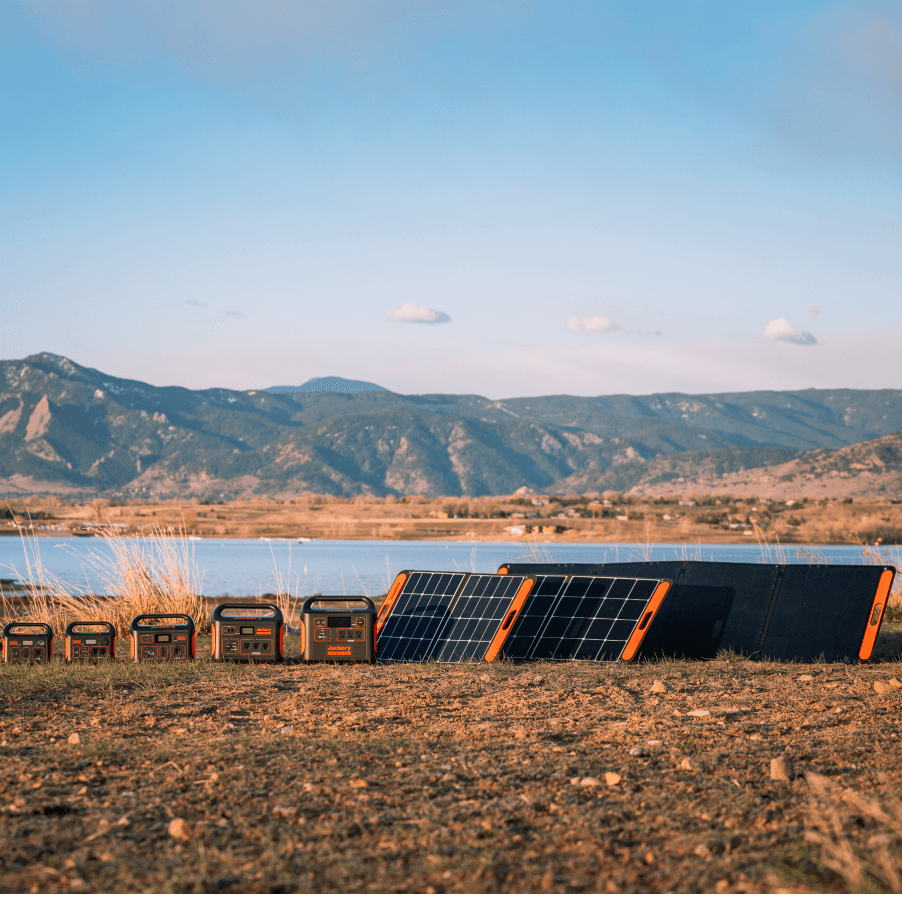
Jackery is a leading brand that manufactures portable, highly efficient solar generators, power stations, and solar panels. They provide clean, indoor-safe power without the noise, fumes, or maintenance of gas generators.
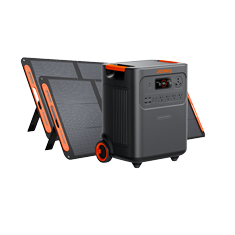
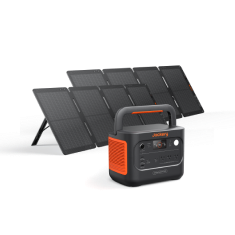
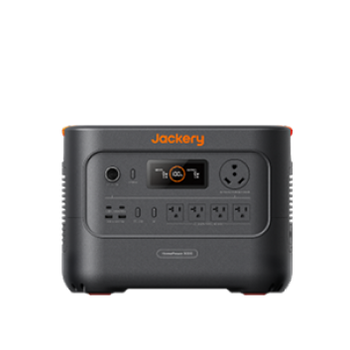
Portable and Powerful Essential Home Backup: Jackery Solar Generator HomePower 3600 Plus
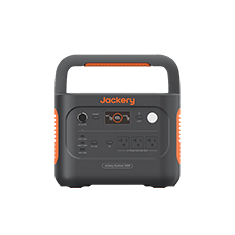
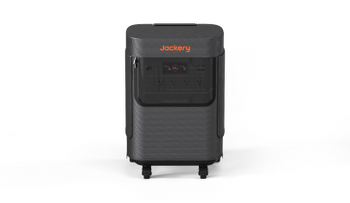
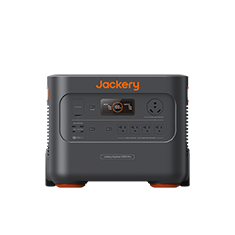
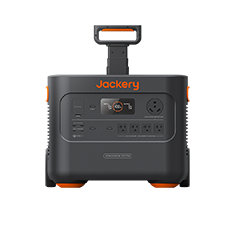
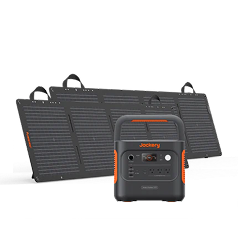
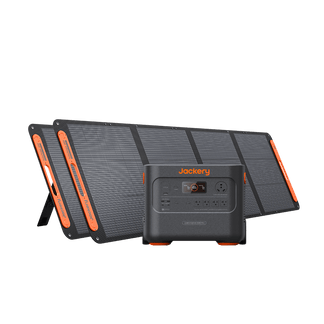
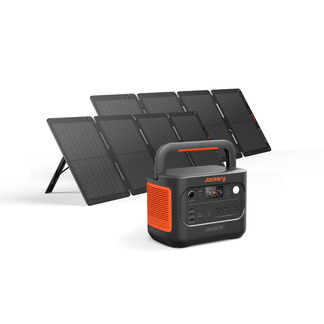
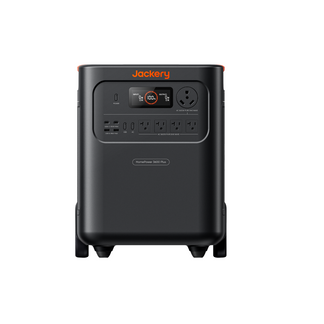
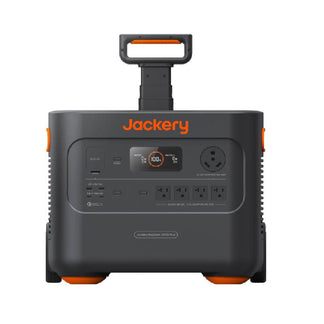
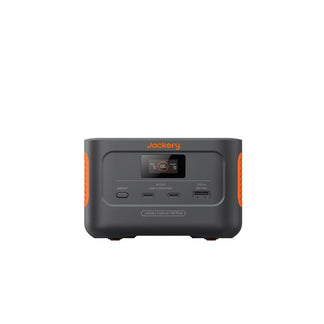
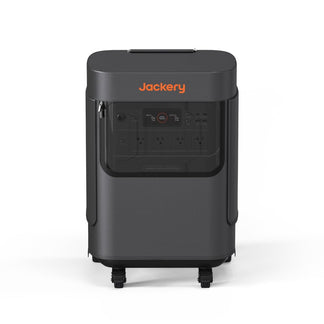
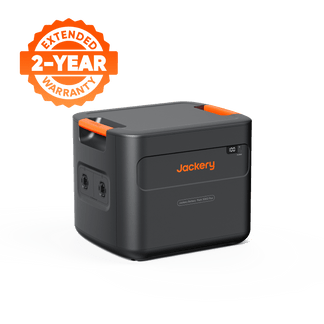
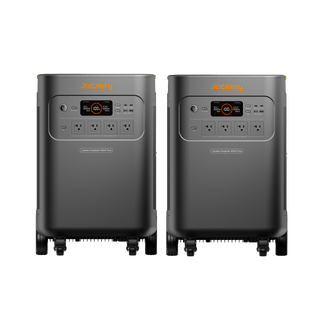
The Jackery Solar Generator HomePower 3600 Plus is a powerful, essential home backup solution. It powers core survival appliances, such as refrigerators, coffee makers, lights, and heaters, ensuring your home stays functional during severe weather.
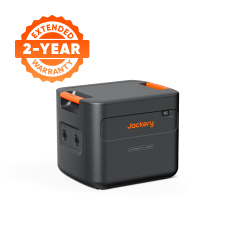
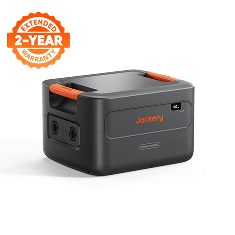
It features a telescoping handle and wheels, allowing you to roll this home battery backup anywhere. It is also expandable up to 21kWh per unit or 43kWh when connected in parallel to drastically increase appliance runtime. Pair it with a manual transfer switch to safely power your home's critical circuits.

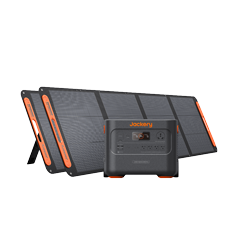
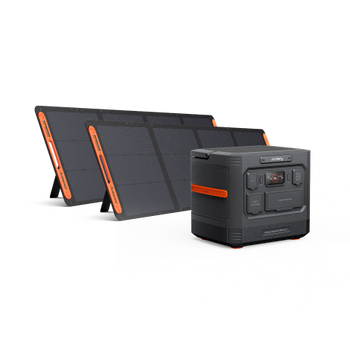
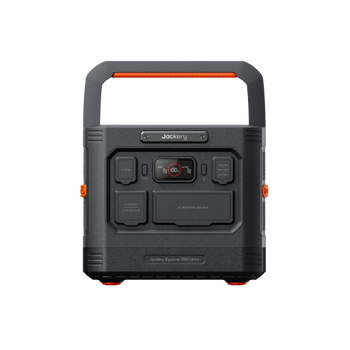
Most Powerful Home Backup Power: Jackery Solar Generator 5000 Plus
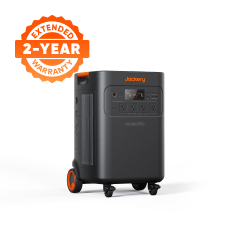
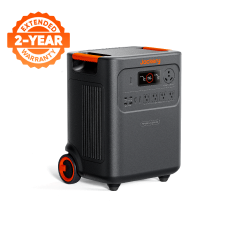
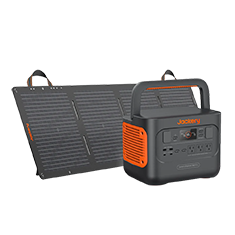
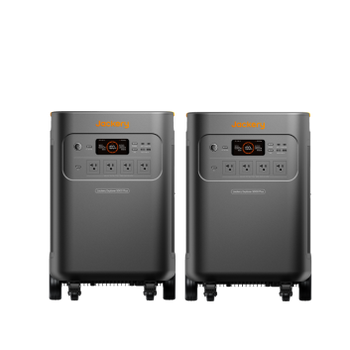
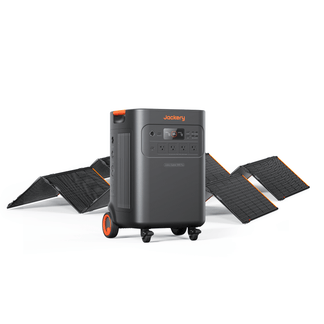
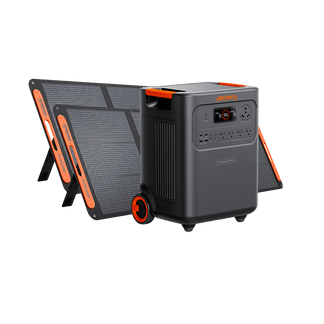
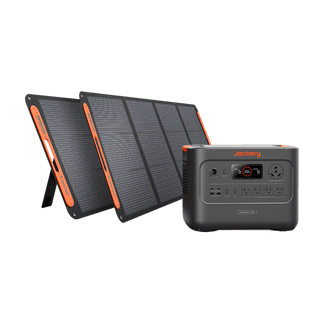
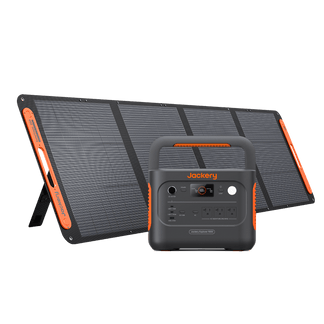
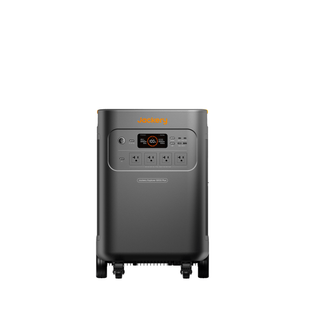
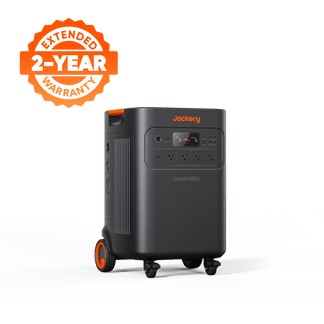
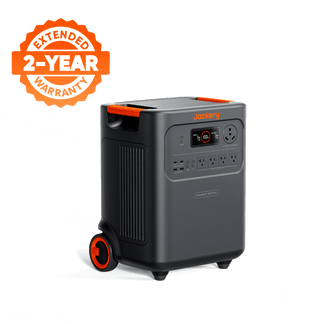
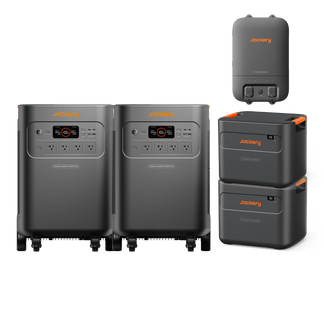
The Jackery Solar Generator 5000 Plus is the most trusted and powerful solar generator for houses. It runs heavy-duty household appliances including ACs, refrigerators, well pumps, and space heaters.
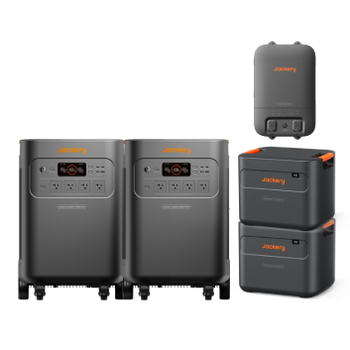
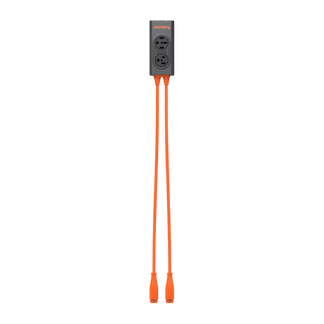
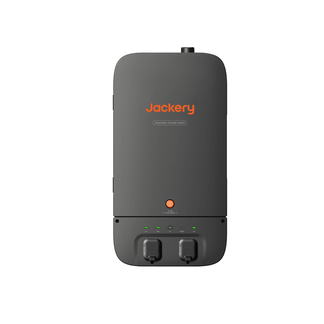
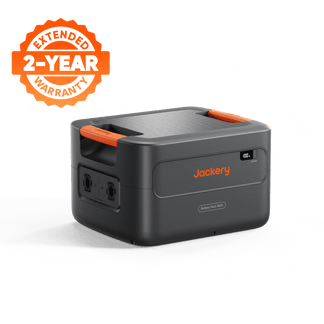
The 120V/240V dual voltage support ensures it runs standard 120V appliances alongside heavy-duty 240V appliances like electric dryers or well pumps. It integrates directly with your home's electricity system via a Smart Transfer Switch, allowing you to switch from grid power to battery backup almost instantly. It is expandable up to a massive 60kWh, making it the ultimate whole-home backup solution.

Why Do You Need a Solar Generator For a House?
Preparing your home with a reliable power source is no longer optional. With grid instability and extreme weather increasing, keeping a power backup solution is mandatory.
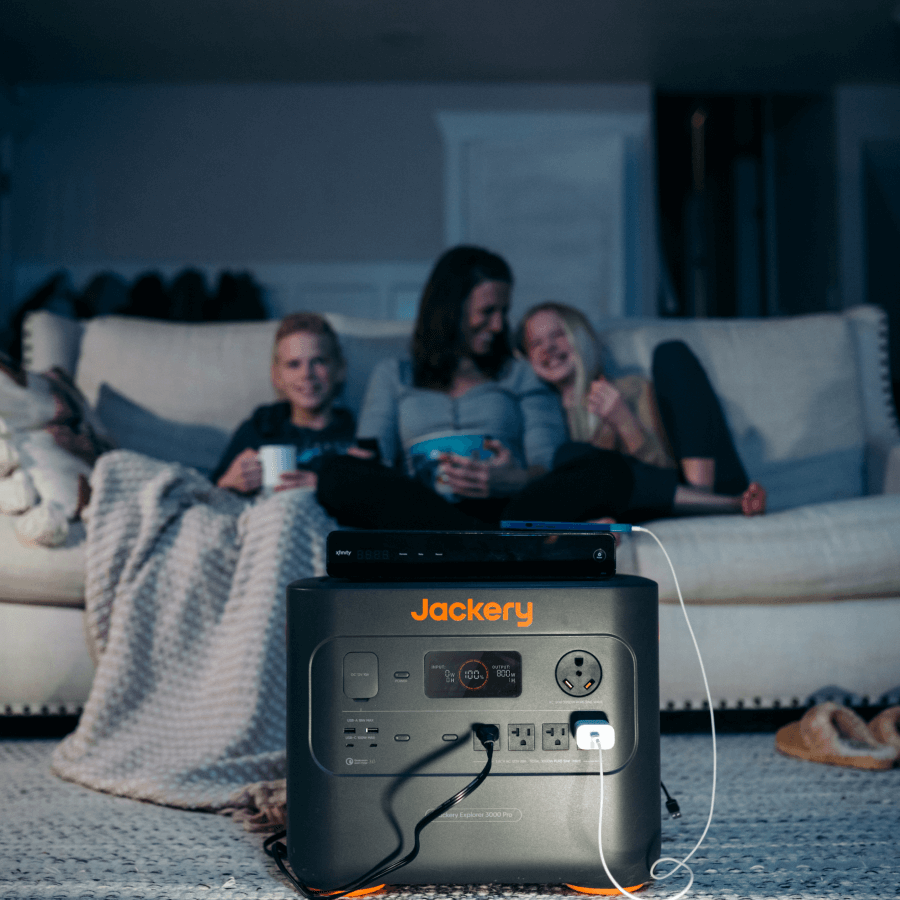
- Safe to Use Indoors: Advanced solar generators feature first-rate LiFePO4 batteries and built-in Battery Management Systems (BMS)™. Because they emit zero carbon monoxide, you can safely run them directly inside your living room or kitchen.
- No Fumes, No Fuel Storage: Solar generators use sunlight rather than highly flammable gasoline. You never have to wait in line for gas during a hurricane or worry about fuel going bad in your garage.
- Saves Money Daily: Once you calculate what size generator you need, you can use a solar generator daily to offset peak grid rates. It cuts down high electricity bills while producing zero toxic carbon emissions.
- Zero Maintenance: Gas generators require oil changes, spark plug replacements, and carburetor cleaning. Solar generators require zero engine maintenance. You simply press a button for instant, silent power.
FAQs About Home Generators
What size standby generator do I need?
For an average 2,000 to 3,000-square-foot home, a 20kW (20,000-watt) liquid-cooled standby generator is the sweet spot. It provides enough surge capacity to start a 5-ton central AC while simultaneously running refrigerators, lights, and standard 120V appliances.
What can a 5000 watt generator run?
A 5000W generator can comfortably run a refrigerator (700W), a freezer (500W), a sump pump (1000W), a TV (150W), and several lights and chargers simultaneously. It cannot run a central AC unit, electric furnace, or electric water heater.
How many years will a solar generator last?
Premium solar generators last for decades. The Jackery Solar Generator HomePower 3600 Plus features an automotive-grade LiFePO4 battery that lasts for over 10 years of daily use. Even after 4,000 charge cycles, the battery retains 70% of its original capacity.
How much does a solar generator for a house cost?
Costs vary based on capacity. Small emergency units start around $500, while robust whole-home solar backup systems range from $3,000 to $10,000+. This is often significantly cheaper than the $18,000+ total cost of installing a liquid-cooled gas standby generator today.
Conclusion
Determining what size generator I need to power my house ultimately depends on your budget, home size, and outage frequency.
For rare outages, a 5,000W to 7,500W unit with strict load management offers the best return on investment. For frequent, prolonged blackouts, investing in a 20kW+ system or an expandable high-capacity solar setup ensures seamless safety and comfort. Always consult a licensed electrician to verify your load calculations and ensure your transfer switch meets local US electrical codes.
Jackery Solar Generators are ideal for homeowners wanting to power essential appliances safely, silently, and without relying on the gas pump. For more information about Jackery products, subscribe to our newsletter and get exclusive product news and deals.
Answers to Comments
Comment 1: What generator do I need to power a 2,000 square foot home with central air conditioning that will be used only at night? and perhaps a few hours during the day.
Reply: Hey, Andres! For a 2,000 sq. ft. home with central air conditioning unit, you will generally need around 7.5 - 10 kW of power to comfortably run your AC along with other essentials. Since you will be using AC mostly at night and a few hours in the day, a great option is the Jackery Solar Generator 5000 Plus with expansion battery packs. It can keep the cooling system and other household essentials running smoothly.
Comment 2: Hello, I’m very curious about the Jackery 2000 Pro and the the 3000 Pro for my home. It’s a 16x 80 manufactured home with new 95% efficient natural gas furnace would either one of the Jackerys power the furnace and for how long? Mainly interested for winter back up if we lose power. Thank you for any assistance.
Reply: Hey! The Jackery Solar Generator HomePower 3000 is the upgraded version of the Solar Generator 3000 Pro. It can power a 95% efficient natural gas furnace for 3.2 - 8.1 hours on a single charge, which typically uses 300 - 800W, depending on the size and efficiency. You can check the working hours of any Jackery Solar Generator by visiting its product page and entering the wattage consumption in the Running Time Calculator.
Comment 3: I have a 9.7Kwh solar system on my roof. 24 panels. Looking at a backup whole house solution price too? Options to upgrade or downgrade?
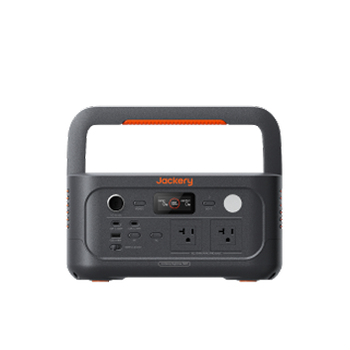
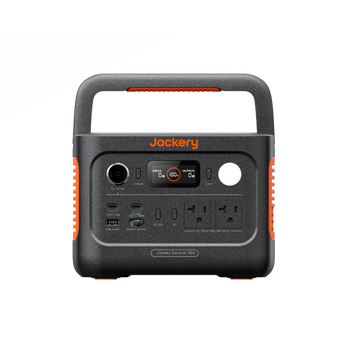
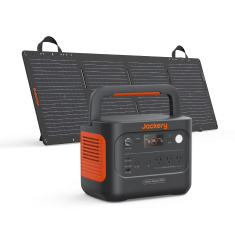
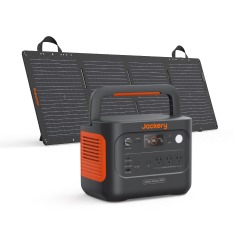
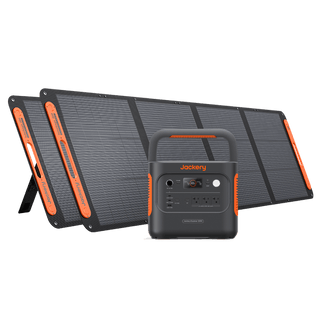
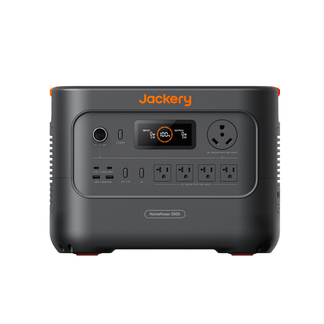
Reply: Hey! A 9.7kWh solar system is enough to charge most of the household appliances during power outages. But if you are looking for a portable backup solution that can charge appliances outdoors or in your home's backyard, you can consider checking out Jackery Solar Generator 1000 v2.
Comment 4: Hello, Iam Tonya and I want to know some pricing and information on your solar generator.I want to power a 1369 square foot house.I want to power the fridge, stove, AC unit and basically the electricity.Do you offer monthly plans.Looking forward to hearing from you soon.Thanks.
Reply: Jackery Solar Generator 5000 Plus is the most trusted whole home generator that you can use to charge almost all household appliances like fridges, stoves, AC units, etc. You can purchase the Jackery Explorer 5000 Plus Portable Power Station + 2*Jackery SolarSaga 500X Solar Panels + Smart Transfer Switch for charging appliances during power outages. You can check the product page to learn about its pricing and other details.