














![[Add-on] Jackery Battery Pack 5000 Plus - Jackery](http://www.jackery.com/cdn/shop/files/add-on-jackery-battery-pack-5000-plus-6713401.webp?v=1786503068&width=324)













What Is a 5000W Generator?
To understand what you can run, you need to understand three key electrical terms:
- Running Watts: Sometimes called rated watts, running wattage is the continuous amount of electricity needed to keep appliances running. For example, a refrigerator might need 700 watts to keep running.
- Starting Watts: Also called surge watts, this is the maximum power appliances need for a short period (usually seconds) to start their motors or compressors. This number is generally two to three times higher than running watts. Appliances like freezers, refrigerators, and air conditioners require high starting watts.
- The Safety Buffer: It is crucial not to run your generator at 100% capacity continuously. A good rule of thumb is to leave a 10-20% safety buffer. This prevents the generator from tripping its circuit breaker if a fridge motor kicks on unexpectedly and extends the lifespan of the unit.
- Watt-Hour (Wh): This unit measures battery capacity over time. In mathematical terms, one watt-hour equals one watt of energy supplied for one hour. This is critical for solar generators, as it dictates how long you can run your 5000W load.
Gas vs. Solar Generators: Which is Right for You?
When shopping for a 5000-watt generator, you will typically choose between a traditional gas/propane generator and a modern solar generator (portable power station).
|
Generator Type |
Pros |
Cons |
|---|---|---|
|
Gas/Propane Generators |
• Generally lower upfront cost. |
• Loud noise (often 70+ decibels). |
|
Solar Generators (Battery Backup) |
• Silent operation. |
• Higher upfront cost. |
For those living in apartments, HOA communities, or anyone wanting indoor-safe power without the noise and fumes of a gas engine, a solar generator is the superior choice.
What Size Generator Do I Need?
In order to calculate what size generator you need for indoor or outdoor purposes, follow the steps below.
Step 1: List all the appliances (refrigerators, ACs, sump pumps, etc.) that you would like to charge simultaneously. Determine the starting and running watts of these appliances. If you can't find the wattage consumption on the label, multiply Amps by Volts (Amps x 120V) to get a wattage estimation.
Step 2: Add all the running watts of the appliances together.
Step 3: Identify the single appliance with the highest starting wattage. Add this number to your total running watts.
Step 4: Add a 10-20% buffer for safety.
Example:
- Refrigerator: 700W Running (2200W Starting)
- Lights: 100W Running (100W Starting)
- Window AC: 1200W Running (3000W Starting)
Total Running: 700 + 100 + 1200 = 2000W Highest Starting Surge: 3000W (from the AC) Calculation: 2000W (Running) + (3000W - 1200W additional surge) = 3800W Total Need. A 5000-watt generator handles this easily with room to spare.
What Can a 5000-Watt Generator Run?
Can A 5000-Watt Generator Run a House?
Yes, but with load management. It cannot power "everything" at once, but it can run the essentials. A 5000-watt generator can run a refrigerator, freezer, lights, WiFi router, TV, and a window air conditioner simultaneously.
|
Household Equipment |
Running Watts |
Starting Watts |
|---|---|---|
|
Refrigerator |
700W |
2200W |
|
Window AC (10k BTU) |
1200W |
3000W |
|
Sump Pump (1/2 HP) |
1050W |
2150W |
|
Space Heater |
1500W |
1500W |
|
Microwave |
1000W |
1500W |
|
WiFi Router |
15W |
15W |
|
LED Lights (x10) |
100W |
100W |
Work Site
Contractors use 5000-watt generators to power portable electric tools. It is sufficient to charge common heavy-duty power tools like circular saws, electric drills, table saws, and portable air compressors.
Note on Safety: According to OSHA standards, ensure all extension cords used on worksites are heavy-duty (10-12 gauge) to prevent overheating and voltage drop when running high-amp tools.
|
Work Site Equipment |
Running Watts |
Starting Watts |
|---|---|---|
|
Circular Saw |
1400W |
2300W |
|
Table Saw |
1800W |
4500W |
|
Electric Drill |
600W |
900W |
|
Portable Air Compressor |
1600W |
4500W |
|
Battery Chargers |
50-200W |
— |
RV and Camping
A 5000-watt generator is an excellent choice for most small and large RVs (Class A, B, and C). It offers enough power to charge essential kitchen appliances, lights, and the RV's rooftop air conditioner. While smaller RVs require around a 3000-watt generator, a 5000-watt generator provides the headroom needed to run the AC and the microwave at the same time—a luxury smaller units can't provide.
|
RV Equipment |
Running Watts |
Starting Watts |
|---|---|---|
|
RV Rooftop AC (13.5k BTU) |
1500-2000W |
2800-3500W |
|
Portable Fridge |
60W |
120W |
|
Electric Grill |
1600W |
1600W |
|
Laptop |
100W |
— |
Off-Grid Living
One of the most common reasons to invest in a large solar generator is practicing off-grid living. A 5000-watt generator acts as a primary power hub. Investing in an off-grid solar generator will help you eliminate high electricity bills and reduce environmental impact.
|
Off-Grid Equipment |
Running Watts |
Starting Watts |
|---|---|---|
|
Deep Freezer |
700W |
2200W |
|
Coffee Maker |
1000W |
1000W |
|
Toaster |
850W |
— |
|
Water Pump |
1000W |
3000W |
|
Starlink / Internet |
50-75W |
— |
What a 5000-Watt Generator Cannot Run
While 5000 watts is substantial, it is not a whole-home standby solution (which typically ranges from 12kW to 22kW). Understanding the limitations prevents equipment damage.
- Central Air Conditioning: Most central AC units (3-ton and larger) require 3500-5000 running watts and a massive 10,000+ watt surge to start. A 5000W generator will overload instantly. Exception: Very small, high-efficiency units equipped with a "Soft Start" kit might run, but nothing else can be on.
- Electric Water Heaters: A standard 50-gallon electric water heater draws 4500 watts continuously. This leaves only 500 watts for the rest of the house, making it impractical.
- Electric Dryers: These typically require 5000-6000 watts and a 240V connection.
- Electric Ranges/Ovens: A single burner can use 1500-2500W, and the oven can use 3000-5000W. Using the range would likely trip the generator.
Load Management Strategy: If you need to use high-wattage items like a hair dryer (1500W) or microwave (1200W), turn off other heavy loads (like a space heater or AC) temporarily. This "rotation" technique allows a 5000W generator to feel much larger than it is.
Expand Your capacity: Unlike standard 5000W generators, the Jackery Solar Generator 5000 Plus boasts a 7200W output (14,400W surge) and 240V capability. This means it can power the heavy-duty appliances listed above (like central AC and dryers) that smaller units cannot. Furthermore, its capacity expands up to 60kWh, ensuring these power-hungry devices can run for days, not just minutes.
For further reading, you can read our Guides on What a 7500-watt generator can run or What a 12500-watt generator can run to handle appliances with higher surge.
Jackery 5000W Generator Solutions
Jackery offers industry-leading solar generators that provide the high output of gas generators without the noise or fumes.
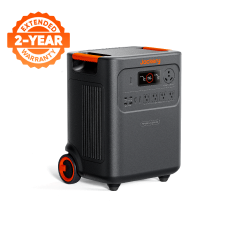
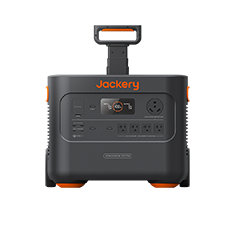
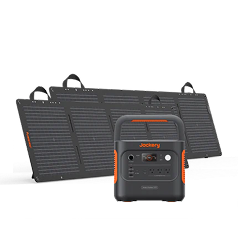
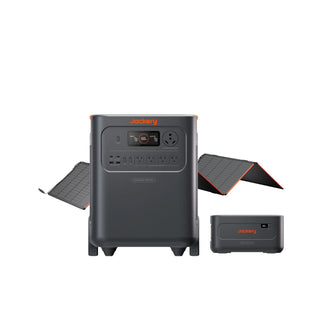
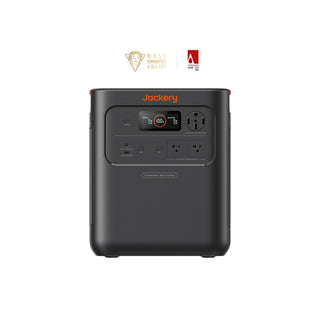
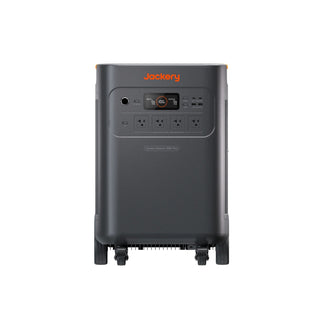
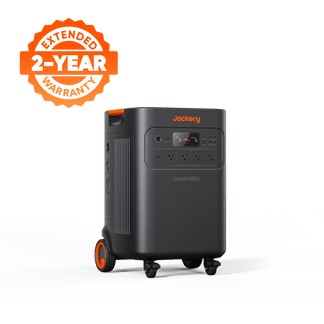
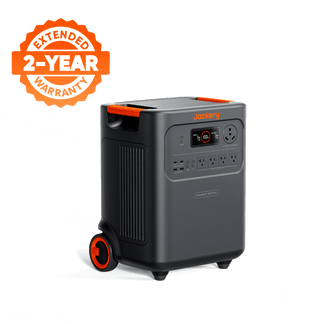
Jackery Solar Generator 5000 Plus
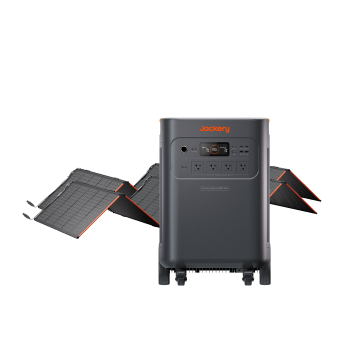
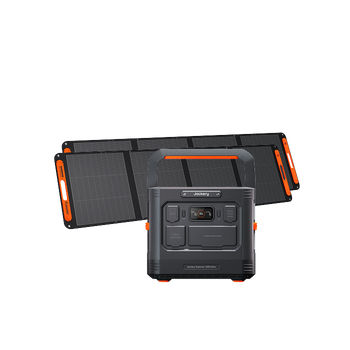
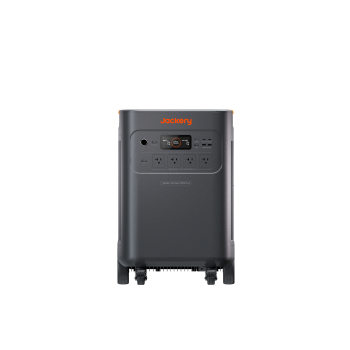
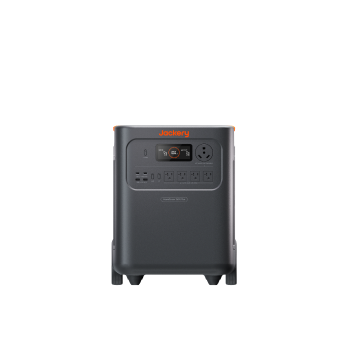
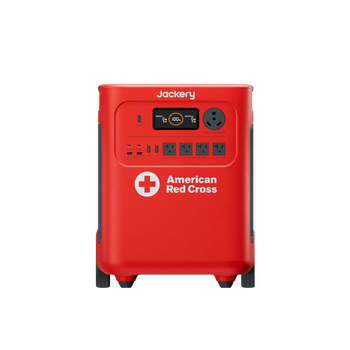
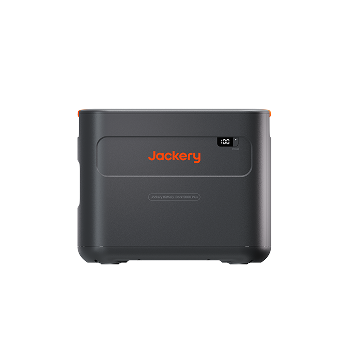
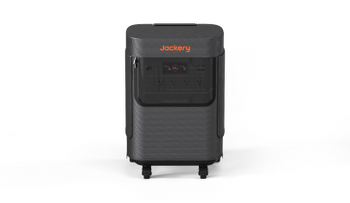
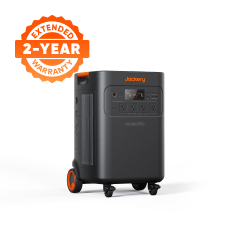
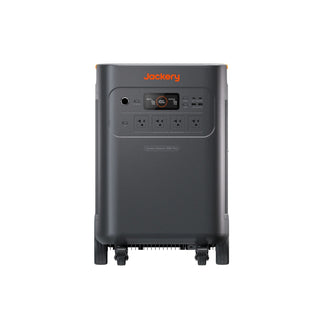
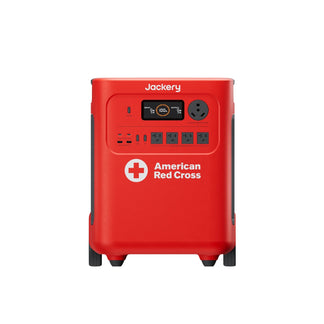
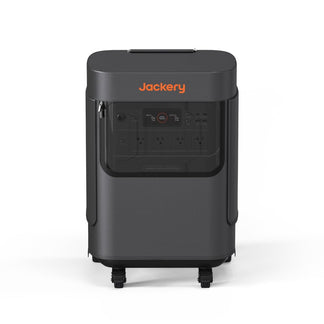
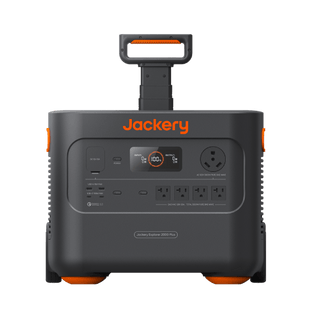
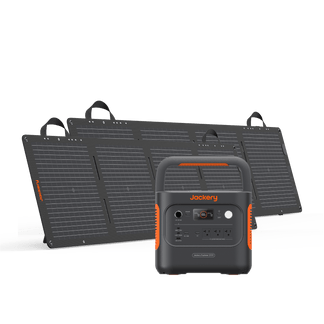
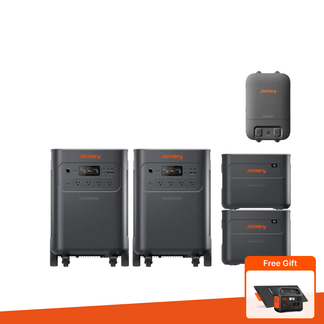
The Jackery Solar Generator 5000 Plus is the ultimate solution for whole-home backup and heavy-duty professional use. With a substantial 5040Wh capacity and a massive 7200W rated output (14400W surge), it exceeds the standard 5000W benchmark, allowing you to run most household appliances, including heavy-duty 240V appliances.
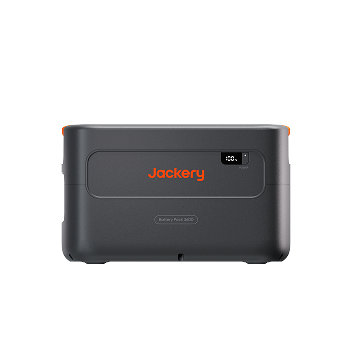
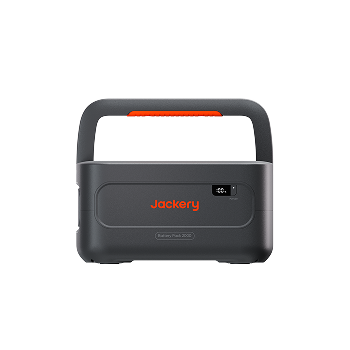
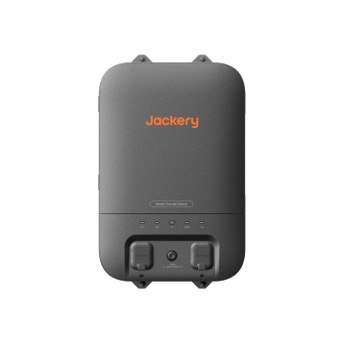
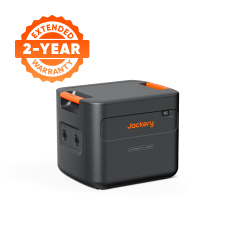
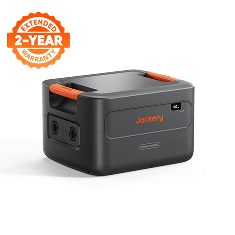
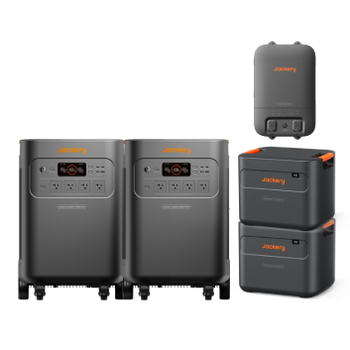
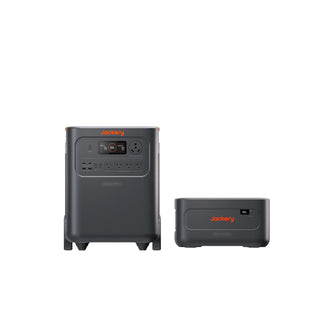
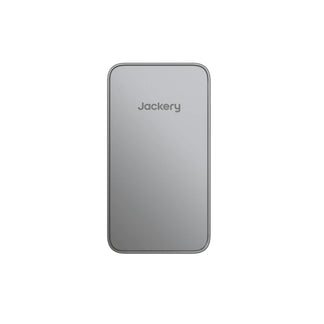
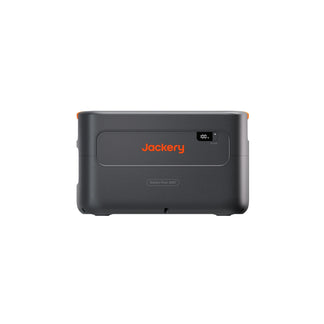
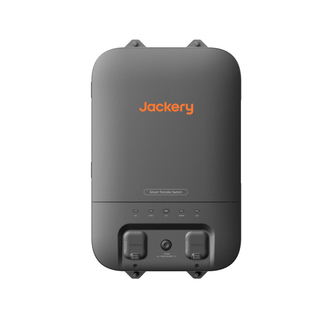
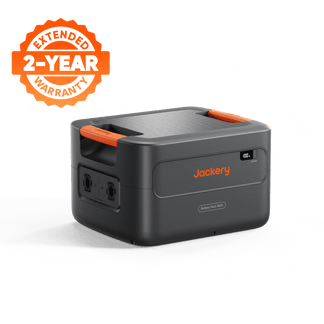
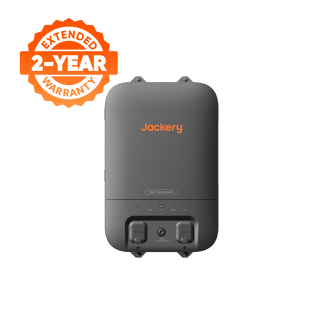
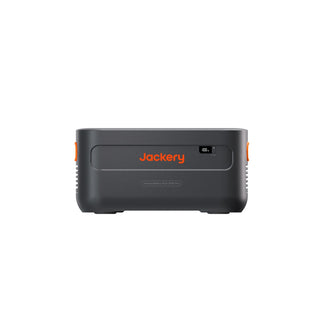
- Expandable Capacity: Supports add-on battery packs to extend capacity from 5kWh up to a massive 60kWh, potentially powering a home for two weeks.
- Dual Voltage: Offers both 120V and 240V output, making it compatible with heavy-duty power tools, well pumps, and manual transfer switches.
- Quiet & Portable: Features a pull-rod and wheels for easy movement, and operates silently compared to gas generators.
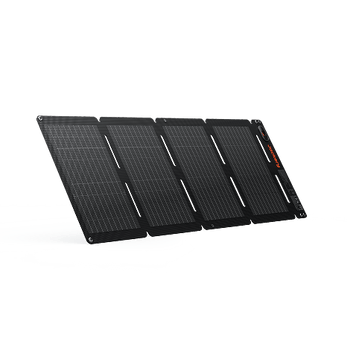
- Fast Charging: Can be fully charged via solar panels in as little as 1.7 hours (depending on solar input).

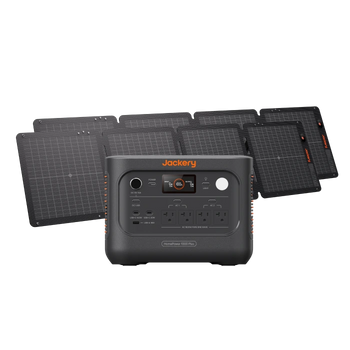
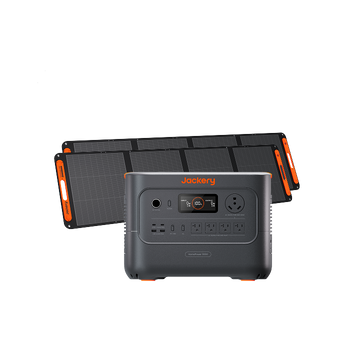
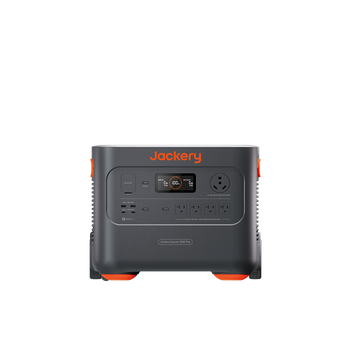
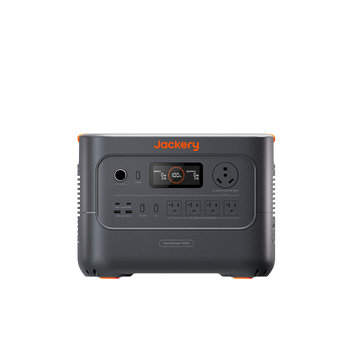
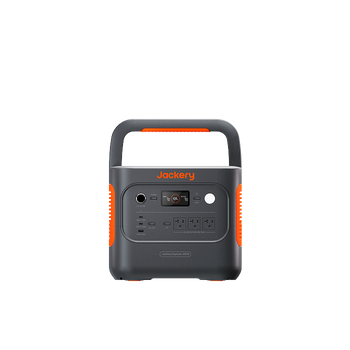
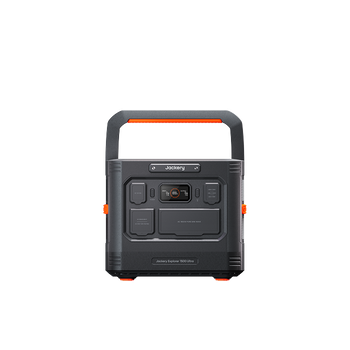
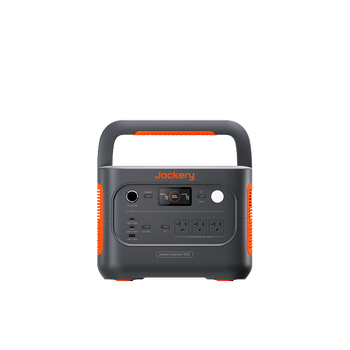
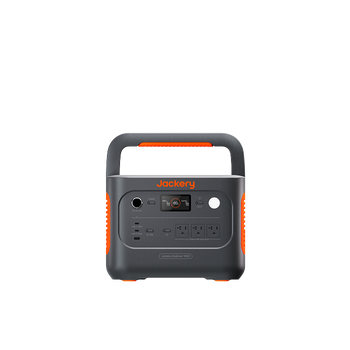
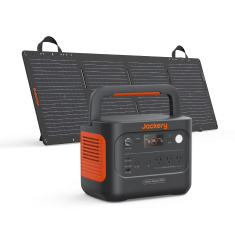
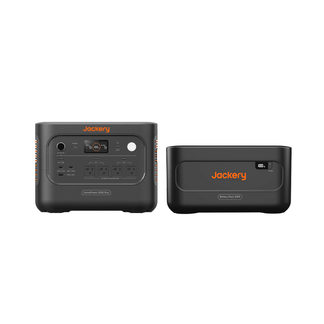
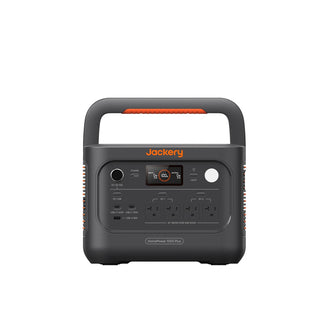
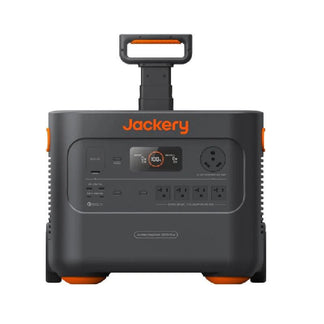
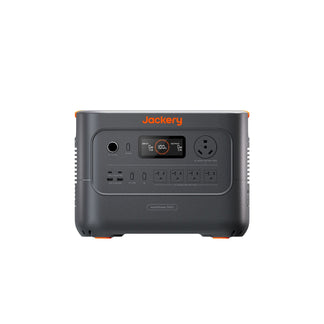
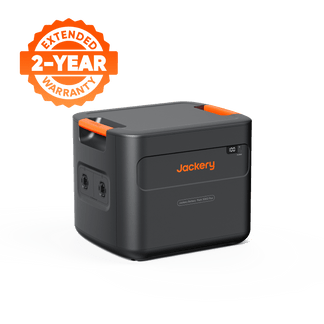
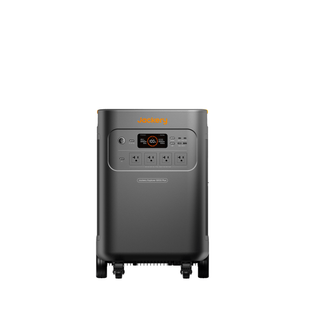
Jackery Explorer 2000 Plus Double Kit
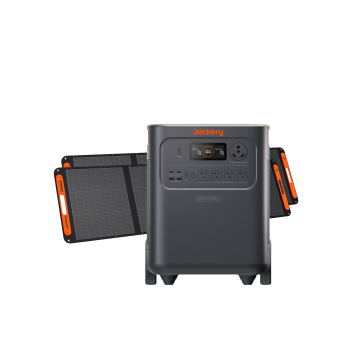
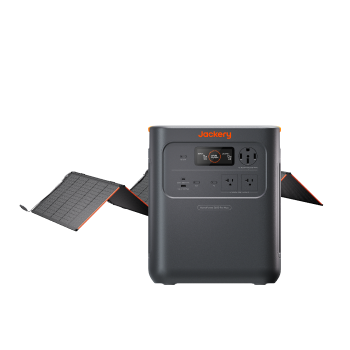
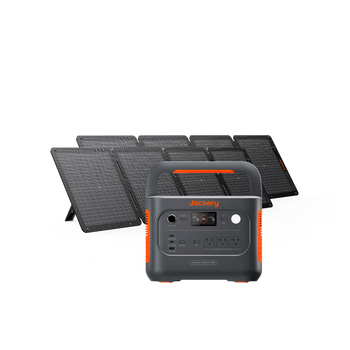
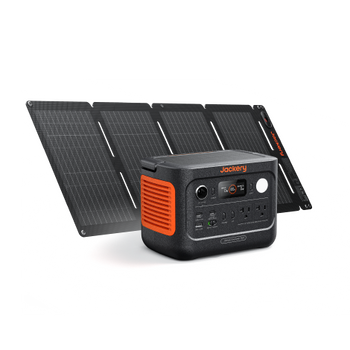
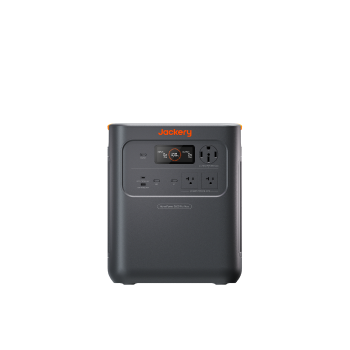
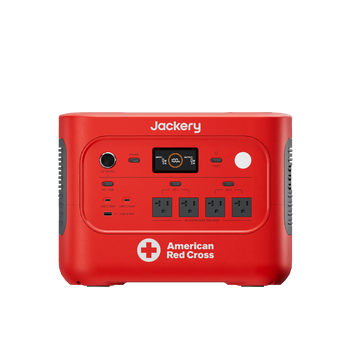
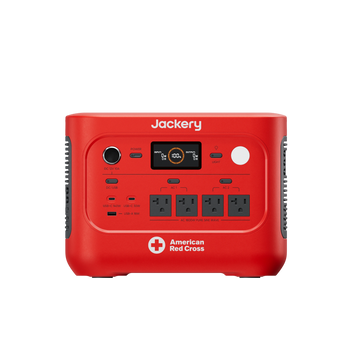
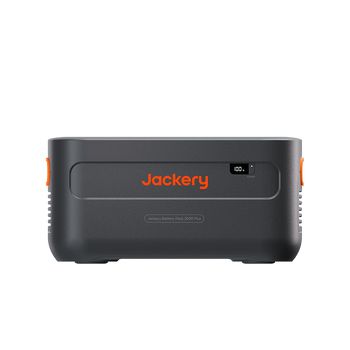
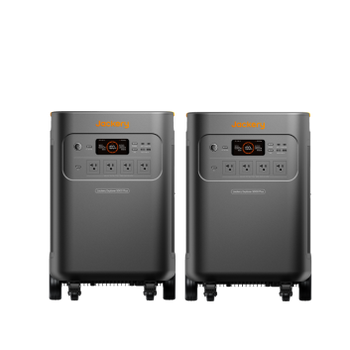
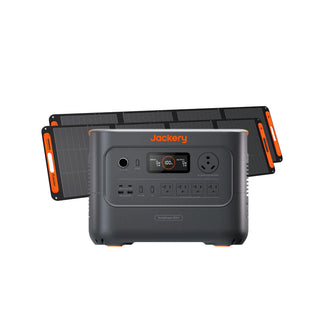
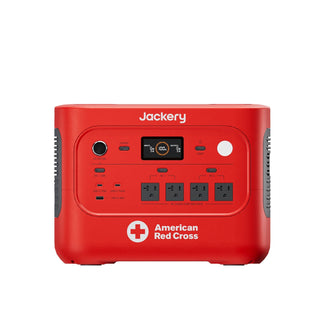
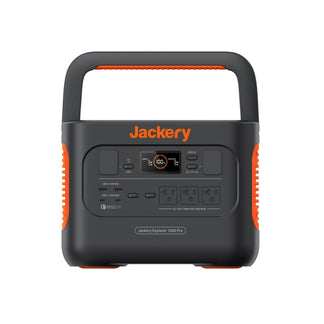
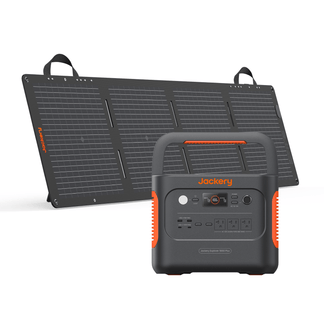
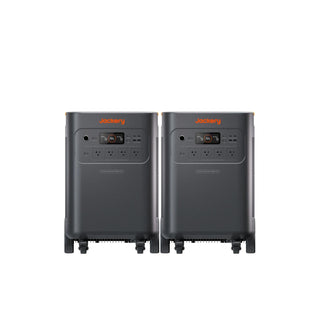
If you need a modular solution that offers high power, the Jackery Explorer 2000 Plus Double Kit is an excellent choice. By connecting two Jackery Explorer 2000 Plus units together, you create a system with 6000W rated output and 12000W surge power.
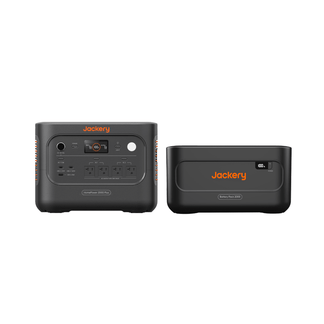
- Capacity: Combined capacity of roughly 4kWh (expandable up to 24kWh with battery packs).
- Flexibility: You can use the units separately for camping trips (3000W output each) or connect them for home backup (6000W output).
- LiFePO4 Battery: Built with durable LFP batteries that last for over 10 years of daily use (4000 cycles to 70%).

How Long Will a 5000-Watt Generator Run?
The running time of a Jackery Solar Generator depends on the battery capacity (Wh) and the wattage of the appliances you are running.
You can refer to Jackery Buying Guide to calculate appliance running times.
The following table estimates runtime for the Jackery Solar Generator 5000 Plus (5040Wh) and the Jackery Explorer 2000 Plus Double Kit (~4000Wh).
|
Product |
Capacity |
Window AC (1200W) |
Refrigerator (700W) |
Space Heater (1500W) |
|---|---|---|---|---|
|
Jackery Solar Generator 5000 Plus |
5040Wh |
~3.5 Hours |
~6.1 Hours |
~2.8 Hours |
|
Explorer 2000 Plus Double Kit |
~4085Wh |
~2.9 Hours |
~4.9 Hours |
~2.3 Hours |
Note: Runtimes are estimates. Refrigerators and heaters cycle on and off, so actual runtime may be significantly longer than the continuous calculation suggests.
Safety and Setup Requirements
Whether using gas or solar, safety is paramount.
- Carbon Monoxide (Gas Only): Never run a gas generator inside a home, garage, or enclosed space. CO is odorless and deadly. Keep the unit at least 20 feet away from windows and doors.
- Indoor Safety (Solar): Jackery Solar Generators produce zero emissions and are safe to use indoors, in bedrooms, or inside tents.
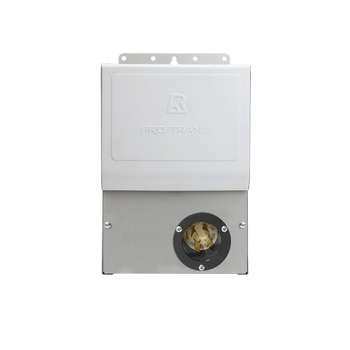
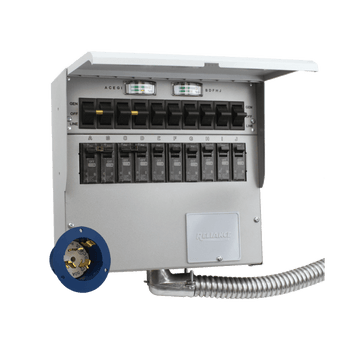
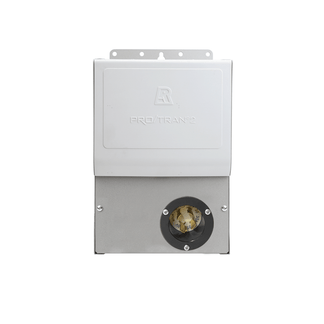
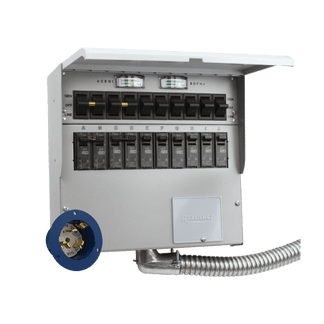
- Transfer Switches: To power your home's hardwired circuits (like furnace fans or ceiling lights), you should use a Transfer Switch. This connects the generator to your circuit panel safely. Never plug a generator directly into a wall outlet (backfeeding); this is illegal and can electrocute utility workers repairing lines.
- Extension Cords: Use heavy-duty, outdoor-rated extension cords. For 5000W loads, look for 10-gauge or 12-gauge cords to prevent the cord from melting or causing voltage drops that damage appliances.
- Grounding: Check the user manual to see if your generator requires a grounding rod. Most portable Jackery units are internally grounded and do not require an external rod.
5000 Watt Generator FAQs
Will a 5000-watt generator run central air?
Generally, no. A standard central air conditioner requires 3500 running watts and up to 10,000 starting watts, which exceeds the capacity of a standard 5000W generator. However, the Jackery Solar Generator 5000 Plus (7200W rated / 14400W surge) can run many central AC units, provided you manage other loads carefully.
Is it cheaper to run a generator on gas or solar?
Gas generators are cheaper upfront but expensive to operate due to fuel costs, oil changes, and maintenance. Solar generators have a higher initial cost but are virtually free to run using solar energy. Over 3-5 years, a solar generator often becomes the more economical choice.
What appliances will a 5500-watt generator run?
A 5500-watt generator can run the same appliances as a 5000-watt unit but offers slightly more "headroom." It can comfortably handle a refrigerator, window AC, lights, TV, and a microwave simultaneously.
What happens if you overload a generator?
If you exceed the running or starting watts, the generator's circuit breaker will trip to protect the unit, cutting off power. Repeated overloading can damage the generator's alternator or the appliances connected to it.
How many amps does a 5000-watt generator provide?
Watts = Volts x Amps. At 120V, a 5000W generator provides approximately 41.6 Amps (5000 ÷ 120). At 240V, it provides approximately 20.8 Amps (5000 ÷ 240).


