
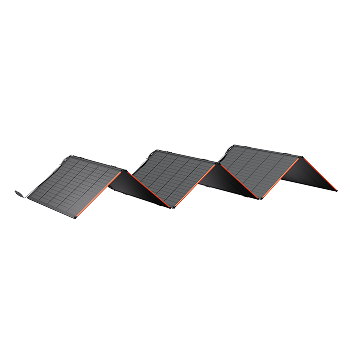
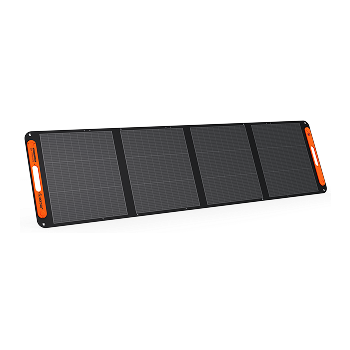
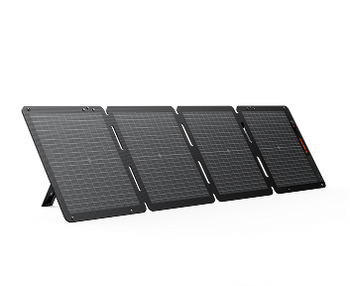
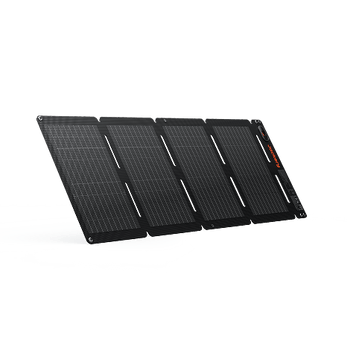




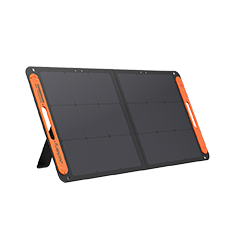



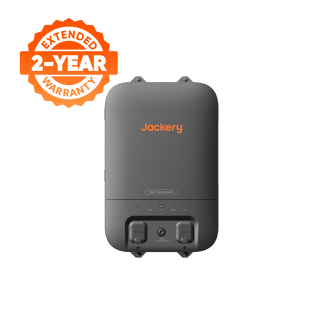
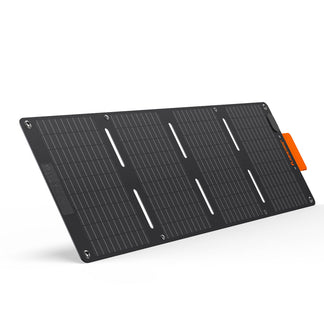
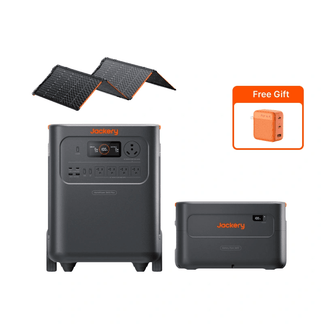
![[Add-on] Jackery SolarSaga 500 X - Jackery](http://www.jackery.com/cdn/shop/files/add-on-jackery-solarsaga-500-x-1493607.webp?v=1786503068&width=324)
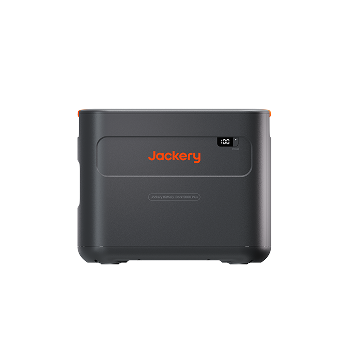
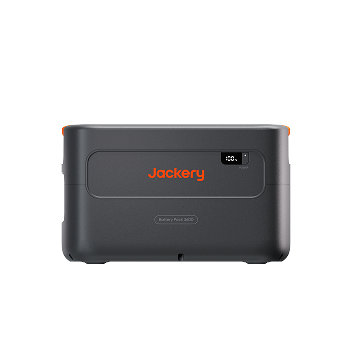
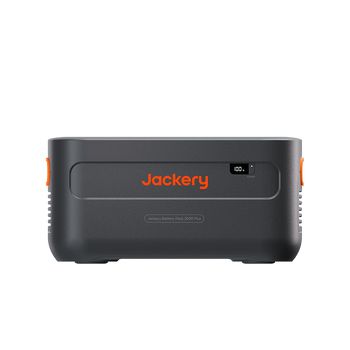
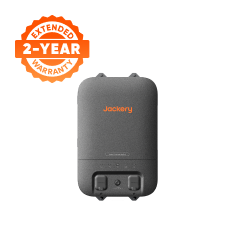
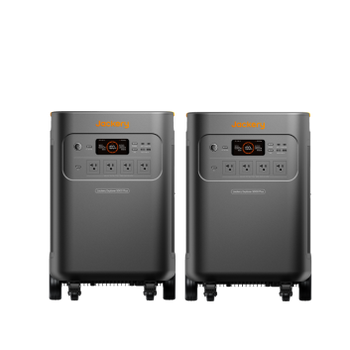
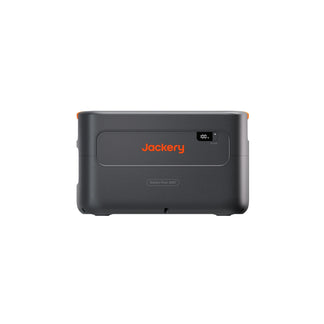
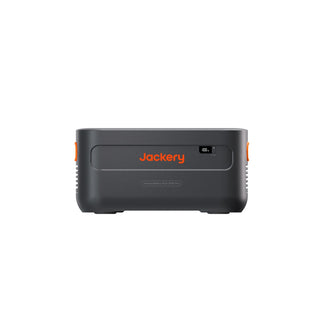
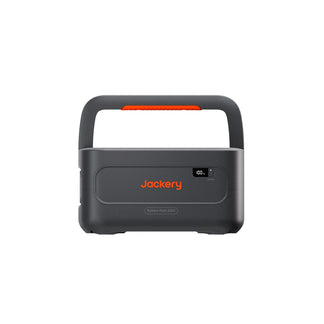
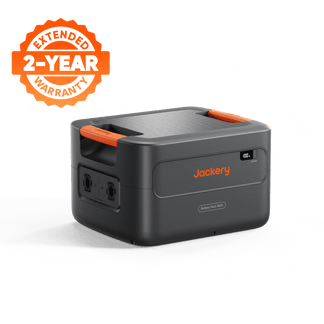
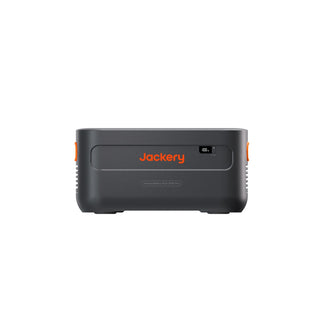
![[Add-on] Jackery Battery Pack 5000 Plus - Jackery](http://www.jackery.com/cdn/shop/files/add-on-jackery-battery-pack-5000-plus-6713401.webp?v=1786503068&width=324)

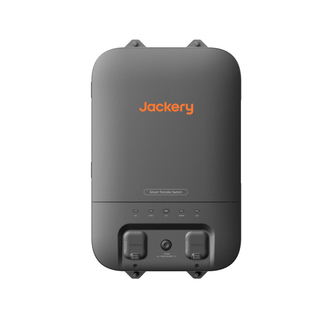




Quick Answer: A small solar setup — 200W of portable panels paired with a 500Wh battery — keeps a 12V fan running for 8+ hours through the hottest nights without grid power. For mini AC cooling, scale to 600W of panels and 1,500Wh of battery. No permits, no electrician, no permanent installation. The key is passive cooling first: block heat with curtains and foil, then use solar power to run fans or small AC units in a single designated cool room. A viable fan-only survival setup starts around $400–500.
Key Takeaways:
- A properly sized small solar setup requires zero permits or electrician installation — portable panels sit on the ground and plug directly into an all-in-one power station.
- Passive cooling (blackout curtains, window foil, exterior shade) reduces indoor temperatures by 10–15°F before you ever plug anything in.
- 12V DC fans consume only 5–30W and run 3–5x longer than AC fans on the same battery by eliminating inverter losses.
- A 400–600W portable solar array with 1,500–2,000Wh of LiFePO₄ battery storage handles a 5,000 BTU window AC for 2–4 hours during peak heat.
- Multi-day heatwave survival demands hybrid redundancy: solar + battery + a small dual-fuel generator for overcast stretches.
Passive Cooling First: The 90% Solution Before You Power Anything
Block heat before you fight it. This is the non-negotiable rule every experienced prepper follows. Passive measures reduce indoor temperatures by 10–15°F without consuming a single watt-hour of battery capacity. Every degree you prevent from entering the house is a degree your small solar setup doesn't have to fight.
What Passive Cooling Actually Delivers
Blackout curtains, aluminum foil on sun-facing windows, and exterior shade tarps are your first line of defense. Research shows that rooftop solar panels lower ceiling temperatures by roughly 5°F through shading and UV absorption alone. Portable solar panels placed on a deck or leaned against an exterior wall produce the same effect — they shade the surface while actively charging your battery.
Night ventilation is the free cooling cycle: open windows at dusk to trap cool air, then seal everything tight before sunrise. This alone buys you several hours of lower indoor temperatures the next morning.
Your Situation |
Recommended Method |
Temperature Drop |
Cost |
Effort |
|---|---|---|---|---|
Quick, lowest-effort indoor heat blocking |
Blackout curtains + window foil |
8–12°F |
$30–80 |
Low |
You have outdoor space and can install shade |
Exterior shade tarps |
5–10°F |
$20–50 |
Medium |
You want free cooling with no equipment |
Night ventilation (dusk to dawn) |
4–8°F |
Free |
Low |
You already own portable solar panels |
Portable panels shading walls/windows |
3–5°F |
Included with solar setup |
Low |
No electricity available, immediate relief needed |
Wet-sheet evaporative cooling (with fan) |
5–10°F perceived |
$0 |
Low |
Convection currents are worth exploiting: hot air rises and exits through upper windows while cooler air draws in from below. A small 12V solar fan placed at a window amplifies this natural flow, costing only 5–15W. The one-room strategy concentrates these efforts — seal a single basement or north-facing room and funnel passive cooling there.
When electricity fails completely, wet-sheet evaporative cooling is a proven lifeline. Dampen a cloth, wave it in front of a fan, and skin temperature drops noticeably. It costs no electricity beyond the fan itself.
Active Solar Cooling: Powering Fans and Mini ACs After Heat Is Blocked
Once passive measures are in place, active cooling extends comfort through the hottest hours. The efficiency difference between device types is stark — and understanding it determines whether your battery lasts through the night or dies by 11 PM.
12V DC Fans: The Efficiency Champions
12V DC fans are the workhorses of small solar setup cooling.
- Consumption: A 12V DC fan consumes 5–30W depending on speed and size. On a 300Wh battery, that's 8–10 hours of continuous runtime — enough to get through an entire summer night.
- Critical advantage: No inverter. DC fans run directly from the battery's DC output, avoiding the 10–15% efficiency loss that happens when converting DC battery power to AC.
- Rechargeable fans with built-in batteries add another layer: charge them via solar panels during the day, then place them anywhere in the room at night without cords. Silent operation matters for sleep quality — and sleep is when the body recovers from daytime heat stress.
Window and Portable AC Units: Higher Cooling, Higher Demand
Small window AC units (5,000 BTU) pull 400–600W while running. The real challenge is startup surge: compressors draw 3–5x the running wattage for 1–2 seconds. That means a unit rated at 500W running can spike to 1,500–2,500W momentarily. Your inverter must handle that surge or it trips — and undersized inverters under 1,500W are the most common mistake in solar cooling setups.
Dual-hose portable ACs consume 700–900W running and add condensation management. Self-evaporating models handle moisture internally; non-evaporating units need continuous drainage or a bucket you empty manually. In a sealed cool room during a blackout, a spilled condensate bucket is a problem you don't need.
Situation |
Recommended Device |
Running Watts |
Surge Watts |
Runtime on 1,500Wh |
Key Factor |
|---|---|---|---|---|---|
All-night fan cooling with minimal battery use |
12V DC fan (medium speed) |
15–20W |
None |
60–75 hours |
No inverter loss |
Portable, cordless fan solution |
Rechargeable portable fan |
5–10W (built-in battery) |
None |
20–40 hours (internal battery only) |
Ultra-low draw |
Dry climate, want a swamp cooler effect |
Evaporative swamp cooler |
50–150W |
100–200W |
8–25 hours |
Works only in low humidity |
Short daytime AC burst in sealed room |
5,000 BTU window AC |
400–600W |
1,200–1,800W |
2–3 hours |
Best efficiency for AC |
Need AC but can't install window unit |
Dual-hose portable AC |
700–900W |
1,500–2,500W |
1.5–2 hours |
Drainage management required |
Ice as a Cold Battery
Using ice as a cold battery is the prepper trick that costs almost nothing:
- Method: Freeze water bottles during daylight hours when solar panels are generating surplus power. At night, place those frozen bottles in front of a 12V fan. The moving air passes over the ice, creating localized evaporative cooling that drops perceived temperature 5–7°F.
- Capacity: Two frozen 2-liter bottles provide 4–6 hours of relief per person.
The math on total daily energy:
- Fan + ice strategy: consumes roughly 300Wh total.
- Small AC + lights + phone charging: jumps to 2,000–3,000Wh.
Size your battery accordingly — and remember that ice costs zero watt-hours at night when your battery is powering the fan.
Advice from Experienced Preppers: Small Solar as a Power Extender
A small solar setup acts as a power extender, not a whole-home solution — running fans overnight and topping off during the day to reduce generator fuel consumption. Preppers who've lived through multi-day summer blackouts converge on the same principles. These aren't theoretical — they're field-tested.
- Passive first, active second. Solar generation extends passive cooling; it doesn't replace it. Every watt-hour spent fighting heat that could have been blocked is wasted capacity.
- Ice is your night-time battery. Freeze water during sunny hours using surplus solar generation. Overnight, fan-only cooling with ice bottles preserves battery capacity for phones, small electronics, and morning use.
- Redundancy is mandatory. A small solar setup handles single-day outages beautifully. Multi-day heatwaves with overcast skies require a hybrid plan: solar panels + LiFePO₄ battery bank + a dual-fuel generator as the third layer. The generator runs only when needed to recharge the battery, minimizing fuel consumption.
- Direct DC beats AC for fans. Skip inverter losses entirely. Run 12V fans straight from the battery's DC output and you effectively double runtime compared to the same fan running through an AC inverter. This is the single highest-impact efficiency decision in a small solar setup.
- Cool the body, not the room. Pour cold water on wrists and the back of the neck. Sit with feet in a cool basin. Lie on tile floors. These techniques lower core temperature directly and cost zero electricity. Electrolyte replacement matters equally: add sodium and potassium chloride to drinking water to prevent heat stroke and cardiac strain during prolonged dehydration.
- Charge during peak sun hours (10 AM–3 PM), run cooling later. Staggering generation and consumption keeps battery levels stable. By sundown, your battery is full and ready for the night's fan load.
Powering an air conditioner with solar requires matching inverter surge capacity to compressor startup demand — a 5,000 BTU unit needs at least 1,500W of inverter headroom.
Sizing Your Small Solar Setup for Emergency Cooling (No Permits)
Sizing your small solar setup depends on your cooling goal: fan-only needs 100-200W panels and 500Wh storage, while mini AC requires 400-600W and 1,500Wh battery. Portable solar generators and panels sit on the ground, a deck, or a cart. They require no building permits and no electrician — you unbox them, unfold the panels, and plug in. Here's what different cooling goals demand.
Cooling Goal |
Solar Panel Capacity |
Battery Storage |
What It Runs |
|---|---|---|---|
Fan-only survival (1 room) |
100–200W |
500 Wh LiFePO₄ |
12V fan for 8+ hours, phone charging, and lights |
Fan + basic electronics |
200–400W |
1,000 Wh LiFePO₄ |
12V fan for 15+ hours, router, laptop, lights |
Mini AC (short bursts) |
400–600W |
1,500–2,000 Wh LiFePO₄ |
5,000 BTU AC for 2–4 hours, then fan overnight |
Extended AC + redundancy |
600–800W |
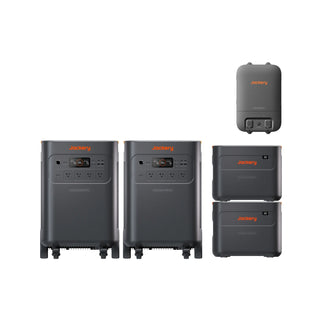
3,000+ Wh LiFePO₄ (expandable) |
5,000 BTU AC for 5–6 hours, or 8,000 BTU for 2–3 hours |
Peak sun hours determine daily recharge capacity. Most U.S. regions receive 4–6 peak sun hours in summer. A 400W panel array generates 1,600–2,400Wh on a clear day — enough to refill a 1,500Wh battery with margin.
Key components for reliable charging:
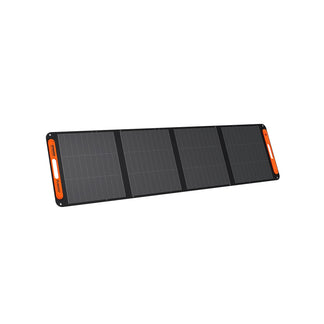
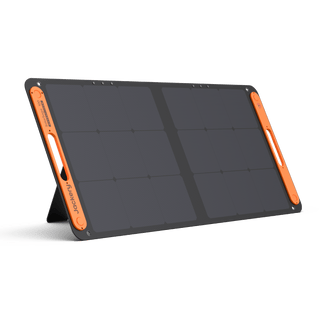
- Low-sunlight panels: Panels with all-weather cell technology maintain meaningful charge even in reduced light from haze or smoke.
- Charge controllers: Built-in charge controllers in all-in-one portable power stations prevent overcharge and simplify setup — no wiring knowledge required.
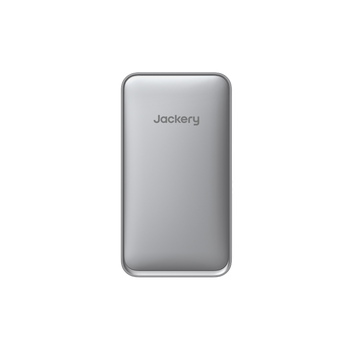
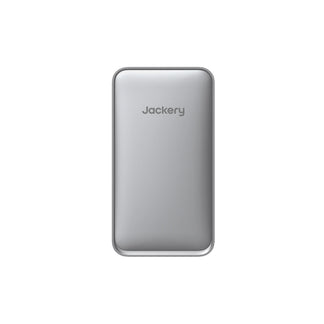
- Power bank backup: High-capacity power banks (10,000+ mAh) with AC outputs serve as a backup to the primary solar battery, running a small fan for 6–8 hours if your main unit depletes unexpectedly.
Your Emergency Cooling Solution: Jackery Portable Power Stations
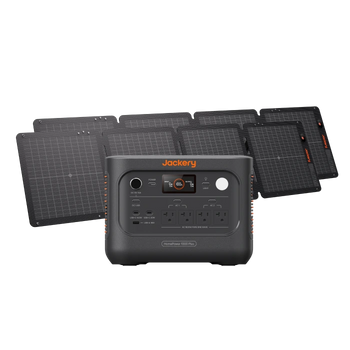
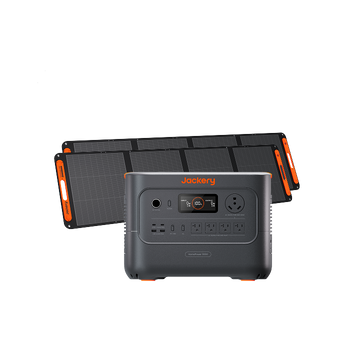
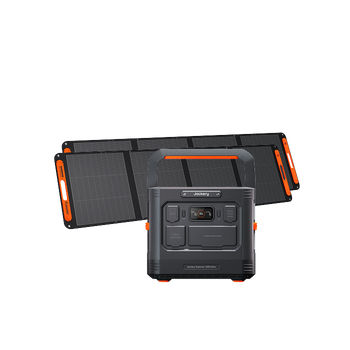
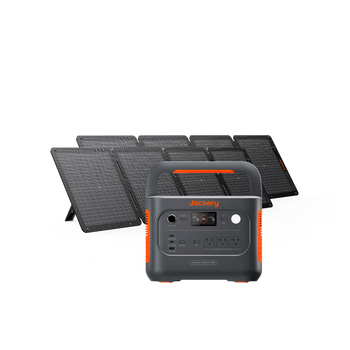
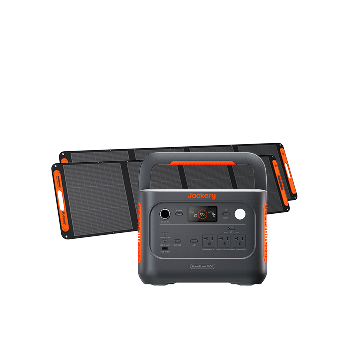
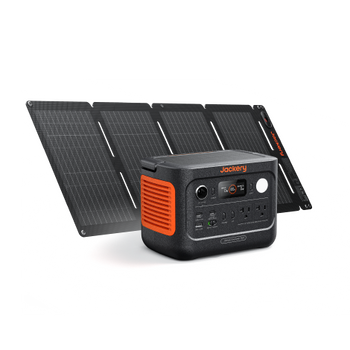
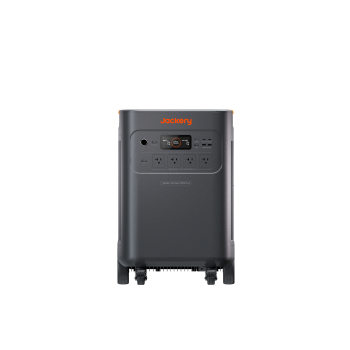
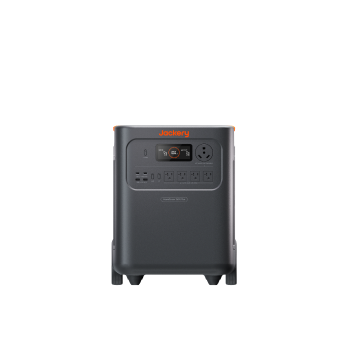
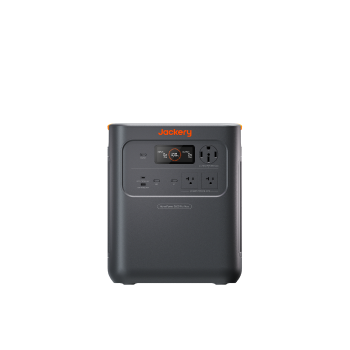
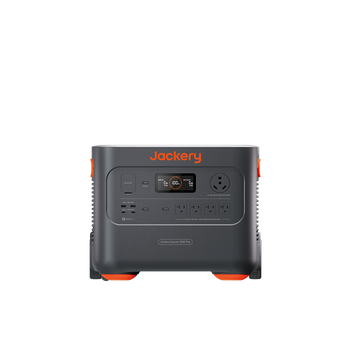
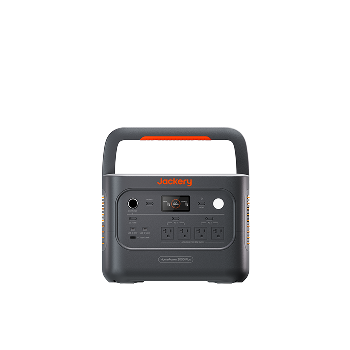
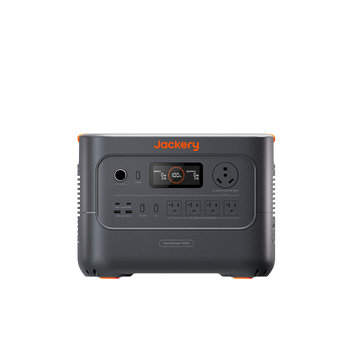
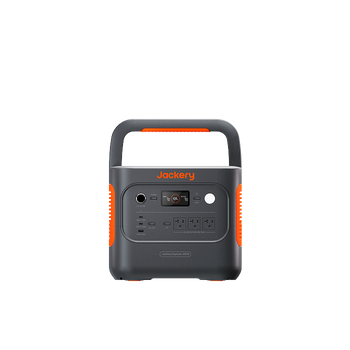
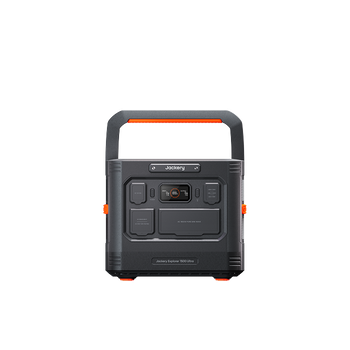
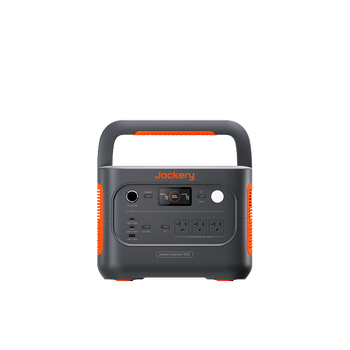
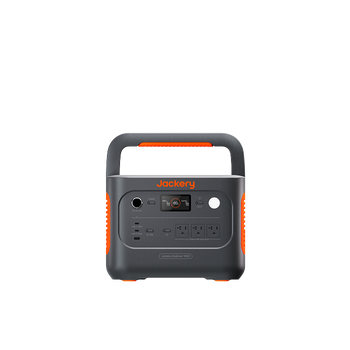
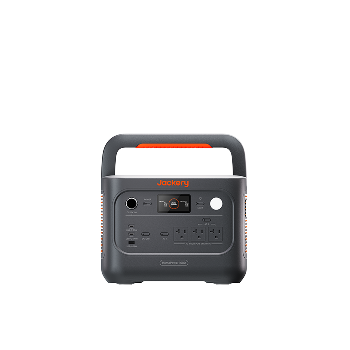
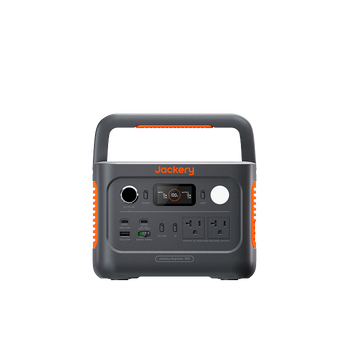
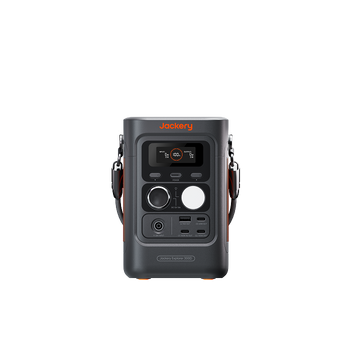
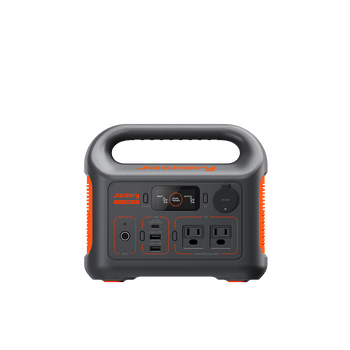
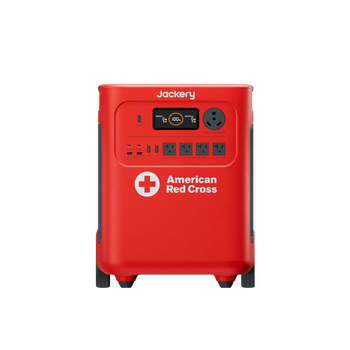
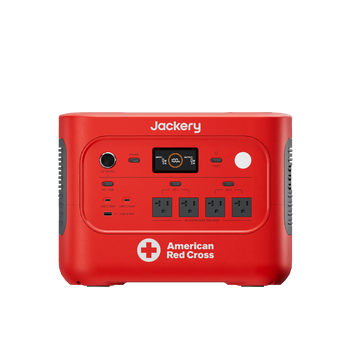
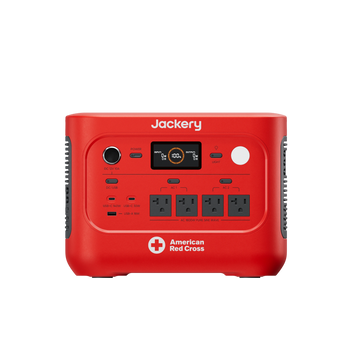
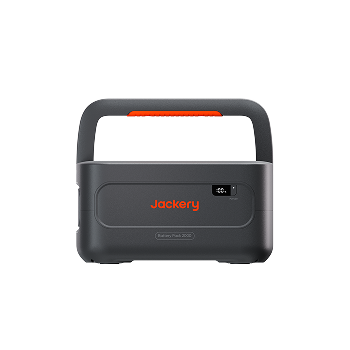
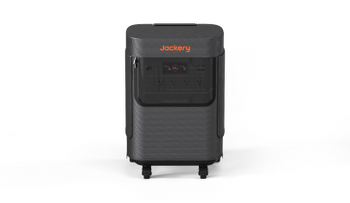
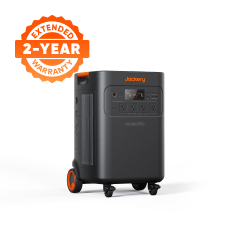
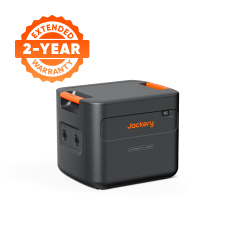
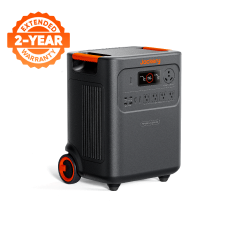
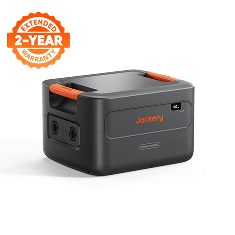
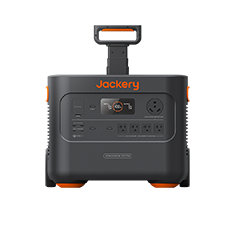
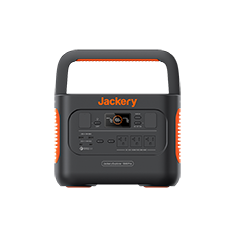
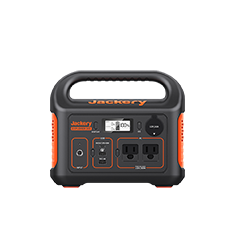
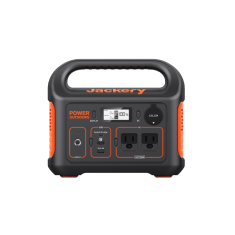
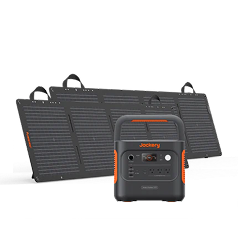
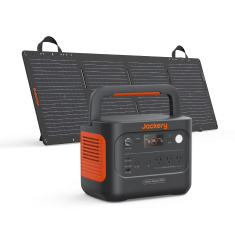
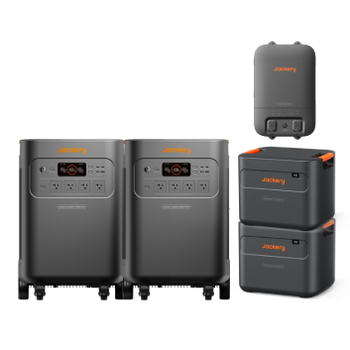
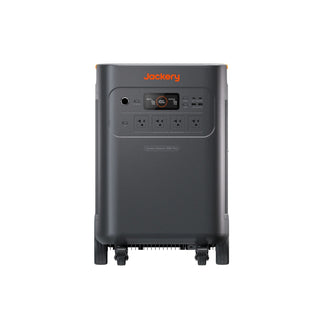
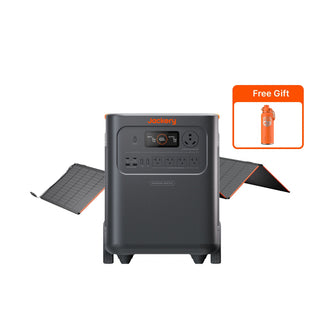
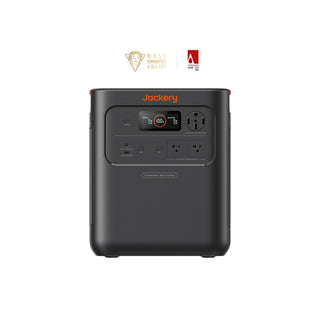
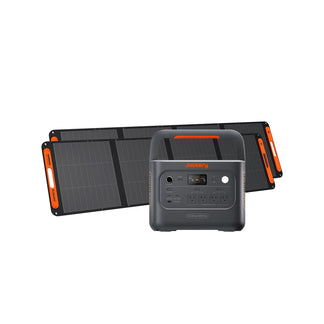
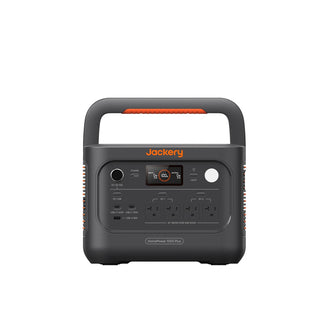
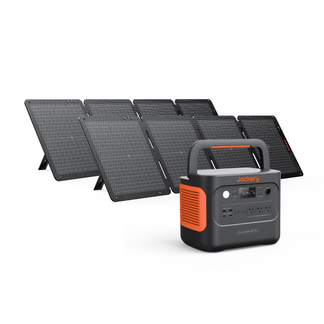
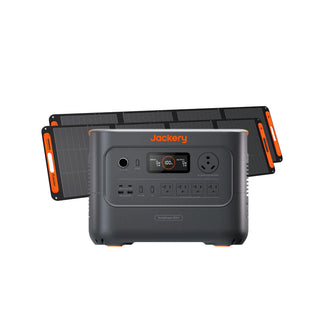
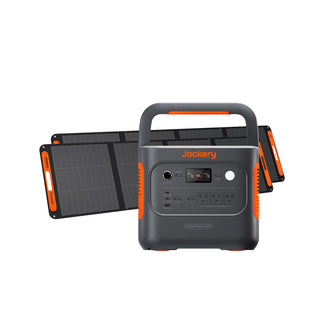
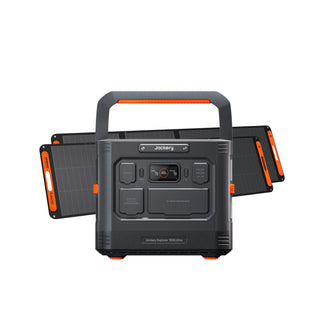
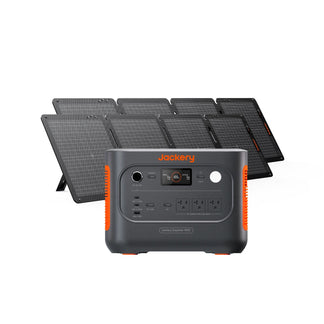
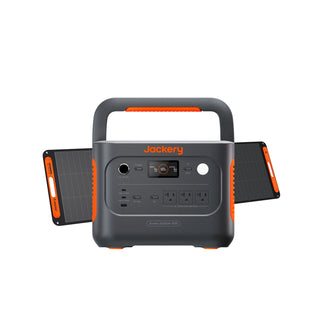
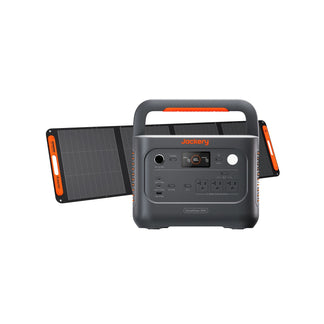
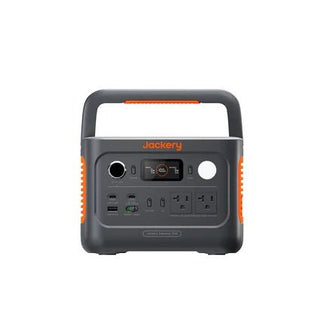
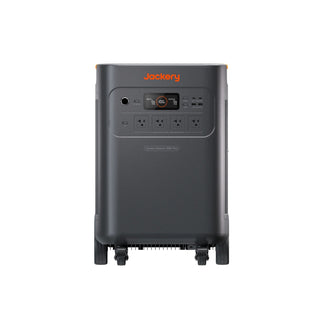
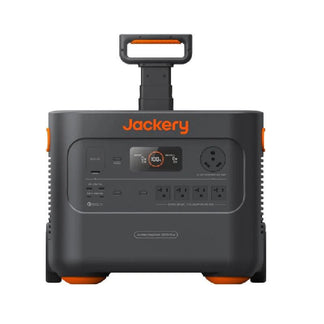
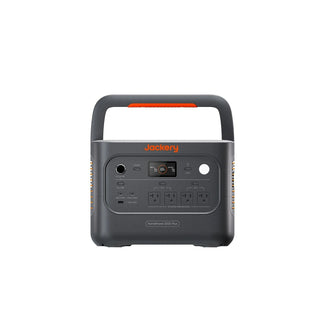
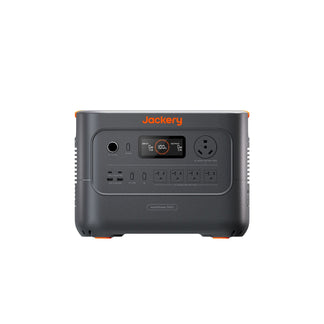
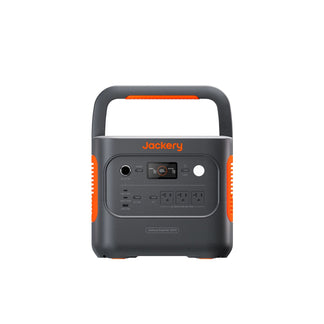
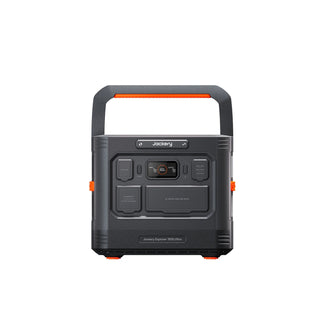
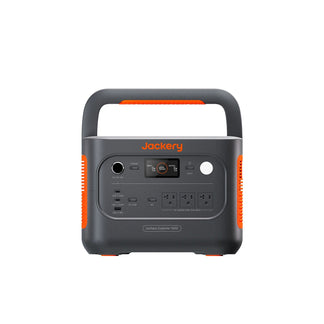
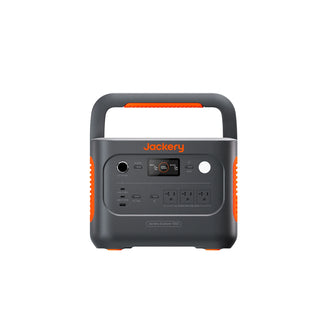
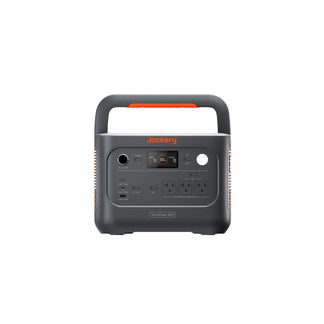
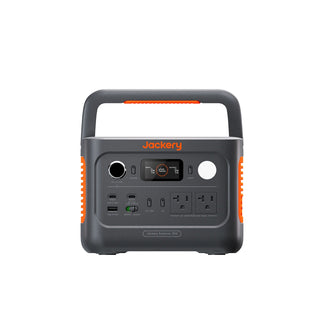
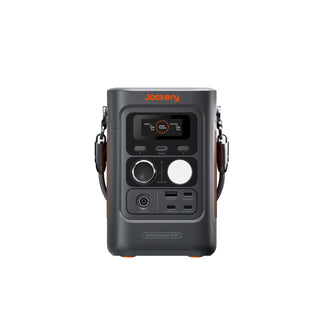
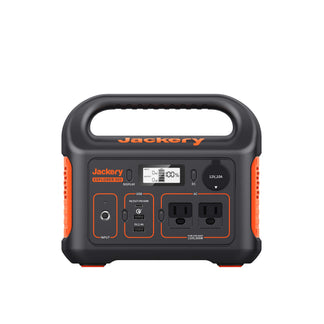
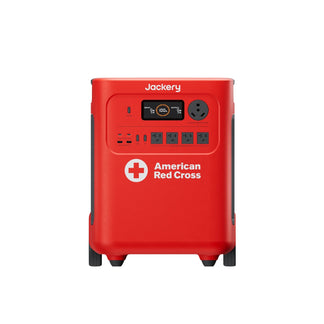
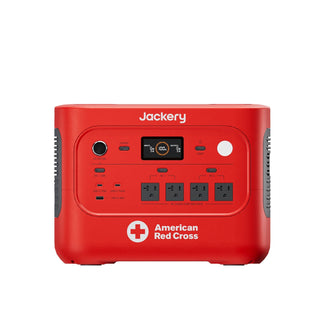
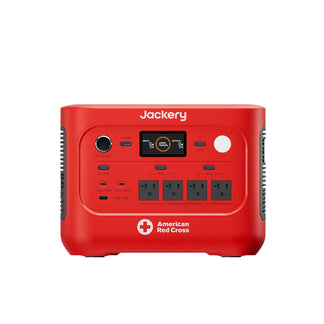
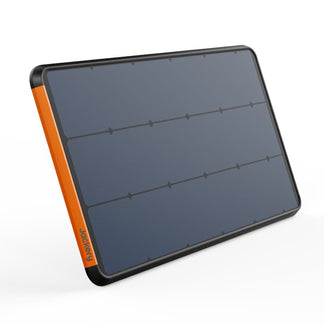
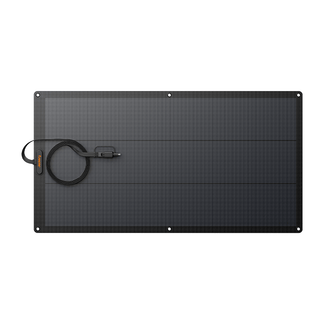
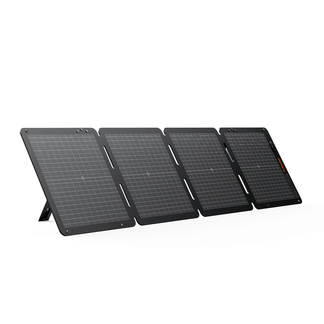
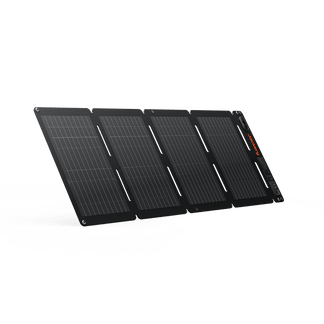
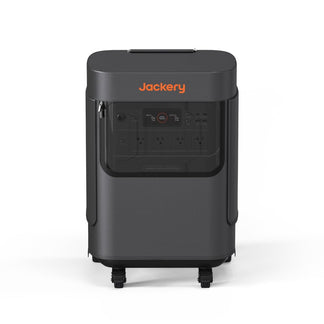
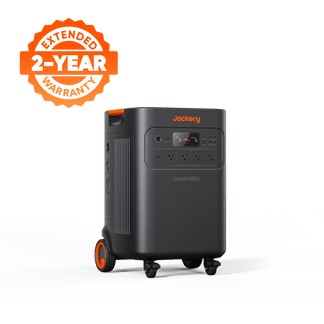
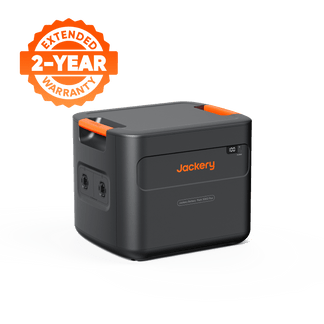
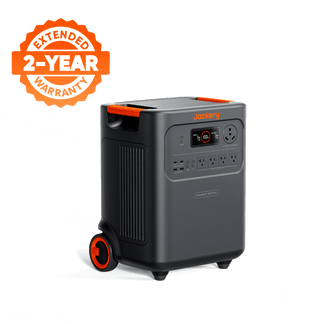
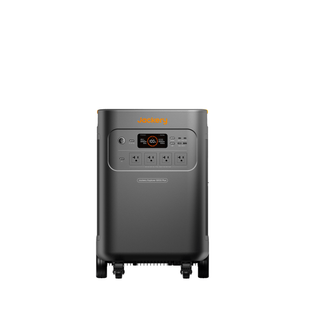
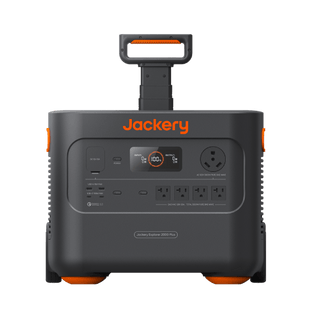
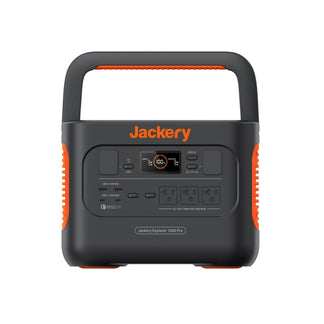
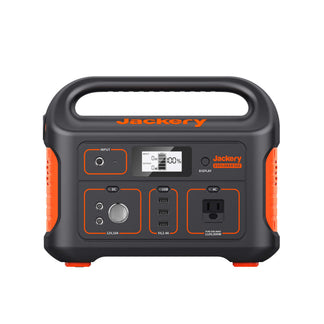
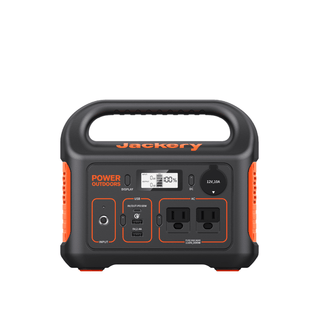
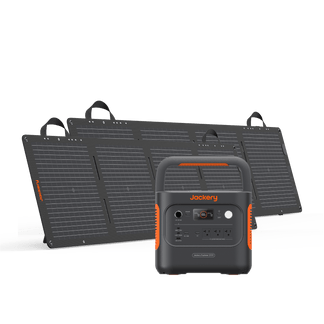
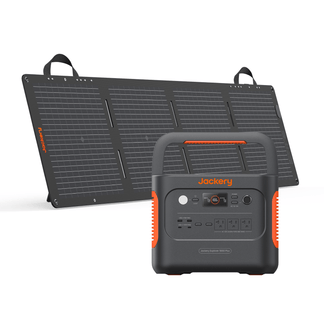
A small solar setup that actually works during a heatwave needs three things: enough surge capacity to start a compressor, enough battery to last overnight, and panels that charge fast in real-world sunlight. Jackery's portable power stations and solar generators are built for exactly this use case — essential home backup cooling without permanent installation.
Feature |
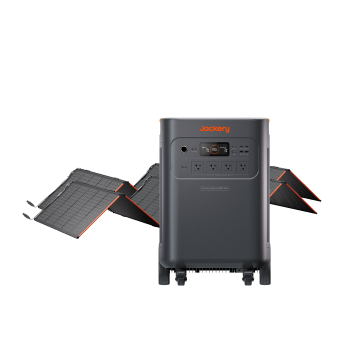
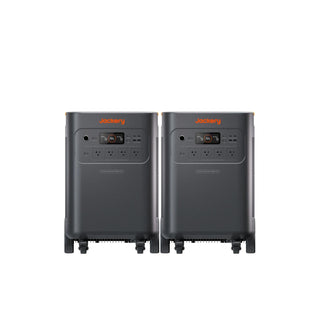
Jackery Solar Generator HomePower 3600 Plus + SolarSaga 500X |
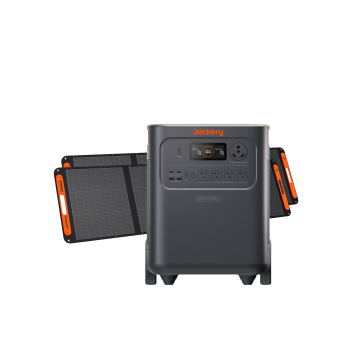
Jackery Solar Generator 2000 v2 |
|---|---|---|
Battery Capacity |
3,584Wh (expandable to 21.48kWh) |
2,042Wh LiFePO₄ |
Continuous / Surge Power |
3,600W / 7,200W |
2,200W / 4,400W |
AC Runtime (Portable/Window AC) |
3 Hours (1000W unit) |
2.0 Hours (900W unit) |
Panel Compatibility |
SolarSaga 500X (500W) |
SolarSaga 100W (2 included) |
Ideal For |
Extended blackouts, AC cooling + fridge + lights |
Overnight fan cooling, portable AC, bug-out scenarios |
Frequently Asked Questions (FAQ)
How long does it take to recharge a portable power station with solar? A 200W panel recharges a 500Wh battery in roughly 3–4 peak sun hours. A 500W panel recharges a 1,500Wh battery in 3–4 hours. Actual time varies with sun angle and cloud cover.
Can I use a portable solar generator in an apartment? Yes — portable panels can be placed on a balcony, deck, or leaned against a south-facing window. No roof mounting or permanent installation is required.
What's the difference between a solar generator and a gas generator for cooling? Solar generators operate silently indoors with no fumes and zero fuel cost. Gas generators produce noise, exhaust, and require stored fuel that degrades over time. Solar works best for overnight fan cooling; gas handles extended high-wattage AC use as a backup.
How many years does a LiFePO₄ battery last? LiFePO₄ batteries typically deliver 3,000–5,000 full charge cycles — roughly 10–15 years of regular use — before capacity drops below 80%.
Do portable solar panels work on cloudy days? Yes, but at reduced output — typically 10–25% of rated wattage depending on cloud density. This is why battery capacity and a backup charging method matter for multi-day heatwave events.


