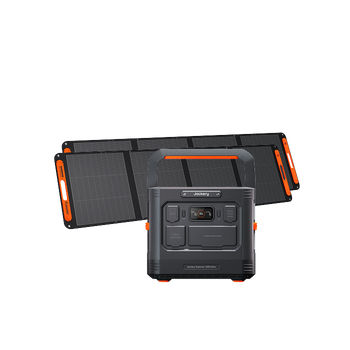
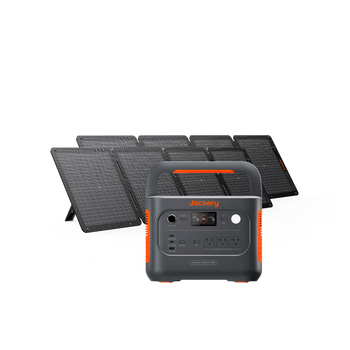






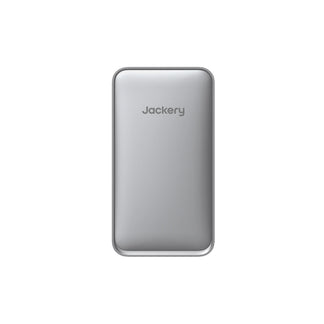
![[Add-on] Jackery SolarSaga 500 X - Jackery](http://www.jackery.com/cdn/shop/files/add-on-jackery-solarsaga-500-x-1493607.webp?v=1786503068&width=324)
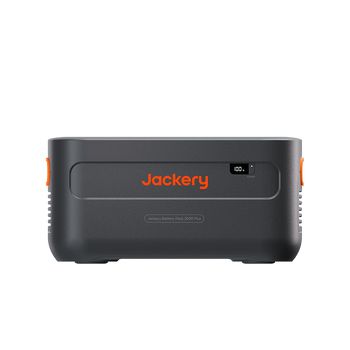
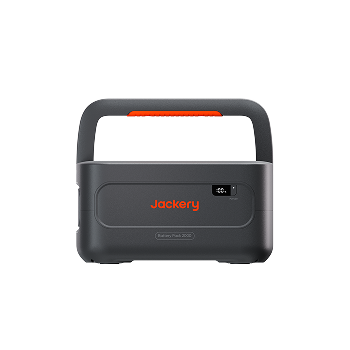
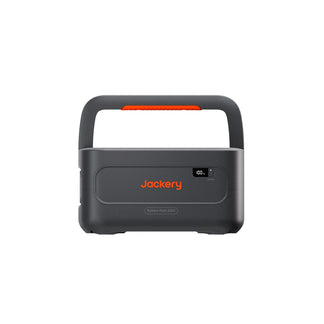
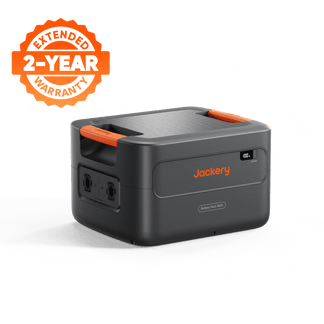
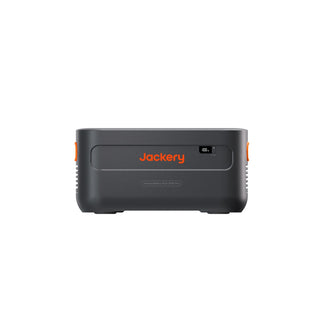
![[Add-on] Jackery Battery Pack 5000 Plus - Jackery](http://www.jackery.com/cdn/shop/files/add-on-jackery-battery-pack-5000-plus-6713401.webp?v=1786503068&width=324)


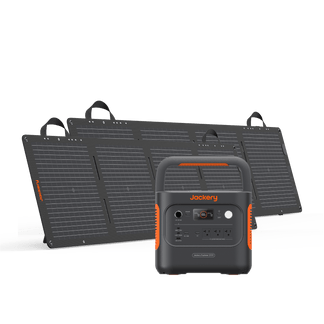
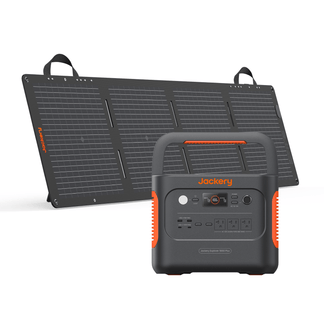
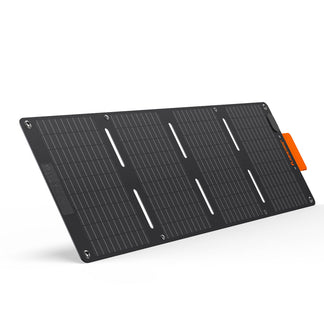


Quick Answer: A 400W foldable solar panel with a 2,000+ watt-hour power station can run a fridge, lights, and phones during an outage, delivering roughly 1,600 watt-hours daily. Real-world output is 85–93% of the rating, and open-circuit voltage can spike past your station’s limit in cold weather. Match voltage carefully, account for losses, and you’ll have silent, fuel-free backup.
Key Takeaways
- A 400W panel realistically outputs 320–370W under optimal sun; apply a 0.8 derating factor for daily energy estimates.
- Open-circuit voltage (Voc) rises as temperature drops — a 48V Voc panel can hit 52V, so always leave at least 10% headroom below your power station’s maximum input.
- Daily production in 5 peak sun hours: roughly 1,600 Wh, enough to cover a fridge (1,200 Wh) plus LED lights and device charging.
- Two 200W panels often beat a single 400W: lower voltage per panel adds safety margin, lets you angle panels in different directions, and halves the weight per carry.
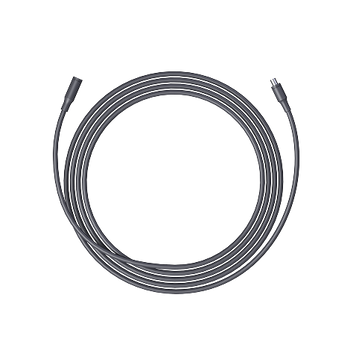
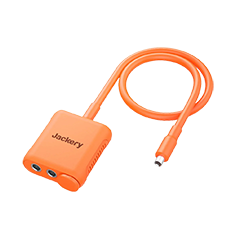
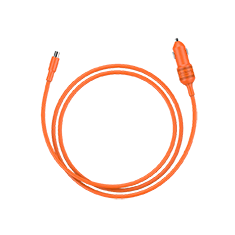
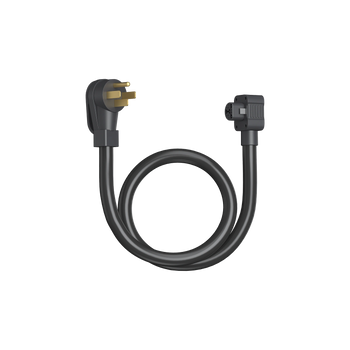
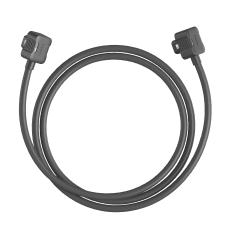
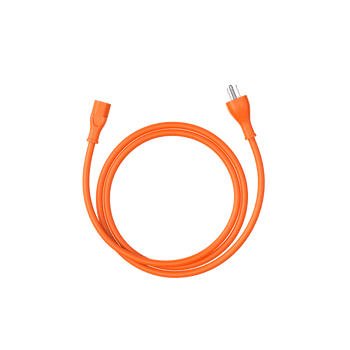
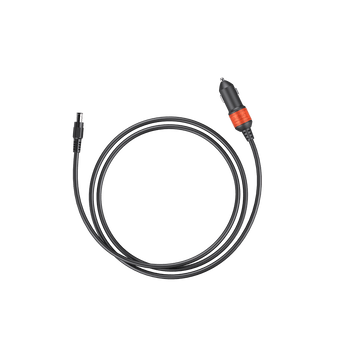
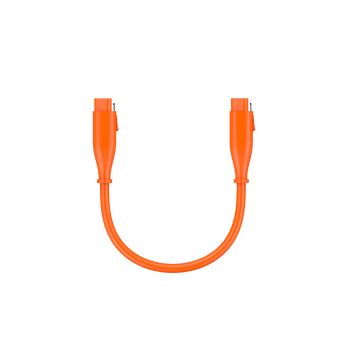
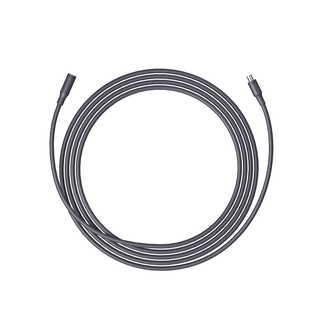
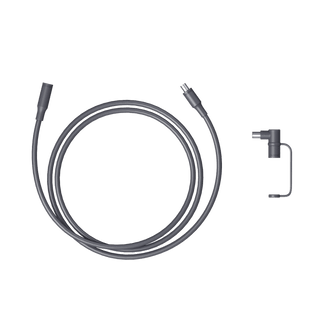
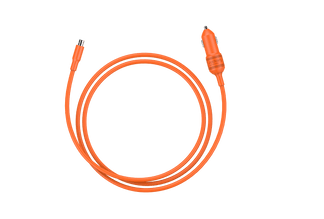
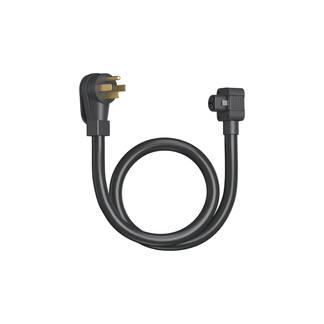
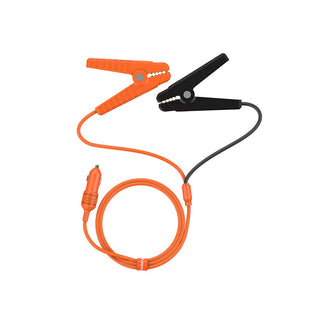
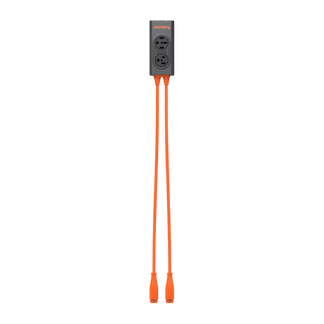
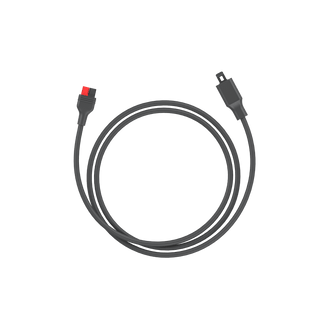
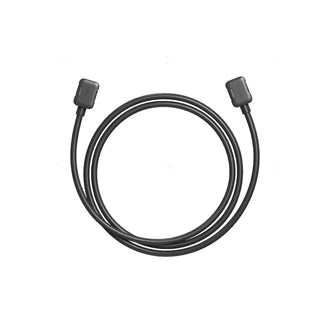
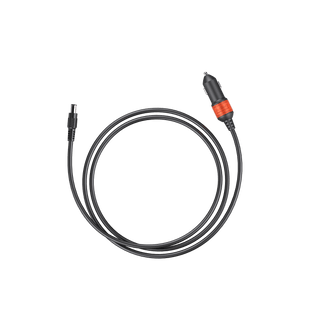
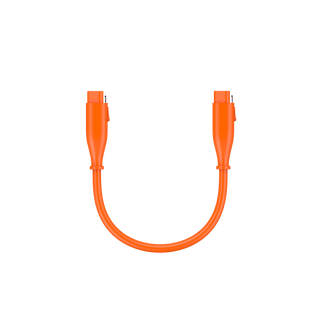
- Extension cables—use only those recommended for your panel and power station combination to avoid power loss over distance.
Why 400W Foldable Panels Are the Sweet Spot for Grid-Down Scenarios
A 400W panel easily covers a typical 230W continuous load (fridge, lights, devices) with headroom for clouds. Sizing: daily Wh need ÷ 4 peak sun hours × 1.3 buffer = minimum array. For 1,000 Wh, that’s 325W — a 400W panel provides comfortable margin.
- Weight & transport: A typical 400W foldable weighs 35–36 lbs and needs a vehicle; not backpack-friendly.
- Charging speed: Roughly 50% faster than a single 200W model.
- Deployment: Solo setup on a windy day is awkward.
- Durability: Hinges are the weak point — even IP68-rated, ETFE-laminated panels can fail at the folds after hundreds of cycles.
- Best use: Stationary emergency kit in the garage — silent, fuel-free power. When the grid is down for days, solar panels keep producing as long as sunlight hits them — no gas cans, no noise, no exhaust.
Real-World Wattage: What You Actually Get from a 400W Rated Panel
No 400W panel produces 400W in the real world. Under ideal conditions — full sun, 25°C cell temperature, perfect tilt — you’ll see 340–370W, about 85–93% of the STC rating. Apply a 0.8 derating factor and expect roughly 320W at midday. That’s the number to use for sizing.
Peak sun hours vary by location:
Region |
Peak Sun Hours (average) |
Southwest |
4–6 hours |
Midwest |
3–4 hours |
Pacific Northwest (winter) |
2.5–3.5 hours |
Daily yield = rated wattage × derating × peak sun hours
With 5 PSH and a 0.8 factor: 400W × 0.8 × 5 = 1,600 Wh. That’s enough to run a typical refrigerator (1,200 Wh/day) plus charge a phone and laptop. Fridges vary widely in consumption, so check your unit’s kill-a-watt reading rather than relying on nameplate numbers.
- Heat loss: Monocrystalline panels lose 0.35–0.4% per °C above 25°C. On a 40°C day, a 400W panel drops about 21W — roughly 5% of rated output.
- Partial shade: Without bypass diodes (rare in foldables), a single shadow across a small section can halve the entire panel’s output. Keep the panel fully unshaded from sunrise to mid-afternoon.
Voltage Matching: Why You Can’t Just Plug Any Panel Into Any Power Station
- Voc danger: Many 400W foldable panels carry a 48V open-circuit voltage (Voc) — dangerously close to, or over, the 40V input cap common on smaller units.
- Station limits: A Jackery Explorer typically accepts 12–60V, but other brands top out at 40V. Always check your station’s published maximum.
- Cold-weather spike: At 0°C, a 48V Voc panel rises to about 52V; leave at least 10% headroom below the limit.
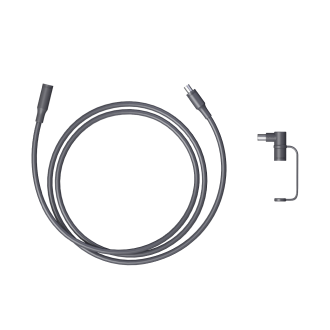
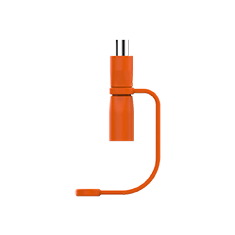
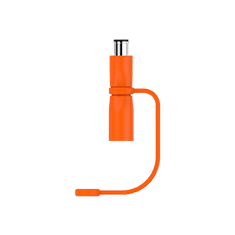
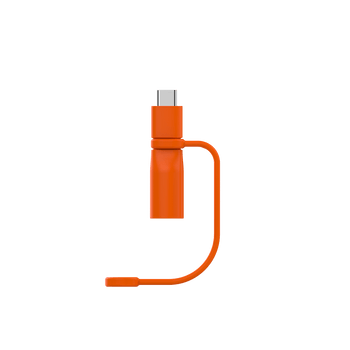
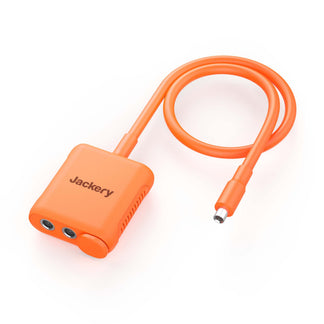
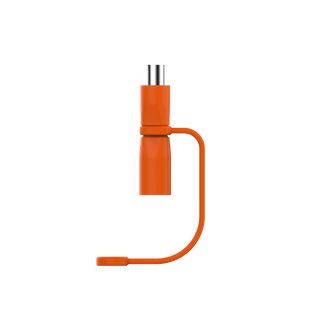
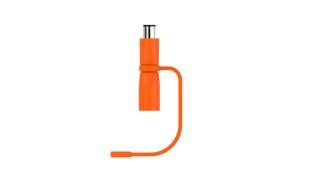
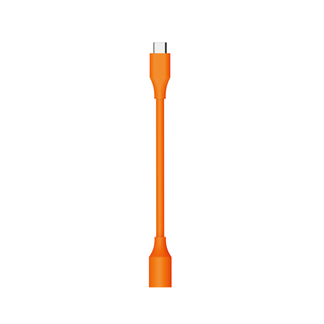
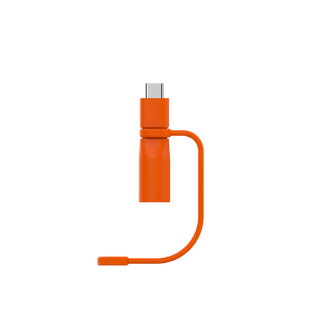
- Connectors: Most 400W panels terminate with MC4, but Jackery stations use DC7909 or DC8020 barrel plugs. You’ll need a $15–24 adapter — verify polarity (inner positive) before plugging in.
- Wattage limits: If the panel’s wattage exceeds the station’s max solar input rating, the MPPT controller may throttle or shut down.
- MPPT advantage: MPPT technology, standard in modern portable stations, extracts 20–30% more power than PWM and handles high-voltage panels efficiently.
A single 400W panel vs. two 200W panels isn’t just about weight — it’s about voltage safety:
Configuration |
Typical Voc per panel |
Safety margin (40V station limit) |
Portability |
1× 400W |
48V (up to 52V cold) |
Exceeds limit on many units |
35–36 lbs, one carry |
2× 200W parallel |
24V each |
Well within 40V cap |
~18 lbs each, easier to move |
Two 200W panels let you angle one east and one west, capturing more total sun, and a single panel failure doesn’t kill your entire charging capability.
Sizing Your Emergency Backup: Panel, Battery, and Load Matching
Pair a 400W panel with at least 1,000 Wh of battery capacity — 2,000+ Wh is better for cloudy-day reserves — to keep essentials running after sunset. In 4 good sun hours, the panel can refill a 1,000 Wh battery. The sizing formula is straightforward.
(Running Watts × Hours Used) ÷ 1,000 = Daily kWh
Example: A 150W fridge running 8 hours plus 20W in lights for 5 hours = (150×8 + 20×5)/1,000 = 1.3 kWh/day. A 400W panel in 4 PSH at 0.8 derating yields 1,280 Wh — just barely enough. Adding a 30% buffer pushes daily need to 1,700 Wh, which demands a larger battery or a second panel.
Two 200W panels often outperform a single 400W for emergency flexibility. They’re about 18 lbs each, making them manageable for one person, and orienting them in different directions captures a wider daily sun window. Modern power stations have built-in MPPT, so no separate charge controller is needed — just connect the panel with the correct adapter.
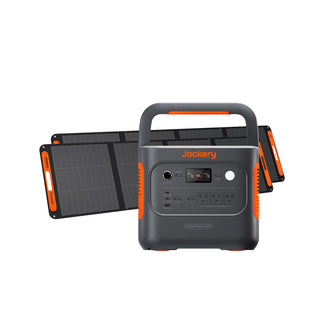
For a complete emergency kit, you need:
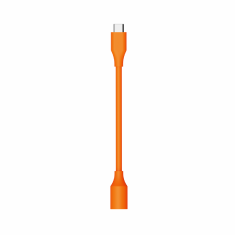
- Panels with the right adapter: ensure compatibility with your power station’s input.
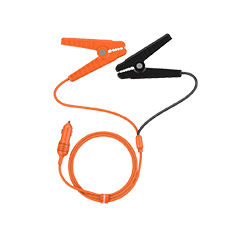
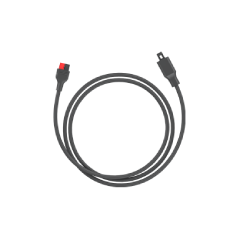
- Solar extension cable: compatible with your panel’s connectors and rated for the current and distance.
- Power station: at least 2,000 Wh capacity.
- Fuse or disconnect: for safety.
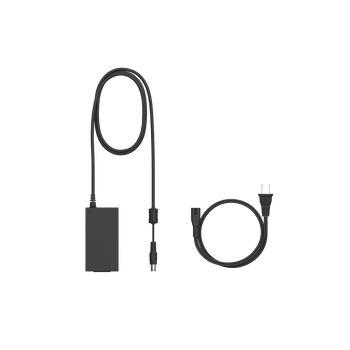
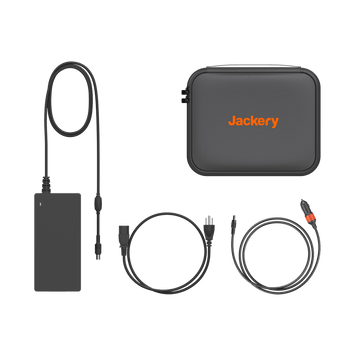
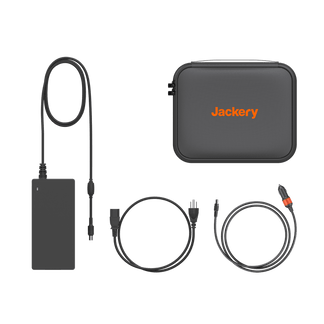
Knowing what’s included in the box prevents last-minute scrambles for missing adapters.
Common Mistakes When Pairing 400W Panels with Power Stations
- Ignoring Voc voltage limits. The most expensive error: plugging a 48V Voc panel into a 40V-capped station. The MPPT circuits can fry instantly. Before buying, confirm both Voc (especially cold-adjusted) and the station’s published input range.
- Skimping on extension cable quality. Low-quality or inappropriately sized extension cables can silently erase your panel’s headroom. Always select cables specifically designed for solar and rated for your panel’s current and run length.
- Laying panels flat on the ground. A flat panel yields 20–40% less than one tilted to your latitude. The built-in kickstands on foldable panels help, but you must adjust the angle every 2–3 hours to track the sun. Flat deployment turns a 400W panel into a 250W performer.
- Skipping local peak-sun-hour research. Using generic 5-hour assumptions in a 3‑PSH region overestimates daily yield by 40%. Check NREL’s PVWatts tool for your zip code before sizing the battery.
- Assuming partial shade doesn’t matter. Foldable panels lack bypass diodes. A shadow from a tree branch can cut output by half or more. The panel must be fully exposed from mid-morning onward.
Product Recommendations: Matching 400W Performance with Jackery’s Modular Ecosystem
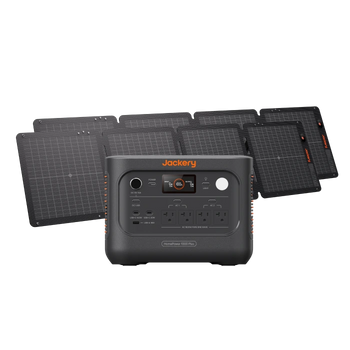
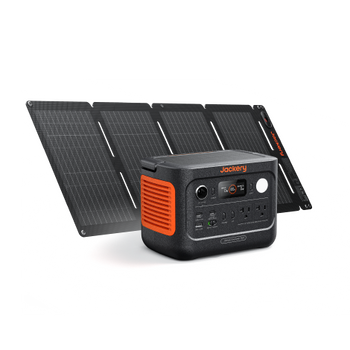
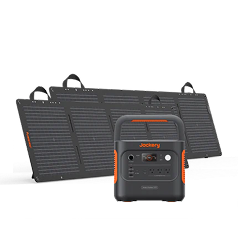
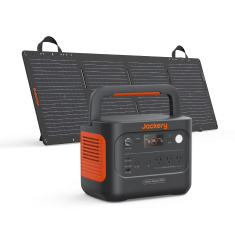
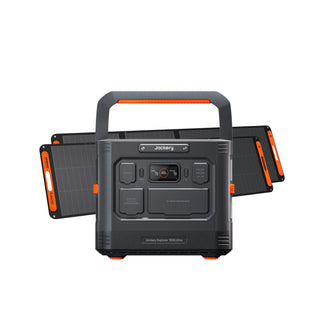
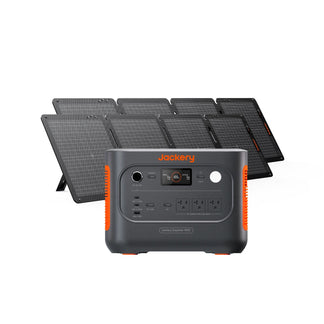
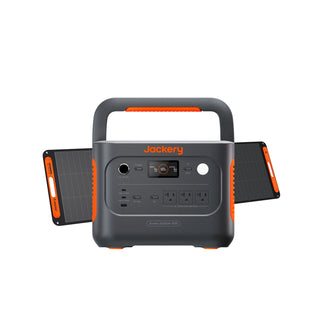
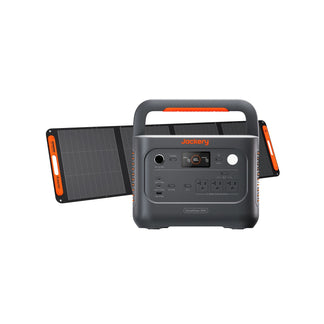
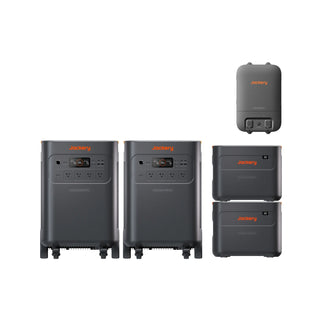
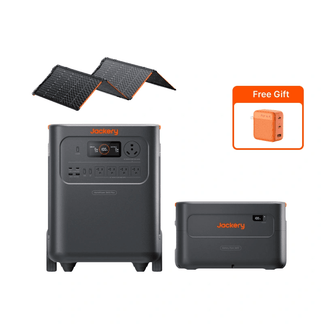
Jackery’s foldable panels and LiFePO4 power stations are designed to work together without a separate charge controller. For a 400W-class emergency setup, two products stand out.
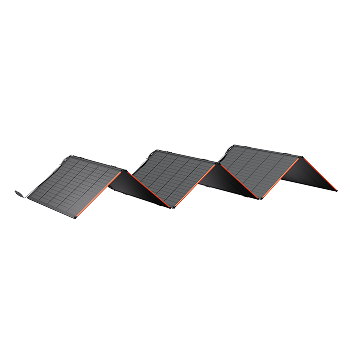
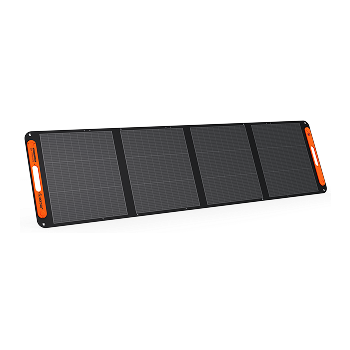
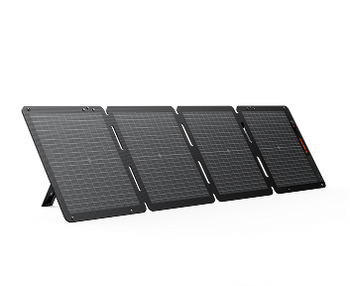
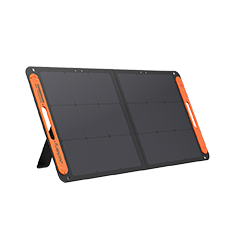
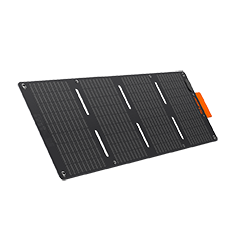
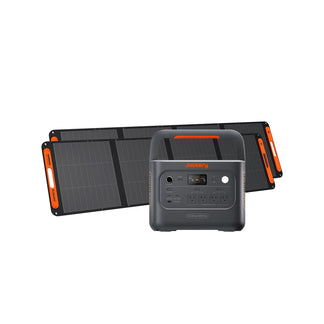
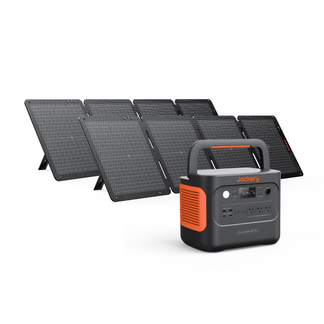
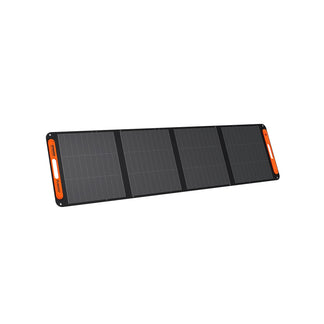
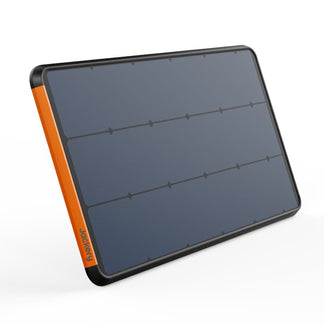
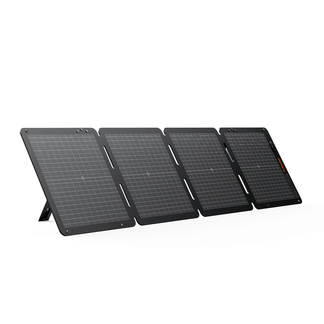
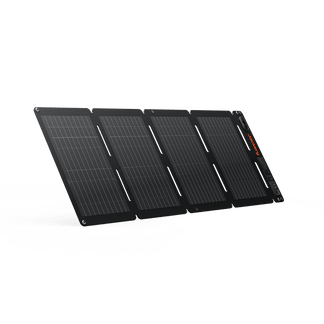
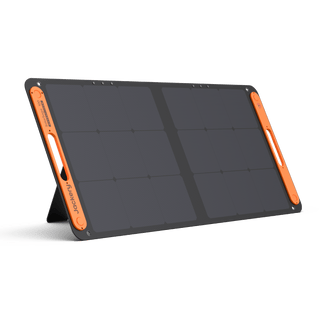
Jackery SolarSaga 500X Solar Panel
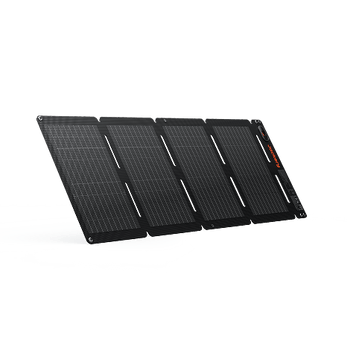
Though rated at 500W, the Jackery SolarSaga 500X’s real-world output sits around 400W after derating — exactly the performance target for this guide. Its bifacial TOPCon cells capture light from both sides, hitting 25% efficiency. IP68 means you don’t panic if rain hits during a prolonged outage.
Feature |
Specification |
Key Benefit |
Peak power |
500W (STC) |
~400W real, fits backup sizing |
Cell type |
Bifacial TOPCon monocrystalline |
25% efficiency, captures reflected light |
Weatherproofing |
IP68 |
Resists rain, dust, -40°F to 185°F |
Output connector |
MC4 |
Use DC8020/DC7909 adapter for Jackery stations |
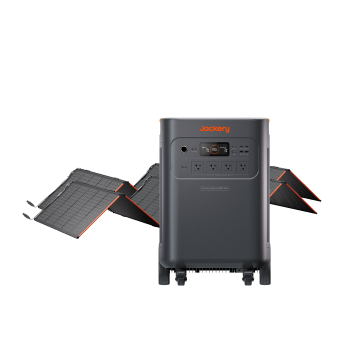
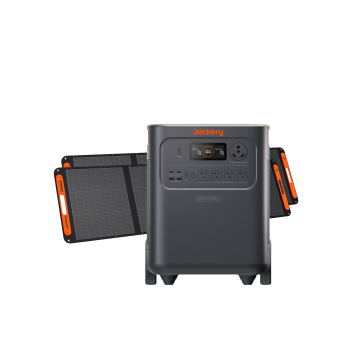
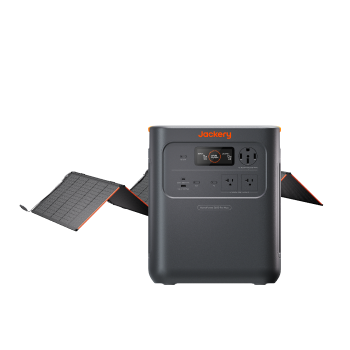
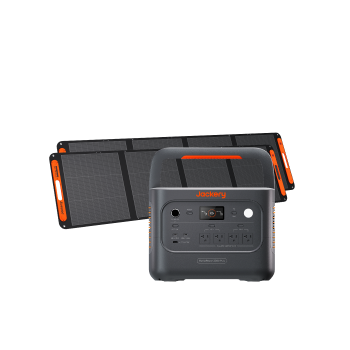
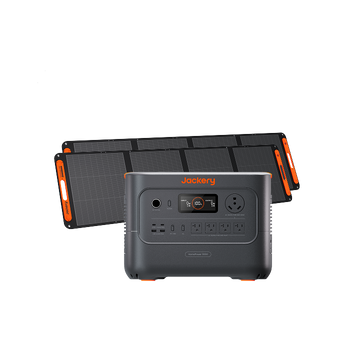
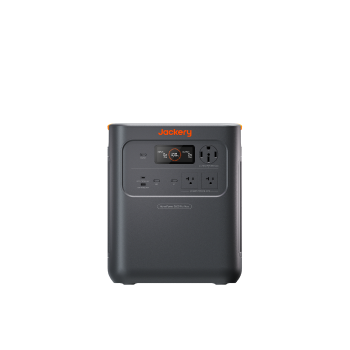
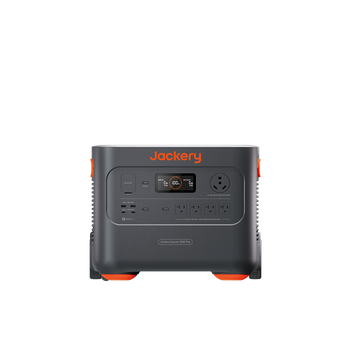
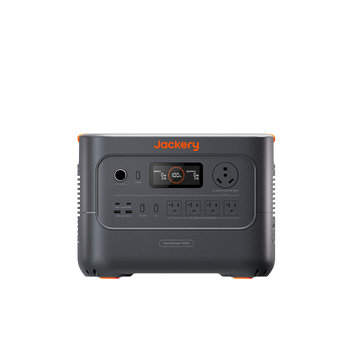
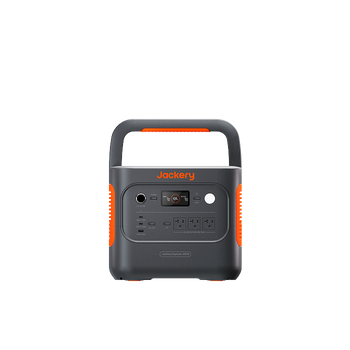
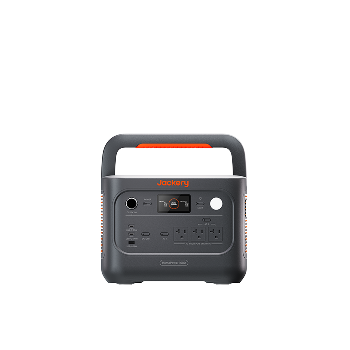
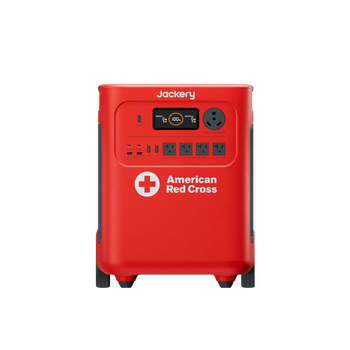
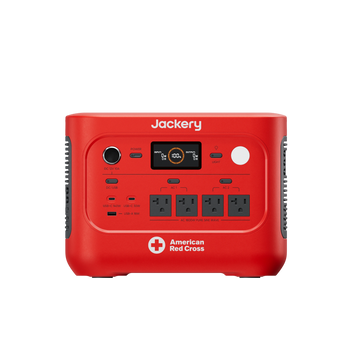
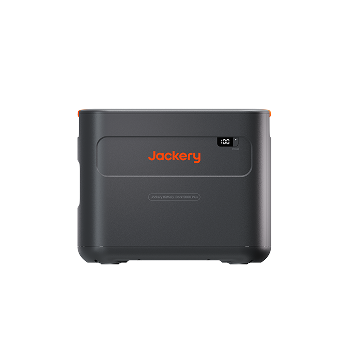
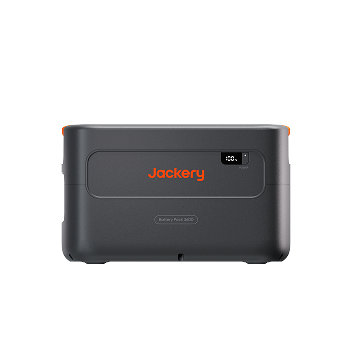
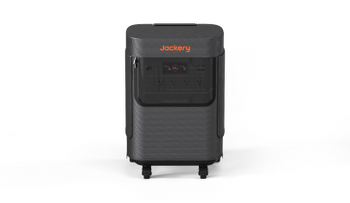
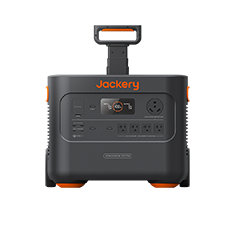
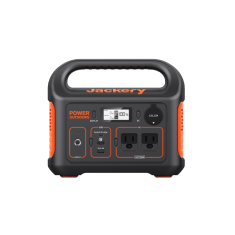
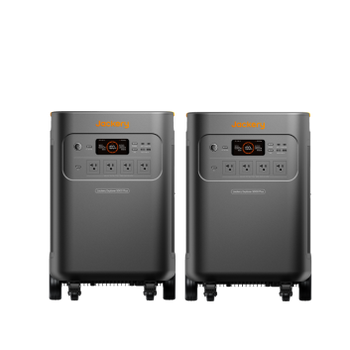
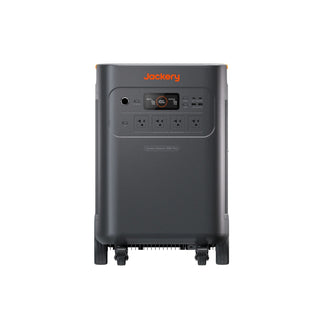
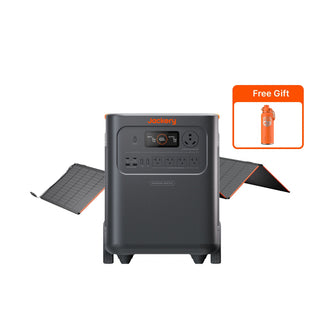
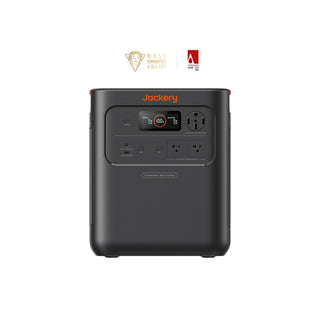
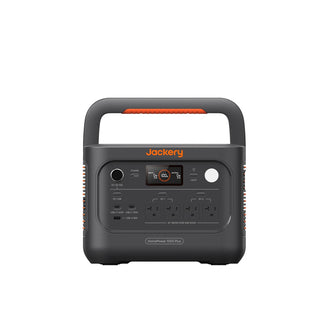
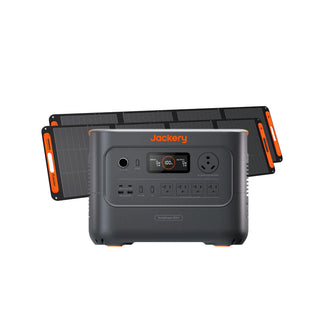
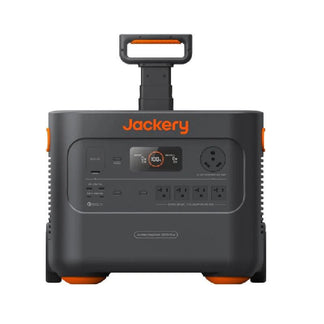
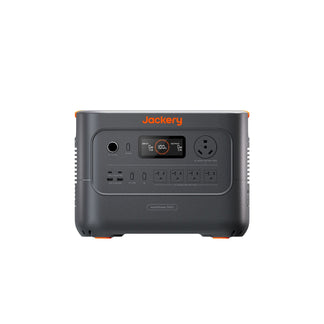
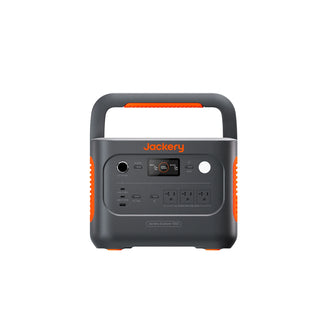
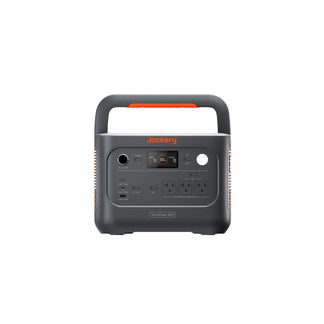
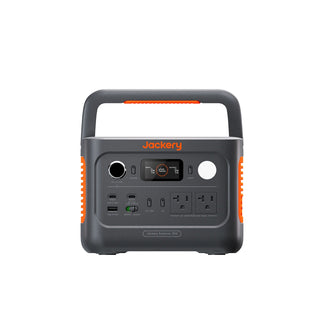
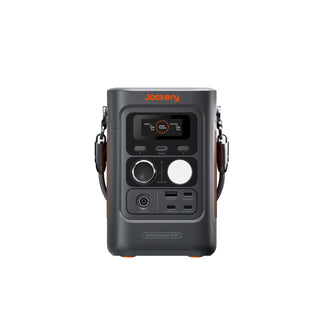
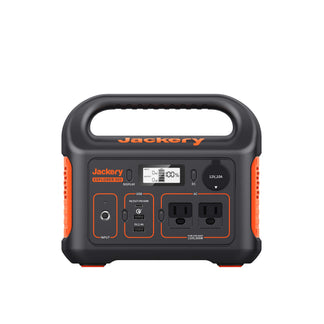
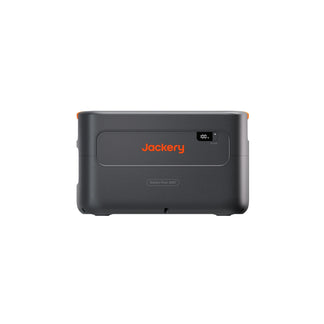
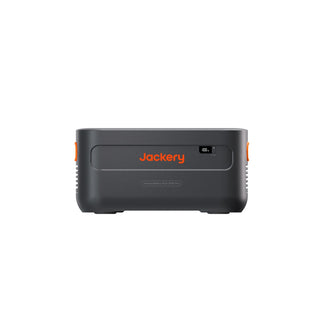
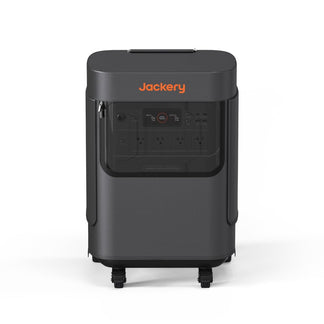
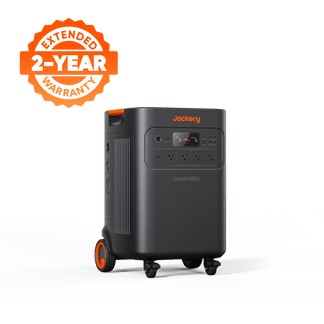
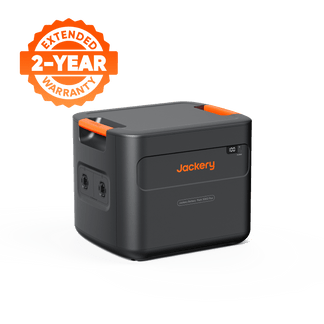
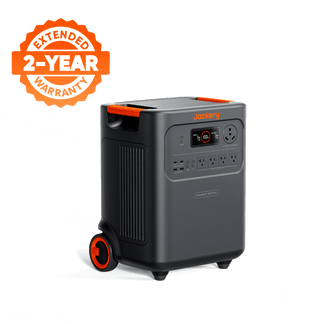
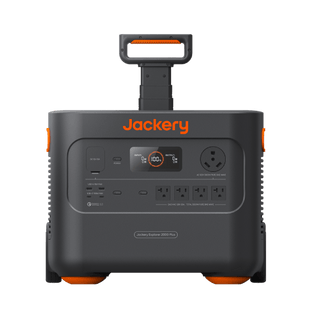
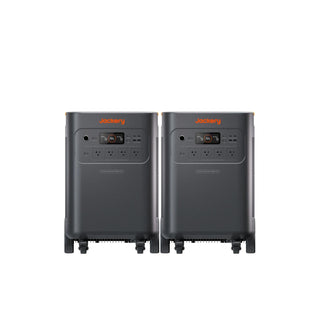
Jackery Explorer 2000 v2 Portable Power Station
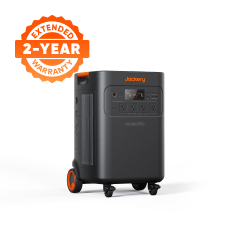
The 2,042Wh Explorer 2000 v2 delivers 2,200W continuous (4,400W surge), enough to start and run a household refrigerator while keeping lights and a router on. Its UPS switchover is under 20ms — seamless for electronics. In a blackout, you can recharge it from a 400W panel in about 5–6 hours of full sun.
Feature |
Specification |
Key Benefit |
Usable capacity |
2,042Wh (LiFePO4) |
3,000+ cycles, decade-plus life |
Continuous output |
2,200W |
Runs fridge (520W) for 3.2h |
Solar input |
1,200W max (12–60V) |
Handles multiple panels; 7.5h with 400W input |
AC charging |
Super Charge 0–100% in 1.7h |
Rapid top-up before a storm |
UPS |
<20ms switchover |
Keeps modems and computers alive |
A portable air conditioner is a heavy load — the Explorer 2000 v2 can handle a small unit briefly, but for sustained cooling you’ll need more battery and solar input. This panel-station combo covers the essential backup tier: refrigeration, lights, communications, and a fan.
Frequently Asked Questions
How long do 400W foldable solar panels last?
High-quality foldable panels last 5–10 years under reasonable use. Cell degradation is minimal, but the folding hinges and junction boxes are the most common failure points.
Can I connect two 400W panels in series?
It depends on your power station’s input voltage and current limits. Most portable stations are designed for parallel connections within their total wattage, not series, which can exceed voltage limits and damage the unit. Check the station’s specifications and only use the manufacturer-recommended connection method.
What is the best way to store a foldable panel long-term?
Keep it in its original case in a cool, dry location. Avoid stacking heavy items on top of folded panels, as pressure on the hinges causes premature wear.
Do I need a separate charge controller for a 400W panel?
If your power station has a built-in MPPT, no external controller is needed. Otherwise, add an MPPT unit rated for the panel’s Voc and current.
Will a 400W panel charge a power station in cloudy weather?
Yes, but at a fraction — heavy overcast yields only 10–20% of rated power. A 400W panel might produce 40–80W, stretching recharge time from hours to days.


