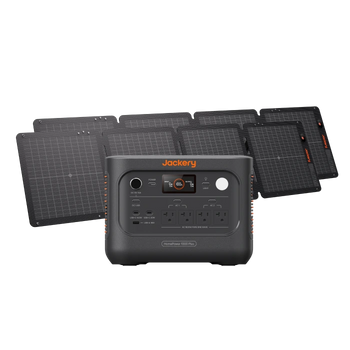


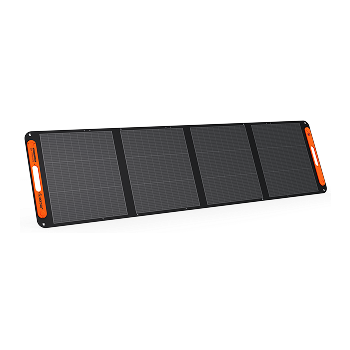
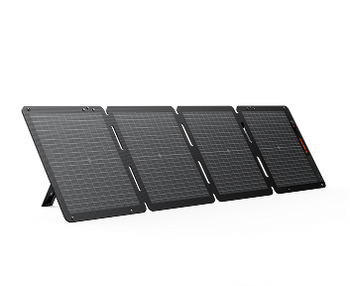
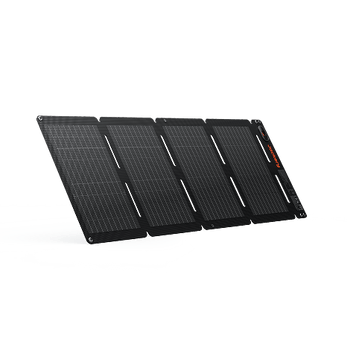










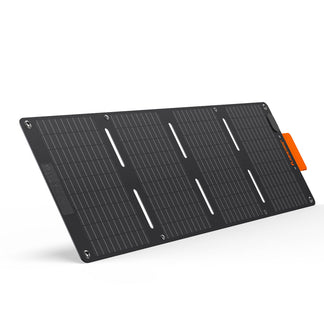
![[Add-on] Jackery SolarSaga 500 X - Jackery](http://www.jackery.com/cdn/shop/files/add-on-jackery-solarsaga-500-x-1493607.webp?v=1786503068&width=324)
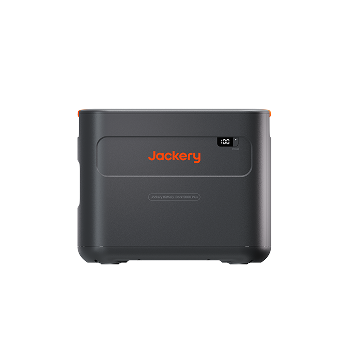
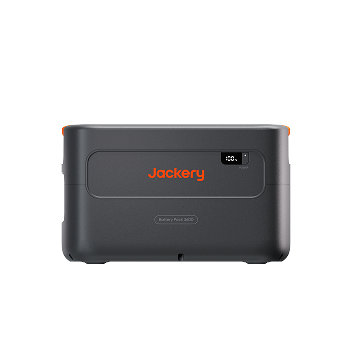
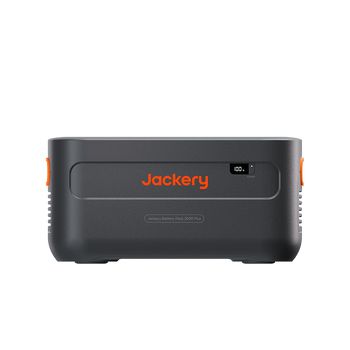
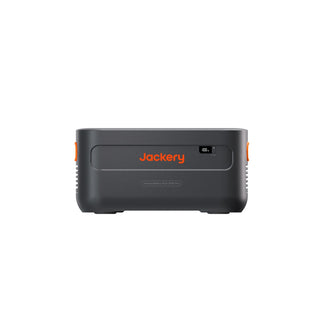
![[Add-on] Jackery Battery Pack 5000 Plus - Jackery](http://www.jackery.com/cdn/shop/files/add-on-jackery-battery-pack-5000-plus-6713401.webp?v=1786503068&width=324)
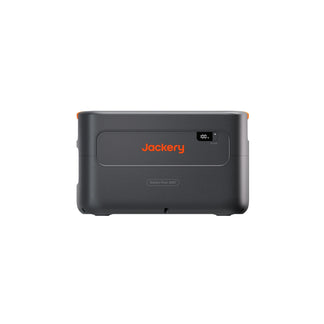
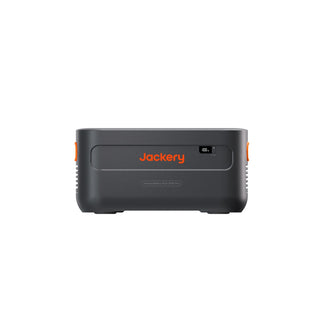
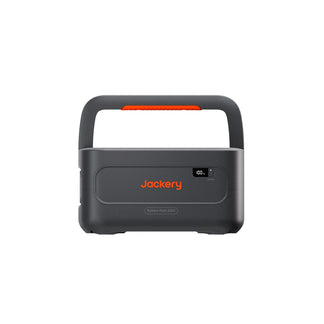







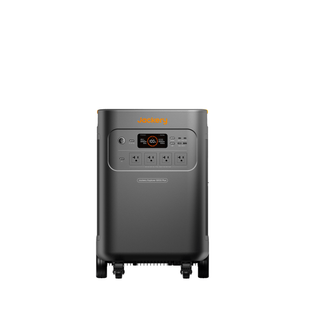
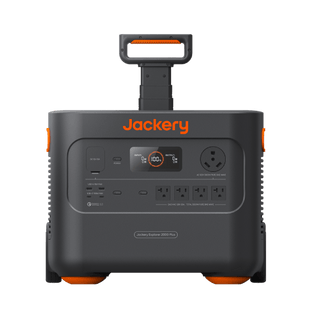
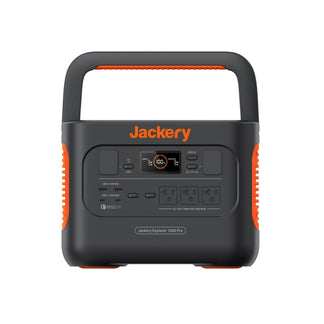
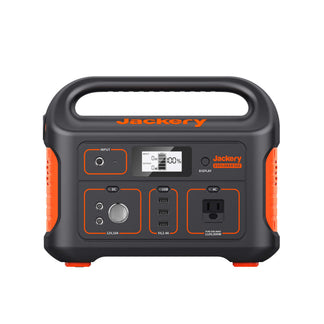
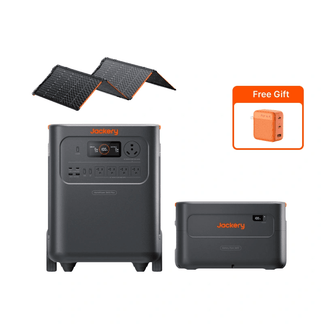


Quick Answer: A portable solar generator cannot power a whole house’s central air conditioning or electric heat, but a modular system with 2–4 kWh of LiFePO4 battery storage and a high-surge inverter can keep your refrigerator, lights, router, and other critical loads running through most short outages. For true whole‑home backup, you need a permanently installed 30–50 kWh battery system costing $20,000–$50,000. A smarter approach: start with a $2,500–$5,200 modular power station, cover essential circuits, and scale up over time.
Key Takeaways
- A 2 kWh solar generator powers a fridge, router, and lights for about a day; adding an expansion battery doubles runtime and appliance coverage.
- Whole-home backup systems cost $20,000–$50,000+ installed, but 80% of outage needs can be met for $3,200–$5,200 with strategically sized portable storage.
- Inverter surge capacity is the hidden bottleneck—most portable units can’t start central AC compressors, so load prioritization is critical.
- Modular, expandable systems let you start small and grow without replacing hardware; a two-year upgrade path keeps initial investment under $2,500.
- Solar recharging in winter requires 3× more panel wattage due to snow and low sun; hybrid grid‑plus‑battery setups offer the most reliable backup.
Why Whole‑Home Backup Rarely Makes Sense for Short Outages
The average US power outage lasts under 24 hours. For 95% of households, resilience means surviving a half‑day to two‑day outage, not going off‑grid permanently. Focusing on critical loads cuts the necessary battery size by 40–60%.
Tier 1 loads—refrigerator, Wi‑Fi router, lights, phone charging—consume just 1.5–2.5 kWh per day. Add Tier 2 items like a sump pump or small portable AC, and daily demand rises to 3–5 kWh. A modular system covering Tier 1 and Tier 2 typically costs $10,000–$18,000, not $40,000+. That matches 80% of real outage needs without the complexity of a whole‑home circuit panel.
Inverter surge capacity is the real bottleneck. A central AC compressor’s starting surge hits 3.6–4.8 kW. Most portable power stations use inverters rated 5–11 kW surge, which can’t reliably start a central unit while other loads are running. For emergency backup, skip the central AC and run a high‑efficiency window unit or fan instead.
The Appliance Triage: What a 2–4 kWh System Actually Runs
A 2 kWh unit can run a refrigerator, Wi‑Fi router, and LED lights for nearly a full day:
- Refrigerator: 1.6 kWh/day (compressor cycles)
- Wi‑Fi router: 0.36 kWh/day
- Six hours LED lighting: 0.25 kWh/day
That totals 2.21 kWh—nearly a full day of autonomy. The fridge’s compressor surge, 2–3× its running wattage, is the primary constraint. The running wattage itself isn’t the issue; it’s whether the inverter can absorb that brief, high‑current spike.
Add a second 2 kWh expansion battery (total 4 kWh), and you also cover a laptop workstation, a microwave for short reheating, and a small fan overnight. The extra capacity buys about another day or the ability to run a second high‑priority appliance.
Load‑shedding habits double runtime without adding battery capacity:
- Microwave timing: Delay running a microwave until after the fridge compressor cycles off.
- Lighting: Turn off non‑essential lights.
- Window AC: Run a window AC only when temperatures peak.
Size your system to your critical daily load plus a 20–25% buffer for cloudy days or longer events. If your essential loads consume 2.5 kWh/day, target 3‑kWh usable storage. You don’t need 30 kWh for a 24‑hour outage.
For a deeper dive on building a secure power backup for home appliances, read how to protect your essentials with a portable power station.
2026 Cost Reality: What Portable Backup Actually Costs
Residential battery storage costs $800–$1,300 per usable kWh installed in 2026. A 4 kWh modular system runs $3,200–$5,200 for the batteries alone. Add 400–800W of portable solar panels, and the total rises to $4,000–$6,500.
The modular approach keeps upfront investment low. You buy only the capacity you need today and expand later without replacing the core unit. That contrasts with a $20,000+ installed home battery where you pay for 30 kWh on day one, even if you only use 10% of it during most outages.
Inverter Sizing: The #1 Mistake Beginners Make
Ignore startup surge power and your system trips instantly. Refrigerators, sump pumps, and AC compressors draw 2–3× their running wattage for a split second when they cycle on:
- Refrigerator (150W running): 450W surge
- ½‑HP sump pump: 1,500–2,400W surge
- Central air: 3.6–4.8 kW surge
For a whole house with central AC or a well pump, you’d need a 15–20 kW inverter (or stacked units) to handle those surges. An 8 kW inverter is not enough for a 2,000 sq. ft. home with HVAC—a common beginner misconception that leads to system failure right when you need it.
Even when you’re not backing up central AC, apply a 20–30% safety margin to your total running‑watt calculation. If your critical loads sum to 1,800W running, size the inverter to at least 2,300W continuous. This margin accommodates future appliances and natural efficiency degradation.
If you hardwire a generator through a transfer switch, size the gas or dual‑fuel generator at least 1.5× the inverter’s charging capacity. A 3,000W battery charger needs a 4,500W generator to prevent stalling under heavy load.
Daily kWh formula:
```
(Running Watts × Hours Used) ÷ 1,000 = Daily kWh
```
Example: A 150W refrigerator running 8 hours of compressor time uses (150 × 8) ÷ 1,000 = 1.2 kWh/day.
Building a Two‑Year Modular Upgrade Path
A modular strategy gives you reliable backup from day one without overspending.
Year 1: Purchase a base unit with 2–4 kWh storage and an 1,800–2,400W inverter. This covers fridge, router, lights, and a laptop for 80% of short outages. Initial outlay: roughly $2,000–$3,500, depending on battery capacity and inverter size.
Year 2: Add a companion battery expansion doubling total storage to 4–8 kWh. Now you can run a microwave, a window fan, and two additional lighting circuits. Typical expansion battery cost: $1,000–$2,000.
Solar integration (Year 1 or 2): 400–800W of portable panels recharge a 4 kWh battery in 5–10 hours of good sun. This step turns your backup into a solar generator, extending runtime indefinitely during sunny outages. A modular upgrade path with the HomePower 3600 Plus shows how to start with a base unit and add capacity as your needs grow.
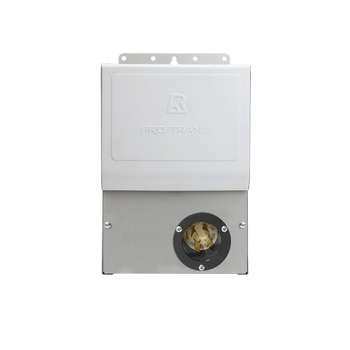
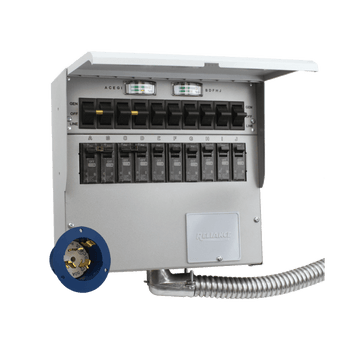
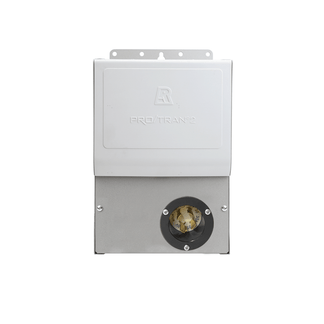
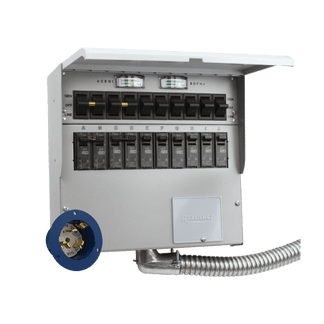
Optional smart transfer switch ($500–$1,000 installed): Hardwire a handful of critical circuits—fridge, furnace blower, lights—and the system automatically switches from grid to battery during an outage. No extension cords. No manual intervention.
The modular approach keeps your initial investment under $2,500 while guaranteeing you never have to replace the core unit. You simply add capacity.
Winter Performance & Hybrid System Strategy
In northern climates like Pennsylvania or upstate New York, solar output drops to 10–20% of summer levels. Snow cover and low sun angles slaughter production. Roof‑mounted panels often yield zero usable power for weeks.
The “3× Rule” for winter: size your solar array to three times your daily usage. If you need 3 kWh/day during an outage, install 9 kWh/day of production capacity—roughly a 2.5–3 kW array. That sounds extreme, but it’s the only way to generate enough power when the sun barely clears the treeline.
- Steep ground-mount panels (80–90° tilt): Shed snow far better than roof mounts and allow easy brushing.
- Bifacial panels: Capture reflected light from snow, boosting winter output 10–20%.
Hybrid systems—grid‑tied with battery backup—are the sweet spot for reliability. The grid recharges your battery during long outages when solar is insufficient. You don’t need a massive array; you need enough storage to bridge a day and enough grid access to top off when needed.
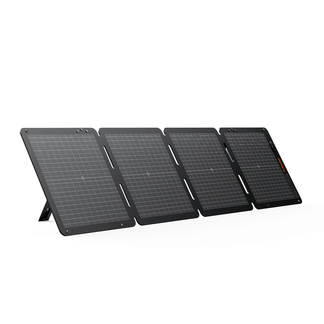
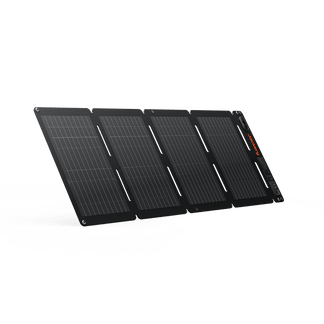
Buy 400W+ panels. Weak panels under 300W require more mounting hardware, more wiring, and more labor—poor value with 2026 tariffs driving up soft costs. Two 400W portable panels deliver the same 800W as four 200W panels, with half the connections to fail.
Limitations / What to Know Before Buying a Solar Generator for Whole House
- Central AC/heat pump: No portable solar generator runs a central AC or electric furnace. These appliances demand surge currents that far exceed what consumer‑grade inverters can deliver. For HVAC backup, you’ll need a permanently installed 15 kW+ inverter system.
- Load management: Runtime estimates assume you actively manage loads. Leave everything plugged in and the refrigerator burns through battery capacity 30% faster due to frequent cycling. You must turn off non‑essential devices—that’s the trade‑off for a lower upfront cost.
- Solar recharging: Weather‑dependent. A 4 kWh battery takes 8–10 hours of full sun with a 500W panel—impossible in a winter storm. During extended outages with heavy cloud cover, you’ll need a gas generator or grid backup to recharge. Don’t rely solely on solar in December and January.
- Transfer switch installation: Integration with home wiring requires professional installation. While the power station itself is plug‑and‑play, a transfer switch for critical circuits must be installed by a licensed electrician. Budget $500–$1,000 for that work.
Jackery’s ecosystem is designed for essential home backup, not whole‑home replacement. Understanding essential home backup vs. whole‑home systems clarifies exactly what these units are built to do.
Your Scalable Foundation: Systems Designed for the Upgrade Path
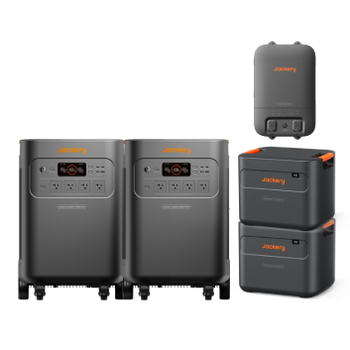
A modular solar generator gives you emergency power today and the flexibility to scale up tomorrow. Two setups illustrate the upgrade path.
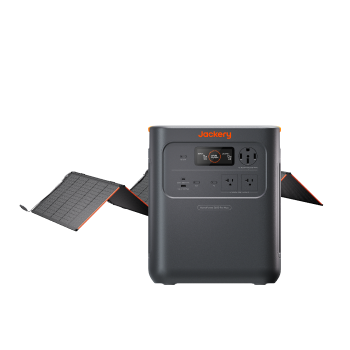
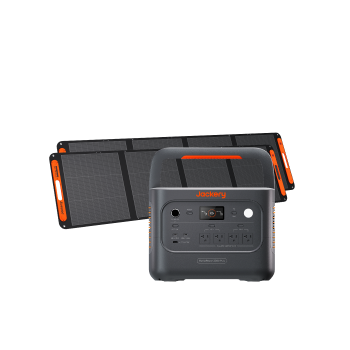
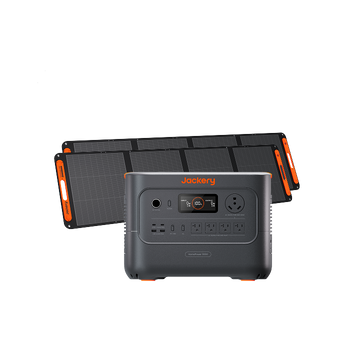
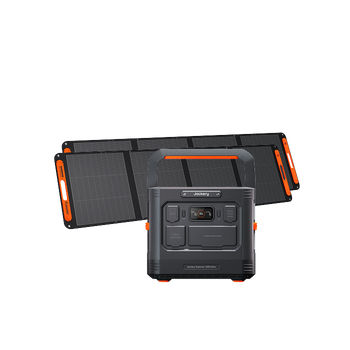
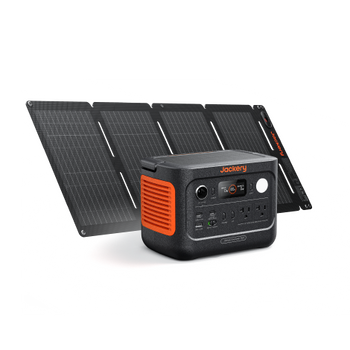
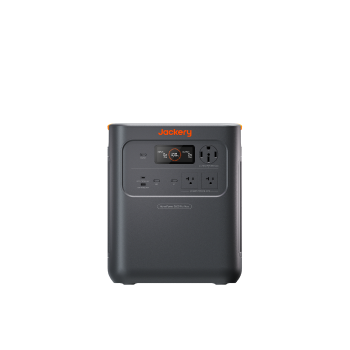
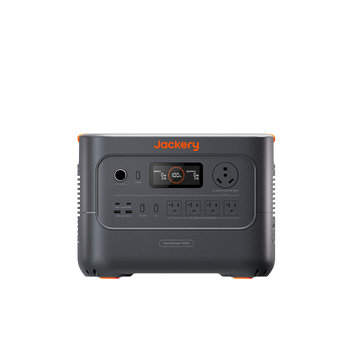
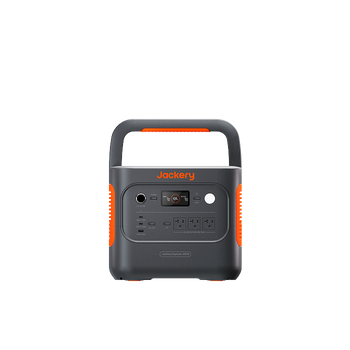
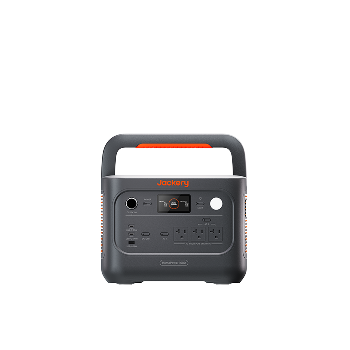
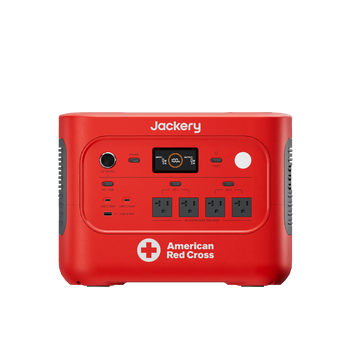
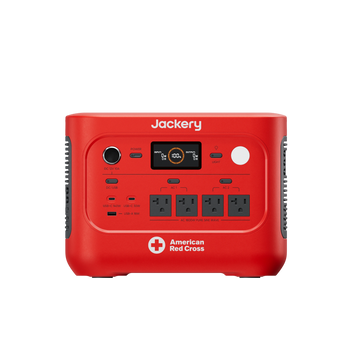
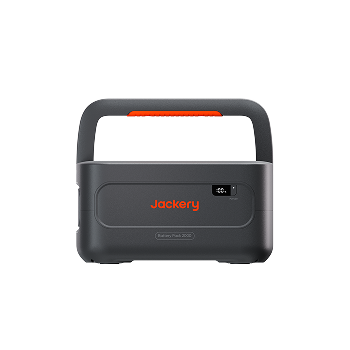
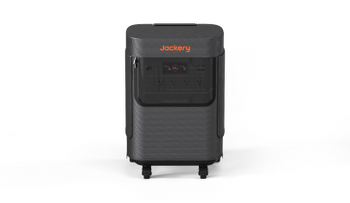
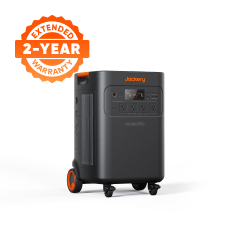
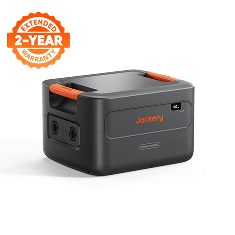
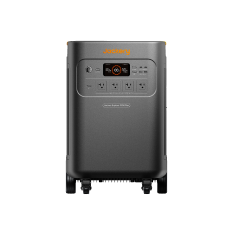
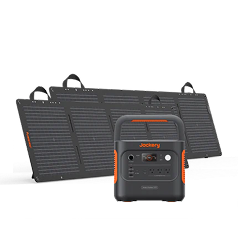
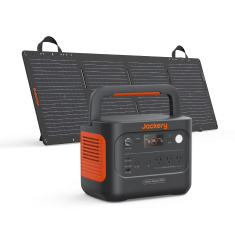
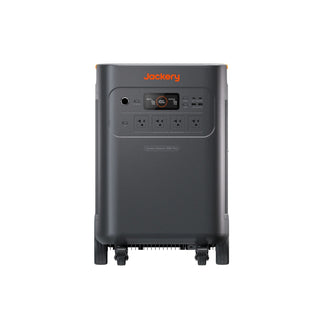
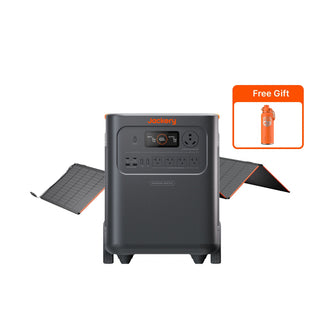
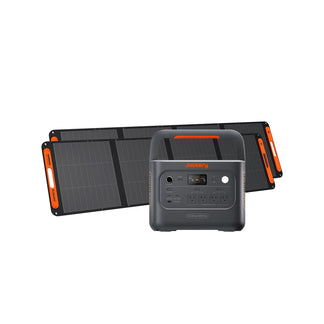
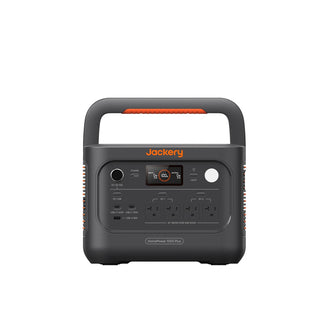
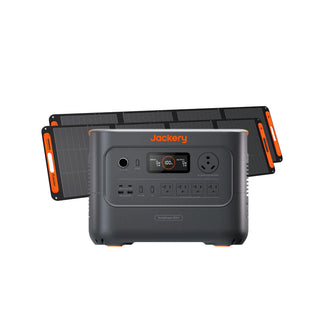
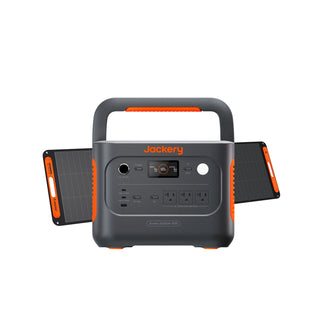
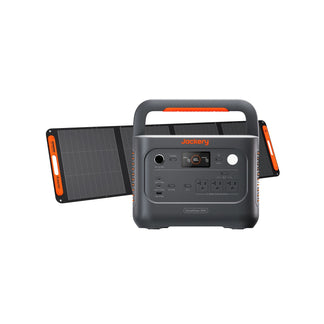
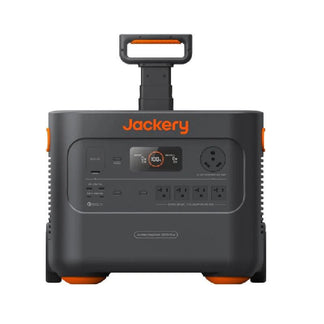
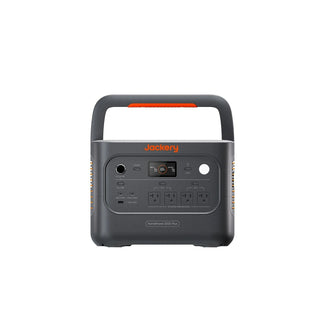
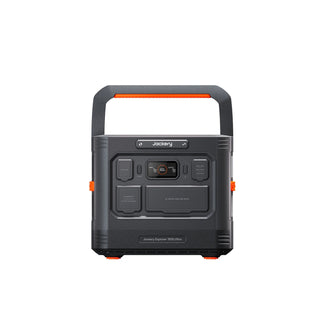
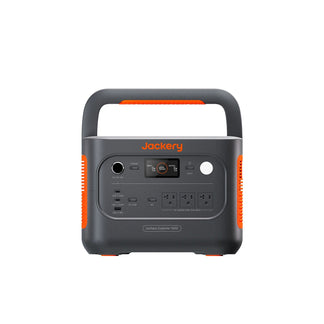
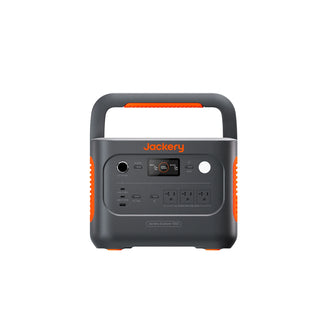
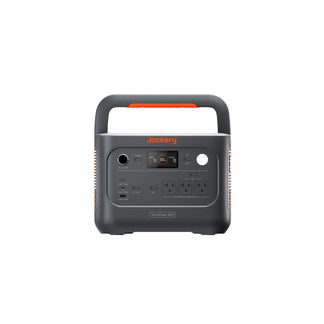
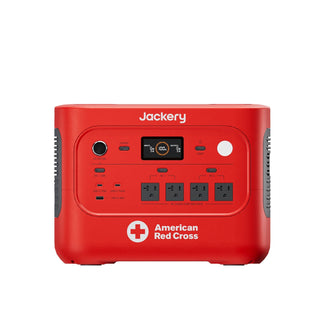
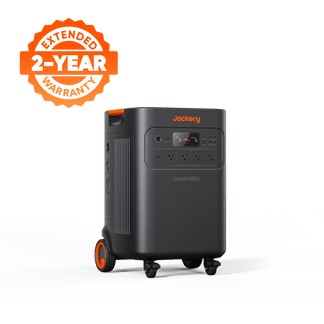
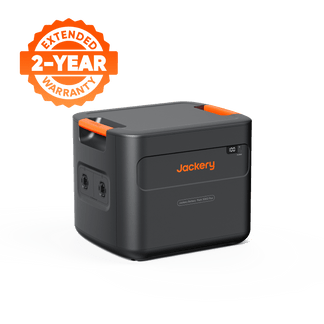
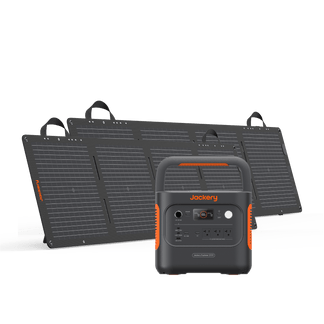
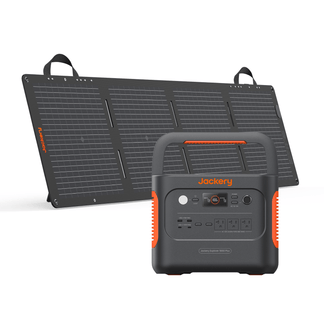
Jackery HomePower 3600 Plus + SolarSaga 500X
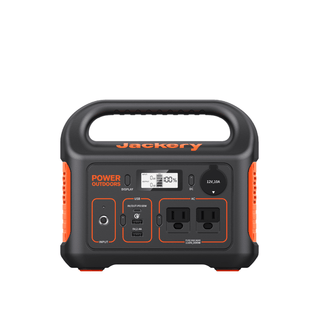
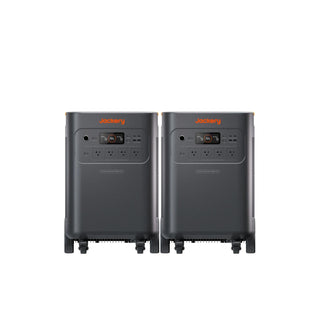
3,600W continuous and 7,200W surge start a refrigerator and microwave simultaneously. The 3,584Wh storage runs a fridge, router, lights, and laptop for roughly 24 hours.
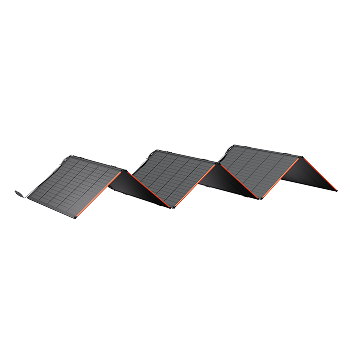
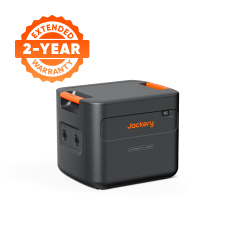
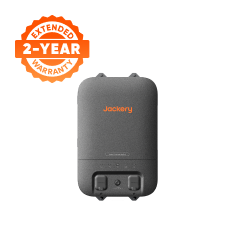
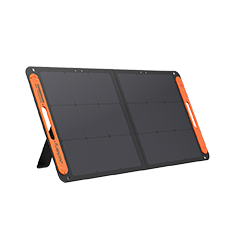
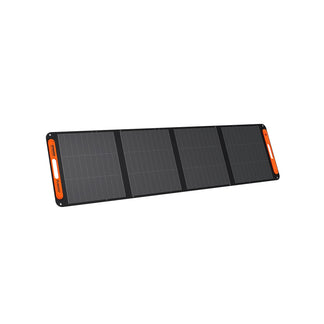
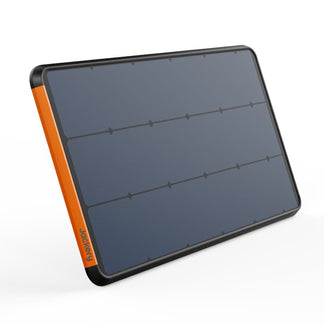
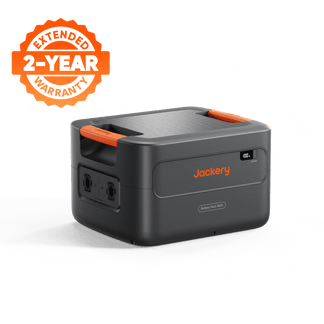
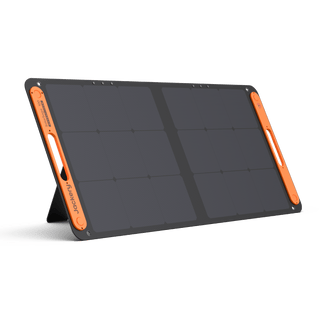
A 500W SolarSaga 500X panel recharges in about 16 hours of good sun. Optional battery packs expand total capacity to 21.48 kWh—enough for multi‑day outages. This is a solid Tier 1 entry point that grows with you.
Feature |
Specification |
Key Benefit |
|---|---|---|
Inverter |
3,600W continuous / 7,200W surge |
Starts fridge, microwave, and small window AC |
Base storage |
3,584Wh |
Covers critical loads for 24 hours |
Expandable |
Up to 21.48 kWh with add‑on battery packs |
Start small, scale without replacing hardware |
Solar input |
Single 500W SolarSaga 500X |
Recharges in ~16 hours of sun |
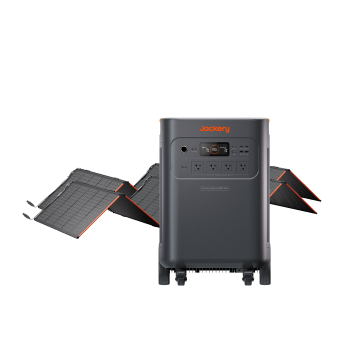
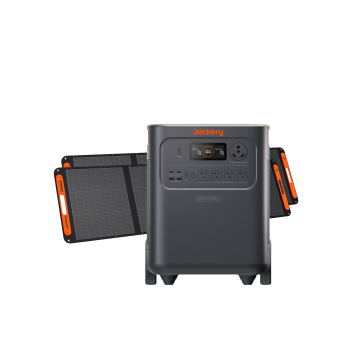
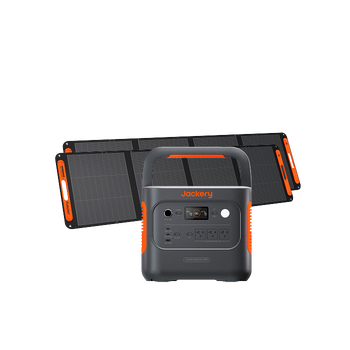
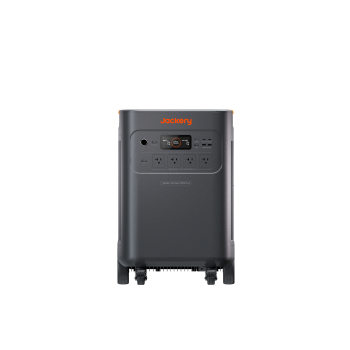
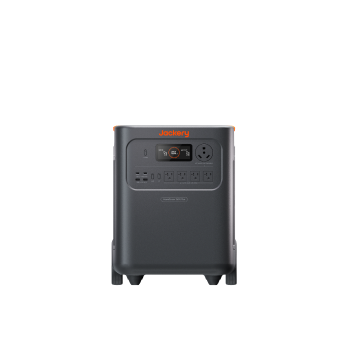
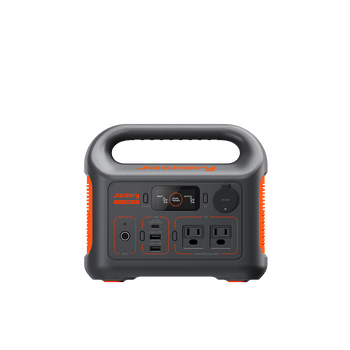
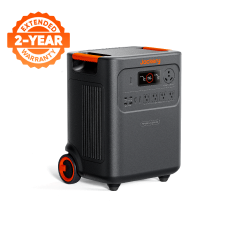
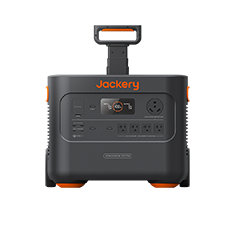
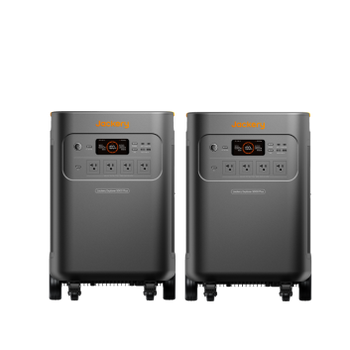
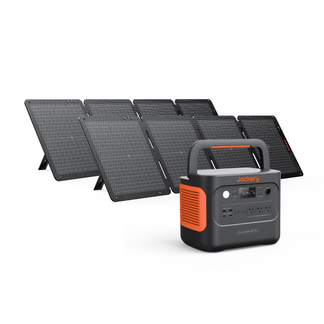
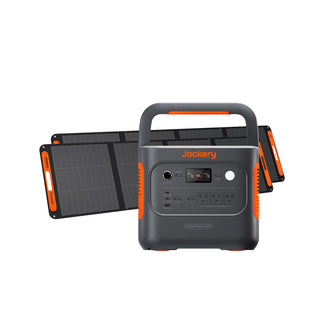
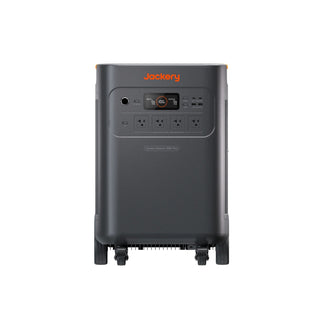
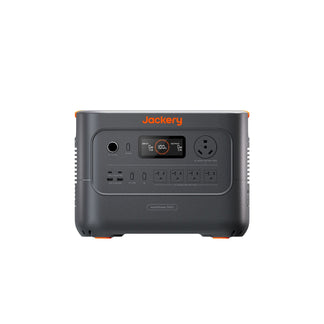
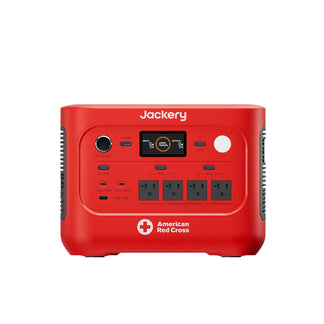
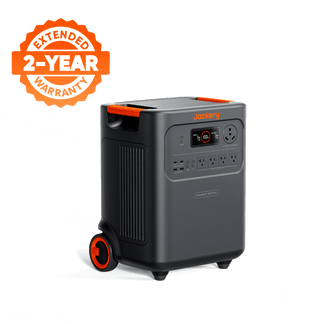
Jackery Explorer 5000 Plus + 2× SolarSaga 500X
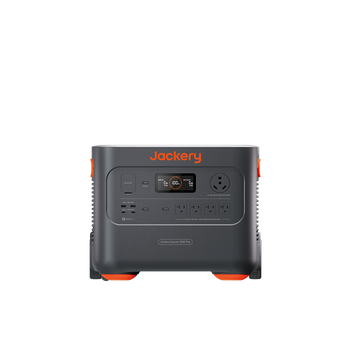
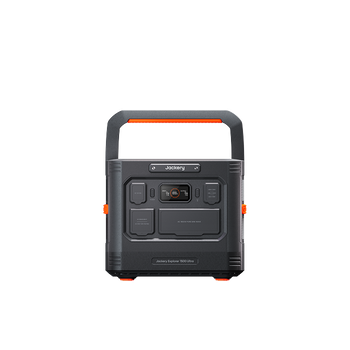
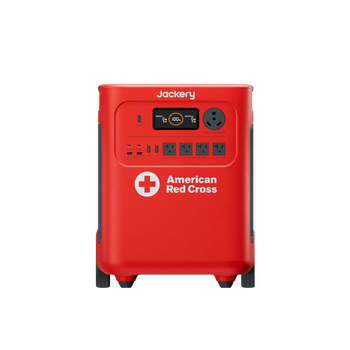
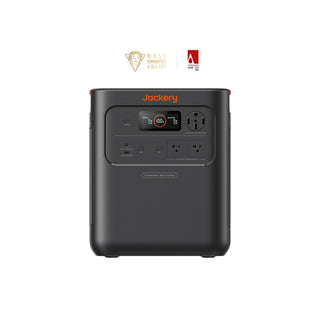
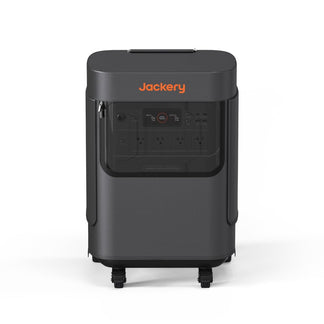
7,200W continuous and 14,400W surge handle well‑pump startup, a large portable AC, and multiple appliances at once. 5,040Wh base capacity powers critical circuits for 1–2 days.
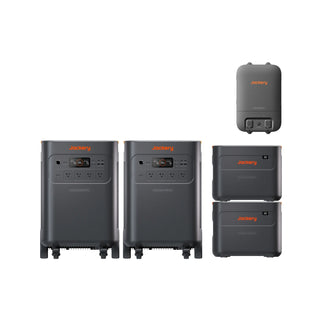
Dual 500W SolarSaga 500X panels deliver 1,000W solar input, recharging in roughly 6.5 hours of sun. Expandable up to 60 kWh with additional battery packs—this system can grow from emergency backup to extended outage coverage. Using the Explorer 5000 Plus for home backup and beyond offers examples of its real‑world flexibility.
Feature |
Specification |
Key Benefit |
|---|---|---|
Inverter |
7,200W continuous / 14,400W surge |
Starts well pumps, large window ACs, power tools |
Base storage |
5,040Wh |
Critical circuits for 1–2 days without recharging |
Expandable |
Up to 60 kWh |
Scales to whole‑home coverage over time |
Solar input |
1,000W (2× 500W panels) |
0–100% recharge in ~6.5 hours |
Frequently Asked Questions (FAQ)
Can you run a solar generator indoors?
Yes—solar generators produce no exhaust, making them safe for indoor use. LiFePO4 chemistry adds a layer of thermal stability.
Are solar generators quiet?
They operate silently, unlike gas generators that drone at 60–70+ dB. Fan cooling is the only audible component.
Do solar generators require maintenance?
Minimal—occasional panel cleaning, battery health checks via the app, and firmware updates cover everything.
How do you switch from grid to battery power?
A smart transfer switch automates the switch. It disconnects from the grid and activates battery backup within milliseconds of an outage.
Can a solar generator power your house every day?
Yes, but daily whole‑home use demands 15–30+ kWh of storage and a large solar array—far beyond a single portable unit. Start with essential loads and scale.


