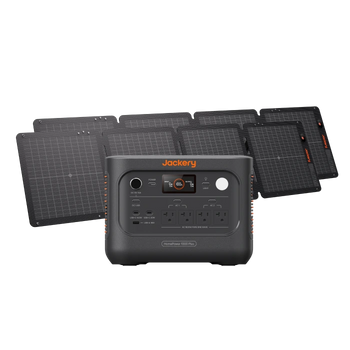
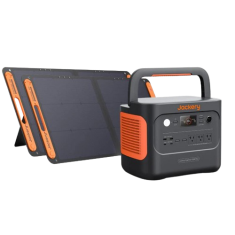
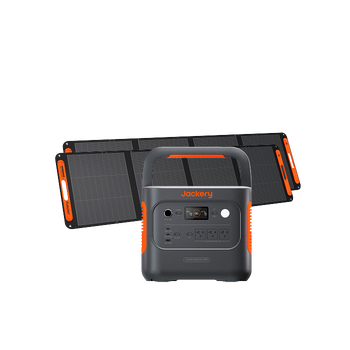






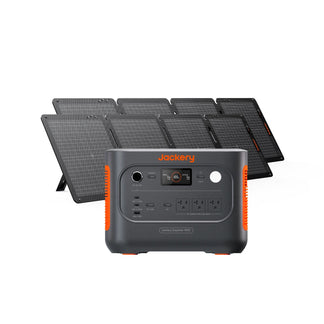
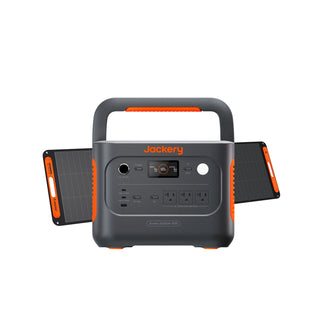
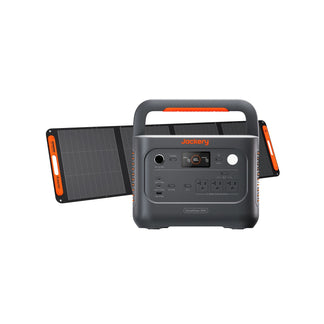
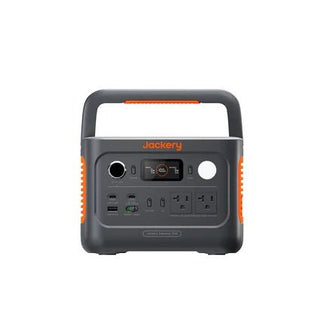

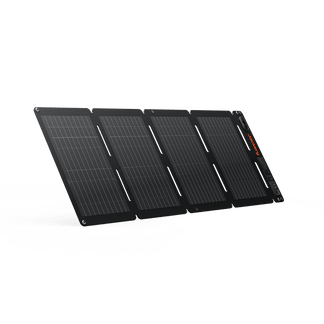
![[Add-on] Jackery SolarSaga 500 X - Jackery](http://www.jackery.com/cdn/shop/files/add-on-jackery-solarsaga-500-x-1493607.webp?v=1786503068&width=324)
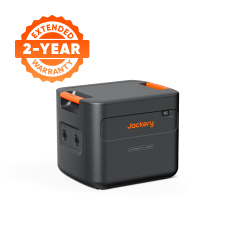
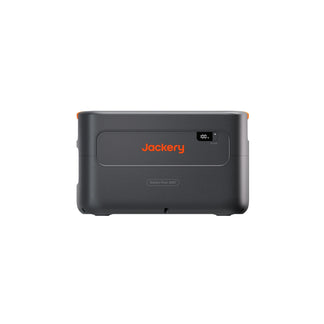
![[Add-on] Jackery Battery Pack 5000 Plus - Jackery](http://www.jackery.com/cdn/shop/files/add-on-jackery-battery-pack-5000-plus-6713401.webp?v=1786503068&width=324)








Quick Answer:
- Match the power station to your outage scenario, not just peak wattage.
- Measure actual device draw with a watt meter.
- Apply the double/half rule to size storage conservatively.
- Insist on LiFePO₄ battery chemistry for cold-weather reliability and 3,000–5,000 cycle life.
- A 2,000 Wh unit runs a refrigerator, router, and lights for essential home backup — not whole-home replacement — and solar input turns it into a multi-day solution.
Key Takeaways
- Usable watt-hours (Wh) determines runtime: a 2,000 Wh station runs a standard refrigerator for 3–4 hours with compressor cycling.
- Surge rating must cover appliance startup spikes — refrigerators draw 2–3× running wattage for 2–5 seconds.
- LiFePO₄ batteries deliver 3,000–5,000 cycles and lose only 15–20% capacity at 0°F, versus 30–40% for standard lithium-ion.
- MPPT solar input harvests 20–30% more energy in partial shade, turning a single-charge backup into continuous power.
- Start with a layered approach: a 600 Wh unit for learning, then add capacity as needs grow — any power station is better than none.
What Is a Layered Power Backup Strategy and Why Does It Work?
A layered strategy builds redundancy with multiple power stations of increasing size, each matched to a specific outage duration. It avoids overspending on a single massive unit you’ll rarely fully use.
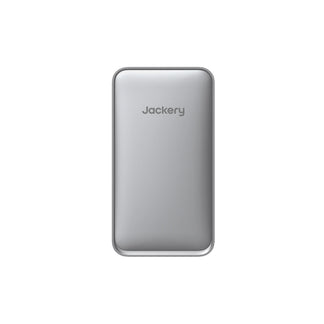
Layer 1 — Short outages (2–4 hours): A 100–200 Wh power bank keeps phones and a small LED light running. It’s pocket-sized and always charged.
Layer 2 — Overnight blackouts (8–12 hours): A 500–1,000 Wh station runs a Wi‑Fi router, several LED lights, a fan, and charges devices. It weighs 10–15 lbs and moves room to room.
Layer 3 — Extended outages (24+ hours): A 2,000+ Wh unit handles a refrigerator, freezer, security cameras, or a home office. It weighs 30–100 lbs but provides essential home backup for multi‑day grid-down events.
Redundancy improves reliability: if the large unit fails, the mid‑size station still powers critical loads. Cost‑effectiveness comes from matching spending to your actual outage frequency — don’t buy a 5,000 Wh system if you only see two‑hour blackouts. A 600 Wh starter unit plus a later 2,000 Wh upgrade covers 90% of U.S. outage scenarios without a single massive purchase.
How Do I Calculate My Actual Power Needs for an Outage?
Label wattage is often 20–50% higher than real consumption. Use a plug‑in watt meter to measure each device while it runs.
Once you have running watts, apply the double/half rule:
- Double your estimated daily watt‑hours to account for inverter loss, startup surges, and unplanned loads.
- Halve the power station’s rated capacity to estimate usable energy (e.g., a 2,000 Wh station delivers about 1,700–1,860 Wh after inverter and BMS losses).
A fridge that draws 600 Wh per day may need a 1,200 Wh reserve, and a 2,000 Wh station delivers about 1,700–1,860 Wh of usable energy after inverter and BMS losses.
(Running Watts × Hours Used) ÷ 1,000 = Daily kWh
Example: A 150 W fridge running 8 hours (compressor cycling) uses (150 × 8) ÷ 1,000 = 1.2 kWh. Add 15% for inverter losses → 1.38 kWh needed.
Compressor startup surge is critical: refrigerators draw 2–3× running wattage for 2–5 seconds. Your power station’s surge rating must cover that spike, or the unit will trip.
Typical daily essential loads:
- Refrigerator: 600–800 Wh
- Wi‑Fi router: 10–15 Wh
- LED lights: 5–10 Wh each per night
- Phone charging: 10–20 Wh per charge
Sum them, double, then choose a station with at least that usable Wh.
Three Key Technical Specs That Determine Outage Performance
Usable watt-hours (Wh)
Rated capacity isn’t what you get. Inverter and battery management system losses reduce output to 85–93% of the nameplate number. A 2,000 Wh station may deliver 1,700–1,860 Wh. Always compare usable Wh, not just the marketing figure.
Continuous inverter output
This is the sustained wattage for running appliances. A 1,500 W inverter runs a fridge (150 W running + 450 W surge) plus lights and a router simultaneously. If you need to power a microwave (1,000 W) and fridge at the same time, you’ll need at least 2,000 W continuous.
MPPT solar input
Maximum Power Point Tracking harvests 20–30% more energy in partial shade than PWM controllers. In winter or cloudy conditions, MPPT is the difference between a dead battery and a full one. Look for high solar input wattage — 400 W or more — to recharge quickly from portable panels.
How Do I Match a Power Station to My Outage Scenario?
Outage Scenario |
Recommended Usable Wh |
Typical Unit Weight |
Suitable Jackery Example |
|---|---|---|---|
Overnight (8–12 hours) |
1,500–2,500 Wh |
30–50 lbs |
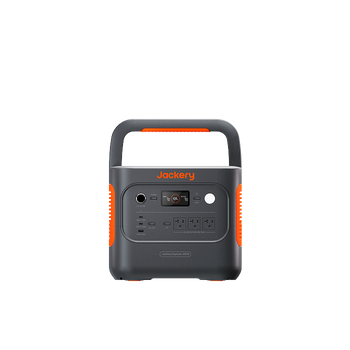
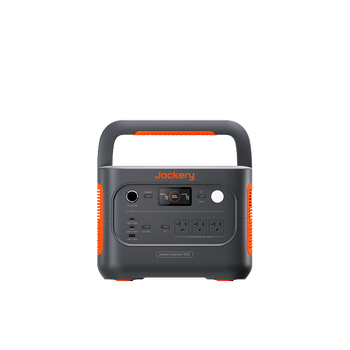
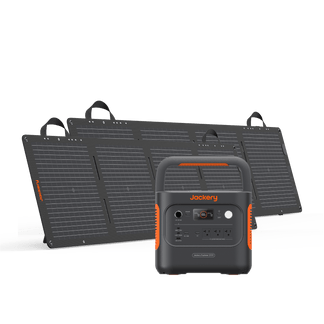
Jackery Solar Generator 2000 v2 (2,042 Wh) |
Multi‑day (24+ hours) |
3,000–5,000 Wh |
60–100 lbs |
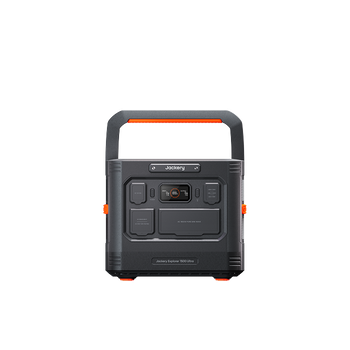
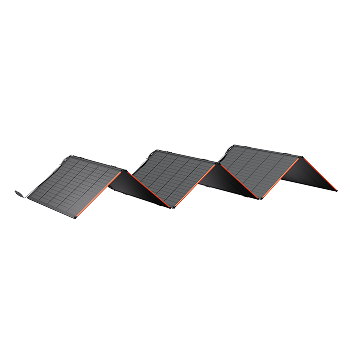
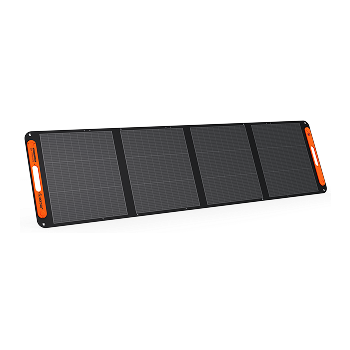
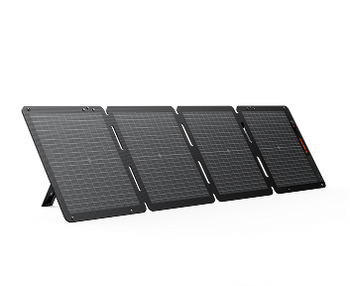
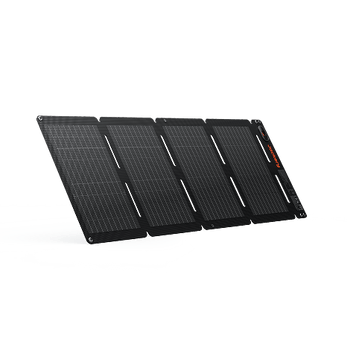
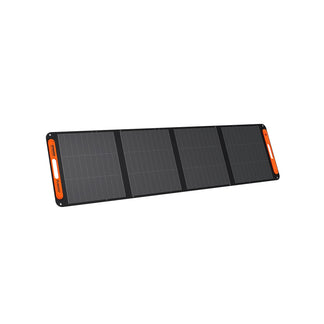
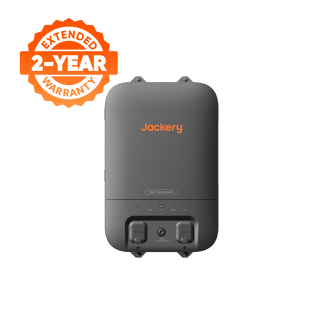
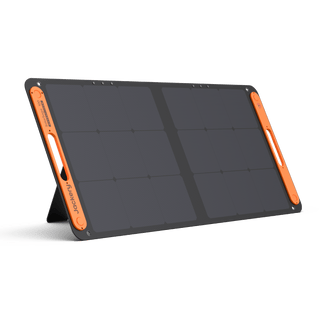
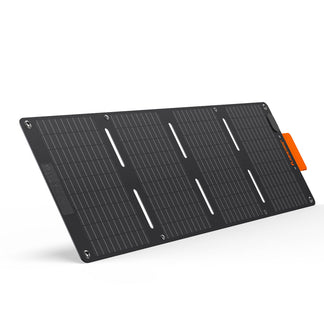
Jackery Solar Generator HomePower 3600 Plus + SolarSaga 500X (3,584 Wh) |
Extended with solar recharging |
5,000+ Wh + expansion |
60–100 lbs + packs |
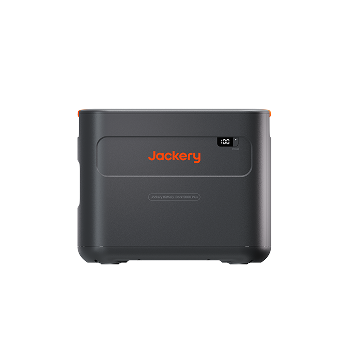
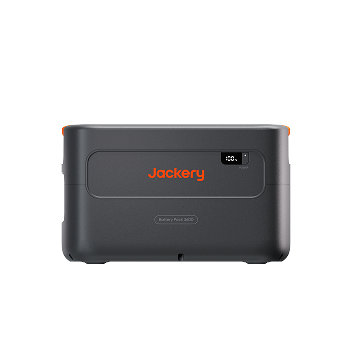
Jackery Solar Generator 5000 Plus + 2x SolarSaga 500X (5,040 Wh) expandable to 60 kWh |
- Overnight blackouts: can be covered by a 2,000 Wh station like the Solar Generator 2000 v2, running a refrigerator and essential devices.
- Multi‑day outages: require 3,000+ Wh like the HomePower 3600 Plus.
- Extended solar recharging scenarios: benefit from the 5000 Plus expandable system.
Why Charging Speed and Recharge Options Matter for Extended Outages
AC wall charging to 80% in under 2 hours
During rolling blackouts or planned outages, quick AC charging lets you top up between events. A unit that hits 80% in under 2 hours can be ready for the next outage in a lunch break.
Solar panel compatibility with high input wattage
MPPT controllers and high‑wattage solar input (up to 4,000 W on the 5000 Plus) mean you can recharge even on overcast winter days. Without solar, a single‑charge station dies after its Wh are spent.
Car charging via 12V outlet
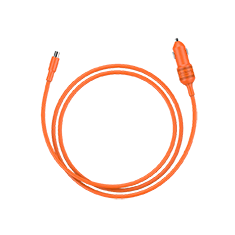
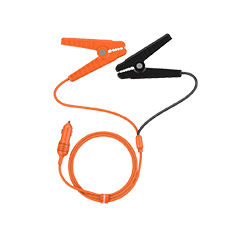
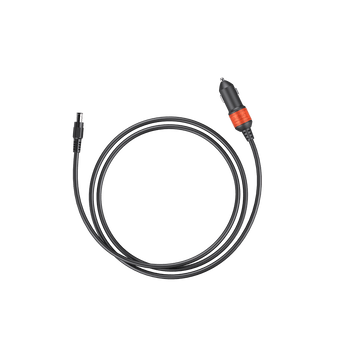
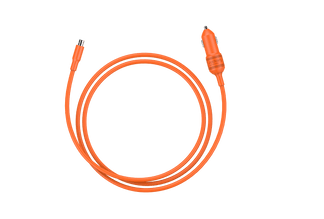
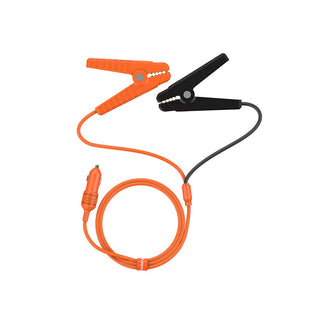
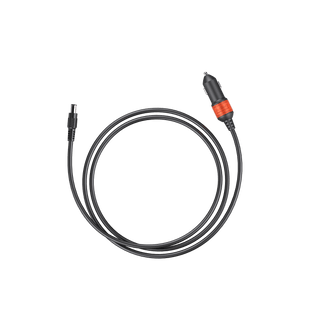
Most stations accept a 12V car adapter. It’s slow — roughly 100–120 W — but it’s an emergency lifeline when AC and solar aren’t available.
Expandable battery systems
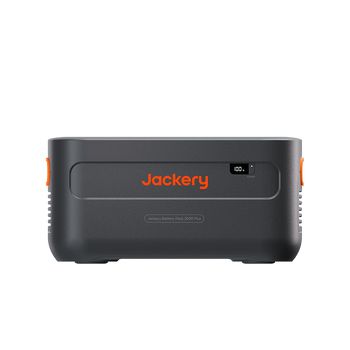
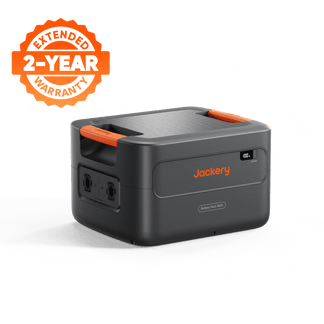
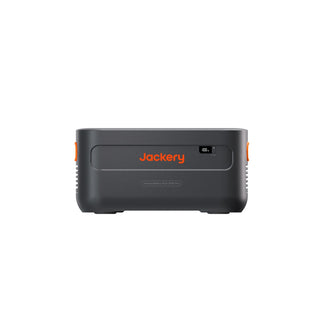
Instead of replacing the whole station, add extra battery packs (2,000–5,000 Wh each). The 5000 Plus scales to 60 kWh, tripling runtime without buying a new inverter.
Limitations / What to Know Before
- High‑wattage appliances are not supported. No portable power station can run central AC, electric water heaters, or electric ovens. Those require permanently installed home backup systems. For a comparison of different battery backup options, read our guide on the best battery backup generators.
- Realistic runtime expectations. A 2,000 Wh station runs a standard refrigerator for about 3–4 hours, not days. For multi‑day outages without grid power, you need solar panels or a larger unit.
- Cold weather reduces battery capacity. Standard lithium‑ion batteries lose 30–35% capacity below 0°F. LiFePO₄ mitigates this to 15–20% loss, but runtime still drops in freezing conditions. Store the unit indoors if possible.
- Weight and mobility constraints. Units above 3,000 Wh weigh 60–100 lbs. Plan where you’ll store and move it before buying.
- Hybrid strategy works best. Pair a quiet indoor power station (router, lights, fridge cycling) with a gas or propane generator for high‑draw loads like well pumps. This gives you silence when you want it and brute force when you need it.
Product Recommendation: Scalable Power Systems for Essential Home Backup
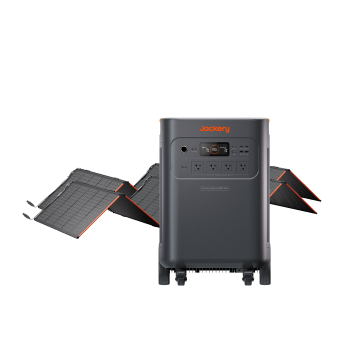
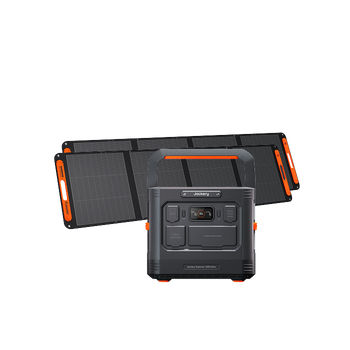
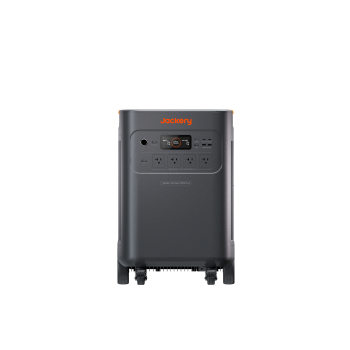
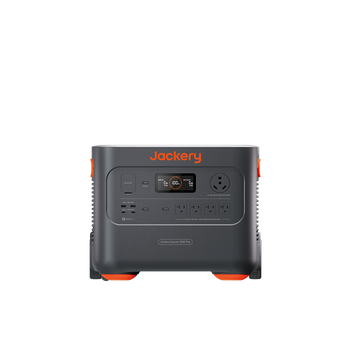
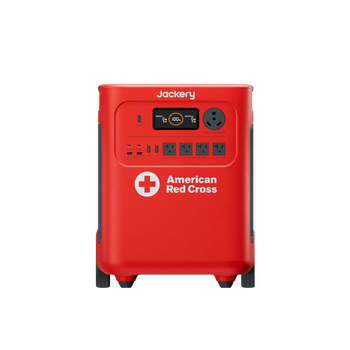
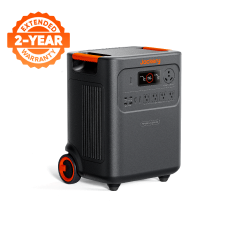
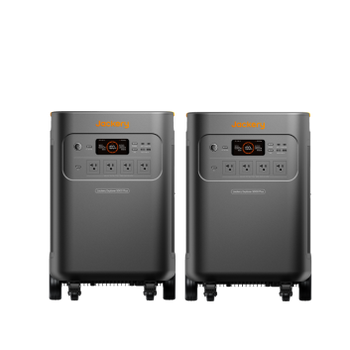
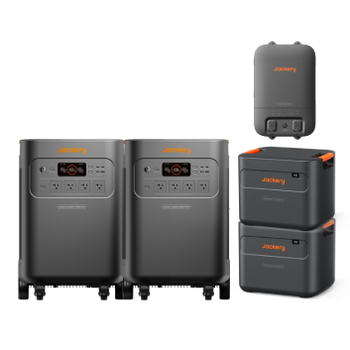
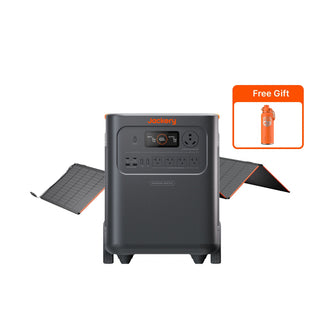
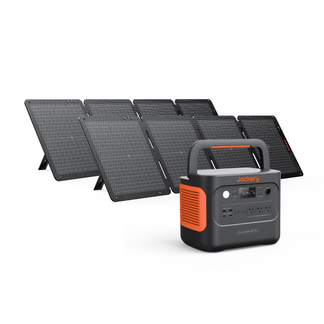
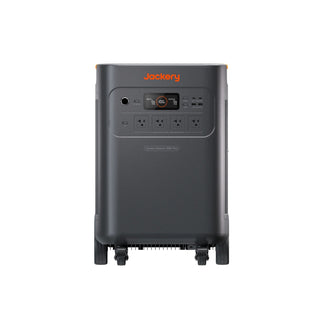
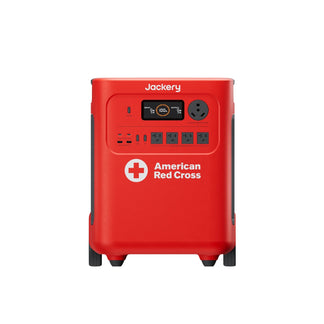
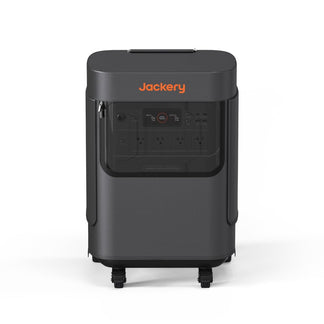
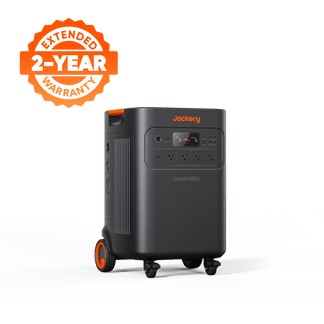
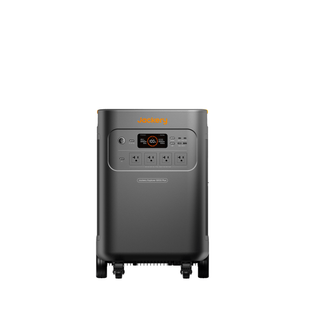
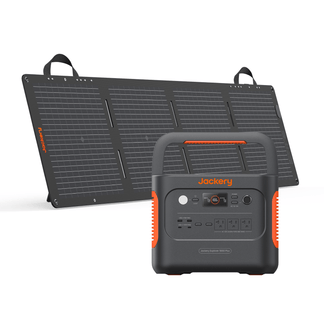
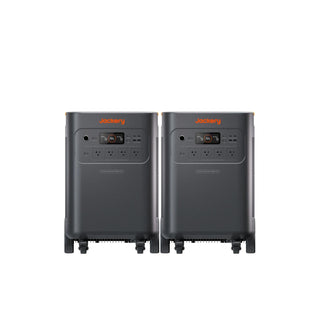
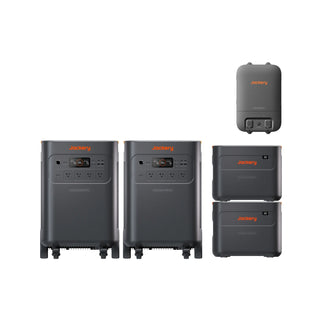
Jackery Solar Generator 5000 Plus + 2x SolarSaga 500X
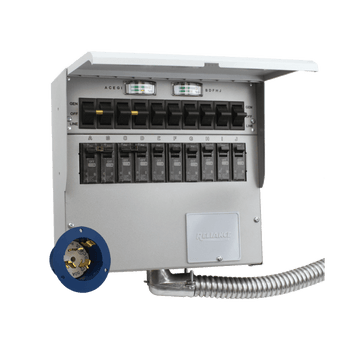
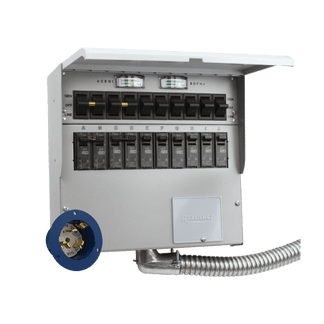
5,040 Wh base capacity with 7,200 W continuous output and 14,400 W surge. It runs a refrigerator for ~10 hours, a microwave for 3.5 hours, and a router indefinitely. Expandable to 60 kWh and supports up to 4,000 W solar input for a 1.7‑hour recharge via transfer switch.
Feature |
Specification |
Key Benefit |
|---|---|---|
Capacity |
5,040 Wh (expandable to 60 kWh) |
Multi‑day essential backup with solar recharging |
Output |
7,200 W continuous / 14,400 W surge |
Handles fridge compressor startup and sump pump simultaneously |
Solar input |
4,000 W MPPT |
Fast recharge even in partial shade |
Recharge time |
0–100% in 1.7 hours (transfer switch) |
Fast recharge with home integration |
Learn how to deploy the 5000 Plus for home backup.
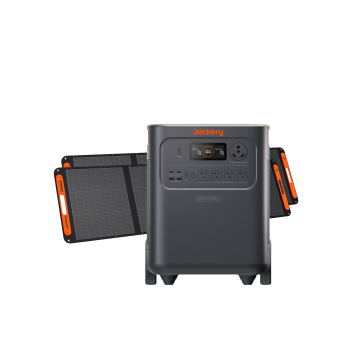
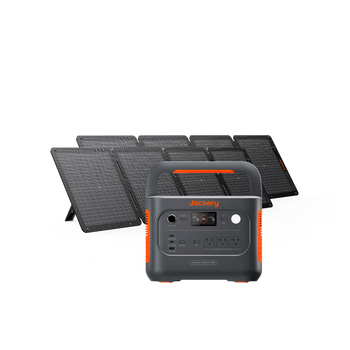
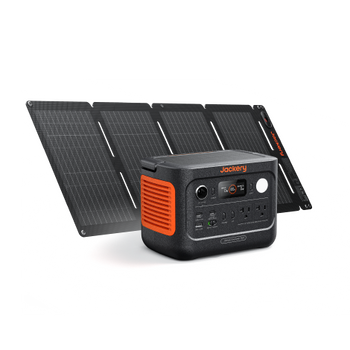
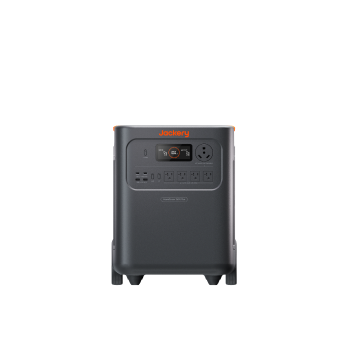
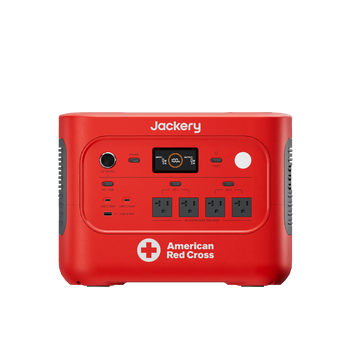
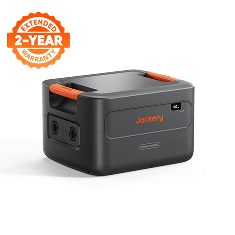
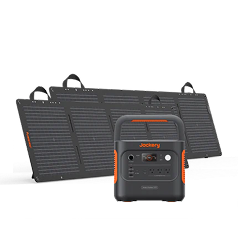
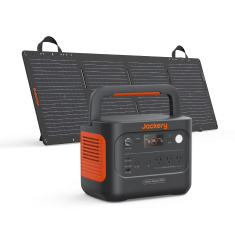
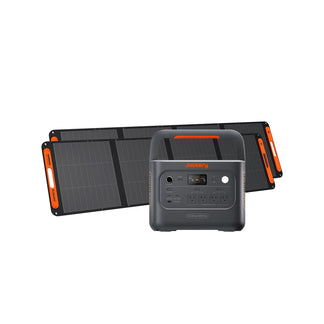
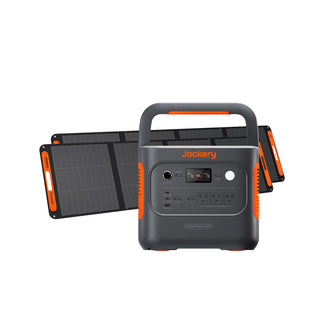
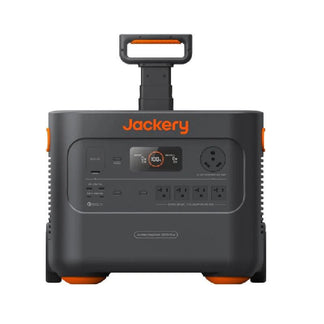
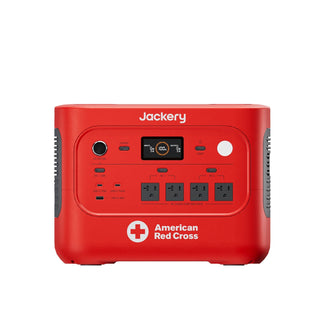
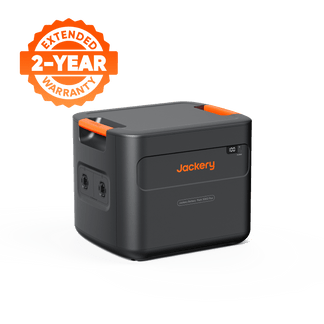
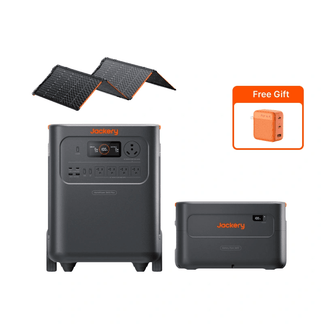
Jackery Solar Generator HomePower 3600 Plus + SolarSaga 500X
3,584 Wh base capacity runs a refrigerator for ~38 hours, a portable AC for 3 hours, and a desktop computer for 15 hours. 3,600 W continuous output with 7,200 W surge covers heavy appliance starts.
Feature |
Specification |
Key Benefit |
|---|---|---|
Capacity |
3,584 Wh (expandable to 21.48 kWh) |
Overnight to short multi‑day outages |
Output |
3,600 W continuous / 7,200 W surge |
Powers fridge, lights, and Wi‑Fi simultaneously |
Solar recharge |
16 hours (with included SolarSaga 500X) |
Recharge from sun even in low light |
Weight |
77 lbs |
Manageable with built‑in wheels |
See the HomePower 3600 Plus in action for home and RV.
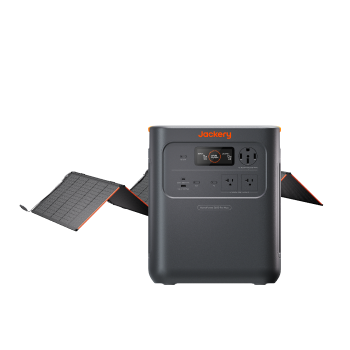
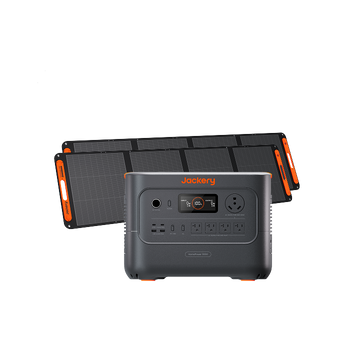
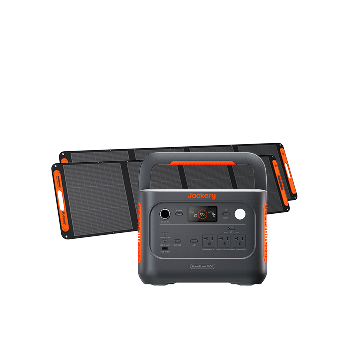
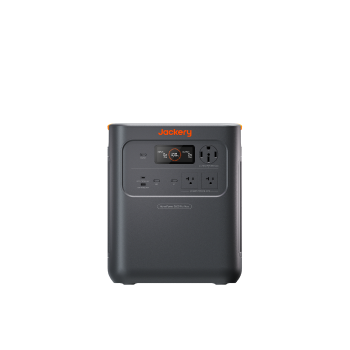
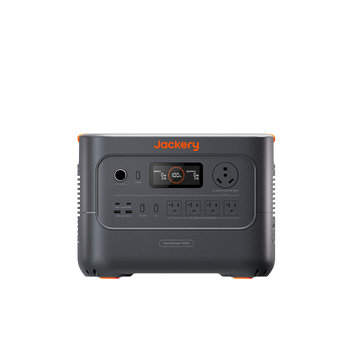
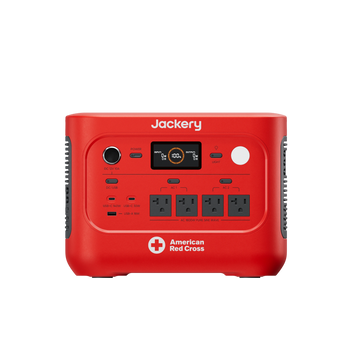
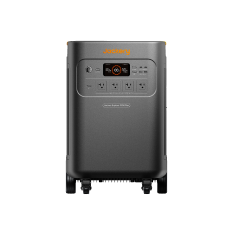
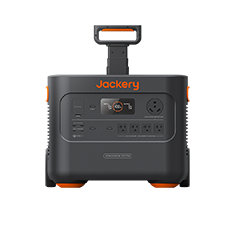
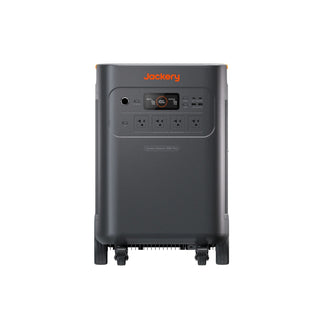
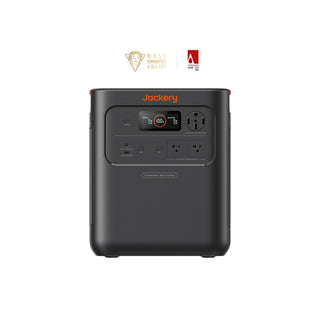
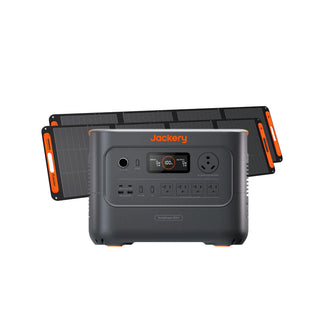
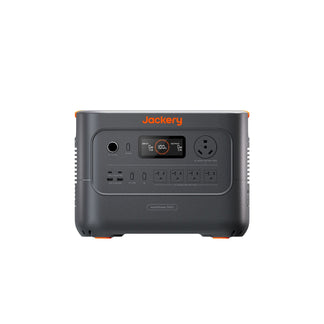
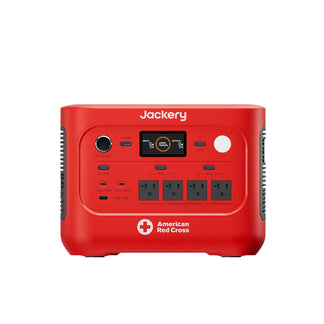
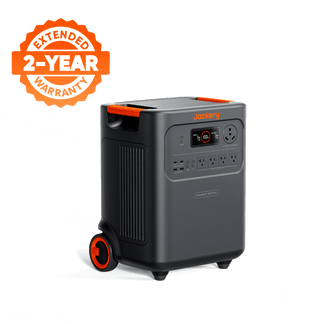
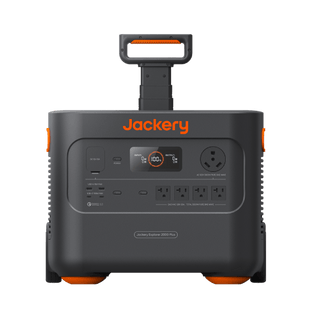
Jackery Solar Generator 2000 v2
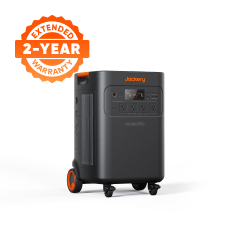
2,042 Wh LiFePO₄ capacity runs a household refrigerator for ~3.2 hours, a portable AC for 2 hours, and LED lights for 155 hours. 2,200 W continuous output with 4,400 W surge handles fridge startup. Weighs only 39.5 lbs and charges to 100% in 1.7 hours via AC.
Feature |
Specification |
Key Benefit |
|---|---|---|
Capacity |
2,042 Wh |
Short outage essential backup |
Output |
2,200 W continuous / 4,400 W surge |
Runs fridge and multiple small devices |
Recharge time |
0–100% in 1.7 hours (AC) |
Rapid readiness for rolling blackouts |
Weight |
39.5 lbs |
Easy to move between rooms |
Frequently Asked Questions (FAQ)
Is it safe to use a power station indoors?
Yes. Power stations produce zero emissions, so they are safe for indoor use — unlike gas generators that require outdoor ventilation.
How loud is a power station during operation?
Most operate near‑silently, with only a low fan hum around 20–30 decibels. You can sleep next to one.
Can I use the power station while it is charging?
Yes, most models support pass‑through charging, allowing you to power devices and recharge simultaneously.
What happens if my power station breaks during an outage?
Reputable brands offer multi‑year warranties, but keep a small backup unit for critical devices as a redundancy measure.
How do I maintain a power station when not in use?
Store it at 50–80% charge in a cool, dry place, and recharge every 3–6 months to preserve battery health.


