



![[Add - on] Jackery Manual Transfer Switch for Explorer 5000 Plus - Jackery](http://www.jackery.com/cdn/shop/files/add-on-jackery-manual-transfer-switch-for-explorer-5000-plus-9017324.png?v=1754016782&width=350)


![[Add - on] Jackery Battery Pack 5000 Plus - Jackery](http://www.jackery.com/cdn/shop/files/add-on-jackery-battery-pack-5000-plus-6078351.png?v=1754016791&width=324)

![[Add - on] Jackery Car Charging Cable - Jackery](http://www.jackery.com/cdn/shop/files/add-on-jackery-car-charging-cable-3882421.png?v=1754016863&width=324)


![[Add - on] Jackery Smart Transfer Switch - Jackery](http://www.jackery.com/cdn/shop/files/add-on-jackery-smart-transfer-switch-5842915.png?v=1754016784&width=324)
![[Add - on]Jackery 102W GaN 3 - Port Fast Charger - Jackery](http://www.jackery.com/cdn/shop/files/add-onjackery-102w-gan-3-port-fast-charger-6377742.png?v=1754016790&width=324)


![[Add - on] SolarSaga 200W - Jackery](http://www.jackery.com/cdn/shop/files/add-on-solarsaga-200w-4834329.png?v=1754016915&width=324)

![[Add - on] Jackery Manual Transfer Switch for Explorer 5000 Plus - Jackery](http://www.jackery.com/cdn/shop/files/add-on-jackery-manual-transfer-switch-for-explorer-5000-plus-9017324.png?v=1754016782&width=324)


The sudden silence of a home during Houston power outages is more than an inconvenience; it's a severe disruption. This guide provides actionable steps for reporting outages in Houston, staying safe during an emergency, and choosing the right backup power to protect your family and home.
Why Houston's Grid is Vulnerable and How Power is Restored
The Texas grid faces a unique combination of challenges that make it susceptible to widespread failures, especially during extreme weather.
What Are the Core Vulnerabilities of the Texas Grid?
Several key factors contribute to the grid's fragility, particularly in regions like Houston:
- Grid Isolation: The Texas electrical grid, operated by ERCOT, is largely isolated from the rest of the country. This limits its ability to import power during high-demand emergencies.
- Exposed Infrastructure: Much of the region's power infrastructure consists of overhead power lines, leaving them directly exposed to damage from hurricanes, tropical storms, and severe thunderstorms.
- Aging Equipment: The grid's aging infrastructure requires constant maintenance and is inherently more prone to failure when placed under stress.
How is Power Restored After an Outage?
When a major outage occurs, utility crews follow a prioritized plan to restore service safely and efficiently. Crews first repair critical public service infrastructure, such as hospitals, water treatment plants, and main transmission lines that carry power to thousands of customers.
They then move to fix neighborhood-level circuits and distribution lines. This is why the main CenterPoint outage map might show power as restored in your general area, while your specific street remains dark. This common scenario is often due to a "nested outage."
What is a Nested Outage?
A nested outage is a small, localized issue within a larger area that has already had its power restored. This could be a single blown transformer, a downed line serving a few houses, or a problem with the service drop to your individual home. While major circuits are fixed first, these smaller nested outages can take days to identify and resolve, requiring separate reports from affected residents.
How to Effectively Report and Track a Houston Power Outage
Knowing how to check the status of a power outage and report it correctly can significantly speed up restoration for your home. Follow a clear process to ensure your utility has the information it needs.
How Do I Report a Power Outage?
- Check Your Breakers: Before reporting, check your home's main breaker panel. If a breaker has tripped, you may have an internal electrical issue rather than a utility-side outage.
- Report to Your Utility: Contact your retail electric provider or the primary utility for Houston, CenterPoint Energy. Provide your exact address and account number. Note any visible hazards you see, such as downed power lines or sparking transformers.
- Specify a Nested Outage: If your neighbors have power but you do not, report it specifically as a potential nested outage. This signals to the utility that the problem is isolated to your immediate location and requires a dedicated crew.
How Can I Ensure My Report is Addressed?
Persistence is key, especially after a major storm. Report the outage daily until it is resolved, as initial reports can get lost in a high volume of calls. If you have made repeated attempts to contact the utility without success over several days, you can escalate the issue by filing a complaint with the Public Utility Commission of Texas (PUCT).
How Can I Use Outage Maps Effectively?
Your utility's outage map is the primary source for restoration estimates, but treat the information as an estimate, not a guarantee. During widespread events, these maps provide a general overview. Cross-reference the utility map with local news trackers and social media updates for a broader picture of the situation across the city.
Preparing for and Staying Safe During Houston Power Outages
Proactive preparation is the best defense against the disruption and danger of an extended power loss. A well-thought-out plan and emergency kit can make the difference between manageable inconvenience and a genuine crisis.
What Should Be on My Pre-Outage Emergency Checklist?
Assemble an emergency kit with essential supplies to last each person in your household for at least 72 hours.
- Essentials: Include one gallon of water per person per day, non-perishable food, flashlights with extra batteries, a battery-powered or hand-crank radio, and a first-aid kit.
- Comfort and Safety: A battery-powered fan can provide critical relief from the heat.
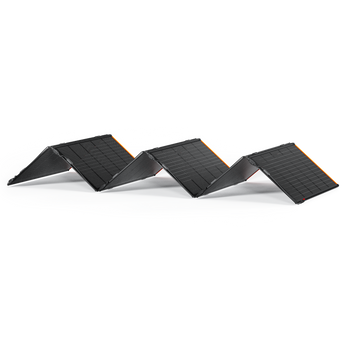
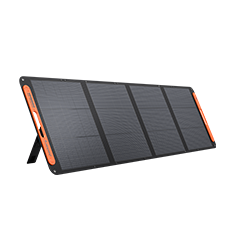
- Device Charging: Keep all mobile phones, laptops, and medical devices fully charged when a storm is forecast. Have a backup charging plan, such as a small power bank or a portable solar charger.
- Medical Needs: If you or a family member relies on powered medical equipment, register with your utility's medical priority program. However, this does not guarantee uninterrupted power, making a reliable backup power plan absolutely essential.
What Are the Critical Safety Rules During an Outage?
Navigating a blackout requires heightened awareness of potential dangers.
- Downed Power Lines: Treat all downed power lines as live and extremely dangerous. Stay at least 30 feet away and report them to your utility and 911 immediately.
- Gas Generator Safety: Never run a gas-powered generator indoors, in a garage, or near windows and doors. Place it at least 20 feet away from your home in a well-ventilated area to prevent deadly carbon monoxide (CO) poisoning.
- Carbon Monoxide Detectors: Install CO detectors with battery backups on every floor of your home and test them regularly.
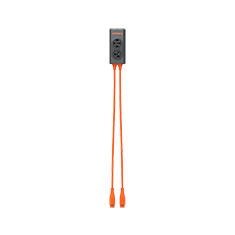
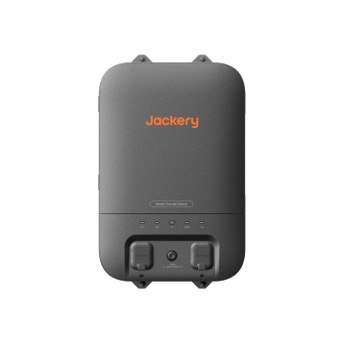
- Transfer Switch: If you connect a generator to your home's electrical panel, you must hire a licensed electrician to install a transfer switch. This prevents dangerous back-feeding, which can injure or kill utility workers.
How Can I Manage Food and Heat During an Outage?
Two of the biggest challenges during a summer outage are preserving food and staying cool.
- Food Safety: Keep refrigerator and freezer doors closed as much as possible. A refrigerator will keep food cold for about 4 hours, while a full freezer can keep its contents frozen for about 48 hours.
- Combating Heat: Use battery-operated fans to create airflow. Stay hydrated by drinking plenty of water, even if you don't feel thirsty. If your home becomes dangerously hot, especially when the heat wave won't end, seek refuge at one of the city's official cooling centers.
- Evacuation Plan: For households with vulnerable individuals, have a plan to evacuate to a friend's home, a hotel, or a public shelter if indoor temperatures become unsafe and power restoration is significantly delayed.
Comparing Backup Power Solutions for Houston's Climate
Choosing the right backup power depends on your budget, power needs, and tolerance for noise and fumes. Houston's climate and frequent outages make this a critical decision.
|
Feature |
Portable Gas Generators |
Whole-Home Standby Generators |
Portable Power Stations |
|---|---|---|---|
|
Use Case |
High power for large appliances |
Automatic, seamless whole-home power |
Silent, indoor power for electronics & appliances |
|
Safety |
Outdoor use only; CO risk |
Professionally installed |
Safe for indoor use; no emissions |
|
Maintenance |
Regular fuel cycling & oil changes |
Annual professional service |
Minimal; no fuel required |
|
Fuel |
Gasoline or propane |
Natural gas or propane |
Solar, AC wall outlet, or car |
|
Installation |
None |
Professional installation & permits |
Plug-and-play |
Portable Gas Generators
These generators provide high power output, capable of running large appliances like refrigerators and window AC units. However, they require outdoor operation due to toxic emissions, need a stable supply of fresh fuel, and demand regular maintenance to ensure they will start when needed.
Whole-Home Standby Generators
Standby generators offer the most seamless solution, automatically turning on within seconds of an outage. They are permanently installed and run on natural gas or propane, but this convenience comes with a high upfront cost, professional installation, permits, and ongoing service contracts.
Portable Power Stations
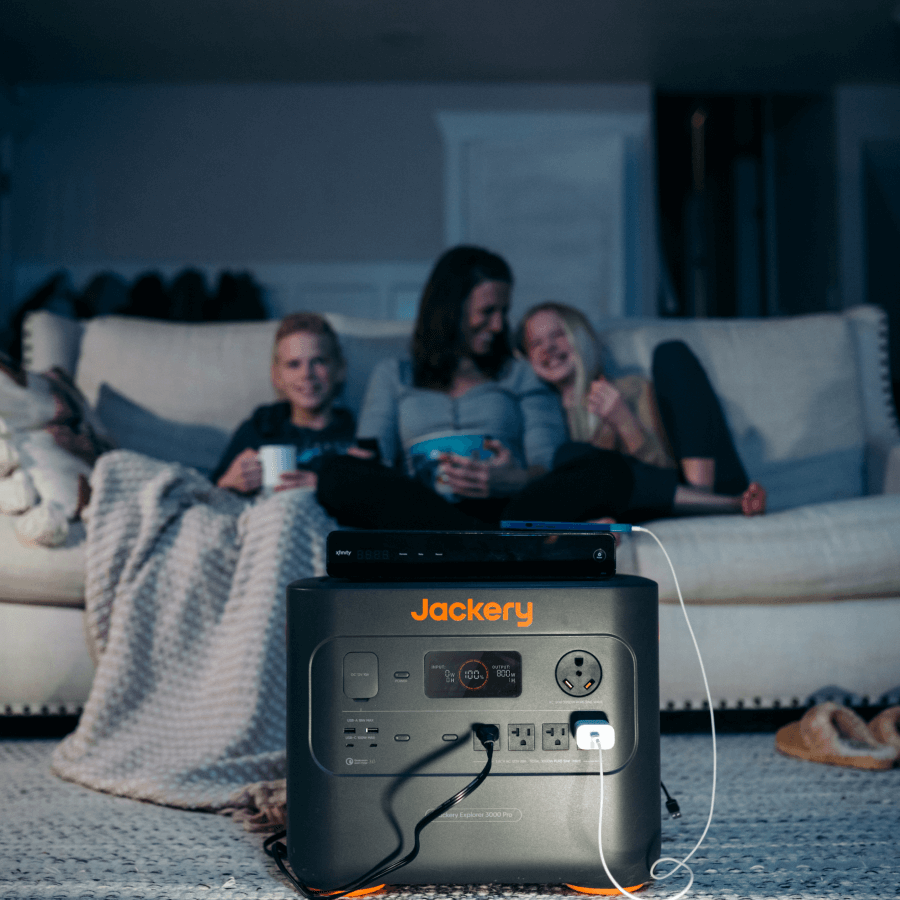
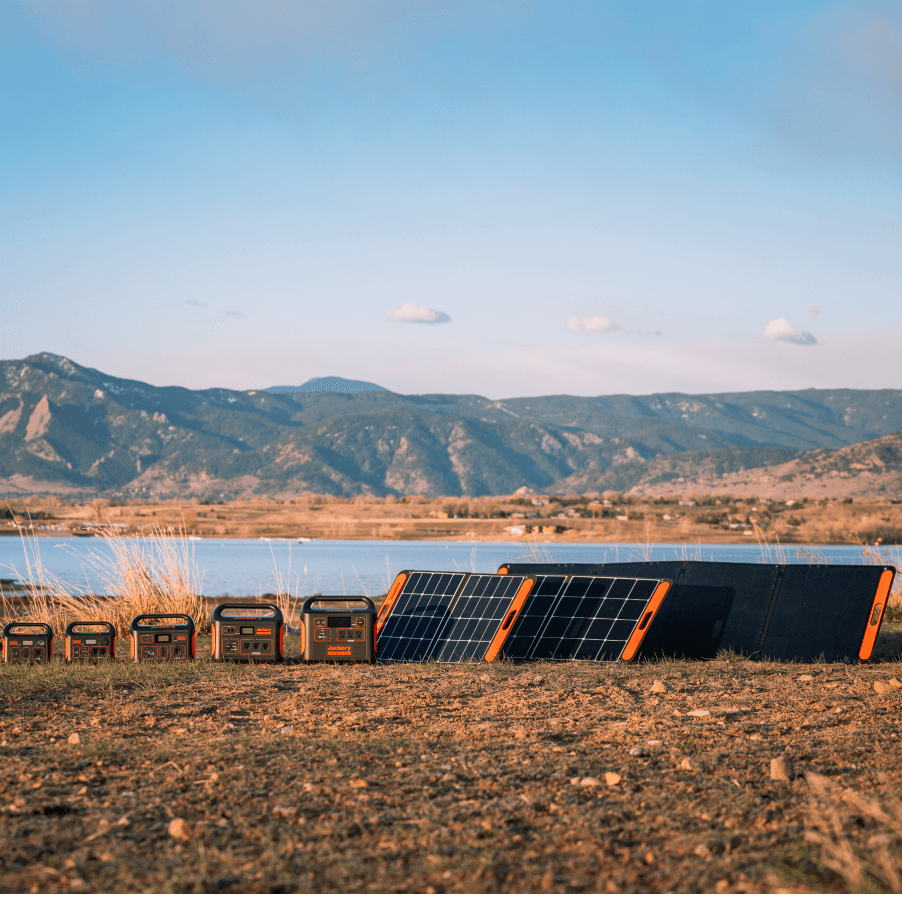
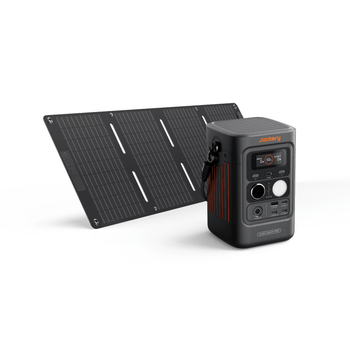
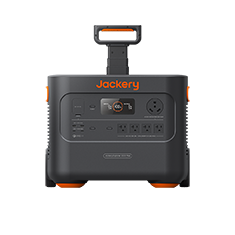
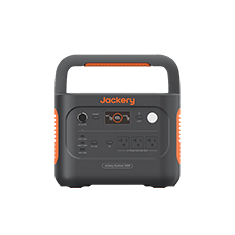
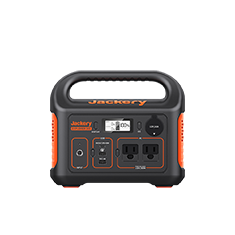
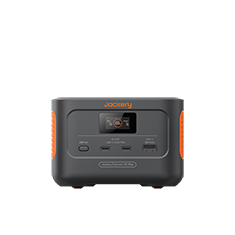
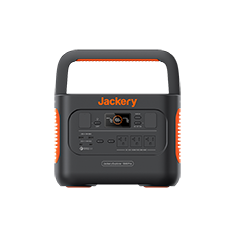
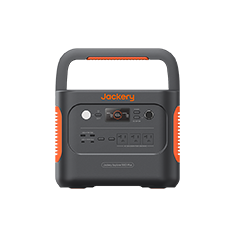
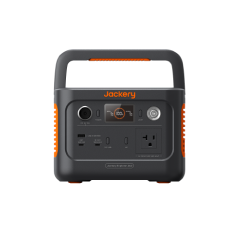
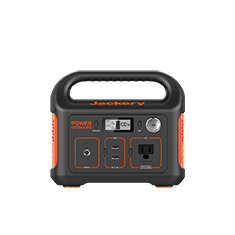
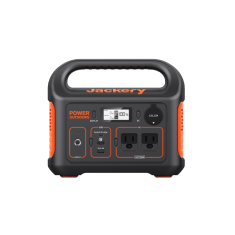
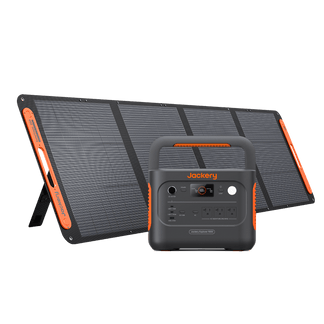
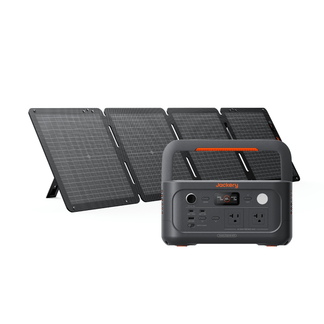
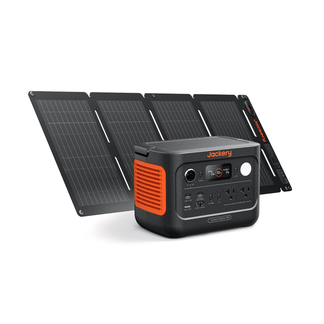
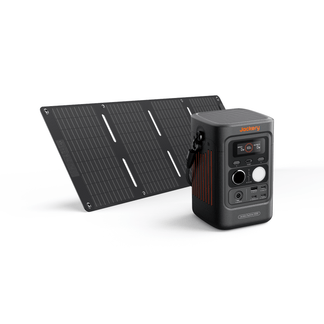
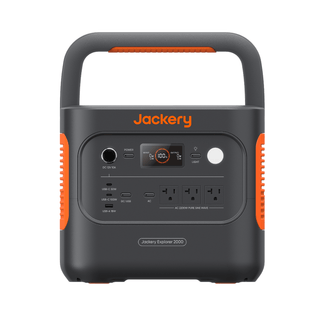
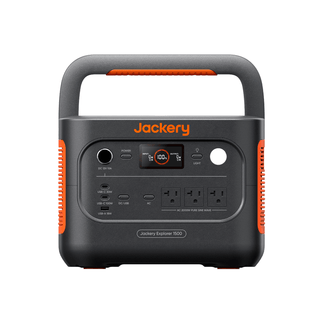
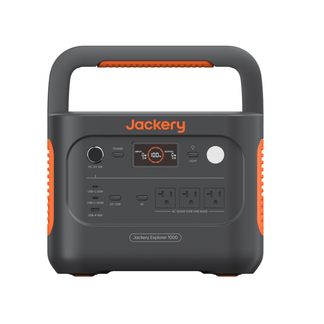
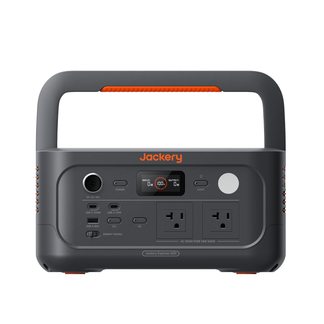
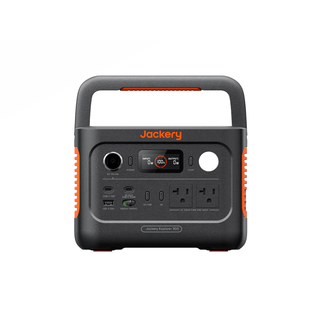
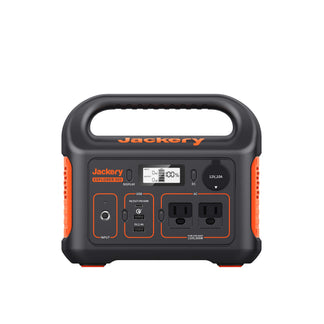
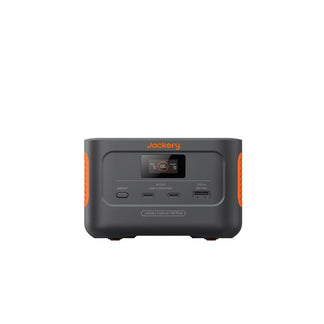
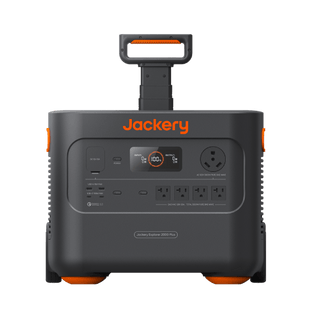
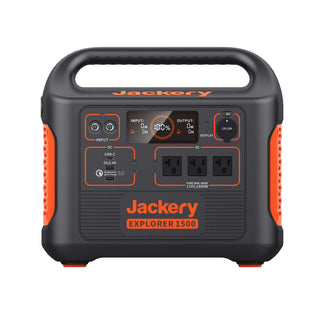
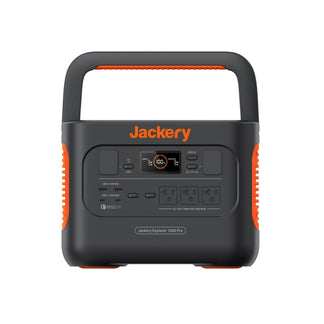
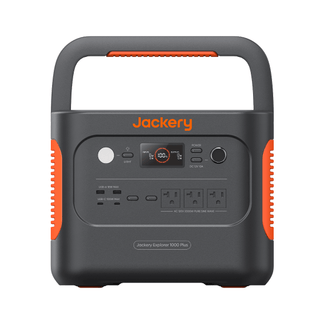
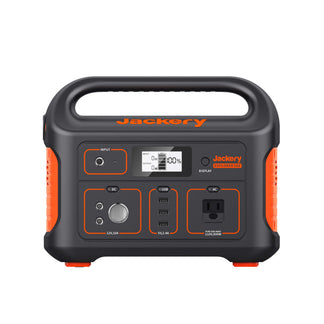
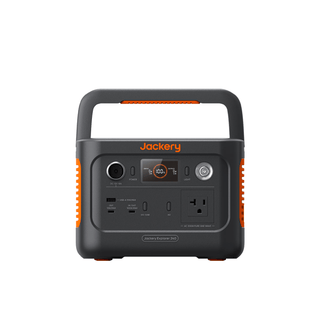
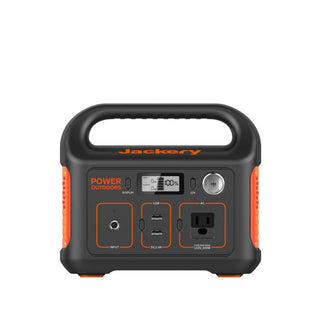
Silent, emission-free, and safe for indoor use, portable power stations are a modern alternative. They are ideal for powering essential electronics, medical devices (like CPAP machines), and small-to-medium appliances. High-capacity units offer a versatile solution for significant outages without the noise, fumes, or fuel hassles of gas generators.

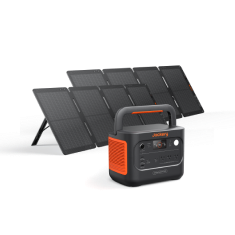
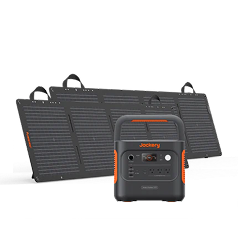
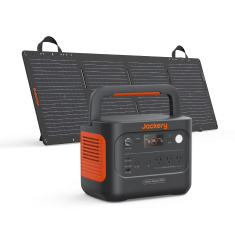
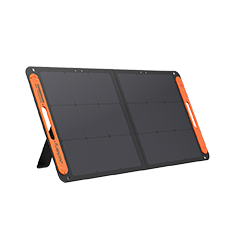
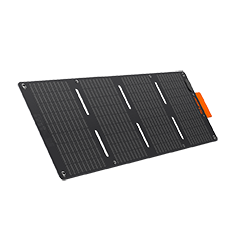
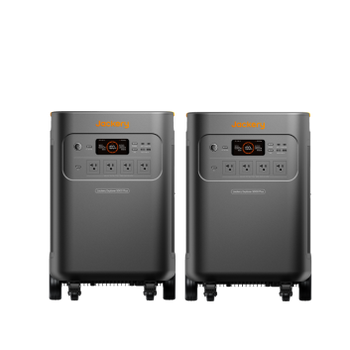
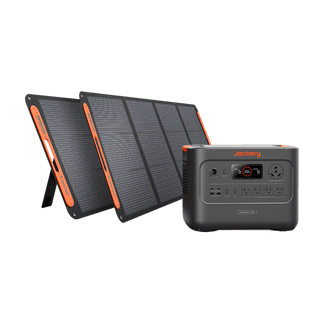
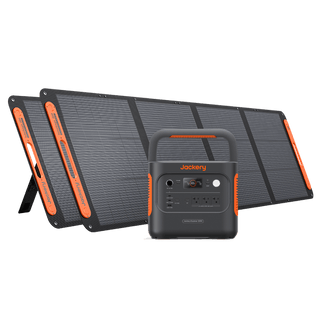
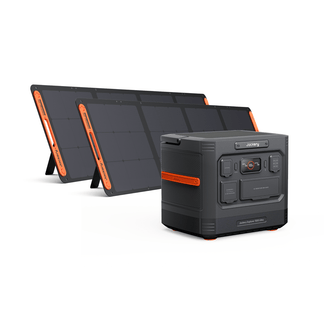
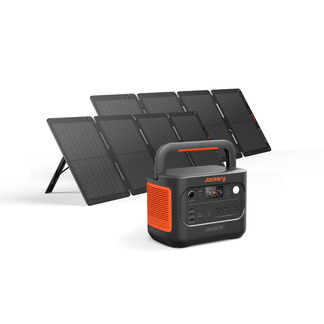
For example, a robust solar generator can be a game-changer.
-
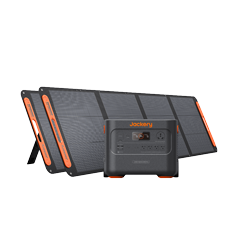
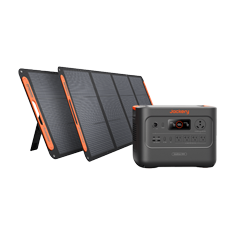
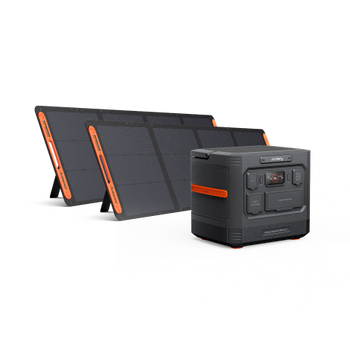
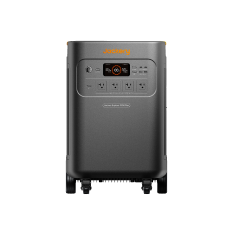
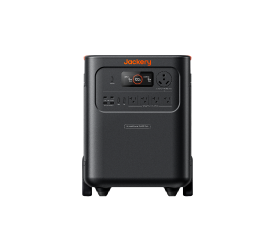
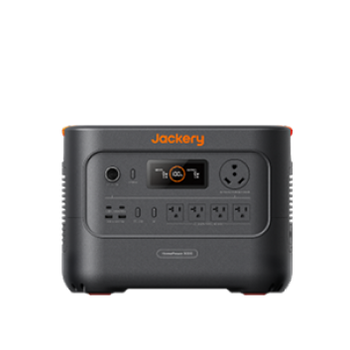
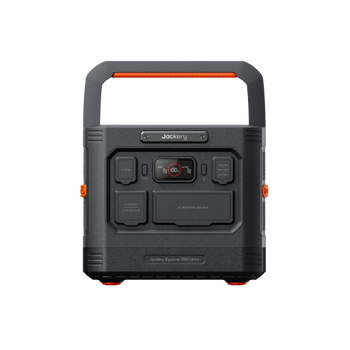
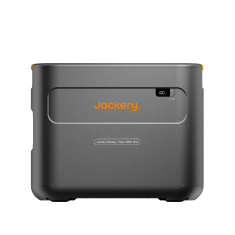
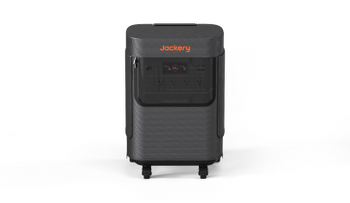
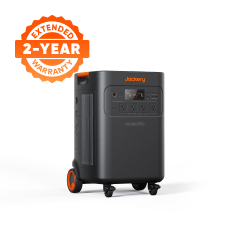
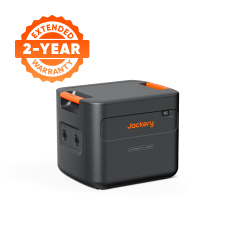
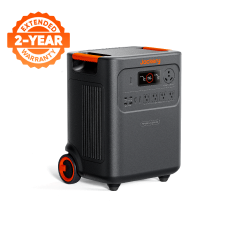
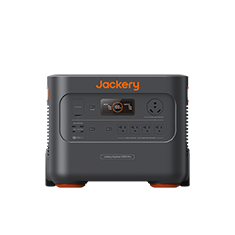
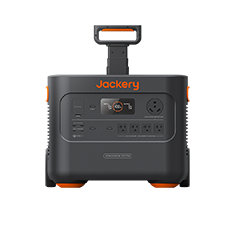
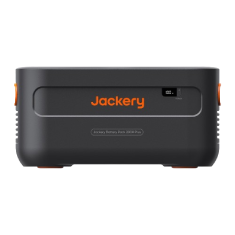
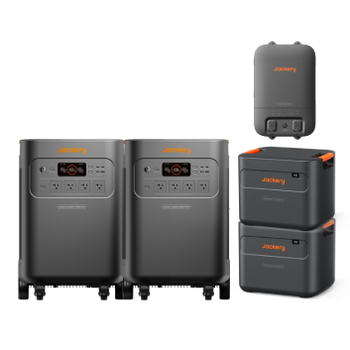
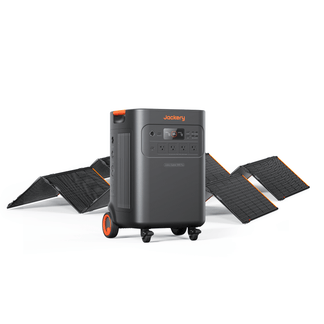
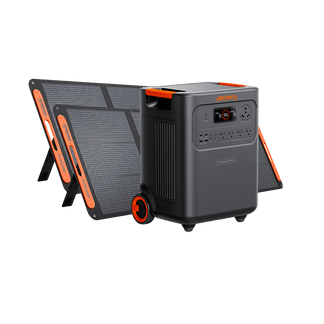
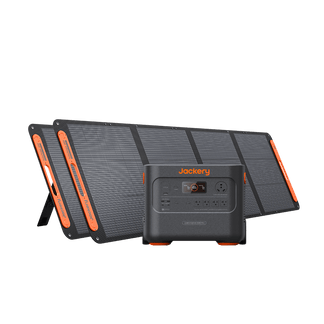
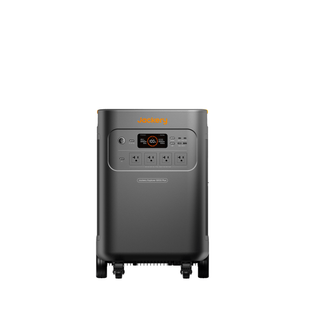
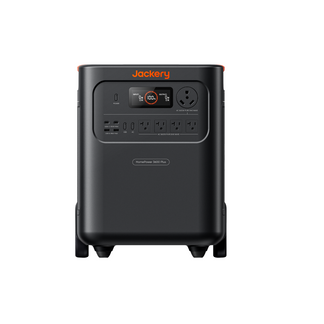
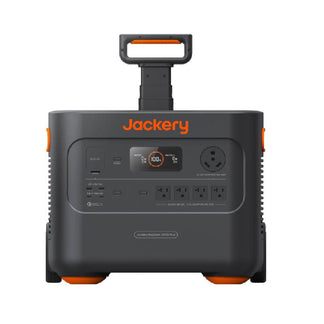
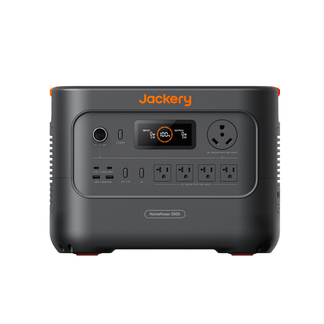
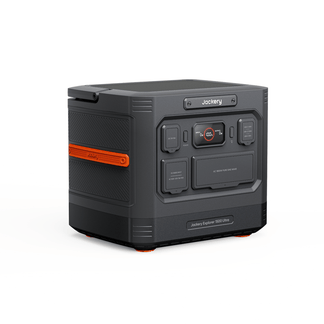
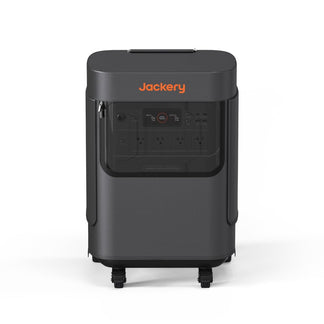
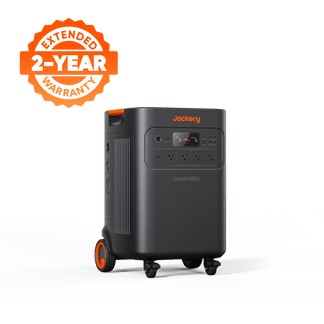
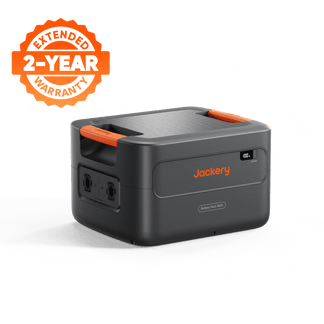
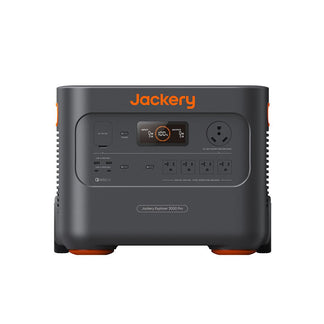
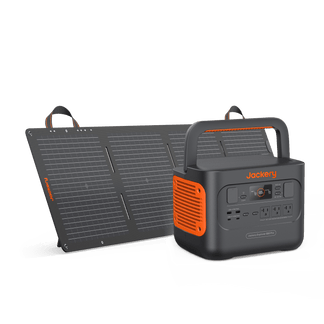
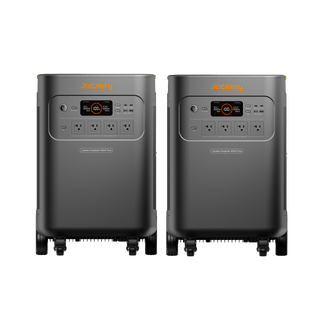
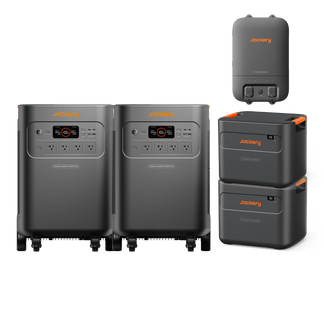
Jackery Solar Generator 5000 Plus
- Powers a standard refrigerator (400W) for 9.5 hours on a single charge.
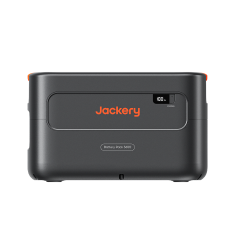
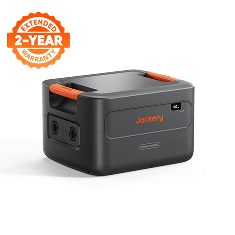
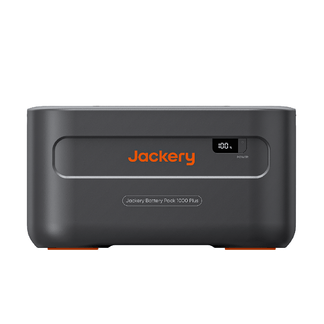
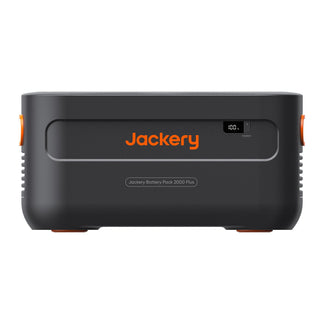
- Expandable capacity from 5kWh to an incredible 60kWh, perfect for multi-day Houston power outages.
- Features 120V/240V dual-voltage output, capable of running larger appliances like an air conditioner, furnace, or washing machine.
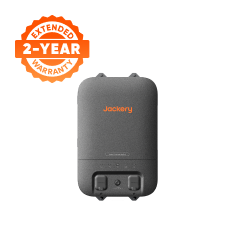
- Compatible with a smart transfer switch for near-seamless automatic power (0ms transition time), protecting sensitive electronics and providing uninterrupted energy.
This combination of indoor safety, expandable capacity, and high power output makes it a resilient choice for Houston's unpredictable weather.
Community Resilience and Long-Term Advocacy
Individual preparedness is vital, but community strength makes everyone safer. During an extended outage, check in on your neighbors, especially elderly residents or families with young children who may need assistance.
For long-term change, document recurring outages in Houston and report them to your city council members and state representatives. Advocating for infrastructure upgrades is crucial. Support community-wide goals like enhanced tree-trimming programs around power lines and strategic efforts to bury power lines in storm-prone areas. These investments can reduce the frequency and duration of future outages and lower the average electric bill in Houston by improving grid efficiency.
Key Takeaways for Houston Residents
Preparation is the most effective tool for navigating Houston's frequent and often prolonged power outages. The uncertainty of the grid means that taking control of your own readiness is not just an option—it's a necessity.
Focus on three key actions: build a comprehensive emergency kit, understand how to report outages effectively, and invest in a reliable backup power solution. By creating a proactive plan based on your family's specific needs and budget, you can face the next outage with confidence and security.
Frequently Asked Questions
How can I assess if my home's electrical system is robust enough to handle the demands of a portable power station?
Consult a qualified electrician for a home electrical system assessment to ensure your wiring and panel can safely handle the load from your chosen backup power solution.
What steps can individuals with critical medical devices take to ensure uninterrupted power during prolonged outages?
Explore dedicated medical-grade UPS (Uninterruptible Power Supply) systems for your specific device and connect with local community or disability support networks that may offer emergency resources.
What are the most common mistakes Houston residents make when reporting outages that lead to delays in restoration?
The most common mistakes are providing an incorrect address and failing to specify a nested outage; always double-check your service address and mention if neighbors have power.
What are the long-term cost implications and ROI of investing in a whole-home standby generator versus a high-capacity portable power station?
Consider the total cost of ownership: a standby generator has high installation and maintenance costs, while a portable power station has lower upkeep and can be fueled for free with solar panels.