




















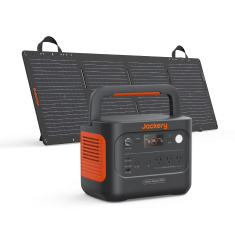
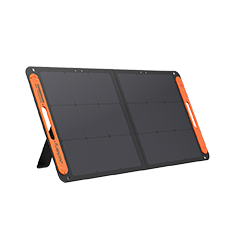
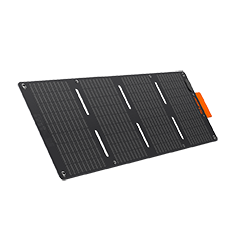




![[Add-on] Jackery SolarSaga 500 X - Jackery](http://www.jackery.com/cdn/shop/files/add-on-jackery-solarsaga-500-x-1493607.webp?v=1786503068&width=324)
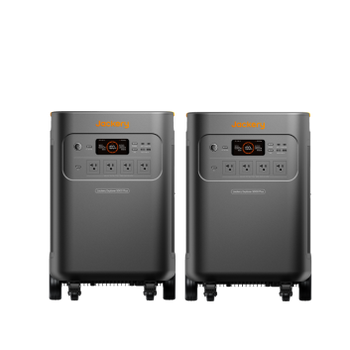
![[Add-on] Jackery Battery Pack 5000 Plus - Jackery](http://www.jackery.com/cdn/shop/files/add-on-jackery-battery-pack-5000-plus-6713401.webp?v=1786503068&width=324)


















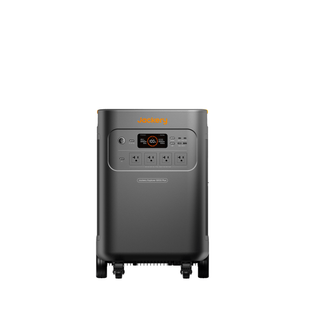
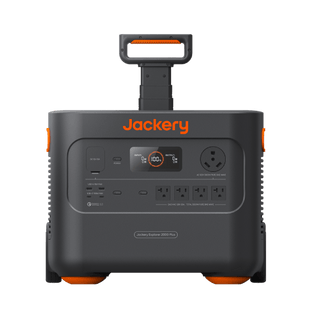
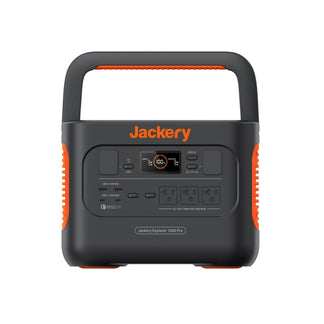
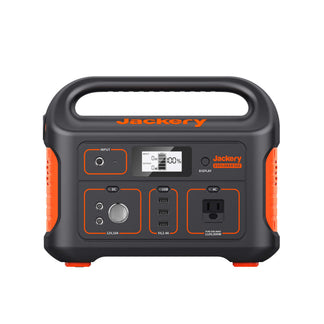

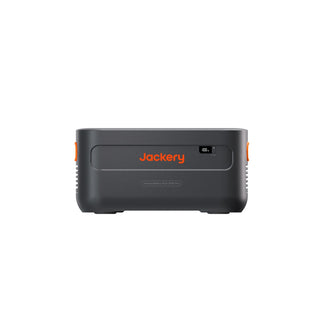
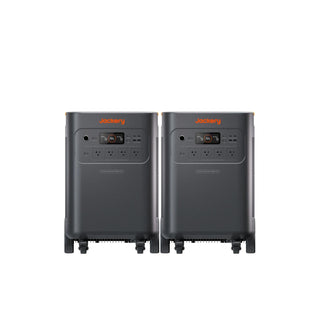
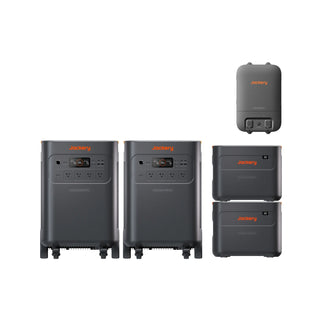
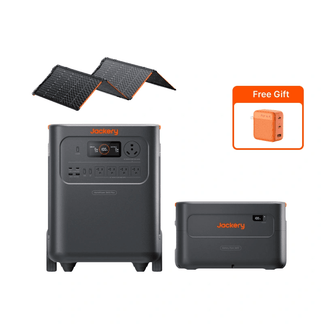


Quick Answer: A mini gas generator alternative, such as a portable battery power station, provides silent, indoor-safe backup electricity without carbon monoxide risks, fuel storage, or maintenance. These units run on rechargeable batteries and can power essential household devices like refrigerators, lights, and Wi‑Fi routers during a blackout.
Key Takeaways
- Battery power stations are 100% safe for indoor use with zero CO risk, unlike gas generators which cause roughly 70 deaths per year in the US from carbon monoxide poisoning. [2]
- Urban and suburban users strongly prefer battery alternatives due to noise ordinances, HOA restrictions, and the 2023 mandatory CO sensor that can cause gas generators to shut off even outdoors.
- A selective load management approach — prioritizing fridge, furnace blower, and internet — keeps demand under 2 kW and makes a portable power station a viable essential home backup solution. [1]
What Makes a Mini Gas Generator Alternative Safer Than a Combustion Generator?
Battery power stations are safer because they produce zero carbon monoxide exhaust, removing the poisoning and fire hazard.
- Zero CO risk: Every year, portable gas generators send roughly 70 Americans to the emergency room with carbon monoxide poisoning, and many of those incidents are fatal. [2] A battery station eliminates that risk entirely — it produces zero exhaust, period. You can place it indoors without the 20‑foot outdoor placement rule, cracked‑open garage doors, or CO detectors tripping at night.
- Fire risk: Gasoline is volatile and flammable; refueling a hot generator or spilling fuel can ignite vapors. Battery stations recharge from a wall outlet or solar panels — no fuel cans, no flammable liquids, no fire hazard from refueling.
- Noise: A gas generator runs at 60–90 dB, about as loud as a lawnmower — masking alerts, waking children, and violating HOA restrictions. A battery station operates at under 30 dB, effectively silent, so you can sleep through it.
- Maintenance: Gas generators need monthly exercise runs under load to keep the carburetor from gumming up; skip that routine, and the unit may not start. A battery station sits quietly for months, always ready, with zero maintenance.
For a broader view, see our guide on electric generators for home.
How to Size a Battery Backup for Your Essential Household Loads
Sizing correctly means matching your home’s essential load to the power station’s continuous output and surge capability. Follow these steps:
- List every must‑have device: refrigerator, freezer, LED lights, Wi‑Fi router, phone chargers.
- Add their continuous wattage: a typical Energy Star fridge draws 150–300 W, a router 10–20 W, each LED bulb 5–15 W. For a family of four, the total often lands between 300 and 600 W.
- Account for motor surge: refrigerators pull 2–3× running watts for 2–5 seconds on startup. A 200 W fridge may momentarily demand 600 W; the station’s surge rating must cover that peak, or the inverter will trip.
- Calculate battery capacity:
(Running Watts × Hours Used) ÷ 1,000 = Daily kWh
Example: a 200 W fridge running 24 hours uses (200 × 24) ÷ 1,000 = 4.8 kWh per day. A 2,042 Wh station can handle that load for roughly 10–12 hours if nothing else is plugged in.
- Apply the 80% continuous load rule: sustained loads should stay below 80% of the inverter’s rating to prevent overheating. A 2,200 W inverter should be loaded to no more than 1,760 W for extended use.
-
Prioritize ruthlessly:
- First priority: Refrigerator and freezer
- Second: Wi‑Fi router
- Third: LED lights
- Skip: Microwave, space heater, hair dryer — unless you’re willing to cut fridge time.
Selective load management turns a portable battery into a practical emergency tool — not a whole‑home solution, but a targeted essential backup. For detailed comparisons, see our best battery backup generators guide.
What Appliances Can a Portable Power Station Run During a Blackout?
A 2,000 Wh battery covers the critical basics. The table below shows realistic runtime for common loads, assuming a fully charged 2,042 Wh unit and no other devices:
Appliance |
Typical Wattage |
Runtime (2,042 Wh) |
Notes |
|---|---|---|---|
Refrigerator (Energy Star) |
150–300 W |
6–13 hours |
Compressor cycles; actual runtime depends on door openings |
Chest freezer |
100–200 W |
10–20 hours |
Well-insulated; runs less often |
Wi‑Fi router + modem |
10–20 W |
100+ hours |
Critical for communication and working from home |
LED light bulb (60 W equiv.) |
5–15 W |
130+ hours |
Use multiple bulbs, still negligible draw |
Laptop |
45–65 W |
30–45 hours |
Charges while using |
Smartphone |
5–10 W |
60–80 full charges |
Small but vital |
Portable fan |
50–100 W |
20–40 hours |
Circulation without AC |
Microwave (1,000 W) |
1,000–1,200 W |
1.5–2 hours of cooking |
Intermittent; each use eats battery quickly |
Electric space heater (1,500 W) |
1,500 W |
~1.3 hours |
Avoid unless absolutely necessary; massive drain |
Refrigerators and freezers are the top priority: a 2,042 Wh battery keeps a modern Energy Star fridge cold for 10–15 hours (enough for an evening‑to‑morning outage), and chest freezers last even longer. Communication and lighting draw under 30 W total, so internet and lights can run for days. Resistive heating is the enemy: a microwave consumes 80–100 Wh per 5‑minute burst, and a 1,500 W space heater drains a 2,000 Wh battery in just over an hour. Avoid these overnight when the fridge needs backup.
How to Recharge a Battery Backup During a Multi-Day Blackout
Solar is the most practical off‑grid lifeline. Recharging options include:
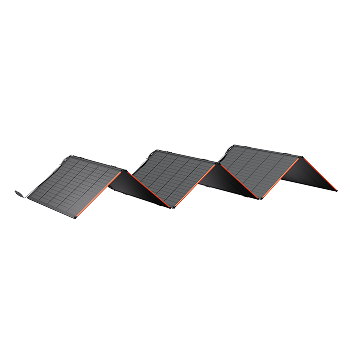
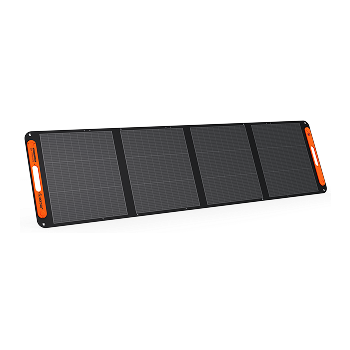
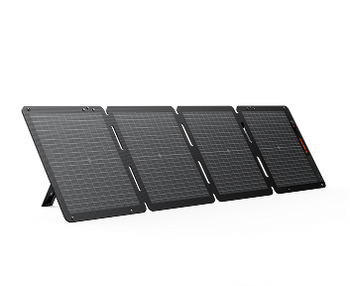
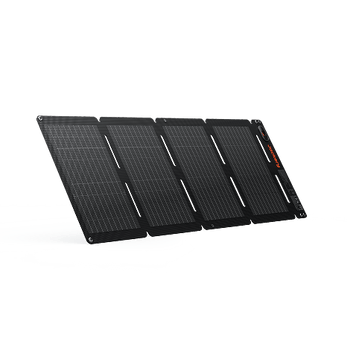
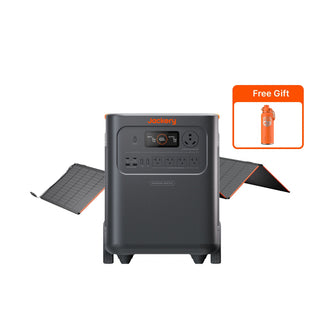
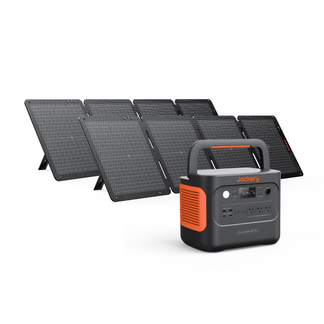
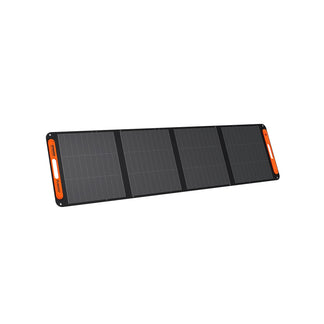
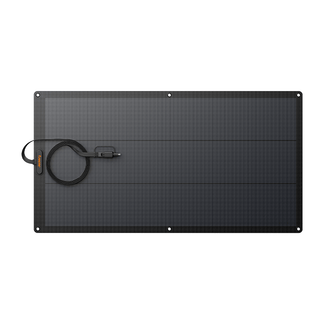
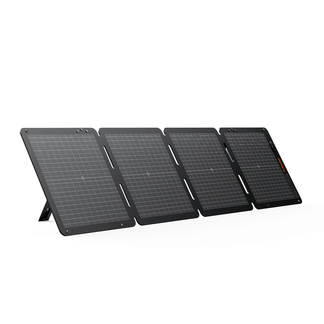
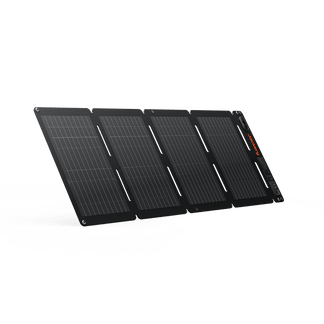
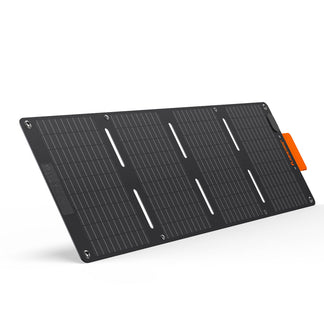
- Solar: A single 200 W panel delivers 800–1,200 Wh on a sunny day, fully recharging a 2,042 Wh battery in 2–3 days. Two 200 W panels cut that to 10–14 hours of direct sunlight, creating a self‑sustaining system. [3]
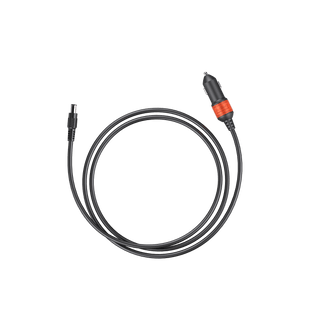
- Vehicle charging: Via the 12 V outlet, most cars supply 100–120 W, adding roughly 1,200 Wh over a 10‑hour drive — enough to top up a partially depleted battery during a supply run.
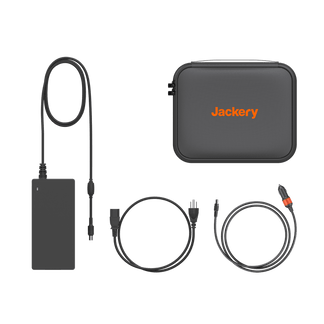
- Wall outlet: Fastest when the grid returns. Most Jackery power stations recharge from 0 to 100% in 1.5–3 hours on a standard 120 V AC outlet.
- Daisy‑chain multiple batteries: Charge one via solar while the other powers your home; swap when full.
- Monitor state of charge: Plan a recharge when the battery drops below 30%. Letting it hit zero during a critical moment leaves you without backup.
What Are the Limitations of a Mini Gas Generator Alternative?
- Runtime: A 2,042 Wh battery runs a fridge for 10–15 hours, while a gas generator can run indefinitely with refueling. Recharging requires hours of sun, a vehicle, or a working AC outlet; a gas generator refuels in under a minute from a jerry can.
- Upfront cost per usable kWh: Residential battery storage averages $800–$1,300 per usable kWh installed (EnergySage marketplace averages, 2026). A comparable gas generator costs $500–$1,500, though the battery saves on fuel and maintenance over time.
- Coverage: Portable battery stations are not whole‑home backup. They power select circuits — refrigerators, lights, routers — but cannot run central AC, 240 V well pumps, or electric water heaters. (A mini gas generator has the same limitation.)
- Battery lifespan: LiFePO4 chemistry lasts 3,000–5,000 cycles to 70% capacity (10–15 years of daily use), after which capacity gradually declines. A gas generator can last 20–30 years with maintenance and occasional repairs.
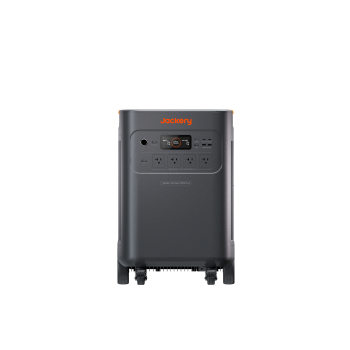
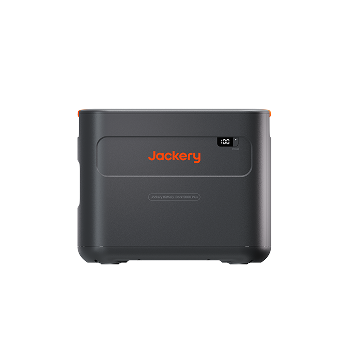
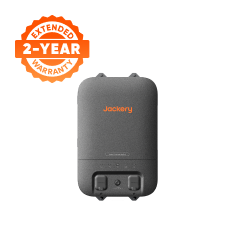
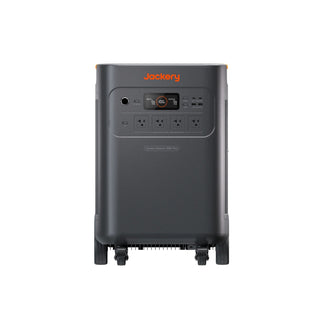
For a permanent, higher‑capacity solution, a DIY house battery backup system requires professional installation, or a larger stationary system like the Jackery Solar Generator 5000 Plus may suit — we break down the setup process here.
Product Recommendation: Essential Home Backup with Solar Recharging
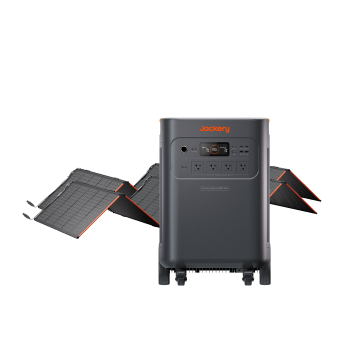
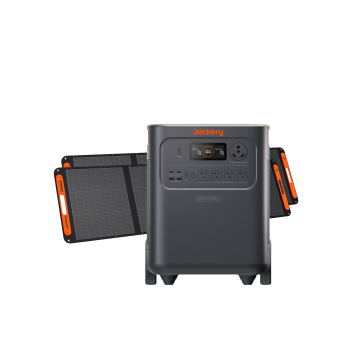
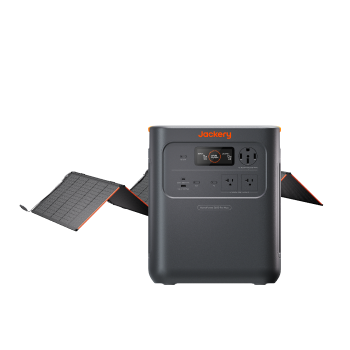
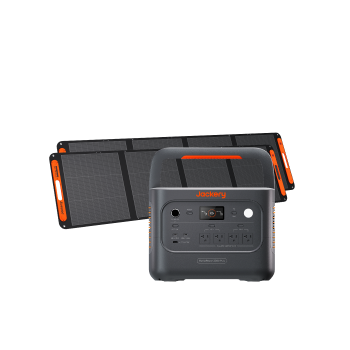
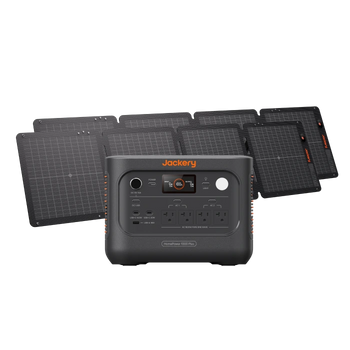
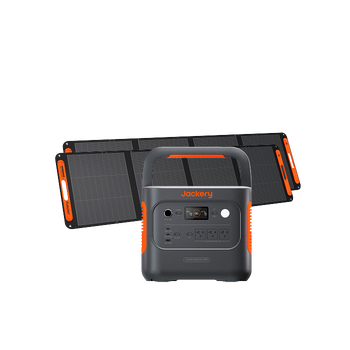
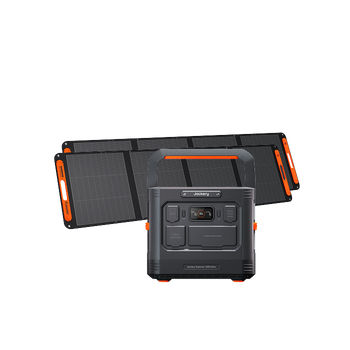
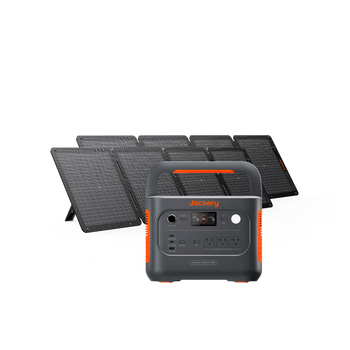
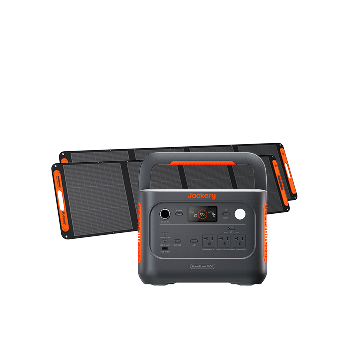
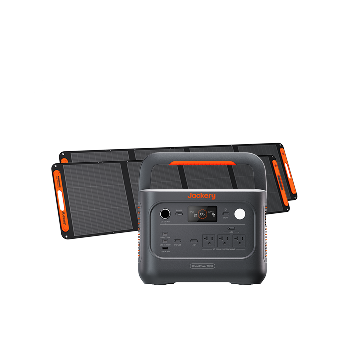
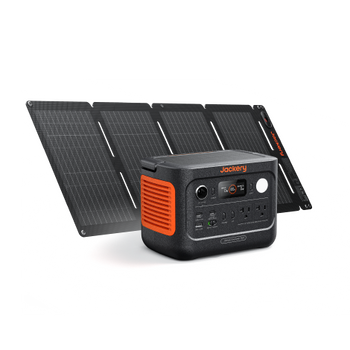
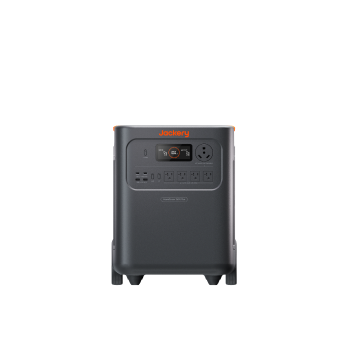
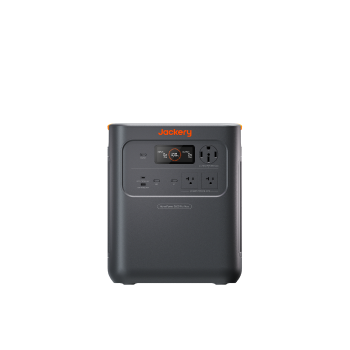
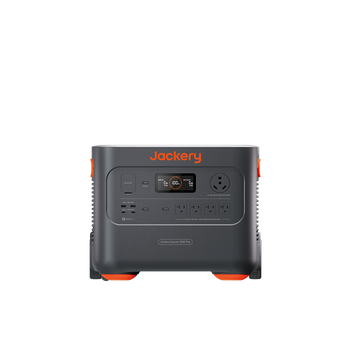
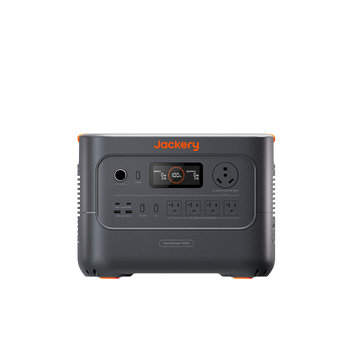
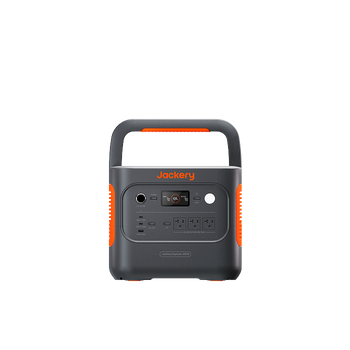
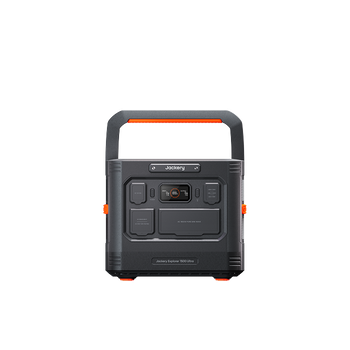
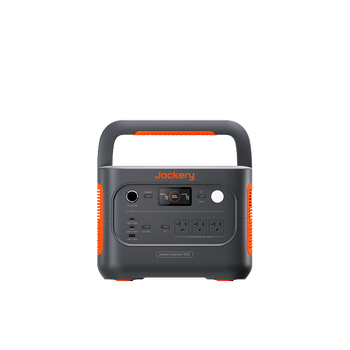
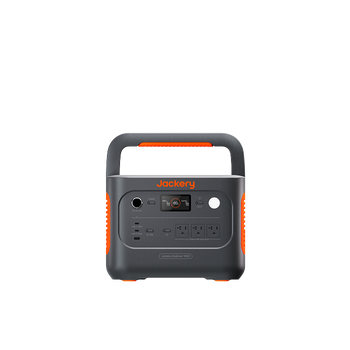
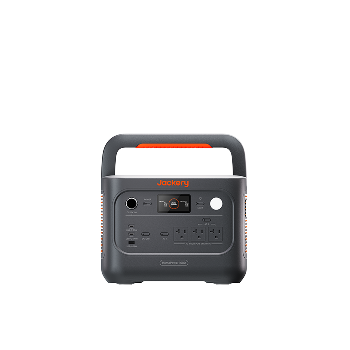
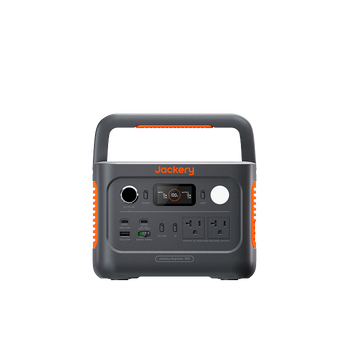
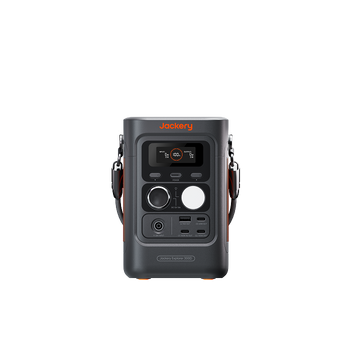
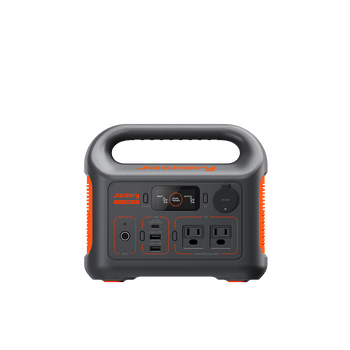
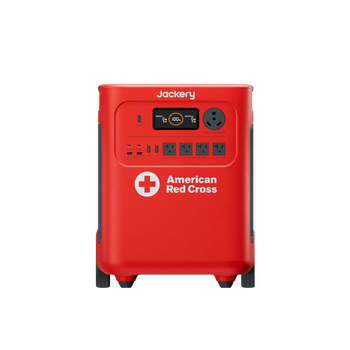
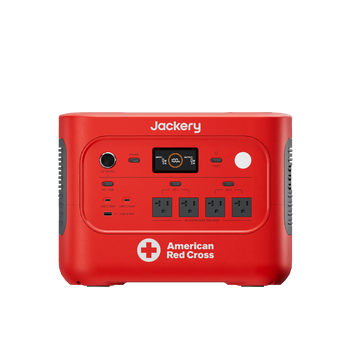
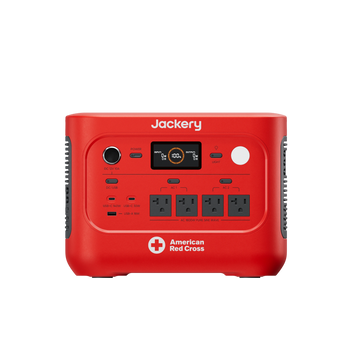
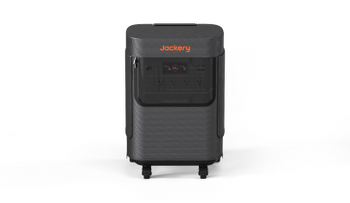
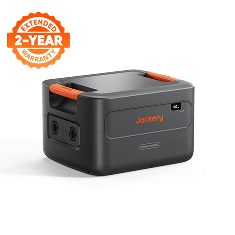
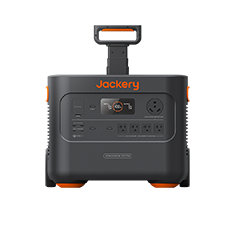
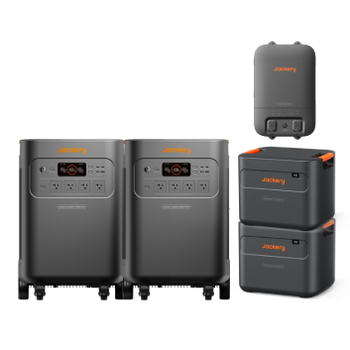
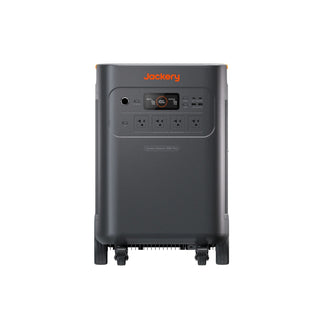
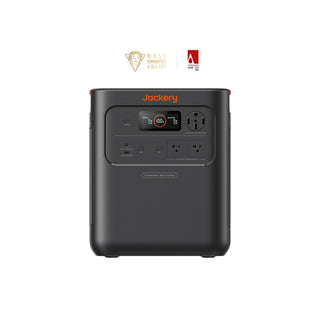
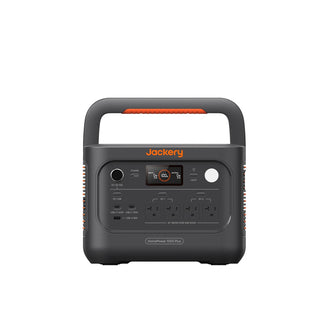
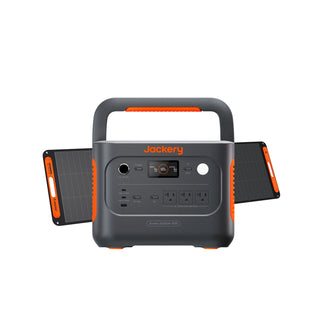
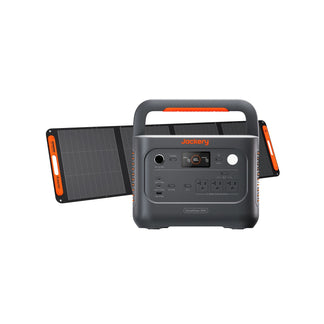
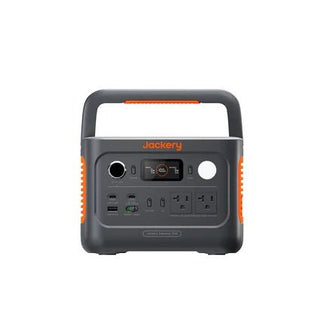
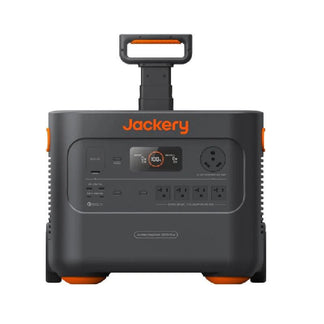
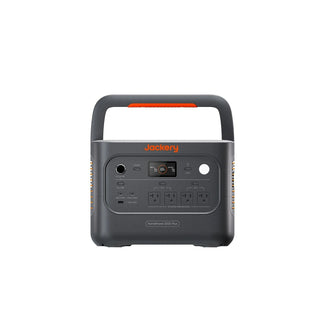
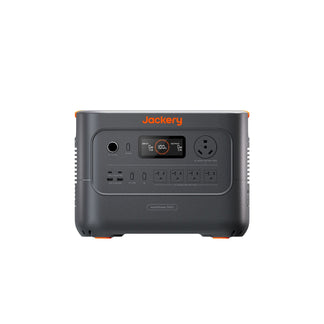
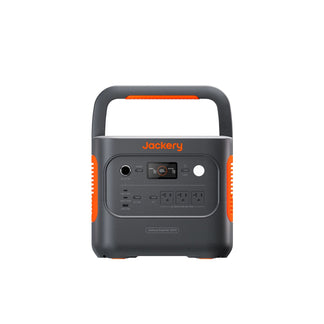
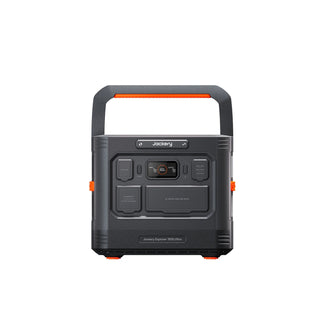
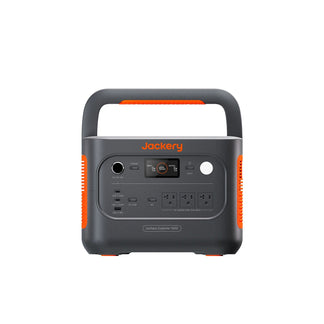
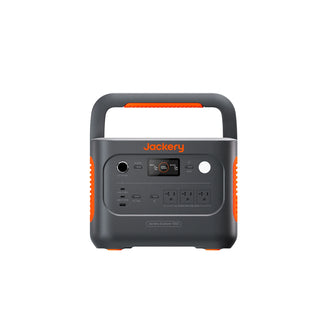
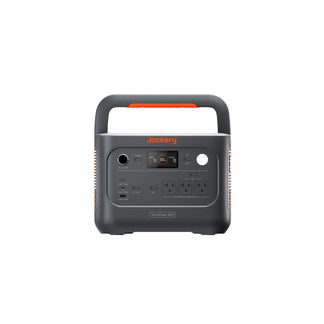
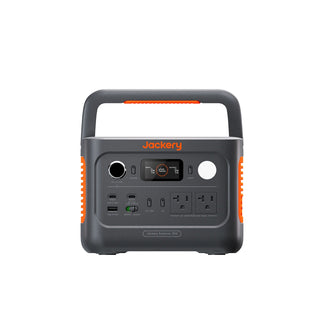
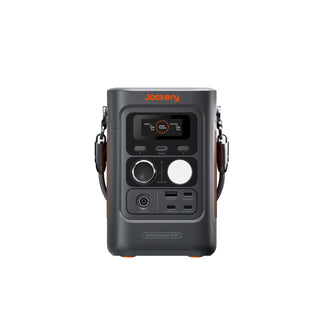
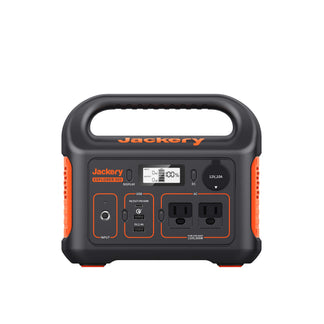
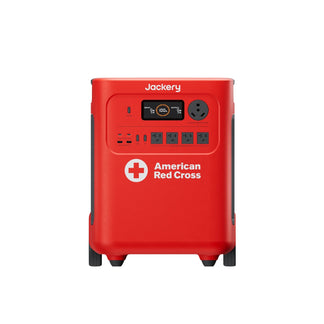
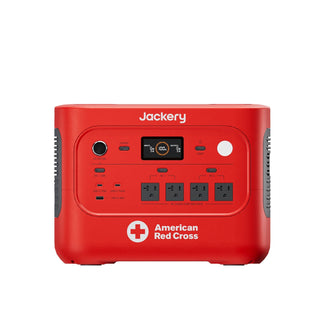
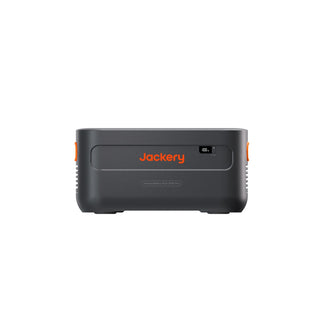
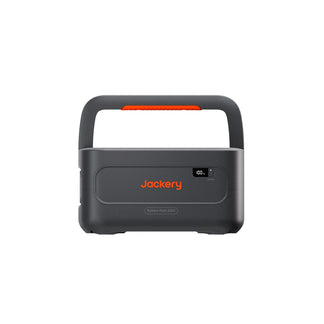
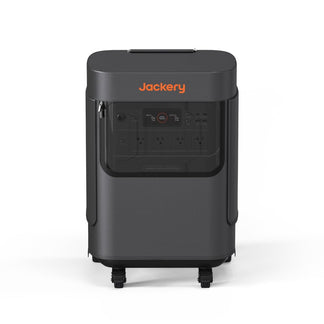
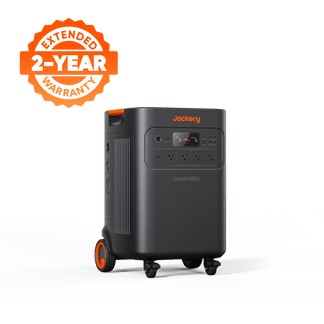
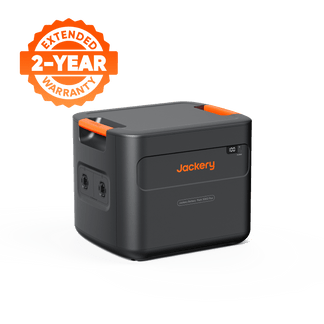
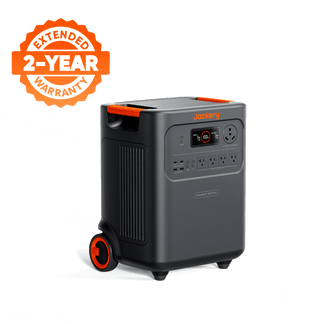
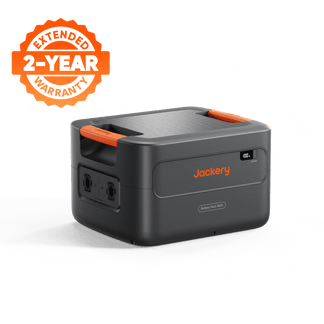
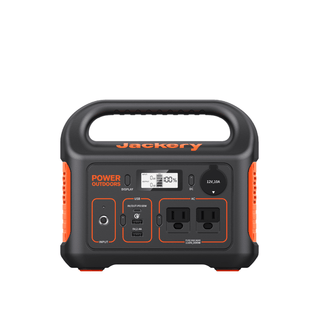
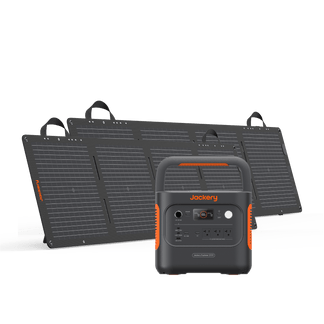
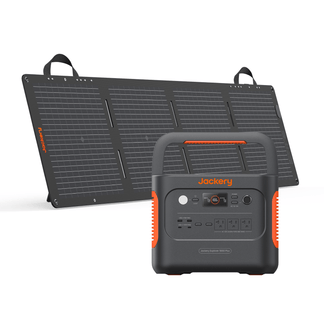
Jackery’s portable power stations replace a mini gas generator in an emergency. Each model provides silent, indoor‑safe power with zero exhaust and no fuel storage. The right choice depends on how many hours of backup you need and which appliances you plan to run.
Model |
Capacity |
Continuous / Surge Output |
Fridge Backup Runtime |
Recharge |
Battery & Cycle Life |
Weight / Noise / Ports |
Ideal For |
|---|---|---|---|---|---|---|---|
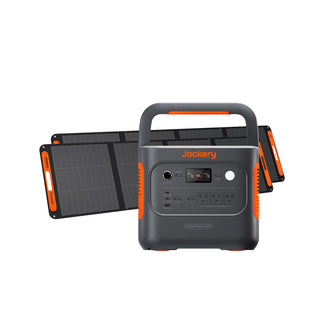
Jackery Explorer 1000 v2 |
1,070 Wh |
1,500 W / 3,000 W |
6–8 hours + essential electronics |
Solar input up to 200 W |
— |
23.8 lbs, built‑in handle |
Short outages, apartments |
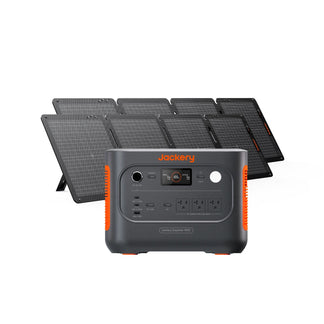
Jackery Explorer 2000 v2 |
2,042 Wh |
2,200 W / 4,400 W |
Overnight fridge backup (+ lights, router) |
— |
— |
Under 30 dB, multiple AC/USB ports, zero‑emission indoor use |
Overnight essentials, no fuel storage |
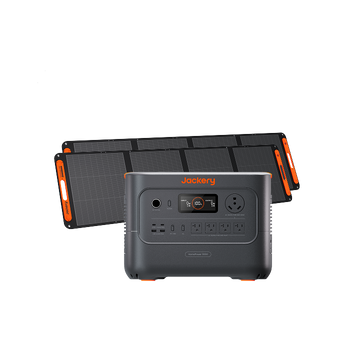
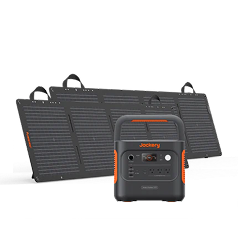
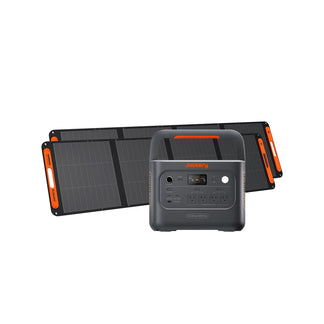
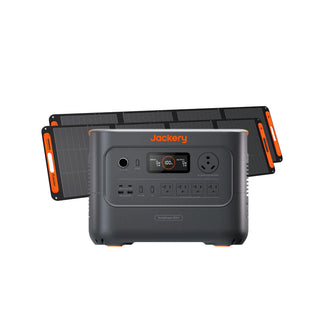
Jackery Solar Generator 2000 v2 |
2,042 Wh + two 100 W panels |
2,200 W / 4,400 W |
12–15 hours (150 W Energy Star fridge) + lights, Wi‑Fi, phone chargers |
1.75‑hour AC, 7.5‑hour solar (with panels) |
LiFePO4, 4,000+ cycles to 70%, 10+ years, zero maintenance |
— |
Multi‑day outages with solar recharging |
Frequently Asked Questions (FAQ)
What appliances should I never plug into a power station?
Avoid high‑wattage resistive loads like electric space heaters, toasters, and hair dryers. They drain the battery in minutes and risk overloading the inverter.
How can I extend battery runtime during a long outage?
Lower device brightness, unplug unused chargers, and run your fridge in “eco mode” to reduce power consumption by up to 30 percent.
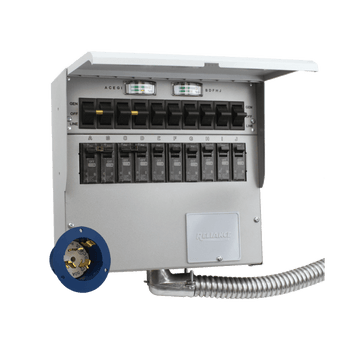
Can I use a portable battery station with a generator transfer switch?
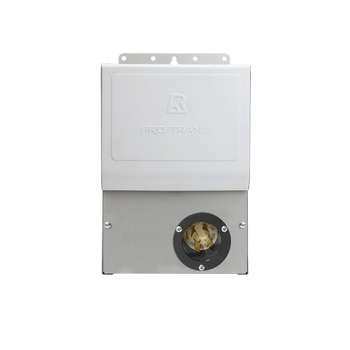
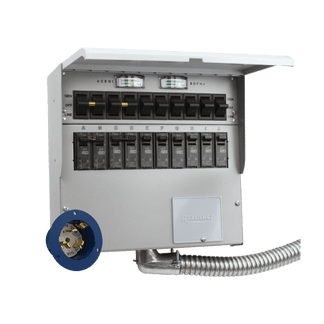
Yes, but only if the station’s output matches the switch’s amperage rating and you use a dedicated inlet to prevent backfeeding the grid.
Does a power station need surge protection for sensitive electronics?
Most units include a pure sine wave inverter, which provides clean power safe for laptops and other sensitive electronics without an extra surge protector.
What is the real‑world cost per kWh of a battery station vs. a gas generator?
Over 10 years, battery backup costs roughly $0.30–$0.50 per usable kWh, while gas generators run $0.50–$1.00 per kWh when factoring fuel and maintenance.
Sources & References
[1] Ready.gov / FEMA, “Power Outages” — ready.gov/power-outages (accessed June 25, 2026).
[2] Washington State Department of Health, “Generator Use During a Power Outage” — doh.wa.gov/emergencies/be-prepared-be-safe/severe-weather-and-natural-disasters/power-outages/generator-use-during-power-outage (accessed June 25, 2026).
[3] Utah State University Extension, “Alternatives During a Power Outage” — extension.usu.edu/archive/alternatives-during-a-power-outage (accessed June 25, 2026).


