












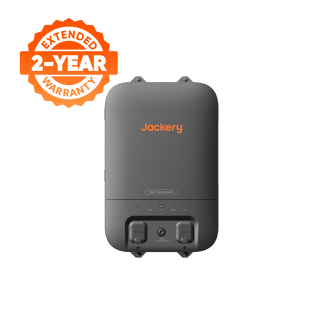
![[Add-on] Jackery SolarSaga 500 X - Jackery](http://www.jackery.com/cdn/shop/files/add-on-jackery-solarsaga-500-x-1493607.webp?v=1786503068&width=324)
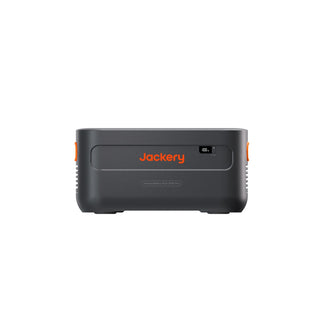
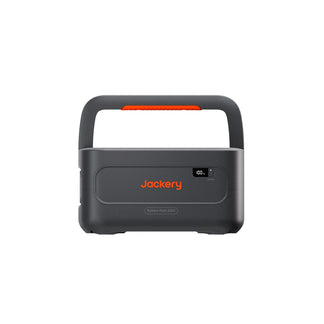
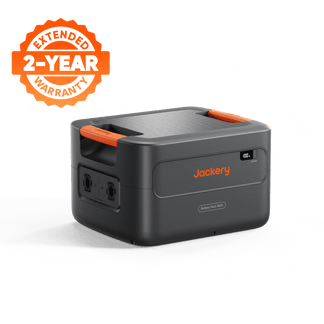
![[Add-on] Jackery Battery Pack 5000 Plus - Jackery](http://www.jackery.com/cdn/shop/files/add-on-jackery-battery-pack-5000-plus-6713401.webp?v=1786503068&width=324)









PPL Power Outage: How to Track and Prepare
Quick Answer: Track a PPL power outage via the online Outage Map, text “Outage” to TXTPPL, call 1-800-342-5775, or sign up for PPL Alerts. Prepare a 72‑hour kit with non‑perishable food, one gallon of water per person per day, flashlights, and a battery‑powered radio. Keep refrigerator and freezer doors closed — food stays safe roughly 4 hours in a fridge and 48 hours in a full freezer. [1]
Key Takeaways
- Frequent PPL outages often stem from trees contacting lines; some customers report 4 outages in two months.
- PPL’s outage map can lag during storms — supplement with text alerts (text “Outage” to TXTPPL) and neighbor reports.
- A portable power station can back up a refrigerator (520 W) for 10 hours and essential electronics for days, but it will not carry central AC or electric heat.
How to Track PPL Power Outages in Real Time
Outage map access
PPL’s interactive outage map shows color‑coded icons by address, ZIP code, or county, refreshing every few minutes. During severe storms, a 15‑minute delay is common; bookmark it and check alongside text alerts.
Text outage reporting
Text “Outage” to TXTPPL (898‑775) to report an outage and receive automatic updates. The system recognizes your registered mobile number, making it the fastest way to log a problem when phone lines are jammed.
PPL Alerts sign‑up
Sign up at pplelectric.com/alerts for real‑time text, email, or phone notifications. Choose “All Outages” or “Major Events” thresholds; PPL pushes estimated restoration times and crew‑dispatched notices.
Phone reporting option
Call 1‑800‑342‑5775 to report outages or downed lines. The automated system asks for your account or phone number. If busy, try again in 10 minutes — storm surge volume overloads lines.
Social media updates
Follow PPL on X, Facebook, and Instagram for community outage news and crew photos. Social feeds are not a substitute for direct alerts.
How to Prepare for a PPL Power Outage
72‑hour emergency kit
Stock a kit with:
- Non‑perishable food
- One gallon of water per person per day
- A first‑aid kit
- A battery‑powered radio
- A manual can opener
- Prescription medications
- Pet supplies
Replace supplies every six months and keep the kit grab‑and‑go. [3]
Device charging strategy
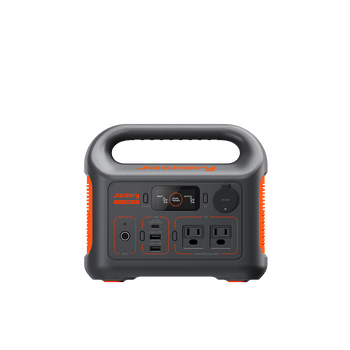
Fully charge devices and portable power stations before a storm. A 27‑ounce (800‑mL) power bank recharges a phone twice; a Jackery Explorer 2000 v2 Portable Power Station can recharge a phone 80 times and keep a router running for days.
Refrigerator pre‑cooling
Set the refrigerator to its coldest setting 4–6 hours before the storm. Freeze water containers to create ice blocks; a full freezer stays cold 48 hours, and pre‑cooling adds a safety margin.
Personal‑care planning
Keep extra cash, a printed emergency contact list, and everyday items like baby formula, diapers, and contact lens solution. ATMs and card readers stop working without power; don’t rely on your phone’s contact list if the battery dies.
Generator safety rule
Operate portable generators outdoors at least 20 feet from buildings, exhaust pointed away from doors and windows. Never run one in a garage, even with the door open. Carbon monoxide poisoning kills hundreds annually during outages. [3] If dizzy or nauseous, get fresh air immediately.
Food Safety During a Power Outage
Refrigerator 4‑hour rule
Perishable food stays safe up to 4 hours with the door closed. Discard meat, poultry, fish, dairy, eggs, and leftovers after that, even if they look and smell fine. [1] Use a refrigerator thermometer; throw away anything above 40°F for 2 hours or more. [2]
Freezer 48‑hour rule
A full freezer stays safe 48 hours, a half‑full freezer 24 hours, if doors remain closed. [1] Each door opening shaves 2–4 hours off that window. Group food tightly to stay cold longer.
40°F danger threshold
Throw out any food above 40°F for 2 hours or more. Bacteria multiply rapidly in the “danger zone” between 40°F and 140°F. [2] This applies to both refrigerator and freezer — if food has thawed and sat above 40°F, it’s unsafe.
Ice crystal test
Food with ice crystals or a temperature below 40°F can be safely refrozen or cooked immediately. Use a digital thermometer to check the core. If partially thawed but still cold, cook it right away; do not refreeze raw.
Never taste to test
Do not taste food to determine safety — contamination often has no odor or visible sign. When in doubt, throw it out, per FDA guidelines. [2] Replacing a fridge’s worth of food costs far less than an emergency room visit.
Staying Safe During a Power Outage
Downed line distance
Stay at least 100 feet away from downed lines and report them to PPL at 1‑800‑342‑5775. Assume every line is energized. Do not drive over fallen lines or touch anything in contact with them — a metal fence, puddle, or tree branch.
Flashlights over candles
Use battery‑powered lights instead of candles to eliminate fire risk. Candles cause thousands of residential fires annually. Keep a flashlight in every bedroom and a headlamp in your emergency kit — both leave your hands free.
Unplug sensitive electronics
Disconnect computers, TVs, and appliances to prevent surge damage when power returns. The initial surge can spike voltage above 120 V. Leave one lamp or radio on to know when power is restored.
Plumbing limitations
Electric water heaters and well pumps stop working. City water pressure may remain, but avoid showering during lightning storms. If you rely on a well, store drinking water beforehand — a 4‑person household needs at least 4 gallons per day. For backup power for well pumps and other essentials, designing an emergency power supply for your home walks through the loads you can realistically cover.
Carbon monoxide warning
Never use grills, camp stoves, or generators indoors. CO poisoning is odorless and colorless, causing hundreds of outage‑related deaths annually. [3] Symptoms: headache, dizziness, weakness, confusion. If suspected, get outside immediately and call 911.
Understanding PPL Power Outage Restoration
Restoration priority order
PPL restores power in this sequence:
- Critical facilities (hospitals, police, fire)
- Major distribution lines feeding the most customers
- Neighborhood transformers
- Individual service drops
If you’re the only house without power, you’ll likely be among the last restored.
Smart Grid technology
PPL’s Smart Grid detects problems and reroutes power, reducing outage duration. Fault‑isolation devices clear tree‑branch shorts and restore power to thousands of homes in seconds without a crew, turning hour‑long outages into minutes.
Estimated restoration times
The Outage Map provides crew status and restoration estimates, updating as crews assess damage. Initial estimates may be broad (“by 11 p.m.”) but tighten as faults are located. Check every 30 minutes for the latest ETR.
County‑level outage data
Third‑party sites track county‑level outage counts and 72‑hour historical trends. If your county routinely sees 10,000+ outages during wind events, plan your backup strategy accordingly.
PUC escalation
For chronic outages (e.g., 4 in 2 months), file a complaint with the Pennsylvania Public Utility Commission. The PUC can order PPL to investigate, trim trees, or upgrade equipment. Document each outage’s date, duration, and damage — this is your leverage.
Limitations / What to Know Before
Outage duration uncertainty
Estimated restoration times shift as crews assess damage; severe weather can extend outages. If PPL says “power back by 10 p.m.,” plan for midnight.
Food safety depends on door discipline
The 48‑hour freezer rule requires keeping doors closed; every opening reduces safe time. If kids open the fridge repeatedly, tape the door shut.
Portable power limits
- Portable power stations back up refrigerators, lights, and electronics — not whole‑home central AC or electric heat.
- A 5,040‑Wh unit runs a fridge (520 W) for 10 hours and a few lights.
- A 3‑ton central AC pulling 3,500 W would drain the battery in under an hour.
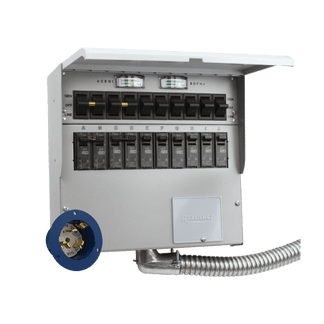
- Seamless whole‑home backup requires a permanently installed battery system with load management.
- For a comparison, home backup power system: generator vs. battery breaks down the trade‑offs.
PPL’s Trip Saver device aims to stop power from staying off when trees contact lines, but users are skeptical without broader grid fixes. A recloser reduces momentary outages, but if the tree remains, the line will trip again.
Product Recommendation: Essential Home Backup for PPL Outages
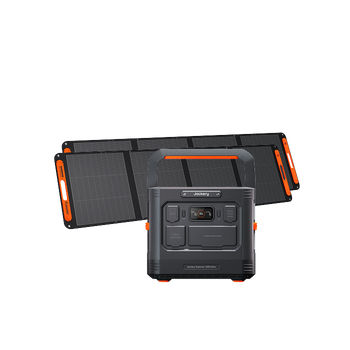
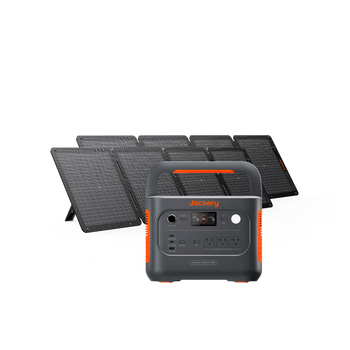
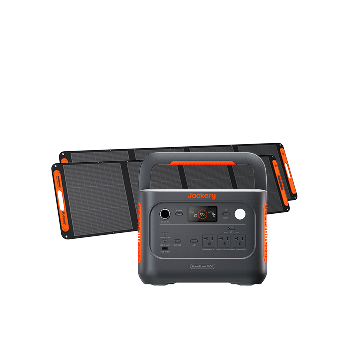
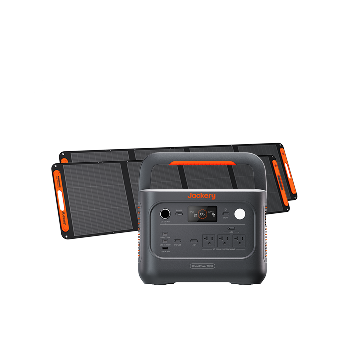
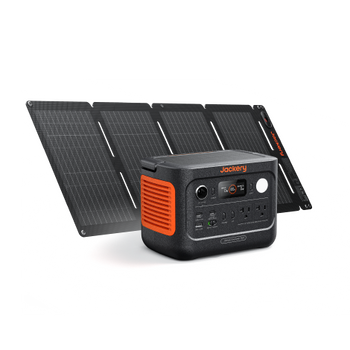
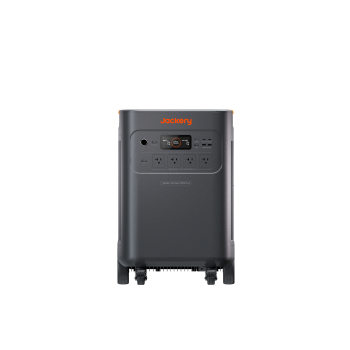
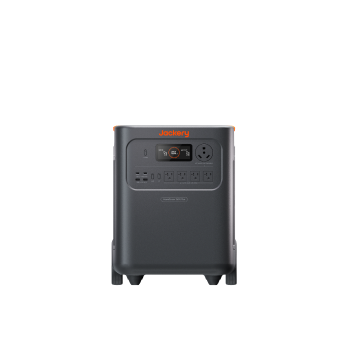
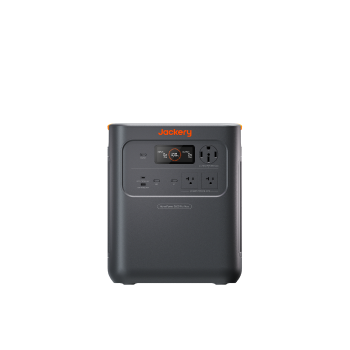
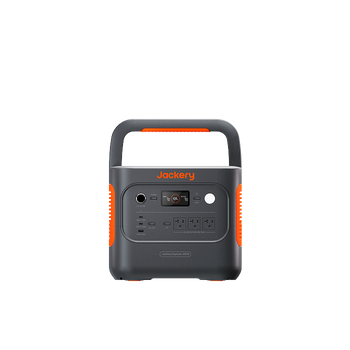
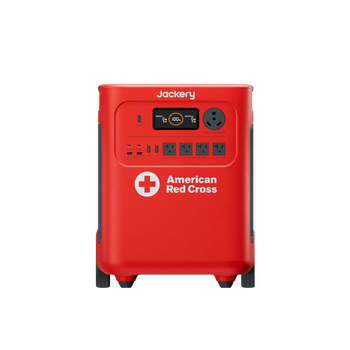
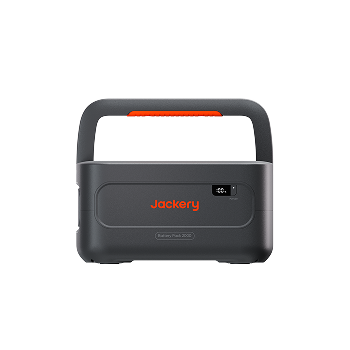
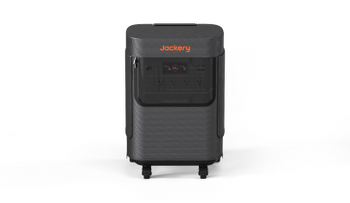
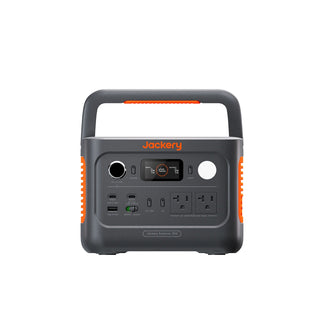
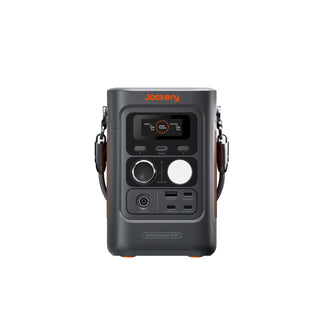
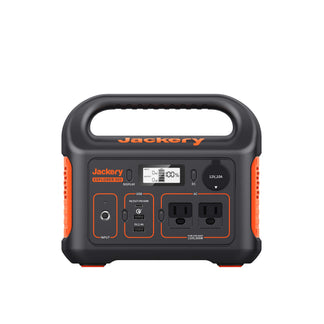
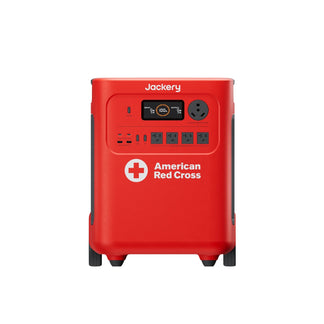
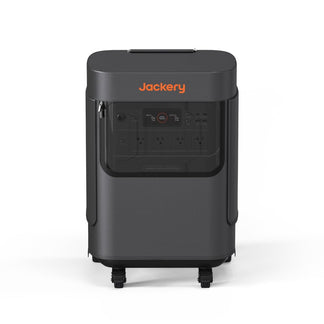
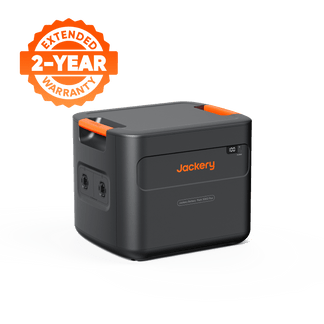
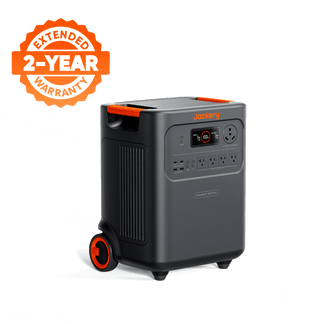
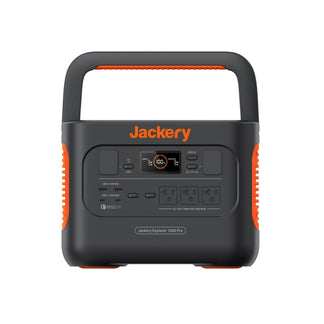
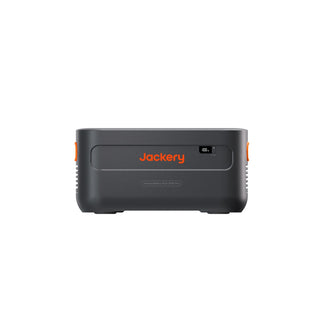
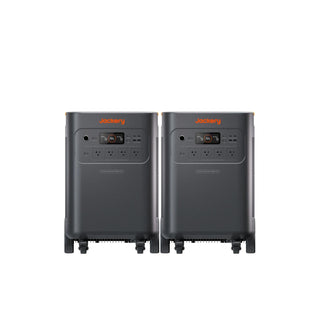
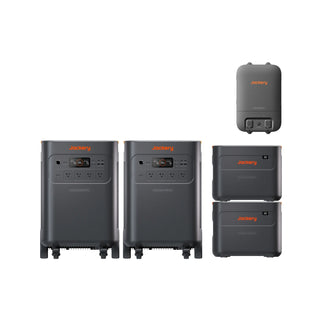
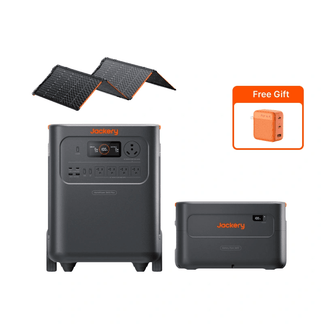
When a PPL outage drags on, a portable power station keeps your refrigerator, lights, Wi‑Fi, and medical‑adjacent devices running. The three Jackery setups below cover from a few hours to multi‑day essential backup. For an overview, the best battery backup generators explains what to look for and how capacity translates to runtime.
Model |
Capacity & Output |
Key Backup Duration |
Best For |
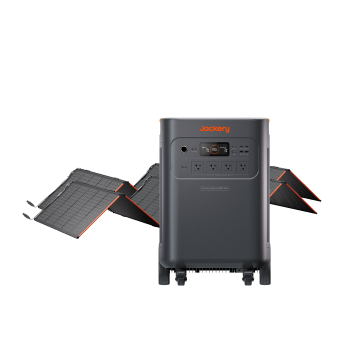
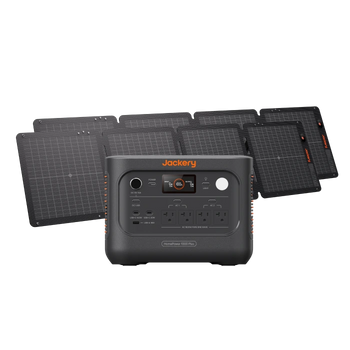
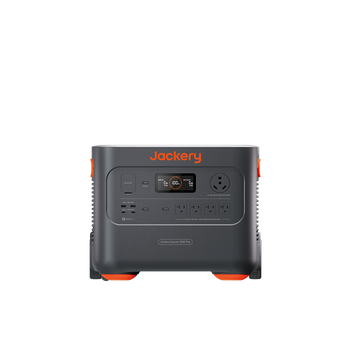
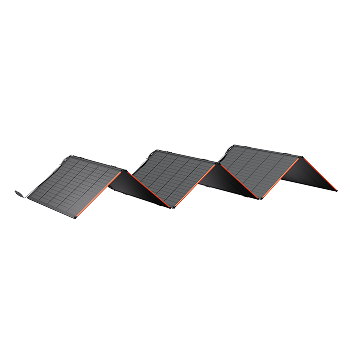
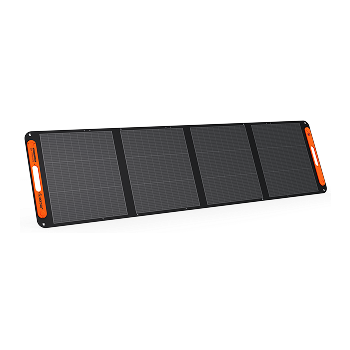
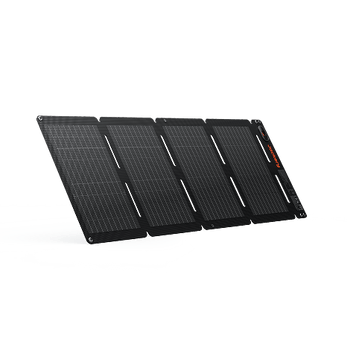
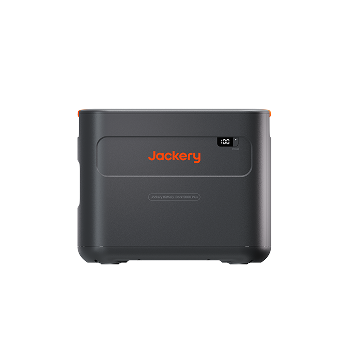
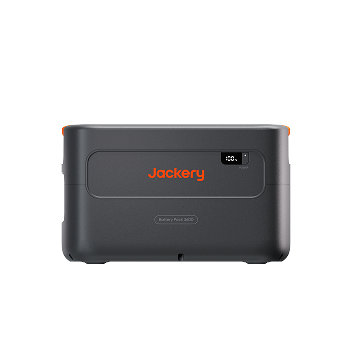
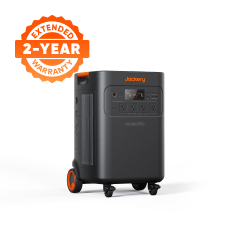
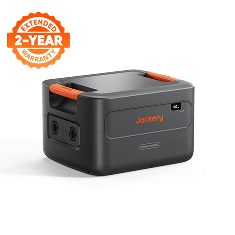
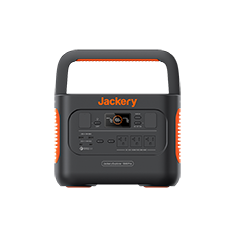
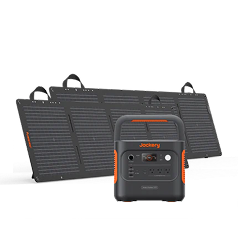
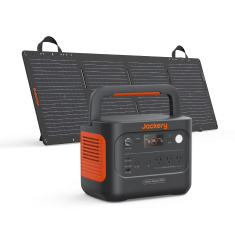
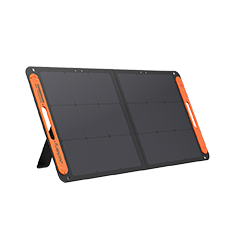
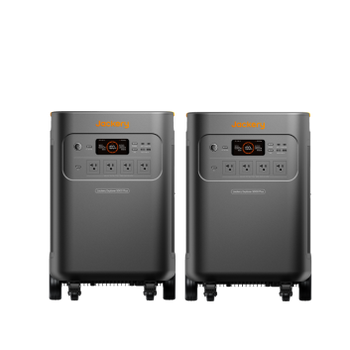
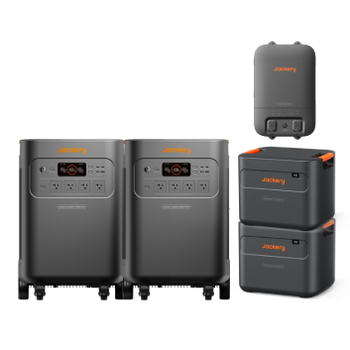
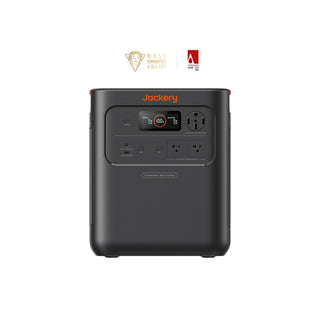
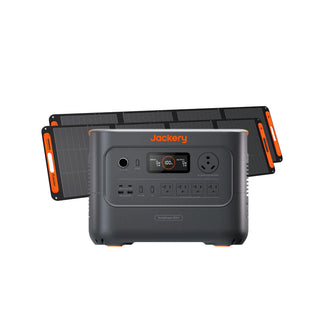
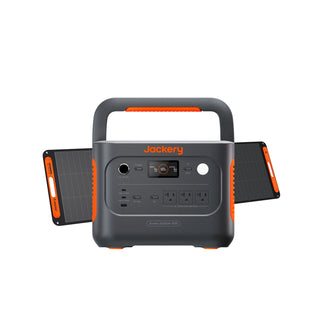
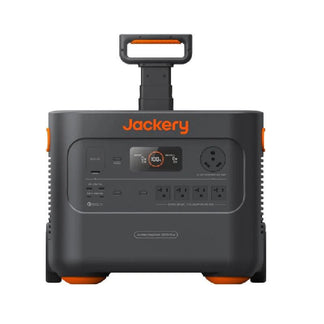
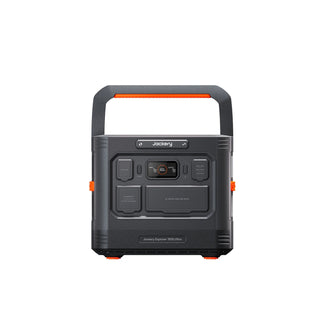
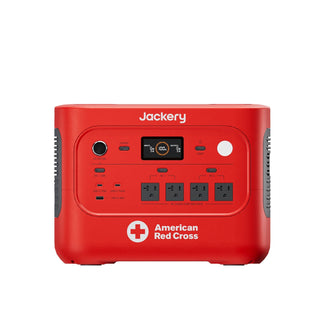
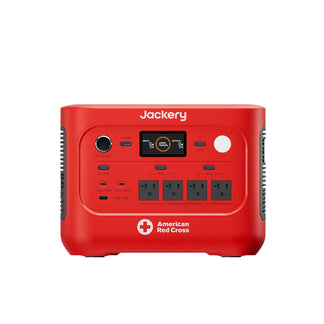
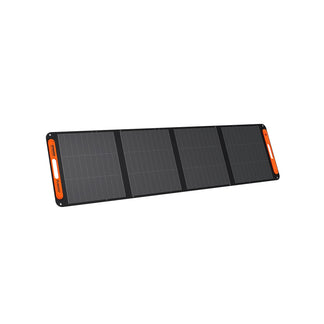
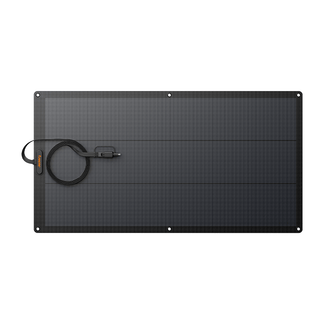
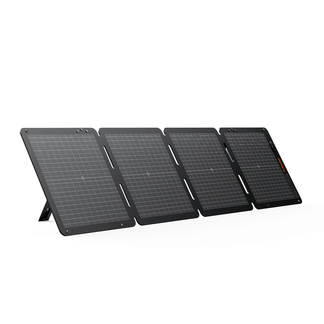
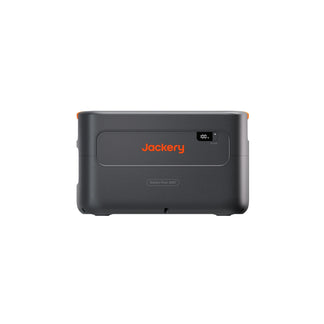
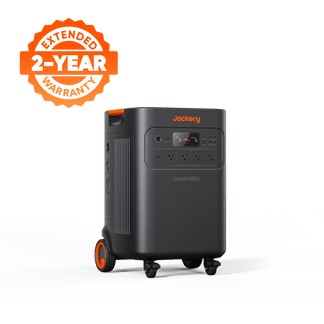
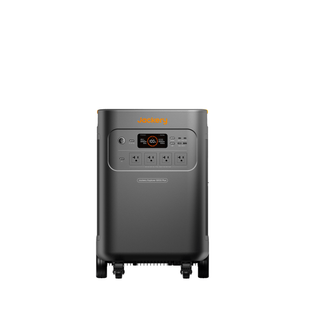
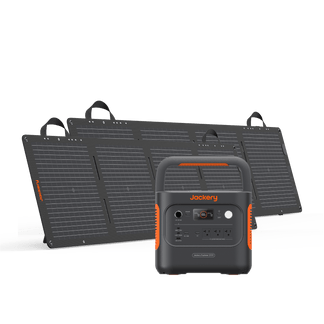
Jackery Solar Generator 5000 Plus + 2x SolarSaga 500X |
5,040 Wh, expandable to 60 kWh; 7,200 W continuous, 14,400 W surge |
Runs a 520‑W refrigerator for 10 hours, plus lights, Wi‑Fi, and a sump pump |
Extended multi‑day outages; handles well‑pump and sump‑pump surge loads |
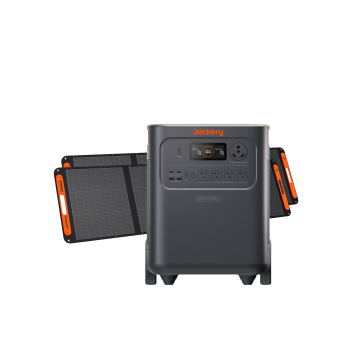
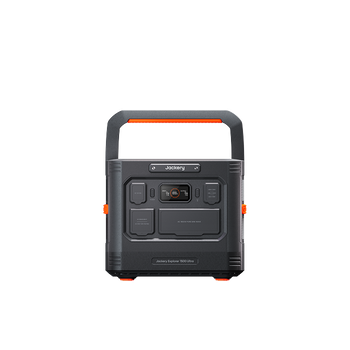
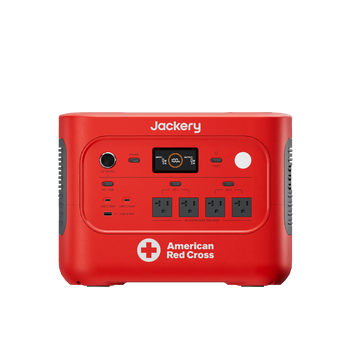
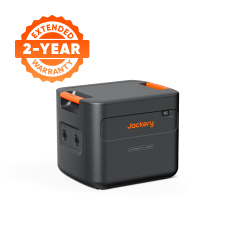
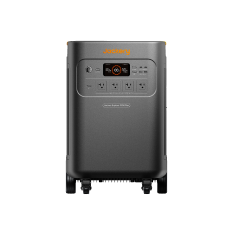
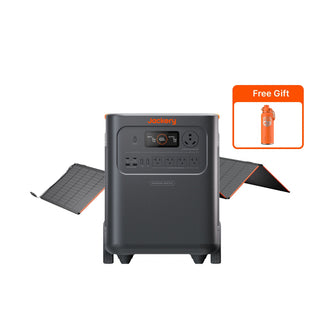
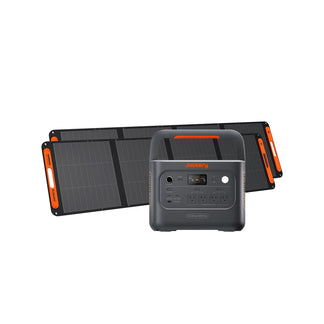
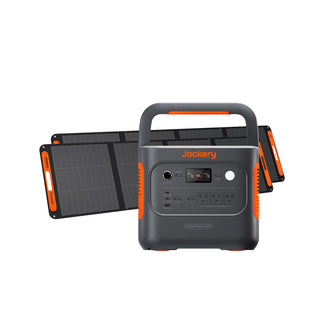
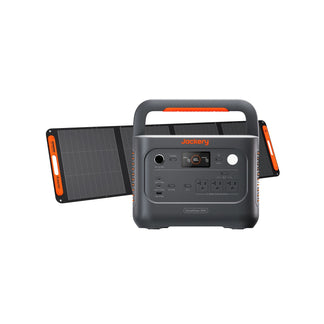
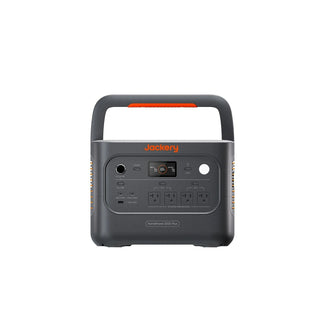
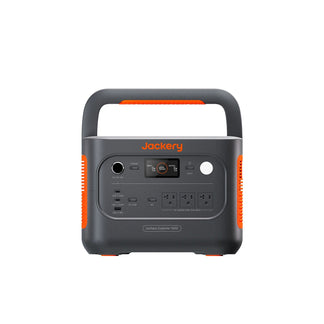
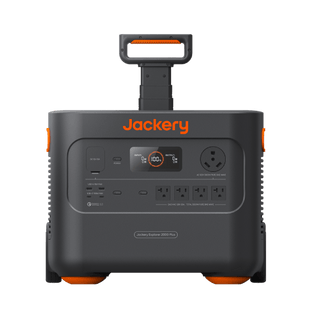
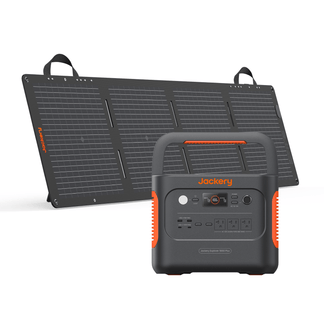
Jackery Solar Generator HomePower 3600 Plus + SolarSaga 500X |
3,584 Wh; 3,600 W continuous, 7,200 W surge |
Runs an 80‑W fridge for 38 hours, a 10‑W Wi‑Fi router for 300 hours, a 1,000‑W portable AC for 3 hours |
Overnight to 1‑day outages; lightweight, roll‑away design |
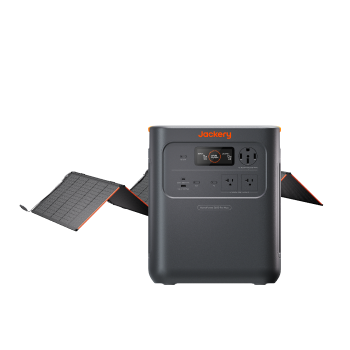
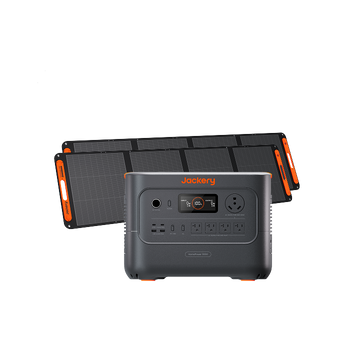
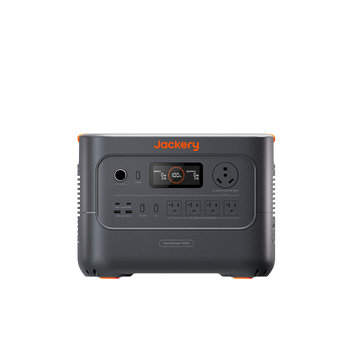
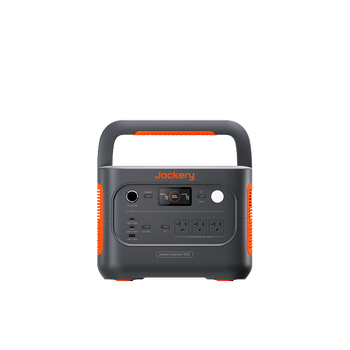
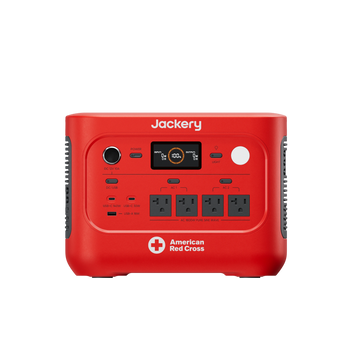
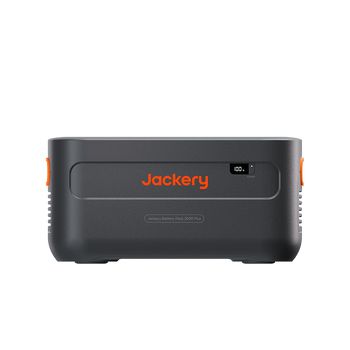
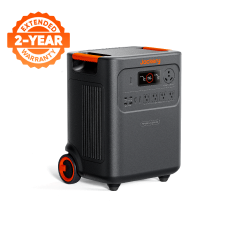
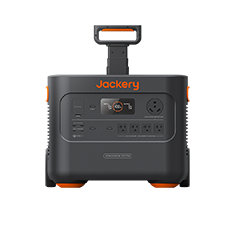
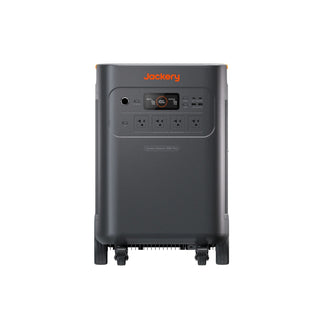
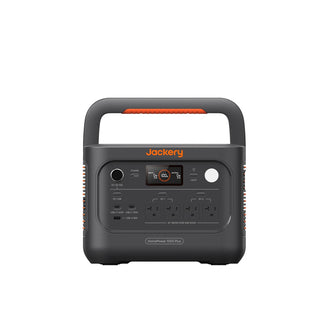
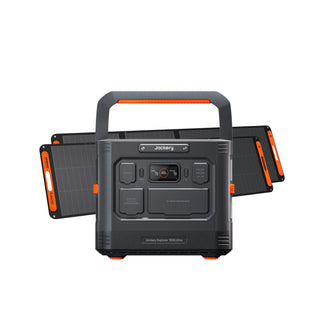
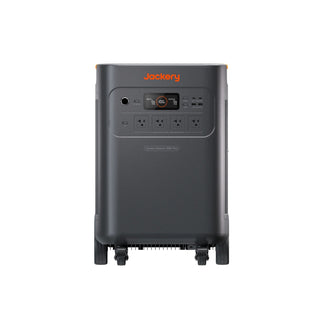
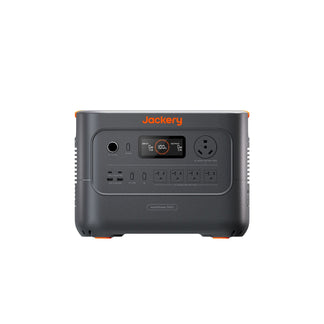
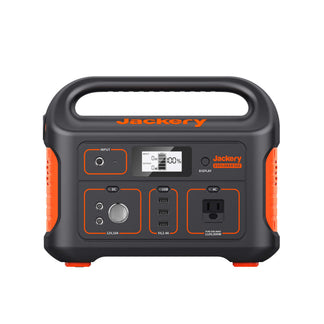
Jackery Explorer 2000 v2 Portable Power Station |
2,042 Wh; 2,200 W continuous, 4,400 W surge |
Powers a 400‑W fridge for 4 hours, LED lights for 60 hours; phone charging as noted above |
Short outages, rapid recharge (0–100% in 1.7 hours via AC) |
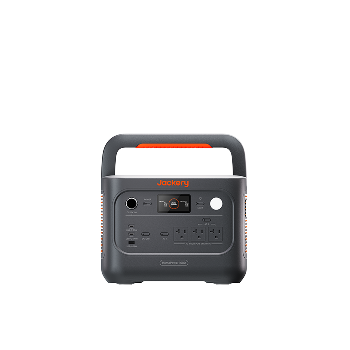
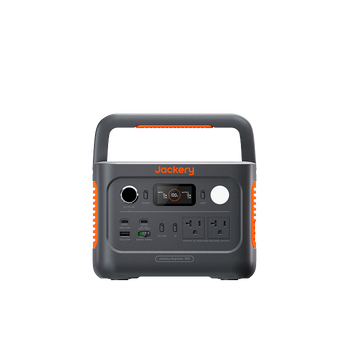
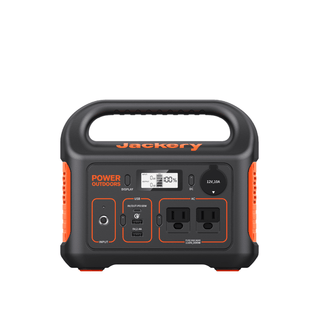
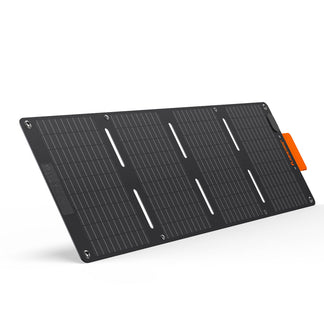
All three units are quiet, fume‑free, and recharge from solar panels or a wall outlet. They’re portable — move them to any room without an electrician. For integrating solar, emergency solar generator for home shows how to pair panels and storage to stretch runtime indefinitely.
Frequently Asked Questions (FAQ)
Can I get reimbursed by PPL for spoiled food?
PPL accepts claims for verified food spoilage and surge damage, but reimbursement is not guaranteed and requires a formal claim.
How do I keep my furnace running during a power outage?
A portable power station can run a gas furnace’s blower and controls (typically 300–800 W) — confirm your furnace’s wattage first.
What should I do with my well water during an outage?
Store drinking water beforehand since the pump won’t work; boil water if the wellhead was submerged when power returns.
Can I use a gas stove when the power is out?
Yes, if it has a standing pilot or manual lighter, but never use a gas stove or oven to heat your home.
How do I keep my pets safe during a power outage?
Keep pets indoors with you, provide fresh water, and avoid leaving them near candles or in extreme temperatures.
Sources & References
[1] FoodSafety.gov, “Food Safety During a Power Outage” — https://www.foodsafety.gov/food-safety-charts/food-safety-during-power-outage (accessed June 25, 2026).
[2] U.S. Food & Drug Administration, “Food and Water Safety During Power Outages and Floods” — https://www.fda.gov/food/buy-store-serve-safe-food/food-and-water-safety-during-power-outages-and-floods (accessed June 25, 2026).
[3] Ready.gov / FEMA, “Power Outages” — https://www.ready.gov/power-outages (accessed June 25, 2026).
Disclaimer:
The runtime mentioned for appliances powered by Jackery is for reference only. Actual runtime may vary under different conditions. Please refer to real-world performance for accurate results.

