

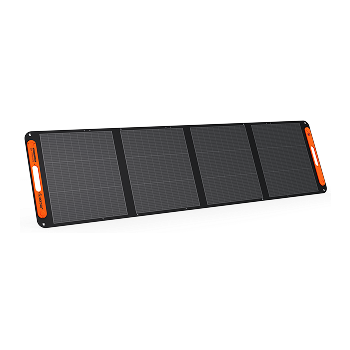




















![[Add-on] Jackery SolarSaga 500 X - Jackery](http://www.jackery.com/cdn/shop/files/add-on-jackery-solarsaga-500-x-1493607.webp?v=1786503068&width=324)

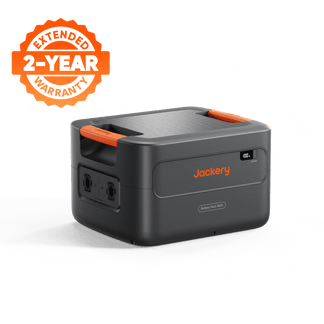
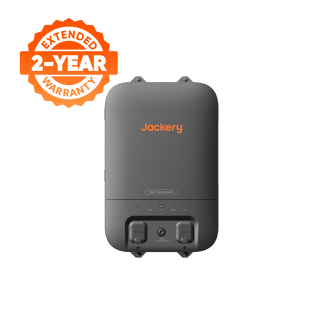
![[Add-on] Jackery Battery Pack 5000 Plus - Jackery](http://www.jackery.com/cdn/shop/files/add-on-jackery-battery-pack-5000-plus-6713401.webp?v=1786503068&width=324)
















A rainwater harvesting system offers a path to greater independence, but it comes with a significant obstacle. Winter brings freezing temperatures, which can damage systems and completely cut off your harvested water supply just when you might need it most.
This guide provides a strategic plan for designing and maintaining a freeze-proof rainwater harvesting system that ensures a reliable water source all winter long.
Why Winter Makes Rainwater Harvesting a Unique Challenge
The primary threat to any rainwater harvesting system in winter is freezing. Water trapped in pipes, pumps, or tanks can freeze, expand with incredible force, and cause costly bursts and leaks that disable your entire setup. Several factors compound this challenge:
- Increased Power Dependency: Critical components like water distribution pumps, UV purifiers for safe drinking water, and heat tape for preventing pipe freezes all require electricity to function.
- Grid Vulnerability: Severe winter weather is a leading cause of grid failures. A storm can knock out power for hours or days, disabling your RWH system’s protective measures and leaving it vulnerable to freeze damage.
- Inconsistent Collection: Winter often brings snow and less frequent, heavy rains, requiring a system designed for capturing meltwater and storing it for longer periods.
Designing a Freeze-Proof Rainwater Harvesting System
A successful winter rainwater harvesting system is built on a foundation of robust components and strategic freeze-proofing. From the roof to the tank, every part must be designed to withstand cold, ice, and potential power loss. This proactive approach is essential for anyone looking to build a truly disaster-proof home.
What Are the Core Components and Freeze-Proofing Strategies?
Collection & Conveyance
Your collection system begins at the roofline. Use robust gutters and downspouts made from materials like steel or heavy-gauge aluminum that can handle heavy snow and ice loads without buckling. Severe weather, including hail, can compromise weaker systems, making durable materials a wise investment.
For more on protecting your home from weather, see our guide on hail damage causes, impacts, and response strategies.
Storage Tank Selection and Protection
The storage tank is the heart of your RWH systems, and protecting it is paramount. Underground tanks offer the best natural freeze protection, as they can be buried below the local frost line where the surrounding earth keeps the water temperature stable.
For more common above-ground tanks, insulation is key. You can build a dedicated insulated enclosure around the tank or wrap it with thick, commercial-grade insulation blankets. Placing the tank in a sheltered location, such as against a heated basement wall or in an insulated garage, further minimizes its exposure to extreme cold.
Filtration and Purification
For potable water, a multi-stage filtration approach is necessary to ensure safety. A typical setup includes a sediment filter to remove particulates, an activated carbon filter to remove organic compounds and improve taste, and a UV sterilizer to neutralize bacteria and viruses.
Remember that UV sterilizers require constant power to be effective. If the power goes out, your water is no longer being purified, making a reliable backup power source absolutely essential for maintaining a safe drinking water supply. Filtration is crucial for handling contaminants from snowmelt, ensuring water quality.
How Can You Prevent Freezing in Your Rainwater Harvesting System?
Effective freeze prevention is critical for winter operation.
- Insulation Techniques: For above-ground pipes and tanks, use insulation wraps and blankets, or build insulated enclosures. Underground tanks benefit from natural insulation, requiring proper burial depth below frost lines.
- System Design Considerations: Sloping pipes ensure complete drainage, preventing water from freezing. Drainage valves allow for emptying pipes during extended cold periods, and heat tracing cables can protect critical exposed pipes in extreme cold.
- Winterization Procedures: Seasonal shutdown involves draining and disconnecting parts of the system. Regular monitoring for leaks or ice buildup is also essential.
How Can You Enhance Snowmelt Collection?
Maximizing snowmelt collection can significantly boost your winter water supply.
- Roof Management Strategies: Manually brushing off excess snow encourages melting. Installing heat coils or cables along roof edges and gutters can also aid in snowmelt. If the attic is a habitable room, its heat can contribute to snowmelt.
- Emergency Measures: Pouring hot water can temporarily clear blockages or initiate melting. Snow accumulation itself is beneficial, acting as a continuous water source.
Powering Your System: The Key to Winter Reliability
Relying solely on the grid is a significant risk. Winter storms are a primary cause of power outages, which can disable your pump and allow your pipes to freeze and burst. This is where a reliable backup power solution becomes the cornerstone of a winter-ready rainwater harvesting system.
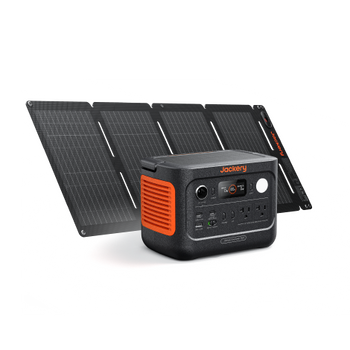
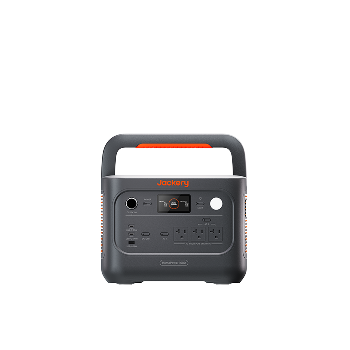
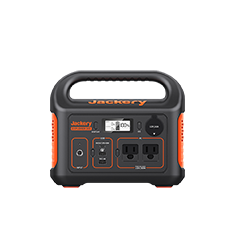
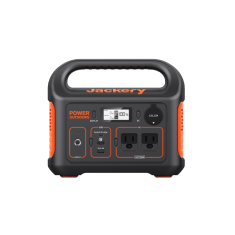
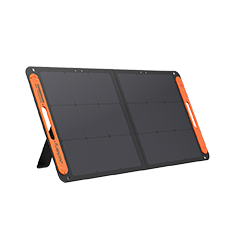
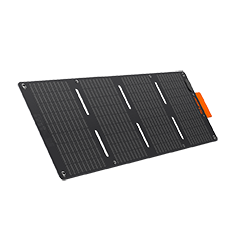
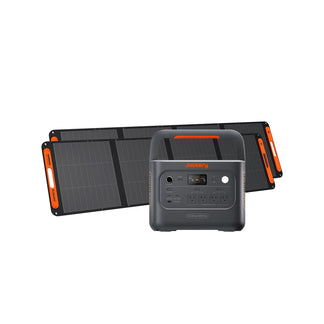
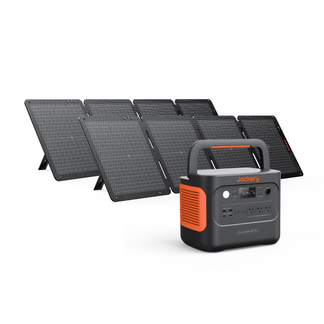
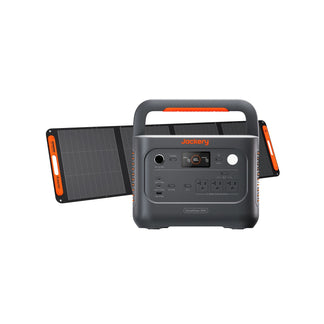
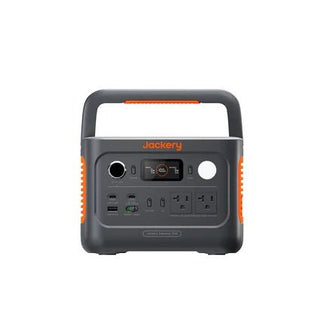
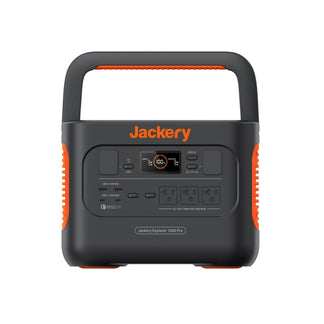
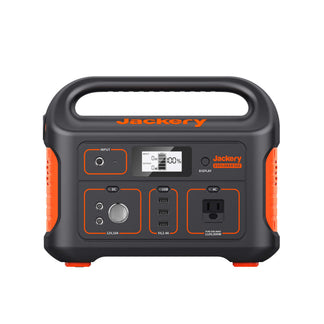
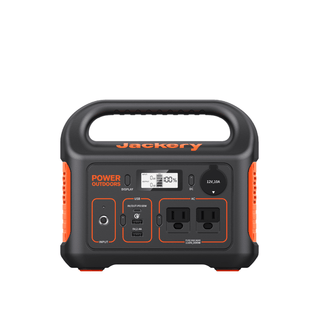
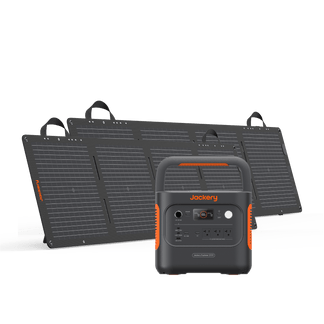
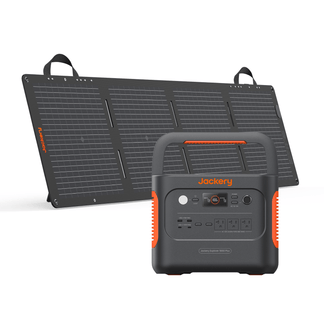
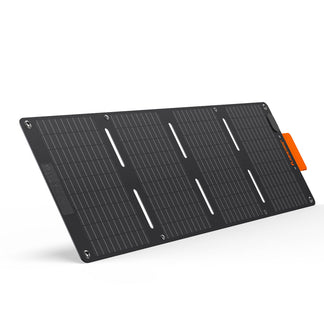
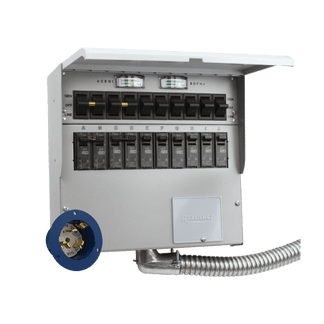
A solar generator provides clean, silent, and reliable backup power without the noise, fumes, or fuel storage hassles of a traditional gas generator. By pairing your RWH systems with a properly sized power station, you can ensure your pumps, heaters, and purifiers keep running, even when the grid is down.
Sizing Your Power Solution
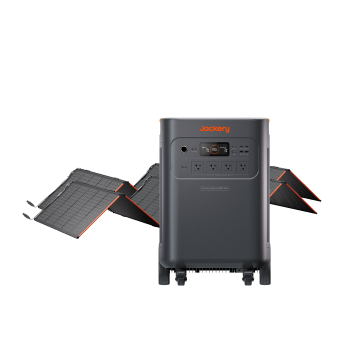
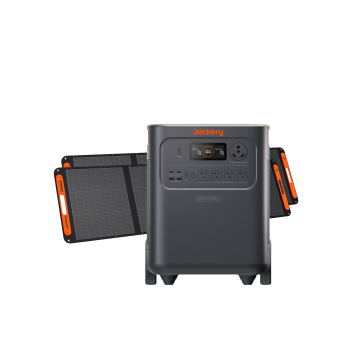
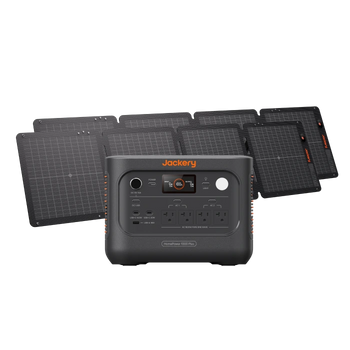
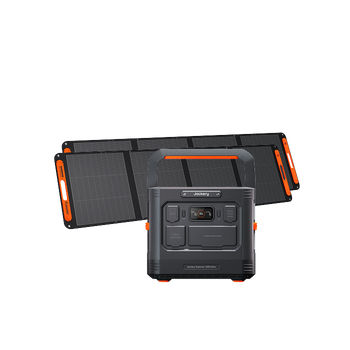
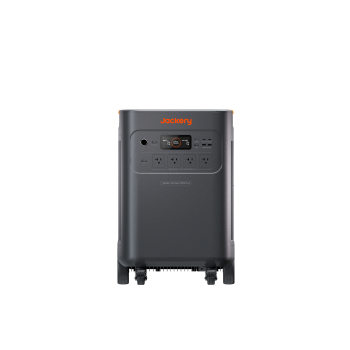
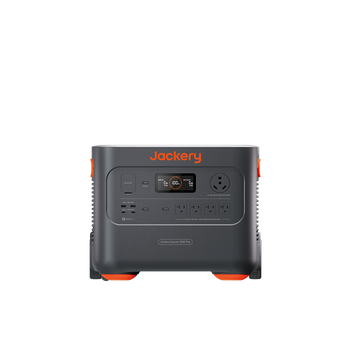
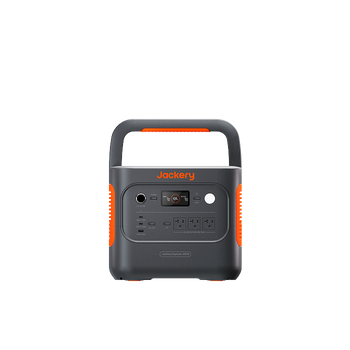
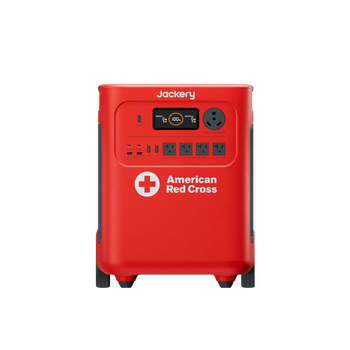
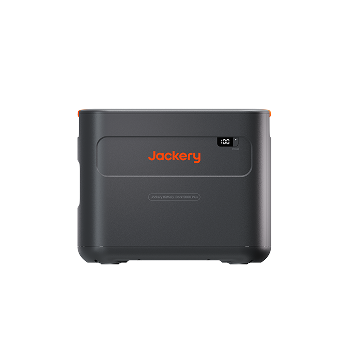
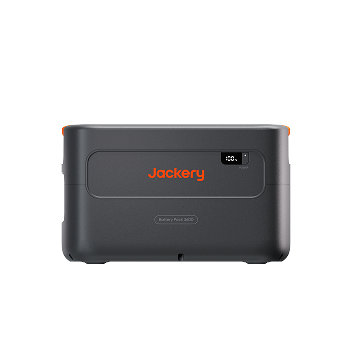
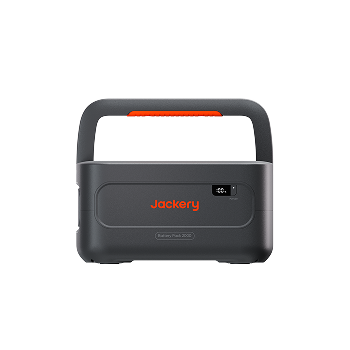
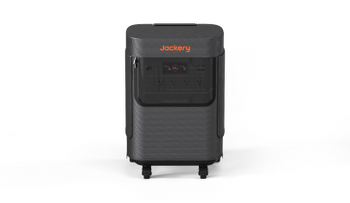
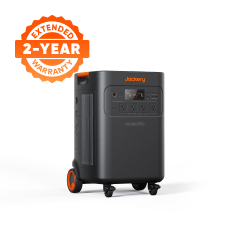
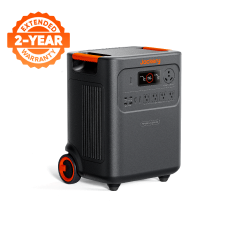
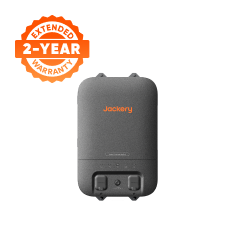
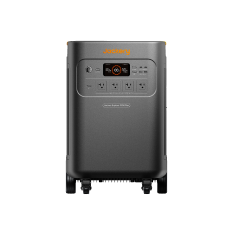
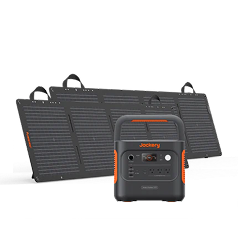
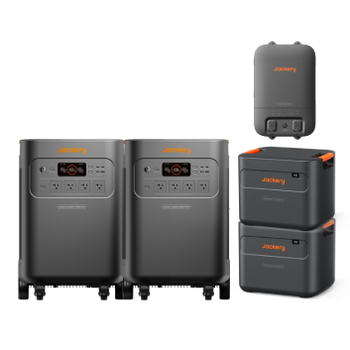
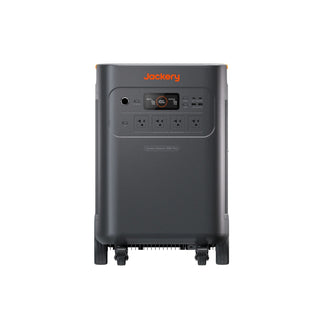
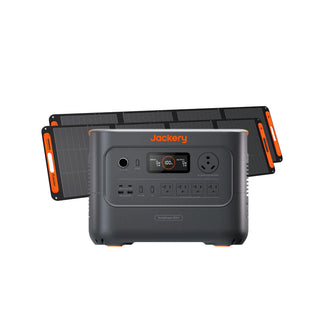
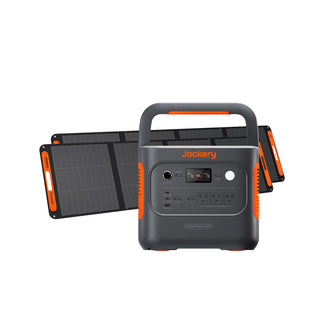
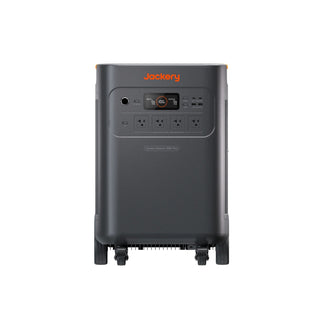
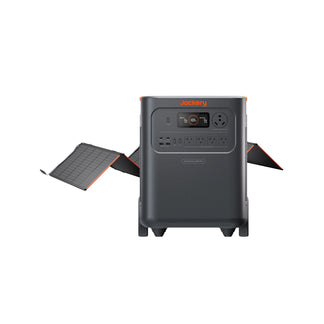
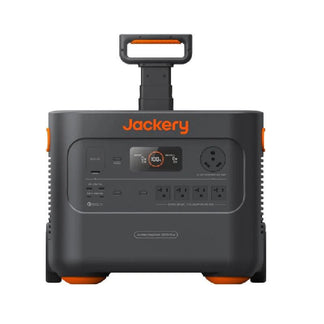
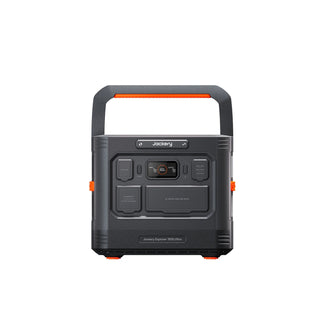
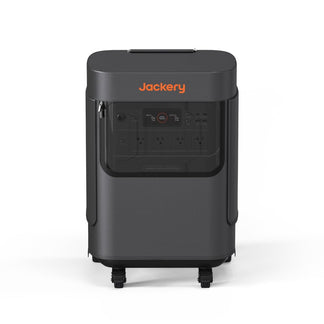
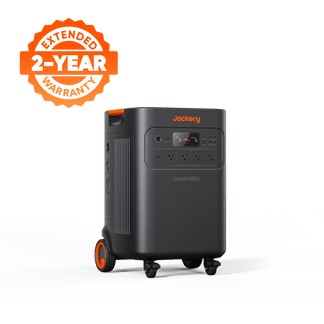
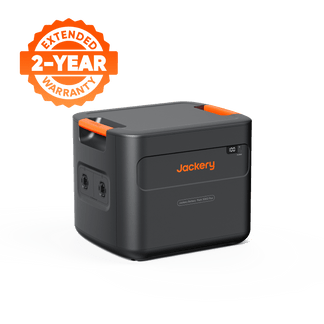
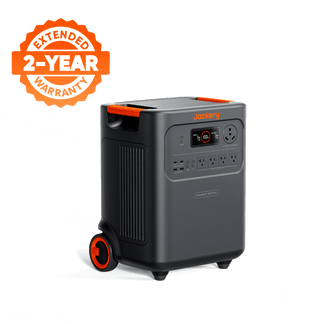
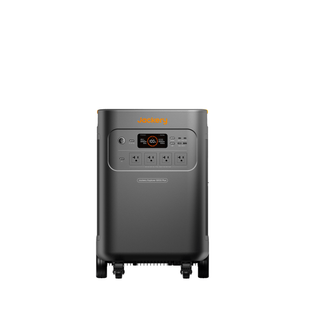
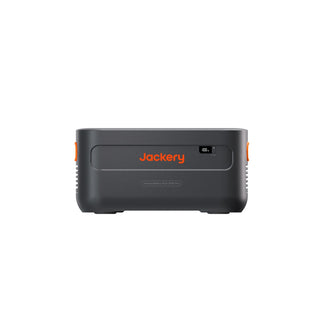
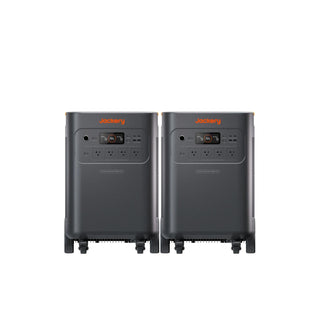
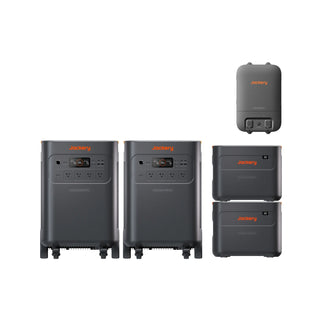
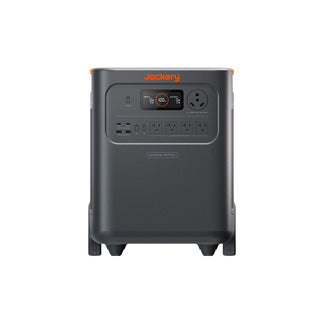
For homeowners seeking serious preparedness and seamless home integration, the Jackery Solar Generator 5000 Plus is the premier solution.
This generator is designed for those who want to integrate their RWH system into a complete home backup plan, providing power for everything from pumps to lighting and refrigeration.
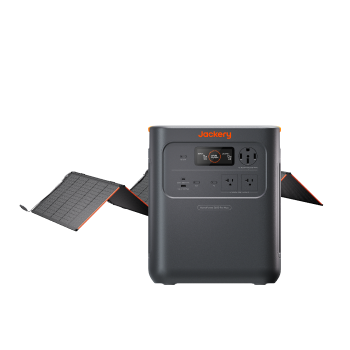
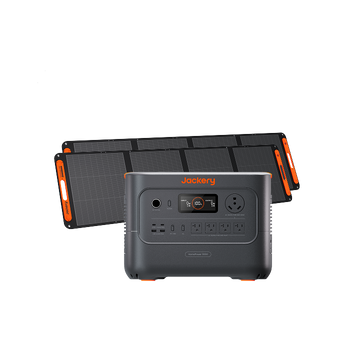
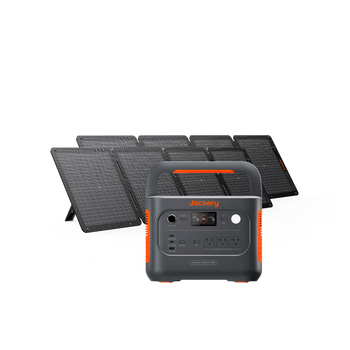
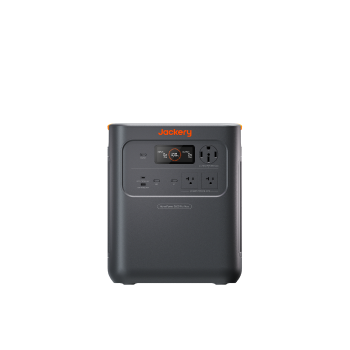
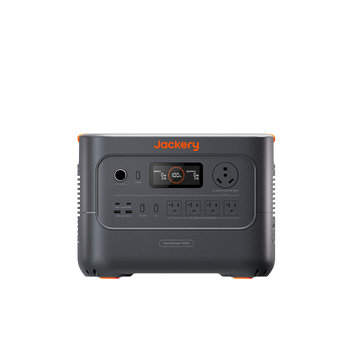
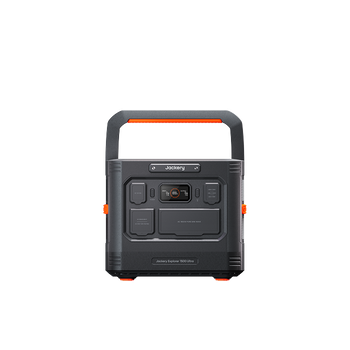
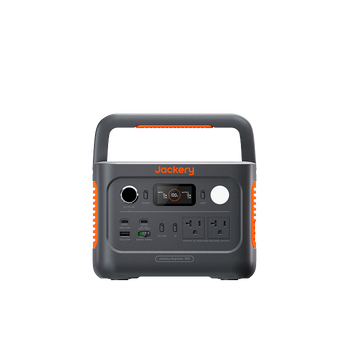
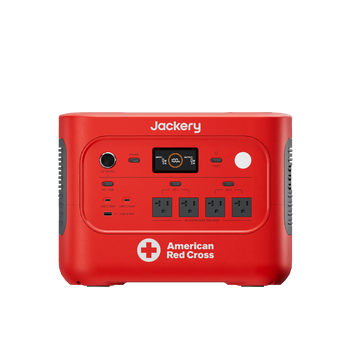
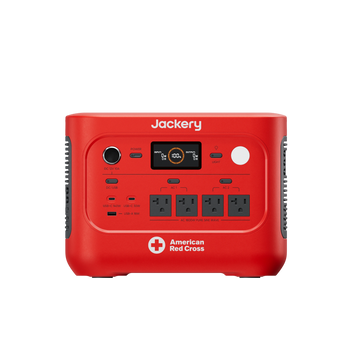
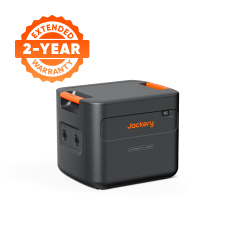
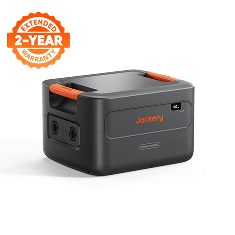
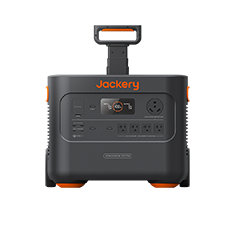
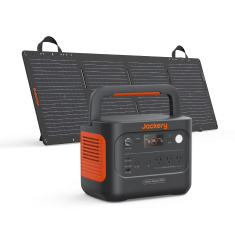
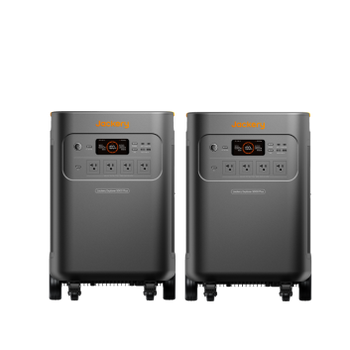
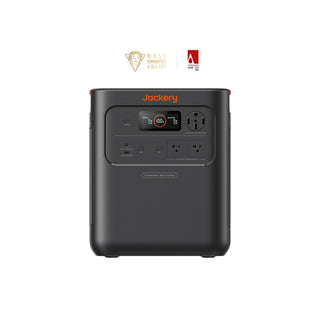
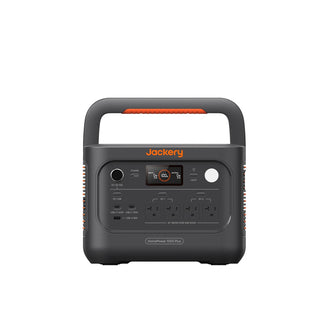
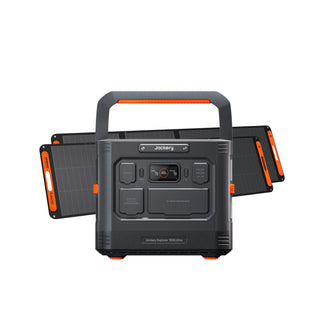
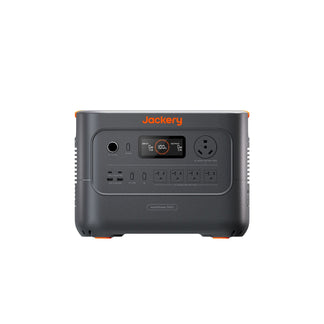
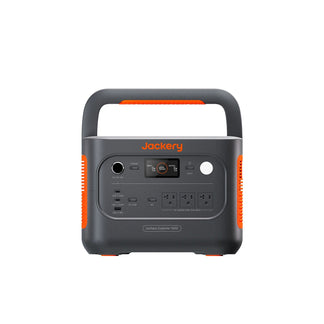
For those needing a robust backup for key RWH components, the Jackery Solar Generator HomePower 3000 is an excellent choice.
This model is ideal for ensuring your pump and purification system have the power they need to operate through a standard winter outage.
|
Device |
Estimated Wattage |
Recommended Jackery Model |
|---|---|---|
|
Water Pump |
500W - 1500W |
Jackery Solar Generator HomePower 3000 or 5000 Plus |
|
UV Sterilizer |
25W - 50W |
Jackery Solar Generator HomePower 3000 or 5000 Plus |
|
Heat Tape (per ft) |
5W - 9W |
Jackery Solar Generator HomePower 3000 or 5000 Plus |
|
Total Load |
Calculate Sum |
Choose a model that exceeds your total wattage needs. |
For optimal performance, store your solar generator in a sheltered, insulated space like a garage or basement. While Jackery power stations operate in temperatures as low as 14°F (-10°C), keeping them in a warmer environment maximizes battery efficiency.
Planning Your Winter RWH Project: A 3-Step Guide
A successful project starts with careful planning. Follow these three steps to ensure your system is legal, correctly sized, and properly maintained for winter.
Step 1: Verify Local Regulations
This is the critical first step. Before purchasing any equipment, contact your local municipality, county planning office, or health department.
Ask about specific permits required for rainwater collection, any restrictions on using harvested water for potable (drinking) purposes, and mandated safety devices like backflow preventers. Getting this information upfront prevents costly mistakes and ensures your system is compliant.
Step 2: Calculate Your Winter Water Needs
First, define how you will use the water. Will it be for non-potable uses like flushing toilets and doing laundry, or will you treat it for potable use like drinking and cooking? This will determine your storage and filtration requirements.
Next, estimate your winter demand with a simple formula:
-
(Gallons per person per day) x (Number of people) x (90 winter days) = Total storage needed
Then, estimate your potential supply based on your roof area and local precipitation:
-
(Roof square footage) x (Seasonal rainfall in feet) x 0.623 x 0.85 (efficiency factor) = Gallons captured
Always plan conservatively. It is better to have more storage capacity than you estimate needing to bridge long dry or frozen spells. This kind of resource management is a key skill for anyone interested in long-term self-sufficiency, including those who dream of living in the woods.
Step 3: Create a Winterization Checklist
Proper maintenance is crucial for reliability.
Seasonal Rainwater Harvesting System Maintenance Checklist
|
Season |
Key Maintenance Tasks |
Details & Rationale |
|---|---|---|
|
Pre-Winter (Fall) |
• Clean gutters, downspout screens, and first-flush diverters. |
• Prevents blockages from autumn debris. |
|
During Deep Freezes |
• Inspect the roof and gutters for ice dams. |
• Ice dams can block meltwater flow and cause damage. |
|
Post-Winter (Spring) |
• Drain and flush the entire system. |
• Removes any sediment that may have settled in the tank over winter. |
Achieve Water Independence This Winter
Winter rainwater harvesting is not only possible but also a practical step toward greater self-reliance. Success hinges on a thoughtful combination of freeze-proof design, robust components, and unwavering power reliability.
By following the 3-step planning guide, you can begin assessing your own site's potential and take the first step toward achieving true water security this winter. This is a core component of any comprehensive emergency plan, alongside other essential prepper supplies.
Frequently Asked Questions
What are the best practices for maintaining water quality in a rainwater harvesting system during prolonged winter storage?
To prevent stagnation, use a small recirculating pump on a timer to aerate the water. Ensure the tank is opaque to block sunlight, which inhibits algae growth.
How can I effectively monitor my RWH system's performance and water levels remotely, especially during harsh winter conditions?
Install ultrasonic or pressure-based water level sensors that transmit data to a smartphone app. For a low-tech solution, use a clear, insulated sight gauge on the side of the tank.
Are there specific types of insulation or heating methods (beyond heat tape) that are more energy-efficient or effective for above-ground tanks in extreme cold?
Spray foam insulation offers a high R-value and creates a seamless barrier. For heating, a low-wattage submersible stock tank de-icer is more efficient than heating the entire tank volume.
What are the long-term cost savings and environmental benefits of investing in a robust, winter-ready rainwater harvesting system compared to relying solely on municipal water?
A system can significantly reduce or eliminate your water bill, offering a return on investment over several years. Environmentally, it reduces demand on municipal water supplies and mitigates stormwater runoff, which helps prevent local flooding and pollution.


