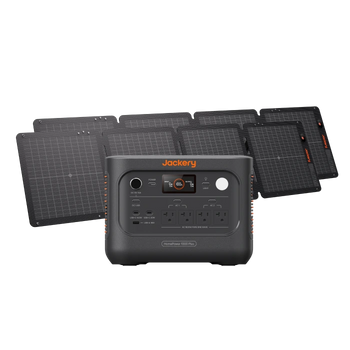
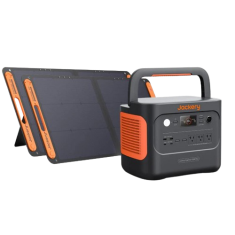
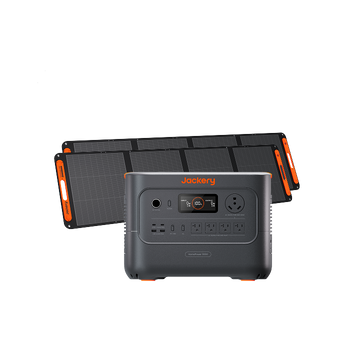
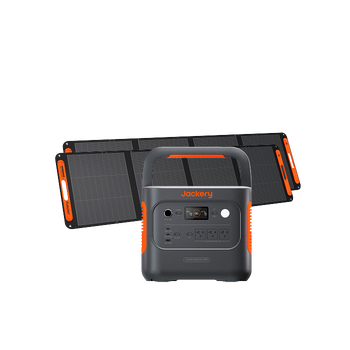

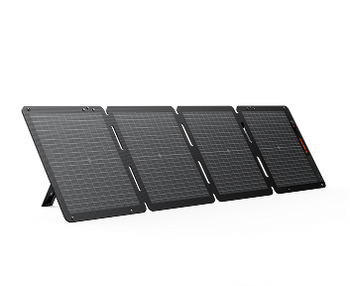
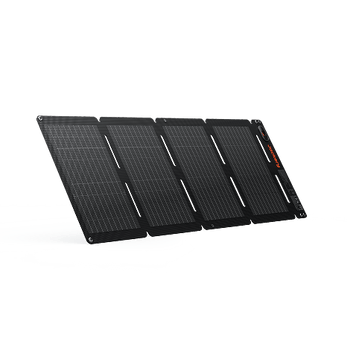


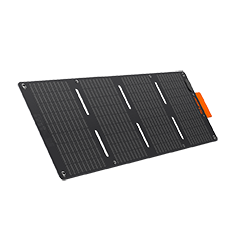
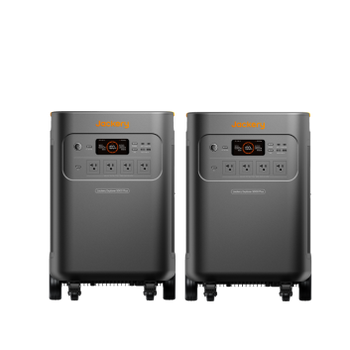



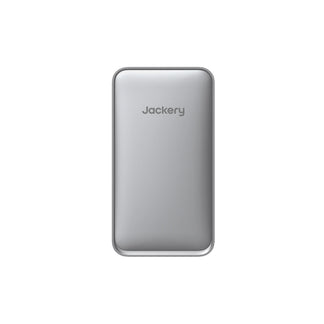
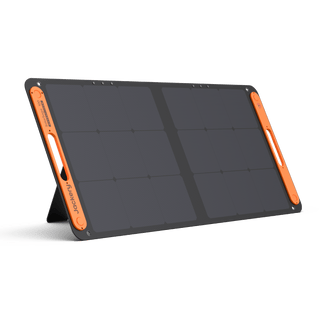
![[Add-on] Jackery SolarSaga 500 X - Jackery](http://www.jackery.com/cdn/shop/files/add-on-jackery-solarsaga-500-x-1493607.webp?v=1786503068&width=324)
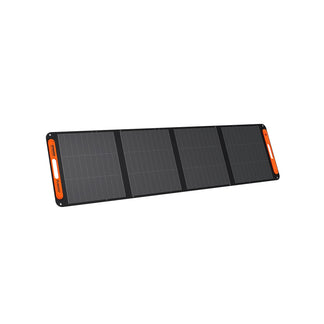
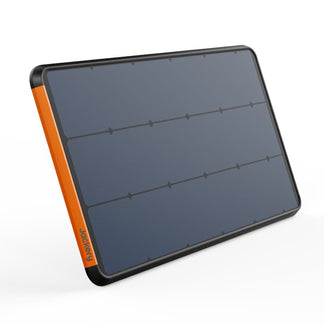
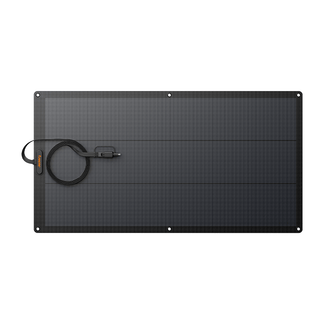
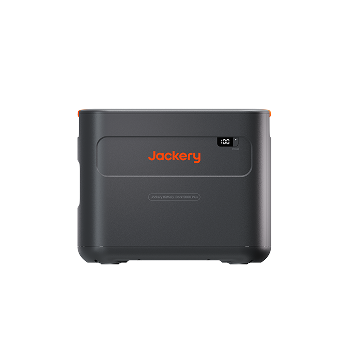
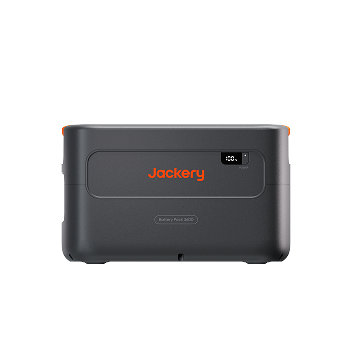
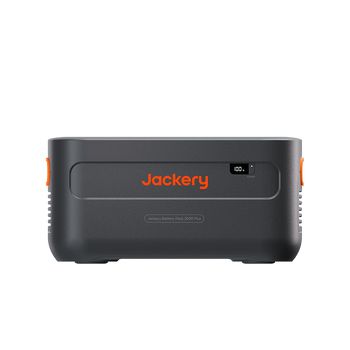
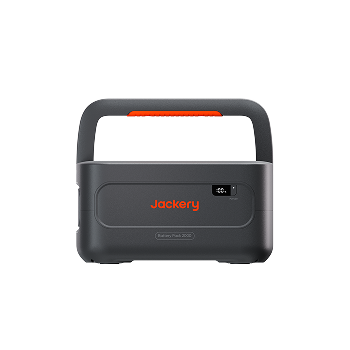
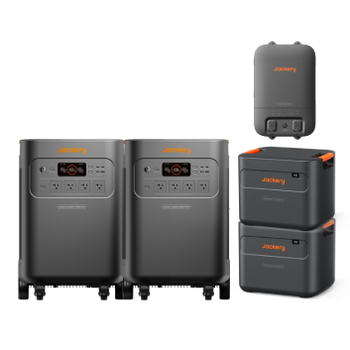
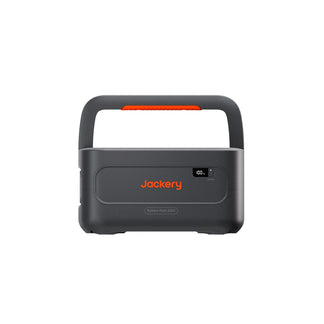
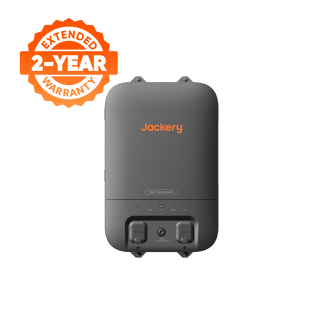
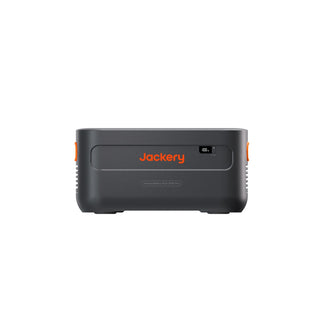
![[Add-on] Jackery Battery Pack 5000 Plus - Jackery](http://www.jackery.com/cdn/shop/files/add-on-jackery-battery-pack-5000-plus-6713401.webp?v=1786503068&width=324)






Refrigerator Blackout Survival Guide: How to Size, Set Up, and Troubleshoot Your Best Solar Generator for Refrigerator Backup Without Spoiling Food
Quick Answer: A refrigerator needs a solar generator with at least 2,200W surge capacity sustained for 5+ seconds, pure sine wave output, and AC always-on mode to prevent idle shutdown. A 2,042Wh unit runs a standard 18 cu.ft. fridge for 18–24 hours without solar. For multi-day outages, pair 200–400W of solar panels with the battery. The generator’s surge rating matters more than its watt-hour capacity — if the inverter can’t handle the compressor startup spike, battery size is irrelevant.
Key Takeaways:
- Refrigerator startup surge draws 3–7× running watts for 2–5 seconds — a 600W continuous fridge can spike to 1,200–1,800W on compressor kick-in.
- Inverter surge rating must be sustained for at least 5 seconds; “instantaneous” peak ratings under 1 second will fail to start a refrigerator compressor.
- Pure sine wave output is non-negotiable — modified sine wave overheats compressor windings, reduces efficiency, and voids most refrigerator warranties.
- AC always-on mode prevents the generator from shutting down during the fridge’s off-cycle, which is the #1 cause of spoiled food during blackouts.
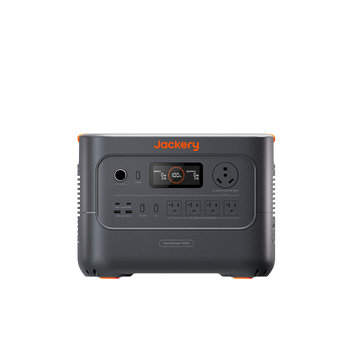
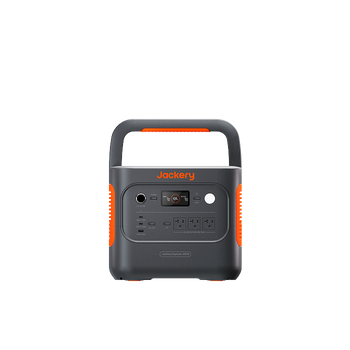
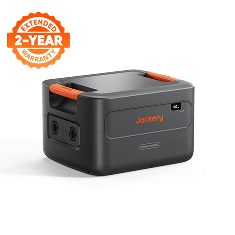
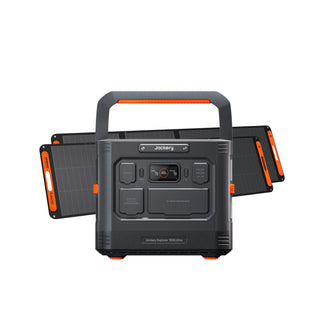
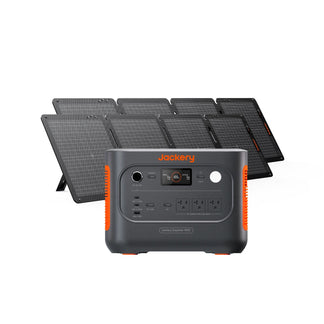
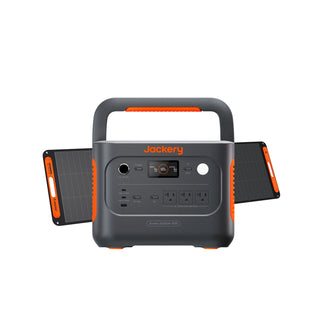
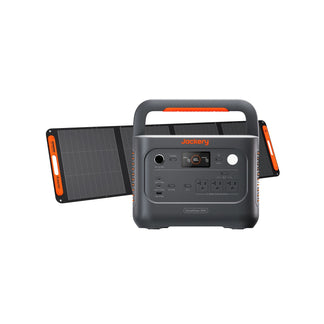
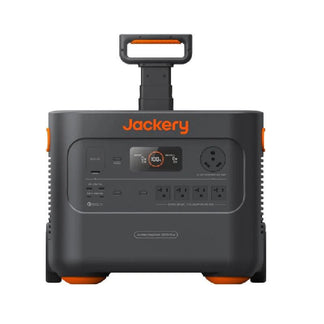
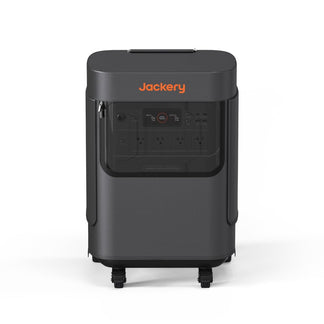
- A 2,042Wh Jackery Explorer 2000 v2 runs a standard fridge for 18–24 hours; add 200W solar to extend runtime significantly in good sun.
Why Surge Rating and AC Always-On Matter More Than Watt Hours
A refrigerator’s running watts don’t determine generator compatibility — the startup surge does. The compressor draws 3–7× running wattage.
A standard 18 cu.ft. fridge runs at 100–200W but demands 1,200–1,800W for 2–5 seconds at startup. If the inverter can’t sustain that surge, the fridge won’t start.
Locked Rotor Amps (LRA) is the true surge test. To calculate the true surge demand:
- Find LRA on the nameplate.
- Multiply LRA by 120V.
- Add a 20% margin.
A typical 10–15 LRA gives 1,200–1,800W startup. A 2,200W surge generator is barely adequate.
Surge rating alone isn’t enough. To successfully start a compressor, the inverter must:
- Sustain peak output for at least 5 seconds without voltage sag.
- Many units advertise high surge but drop after under 1 second — useless for compressors.
- Check “peak power duration” specs; if “instantaneous,” it won’t work.
Sine-wave quality is non-negotiable. Modified sine wave overheats compressor windings, cuts efficiency 15–25%, and voids most refrigerator warranties. Pure sine wave is mandatory.
AC always-on mode prevents the silent killer. The failure sequence without it:
- Most generators’ eco mode shuts off the inverter when load drops below 10W.
- A fridge compressor cycles off ~60% of the time, so the generator sees near-zero load.
- It powers down and never restarts when the compressor calls for cooling.
- AC always-on disables this, keeping the inverter live 24/7.
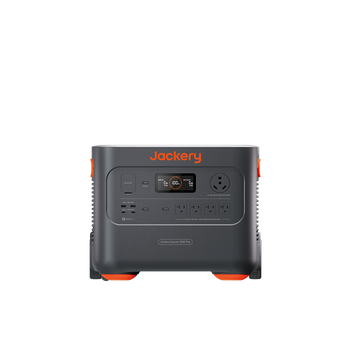
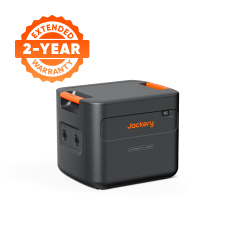
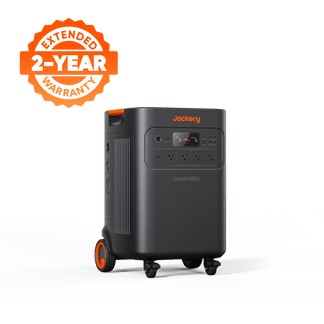
UPS transfer time under 20ms is mandatory. Slower switchover causes the fridge to reset its compressor cycle, wasting energy and risking temperature rise. Jackery Explorer 2000 v2 and HomePower 3600 Plus deliver sub-20ms.
Inverter conversion loss eats ~15% of your battery. A 2,000Wh battery provides roughly 1,700Wh usable. Factor this into runtime calculations.
Five Mistakes That Spoil Food During a Blackout
Mistake #1: Buying Based on Running Watts Instead of Surge Capacity
- Fridge labels show continuous watts (100–800W), but startup surge is the real limiter.
- A 1,000Wh unit with 2,000W peak can run a standard fridge only if the peak is sustained 5+ seconds; many caps drop under 1 second → fridge never starts.
- 500–800Wh camping generators fail entirely — their 1,000W surge can’t start any full-size compressor.
- Mini-fridges (50–100W) are the exception: a 500Wh unit can run one 8–16 hours, but still requires pure sine wave.
- Check “peak power duration” in inverter specs; if not published, assume it can’t handle compressor loads.
Mistake #2: Ignoring the Compressor Duty Cycle
- Compressor cycles on 30–50% of the time (duty cycle) depending on temperature, door openings, and thermostat.
- Average draw = running watts × duty cycle. A 200W fridge at 40% duty uses 80W average, not 200W.
- Assuming continuous draw underestimates runtime by 60% and leads to oversized batteries.
- Duty cycle rises in heat: 50–60% in summer reduces backup time 20–30%. Plan for worst-case.
- Chest freezers have lower duty cycles (25–35%) and are easier to back up; prioritize them on smaller batteries.
- Runtime formula: (Battery Wh × 0.85) ÷ (Running Watts × Duty Cycle) = Runtime Hours.
- Example: (2,042Wh × 0.85) ÷ (150W × 0.40) = 1,736 ÷ 60 = 28.9 hours. (The 0.85 factor accounts for inverter loss.)
Mistake #3: Not Testing Before a Storm — The “Auto-Shutoff Surprise”
- Skipping a 24‑hour test is the #1 cause of surprise food spoilage.
- Many generators auto-shutoff when the compressor cycle ends and never restart.
- Test for 24+ hours, disable Eco Mode and all auto-shutoff timers; some units require a companion app.
- Jackery Explorer 2000 v2 and HomePower 3600 Plus include AC always-on mode, which prevents this.
- UPS function with sub-20ms transfer time also prevents fridge resets during grid failure.
Mistake #4: Underestimating Recharge Needs for Multi-Day Outages
- Battery alone lasts 12–24 hours; for 3–7 day outages, solar recharge is essential.
- Required solar input = daily fridge draw ÷ 4 sunlight hours. A fridge using 400Wh/day needs at least a 100W panel; 200W is safer due to cloud, shade, and winter sun angles.
- Portable panels must face direct sun, free of shadows; partial shade can reduce output 50–80%.
- Position panels at 30° tilt facing south, adjust to 45–60° in winter.
- Battery capacity should be 3× daily consumption to allow recharge every other day. For 400Wh/day, aim for at least 1,200Wh battery.
- A gas generator can recharge batteries in 2–3 hours during prolonged overcast, more fuel-efficient than continuous running.
Step-by-Step Setup: From Unboxing to Refrigerator Protection
Spread over a week — don’t rush the night before a storm.
- Day 1 — Full charge: Plug in AC charger until 100%. A 2,042Wh Jackery Explorer 2000 v2 charges in ~1.75 hours.
- Day 2 — Test connection: Plug fridge directly into generator’s AC outlet, disable Eco Mode and auto-shutoff timers, start 24-hour runtime test.
- Day 3 — Verify uptime: Check app logs or display. If generator shut off during idle cycle, disable remaining auto-shutoff settings.
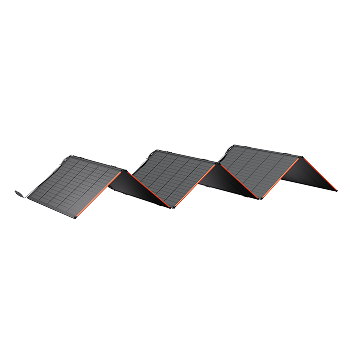
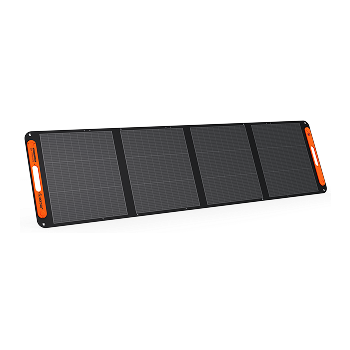
- Day 4 — Solar panel setup: Place panels at 30° tilt facing south, connect and confirm charging. A 2,000Wh battery needs at least 200W of solar input. A 200W panel should deliver 160–180W in direct sun.
- Day 5 — Simulate outage: Unplug from wall, run fridge, lights, and phone charger for 12 hours. Measure remaining battery percentage.
- Day 6 — Add backup capacity if needed: If battery drops below 20% in under 12 hours, add an expansion battery, a larger unit, or more solar.
Permanent placement: Keep the generator near the fridge in a dry, ventilated area, avoid direct sun and temperatures above 40°C (104°F). LiFePO4 batteries degrade faster in heat. A garage or basement works if above freezing.
Recommended Jackery Setups by Blackout Duration
The right setup depends on outage length and what else you need to power. The table below captures all specs based on real fridge loads and solar recharge capability.
Blackout Duration |
Recommended Unit |
Battery (Base / Expandable) |
Surge Rating |
Solar Input |
Recharge Time (Solar) |
Runtime (Fridge Only) |
Key Features |
12–72 hours |
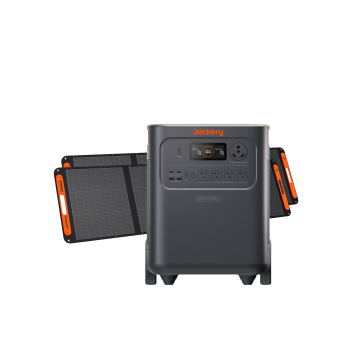
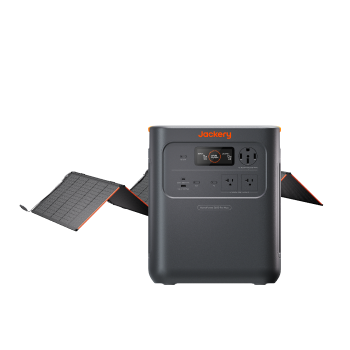
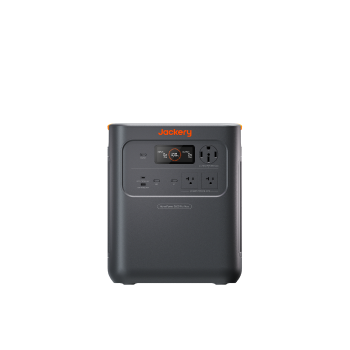
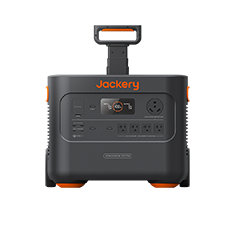
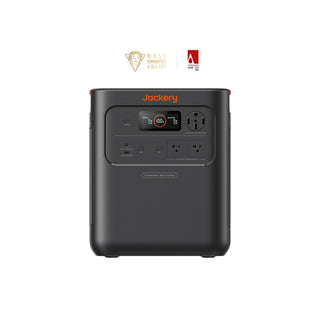
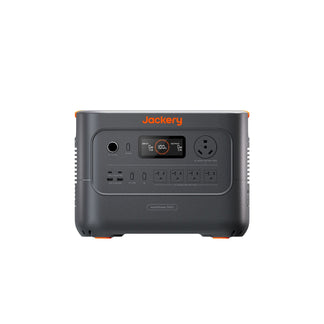
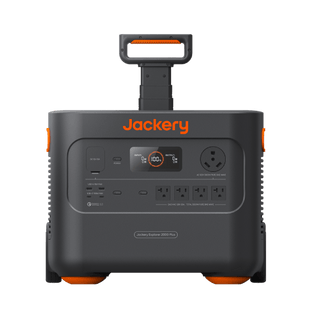
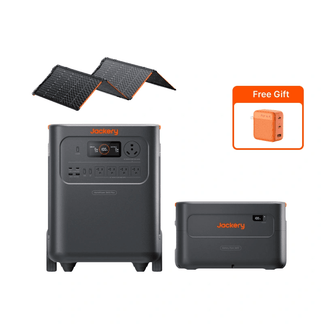
Jackery Explorer 2000 v2 |
2,042Wh (none) |
4,400W |
200–400W |
~1.75h AC; solar varies |
18–24 hours |
Sub-20ms UPS, AC always-on |
4–7 days |
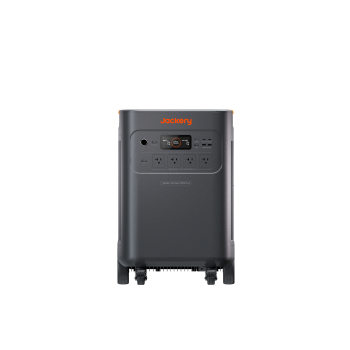
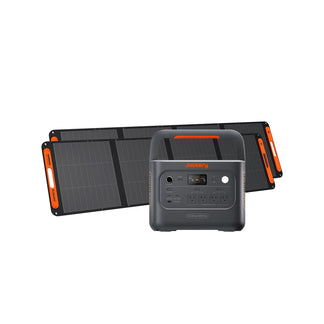
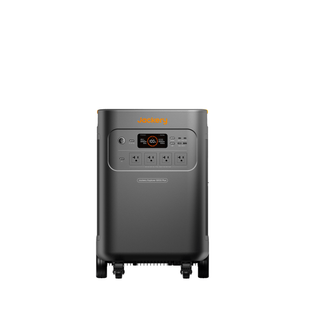
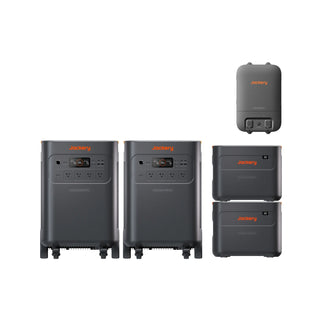
Jackery HomePower 3600 Plus |
3,584Wh (expandable to 21.48kWh) |
7,200W |
500W |
~16 hours (one panel) |
36–48 hours |
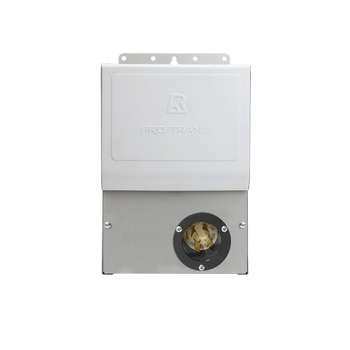
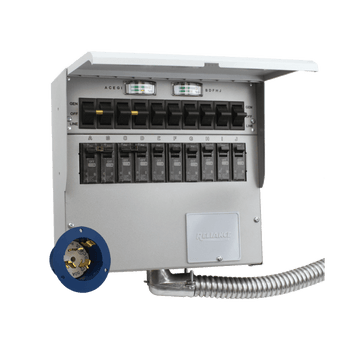
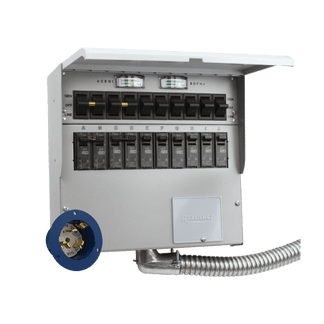
120V/240V dual voltage, transfer‑switch compatible for 4–6 circuits, starts fridge + well pump |
7+ days / circuits |
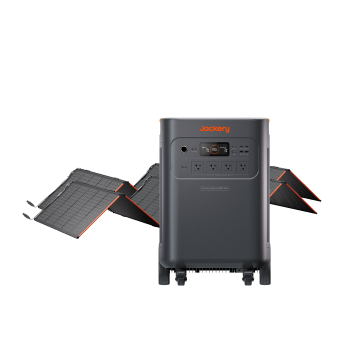
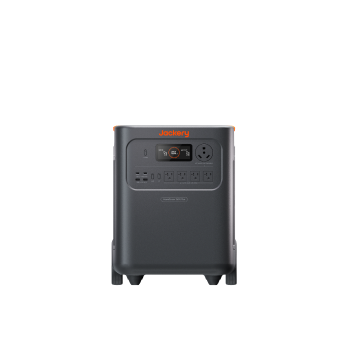
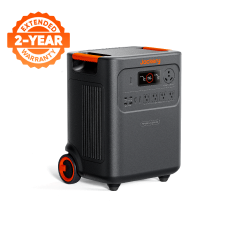
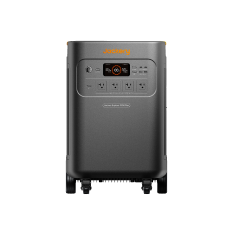
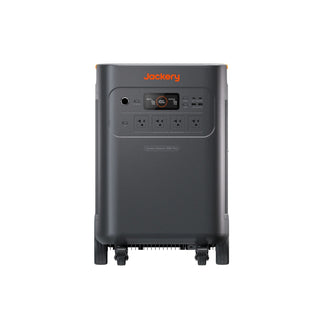
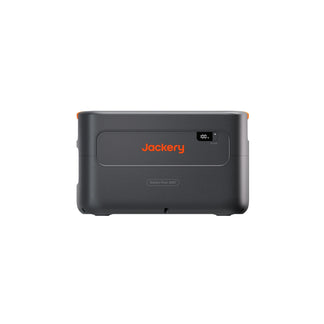
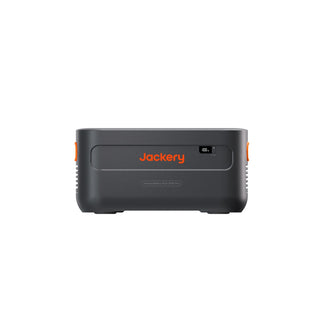
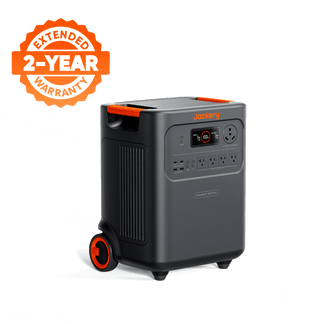
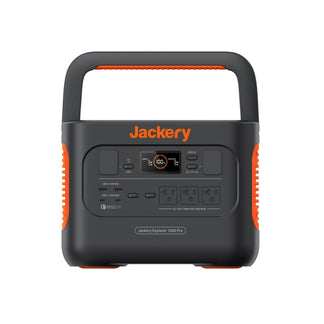
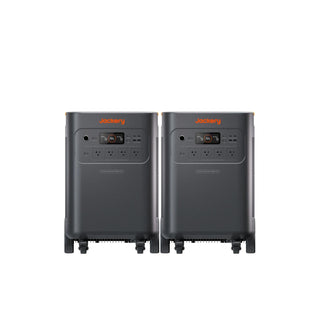
Jackery Explorer 5000 Plus |
5,040Wh (expandable to 60kWh) |
14,400W |
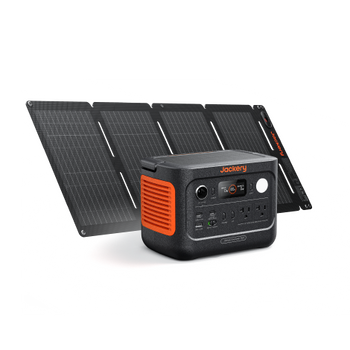
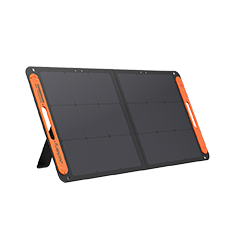
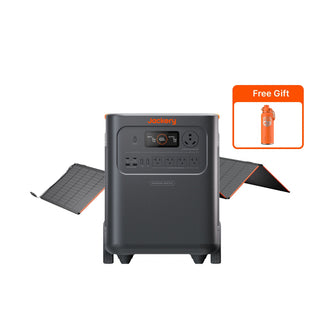
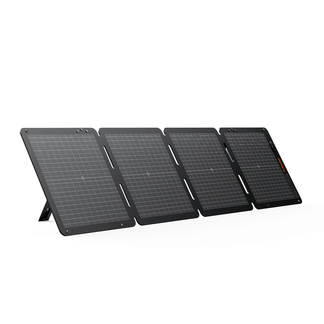
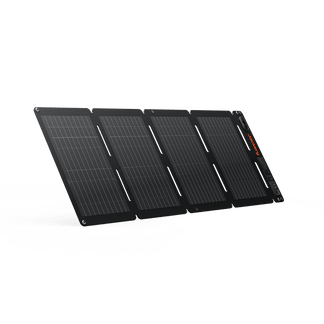
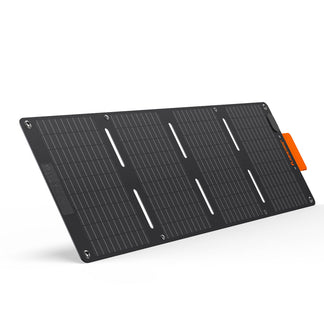
1,000W (2× SolarSaga 500X) |
~6.5 hours |
48–72 hours |
Bifacial panels (winter performance +10–20%), starts fridge, freezer, microwave, garage door opener |
Runtime estimates based on 150W fridge at 40% duty cycle with 15% inverter loss. Actual results vary by fridge model, ambient temperature, and solar conditions.
When determining what size solar generator you need, start with your fridge’s LRA value — not its running watts. That number dictates the minimum inverter spec, and everything else follows from there.
Limitations / What to Know Before You Buy
- Not whole-home backup: 2,000–5,000Wh units provide essential backup (fridge, lights, router, phone, maybe furnace fan or well pump) but won’t run central AC, electric water heaters, or ranges.
- Runtime assumes moderate weather: In a 95°F garage, duty cycle jumps to 60%, cutting runtime by a third. Position fridge and generator in the coolest available space.
- Solar needs actual sun: Three cloudy winter days mean no meaningful recharge. Have a backup plan — extra batteries, a gas generator for battery charging, or power conservation.
- Extension cords cause voltage drop: If a cord is necessary, keep it under 25 feet and use 12 AWG or thicker to avoid inverter trips.
- LiFePO4 lifespan: The battery lasts 4,000–6,000+ cycles to 70% capacity — 10–15 years of regular use. Store at 50–80% charge, avoid high heat, and discharge fully only once every 20–30 cycles.
For a deeper dive into building an emergency power supply for your home, consider what else needs backup beyond the fridge — a furnace fan in winter or a sump pump in spring changes the math significantly.
Frequently Asked Questions (FAQ)
How do I calculate my refrigerator’s starting wattage?
Multiply the locked rotor amps (LRA) on the fridge nameplate by 120 volts. Add 20% margin. A fridge with 12 LRA needs a generator with at least 1,728W sustained surge capacity.
Can I use extension cords to connect a solar generator to my fridge?
Use a heavy-duty 12 AWG or thicker cord under 25 feet. Longer or thinner cords cause voltage drop that can trip the inverter when the compressor starts.
How often should I discharge my LiFePO4 battery for longevity?
Store the battery at 50–80% charge. Discharge it fully no more than once every 20–30 cycles. LiFePO4 chemistry doesn’t need regular full cycling like older battery types.
What is the best placement for solar panels during a blackout?
Face panels south at a 30–45° angle in direct sun, free of shadows. Tilt up to 60° in winter. Even partial shade from a branch or chimney cuts output by 50–80%.
Will a 1,000Wh solar generator run my refrigerator?
Probably not. Most 1,000Wh units have 1,000–1,500W surge ratings that can’t sustain a full-size fridge’s 1,200–1,800W startup spike. Mini-fridges drawing under 100W are the exception.
How do I know if my generator has AC always-on mode?
Check the product specs or app settings. If the unit has an Eco Mode toggle, disabling it usually keeps the inverter live. Confirm with a 24‑hour test run before relying on it. The best battery backup generators make this feature explicit in their documentation.
Disclaimer:
The runtime mentioned for appliances powered by Jackery is for reference only. Actual runtime may vary under different conditions. Please refer to real-world performance for accurate results.

