

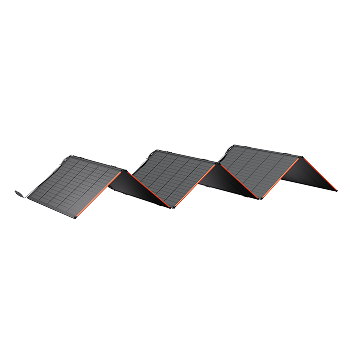
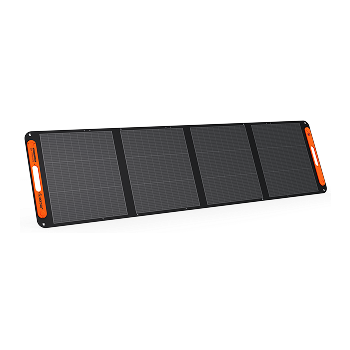




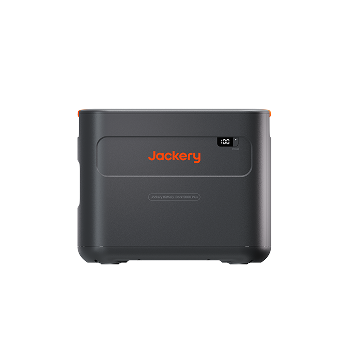
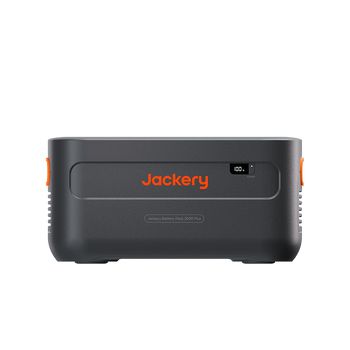
















































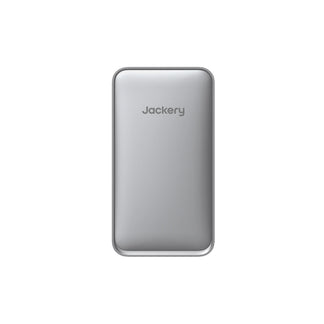
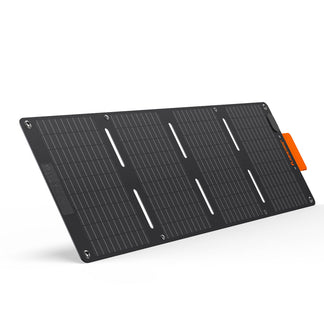
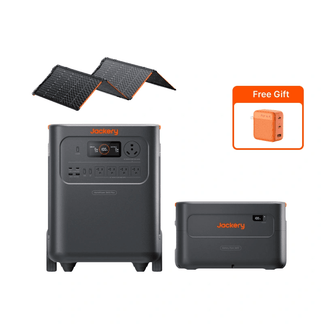
![[Add-on] Jackery SolarSaga 500 X - Jackery](http://www.jackery.com/cdn/shop/files/add-on-jackery-solarsaga-500-x-1493607.webp?v=1786503068&width=324)
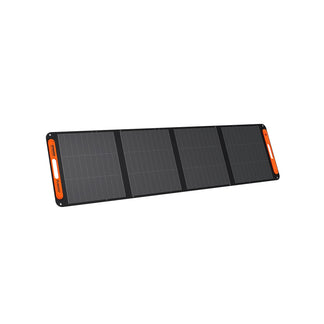
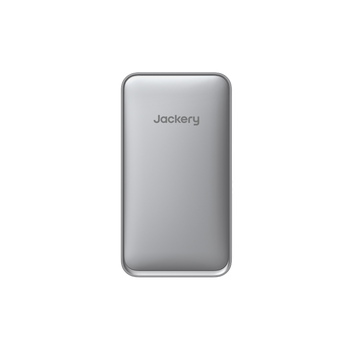
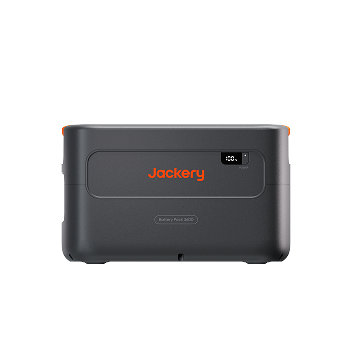
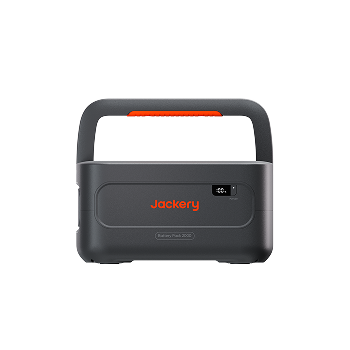
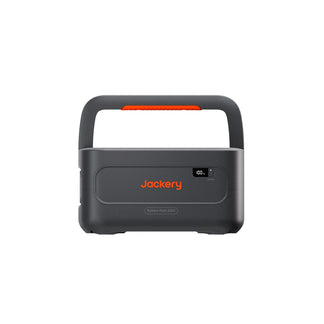
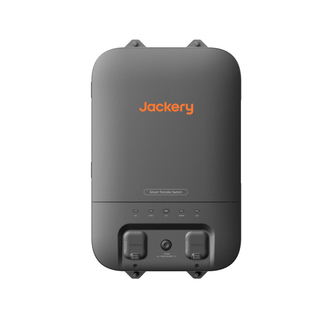
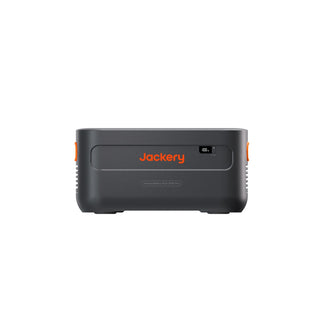
![[Add-on] Jackery Battery Pack 5000 Plus - Jackery](http://www.jackery.com/cdn/shop/files/add-on-jackery-battery-pack-5000-plus-6713401.webp?v=1786503068&width=324)











Quick Answer
“SHTF” — “stuff hits the fan” — refers to a serious emergency like an extended power outage. Households that plan ahead choose solar because it’s silent, fuel-free, and keeps essentials running for days while recharging from the sun. Portable solar generators deliver plug-and-play electricity for refrigerators, communications and lights during long blackouts.
Key Takeaways
- SHTF is informal shorthand for a serious emergency — such as a major storm or extended outage — when grid power and other services may be disrupted, making backup energy valuable.
- Solar power backup is a popular emergency-readiness choice because it requires no fuel, operates quietly, and runs essential appliances for years with minimal maintenance.
- A portable solar generator with 2,000–5,000 Wh capacity can power essential loads for 3–7 days between recharges, depending on sunlight.
- Hybrid redundancy — combining solar with a small inverter generator — is the most reliable strategy to mitigate cloudy weather and fuel shortages.
- LiFePO₄ battery chemistry delivers 4,000+ charge cycles and a 10-year lifespan, outperforming lead-acid and generic lithium types.
When the grid fails, the clock starts. Refrigerators keep food cold for about 4 hours.
Phones drain in a day. Medical devices, sump pumps, and security systems go silent. This article explains SHTF meaning and why a portable solar generator belongs in your emergency plan.
What SHTF Means and Why People Prepare
“SHTF” covers a wide range of disruptions, but for most households it refers to a prolonged power outage. When electricity stops, so does refrigeration, heating, communications, water pumps, and security systems.
The severity scale varies. A 72-hour blackout is an inconvenience; a 7-day regional outage after an ice storm tests self-reliance. The U.S. Energy Information Administration reported an average of 5.5 hours of interruptions in 2022, but that masks extremes: some Texas households went over 100 hours without power during Winter Storm Uri [1][3].
Common triggers include:
- Severe weather
- Aging grid infrastructure
- Seasonal storms
- Public safety power shutoffs during wildfire season — annual events from the Gulf Coast to California.
Preparedness sounds dramatic, but it’s practical: keep your fridge running so $400 of food doesn’t spoil, charge phones for emergency alerts. For most, it’s about safety and comfort when the power goes out — that’s where a portable battery backup for emergencies shifts from nice-to-have to necessity.
Why Solar Power Is a Preferred Emergency Backup
Solar backup offers several key advantages:
- Fuel independence: Solar panels produce electricity from daylight — no fuel delivery, no refueling in the dark.
- Silent operation: A gas generator at 65–75 decibels announces your power to neighbors; a solar generator operates silently — no engine, exhaust, or vibration.
- Minimal maintenance: LiFePO₄ batteries need no oil changes, spark plugs, or fuel stabilizer, and a 10-second start-up from sleep mode replaces pulling a cord on a generator that hasn’t been started in 18 months.
- Flexible solar panels: Modern portable panels convert 20–25% of sunlight into electricity [2] and can be repositioned quickly to follow the sun or moved during an emergency — critical after storm damage.
- Hybrid redundancy: Pair a portable electric generator for home backup with a small inverter generator. Use solar as the primary power source on clear days, and run the fuel generator for 1–2 hours only to top off batteries during prolonged cloud cover. This minimizes fuel consumption while guaranteeing 24-hour reliability regardless of weather.
How to Size a Solar Backup System for Emergency Preparedness
Sizing starts with one question: what absolutely must run? Not your whole house — your essential loads: a refrigerator, a few LED lights, a Wi‑Fi router, and phone chargers. Everything else is optional.
Calculate daily watt-hour needs by adding up each essential device:
- Refrigerator: 1.2–1.8 kWh per day (modern Energy Star models run 150–200W cycling 6–8 hours daily)
- LED lights (5 bulbs, 10W each, 5 hours): 250 Wh
- Wi‑Fi router (24 hours at 10W): 240 Wh
- Laptop charging: 50–80 Wh per charge
- Phone charging (2 phones): 20–30 Wh total
A typical household needs 1,000–2,000 Wh daily for refrigeration, communications, lighting, and device charging. Battery capacity must cover cloudy periods; a 3,000–5,000 Wh system provides a 3–5 day buffer for most regional emergencies, even with reduced solar input.
Panel sizing follows the battery:
Formula: (Battery Capacity Wh × 0.8) ÷ Peak Sun Hours = Minimum Solar Wattage Needed
For a 3,000 Wh battery and 5 peak sun hours, that’s 480W of solar panels. Oversize by 20–30% to compensate for cloud cover — 600–800W of panels for a 3,000 Wh system.
Household Size |
Essential Daily Load |
Recommended Battery |
Recommended Solar Array |
Days Without Sun |
|---|---|---|---|---|
1-2 people, apartment |
800–1,200 Wh |
2,000–3,000 Wh |
400–600W |
2-3 days |
3-4 people, small home |
1,200–2,000 Wh |
3,000–5,000 Wh |
600–800W |
3-4 days |
4+ people, large home |
2,000–3,000 Wh |
5,000–8,000 Wh |
1,000–1,600W |
4-5 days |
A portable power station for essential backup from a trusted brand makes these calculations straightforward — the battery, inverter, and charge controller are integrated into one unit.
Key Components of a Solar Power Backup System
A portable solar backup system integrates four components into a plug-and-play unit. Understanding what each part does helps with sizing and troubleshooting.
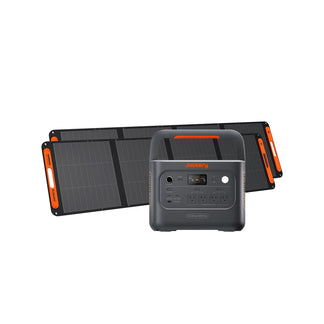
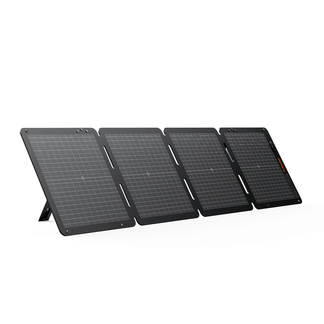
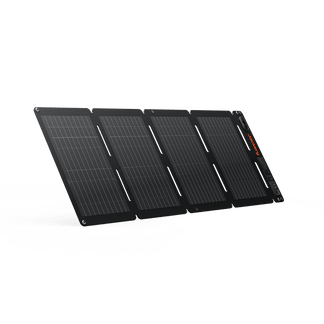
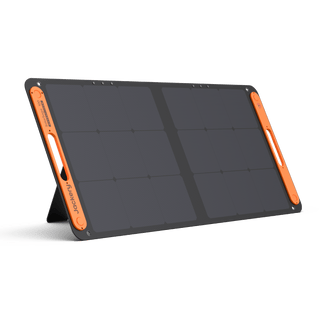
Solar panels convert sunlight to DC electricity. 400–500W portable bifacial panels deploy quickly without permanent installation and can be angled toward the sun or repositioned after a storm.
Battery storage holds energy for when the sun isn’t shining. LiFePO₄ chemistry is the emergency-backup standard — it delivers 4,000+ charge cycles, retains 70%+ capacity after a decade, and won’t catch fire like older lithium chemistries. A 3,000–5,000 Wh LiFePO₄ battery stores enough energy to keep essentials running for days.
The inverter converts stored DC power to 120V AC pure sine wave, safe for sensitive electronics like laptops and routers.
The charge controller regulates solar panel voltage to safely charge the battery. MPPT (Maximum Power Point Tracking) controllers extract 10–30% more energy than simpler PWM controllers in cloudy or cool conditions.
Portable solar generators integrate all four components into a single unit requiring no expertise. Using a portable power station for home backup is straightforward: unfold the panels, plug them in, and connect appliances — a 10-minute process that requires no electrician for plug-and-play items.
Limitations / What to Know Before
Solar backup isn’t a whole-home replacement; it keeps critical loads running until the grid returns. Understand these real-world constraints:
Limitation |
Key Point |
|---|---|
Winter production |
At 40°N (Philadelphia, Denver, Portland), December harvest is 40–60% lower than June. A 400W panel may produce 0.8 kWh vs 2 kWh in summer. Plan battery capacity for the worst month. |
Whole-home power |
Central AC (3,000–5,000W), electric water heater (4,500W), oven (3,500W) exceed portable generator capacity. Target fridge, lights, communications, fans. Whole-home requires permanently installed multi-battery systems and an electrician. |
Battery degradation |
LiFePO₄ retains 70%+ after 4,000 cycles, so a 5,000 Wh battery eventually becomes 3,500 Wh. For occasional emergency use (20 cycles/year), degradation is negligible. |
Physical vulnerabilities |
Squirrels chew wiring; storms blow unsecured panels. Use conduit, ground stakes, sandbags. Store panels indoors when severe weather is forecast; inspect cables quarterly. |
Rooftop insurance |
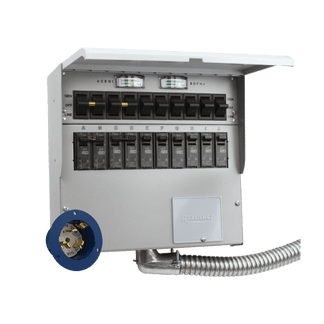
Some policies include cancellation clauses for roof-mounted systems. Check your policy; use a licensed electrician for transfer switches. Portable systems avoid this by connecting directly to appliances. |
Product Recommendation: Jackery Solar Generators for Emergency Backup
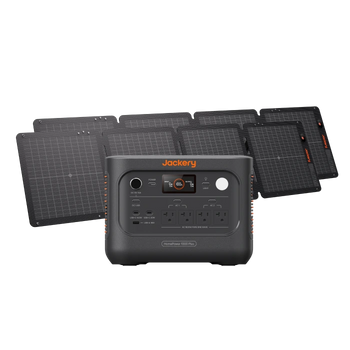
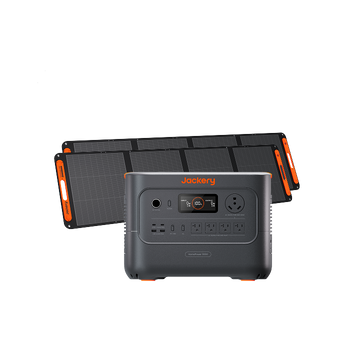
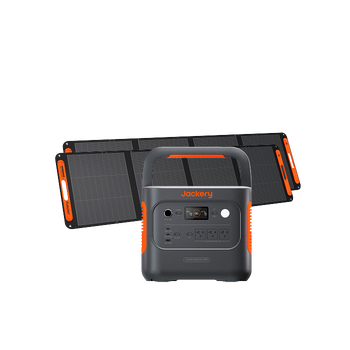
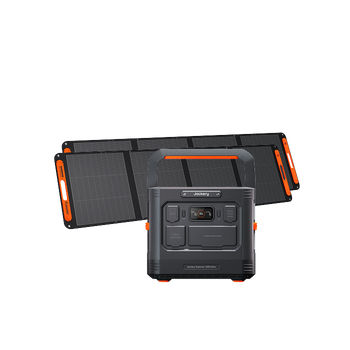
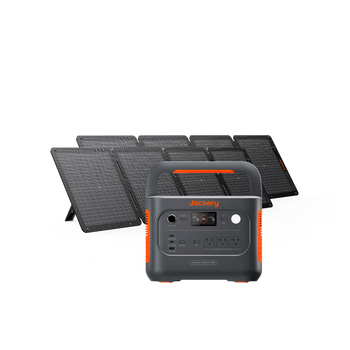
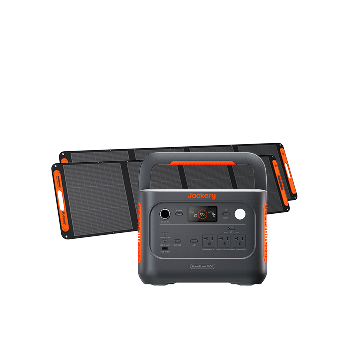
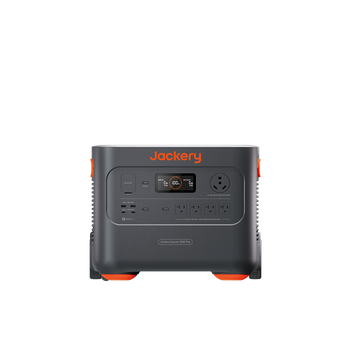
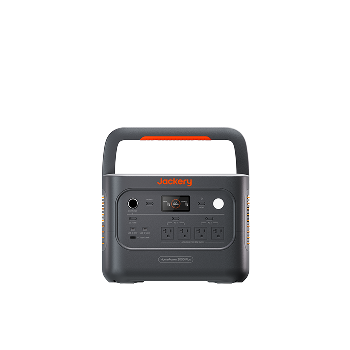
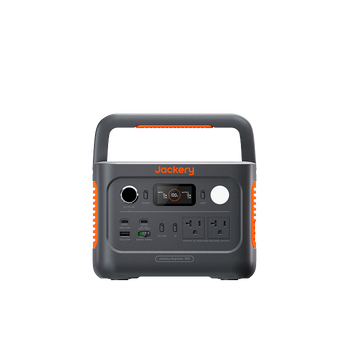
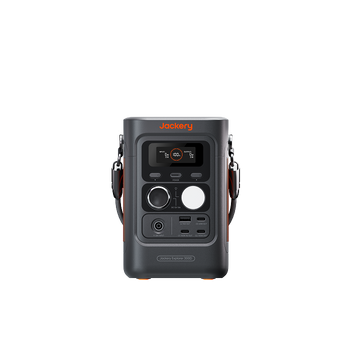
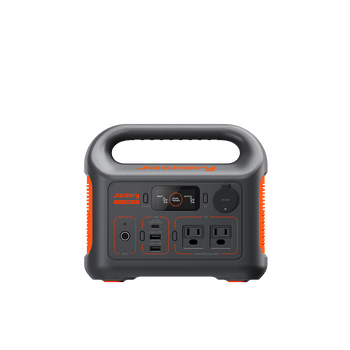
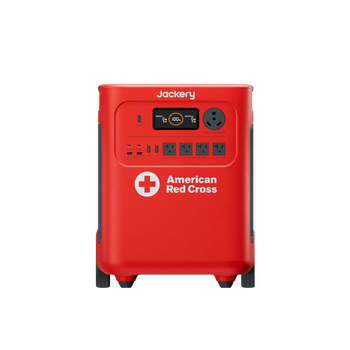
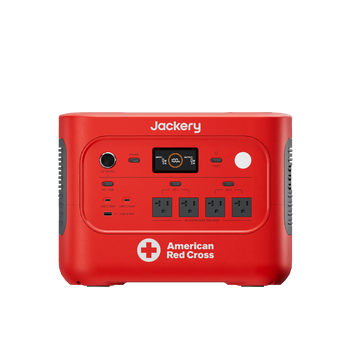
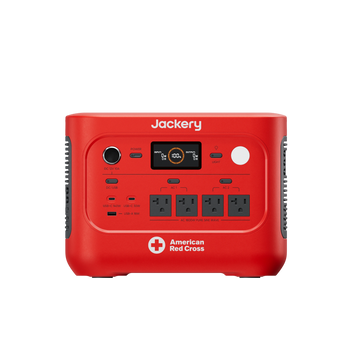
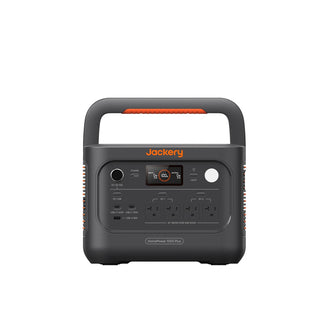
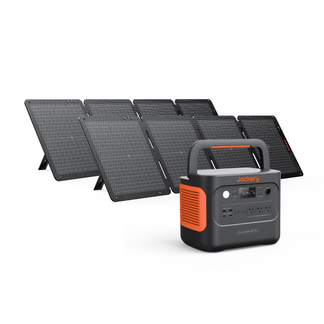
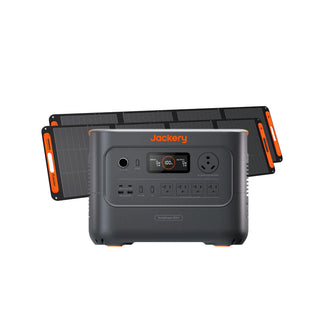
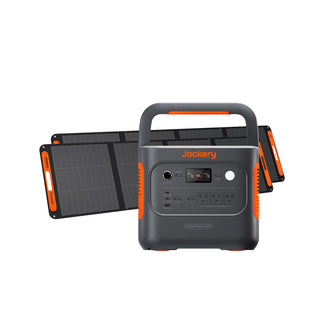
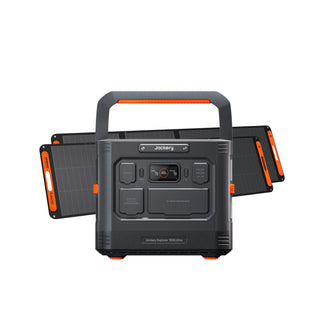
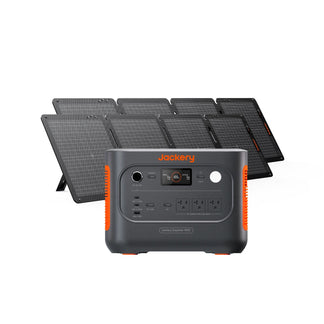
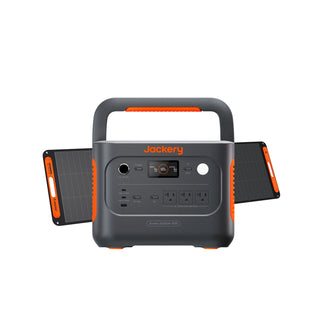
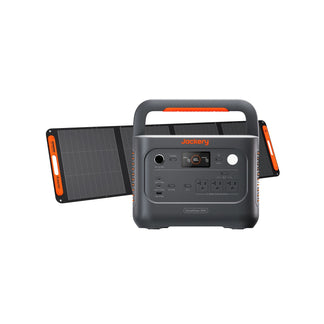
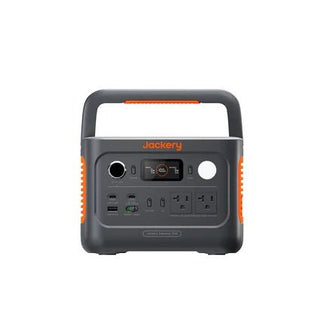
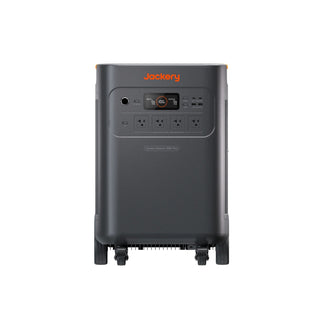
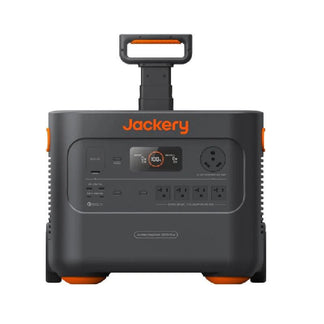
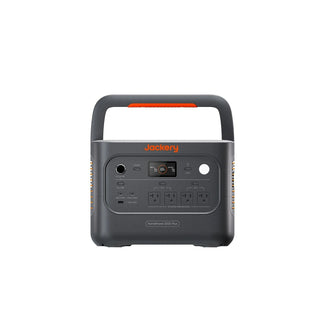
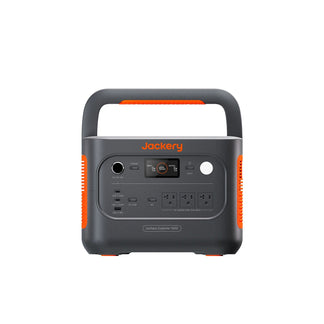
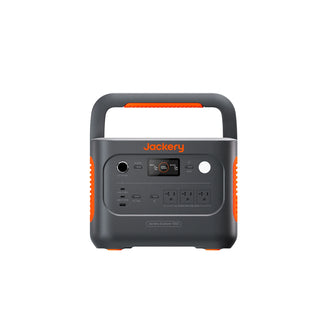
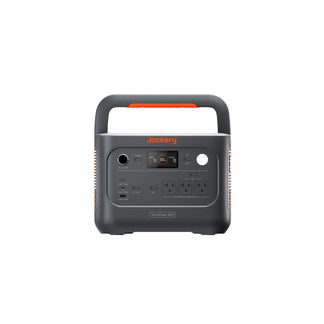
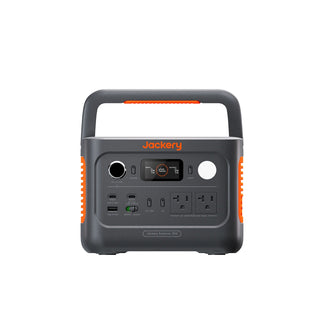
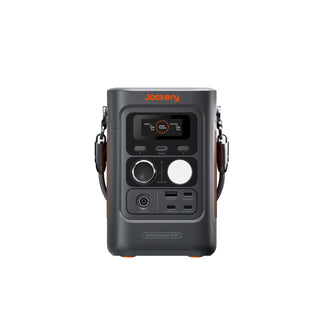
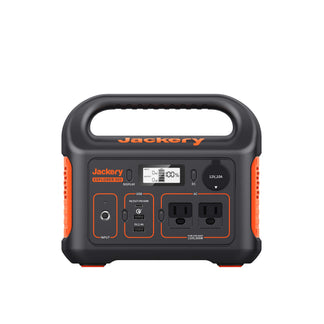
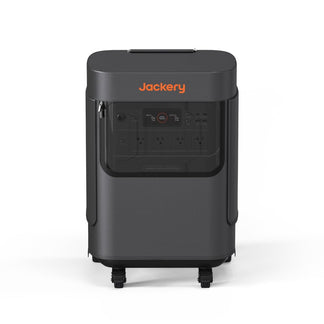
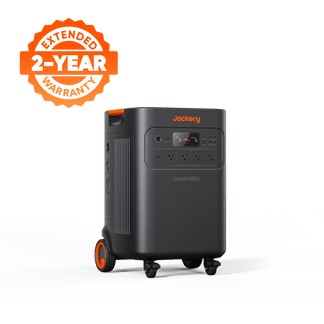
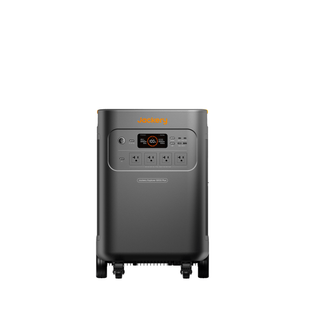
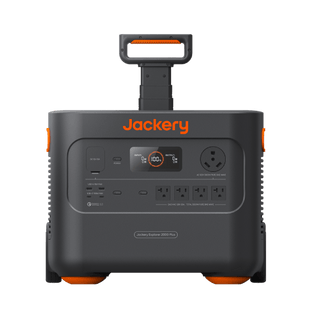
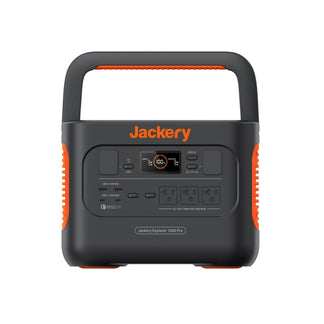
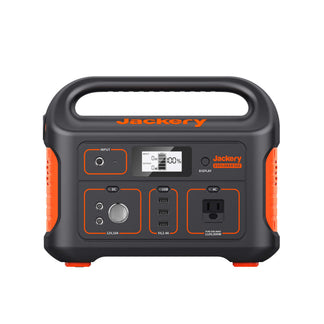
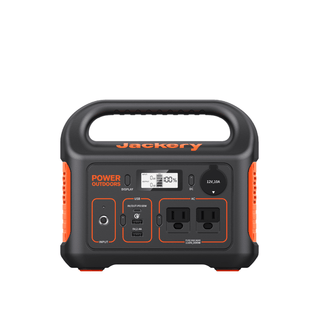
Jackery’s portable solar generators integrate LiFePO₄ batteries, pure sine wave inverters, and MPPT charge controllers into units built for essential home backup. Three configurations cover the most common emergency scenarios.
Emergency Scenario |
Recommended Jackery Setup |
Key Capabilities |
|---|---|---|
Apartment or 72-hour grab-and-go kit |
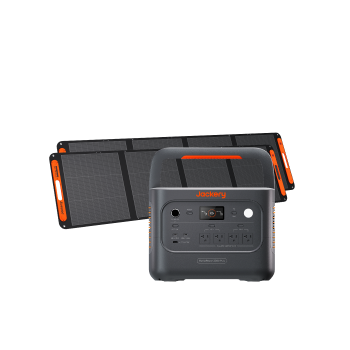
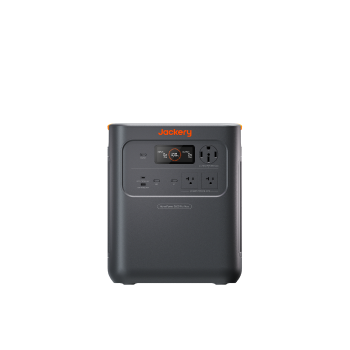
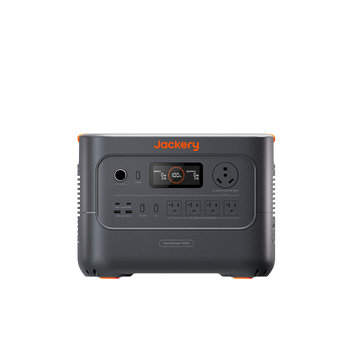
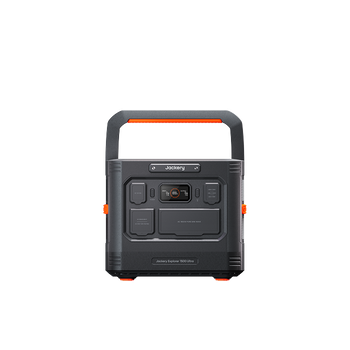
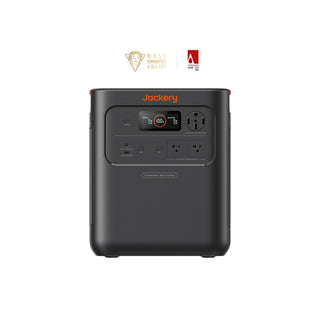
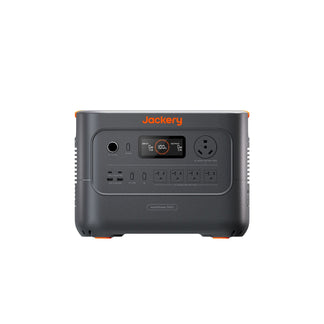
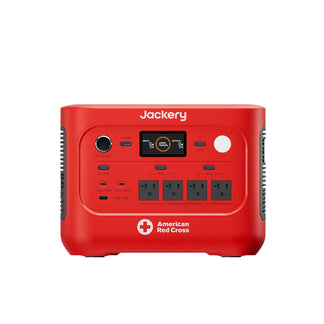
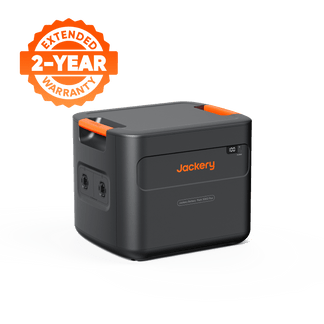
Jackery Solar Generator 2000 v2 (2,042Wh, 39.5 lbs) |
– Powers fridge for 3.2 hrs, microwave 1.5 hrs, LED lights 150+ hrs – Compact, lightweight |
1–2 day fridge + lights + communications |
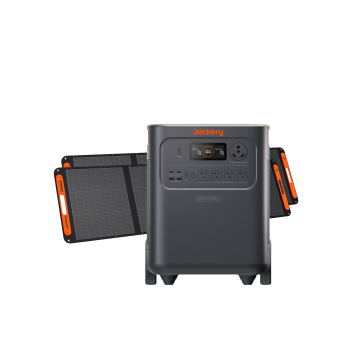
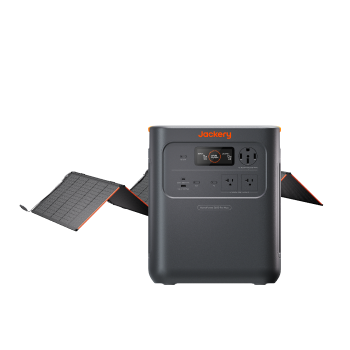
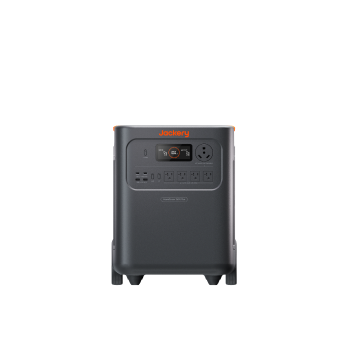
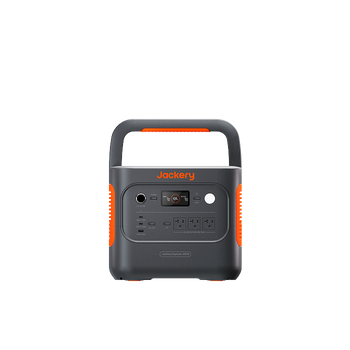
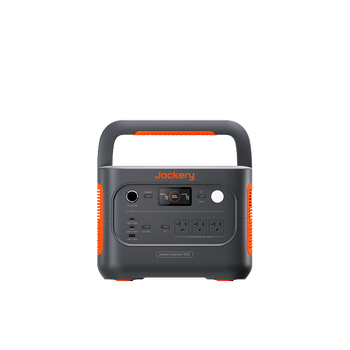
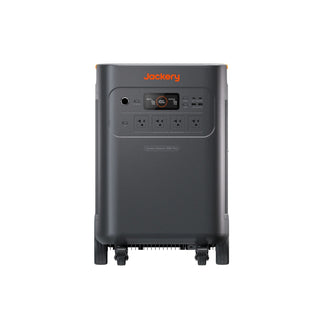
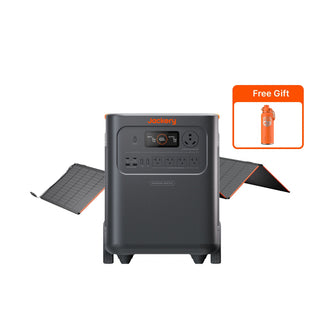
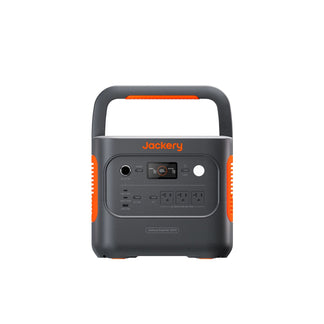
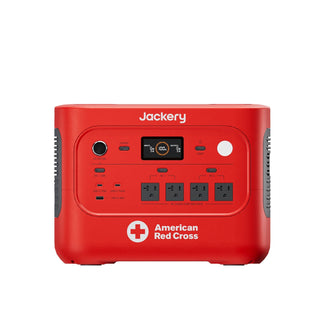
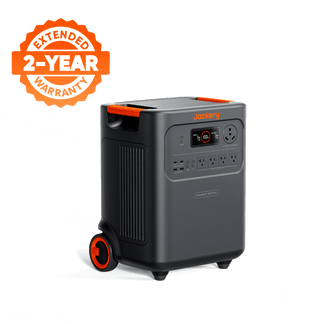
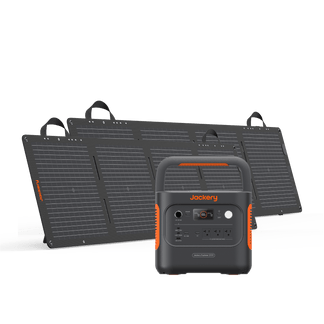
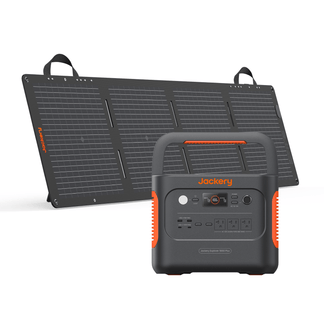
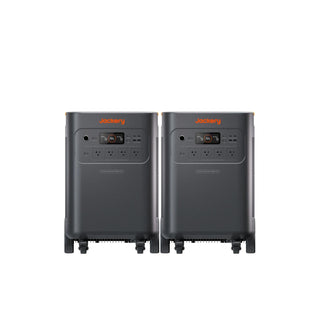
Jackery Solar Generator HomePower 3600 Plus (3,584Wh, 77 lbs) + SolarSaga 500X |
– Runs fridge, freezer, Wi‑Fi router, lights 1–2 days – Trolley design for quick relocation |
Multi-day home backup, well pump support |
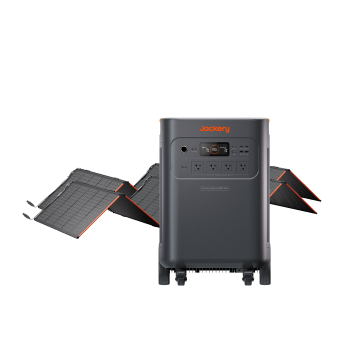
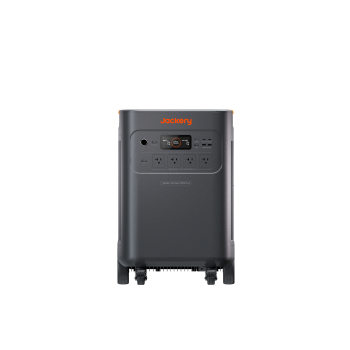
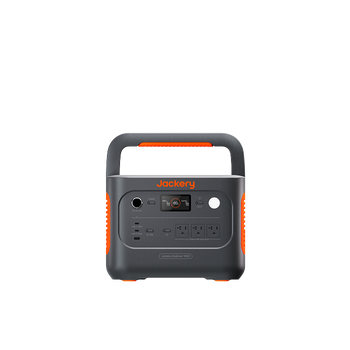
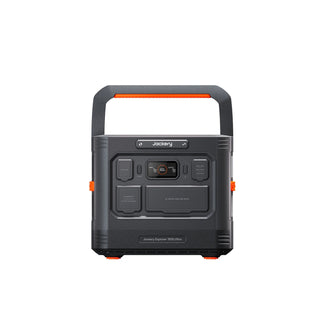
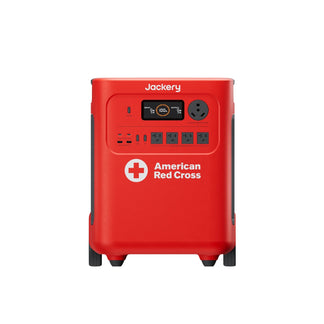
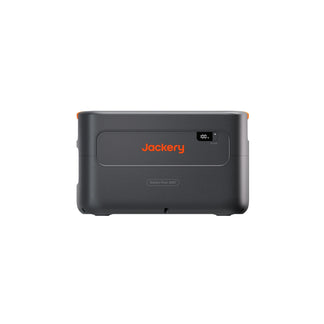
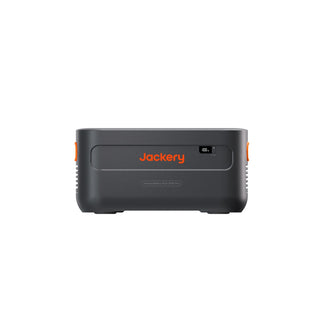
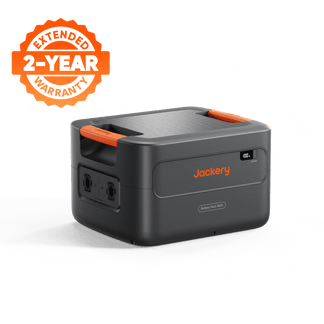
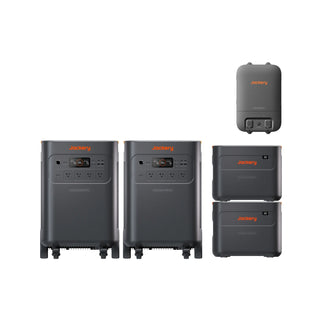
Jackery Solar Generator 5000 Plus (5,040Wh expandable) + 2x SolarSaga 500X |
– 120V/240V dual voltage, smart transfer switch support – 7,200W continuous, 14,400W surge – Recharges in 6.5 hrs with two 500W panels |
Leveraging the fuel-free advantage described earlier, the 5000 Plus with two 500W bifacial SolarSaga panels sustains critical loads through extended outages and recharges whenever the sun is out.
An emergency plan without reliable power is a wishlist. Test your system quarterly; know your daily watt-hours; store panels indoors and batteries at 50–80% charge. A portable solar generator keeps your fridge cold, phone charged, and family connected for 5 hours or 5 days — practical, not prepping.
Frequently Asked Questions (FAQ)
Can I charge a solar generator while using it to power my fridge?
Yes — most portable solar generators support simultaneous charging and discharging, so you can run appliances while the battery recharges from solar panels during daylight.
How do I store solar panels when not in use for emergencies?
Store solar panels flat in a cool, dry location inside their protective carrying case to prevent micro-cracks and moisture damage, and keep them away from sharp objects that could scratch the surface.
What is the best way to secure solar panels during a storm?
Use ground stakes, sandbags, or weighted panel stands, and bring panels indoors when severe weather is forecast — a 40-mph gust can lift an unsecured 500W panel.
Can portable solar generators be used in an apartment without outdoor space?
Yes — place panels on a balcony, in a south-facing window, or charge the generator from a wall outlet before an emergency hits so the battery is full when the outage starts.
How often should I test my solar backup system to ensure it works?
Test your full system every 3 months by running it on stored energy for 24 hours to confirm batteries, inverter, and charge controller function correctly — a dead system you discover during an outage isn’t a backup.
Sources & References
[1] U.S. Energy Information Administration, “U.S. electricity customers averaged five and one-half hours of power interruptions in 2022,” Today in Energy, https://www.eia.gov/todayinenergy/detail.php?id=61303 (accessed June 25, 2026).
[2] U.S. Department of Energy, “Solar Performance and Efficiency,” energy.gov (accessed June 25, 2026).
[3] Ready.gov / FEMA, “Power Outages,” https://www.ready.gov/power-outages (accessed June 25, 2026).


