










![[Add-on] Jackery Battery Pack 5000 Plus - Jackery](http://www.jackery.com/cdn/shop/files/add-on-jackery-battery-pack-5000-plus-6713401.webp?v=1786503068&width=324)









If you are traveling to the FIFA World Cup 2026, your biggest worry shouldn't be whether your team qualifies—it is whether a sudden blackout, storm delay, or transport meltdown will keep you from seeing the match.
While cities like Miami face brutal heat waves and New York enforces strict parking bans, Houston stands as the single most likely U.S. host city to experience a major outage during the tournament. This isn't because Houston's grid is uniquely fragile, but because the city combines highly volatile Gulf Coast summer thunderstorms, explicit utility grid-strain warnings, and an influx of 500,000 extra visitors.
When half a million fans push against the same infrastructure that recently left 83,500 customers in the dark during a single weekend storm, the math for grid failure is straightforward. This guide unpacks exactly where the regional dangers lie, what kinds of 'outages' threaten your game day, and how to keep your essential systems running through peak summer storms.
What Does an "Outage" Really Mean for World Cup Fans?
For a World Cup attendee, an "outage" is more than just a simple electrical blackout—it constitutes any major operational failure that disrupts your match-day experience:
- Power Blackouts: Localized grid failures that cut off air conditioning, device charging, and real-time transit or gate updates at your accommodation or fan festival zones.
- Lightning Stoppages: FIFA enforces a strict 8-mile rule. If cloud-to-ground lightning is detected within an 8-mile radius of the stadium, play stops immediately for a minimum of 30 minutes, cascading into major transport and broadcast delays.
- Transit & Operational Breakdowns: Forced public transit mandates, parking bans, and heavy road closures that can effectively strand you miles from the turnstiles.
- The Primary Regional Hazards: While thunderstorms and lightning dominate the risk for southern hosts like Houston, Dallas, Miami, and Atlanta, extreme heatwaves threaten outdoor fan zones in Kansas City and Miami alike.
Why are Weather Threats the Primary Cause of Game-Day Outages?
The World Cup matches run from mid-June through mid-July, placing the tournament right in the peak of the North American summer storm and hurricane seasons. To prepare, you must learn how to prepare for a storm power outage:
- The 8-Mile Lightning Rule: FIFA's lightning detection protocols leave zero room for interpretation. A single cloud-to-ground strike within the 8-mile radius pauses the match for 30 minutes. Resets occur with every new strike, easily stretching a standard two-hour match into a four-hour ordeal.
- Uneven Grid Recovery: A passing severe weather front can easily snap distribution lines. During a recent Houston storm, 83,500 customers lost power. While CenterPoint Energy restored most outages quickly, outlying residential areas remained dark for several hours.
- The Heat Index Danger: Wet-bulb globe temperatures (WBGT) regularly exceed 90 degrees Fahrenheit during afternoon matches. Miami holds the highest heat risk, with a mid-summer average heat index of 102 degrees Fahrenheit. If you are wondering when the relief will arrive, our guide on when will the heat wave end outlines regional seasonal transitions.
- Wildfire Smoke Delays: Distant Canadian or Western wildfire smoke has previously canceled outdoor sporting events. FIFA has no fixed air-quality threshold for delays, leaving fans to navigate a highly unpredictable waiting game.
What are the Specific Grid Strain and Infrastructure Gaps in Host Cities?
Grid reliability in host cities depends entirely on available excess capacity. During peak summer, that capacity will be stretched to its absolute limit:
- Houston's Summer Strain: Houston's utility provider, CenterPoint Energy, keeps 1,400 frontline workers on standby to manage sudden thunderstorm damage. Adding 500,000 visitors to the metro area dramatically shifts the regional load profile, increasing the likelihood of localized transformer failures. To track local utility status, bookmark the CenterPoint outage map.
- Texas Grid Vulnerability: Because Houston and Dallas rely on the isolated ERCOT grid, peak summer demand can cause substantial price spikes and local outages. Keep an eye on regional grid health using the Texas power outage map.
- DFW Flight Risks: Dallas/Fort Worth International (DFW) is statistically the riskiest connection hub in the US during summer, with one in six flights experiencing storm-related delays. A single tarmac hold can easily cascade into a missed match or stranded layover.
- Forced Transit Mandates: MetLife Stadium (NY/NJ) has banned public vehicle parking, enforcing a transit-only layout. This sparked significant initial backlash due to high round-trip commuter rail fares exceeding $150 per person, creating a costly "access outage" for families.
How Do Real-Life Blackouts Compare to Football Movie Tropes?
In Hollywood films, stadium power outages are minor, dramatic plot devices that resolve in seconds before the hero scores. In real life, a blackout doesn't cut to a commercial—it leaves you in a dark, sweltering room with a dead cell phone and no way to navigate an unfamiliar city.
While stadiums are equipped with high-capacity backup generators to keep the broadcast cameras rolling, surrounding neighborhoods, fan zones, and short-term rentals have no guaranteed backup power. A three-mile trip away from a fully lit stadium can land you in a completely dark neighborhood, waiting for hours for regional utility crews to clear storm debris. Relying on a single static itinerary is what turns a minor weather delay into a personal travel disaster; always monitor real-time weather and transit alerts on your mobile device.

Why is Home Backup Power Critical for Both World Cup Visitors and Locals?
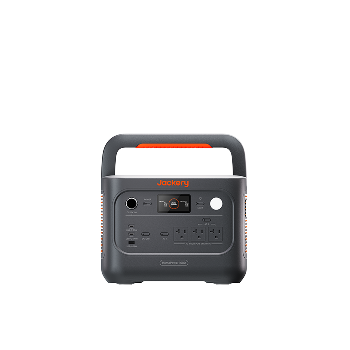
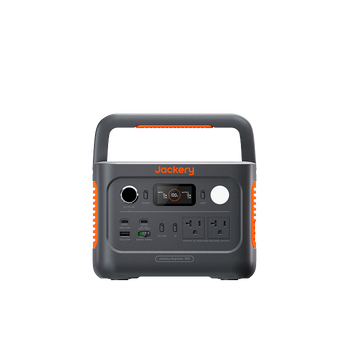
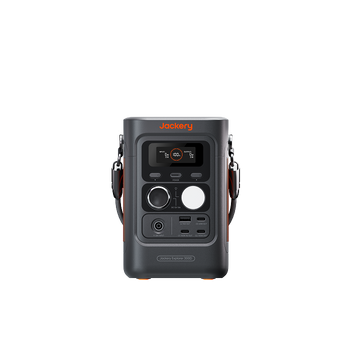
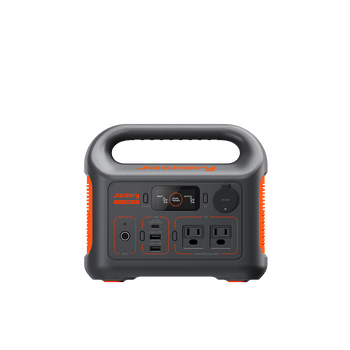
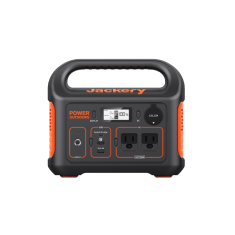
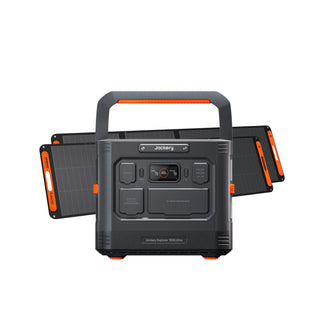
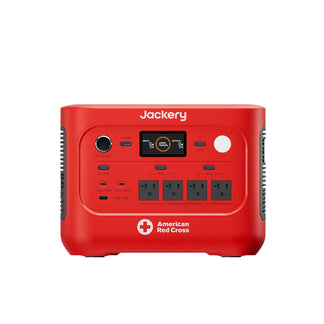
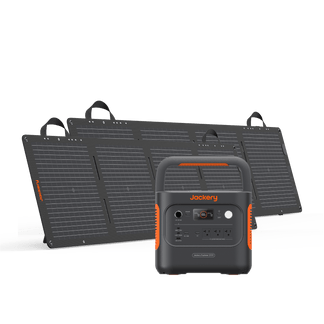
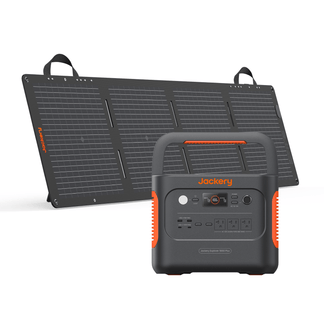
For World Cup travelers and local hosts alike, having a reliable, clean, and silent portable battery backup is the only way to safeguard your food supply, keep communication devices charged, and run medical hardware safely indoors when the grid fails.
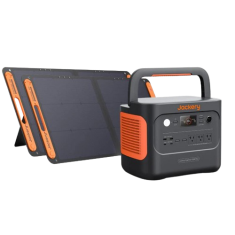
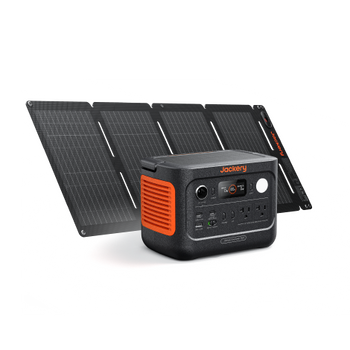
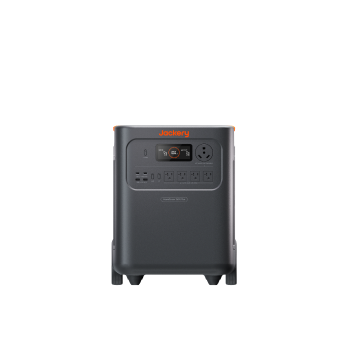
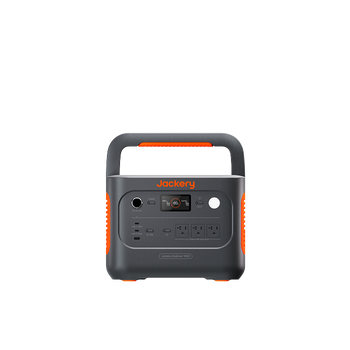
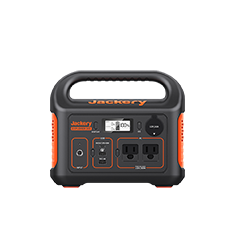
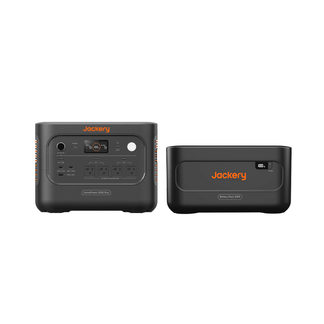
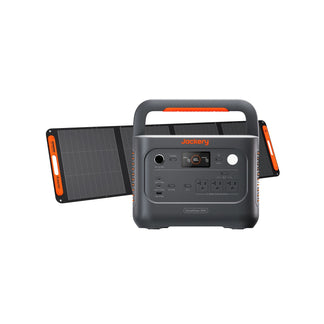
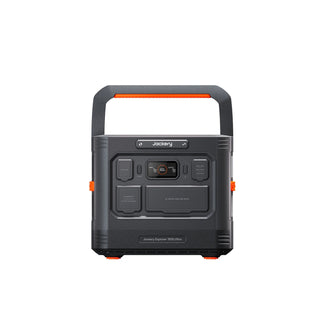
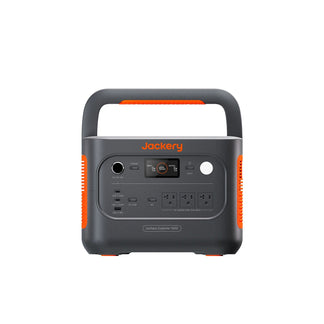
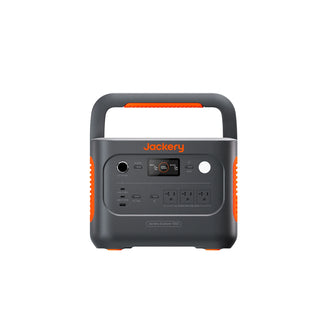
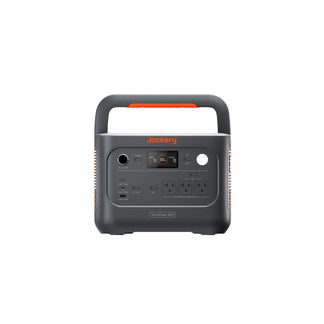
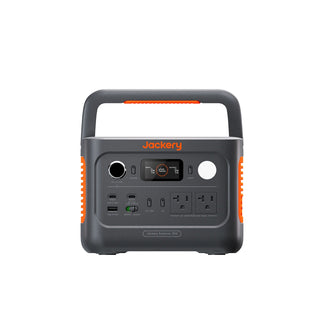
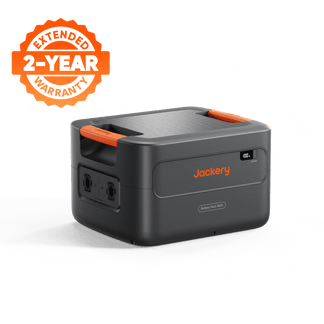
Three premium systems from Jackery provide reliable, plug-and-play outage protection:
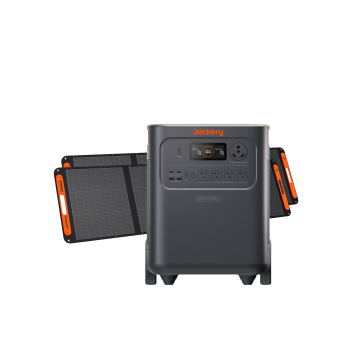
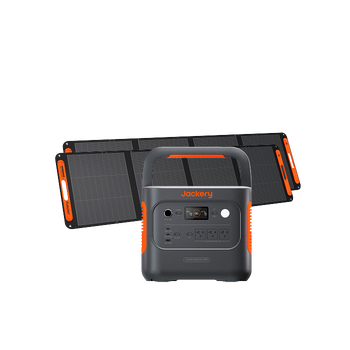
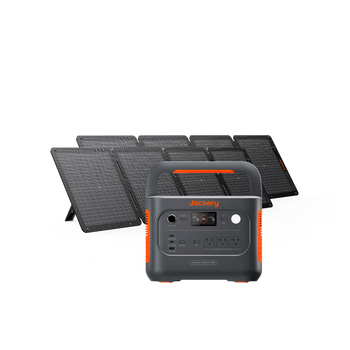
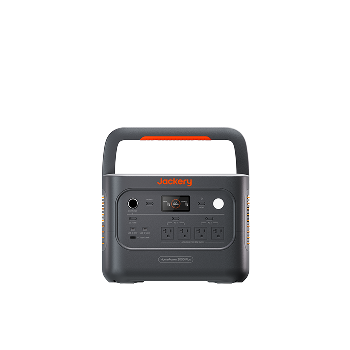
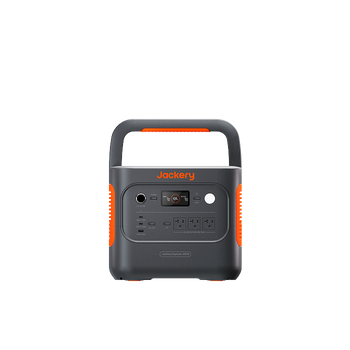
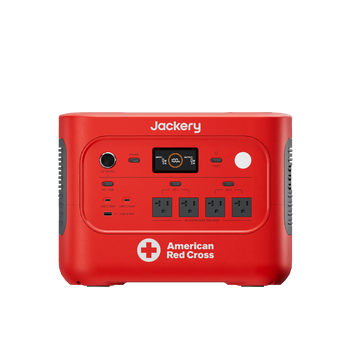
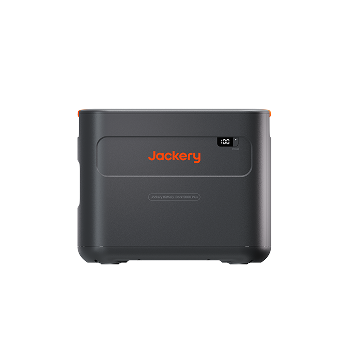
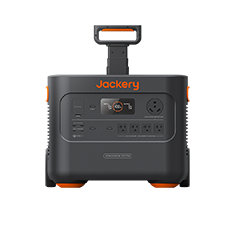
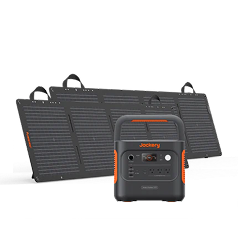
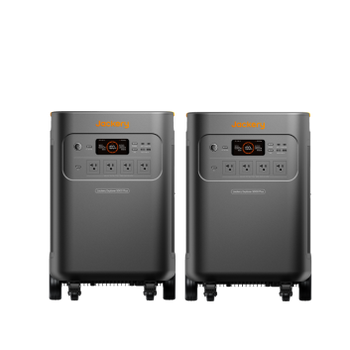
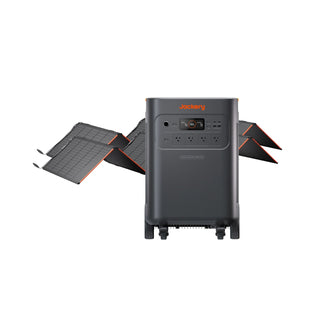
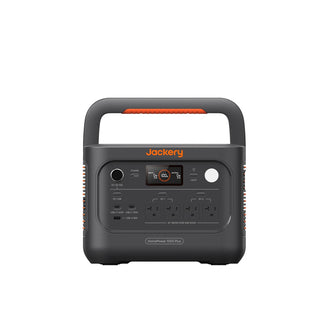
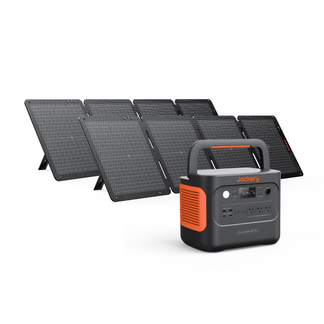
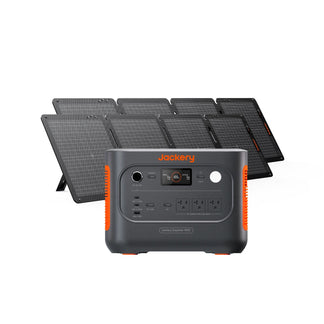
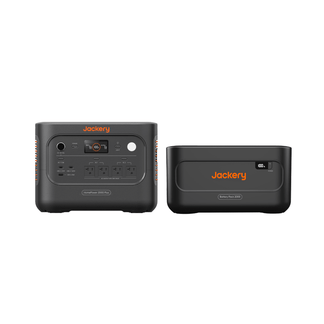
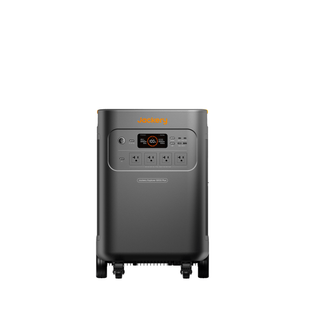
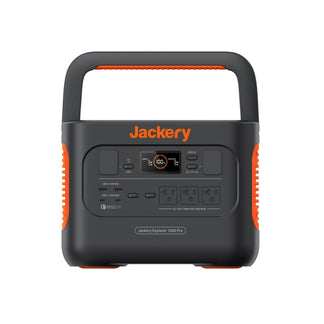
Jackery Solar Generator HomePower 3600 Plus
The perfect, high-capacity system designed to keep essential rental or residential loads running through extended storm cycles:
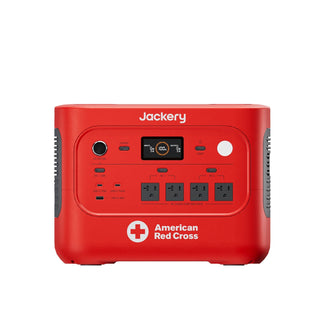
- Capacity & Output: Packs a 3,584Wh LiFePO4 capacity, capable of running a standard refrigerator for up to 38 hours or a Wi-Fi router for 300 hours.
- Silent Operation: Operates at an ultra-low 30 dB (quieter than a whisper) with zero toxic emissions, making it completely safe for indoor use.
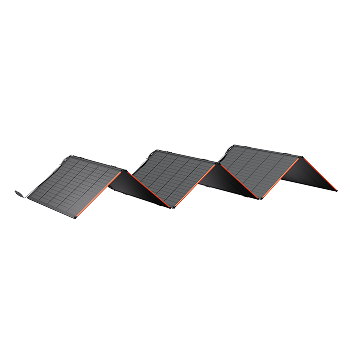
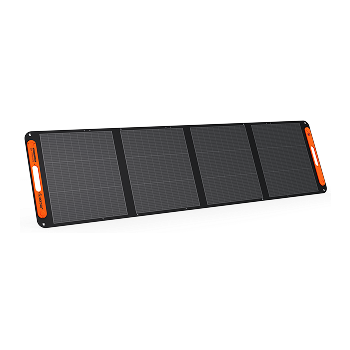
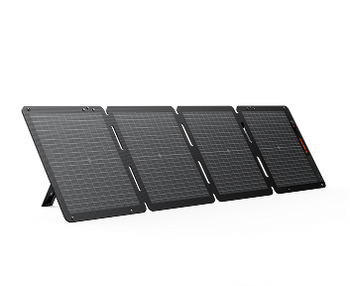
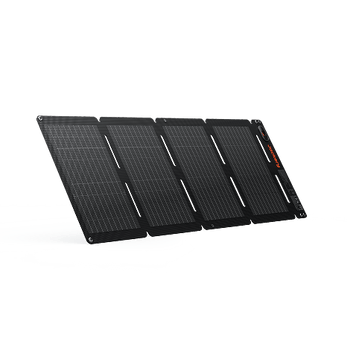
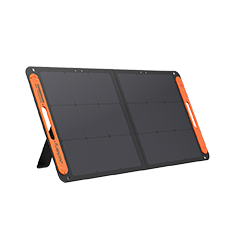
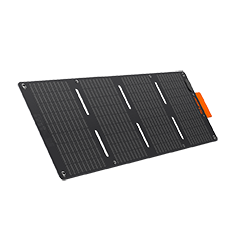
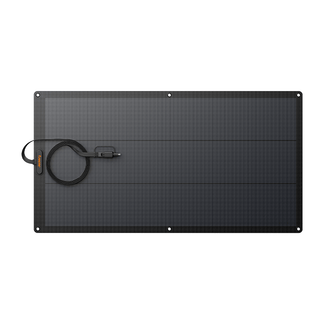
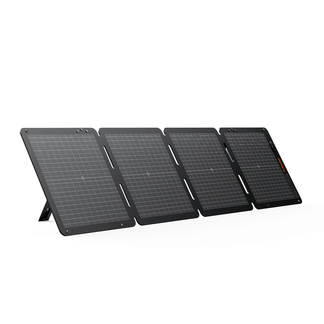
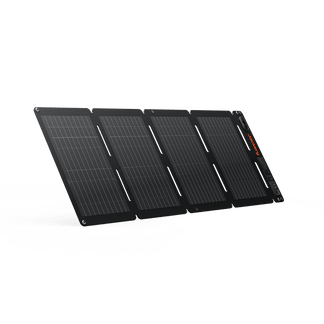
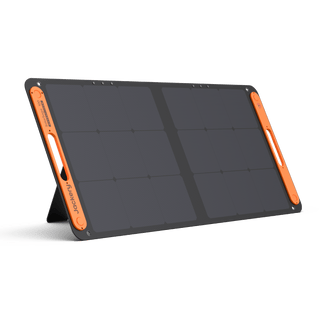
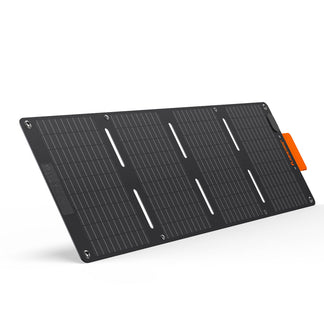
- Rapid Recharging: Fully recharges in just 2.5 hours from a standard wall outlet once grid power returns, or charges off-grid via the SolarSaga 500X solar panel.
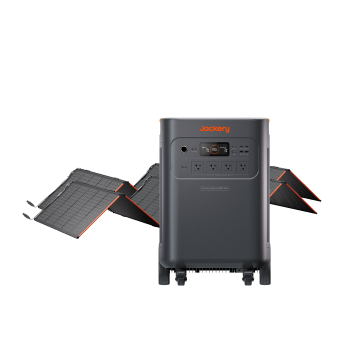
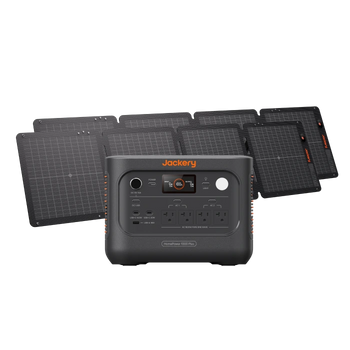
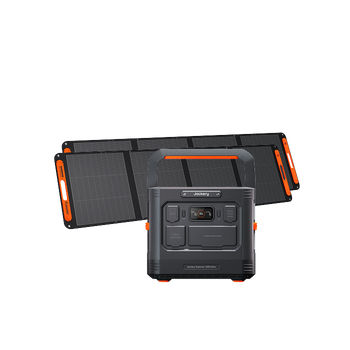
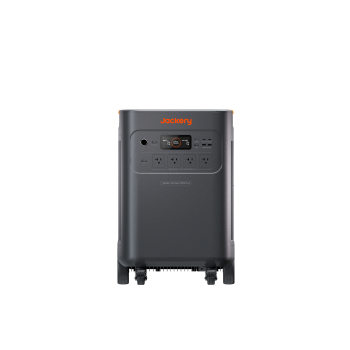
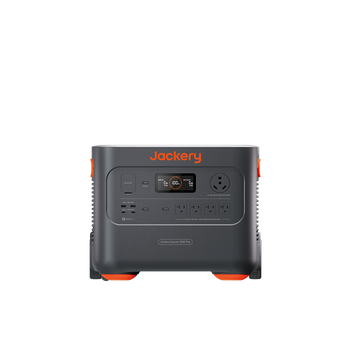
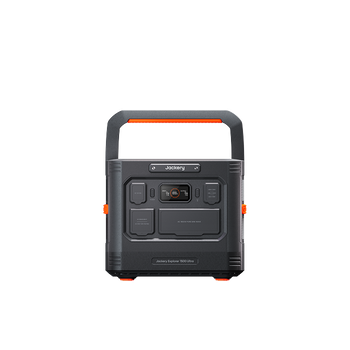
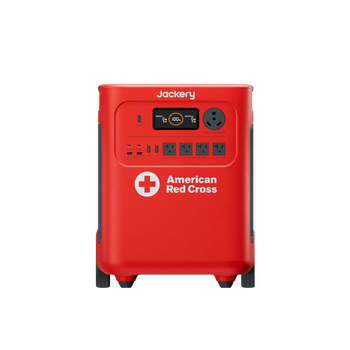
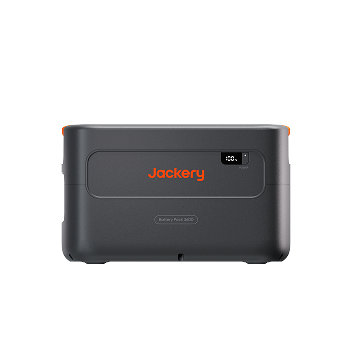
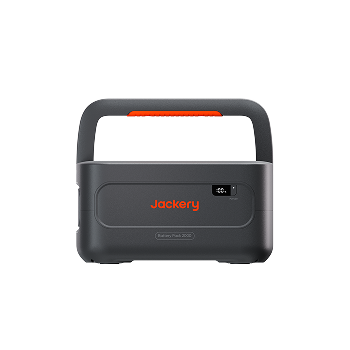
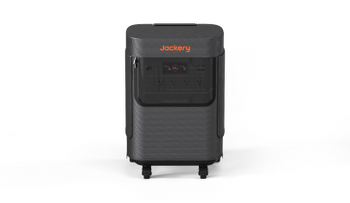
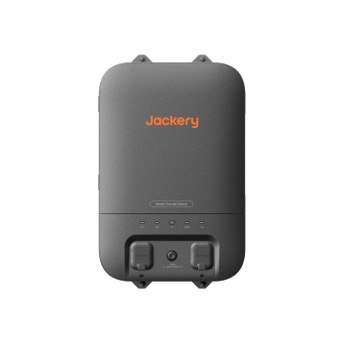
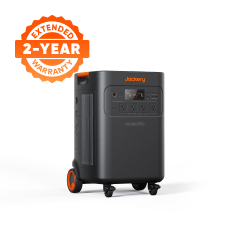
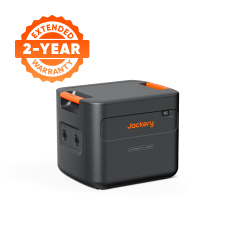
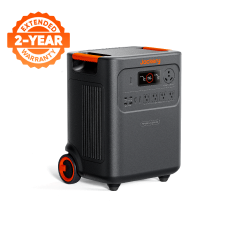
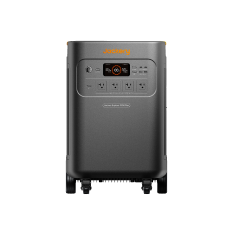
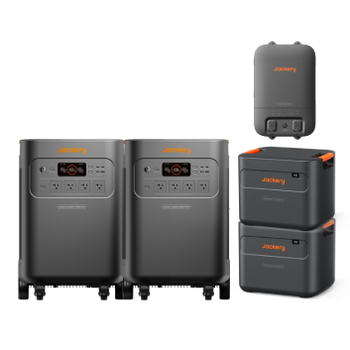
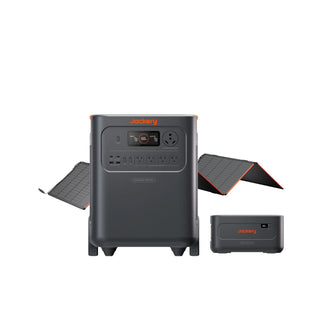
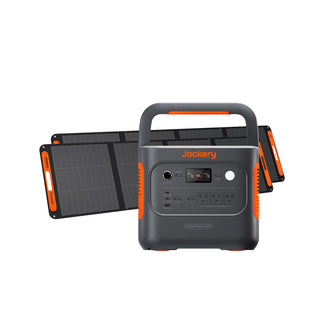
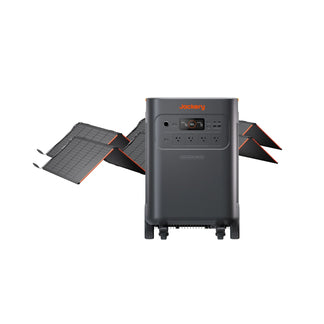
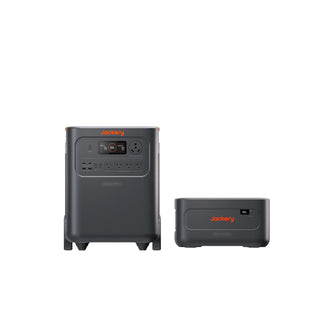
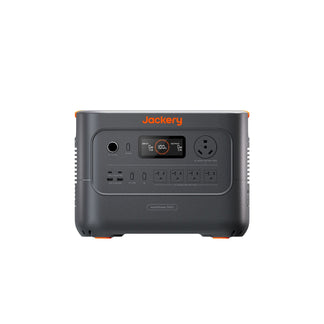
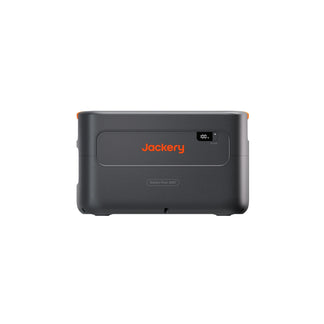
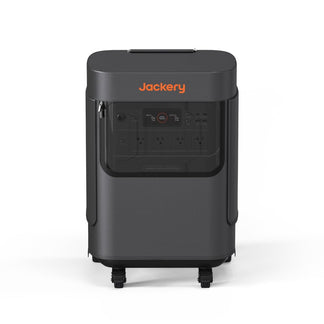
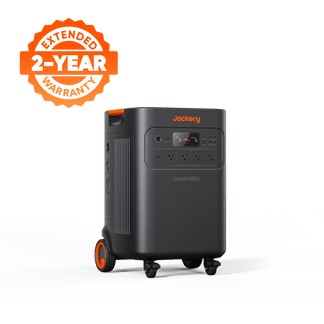
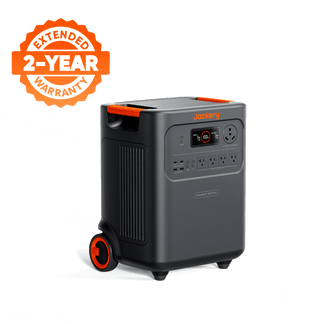
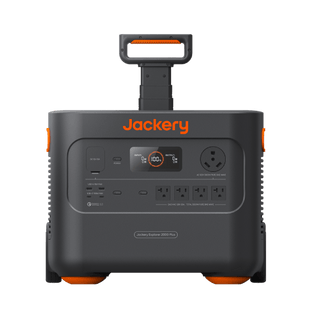
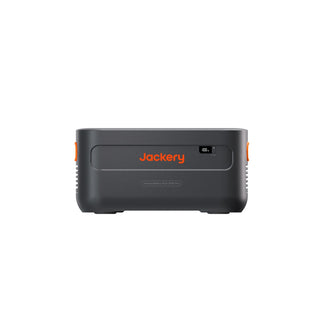
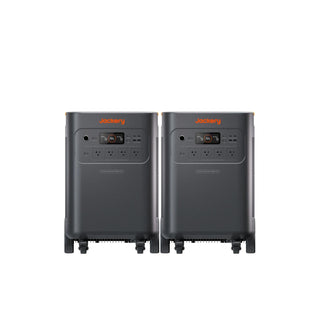
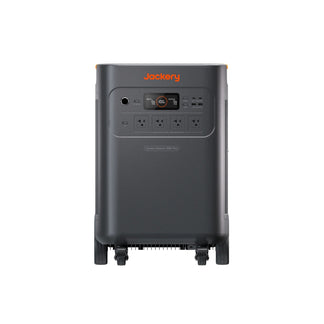
Jackery Solar Generator 5000 Plus
The premium whole-house backup solution built to power heavy appliances and multiple circuits:
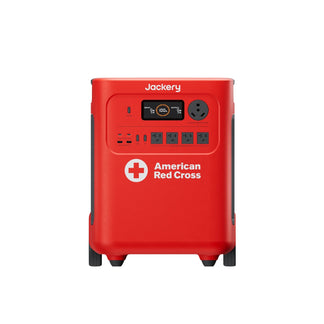
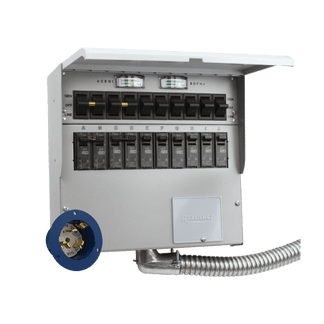
- High Power Output: Delivers 7,200W of continuous output and 14,400W of surge capacity, running a full-sized refrigerator for 10 hours on battery alongside home routers.
- Seamless Switchover: Features a true 0ms online UPS, ensuring sensitive electronic servers and screens never flicker or reboot during a power transition.
- Smart App Monitoring: Allows you to monitor battery levels, solar input, and output wattage remotely from your smartphone while you are at the match.
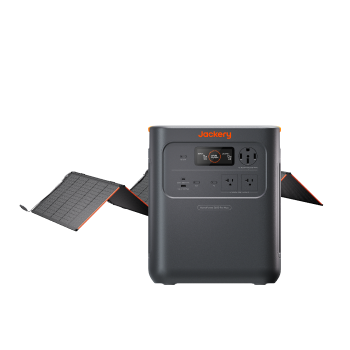
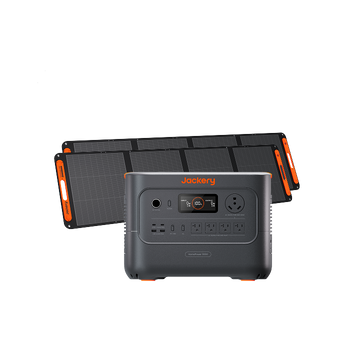
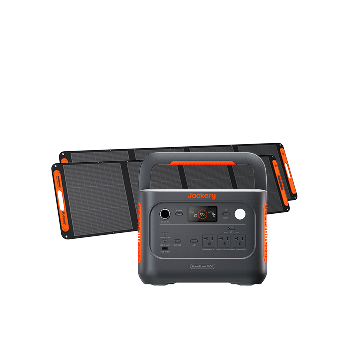
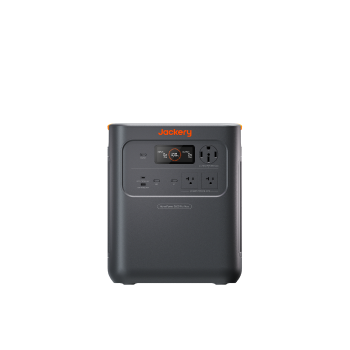
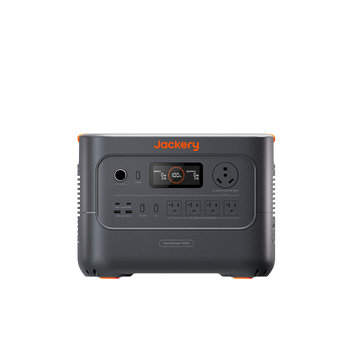
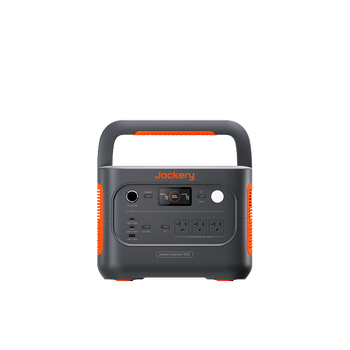
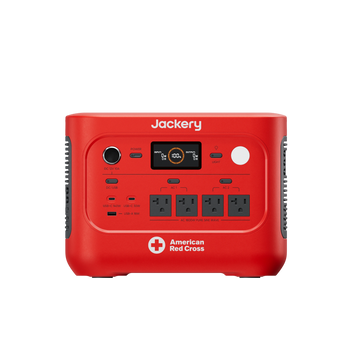
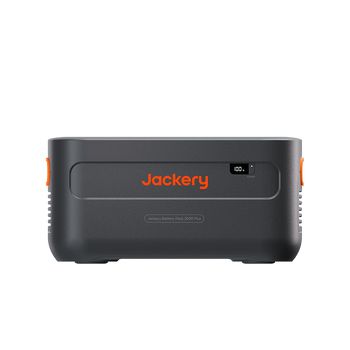
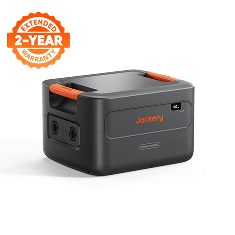
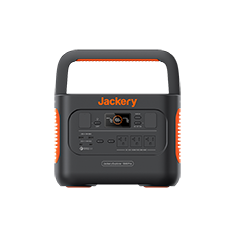
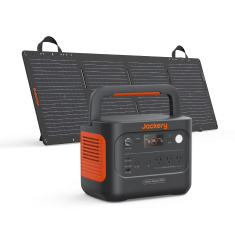
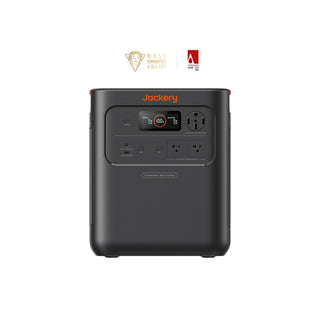
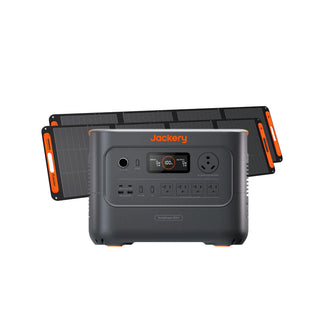
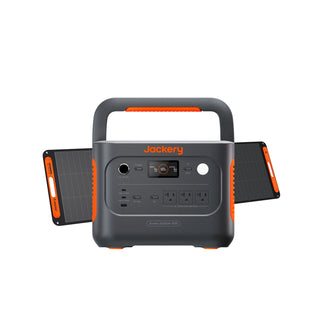
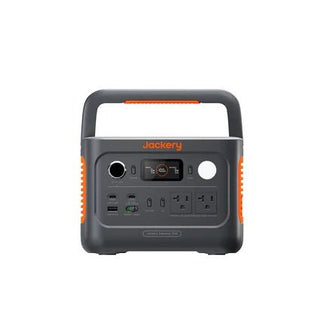
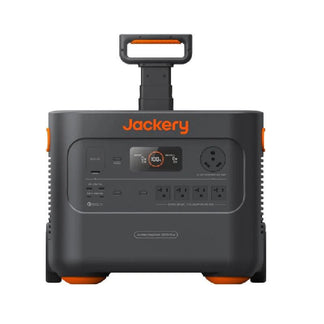
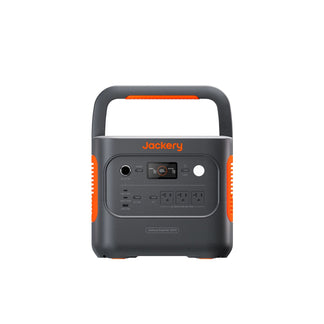
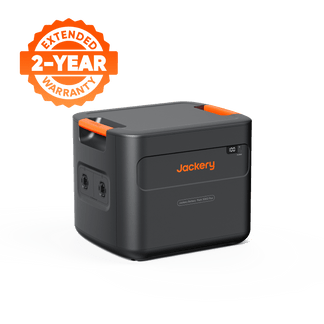
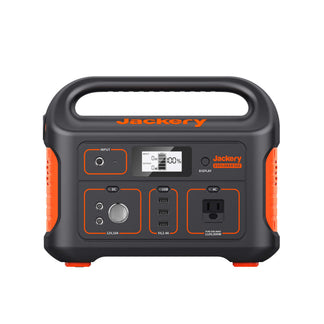
Jackery Solar Generator 2000 v2
The compact, highly portable backup system is designed for rapid transport:
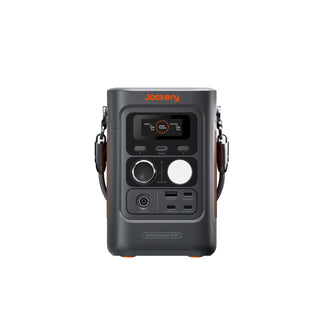
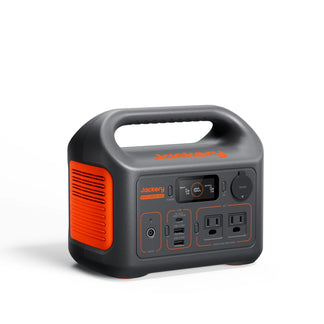
- Specs & Portability: Packs a 2,042Wh capacity into a lightweight, 39.5-pound frame that can run a mini-fridge and charge essential communication devices through a blackout.
- Emergency Fast Charge: Recharges from empty to 100% in just 1.75 hours from a wall outlet, allowing you to top off quickly between storm bands.
Frequently Asked Questions
Which World Cup host city faces the highest overall outage risk?
Houston has the highest risk. The metro area faces severe summer weather exposure, explicit grid-strain warnings from local utilities, and a massive influx of 500,000 extra visitors pressing against the same infrastructure.
Are all World Cup host cities equally at risk?
No. Miami leads the tournament for extreme heat index risks, Houston represents the highest grid strain and lightning risks, and Dallas-Fort Worth presents the highest statistical risk for cascading flight delays.
How long do power outages typically last in Houston?
Most minor, localized storm outages in Houston are successfully restored by utility crews within one hour. However, severe summer storms or hurricane winds can snap overhead lines, extending blackouts for several hours or days.
What should I pack for a potential power outage?
Ensure you pack a reliable portable power station, high-output LED flashlights, a first-aid kit, a physical map of your host city, and some cash, as local ATMs and credit card readers will go dark during a blackout.
How do I get real-time outage alerts during my World Cup trip?
Before arriving in your host city, download the local utility's mobile application (such as CenterPoint's Power Alert Service in Houston) and ensure Wireless Emergency Alerts (WEA) are enabled on your smartphone's settings.
Which World Cup host city has the most reliable public transit?
The New York/New Jersey metro area offers the most robust, high-capacity public commuter rail and bus transit networks, despite the strict public parking bans enforced at MetLife Stadium.


