
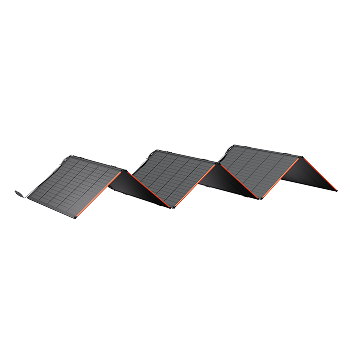
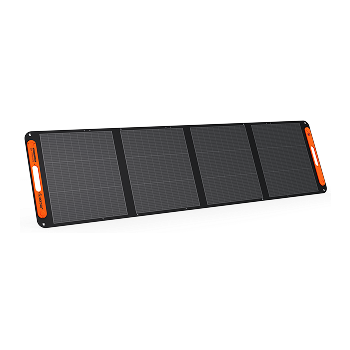
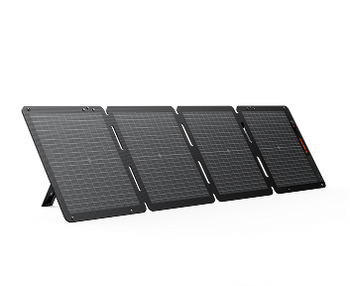
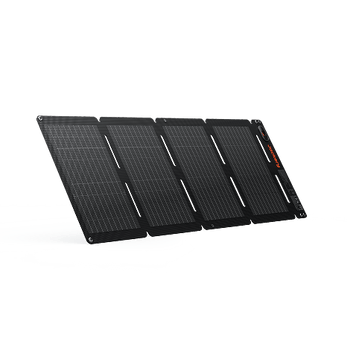




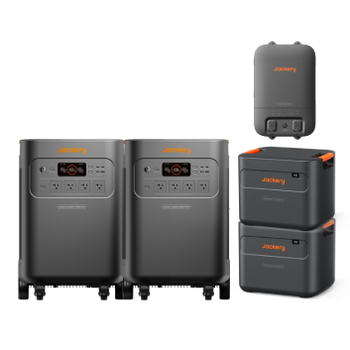
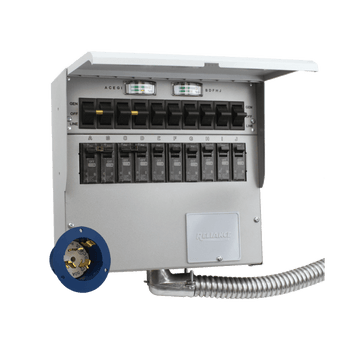


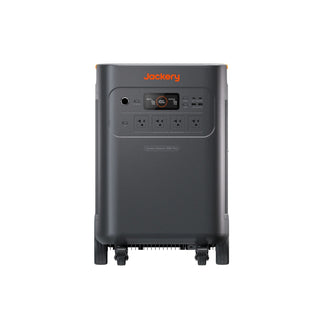
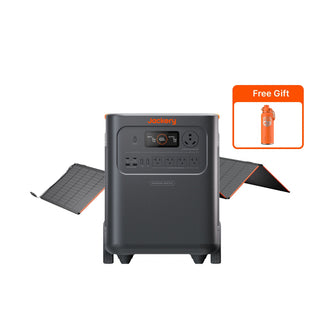

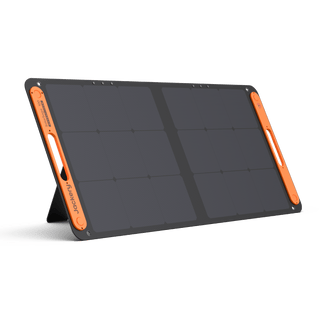
![[Add-on] Jackery SolarSaga 500 X - Jackery](http://www.jackery.com/cdn/shop/files/add-on-jackery-solarsaga-500-x-1493607.webp?v=1786503068&width=324)
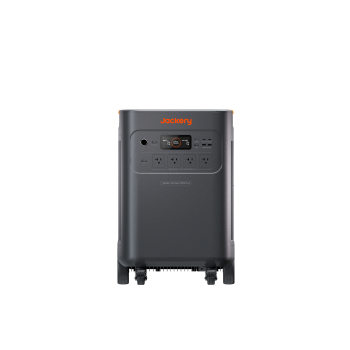
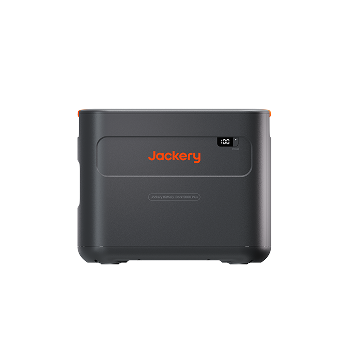
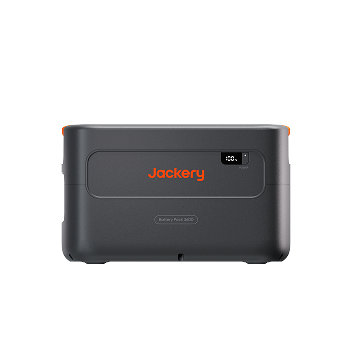
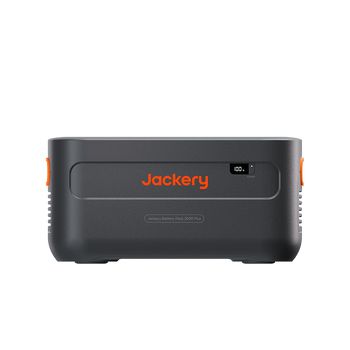
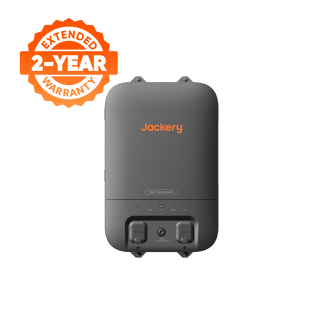
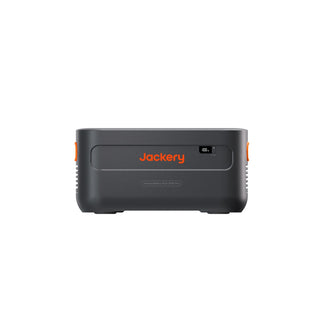
![[Add-on] Jackery Battery Pack 5000 Plus - Jackery](http://www.jackery.com/cdn/shop/files/add-on-jackery-battery-pack-5000-plus-6713401.webp?v=1786503068&width=324)




What Are 10 Items in an Emergency Kit? Complete Checklist
Quick Answer: A basic emergency kit should contain water (1 gallon per person per day), non-perishable food, a first-aid kit, flashlight, battery-powered or hand-crank radio, whistle, dust masks, sanitation supplies, a multi-tool, and important documents in a waterproof container. Most kits fail because they are generic, never rotated, and lack a family plan — personalize yours for baby formula, pet food, spare glasses, and cash.
Key Takeaways
- Kit rot is the #1 pitfall — expired food, dead batteries, and degraded water make a kit useless; tie reviews to daylight saving time changes.
- Personalization is non-negotiable — a generic kit ignores infants, seniors, and pets; add the specific items each household member relies on and keep them rotated.
- The plan matters more than the supplies — designate meeting points, an out-of-state contact, and practice evacuation routes before an emergency.
- Cash is critical — store $200–$500 in small bills because ATMs and card readers fail during power outages.
- Water is often underestimated — FEMA’s 1 gallon/person/day covers drinking and hygiene, but hot climates or active evacuations may require more. [1]
What Are the 10 Core Items Every Emergency Kit Needs?
The ten core items are water, non-perishable food, a first-aid kit, flashlight, radio, whistle, dust masks, sanitation supplies, a multi-tool, and important documents. Every household should have them, stored in a portable, waterproof container.
- Water — 1 gallon per person per day for drinking and sanitation, with a 3-day minimum for evacuation kits. [1]
- Non-perishable food — Canned meats, fruits, vegetables, protein bars, and peanut butter that require no cooking or refrigeration.
- First-aid kit — Adhesive bandages, sterile gauze pads, antiseptic wipes, medical tape, scissors, tweezers, and instant cold packs.
- Flashlight — With extra batteries; lithium batteries perform better in cold temperatures.
- Battery-powered or hand-crank radio — Receives NOAA Weather Radio alerts and emergency broadcasts when cellular networks are down. [2]
- Whistle — A loud whistle can signal your location over debris and background noise.
- Dust masks — N95 masks protect against airborne particles, smoke, and mold after a disaster.
- Sanitation supplies — Moist towelettes, garbage bags, and plastic ties for personal hygiene.
- Multi-tool or wrench — Turns off utilities, opens cans, and handles basic repairs.
- Important documents — IDs, insurance policies, and medical records in a sealed waterproof bag.
How Much Water and Food Should You Store for 72 Hours?
Water quantity follows FEMA's guideline of 1 gallon per person per day. A family of four needs 12 gallons for a 3-day kit [1].
That covers drinking and basic hygiene. In hot climates or during strenuous evacuation, double the amount. Store water in food-grade containers or commercially bottled water, and replace it every six months.
A common mistake is underestimating how much water hygiene actually requires. Washing hands, rinsing utensils, and cleaning wounds all consume water. Add a portable water filter or purification tablets as a backup. A filter rated for 0.1 microns removes bacteria and protozoa, turning questionable water into a safe supply.
For food, stock these items:
- Canned proteins (tuna, chicken, beans) — last 2–5 years in a cool, dry place.
- High-energy foods — granola bars, trail mix, dried fruit — deliver quick calories without preparation.
- Manual can opener — electric openers are useless during a blackout.
What Basic First-Aid Supplies Should You Keep on Hand?
Wound care supplies should include:
- Adhesive bandages: multiple sizes
- Sterile gauze pads
- Medical tape
- Antiseptic wipes
These handle the most common injuries: cuts, scrapes, and burns.
Infection control items include:
- Disposable gloves: prevent contamination when treating someone else’s wound
- Antibiotic ointment
- Hand sanitizer
Simple tools like scissors and tweezers help with basic wound care and removing splinters or debris.
Additional items to store:
- Any everyday personal-care items your household normally keeps on hand — keep in original packaging and check expiration dates during each kit review.
- Instant cold packs reduce swelling from sprains and strains without requiring refrigeration or ice.
- A basic first-aid manual (even a small booklet) helps when you’re under stress and can’t think clearly.
Which Tools and Communication Devices Are Critical for Safety?
A NOAA Weather Radio provides real-time alerts for tornadoes, hurricanes, floods, and winter storms when cell towers are down. [2] Choose a model with a hand crank or solar panel so you’re never out of power.
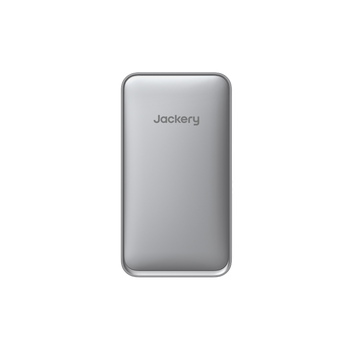
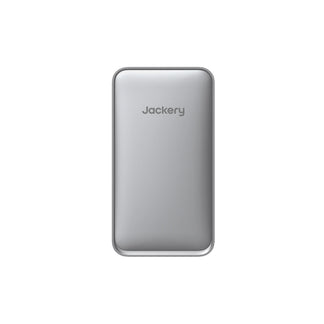
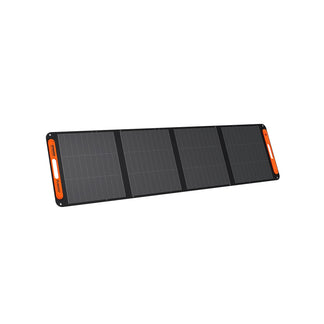
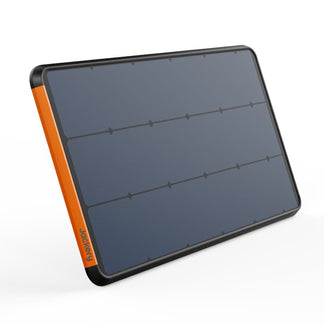
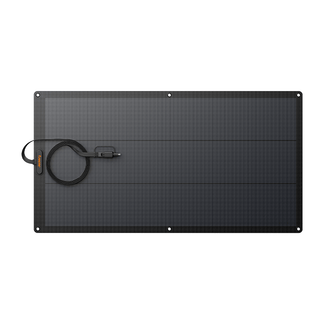
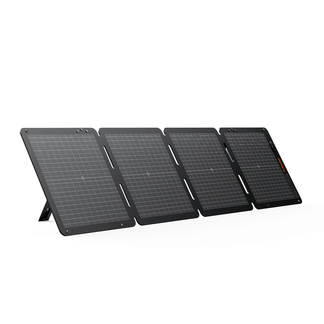
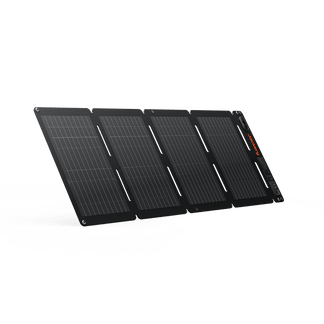
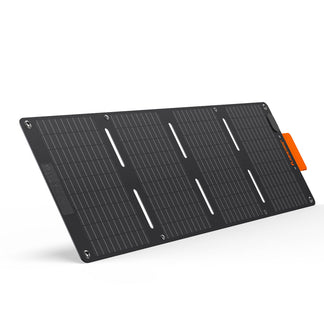
Power solutions cause confusion. A 20,000+ mAh power bank or a portable solar charger can keep phones and radios running for days. The flashlight should use lithium batteries — they perform better in cold temperatures and last longer than alkaline alternatives during extended outages.
A whistle can be heard over debris and background noise, making it vital for trapped survivors to signal their location. A fire extinguisher rated for all classes (A, B, C) handles small fires from gas leaks, electrical shorts, or cooking accidents. Keep it accessible, not buried behind supplies.
How Should You Customize Your Kit for Specific Household Needs?
Personal-care items: Pack a few days’ supply of prescription medications, contact lenses, and hygiene products, stored in original packaging and rotated before expiration.
Child and pet supplies:
- Infant/toddler: formula, diapers, wipes, bottles, baby food, comfort item (blanket or small toy).
- Pets: 3 days of food and water, leash, collar with ID tags, vaccination records, carrier/crate, and a current photo.
Special needs and climate additions:
- Elderly/disabled: spare glasses, backup batteries for hearing/mobility devices, note with key emergency contacts.
- Climate-specific: winter: warm blankets, hand warmers; extreme heat: extra water, electrolyte packets.
Limitations / What to Know Before
The “generic kit” trap
Standard checklists ignore infants, seniors, and pets. Buy a basic kit, then customize it with the items your household actually uses. A one-size-fits-all approach leaves you scrambling when you need baby formula or a hearing-aid battery at 2 a.m.
Kit rot
Expired food, dead batteries, and degraded water go unnoticed until an actual emergency. Set a biannual reminder — tie it to daylight saving time — to rotate food, test batteries, and replace water. A kit that hasn’t been touched in three years is a false sense of security.
Underestimating water needs
Many people store only bottled water without a purification backup, running out after 3 days. A portable filter or chemical treatment tablets add a critical safety net when municipal water systems fail.
Overlooking documentation
Digital backups fail without internet. Store physical copies of IDs, insurance policies, and medical records in a sealed bag. If you evacuate, you may need to prove identity and coverage to access services.
No cash
ATMs and card readers fail during outages. Keep $200–$500 in small bills in your kit. After a hurricane or earthquake, cash is often the only way to buy fuel, food, or a hotel room.
How Should You Store and Maintain Your Kit for Long-Term Readiness?
Store the kit in an accessible location — a front-hall closet or garage shelf works best for rapid evacuation. Avoid cluttered closets or hard-to-reach areas. A waterproof plastic tote with a sealed lid protects documents, electronics, and food from moisture.
Maintenance routine:
- Rotate items seasonally — tie kit reviews to daylight saving time (March/November) to swap heavy blankets for rain gear, check expiration dates, and replace batteries.
- Keep a printed checklist inside the kit; check off items each rotation and replace used/expired items immediately.
- Label the container clearly so every family member knows exactly where it is.
Product Recommendation: Essential Home Backup Power
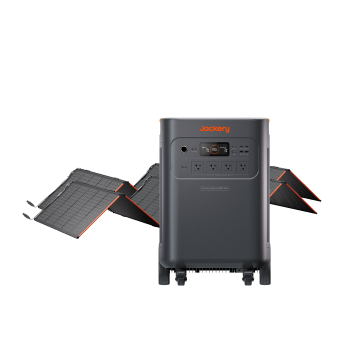
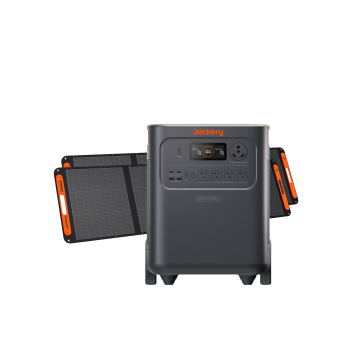
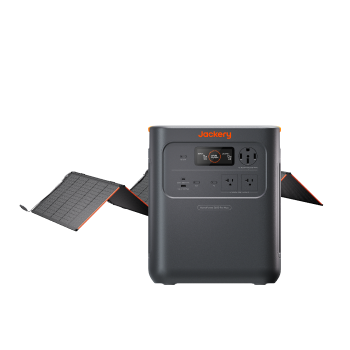
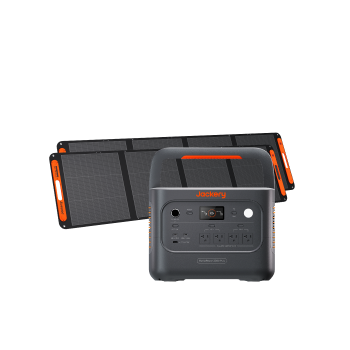
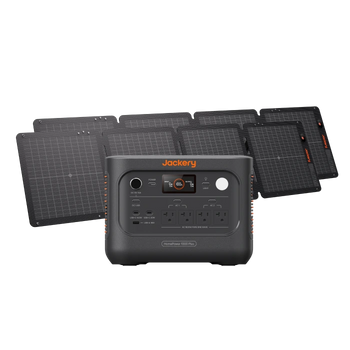
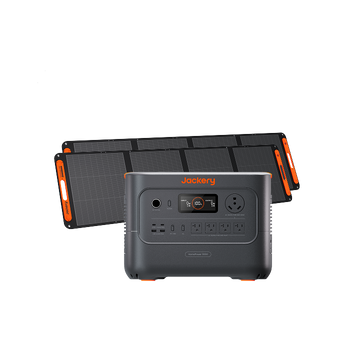
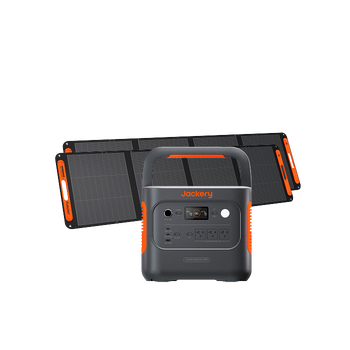
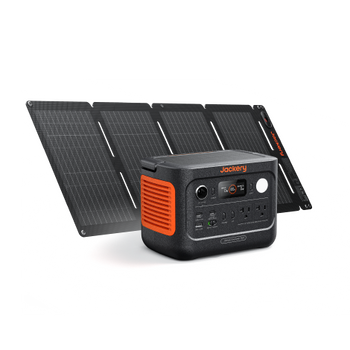
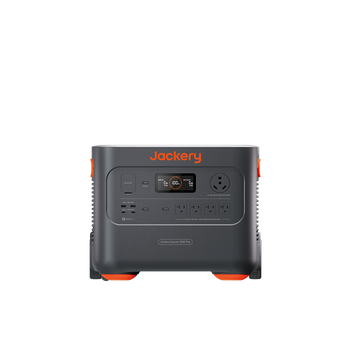
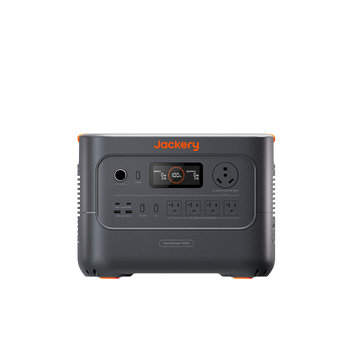
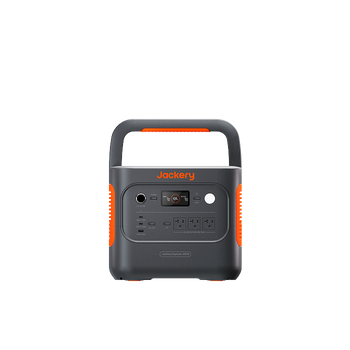
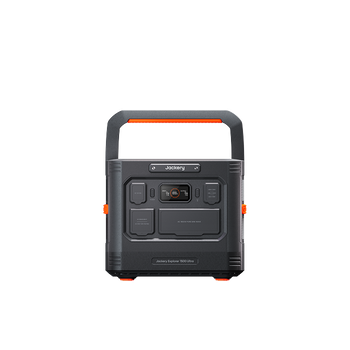
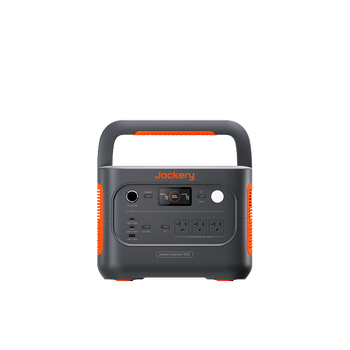
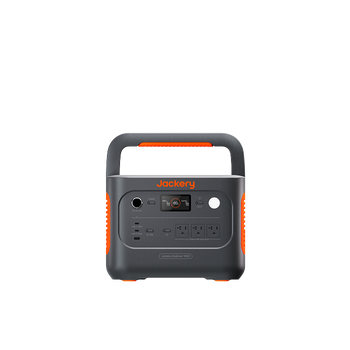
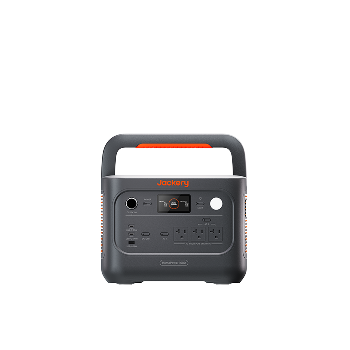
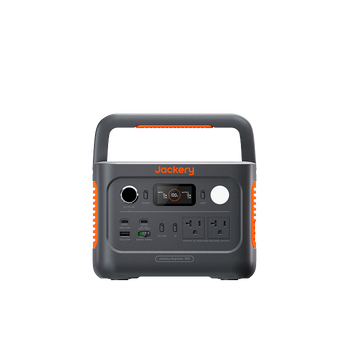
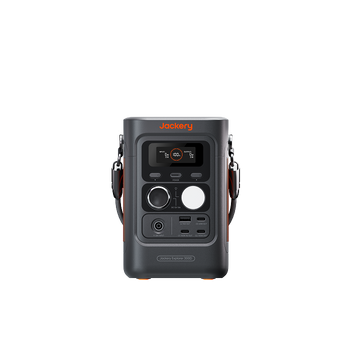
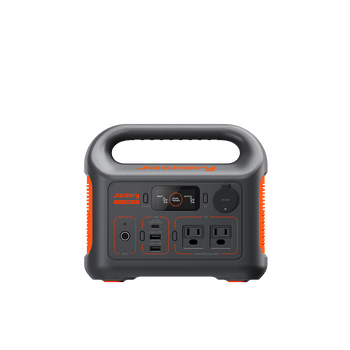
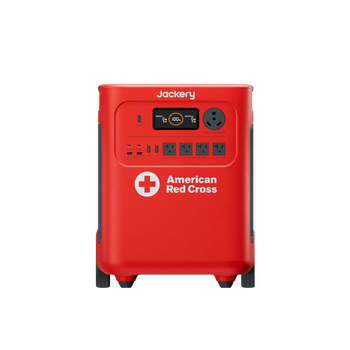
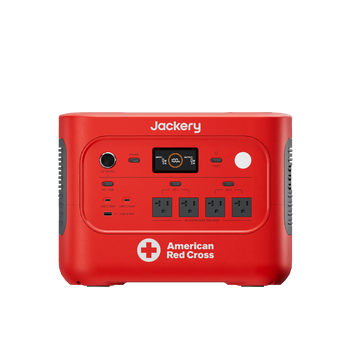
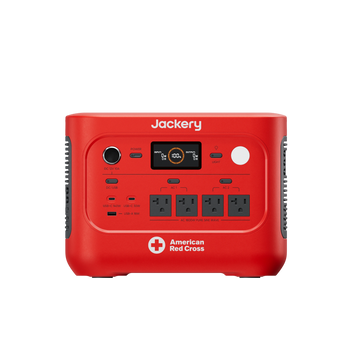
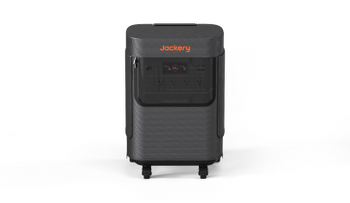
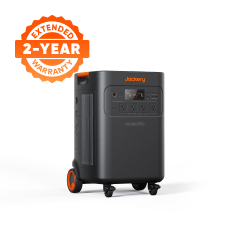
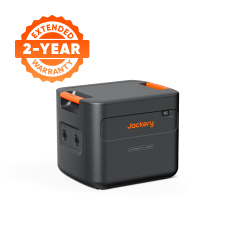
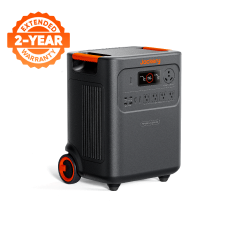
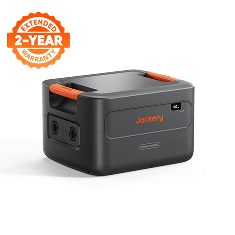
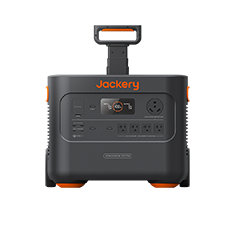
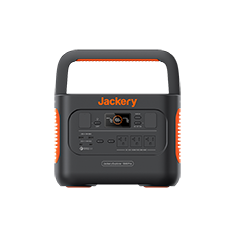
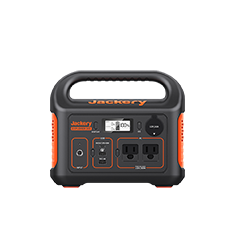
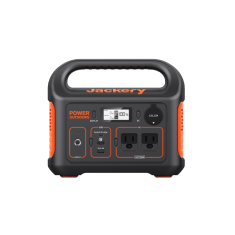
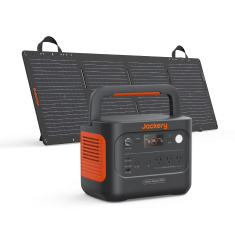
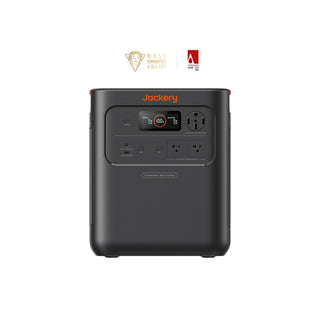
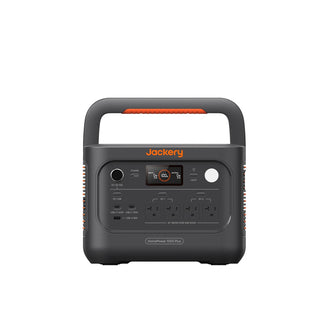
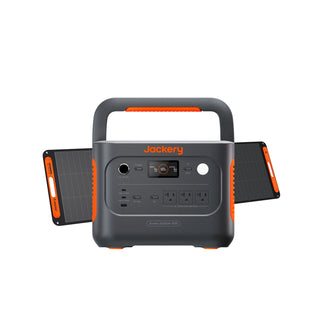
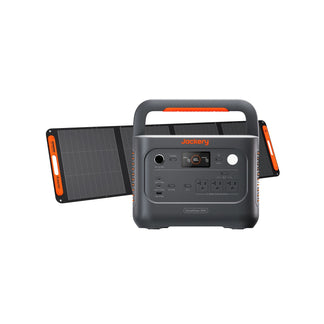
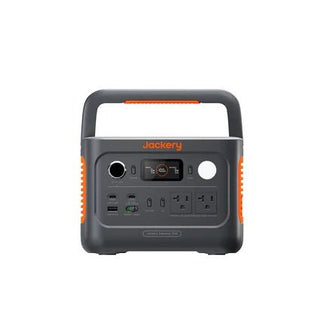
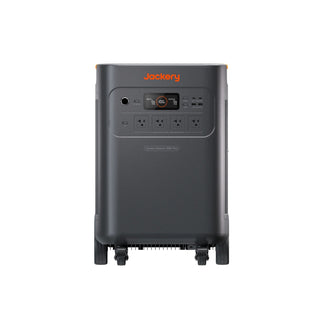
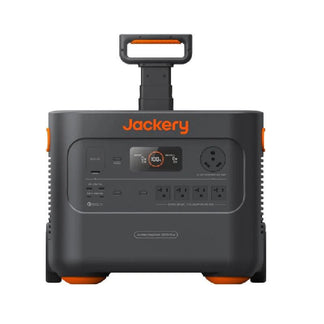
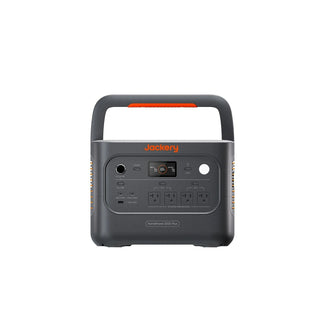
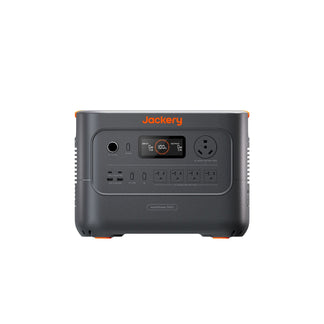
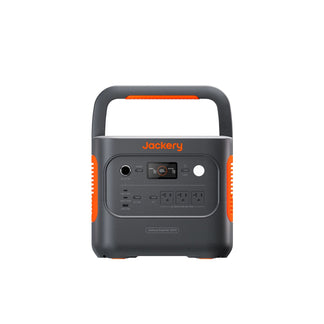
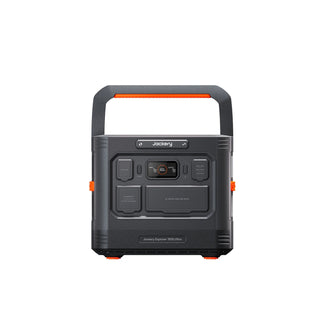
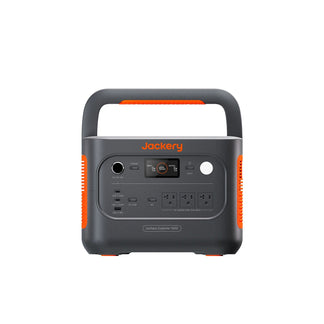
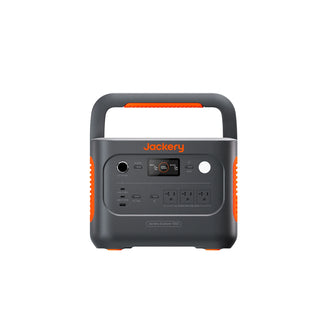
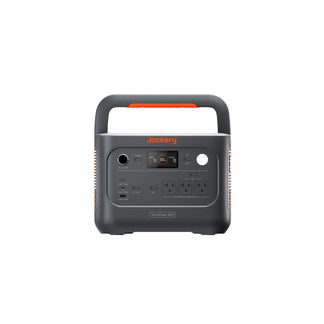
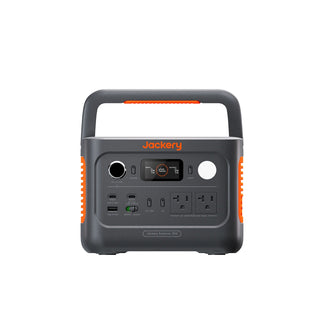
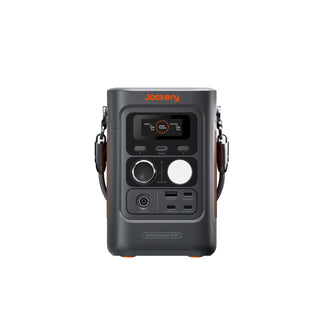
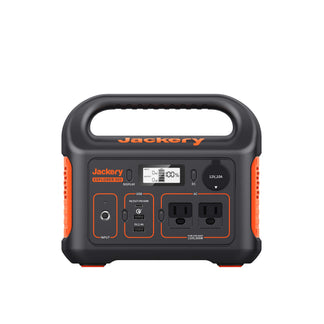
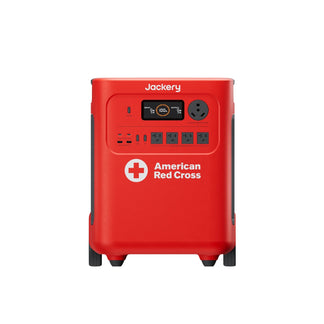
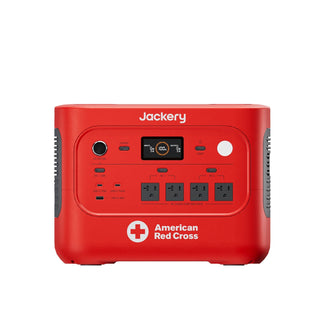
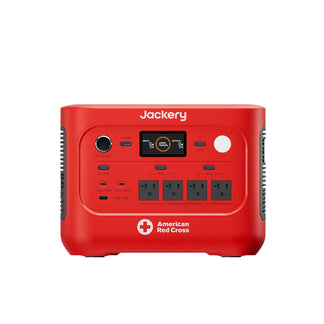
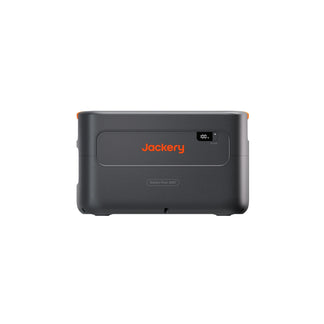
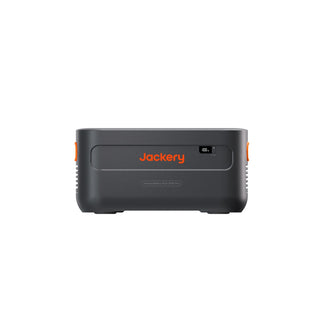
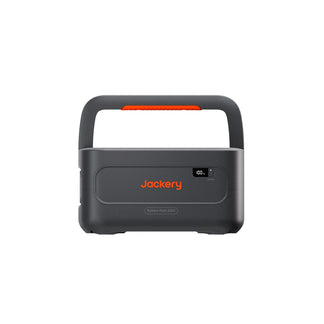
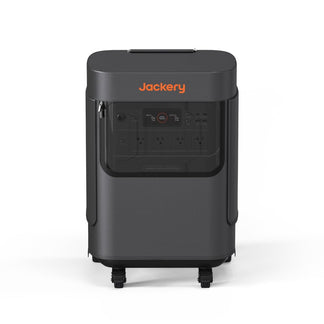
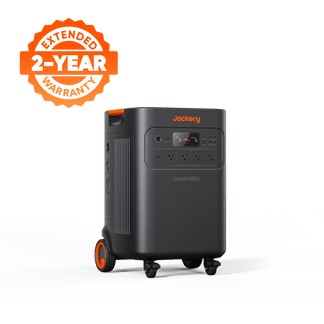
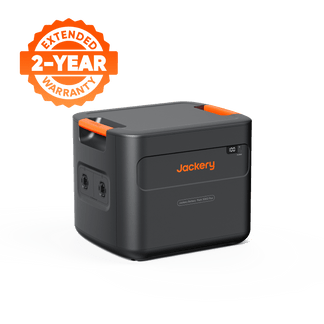
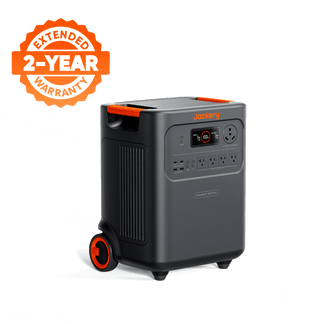
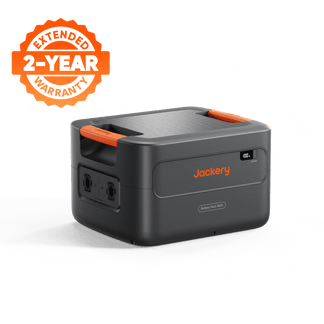
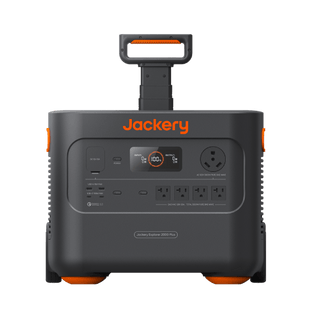
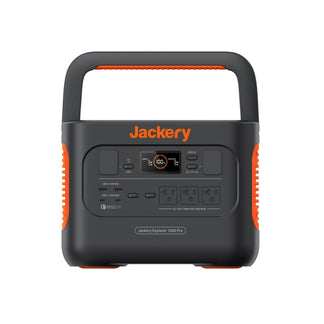
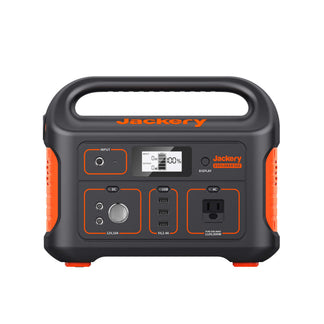
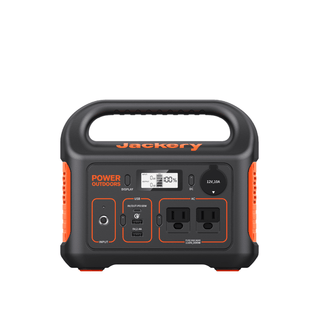
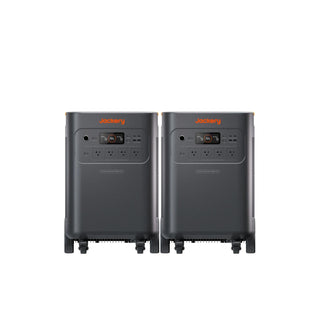
A power outage turns a minor emergency into a major one if you can’t keep a refrigerator running or charge communication devices. A portable power station bridges the gap without the noise, fuel, and maintenance of a gas generator. For essential home backup — not whole-home power — Jackery’s Explorer series provides silent, emission-free electricity.
Feature Comparison
Model |
Capacity |
AC Output |
Key Feature |
Best For |
|---|---|---|---|---|
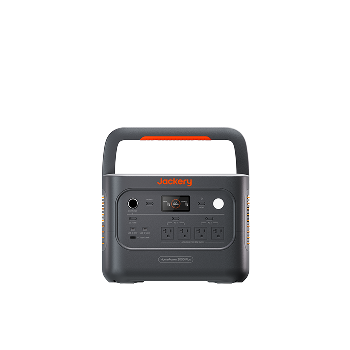
Jackery Explorer 600 v2 |
640 Wh |
500W |
Compact and lightweight |
Overnight outages: mini-fridge, lights, Wi‑Fi router |
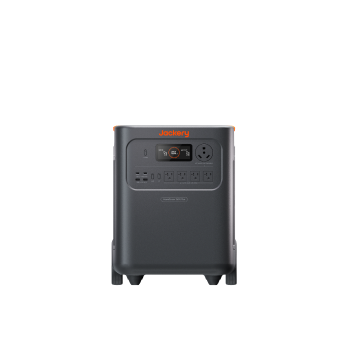
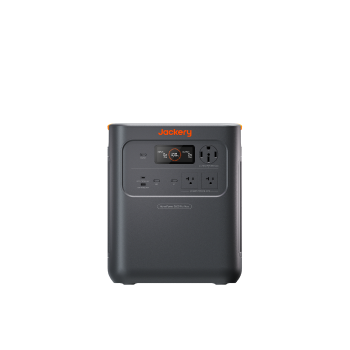
Jackery Explorer 1000 v2 |
1070 Wh |
1500W (3000W surge) |
High surge for motor loads |
Extended blackouts: full‑size fridge, sump pump, home office |
Decision Table: Which Jackery Model Fits Your Emergency Kit?
Emergency Scenario |
Recommended Model |
What It Runs |
Runtime Example |
|---|---|---|---|
Short overnight outage (lights, router, phone) |
Explorer 600 v2 |
20W LED light + 10W router + 10W phone charger (40W total) |
~14 hours |
12‑hour blackout with refrigerator |
Explorer 1000 v2 |
200W refrigerator |
~12 hours |
Multi‑day outage with multiple devices |
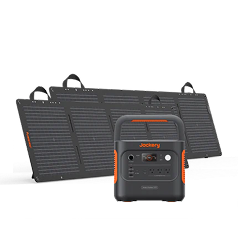
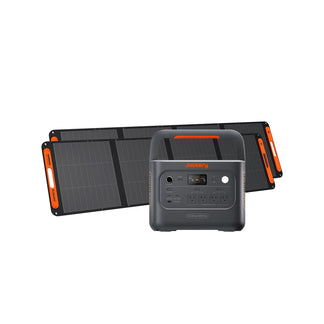
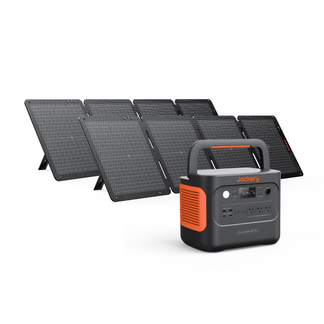
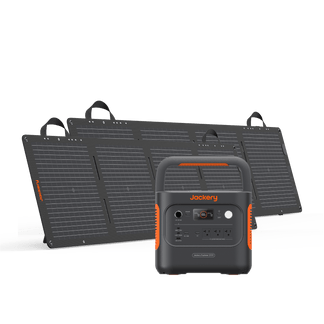
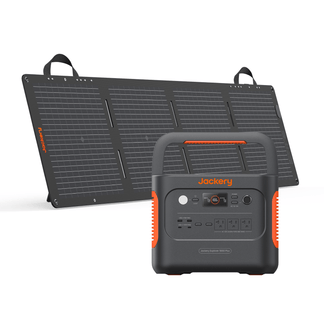
Explorer 1000 v2 + solar panels |
Refrigerator, lights, router, laptop |
Recharges daily via solar |
Both units use LiFePO4 battery chemistry and smart app control. Here’s a breakdown:
- Battery chemistry: LiFePO4 (both models)
- Charge cycles: Explorer 1000 v2: 4,000 cycles to 70% capacity; Explorer 600 v2: over 6,000 cycles — both provide 10+ years of reliable emergency backup.
- Smart app control: Monitors battery level, input/output wattage, and estimated runtime from your phone, so you know exactly how much power you have left.
Choosing the right backup power source depends on your essential loads. For more details, see our guides on how to build a secure power backup for home appliances and what size generator to run a house.
Frequently Asked Questions (FAQ)
What type of container should I use for my kit?
A sturdy, waterproof, wheeled plastic tote is best for home storage, while a durable backpack works for evacuation kits.
How do I get my family to practice using the kit?
Run a 15‑minute drill every six months where everyone grabs their go‑bag and meets at the designated location.
What if I can’t afford all 10 items at once?
Start with water, food, and a first‑aid kit, then add one item per paycheck until your kit is complete.
How do I keep phones and radios charged during a long outage?
Keep a portable power station (such as the Explorer 600 v2) and a power bank in your kit so you can recharge phones, radios, and flashlights for days without the grid.
Sources & References
[1] Ready.gov / FEMA, “Build a Kit” — https://www.ready.gov/kit (accessed June 25, 2026).
[2] NOAA / National Weather Service, “NOAA Weather Radio All Hazards (NWR)” — https://www.weather.gov/nwr/ (accessed June 25, 2026).
Disclaimer:
The runtime mentioned for appliances powered by Jackery is for reference only. Actual runtime may vary under different conditions. Please refer to real-world performance for accurate results.

