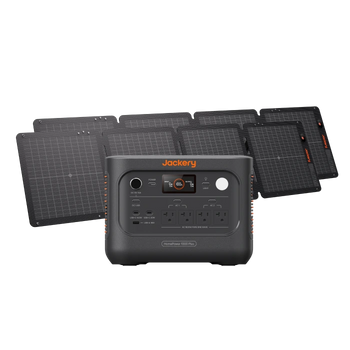
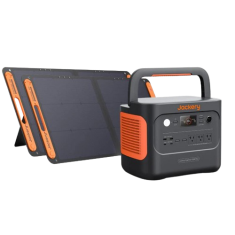
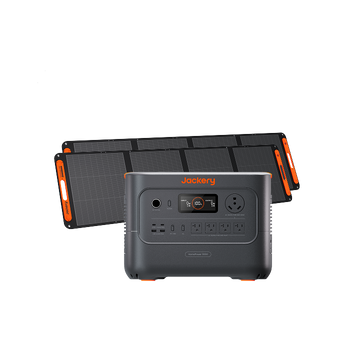
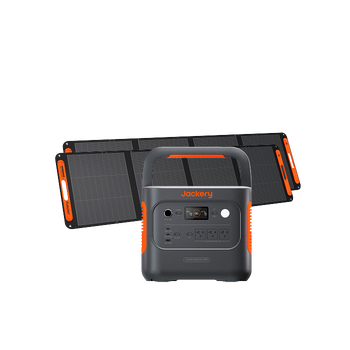

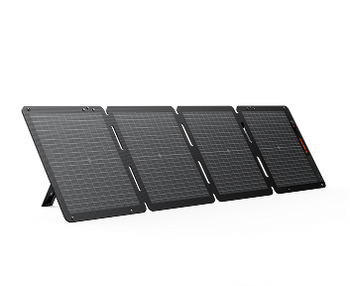
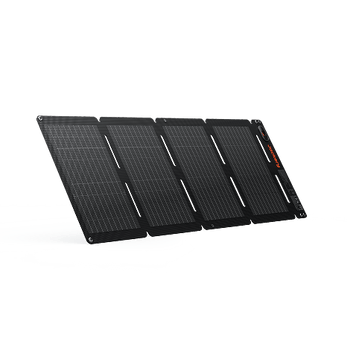






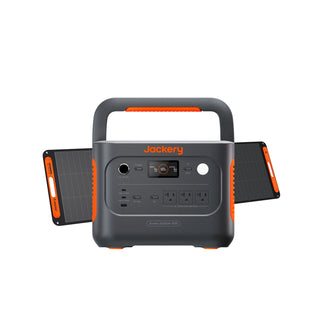
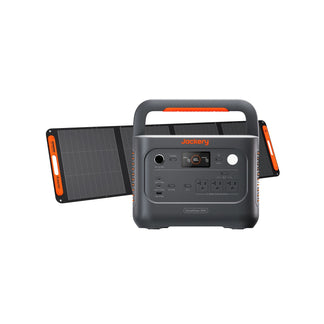
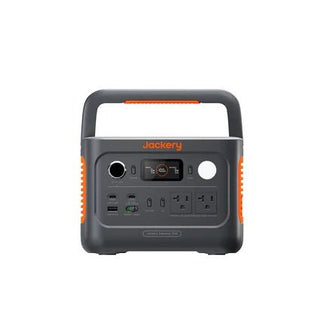

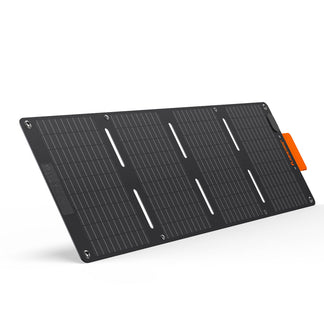
![[Add-on] Jackery SolarSaga 500 X - Jackery](http://www.jackery.com/cdn/shop/files/add-on-jackery-solarsaga-500-x-1493607.webp?v=1786503068&width=324)
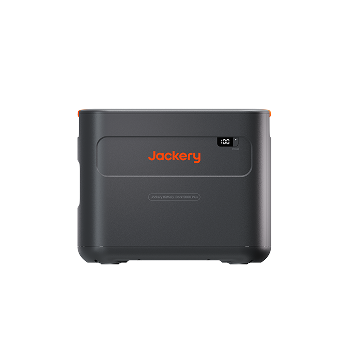
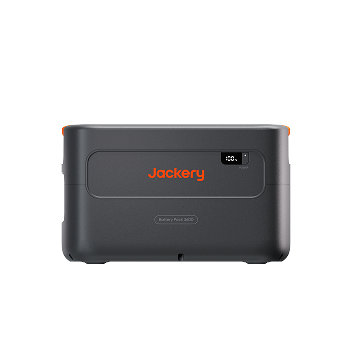
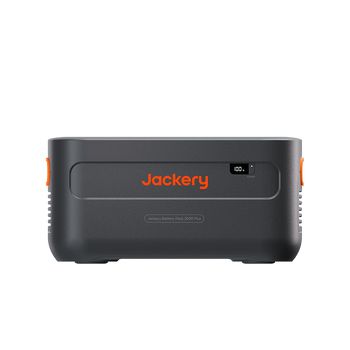
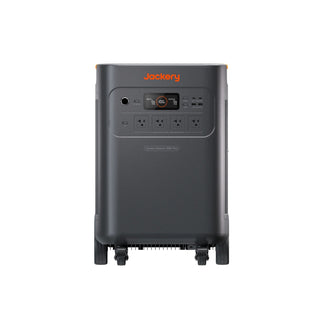
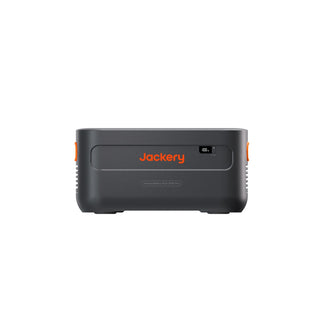
![[Add-on] Jackery Battery Pack 5000 Plus - Jackery](http://www.jackery.com/cdn/shop/files/add-on-jackery-battery-pack-5000-plus-6713401.webp?v=1786503068&width=324)





Quick Answer: A bug out bag is a pre-packed emergency kit designed to keep you self-sufficient for about 72 hours during a disaster. It prioritizes mobility and speed, containing only essential items for shelter, water, food, a basic first-aid kit, navigation, and communication — plus power gear to keep your devices running until you reach safety or help arrives.
Key Takeaways:
- A bug out bag is for emergencies, not camping — it must be lightweight (under 20% of your body weight) and focused on 72 hours of self-reliance.
- The “Survival Triangle” of Shelter, Water, and Energy forms the non-negotiable core of any functional bag.
- Multi-use gear is mandatory — every tool should serve at least two purposes to manage the zero-sum game of weight.
- Power gear like a portable power station (e.g., Jackery Explorer 100 Plus) ensures you can charge communication devices and run lights when the grid is down.
- Regular maintenance every six months prevents spoiled food, dead batteries, and failed gear from compromising your kit.
What Is a Bug Out Bag and Why Do You Need One?
A bug out bag is a pre-packed emergency kit designed to keep you self-sufficient for 72 hours after a natural disaster, fire, or other emergency. The term “bug out” originated from military slang during WWII and the Korean War, referring to rapid withdrawal from a dangerous position.
Government response gaps mean federal aid can take 72 hours or longer to reach affected areas, making personal preparedness critical. [1] Common alternative names include Go Bag, 72-Hour Kit, or Get Out of Dodge (G.O.O.D.) bag, but the purpose remains identical: buy time until you reach safety or help arrives.
Every household member should have their own bag, personalized for age, medical needs, and physical ability. Store it near an exit where you can grab it in seconds — not in a basement or attic. A bag that’s heavy, forgotten, or stuffed with non-essentials won’t help when you have minutes to evacuate.
What Are the Core Essentials for a 72-Hour Bug Out Bag?
The core essentials break down into water and hydration, food, shelter and warmth, and a first-aid kit with multi-use tools.
Water and hydration:
- Carry at least one gallon per person per day for drinking and sanitation, plus a portable filter or purification tablets for refills. [1]
- Initial carry: 2–3 liters (e.g., two 32oz Nalgene bottles) — plan to purify on-site rather than lugging 1 gallon per day.
- A squeeze-style water filter (around 0.1 microns) filters directly into a bottle and weighs under 3 ounces.
Food supplies:
- 2,000+ calories per person per day from no-cook items: energy bars, MREs, jerky, and dried fruit.
- Avoid bulky canned goods; prioritize calories-per-ounce.
- A 3,600-calorie emergency food bar can sustain an adult for two days while weighing only a pound.
Shelter and warmth:
- Lightweight tarp or tent, an emergency bivvy sack, and reliable fire-starting tools. [2]
- A space blanket (2 oz) and a BIC lighter (1 oz) weigh almost nothing but can prevent hypothermia.
- Choose a 4-season bivvy if you live in a cold climate; in warm areas, a simple tube tent works.
First-aid and hygiene: keep minor injuries from becoming major problems during evacuation. A compact kit with bandages, antiseptic wipes, pain relievers, and any personal medications covers the basics. Add these multi-use items:
- Small multi-tool: for gear repair and other tasks
- Duct tape (wrapped around a water bottle to save space): for repairs, first-aid, shelter building
- 50 feet of paracord: for shelter building, gear tie-downs, and emergency lashing
What Critical Documents Should You Pack and How?
Pack critical documents in a waterproof pouch, starting with personal identification, medical records, financial essentials, and digital backups.
Personal identification:
- Passports, driver’s licenses, birth certificates, Social Security cards (originals or certified copies) in a waterproof pouch.
- Without these, proving identity after a disaster can delay insurance claims, aid applications, and re-entry to evacuated zones.
Medical and health records:
- Insurance and identification cards, key contact information for all family members, kept in waterproof pouch.
- Include a list of medications, allergies, and primary care doctor numbers on a single card.
Financial and property documents:
- Insurance policies, property deeds, vehicle titles, bank account numbers, tax returns.
- Cash: $300–500 in small bills (ATMs fail, card readers go down during widespread disasters).
- Credit cards are useful, but cash is king when power is out.
Digital backups:
- Encrypted scans on waterproof USB drive and cloud service (shared with out-of-state contact).
- Use both physical and cloud copies to cover possession and connectivity loss.
- Rotate the USB every year to avoid flash memory degradation.
How Do You Choose Power and Communication Gear for a Bug Out Bag?
Choosing power and communication gear means prioritizing multi-function devices that keep you connected and informed when the grid fails.
- Emergency radio: NOAA weather alerts, AM/FM bands, hand-crank or solar charging. A radio that also charges via USB and includes a flashlight covers three needs in one device.
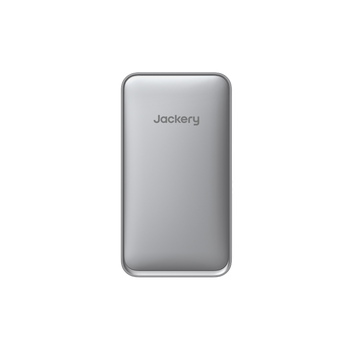
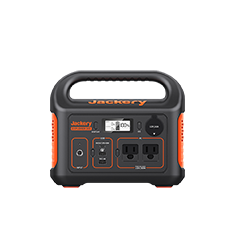
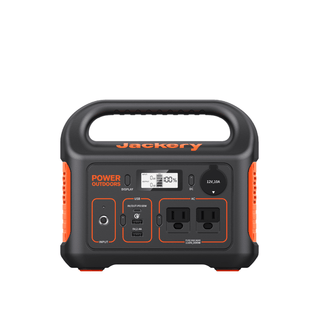
- Portable power station: Jackery Explorer 100 Plus (99 Wh, 2.1 lbs) recharges phones, tablets, headlamps, and a small radio multiple times; fits in a water‑bottle pocket; keeps communication gear alive for the critical 72‑hour window. For broader insights, see our guide on essential home backup, camping, or work power.
- Headlamps and flashlights: LED bulbs with extra batteries; a headlamp frees your hands, and a secondary handheld light with a strobe mode can signal for help.
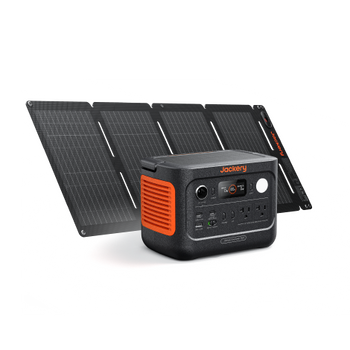
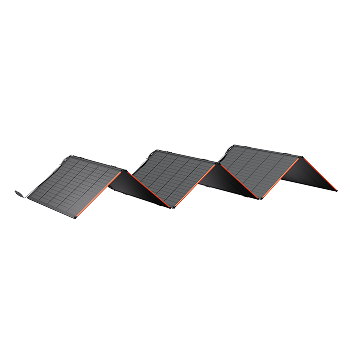
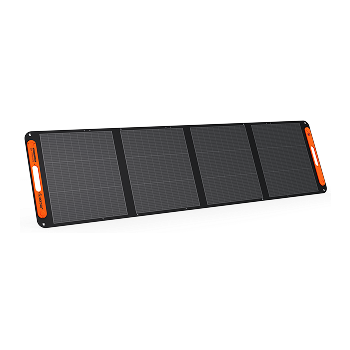
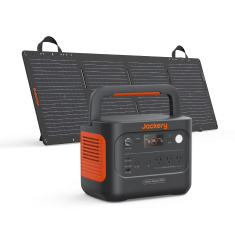
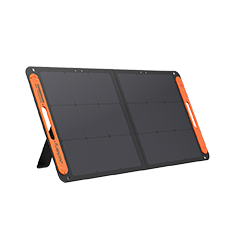
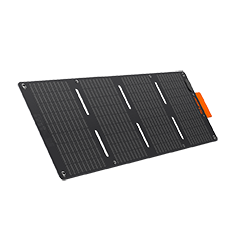
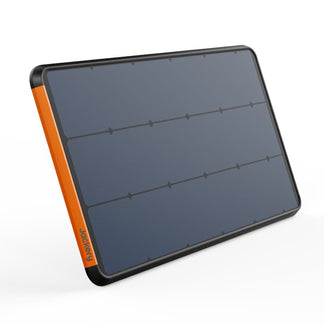
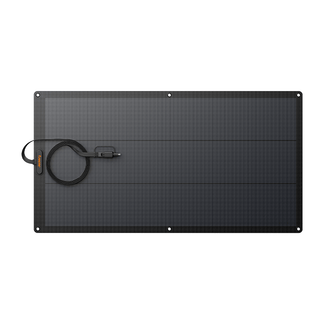
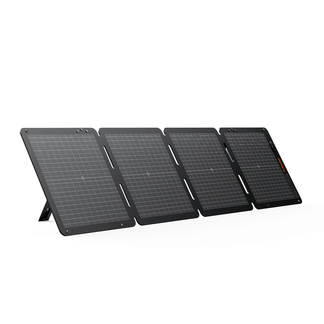
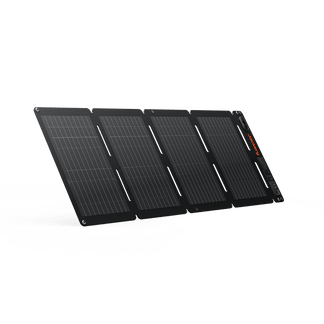
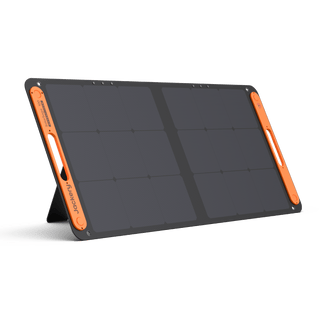
- Small solar panel (10–20 W): Trickle‑charges the power station during daylight if you’re stationary.
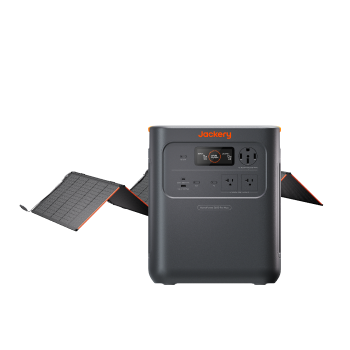
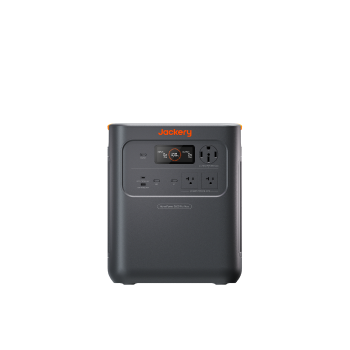
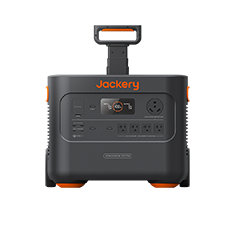
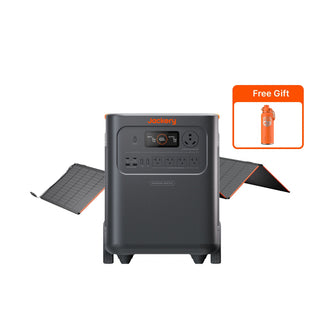
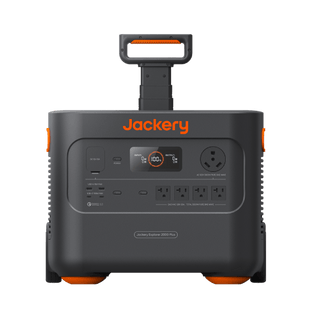
- For vehicle‑based evacuations, a larger unit like the Jackery Explorer 2000 Plus can run a portable fridge or fan, but at 61.5 lbs it’s not a backpack item — it belongs in a car trunk, not on your back.
How Should You Customize Your Bug Out Bag for Your Situation?
A generic bug out bag becomes a personal lifeline once tailored to your climate, household, and evacuation reality.
-
Climate and terrain:
- Desert: extra water (+1 liter), sun protection (wide‑brim hat, sunscreen).
- Cold: insulated sleeping pad, hand warmers, warmer sleeping bag (20°F instead of 40°F).
-
Family and pet needs:
- Baby: formula, diapers, entertainment.
- Pet: food, leash, vaccination records, collapsible water bowl, recent photo.
-
Evacuation method:
- Car: up to 30 lbs, tent okay.
- On foot: under 20–25 lbs; avoid axes, cast‑iron skillets, heavy books.
- Personal health: Non‑negotiable backups for daily medications, spare glasses, and medical devices. A knee brace, extra warm layers for someone with arthritis, or hearing‑aid batteries can turn survival from desperate to manageable.
Limitations / What to Know Before
A bug out bag is not a survival bunker — it supports 72 hours of evacuation, not long‑term off‑grid living, and requires resupply after that window. It won’t cook gourmet meals, purify gallons of water indefinitely, or power a refrigerator. Treat it as a bridge, not a destination.
Overpacking is the most common mistake. People add “just in case” items until the bag exceeds 35 lbs, then abandon it. Prioritize lightweight, multi‑use items, and test‑carry your fully loaded pack before an emergency. If you can’t walk 2 miles with it, shed weight.
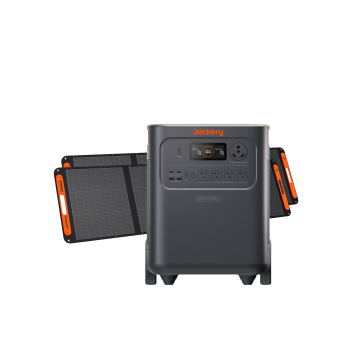
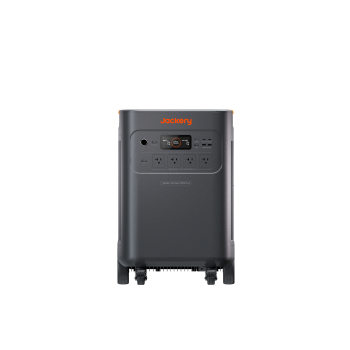
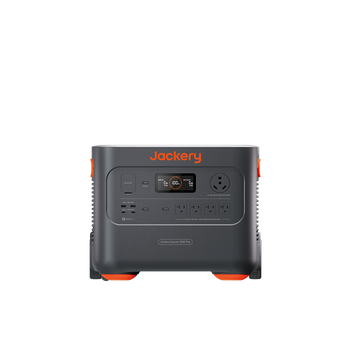
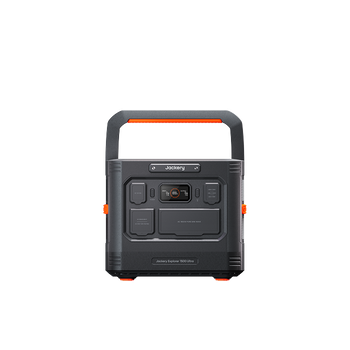
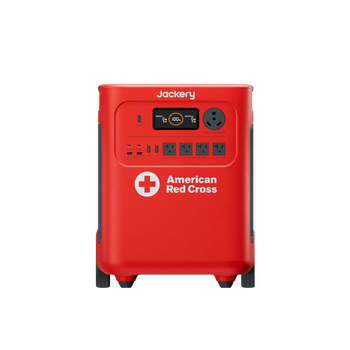
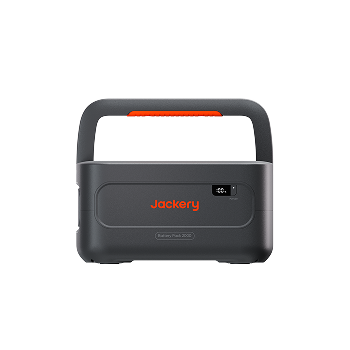
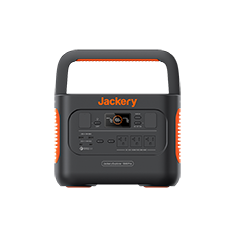
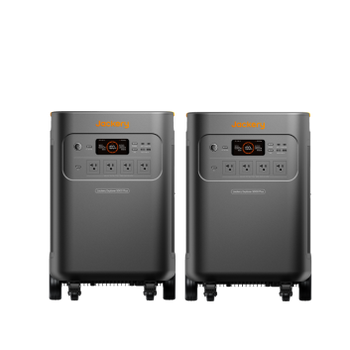
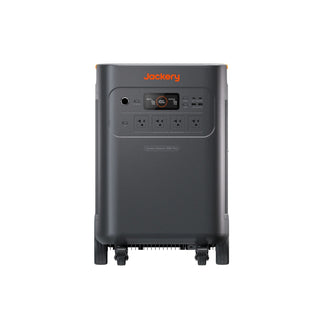
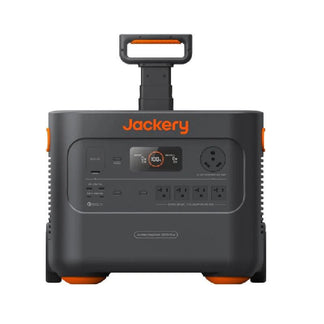
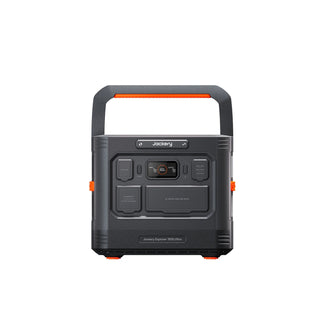
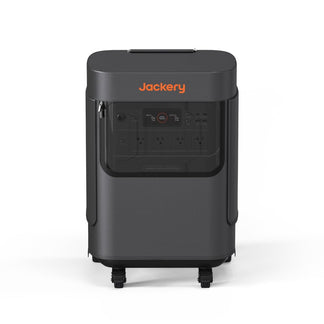
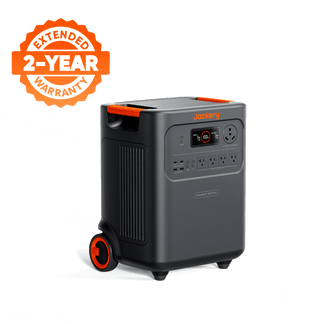
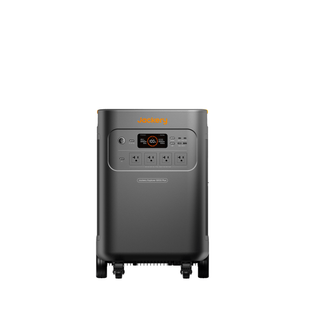
Power gear has finite capacity. A 99 Wh power station like the Explorer 100 Plus can charge a phone 6–8 times but won’t run a full‑size refrigerator. For extended home outages where you stay in place, a larger, stationary system designed for essential backup — such as the Jackery Explorer 5000 Plus — provides higher output, but that’s not a bag you carry; it’s a home power solution.
Technology reliability is a concern. Cell towers fail and batteries die in major disasters, so never rely solely on smartphones or GPS apps for navigation or communication. Always pack a paper map and a compass, and know how to use them.
A bag that isn’t maintained is a liability. Check batteries, food expiration dates, and clothing condition every six months. Rotate water and food; replace stored lithium batteries if they’ve been sitting for a year. A dead radio battery or a punctured water filter won’t announce its failure until you need it.
Product Recommendation: Jackery Portable Power Stations
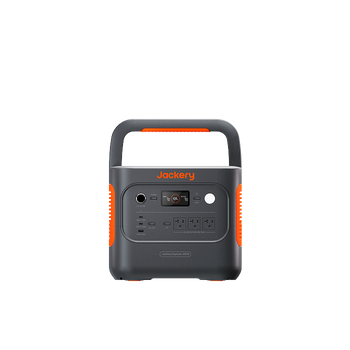
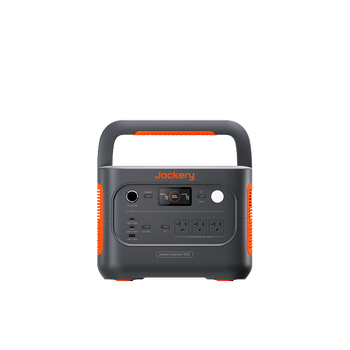
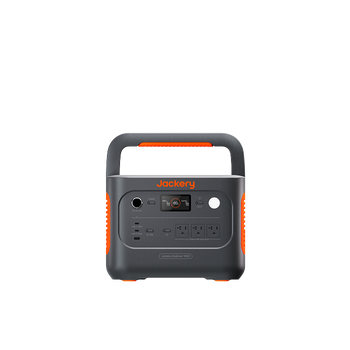
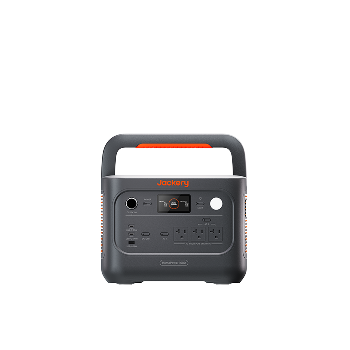
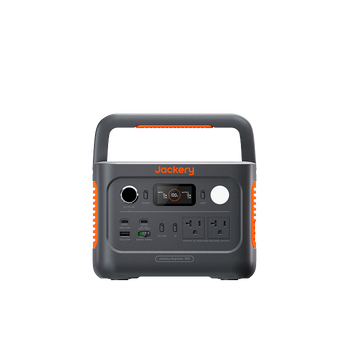
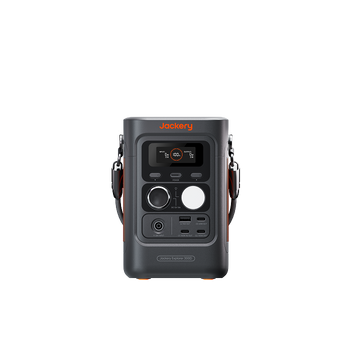
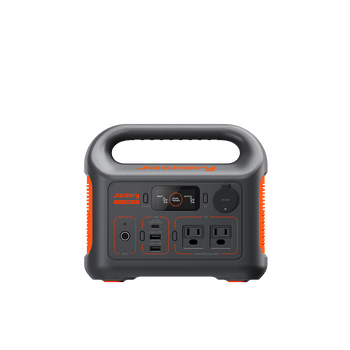
Jackery’s portable power stations deliver reliable, lightweight energy for bug out bags, from ultra‑compact models that slip into a daypack to car‑friendly units for vehicle‑based evacuation.
Your Evacuation Scenario |
Recommended Jackery Unit |
Key Reason |
|---|---|---|
On‑foot bug out, minimal weight |
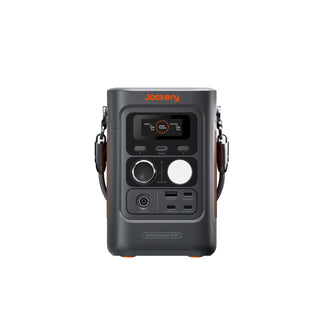
Explorer 100 Plus |
2.1 lbs, 99 Wh, fits in any bag |
Car‑based evac with small devices & fan |
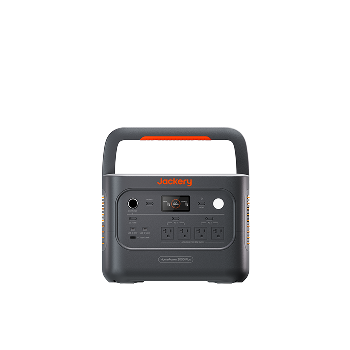
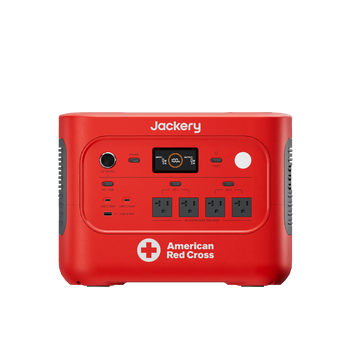
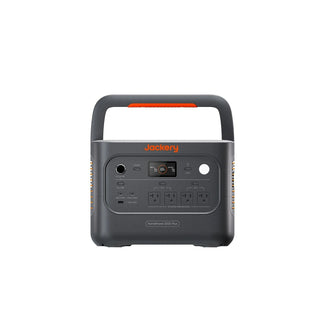
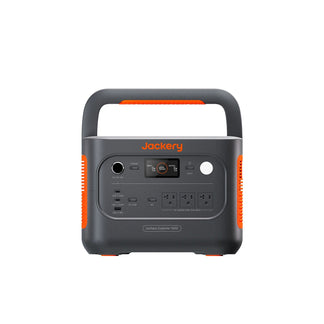
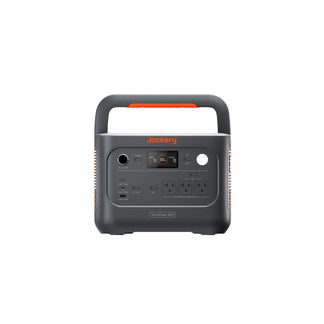
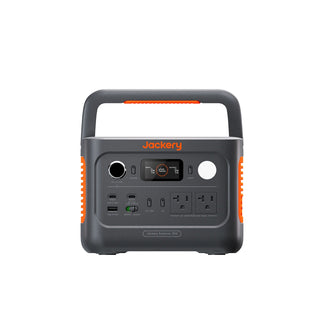
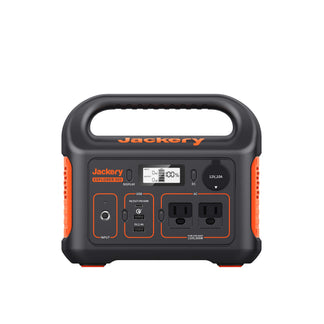
Explorer 600 v2 |
640 Wh, powers a portable fridge/fan |
Vehicle‑based family evac, heavier loads |
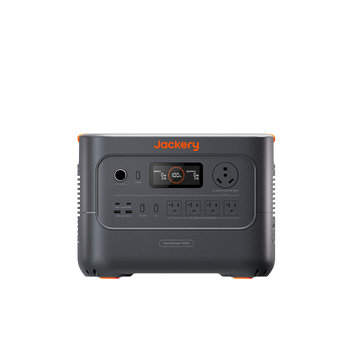
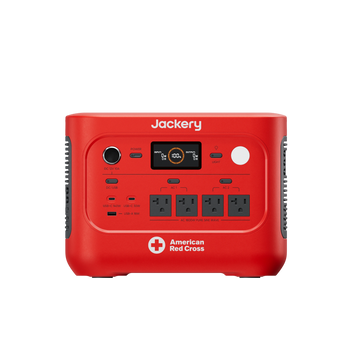
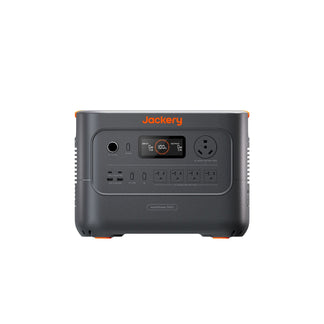
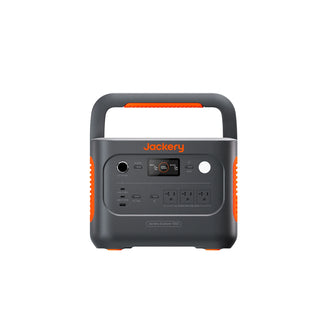
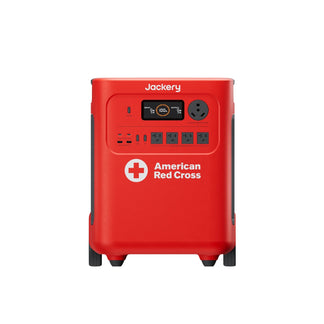
Explorer 1000 v2 |
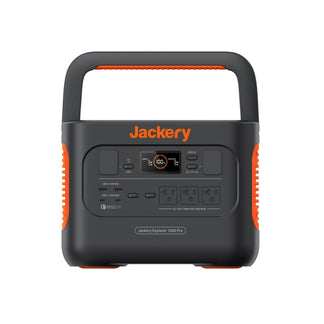
1,070 Wh, runs a full‑size fridge & charges all devices |
Jackery Explorer 100 Plus — With the 99 Wh capacity and 2.1 lb weight described above, this unit adds:
- Ports & Charging: Dual USB‑C ports, 60W PD fast charging for phones, tablets, GPS units, headlamps
- Battery: LiFePO4 chemistry, 3,000+ charge cycles, 10‑year lifespan — ready when you need it.
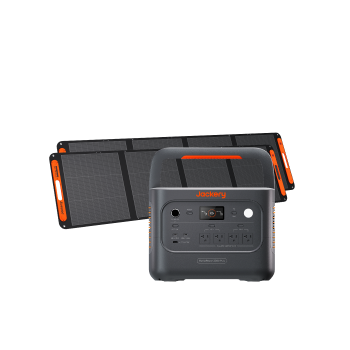
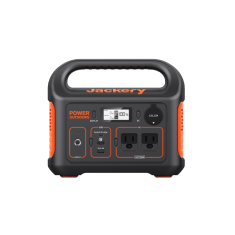
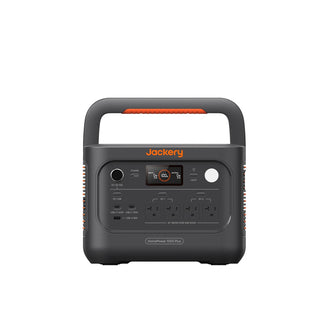
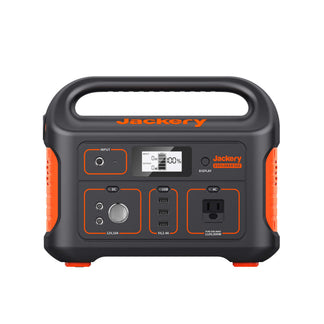
Jackery Explorer 600 v2 —
- Capacity: 640 Wh, powers a portable refrigerator for 6 hours, a fan for 10+ hours, recharges phones and radios for over a week
- Outlets: Two AC outlets (500W continuous, 1,000W surge) for small appliances
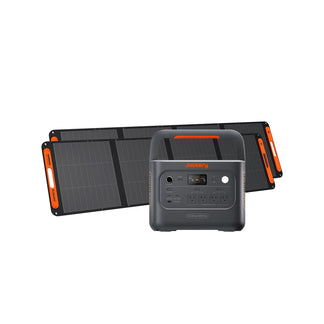
- Recharging: Solar‑ready design pairs with panels for off‑grid recharging
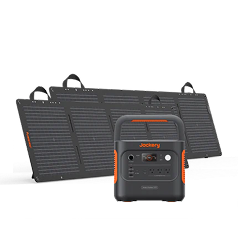
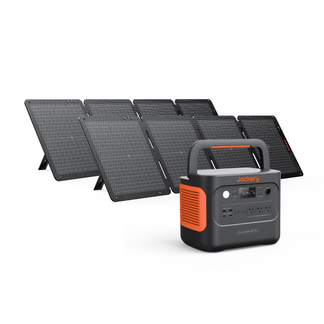
Jackery Explorer 1000 v2 —
- Capacity & Runtime: 1,070 Wh, runs a refrigerator for 10–15 hours, keeps Wi‑Fi routers and security cameras online
- Output: 1,500W continuous (3,000W surge) for sump pumps, small space heaters
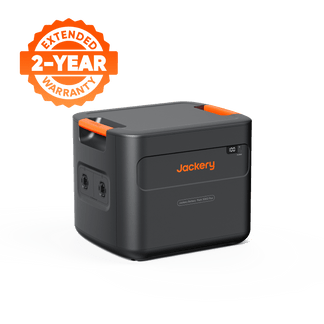
- Portability: Compact 23.8‑lb design with foldable handle, fits easily in a car trunk
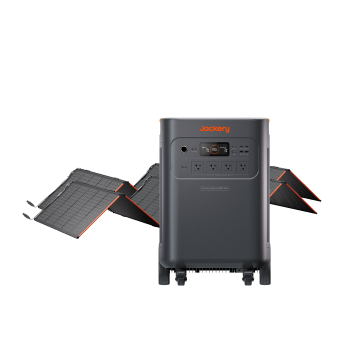
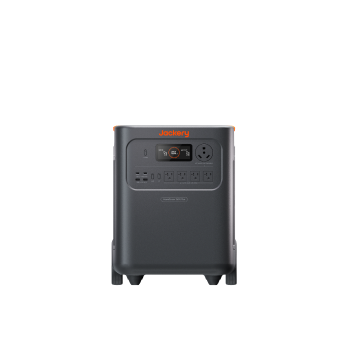
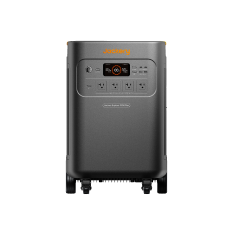
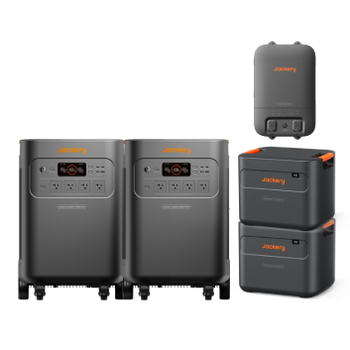
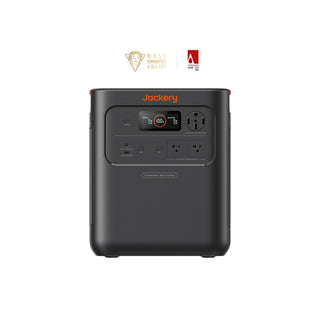
For a stationary home battery system that supports longer shelter‑in‑place scenarios, the Jackery HomePower 3600 Plus is designed for multi‑day essential backup — but that’s a different playbook entirely.
Sources & References
[1] “Build a Kit,” Ready.gov / FEMA. https://www.ready.gov/kit (accessed June 25, 2026).
[2] “The Ten Essentials,” National Park Service. https://www.nps.gov/articles/10essentials.htm (accessed June 25, 2026).
Frequently Asked Questions (FAQ)
Can I use a regular backpack as a bug out bag?
Yes, any durable backpack works, but look for one with a hip belt to distribute weight and padded straps for comfort during long walks.
How do I train my family to use the bug out bag?
Conduct a practice drill every six months: everyone packs their bag and walks a mile to test gear familiarity and weight tolerance. Rotate consumables afterward.
Should I keep my bug out bag in the car or at home?
Store it at home near an exit, but keep a smaller version in your car since you may not be home when disaster strikes.
What is the single heaviest item I should reconsider?
A full first‑aid kit is often overloaded — keep a compact basic kit and use the saved weight for water, power, and communication gear.
How do I keep my devices charged in a bug out bag?
Pack a compact power station such as the Explorer 100 Plus, plus a small solar panel, so you can recharge phones, radios, and headlamps without the grid. Maintain the battery charge every six months.


