






















![[Add-on] Jackery SolarSaga 500 X - Jackery](http://www.jackery.com/cdn/shop/files/add-on-jackery-solarsaga-500-x-1493607.webp?v=1786503068&width=324)

![[Add-on] Jackery Battery Pack 5000 Plus - Jackery](http://www.jackery.com/cdn/shop/files/add-on-jackery-battery-pack-5000-plus-6713401.webp?v=1786503068&width=324)




















Winter foraging provides a unique opportunity to access nutrient-dense seasonal foods like persistent roots and hardy greens, challenging the view of a dormant winter landscape. Success requires a focus on energy-dense resources, strict identification safety, and sustainable 'low-take' practices. This guide details essential protocols, safety workflows, and practical usage tips for a successful, ethical harvest, recognizing regional availability.
The Winter Foraging Mindset and Gear
How Should You Approach Winter Foraging?
Focus on persistent resources like energy-dense roots, nuts, conifer needles, and wood-rotting fungi rather than rapid growth. These organisms store energy to survive the freeze, making them nutritionally valuable. Successful harvesting requires anticipating ephemeral windows of opportunity; availability often peaks during thaws or mild spells when snow melts to reveal greens or trigger fungal growth.
Adopt an observation-led mindset by studying habitat cues instead of impulse collecting. Notice where the snow melts first or which trees retain moisture. Start small by mastering 2–3 local species before expanding your repertoire to prevent overwhelm and reduce identification errors.
What Gear Is Essential for Safety and Harvesting?
Winter conditions demand specific preparation to manage moisture and limited daylight.
- Clothing: Wear layered wool or synthetic clothing to manage moisture. Waterproof boots and gaiters are essential for navigating snow without getting wet.
- Navigation: Daylight is scarce. Carry a headlamp, a whistle, offline maps, and a compass.
- Tools: Pack a hori hori knife or trowel for digging frozen ground, pruning shears for woody stems, and a breathable cloth bag to allow spores to disperse.
- Documentation: Bring a regional field guide (hardcopy) and a phone for taking high-resolution habitat photos.
- Hygiene: Carry a small stiff brush. Cleaning roots in the field keeps dirt out of your bag and significantly reduces kitchen prep time.
For those interested in long-term outdoor living, understanding how to live in the woods starts with mastering these gear basics to ensure safety in harsh environments.
Essential Safety & Ethical Practices
What Is the Absolute Identification Protocol?
Never eat anything unless positively identified via multiple features like smell, spore print, leaf structure, and habitat. The Golden Rule of foraging mandates that you verify the plant or fungus using a strict workflow: photograph the subject in situ (capturing cap, stem, and attachment), consult two reputable sources, and if doubt remains, verify with human experts.
Avoid look-alikes such as False Morels (Gyromitra spp.), which can appear in late winter and are toxic. Regarding aquatic environments, avoid watercress from stagnant water, as it can harbour liver fluke or absorb heavy metals and pollution.
How Should You Prepare and Test New Foods?
Cook wild mushrooms and roots to neutralize indigestible compounds and potential toxins found in raw specimens. Heat is essential for safety with most winter finds. Perform a tolerance test for any new food by eating a small amount, then waiting 24 hours to monitor for allergic reactions or gastric distress. If you are foraging for medicinal purposes, consult a professional before use, as wild compounds can interact with pharmaceuticals.
How Do You Practice Sustainable Harvesting?
Harvest no more than one-third of a patch to ensure wildlife sustenance and plant regeneration. This Rule of Thirds is vital for ecosystem health. Practice root ethics by harvesting only where populations are abundant. When digging taproots, replant the crown if the species allows, or cover the disturbed soil to prevent erosion.
Respect boundaries by avoiding private land unless you have permission. Steer clear of polluted areas such as roadsides and industrial sites, as plants in these areas bioaccumulate toxins.
Edible & Medicinal Winter Finds
Which Hardy Greens and Roots Can You Find?
Finding a fresh winter foraging vegetable like Chickweed or Jerusalem Artichoke can be a highlight of the season.
- Dandelion (Taraxacum officinale): Harvest rosettes during thaws. The leaves are bitter but vitamin-rich. Roast the roots for a caffeine-free coffee substitute.
- Chickweed (Stellaria media): Look for bright green mats in sheltered spots. It thrives in cool weather and is excellent fresh in salads.
- Stinging Nettle (Urtica dioica): Harvest the young tops. You must blanch them to remove the sting before using them in soups or tea.
- Jerusalem Artichoke: Dig these tubers after the first frost. The cold converts inulin to fructose, resulting in a sweeter flavor. Identify them by their persistent dried stalks.
These staples are excellent additions to your prepper food pantry, offering fresh nutrients when stored supplies are dry or canned.
How Can You Use Conifer Needles and Resins?
Brew Pine, Spruce, or Fir needles for Vitamin C-rich tea or use the resin for fire starting.
- Identification: Distinguish Pine (needles in bundles) from Spruce (single, square needles that roll) and Fir (flat needles that do not roll).
- Uses: Brew needles for Vitamin C-rich tea. Use spruce tips for syrup or flavoring.
- Caution: Avoid Yew (Taxus spp.). It is highly toxic. Verify the species in your region before harvesting.
- Pine Resin: Collect hardened sap. It is invaluable for fire starters or traditional salves.
Locating Winter Edibles: Regional Tips
How Do You Read the Landscape?
Search south-facing slopes and wind-sheltered hollows where microclimates encourage growth. These areas warm up first, making them prime locations for early greens. Riparian corridors (waterways) often host persistent greens and moisture-loving fungi due to higher humidity and slightly moderated temperatures. Additionally, look for substrate cues like dead hardwoods for Oysters or Birch stands for Chaga, as specific plants require specific soil types and hosts.
What Can You Find in Your Region?
Availability varies by geography. Refer to the table below for regional specialties:
|
Region |
Key Foraging Finds |
|---|---|
|
Northeast |
Rose Hips, Chaga, Wintergreen berries |
|
Midwest |
Jerusalem Artichoke tubers, Hackberries |
|
Pacific Northwest |
Yellowfoot Chanterelles, Hedgehog mushrooms (in mild coastal zones) |
|
Southeast |
Chickweed, Wild Onions, Early Ramps (harvest leaves only) |
Knowing where to look is a key component of how to survive living off the grid, where efficiency dictates survival.
Field Logistics and Processing
What Are Effective Field Processing Techniques?
Clean roots and blanch greens immediately in the field to reduce bulk and protect spores. Remove dirt and debris before placing items in your bag to keep the harvest clean. For greens like nettles, quickly boil and cool them (blanching) to make transport easier. If collecting conifer needles, bruise them immediately before brewing to release aromatic oils and Vitamin C.
How Do You Power Base Camp and Safety Gear?
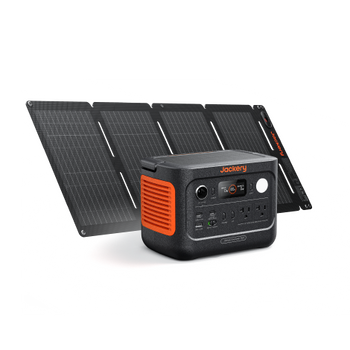
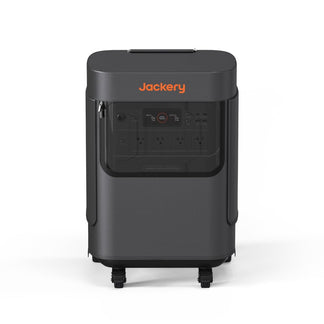
Cold weather drains device batteries quickly, making reliable backup power vital for GPS, communication, and field processing tools. If you are processing food at a trailhead—such as boiling sap or blanching greens—vehicle-based support is essential.
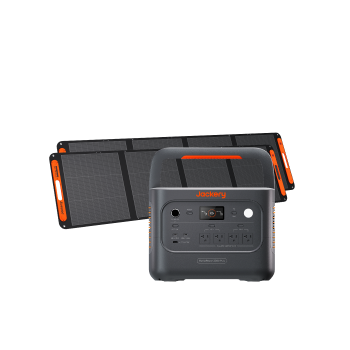
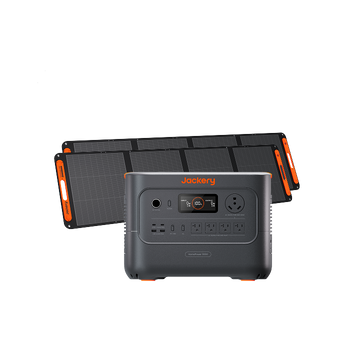
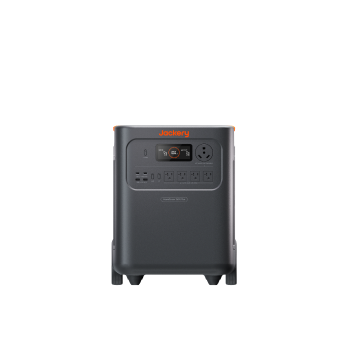
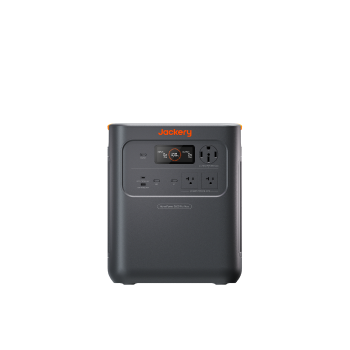
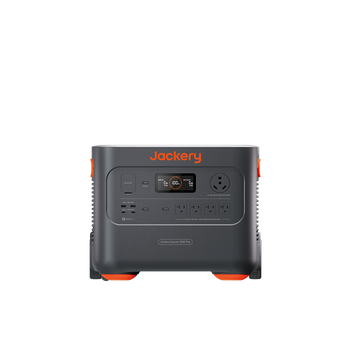
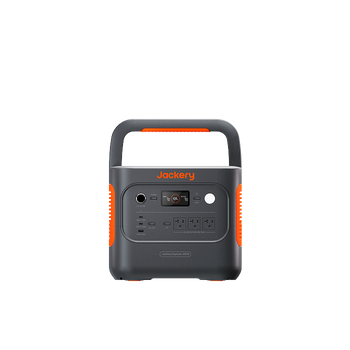
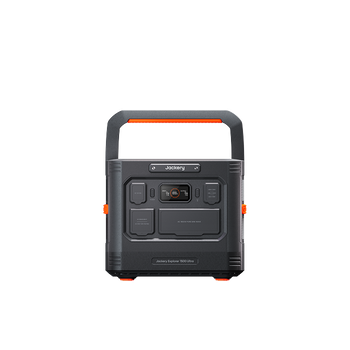
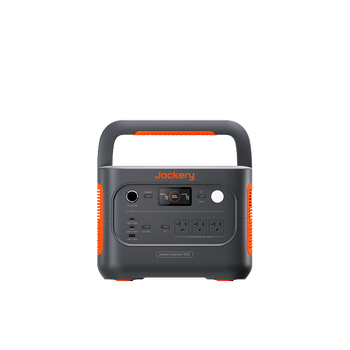
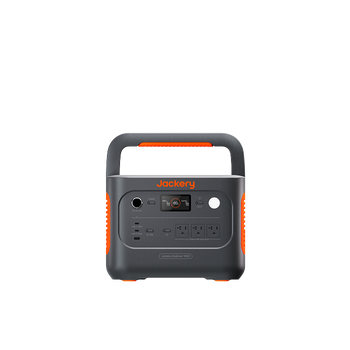
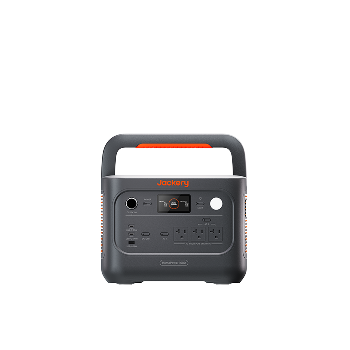
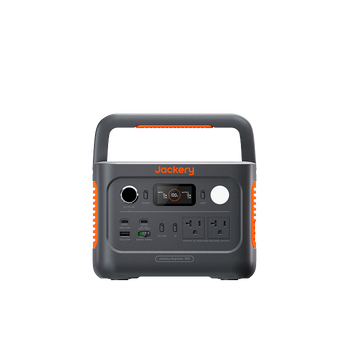
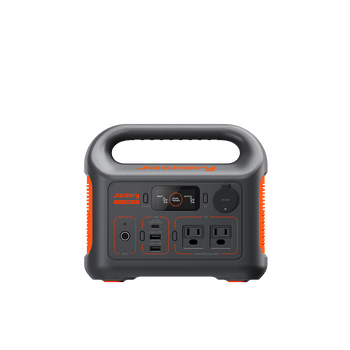
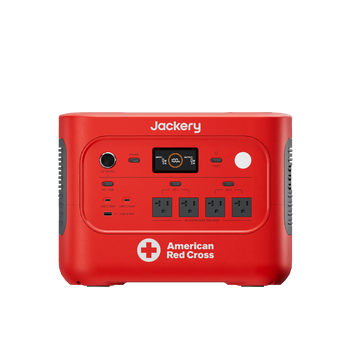
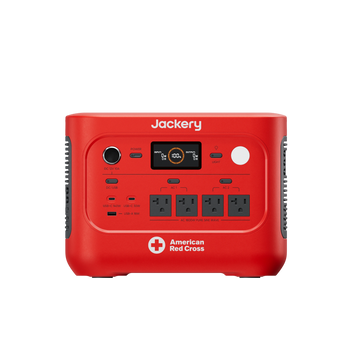
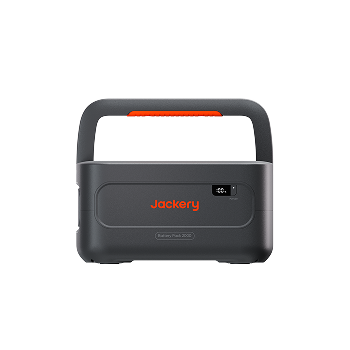
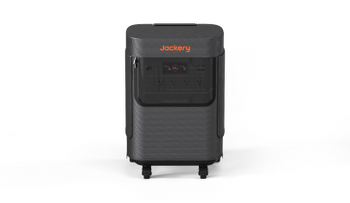
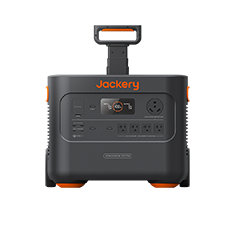
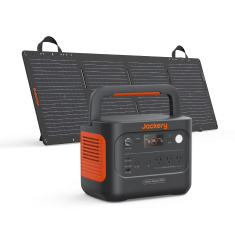
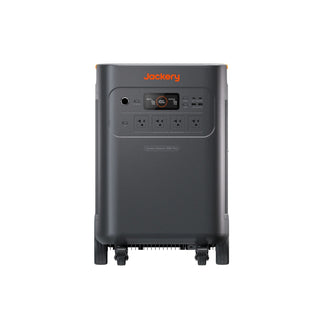
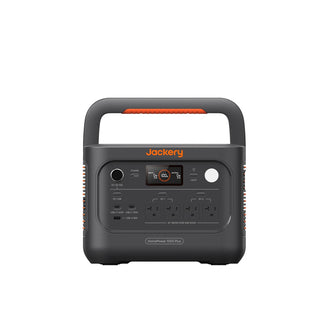
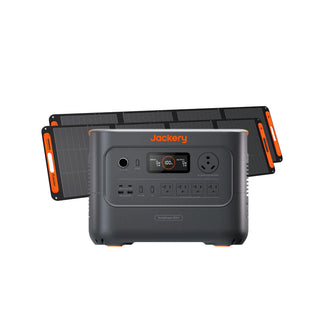
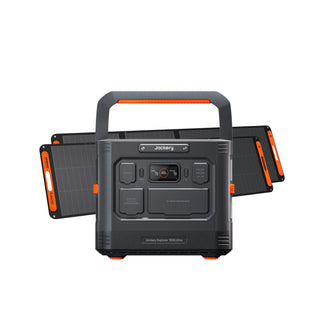
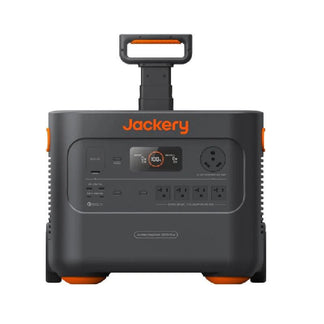
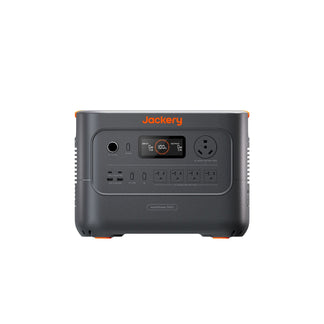
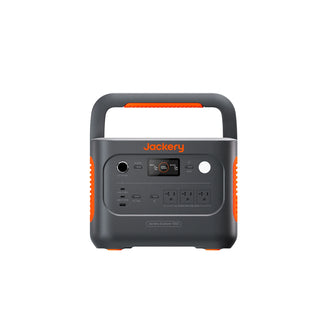
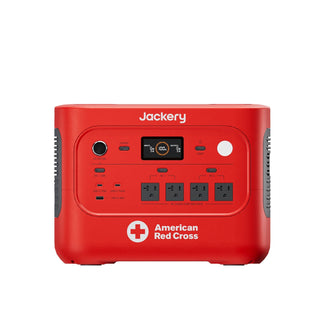
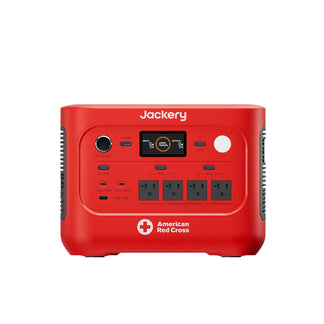
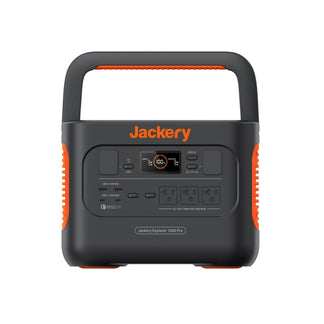
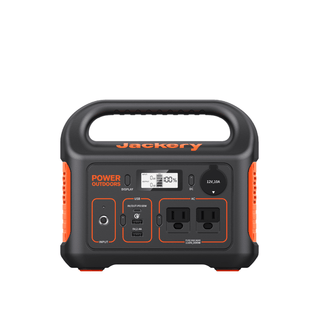
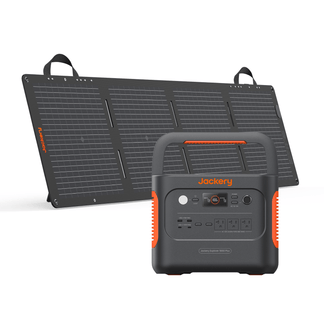
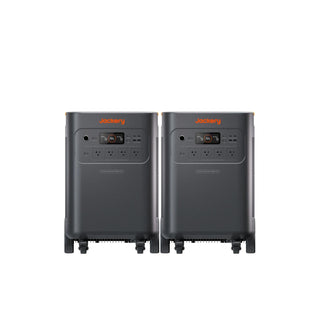
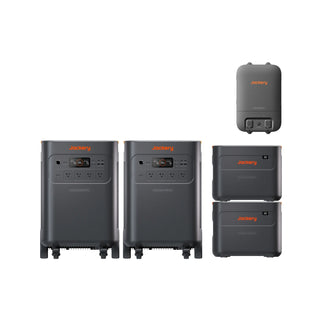
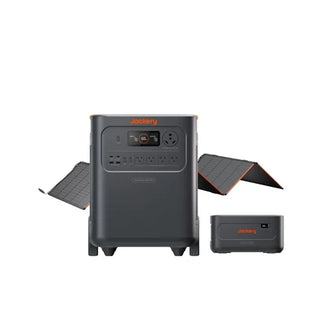
Jackery Explorer 1000 v2
- Capacity: 1070Wh, sufficient for extended day trips.
- Output: 1500W output can run a portable induction cooktop or electric kettle for field processing.
- Battery Type: LiFePO4 battery chemistry ensures safety and durability during winter transport.
- Use Case: Powers essential navigation tools and allows for immediate processing of winter foraging plant finds to preserve freshness.
Reliable portable power stations like the Jackery Explorer 1000 v2 bridge the gap between primitive gathering and modern safety.

Low-Tech Backups
Always carry chemical hand warmers. Keep a physical map in a waterproof case. Electronics can fail in extreme cold, so analog backups are non-negotiable prepper supplies.
Cultivating Skills
How Can You Improve Your Observation Skills?
Record phenology data like first blooms or fungal flushes to predict future harvests based on weather patterns. Keeping a journal helps refine your ability to spot trends. Sketching plants forces you to notice minute details, such as leaf margins, hairiness, and stem shapes, which are critical for accurate identification.
Why Is Critical Thinking Crucial?
Cross-reference at least three sources before consuming any new species. Adopt a skeptical approach to information, especially miracle cure claims. Focus on documented culinary and nutritional history rather than unverified internet advice to ensure safety.
Conclusion
Winter foraging transforms a barren landscape into a source of sustenance and connection. It challenges you to look closer at the environment and appreciate the resilience of nature. Success relies on patience, absolute identification, and ethical harvesting. Equip yourself with proper gear, reliable knowledge, and a respect for the winter environment to forage safely and effectively.
Appendices
ID Flowchart
- Observe: Check the habitat and season.
- Identify: Note key features (leaves, bark, smell).
- Compare: Check against known look-alikes.
- Consult: Verify with two reputable field guides.
- Decide: If 100% certain, harvest. If not, photograph and leave it.
Gear Checklist
- Base layers (Wool/Synthetic)
- Waterproof boots & Gaiters
- Headlamp & Spare batteries
- Offline Maps & Compass
- Hori Hori Knife / Trowel
- Breathable cloth bags
- Field Guide (Local region)
- Whistle
- First Aid Kit
Frequently Asked Questions
What are common legal restrictions for foraging?
Public lands often allow personal use foraging; National Parks usually prohibit it. Always get permission for private land and check local regulations.
How can I store winter-foraged items long-term?
Store roots in damp sand; dehydrate, sauté, or freeze mushrooms. Conifer needles can be dried or frozen for tea.
Are there any benefits to foraging in the snow?
Store roots in damp sand; dehydrate, sauté, or freeze mushrooms. Conifer needles can be dried or frozen for tea.
What if I can't find a local foraging expert?
Use reputable online forums (e.g., iNaturalist) for photo verification, but always cross-reference with field guides before consuming.
Can pets safely consume winter-foraged plants?
Many wild plants safe for humans are toxic to pets. Keep pets away from harvests and consult a vet before sharing.


