





![[Add - on] Jackery Manual Transfer Switch for Explorer 5000 Plus - Jackery](http://www.jackery.com/cdn/shop/files/add-on-jackery-manual-transfer-switch-for-explorer-5000-plus-9017324.png?v=1754016782&width=350)



![[Add - on] Jackery Battery Pack 5000 Plus - Jackery](http://www.jackery.com/cdn/shop/files/add-on-jackery-battery-pack-5000-plus-6078351.png?v=1754016791&width=324)
![[Add - on] Jackery Car Charging Cable - Jackery](http://www.jackery.com/cdn/shop/files/add-on-jackery-car-charging-cable-3882421.png?v=1754016863&width=324)





![[Add - on] Jackery Smart Transfer Switch - Jackery](http://www.jackery.com/cdn/shop/files/add-on-jackery-smart-transfer-switch-5842915.png?v=1754016784&width=324)
![[Add - on]Jackery 102W GaN 3 - Port Fast Charger - Jackery](http://www.jackery.com/cdn/shop/files/add-onjackery-102w-gan-3-port-fast-charger-6377742.png?v=1754016790&width=324)
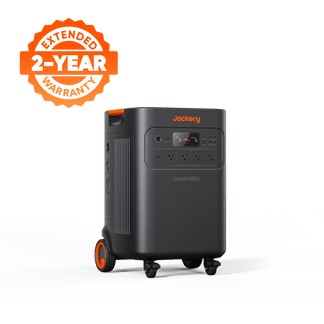
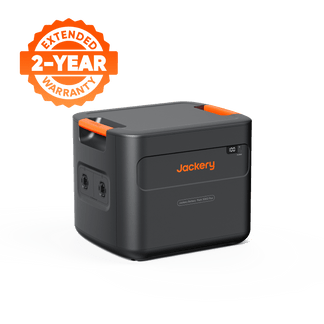
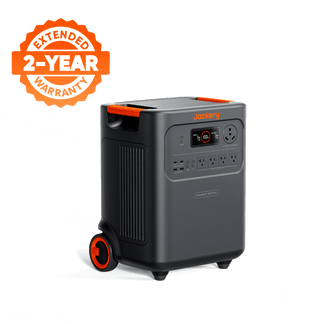
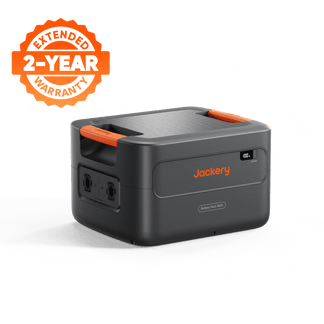


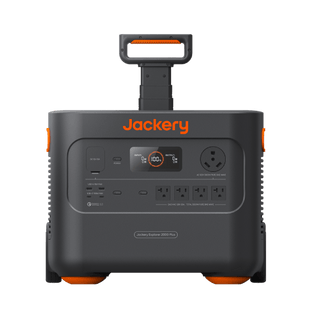
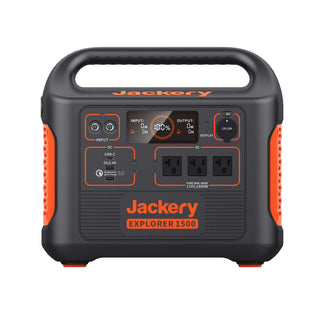
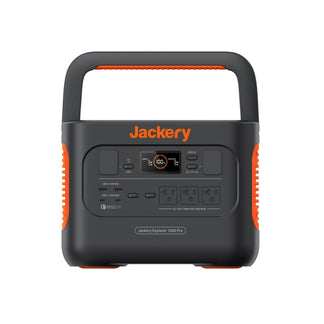
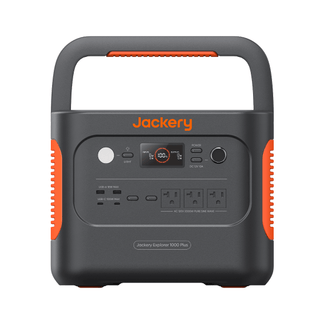
![[Add - on] SolarSaga 200W - Jackery](http://www.jackery.com/cdn/shop/files/add-on-solarsaga-200w-4834329.png?v=1754016915&width=324)
![[Add - on] Jackery Manual Transfer Switch for Explorer 5000 Plus - Jackery](http://www.jackery.com/cdn/shop/files/add-on-jackery-manual-transfer-switch-for-explorer-5000-plus-9017324.png?v=1754016782&width=324)


How a Cheap Portable Power Station Offsets Rising Utility Rates
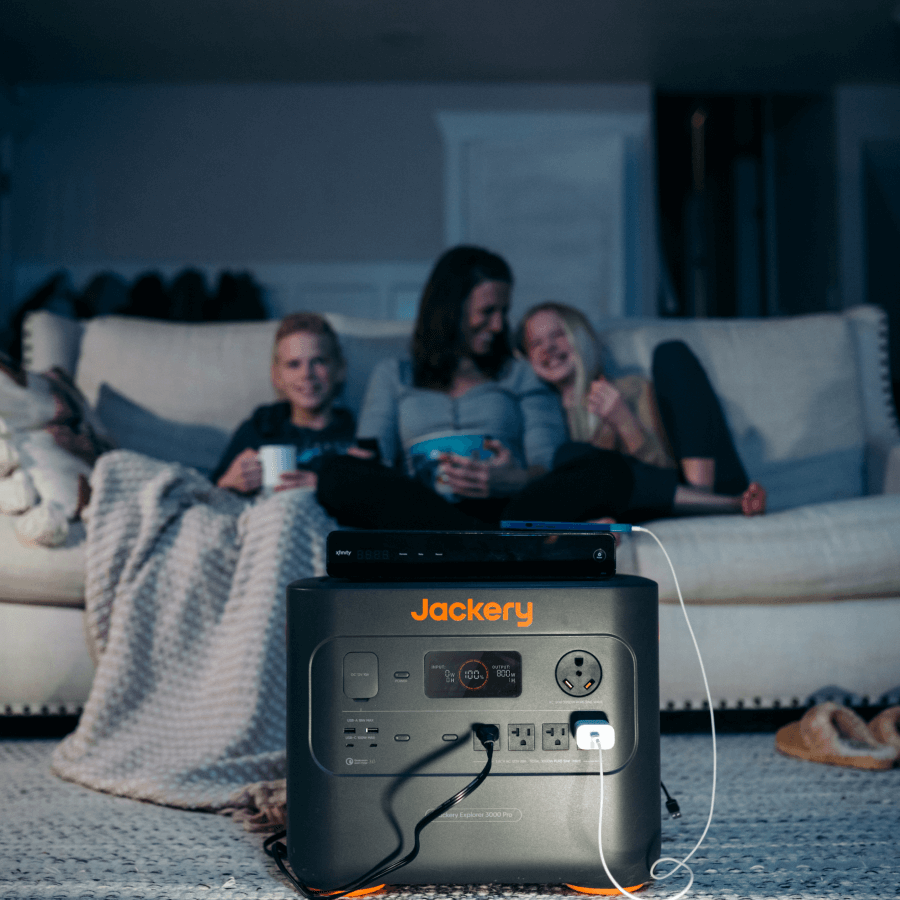
A cheap portable power station offsets rising utility rates by storing inexpensive overnight energy to bypass expensive daytime tariffs. Utility hikes drive homeowners to seek alternative energy solutions at record rates. High-capacity battery units often cause initial sticker shock for buyers looking for immediate grid independence.
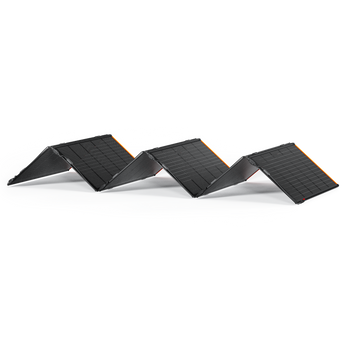
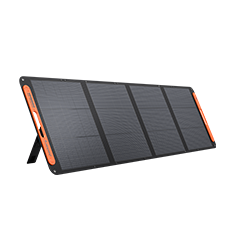
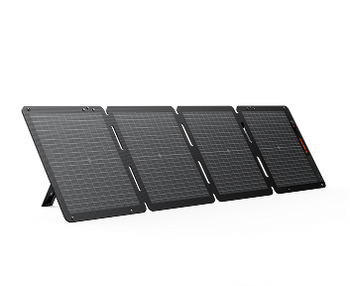
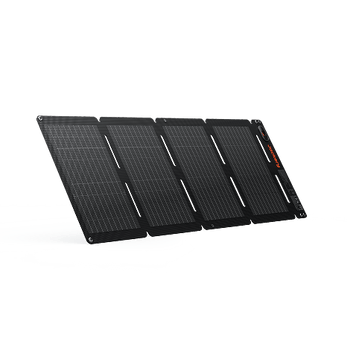
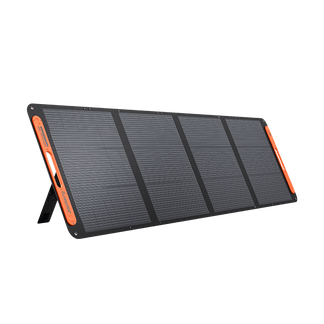
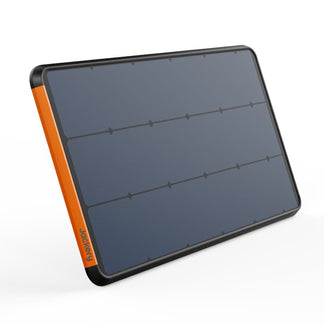
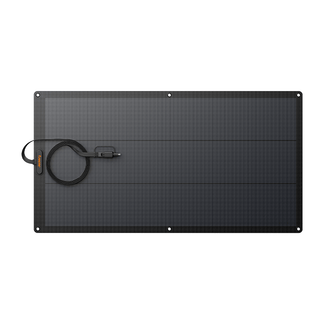
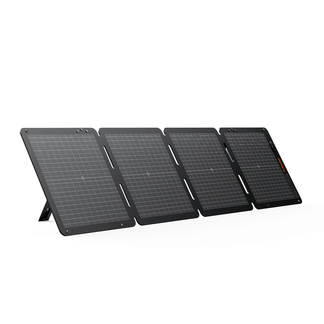
Overcome weather reliability concerns by utilizing efficient solar recharging. Even during short, cloudy days, modern solar panels capture enough ambient light to maintain essential power and keep a room heater running efficiently.
Decoding the True Cost of Battery Backup Systems
To find the real value in a battery backup, you must look past deceptive upfront price tags. Calculating the actual energy capacity and prioritizing long-term durability ensures you get the most reliable power for your money. Here is how to smartly evaluate your investment:
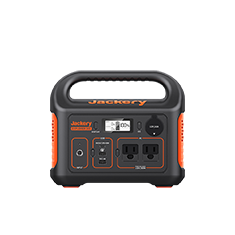
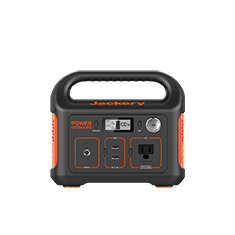
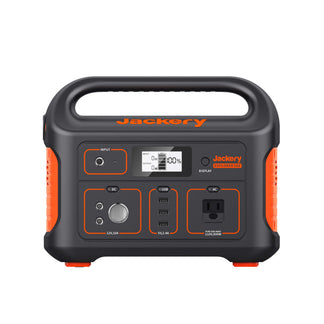
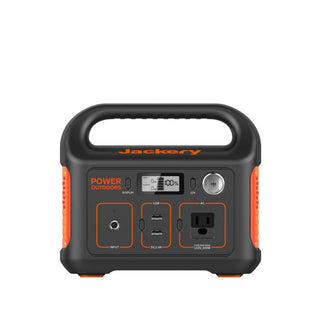
- Calculate the cost per watt-hour (Wh): Divide the retail price by the unit's capacity to determine its true value. For example, the Flashfish E200 ($88 for 151Wh) costs about $0.58 per Wh, while the Jackery Explorer 300 ($189 for 293Wh) runs roughly $0.64 per Wh. Using this metric helps you avoid overpriced, underpowered units.
- Prioritize LiFePO4 chemistry: Always look for Lithium Iron Phosphate (LiFePO4) batteries. They deliver thousands of charge cycles and a 10-year lifespan, vastly outperforming older lithium-ion models that degrade after just 500 cycles.
- Demand a pure sine wave inverter: Pure sine wave technology is mandatory to safely run sensitive electronics—like CPAP machines and modern laptops—without causing electrical interference or permanent damage.
- Avoid mass-market knockoffs: Cheap, unregulated units often feature poor battery management systems (BMS). This poses severe safety risks, including thermal runaway, and virtually guarantees the unit will fail during a critical blackout.
- Shop smart for premium brands: To make high-end brands affordable, wait for mega-sales or buy certified refurbished units. These models undergo rigorous factory testing and carry full warranties at a fraction of the retail cost.
Knockoff vs. Premium Budget Unit Comparison:
|
Feature |
Mass-Market Units |
Premium Budget Unit |
|
Battery Chemistry |
Lithium-ion (NMC) |
LiFePO4 |
|
Lifespan |
~500 charge cycles |
3,000+ charge cycles |
|
Inverter Type |
Modified Sine Wave |
Pure Sine Wave |
|
Safety Standard |
Unverified / Unregulated |
UL-Certified BMS |
Strategies to Lower Your Electric Bill with Stored Energy
The most effective strategy to lower your electric bill with stored energy is practicing peak shaving to directly cut your utility costs. Charge your station overnight during low-tariff hours, then discharge the battery to run your television and computers during expensive afternoon peak times.
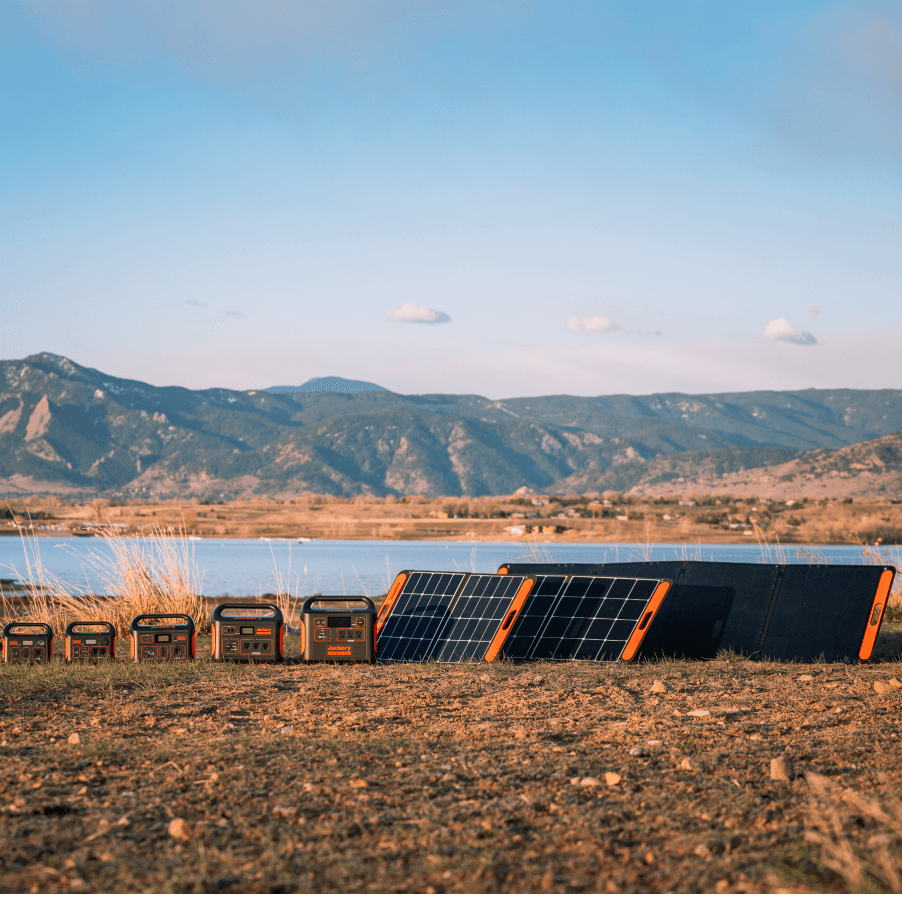
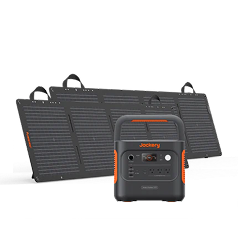
Utilize solar input capabilities to recharge your battery bank for free. Harvesting free solar energy achieves partial grid independence during extended outages and accelerates your return on investment.
Run high-draw appliances intermittently rather than continuously to maximize battery runtime and efficiency during multi-day blackouts. A deep freezer only needs to run for one hour every four hours to keep food frozen solid, saving massive amounts of battery capacity.
Calculate peak surge wattage carefully before plugging in heavy appliances. While cheap portable power stations easily handle 65W laptops and 15W routers, running a refrigerator requires stepping up to a mid-sized unit. Refrigerator compressors need 3 to 7 times their normal running power just to start. A 200W fridge will demand a 1200W surge for a few seconds.
Sizing Guide: Matching Capacity to Your Emergency Needs
Match capacity to your emergency needs by calculating exact wattage requirements for essential devices and planning for a realistic worst-case scenario during multi-day storm outages. Tally the continuous wattage of your must-have electronics and multiply by the hours you need them running to find your target capacity.
Best cheap portable power station for camping
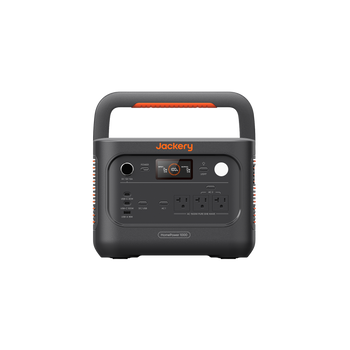
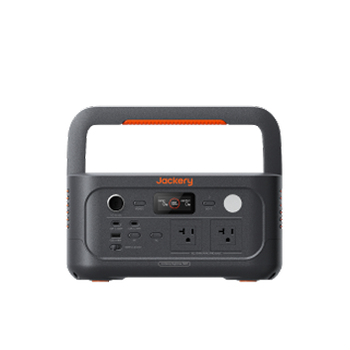
The best cheap portable power station for camping provides off-grid mobility in a lightweight design. Look for lightweight models with enough watt-hours (Wh) to reliably charge phones, cameras, and LED lights off-grid for three to four days.
Prioritize USB-C PD ports to keep modern laptops alive without turning on the less-efficient AC inverter. DC-to-DC charging saves roughly 15% of your battery capacity by avoiding AC conversion losses.
Ensure rugged, drop-resistant designs built with UL-certified fire-retardant materials for safe off-grid weekend trips. Pair the power stations with IP68 waterproof solar panels for outdoor adventures to guarantee power generation regardless of sudden downpours.
Cheap portable power station for home
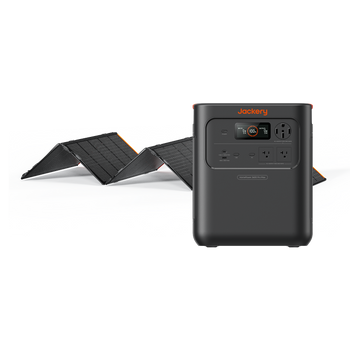
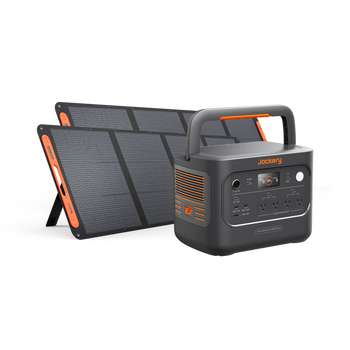
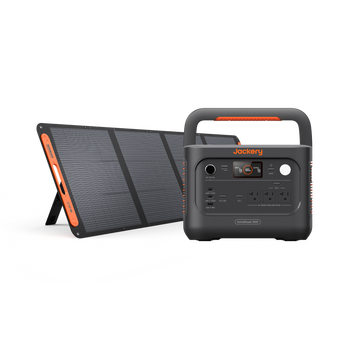
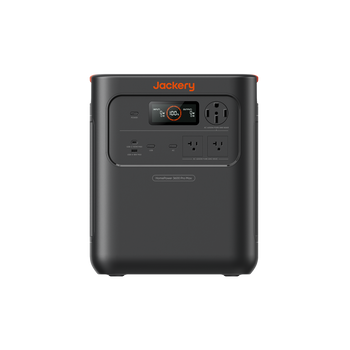
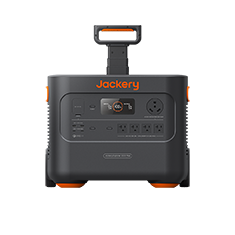
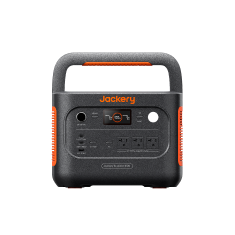
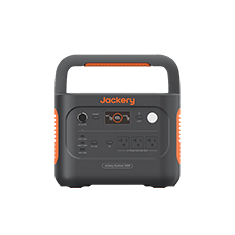
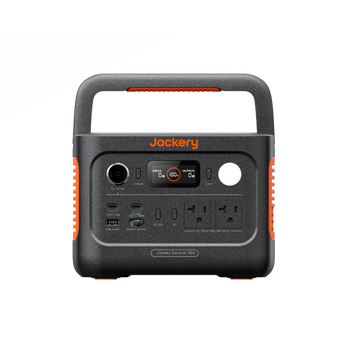
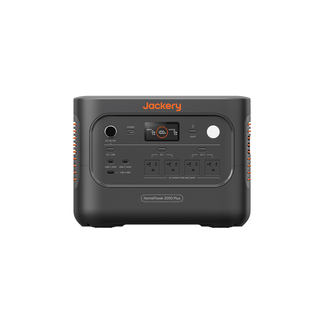
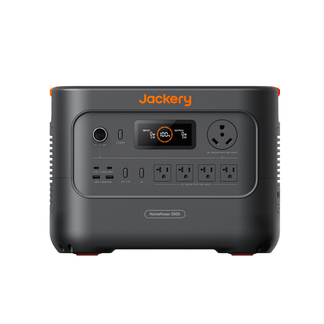
A cheap portable power station for home use should be a mid-sized unit that provides a budget-friendly safety net for running Wi-Fi routers and laptops during short 24-hour blackouts. A versatile 1536Wh power station bridges the gap between portability and serious home backup.
Ensure the continuous wattage rating can handle the startup surge of a mini-fridge or a 500W small space heater. Attempting to draw more power than the inverter can handle will trip the internal breaker and shut the unit down.
Look for fast UPS (Uninterruptible Power Supply) switchover speeds. A switchover time of ≤20ms protects home networks, desktop computers, and medical equipment from resetting when the grid unexpectedly drops.
Best portable power station for home backup
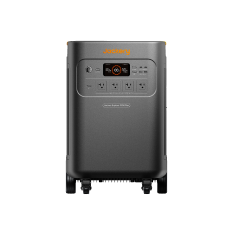
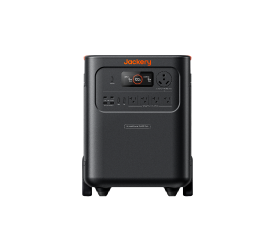
The best portable power station for home backup requires massive capacity to ensure whole-home resilience and high output for heavy-duty appliances.
|
Model |
Best For |
Capacity / Output |
Key Capability |
|
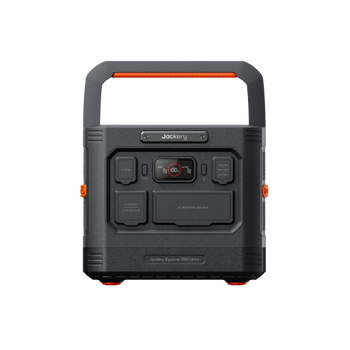
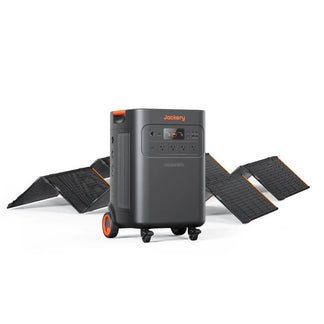
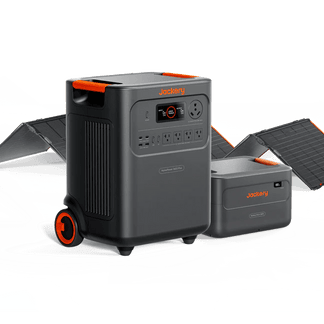
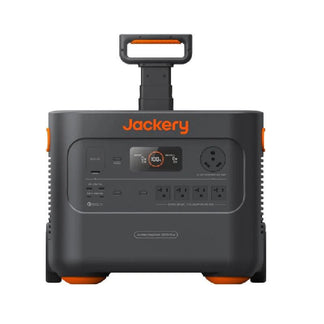
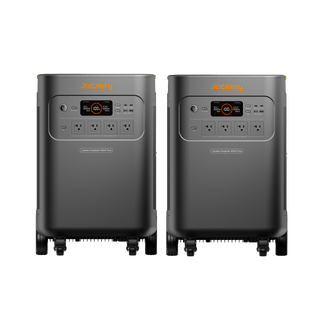
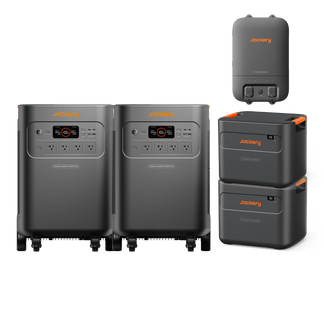
Jackery Solar Generator 5000 Plus |
Essential home resilience |
5040Wh storage |
Runs a 520W fridge for ~10 hours |
|
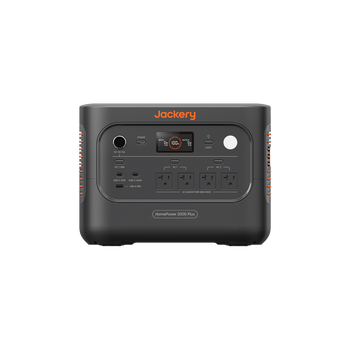
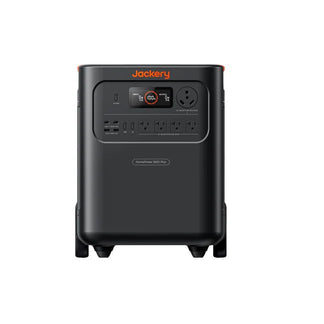
Jackery Solar Generator HomePower 3600 Plus |
Heavy-duty appliances |
3600W continuous / 7200W surge |
Handles appliances such as well pumps and power tools |

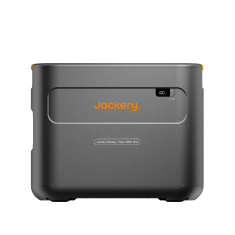
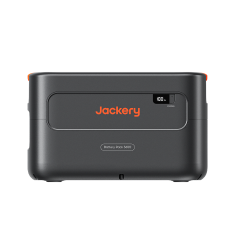
Choose expandable systems that seamlessly integrate with solar panels. Building an expandable 4kWh kit allows you to start with a base unit and scale up to 60kWh of capacity later as your budget allows.
Prioritize whisper-quiet operation. Premium models operate at a silent 30dB, making them perfectly safe and unobtrusive for indoor use while your neighbors suffer through the roar of gas generators.
Essential Features for Maximum Value and Reliability
The essential features for maximum value and reliability include ultra-fast charging, pass-through capabilities, smart monitoring, and expandability:
- Ultra-fast AC charging: Top models recharge fully from 0 to 100% in under two hours during brief periods of grid uptime, which is vital for managing rolling blackouts.
- Pass-through charging: Pass-through charging allows you to power essential devices while the station itself is actively recharging from the wall or solar panels.
- Smart app integration: Helps monitor real-time power consumption via Wi-Fi, allowing you to adjust usage based on utility rates and pinpoint exactly which devices are draining your battery.
- Expandability: Ensures your system can grow by adding extra batteries, allowing you to start small and upgrade over time without replacing the core inverter.
Conclusion: Smart Investments in Energy Independence
A smart investment in energy independence means choosing a reliable power station that protects against unpredictable utility rate hikes and severe weather-related grid instability.
Balancing upfront affordability with long-term LiFePO4 durability ensures you get the best return on your investment over the next decade.
Properly sizing your unit guarantees seamless power delivery when you need it most, from weekend camping trips to whole-home emergency backup.
Frequently Asked Questions
Can I leave my power station plugged in continuously?
Modern battery management systems prevent overcharging, but keeping the unit constantly at 100% can slightly degrade battery lifespan over time. Store the power station at 80% capacity if you are not anticipating an immediate outage.
How long do power stations hold charge in storage?
Most units retain their charge for 3 to 6 months while powered down. Top the batteries off periodically to prevent deep battery discharge, which can permanently damage the internal cells.
Can I take a portable power station on airplanes?
TSA and FAA regulations strictly limit carry-on batteries to 100Wh, or up to 160Wh with explicit airline approval. This restriction disqualifies most standard power stations from air travel.
Can a portable power station jump-start a car?
Standard power stations cannot deliver the high-amp surge required to crank an engine. Unless the unit specifically includes a dedicated 12V jump-start port and cables, do not attempt to start a vehicle with the power station.
Do portable power stations require any regular maintenance?
Store the unit in a dry, temperature-controlled environment away from extreme heat or freezing cold. Perform a full discharge-recharge cycle every three to six months to recalibrate the battery management system.