









![[Add-on] Jackery Battery Pack 5000 Plus - Jackery](http://www.jackery.com/cdn/shop/files/add-on-jackery-battery-pack-5000-plus-6713401.webp?v=1786503068&width=324)







Battery Capacity Explained: mAh, Wh & Amp Hours Decoded
Quick Answer: Battery capacity is measured in milliamp-hours (mAh) for charge and watt-hours (Wh) for energy. Wh accounts for voltage, making it the universal metric for comparing batteries across different devices. To convert, multiply mAh by voltage and divide by 1,000. For example, a 10,000 mAh power bank at 3.7V stores 37 Wh.
Key Takeaways:
- mAh and Ah measure charge capacity but ignore voltage, so they are only comparable within devices using the same voltage.
- Wh (watt-hours) is the true energy unit and the only reliable way to compare batteries across laptops, power stations, and EVs.
- Real-world runtime depends on device power draw, efficiency losses, and temperature — not just rated capacity.
- For home backup, choose a portable power station based on Wh capacity and the wattage of appliances you need to run.
What Do mAh, Ah, and Wh Actually Measure?
Milliamp-hours (mAh) measure electrical charge — how much current a battery can deliver over one hour at a given voltage. Amp-hours (Ah) are simply a larger unit: 1 Ah = 1,000 mAh. Both units tell you how many amps flow for how many hours, but they say nothing about the energy stored unless you know the voltage.
Watt-hours (Wh) measure total energy stored. The calculation is straightforward:
Wh = Ah × Voltage (V)
Voltage is the missing link. Two batteries with the same mAh rating but different voltages store vastly different amounts of energy.
A 3,000 mAh phone battery at 3.7V stores 11.1 Wh. A 3,000 mAh power tool battery at 18V stores 54 Wh — nearly five times more energy. You can’t compare those by mAh alone.
Why Wh Is More Reliable Than mAh for Comparing Batteries
mAh alone is misleading when comparing devices with different voltages: a phone (3.7V), a laptop (11.1V), and a portable power station (typically 12V or 48V internal DC bus) all use different nominal voltages. Two power banks both labeled “20,000 mAh” could hold 74 Wh if rated at 3.7V, or 100 Wh if rated at 5V — a 35% difference hidden behind the same mAh number.
Wh normalizes the comparison. A 100 Wh battery always contains 100 Wh of energy, regardless of its internal voltage. Airlines use Wh for carry-on limits (typically 100 Wh maximum without airline approval) because it directly reflects stored energy and thermal runaway risk, not an ambiguous charge figure.
Marketing often highlights mAh because the numbers look bigger — 20,000 mAh sounds more impressive than 74 Wh. But Wh tells you how long a device will actually run. When shopping for a power station or high-capacity power bank, ignore mAh if Wh is listed; if only mAh is given, multiply by the nominal voltage (often 3.7V for USB power banks) and divide by 1,000 to get a rough Wh figure.
How to Calculate Battery Runtime for Your Devices
Runtime comes down to a simple relationship:
(Battery capacity in Wh) ÷ (Device power draw in Watts) = Runtime in hours
A 500 Wh portable power station running a 50 W refrigerator would theoretically last 10 hours. Real-world performance always falls short. Inverter and voltage conversion losses typically shave 10–15% off the theoretical number, so multiply your result by 0.85 for a realistic estimate — that same fridge runs closer to 8.5 hours.
Surge loads complicate the picture. Motors in refrigerators, pumps, or power tools draw 2–3 times their rated wattage at startup. A power station must handle that surge without tripping protection, and those momentary spikes eat into available capacity. Always check the surge rating of the unit against your largest motor load.
For battery longevity, apply the 80% rule: avoid discharging below 20% state of charge regularly. Usable capacity from a rated 500 Wh battery is effectively about 400 Wh. This preserves cycle life and gives you a safety margin for unexpected runtime needs.
What Factors Affect Real-World Battery Life?
The main factors that affect real-world battery life are device efficiency, temperature extremes, depth of discharge, C-rate, and battery age.
Device efficiency varies dramatically. A gaming laptop with a dedicated GPU drains the same 5,000 mAh battery far faster than an ultrabook browsing the web. The battery provides the energy, but the device decides how fast it consumes it.
Temperature extremes shrink available capacity. Lithium-ion chemistries perform best at 20–25°C (68–77°F). Below freezing, internal resistance rises and usable Wh drops — you may get only 70–80% of rated capacity. Above 40°C (104°F), accelerated degradation kicks in, permanently reducing capacity over time. This is why a power station used for outdoor work or camping in hot or cold conditions delivers less runtime than its spec sheet suggests.
Depth of discharge (DoD) affects cycle life. Regularly draining a lithium-ion battery to 0% stresses the cells and shortens lifespan. LiFePO₄ (lithium iron phosphate) batteries tolerate deeper discharge better than standard NMC chemistries, often rated for 3,000–5,000 cycles even when discharged to 80–90% DoD. That’s one reason they dominate the portable power station market.
C-rate and load matter too. Drawing high current — such as running a microwave — reduces effective capacity compared to a low, steady load. A 2,000 Wh battery might deliver 2,000 Wh to a 100 W light over 20 hours, but only 1,800 Wh when powering a 1,500 W space heater due to higher internal losses at high current.
Battery age is inevitable. After 500 full-equivalent cycles, a typical lithium battery retains about 80% of its original Wh. LiFePO₄ degrades more slowly, often exceeding 2,000 cycles before hitting that 80% mark.
Limitations / What to Know Before
- mAh is not a universal spec. Comparing mAh across different voltage systems — a phone at 3.7V versus a power station at 48V — creates a false sense of equivalence. Without voltage, mAh is meaningless for cross-device comparison.
- Advertised capacity is never fully usable. Inverter losses, voltage regulation, and safety cutoffs typically reduce real-world Wh by 10–20%. A “1,000 Wh” power station often delivers 850–900 Wh to your devices.
- Charge time scales with capacity. A 2,000 Wh power station takes significantly longer to recharge than a 500 Wh unit, even with fast charging. Solar recharging adds another variable: sun hours, panel orientation, and weather all affect daily input.
- Many power banks only list mAh at the internal cell voltage (usually 3.7V), not the USB output voltage (5V) or higher. Voltage conversion from 3.7V to 5V reduces effective capacity by roughly 26%, but that loss is rarely shown on the box. Always calculate Wh yourself before buying, or skip products that don’t publish the Wh rating.
- Check for nominal voltage whenever mAh is given. Multiply by that voltage and divide by 1,000 to get true energy. Experienced users avoid power banks that hide the Wh figure — it’s usually a sign the manufacturer is inflating perceived capacity.
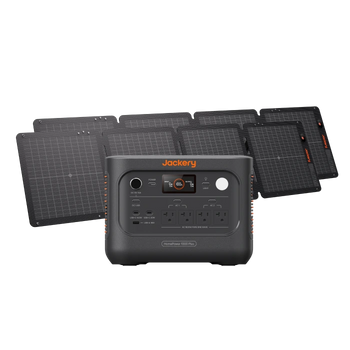
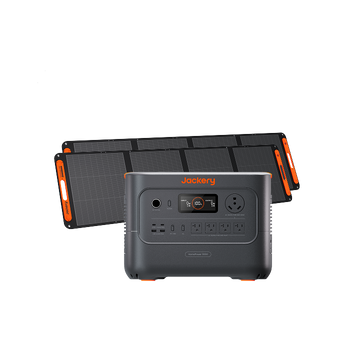
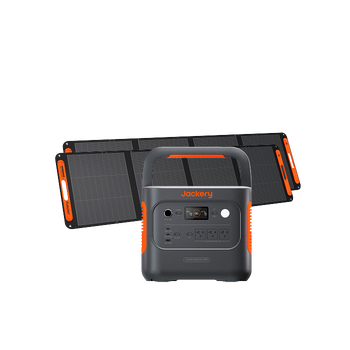
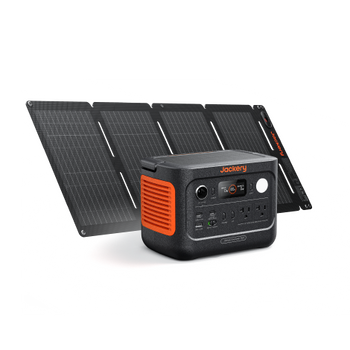
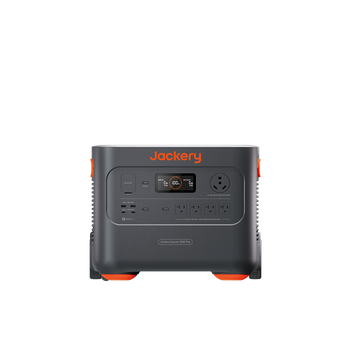
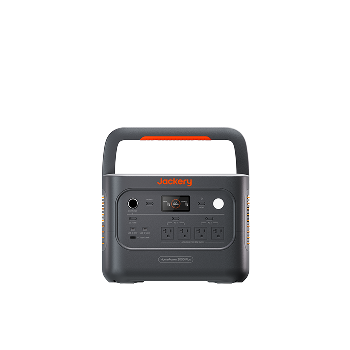
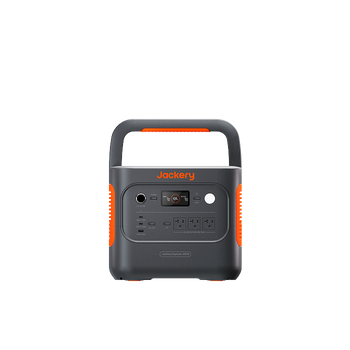
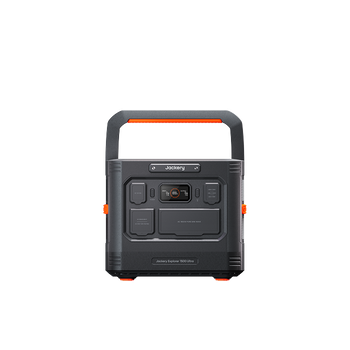
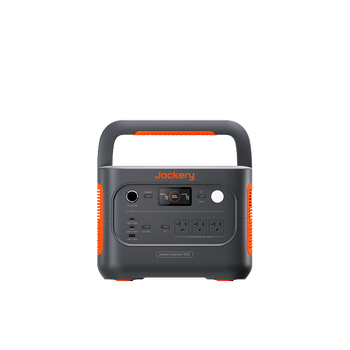
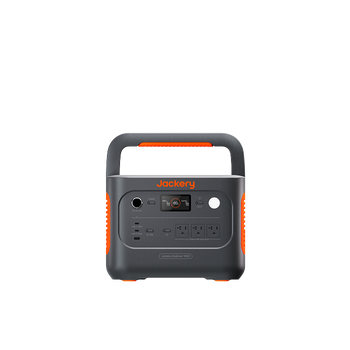
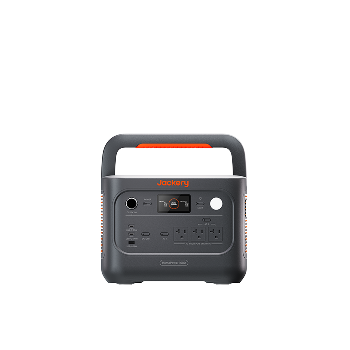
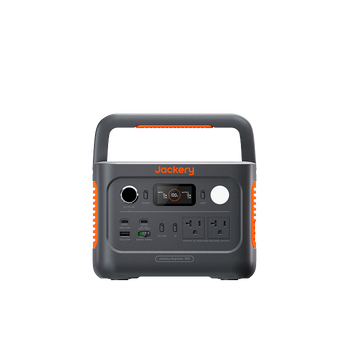
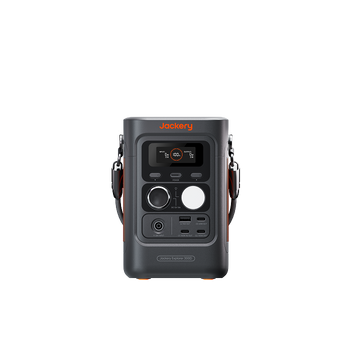
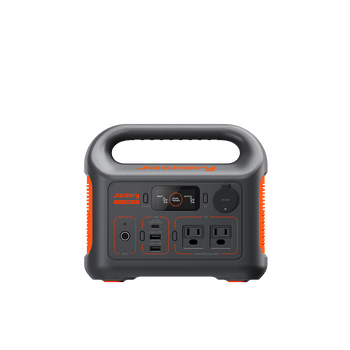
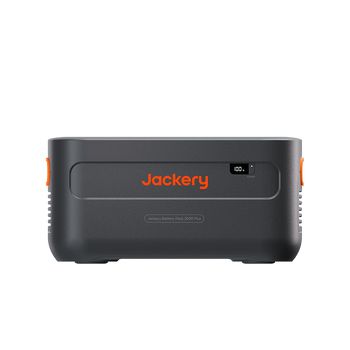
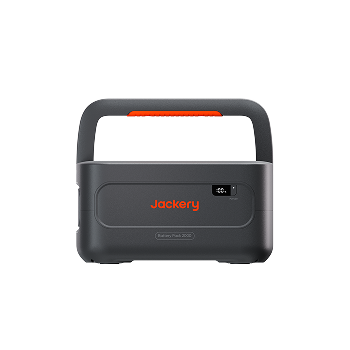
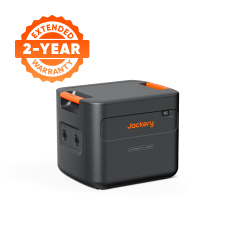
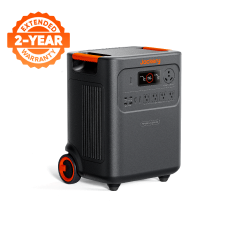
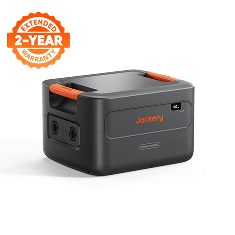
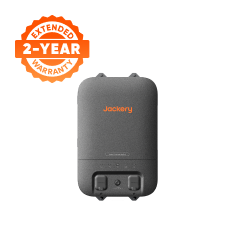
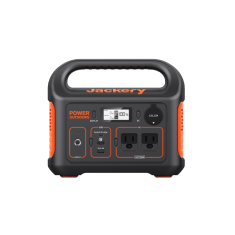
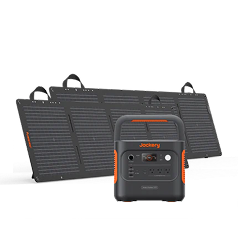
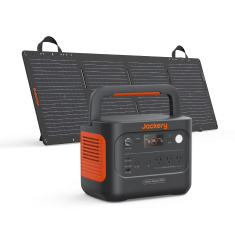
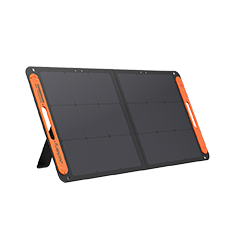
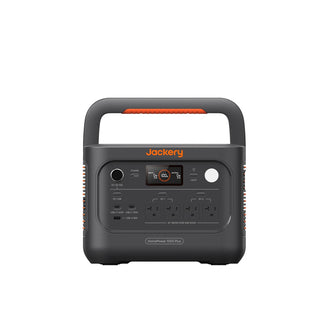
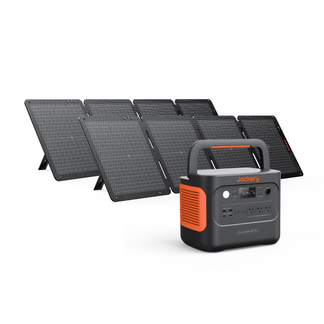
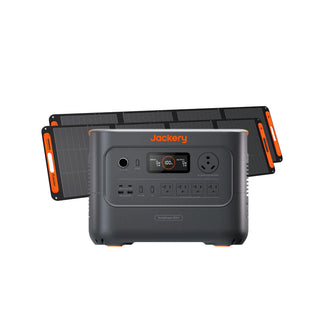
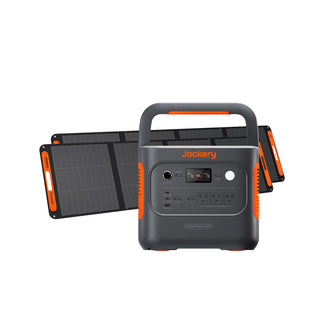
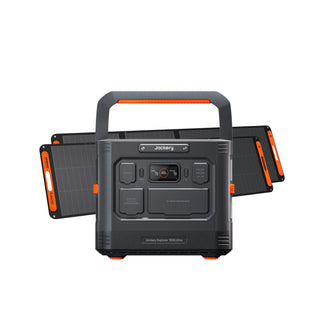
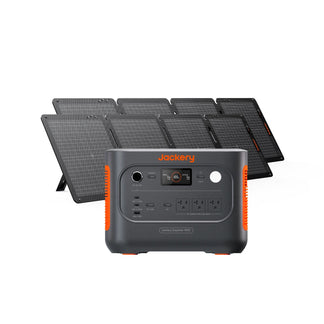
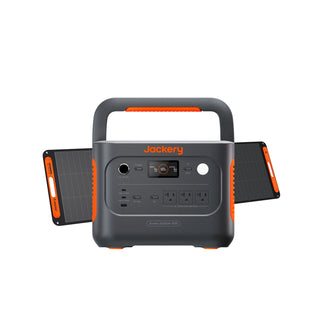
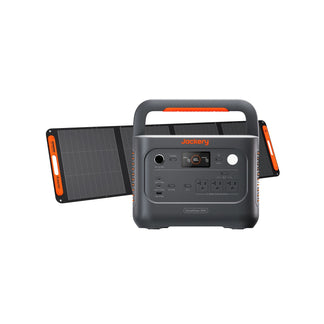
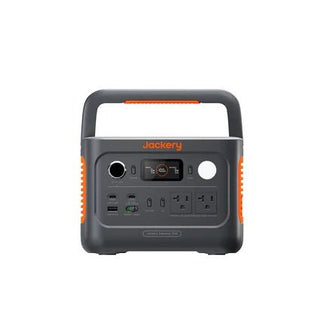
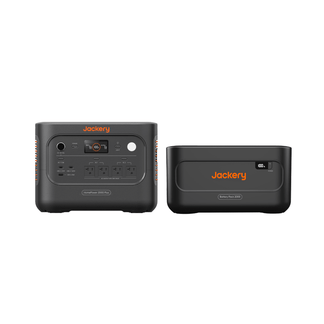
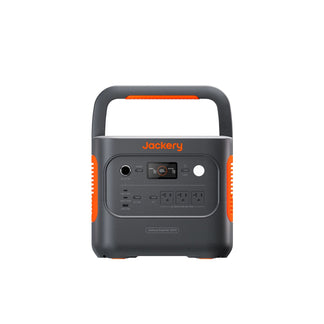
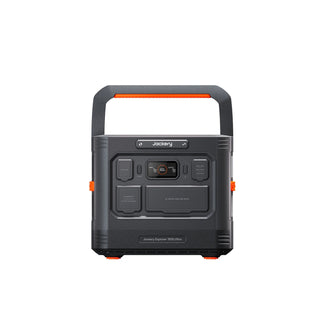
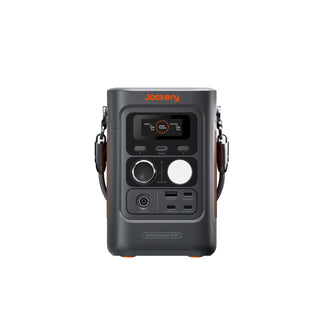
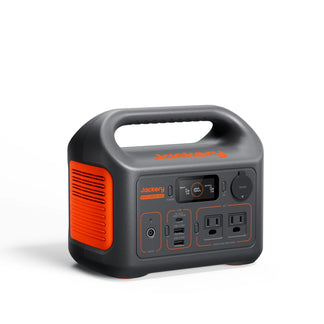
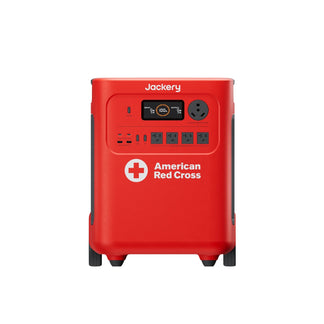
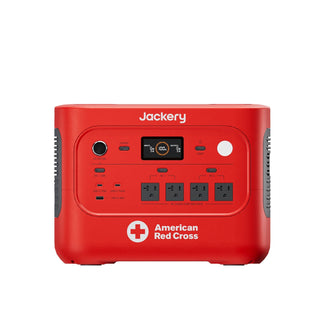
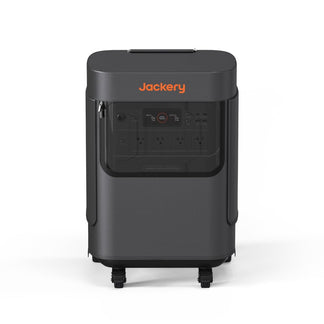
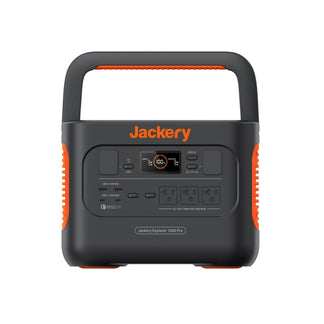
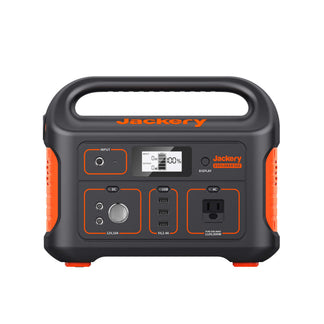
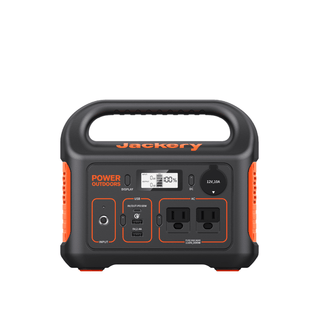
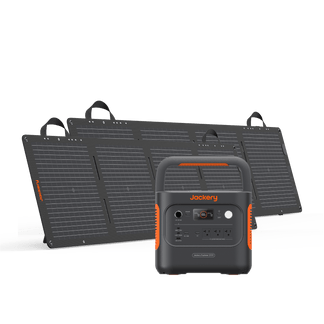
Product Recommendation: Jackery Essential Home Backup Power Stations
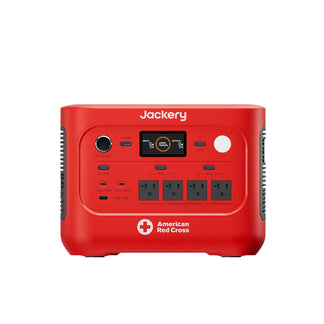
Understanding battery capacity in Wh lets you pick the right portable power station for essential home backup, camping, or work. These Jackery models span different capacity needs, all using LiFePO₄ chemistry for long-term reliability.
Your Backup Need |
Recommended Jackery Model |
Key Specs |
Whole-home backup, expandable, UPS |
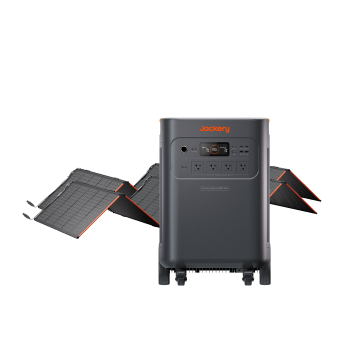
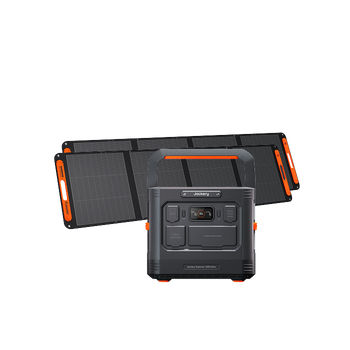
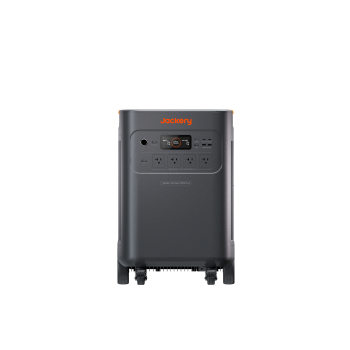
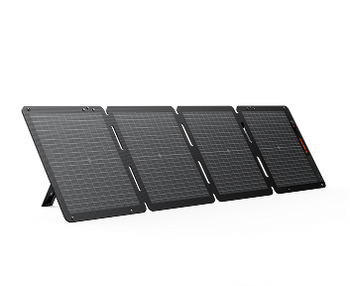
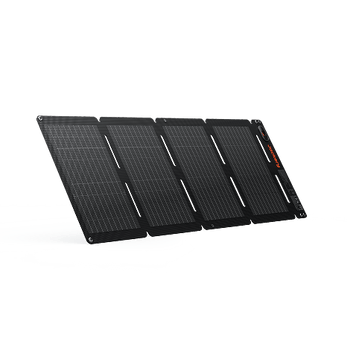
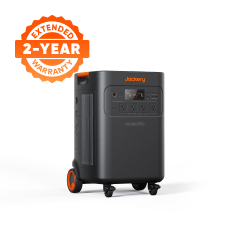
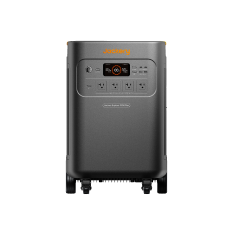
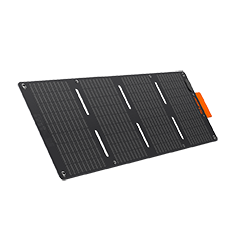
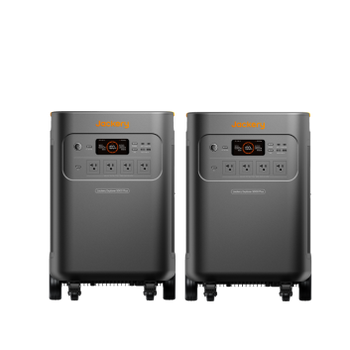
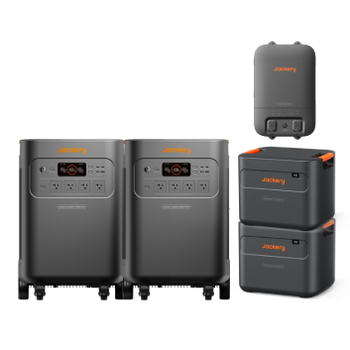
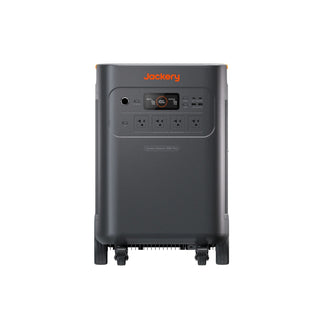
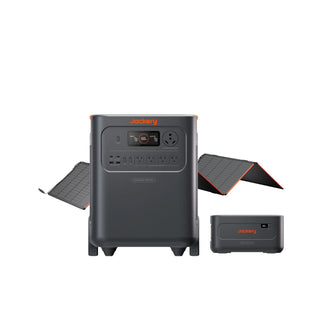
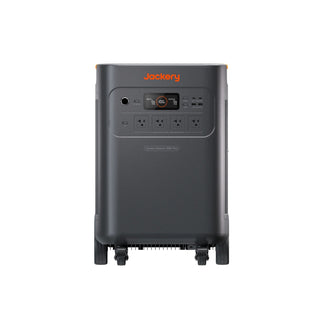
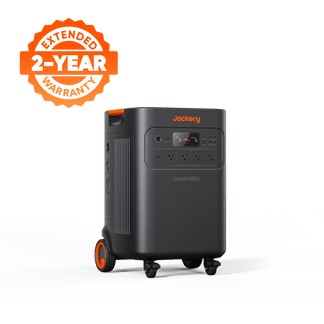
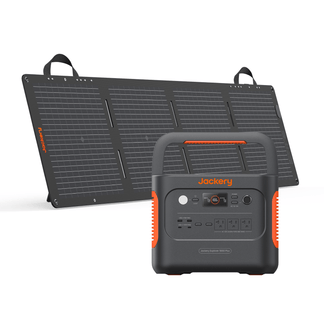
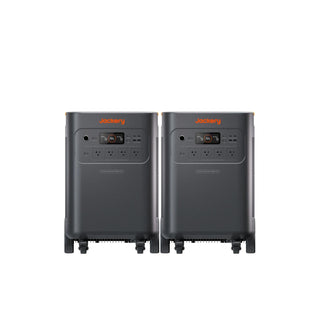
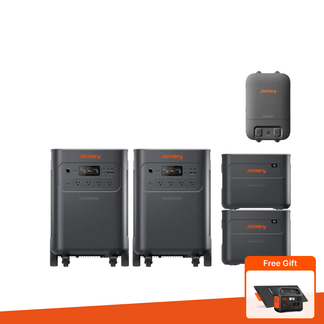
Solar Generator 5000 Plus + 2x SolarSaga 500X |
5,040 Wh, 7,200W continuous, expandable to 60 kWh, 0ms UPS |
Medium-duty: fridge, freezer, office, sump pump |
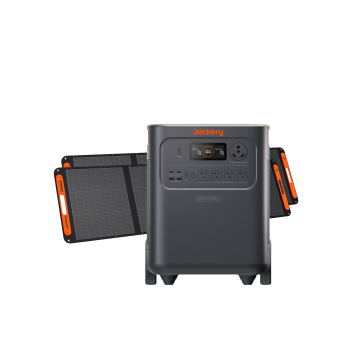
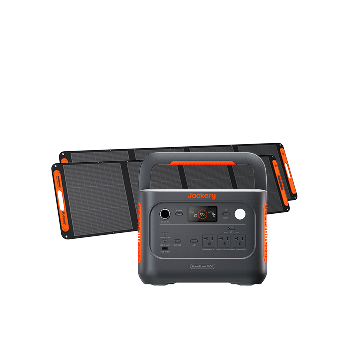
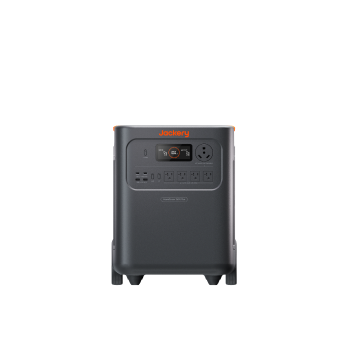
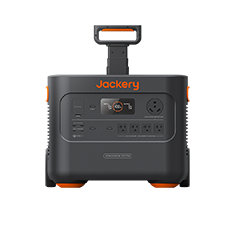
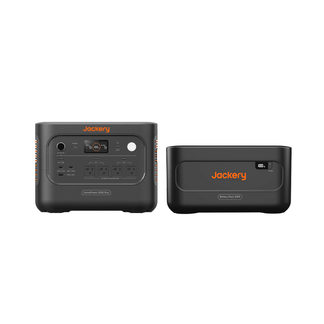
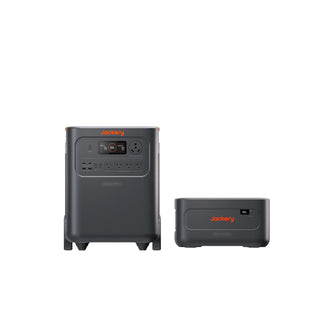
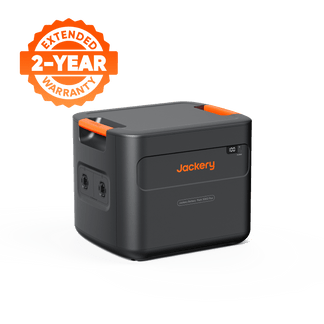
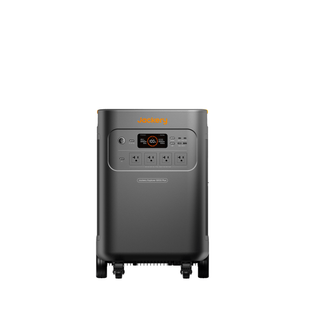
HomePower 3600 Plus + SolarSaga 500X |
3,584 Wh, 3,600W continuous, expandable to 21.48 kWh |
Portable, short trips, mini-fridge/lights |
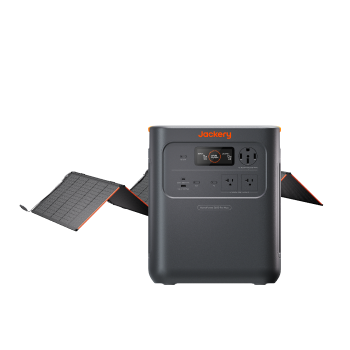
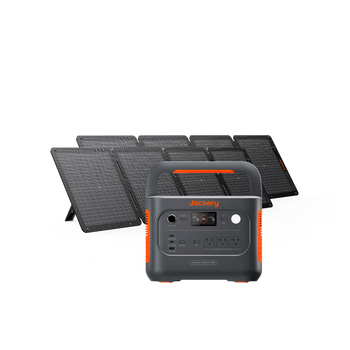
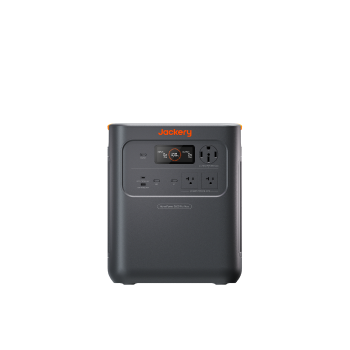
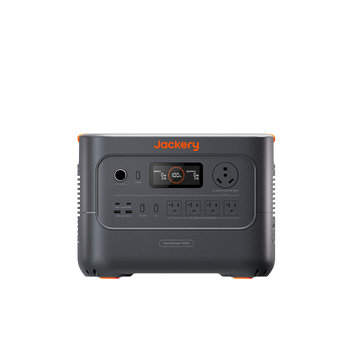
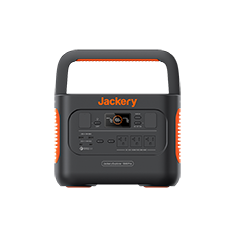
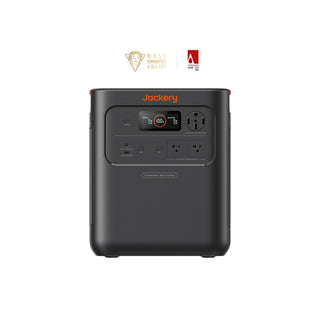
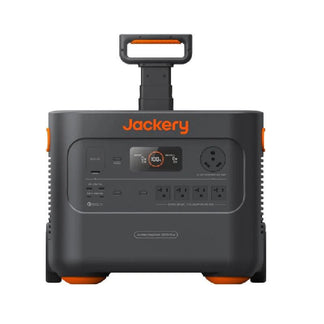
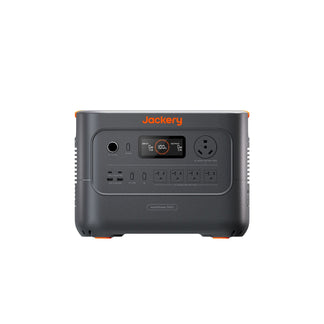
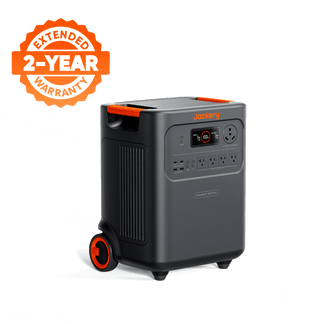
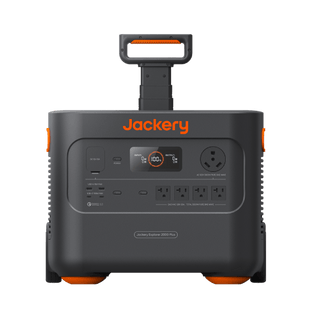
Explorer 2000 v2 |
2,042 Wh, 2,200W continuous, emergency super charge in 1.7h |
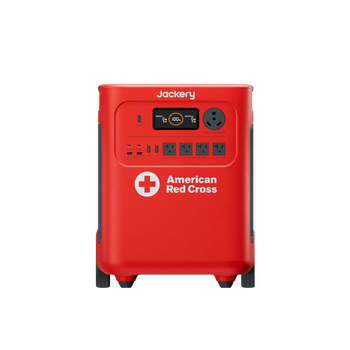
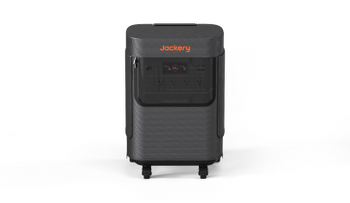
- Solar Generator 5000 Plus: runs a refrigerator, lights, Wi-Fi, and a fan for over 24 hours. Modular design with 0ms UPS switchover for uninterrupted essential backup.
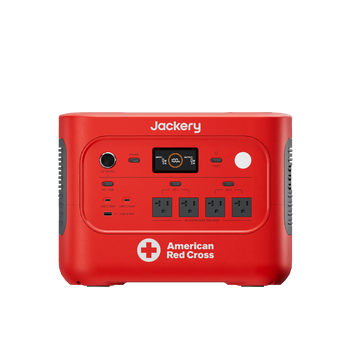
- HomePower 3600 Plus: backs up refrigerator, freezer, home office, and sump pump for a full day, expandable to 21.48 kWh.
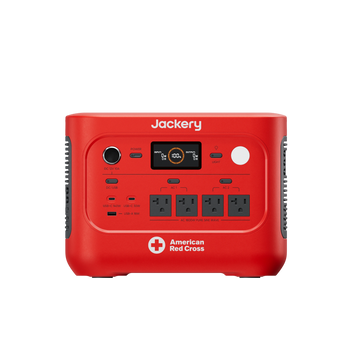
- Explorer 2000 v2: 2,042 Wh in a portable form factor, ideal for weekend trips or short-duration home backup for lights and a mini-fridge.
All three use LiFePO₄ chemistry and are backed by a 5-year warranty. The HomePower 3600 Plus is rated for 6,000+ cycles to 70% capacity, while the 5000 Plus is rated for 4,000 cycles. For a deeper look at how battery backup generators stack up, see this comparison of the best battery backup generators.
Frequently Asked Questions (FAQ)
Can I use a power bank to jump-start a car?
No, power banks lack the high surge current required for engine starting, even if their Wh capacity seems sufficient.
Does a higher mAh battery charge faster?
No, charge speed depends on the charger’s wattage output and the device’s charge controller, not the battery’s mAh rating.
What happens if my power bank exceeds 100 Wh for flying?
Airlines will confiscate the power bank if it exceeds 100 Wh without prior approval, so always verify the Wh rating before traveling.
Why do power banks list mAh at 3.7V but output 5V?
The internal cells operate at 3.7V, but the USB output is boosted to 5V, which reduces effective capacity by about 26% due to voltage conversion.
How does battery capacity affect my phone’s charging speed?
A larger capacity battery will take longer to fully charge if the charger’s wattage remains the same, simply because there is more energy to fill.
Disclaimer:
The runtime mentioned for appliances powered by Jackery is for reference only. Actual runtime may vary under different conditions. Please refer to real-world performance for accurate results.


