



![[Add - on] Jackery Manual Transfer Switch for Explorer 5000 Plus - Jackery](http://www.jackery.com/cdn/shop/files/add-on-jackery-manual-transfer-switch-for-explorer-5000-plus-9017324.png?v=1754016782&width=350)


![[Add - on] Jackery Battery Pack 5000 Plus - Jackery](http://www.jackery.com/cdn/shop/files/add-on-jackery-battery-pack-5000-plus-6078351.png?v=1754016791&width=324)


![[Add - on] Jackery Car Charging Cable - Jackery](http://www.jackery.com/cdn/shop/files/add-on-jackery-car-charging-cable-3882421.png?v=1754016863&width=324)








![[Add - on] Jackery Smart Transfer Switch - Jackery](http://www.jackery.com/cdn/shop/files/add-on-jackery-smart-transfer-switch-5842915.png?v=1754016784&width=324)
![[Add - on]Jackery 102W GaN 3 - Port Fast Charger - Jackery](http://www.jackery.com/cdn/shop/files/add-onjackery-102w-gan-3-port-fast-charger-6377742.png?v=1754016790&width=324)


![[Add - on] SolarSaga 200W - Jackery](http://www.jackery.com/cdn/shop/files/add-on-solarsaga-200w-4834329.png?v=1754016915&width=324)
![[Add - on] Jackery Manual Transfer Switch for Explorer 5000 Plus - Jackery](http://www.jackery.com/cdn/shop/files/add-on-jackery-manual-transfer-switch-for-explorer-5000-plus-9017324.png?v=1754016782&width=324)


Rising electricity costs and utility rate structures consistently catch new solar owners off guard. You install panels expecting your utility bills to vanish, only to face shockingly high charges in the winter. The culprit is the TOU Trap. You generate cheap energy during the day, export the surplus for pennies, and then pay up to 3x more to buy power back from the grid when you get home from work.
Adding heavy electrical loads like electric vehicles (EVs) and heat pumps routinely maxes out older solar arrays. Adding these heavy loads creates a severe mismatch between when you produce power and when you actually consume it. Understanding the best time to use solar power allows you to shift your daily habits, maximize self-consumption, and drastically reduce your reliance on the grid.
Understanding Solar Generation Windows
What is the Best Time of Day for Solar Panels?
The absolute best time of day for solar panels to generate electricity is between 10 a.m. and 4 p.m. During this six-hour window, the sun reaches its highest angle in the sky, allowing photovoltaic cells to operate at maximum efficiency with minimal atmospheric interference.
You must consume the majority of your heavy electrical loads during this highly productive midday window to maximize your financial savings. Running a 3,000W electric dryer at noon pulls power directly from your roof, costing you nothing. Running that exact same dryer at 7 p.m. draws power from the grid, subjecting you to premium evening utility rates.
Maximizing Output During Solar Panel Peak Hours
Solar panel peak hours naturally yield the most energy during the spring and summer months due to longer daylight hours and clearer skies. However, solar panels are electronic devices, meaning they operate more efficiently in cooler temperatures. Extreme summer heat above 77°F (25°C) actually causes a slight drop in conversion efficiency, typically degrading output by 0.3% to 0.5% for every degree above that threshold.
Weather conditions heavily dictate daily generation. Cloudy days can reduce total power output by 75% to 90% during heavy cloud cover. Rain reduces direct sunlight but still allows panels to produce power from diffuse light, and beneficially washes away accumulated dust, pollen, and dirt to maintain optimal performance once the skies clear.
Do Solar Panels Work at Night?
Solar panels do not work at night, as they generate zero electricity without sunlight. When the sun goes down, your roof stops producing power entirely.
Without a battery system, homes rely entirely on the utility grid after sunset. Relying on the grid after sunset perfectly coincides with the most expensive electricity rates of the day. Modern energy policies make grid reliance increasingly unprofitable. Moving away from traditional net metering and toward storing your own energy is the only mathematical way to secure a return on your solar investment.
Navigating Time-of-Use (TOU) Rates
Identify Your Peak and Off-Peak Hours
Utility companies use Time-of-Use (TOU) rates to charge higher prices when grid demand is highest. This pricing structure prevents grid strain during periods when millions of people return home, turn on their air conditioners, and cook dinner. Check your specific utility contract to map out these exact pricing tiers.
Avoid heavy electrical usage during peak hours, typically defined as 4 p.m. to 9 p.m. Electricity during this window is significantly more expensive. Instead, shift your consumption to off-peak hours overnight and early in the morning to access the cheapest available rates for any grid electricity you must consume.
Adapt to Evolving Net Metering (NEM 3.0)
The financial math behind solar energy changed drastically with the introduction of policies like NEM 3.0 in California. Under these new regulations, excess solar energy sold back to the grid lost roughly 75% of its financial value. The utility company now buys your daytime surplus for an average of $0.05 per kWh, then sells it back to you at 7 p.m. for $0.40 per kWh.
Stop exporting power for pennies during the day. Prioritize self-consumption and on-site energy storage to make your solar investment financially viable over the long term. If you send power to the grid, the utility company profits. If you store and consume that power yourself, you profit.
Actionable Strategies to Maximize Solar Savings
Shift Heavy Appliance Usage to Midday
Shifting heavy appliance usage to midday yields immediate financial returns through simple behavioral changes. Run energy-intensive appliances like dishwashers, washing machines, and electric dryers off-peak to save hundreds of dollars annually.
- Electric Vehicles: Charge your EV during peak sunlight hours. Plugging a Level 2 charger into your home at 1 p.m. utilizes pure solar surplus. Plugging it in at 6 p.m. guarantees a massive grid surcharge.
- Climate Control: Pre-cool or pre-heat your home during the late morning. Dropping your thermostat by three degrees at 1 p.m. turns your house into a thermal battery, drastically reducing reliance on your HVAC system during expensive evening hours.
- Water Heating: Set your electric water heater to run its primary heating cycle at noon.
Utilize Smart Home Scheduling
Utilizing smart home scheduling means you do not need to be home to shift your power consumption. Install smart thermostats to automatically adjust home temperatures before peak pricing windows begin at 4 p.m.
- Smart plugs and timers: Use smart plugs and delay-start timers on major appliances to ensure operation only during optimal solar production hours.
- Appliance delay settings: Load your dishwasher after dinner, but set the delay timer to run at 11 a.m. the next day.
- Mobile app monitoring: Monitor your solar system's mobile app to track real-time generation and identify phantom loads—like older electronics and secondary refrigerators—that drain power unnecessarily.
Optimize Panel Orientation and System Sizing
If you are currently planning a solar installation, panel orientation dictates your production curve. South-facing panels generate the highest total daily volume. However, installing west-facing panels captures more late-afternoon sun, aligning your production curve much closer to the 4 p.m. peak demand hours.
Follow the 20% rule when sizing a residential system: calculate your total annual consumption and add 20%. The 20% buffer accounts for weather variations, natural panel degradation, and system inefficiencies outlined by the Department of Energy. Oversize your system slightly to guarantee you produce enough surplus energy to power your home and charge a backup battery simultaneously.
The Role of Battery Storage in Beating Peak Rates
Storing Midday Sun for Evening Use
Battery storage solves the solar timing mismatch completely. By capturing excess midday energy, you sever your reliance on the grid's pricing schedule. You charge the battery for free at noon, then discharge that stored solar power between 4 p.m. and 9 p.m. to entirely avoid expensive TOU peak rates.
In energy markets with high differentials between off-peak and peak pricing, investing in a battery system yields an 8 to 12-year financial payback. The upfront cost is offset by decades of avoiding peak utility tariffs.
|
Energy Market Condition |
Strategy Without Battery |
Strategy With Battery |
|
High Peak TOU Rates |
Pay premium rates from 4-9 p.m. |
Discharge battery, pay $0 to grid. |
|
NEM 3.0 / Low Export Rates |
Sell surplus for $0.05/kWh. |
Store surplus, value it at $0.40/kWh. |
|
Grid Outage |
Lose all household power. |
Maintain seamless home power. |
Implement Reliable Backup Power Solutions
Implementing reliable backup power solutions allows you to run heavy household loads during peak evening hours or unexpected grid outages.
|
Backup Power Solution |
Battery Capacity |
Power Output & Features |
Best Use Case |
|
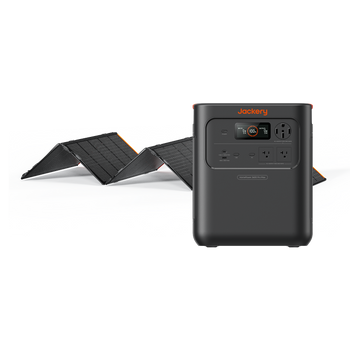
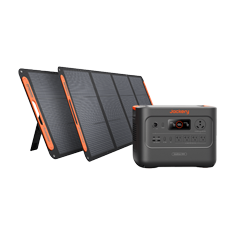
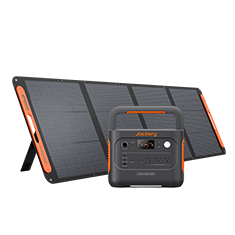
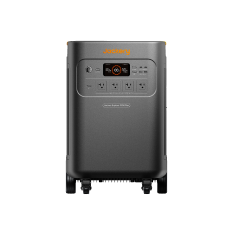
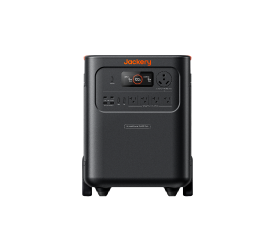
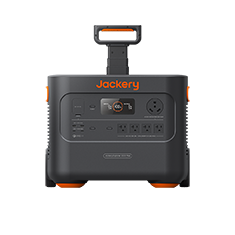
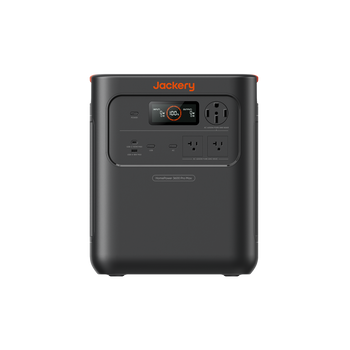
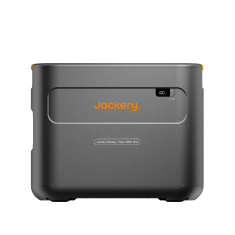
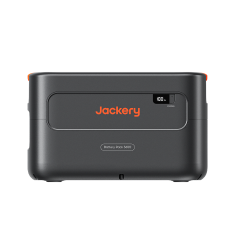
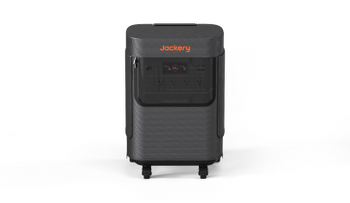
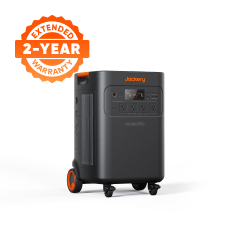
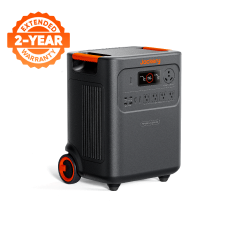
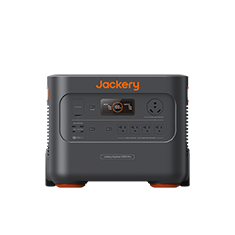
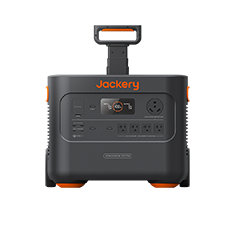
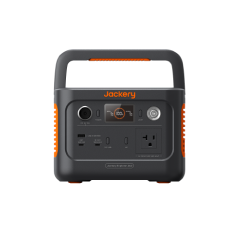
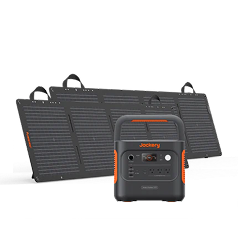
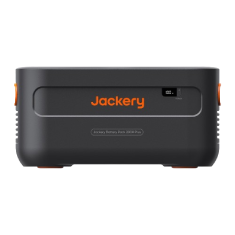
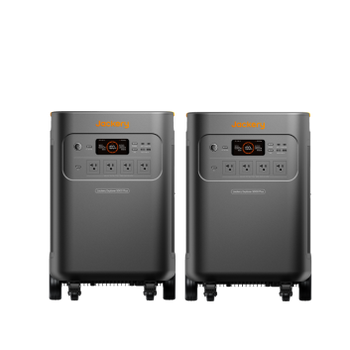
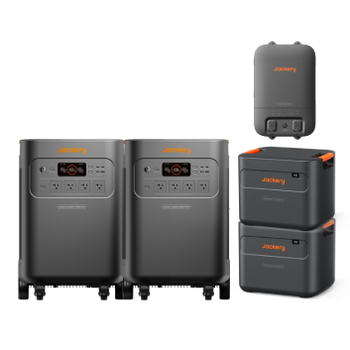
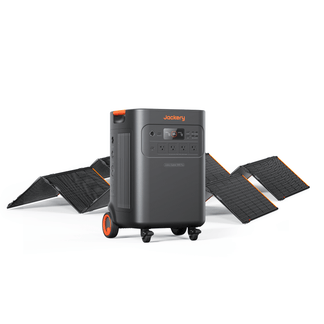
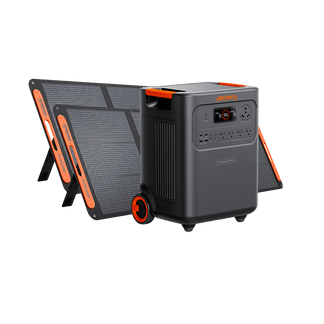
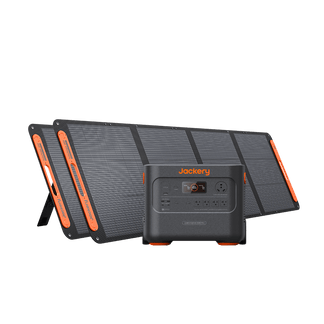
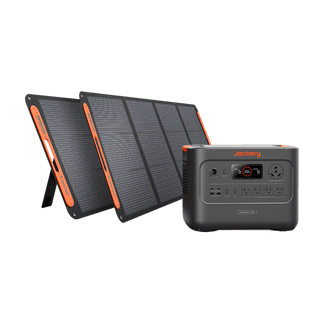
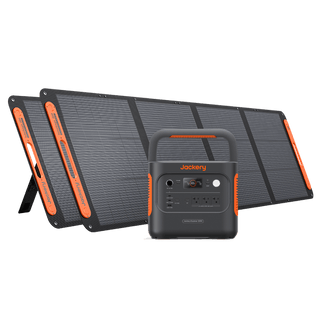
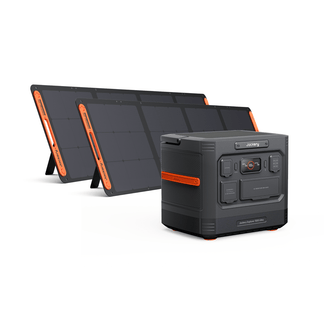
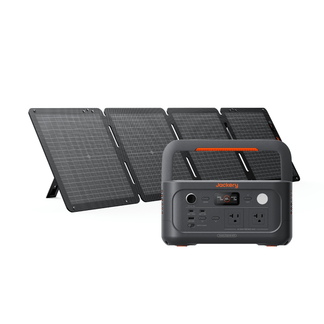
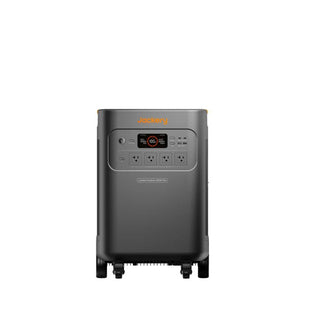
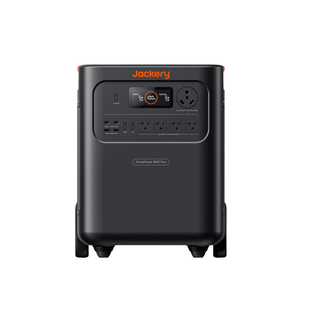
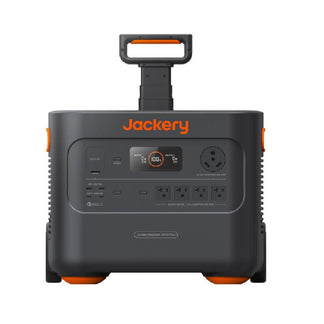
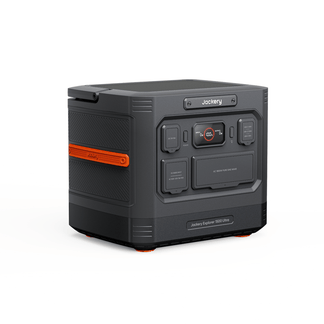
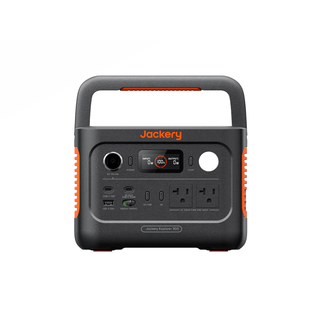
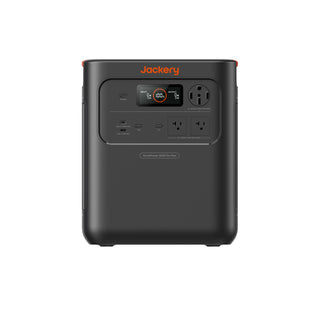
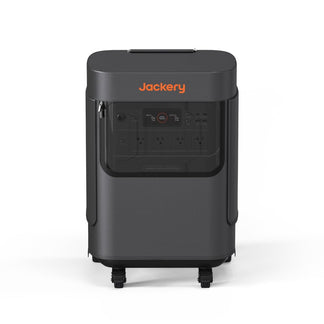
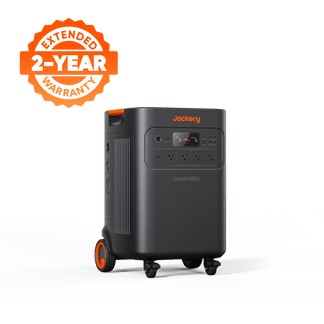
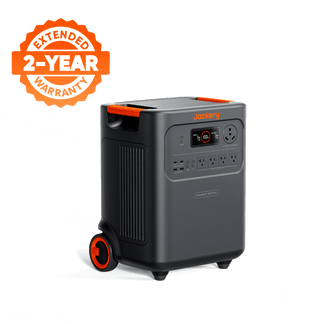
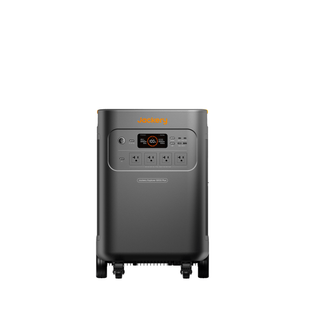
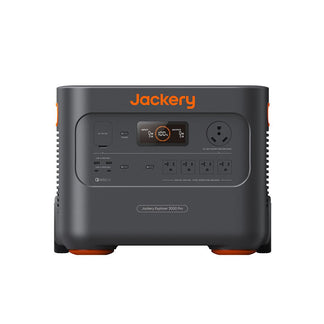
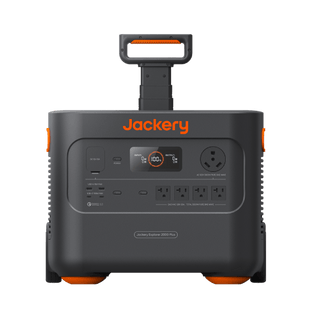
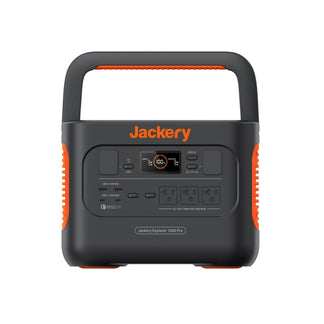
Jackery Solar Generator 5000 Plus |
5040Wh |
7200W continuous power |
Heavy household loads (refrigerators, window air conditioners, electric ovens) |
|
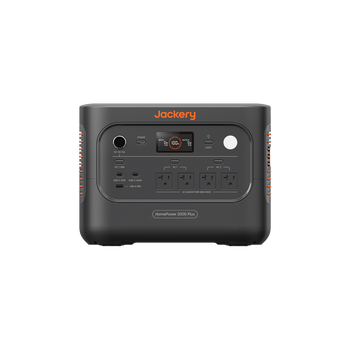
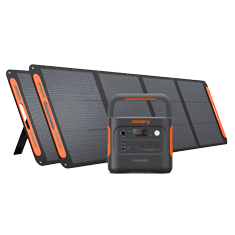
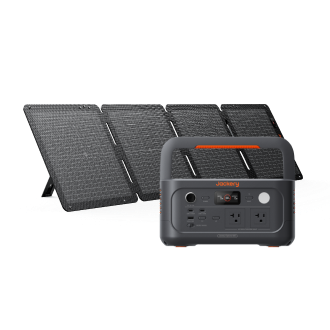
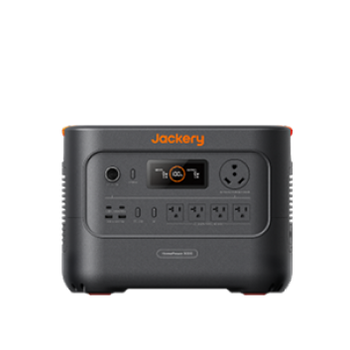
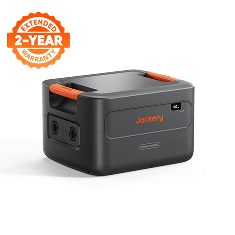
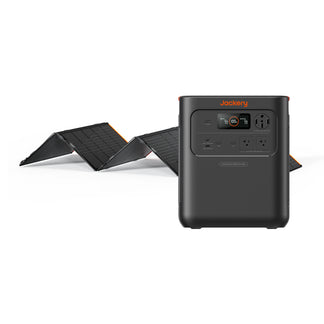
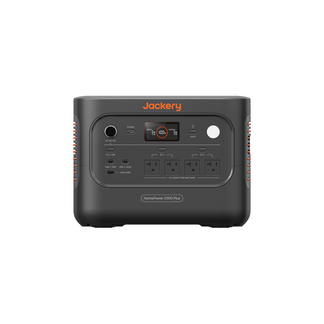
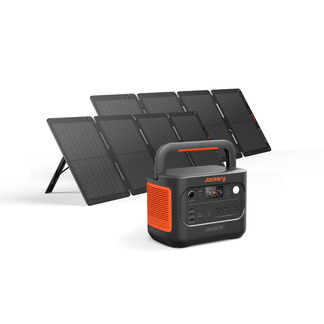
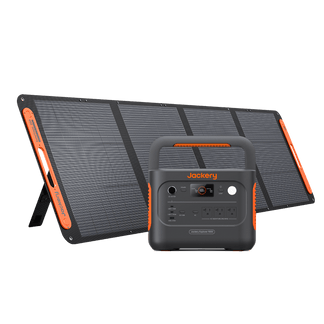
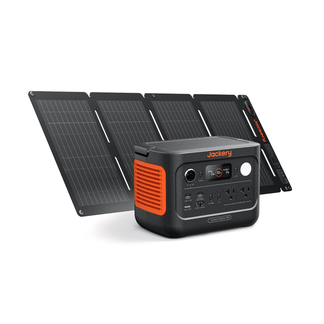
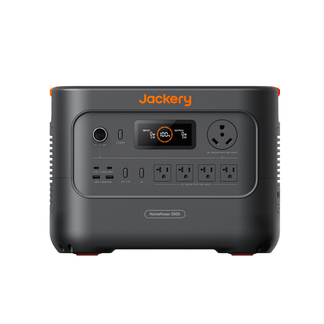
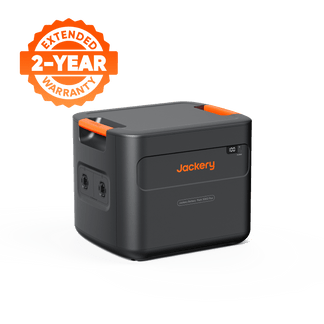
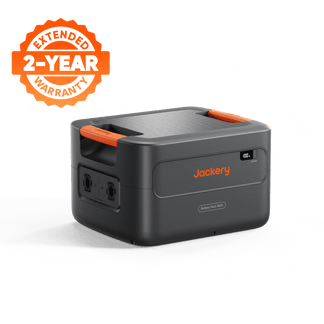
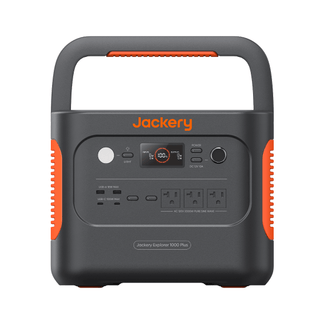
Jackery Solar Generator HomePower 3600 Plus |
3584Wh (expandable) |
10-year LiFePO4 battery lifespan |
Modular flexibility and portable power |
You can utilize these portable power stations to ensure your home remains powered during unexpected grid outages while structurally bypassing expensive utility rates every single evening.

Conclusion: Taking Control of Your Energy Usage
You beat peak utility rates by combining behavioral load shifting with smart energy management. Align your heaviest energy consumption with midday solar production to effectively lower your utility bills. Invest in battery storage to capture your surplus power, ensuring you never pay premium evening rates. Taking control of when you use your power future-proofs your home against rising grid costs and increasingly restrictive net metering regulations.
Frequently Asked Questions
Do solar panels increase my home's resale value?
Fully owned solar systems generally increase property value because buyers inherit lower utility bills. Leased systems or Power Purchase Agreements (PPAs) can complicate the selling process, as the new buyer must agree to take over the existing contract.
Can solar power run central AC all day?
Running central AC continuously requires a significantly oversized solar array and substantial battery capacity to handle the massive 3,000W to 5,000W energy draw. A standard grid-tied solar system can offset the cost during the day, but running the central AC into the evening requires heavy battery investment.
Why isn't my solar panel producing its maximum wattage?
Real-world variables like wiring resistance, inverter efficiency, atmospheric haze, and panel temperature prevent panels from achieving their laboratory-rated peak output. A 400W panel typically produces between 320W and 350W under standard outdoor conditions.
Do solar panels work when covered in snow?
Thick snow blocks sunlight completely, dropping electricity generation to zero. However, the dark glass of the panels absorbs heat, usually melting light snow rapidly once direct sunlight hits the array.
What is the safest way to clean solar panels?
Use a soft-bristle brush and plain water early in the morning or late in the evening. Spraying cold water on hot panels during midday causes thermal shock, and thermal shock can permanently crack the protective glass.