

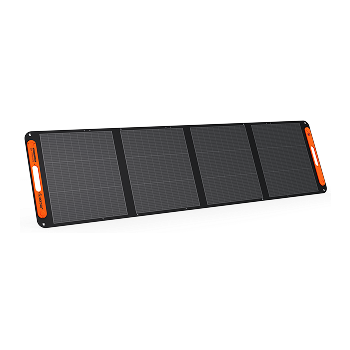





















































![[Add-on] Jackery SolarSaga 500 X - Jackery](http://www.jackery.com/cdn/shop/files/add-on-jackery-solarsaga-500-x-1493607.webp?v=1786503068&width=324)
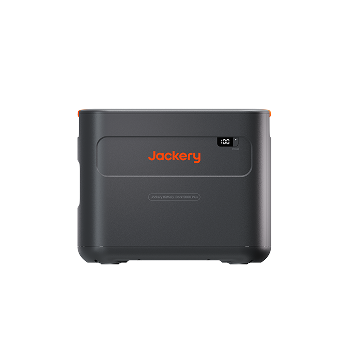
![[Add-on] Jackery Battery Pack 5000 Plus - Jackery](http://www.jackery.com/cdn/shop/files/add-on-jackery-battery-pack-5000-plus-6713401.webp?v=1786503068&width=324)









When summer temperatures soar, so do electricity rates. Chasing the lowest advertised per-kilowatt-hour (kWh) rate is a common mistake that often leads to hidden fees, plan traps, and billing shock. During peak summer demand, the truest way to secure cheap electricity is not by chasing teaser rates, but by locking in a stable, transparent fixed-rate contract.
This guide exposes the common pitfalls of seasonal utility plans, shows you how to compare suppliers like a professional, reveals the ideal time to lock in your rates, and explains how to integrate home backup power to keep your cooling systems online when the summer grid buckles.
Why Summer Rates Spike: The AC Effect
According to data from the Energy Information Administration (EIA), air conditioning loads push national electricity demand 5% to 10% higher in the summer. During extreme heatwaves, wholesale prices can spike drastically, and those generation costs are ultimately passed directly to consumers on variable or unprotected rates.
To avoid these seasonal spikes, it is essential to understand the different types of utility structures available on the market:
|
Plan Type |
How It Works |
Typical Summer Impact |
|
Fixed-Rate |
Locks in your per-kWh price for a set duration of 6 to 24 months. |
Insulates you from summer price spikes, saving you an estimated $200–$400 annually on energy costs. |
|
Variable-Rate |
Your electricity price adjusts monthly based on grid demand and wholesale costs. |
Rates routinely spike 20% to 40% above spring baselines. A 10-cent rate in April can easily jump to 14 cents in July. |
|
Time-of-Use (TOU) |
Charges varying rates depending on the time of day, with the highest prices during peak afternoon hours. |
Charges can be 2 to 3 times higher during peak hours (usually 2:00 PM to 7:00 PM), forcing you to shift heavy appliance usage to off-peak hours. |
The Sizing Secret: The most effective way to protect your wallet is to lock in a fixed-rate contract during the low-demand "shoulder months" of March and April. This ensures you pay a stable price that is typically 10% to 20% below variable rates when summer heatwaves roll in.
How to Compare Suppliers and Avoid Traps
Many deregulated energy markets run official comparison portals to help consumers shop for power by ZIP code. Examples include Ohio's "Apples to Apples" chart and Pennsylvania's "PA Power Switch." These state portals list your local utility's default Price to Compare (PTC)—switching to any certified supplier priced below this threshold immediately saves you money.
However, do not stop at the headline advertised rate. Always read the legally mandated Disclosure Statement, Contract Summary, or Electricity Facts Label (EFL) to find hidden variables:
- Energy Charge: The actual rate you pay per kilowatt-hour for the electricity supply.
- Delivery and Distribution Charges: The fee charged by your local utility company to maintain local wires and deliver power to your house. This is often a separate flat fee or a small per-kWh charge.
- Monthly Service Fees: Flat base fees (ranging from $5 to $15 per month) that some suppliers charge regardless of your usage.
- Minimum Usage Penalties: Extra charges added to your bill if your household uses less than a specified threshold of electricity (often 500 or 1,000 kWh per month).
The Bill-Credit Trap: Avoid plans that advertise low "teaser" rates (such as 7.0 to 7.8 cents/kWh) that are only activated by hitting a highly specific monthly usage window (e.g., exactly 1,000 kWh). If you use 999 kWh or 1,001 kWh, the credit disappears, and the rate default-spikes to 14 cents or more. Reliable, all-in fixed-rate plans in 2026 typically range from 12.0 to 15.0 cents/kWh.
Summer Energy Efficiency: Cool Your Home for Less
You can lower your summer energy bills without sacrificing comfort by combining a low energy supply rate with these highly effective, passive efficiency measures:
- Smart Thermostat Management: Set your programmable thermostat to 78 degrees Fahrenheit when you are at home, and 85 degrees Fahrenheit when you are away. This adjustment alone can reduce your annual cooling costs by up to 10%.
- Monthly Filter Replacements: Replace your AC air filter every 30 days during the summer. Clogged filters block vital airflow, reducing system efficiency by 5% to 15% and causing your compressor to run longer.
- Optimize Ceiling Fans: Run your ceiling fans counterclockwise in the summer to create a refreshing wind-chill effect. Remember that fans cool people, not rooms—turn them off when you leave the space.
- Block Solar Heat Gain: Close your window blinds, drapes, or curtains on south- and west-facing windows during peak daylight hours. This passive step can reduce indoor radiant heat gain by up to 45%.
- Shift High-Load Appliance Use: Run your dishwasher, clothes dryer, and pool filtration pumps during off-peak hours (typically 9:00 PM to 6:00 AM) to avoid Time-of-Use rate spikes.
When to Lock In Your Rate: Timing is Everything
Energy shopping is all about timing. Locking in your rates during the correct months can save you hundreds of dollars on your annual cooling costs:
- The Spring Window (March–April): This is the absolute best time to shop. Mild weather suppresses regional demand, and suppliers compete aggressively with low fixed rates before summer panic sets in.
- The Fall Window (October–November): This is the second-best shopping window. Mild autumn temperatures lower demand before cold winter heating requirements begin driving up natural gas and electricity prices.
- Set a Renewal Reminder: Always set a calendar alert 60 days before your fixed-rate contract expires. This ensures you have plenty of time to compare fresh plans and prevent your account from auto-renewing onto a high-rate, variable default plan.

Backup Power Solutions for Summer Outages
Extreme summer heat put immense strain on regional electrical grids, often resulting in rolling blackouts or emergency load shedding. A high-capacity solar battery system is the most reliable, indoor-safe way to keep your refrigerators, communications, and cooling systems running when the grid fails.
To plan your backup energy needs, consider that a standard 1,000-watt window AC requires roughly 3 to 4 kWh of energy to run for 3 to 4 hours. A standard residential refrigerator (520W running draw) requires approximately 5 kWh of capacity to run safely for 10 hours.
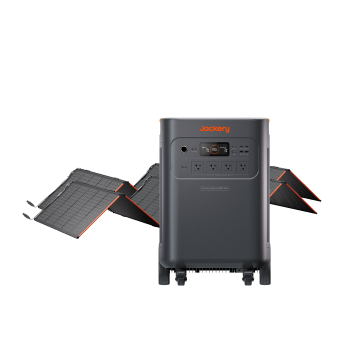
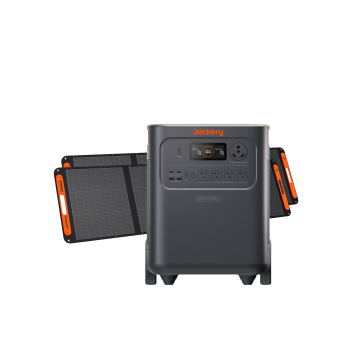
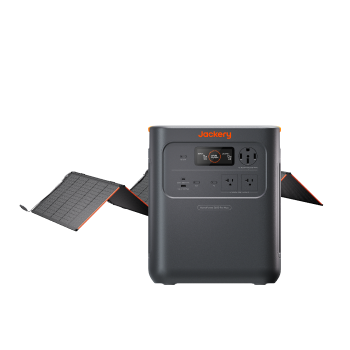
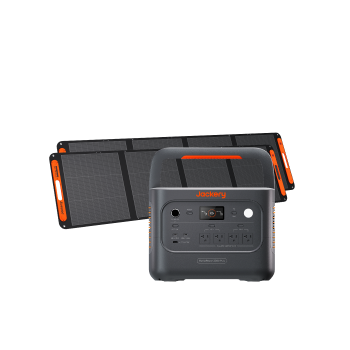
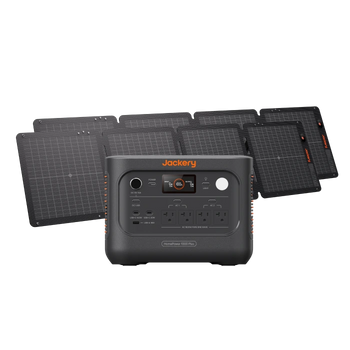
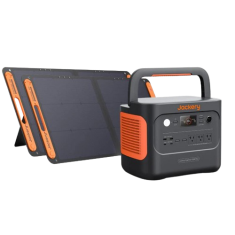
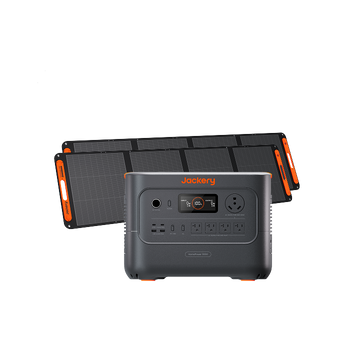
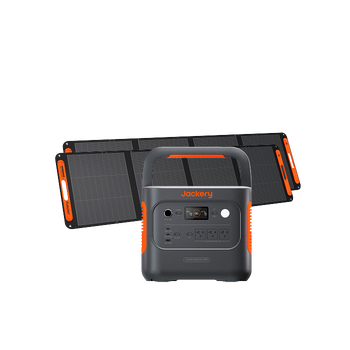
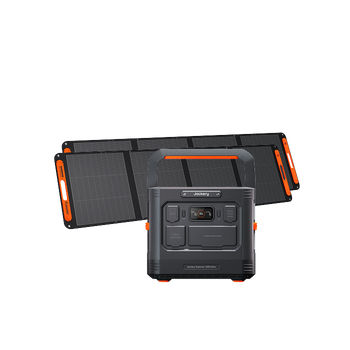
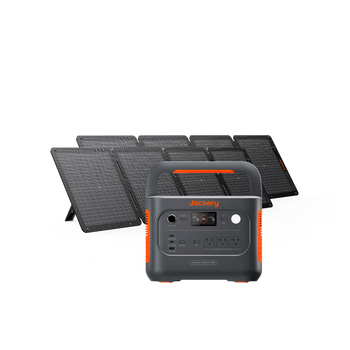
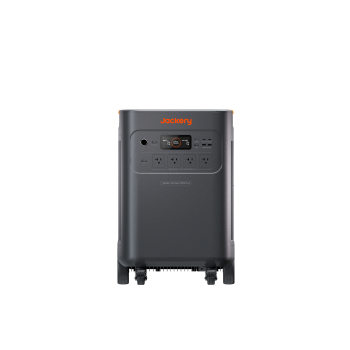
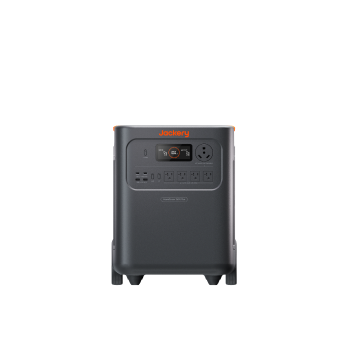
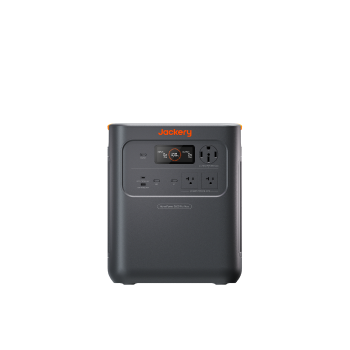
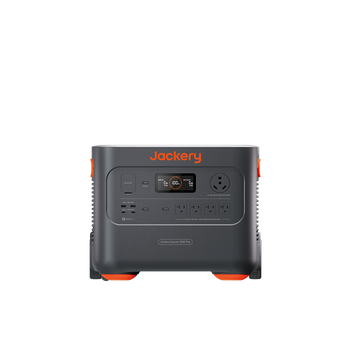
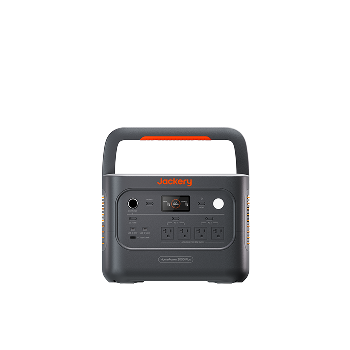
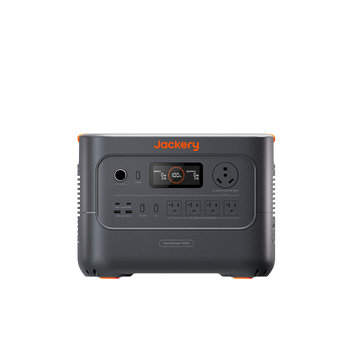
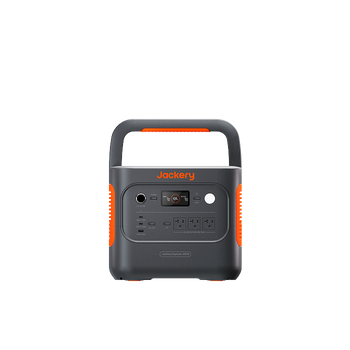
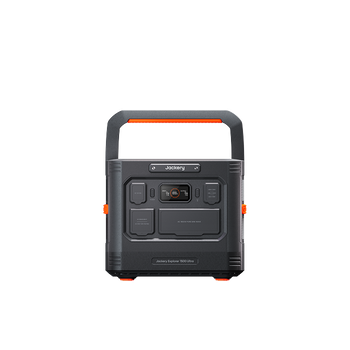
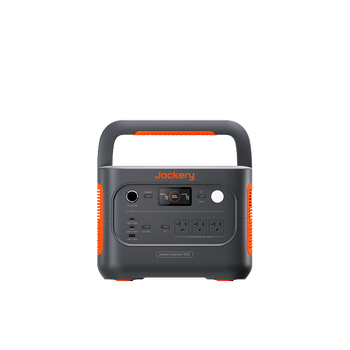
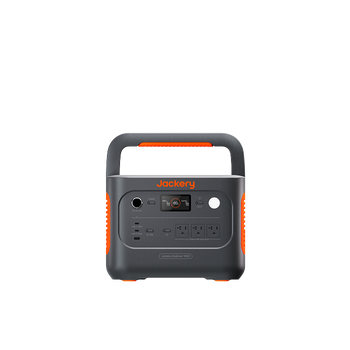
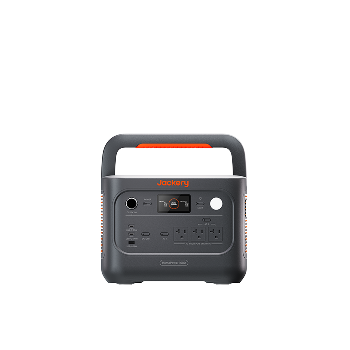
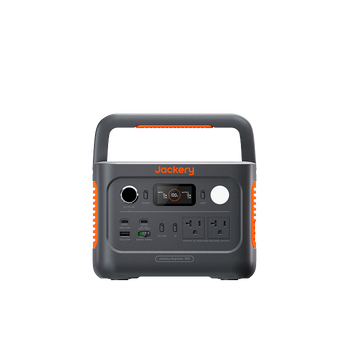
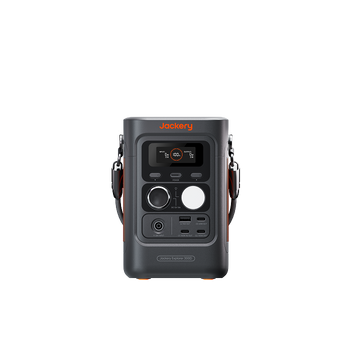
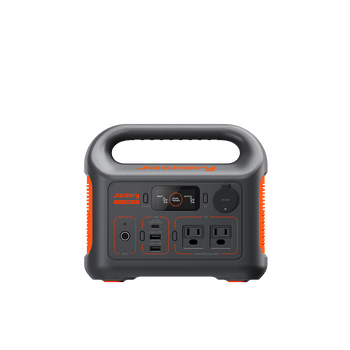
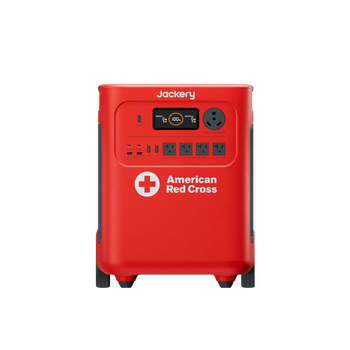
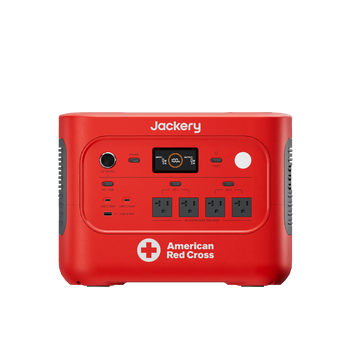
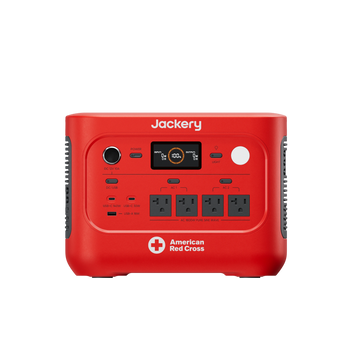
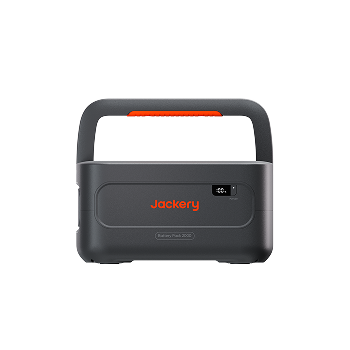
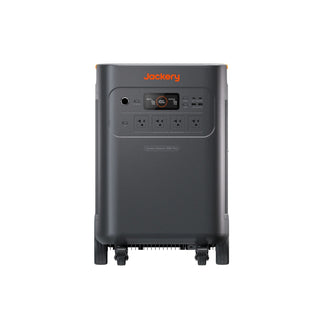
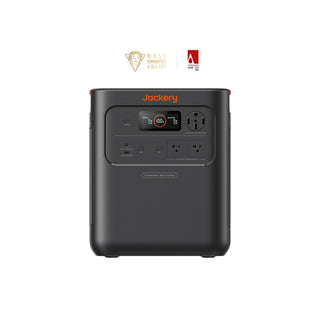
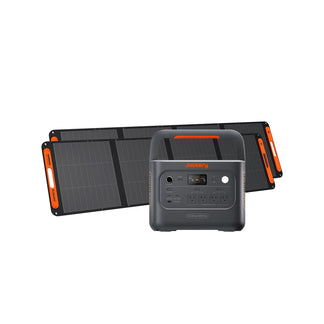
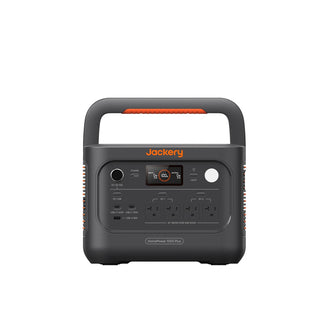
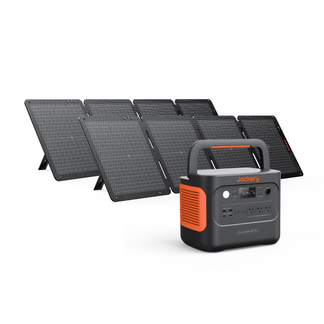
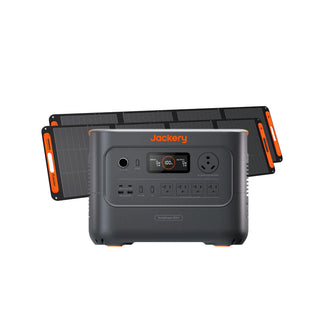
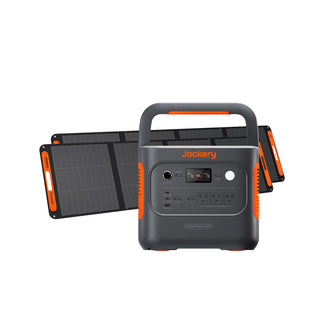
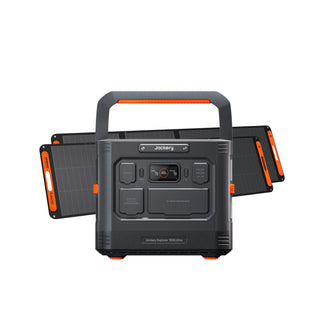
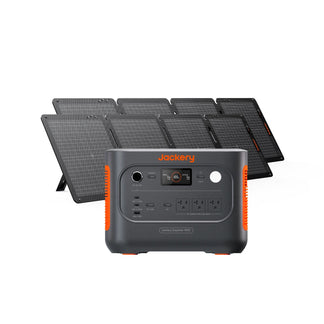
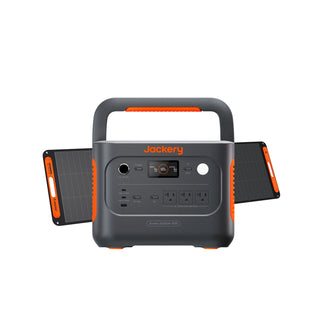
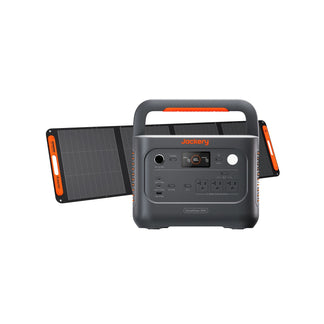
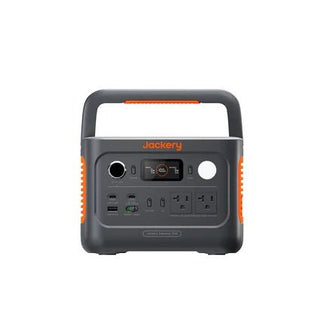
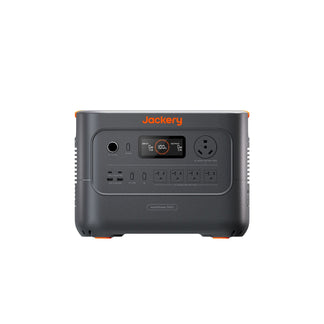
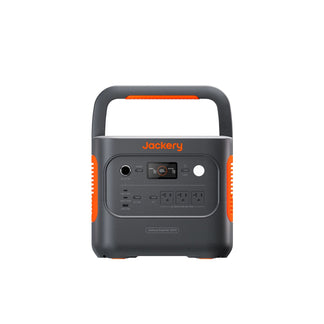
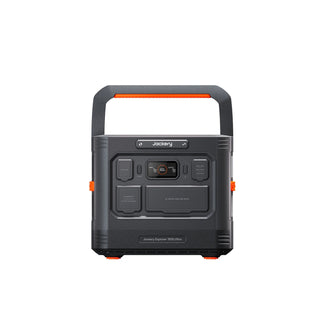
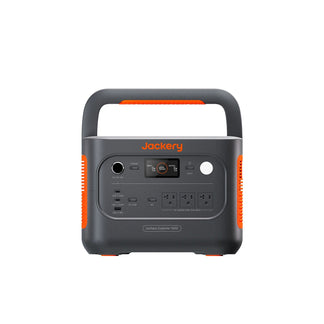
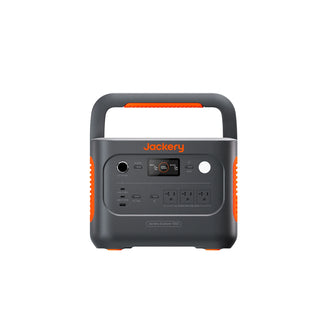
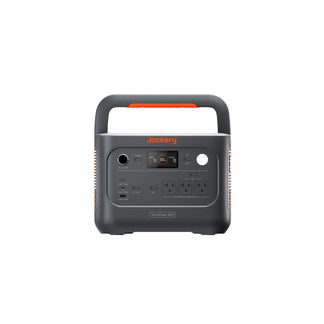
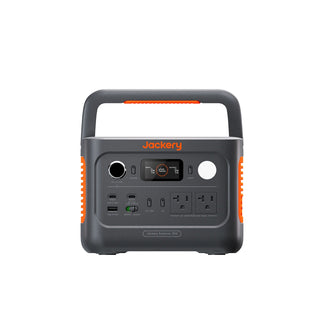
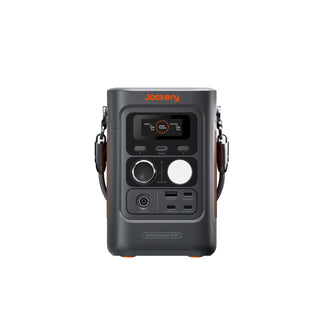
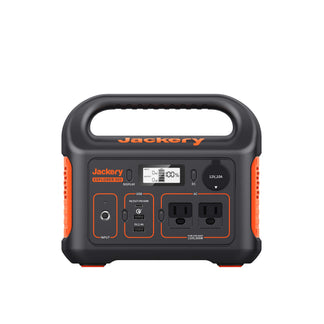
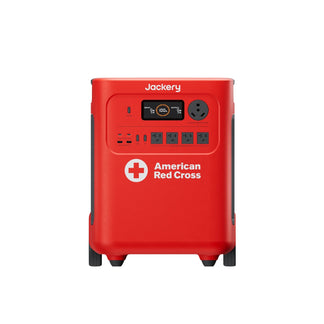
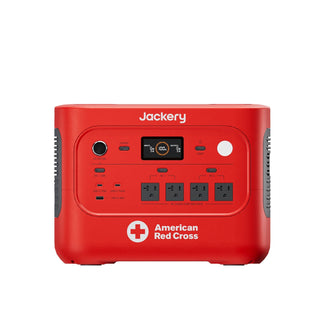
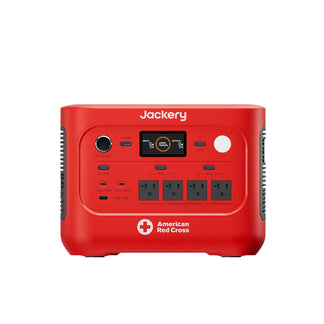
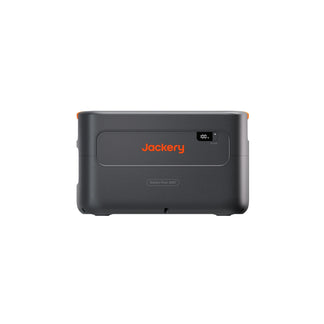
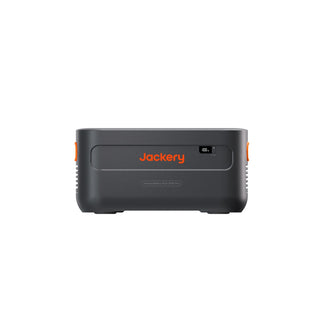
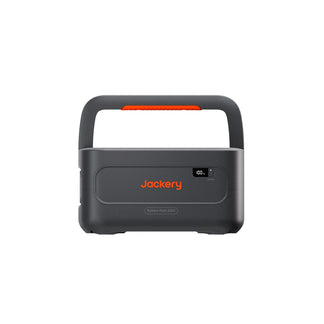
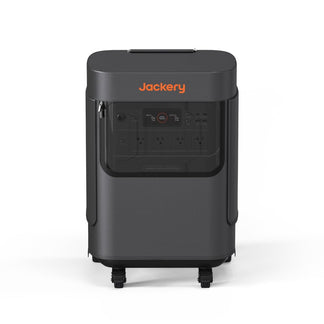
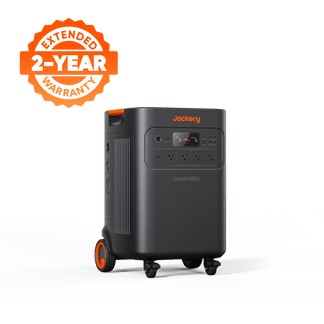
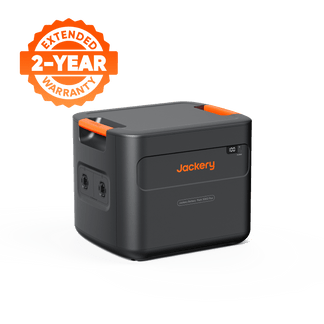
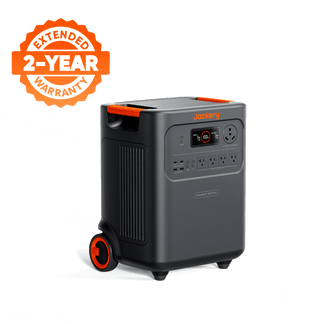
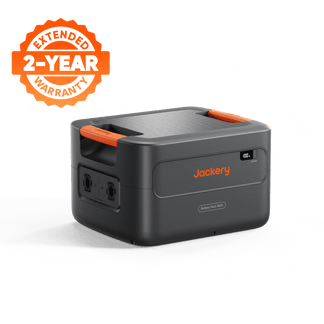
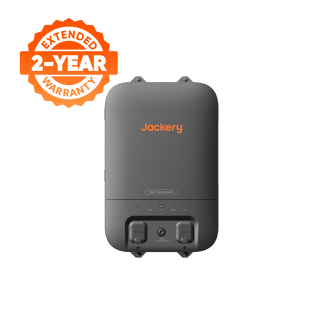
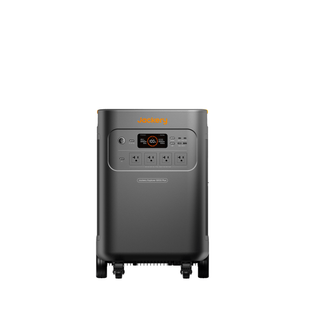
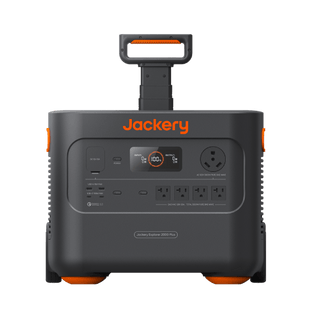
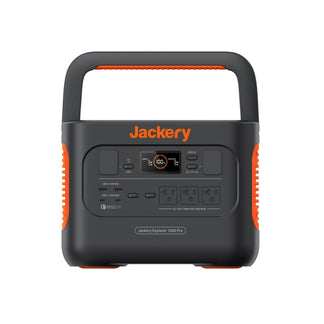
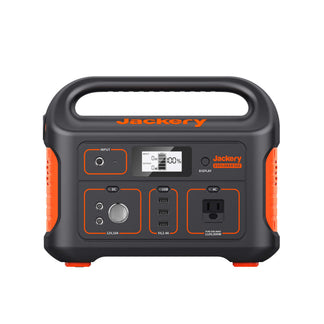
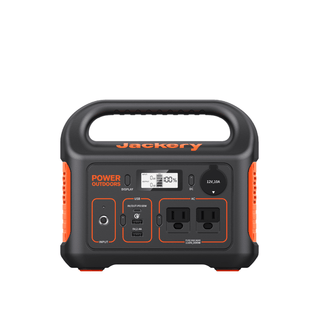
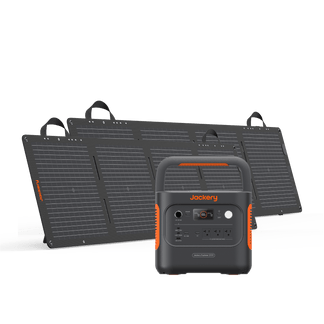
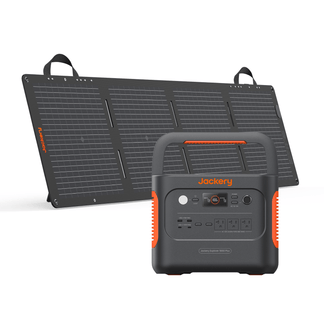
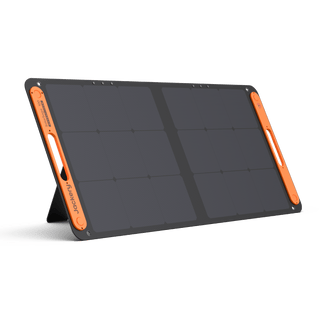
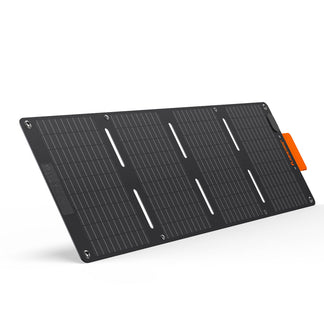
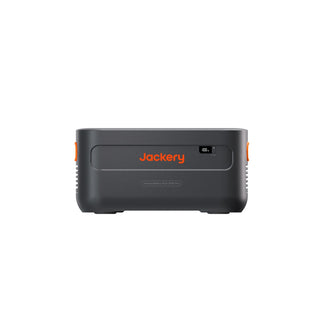
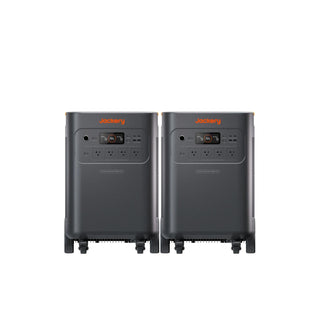
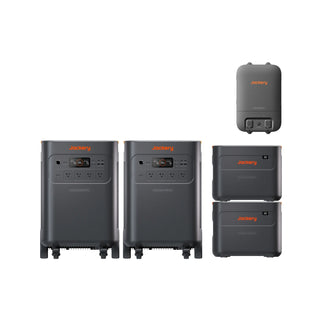
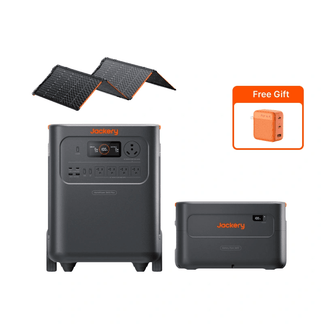
Three premium Jackery systems are engineered to handle these emergency summer loads:
|
Model |
Battery Capacity |
Recharge Speed (AC) |
Physical Weight |
Performance Highlights |
|
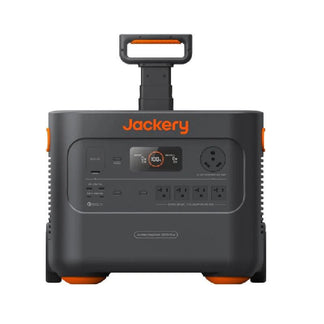
Jackery Explorer 2000 v2 |
2,042 Wh |
1.7 hours |
39.5 lbs |
Ultra-portable; charges a smartphone 80 times or runs small LED lighting and fans. |
|
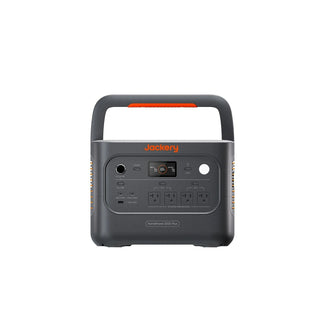
Jackery Solar Generator HomePower 3600 Plus |
3,584 Wh (Expandable up to 43 kWh) |
2.5 hours |
Heavy-Duty |
Runs a 1,000W window AC for 3 hours or a portable medical device for up to 50 hours. |
|
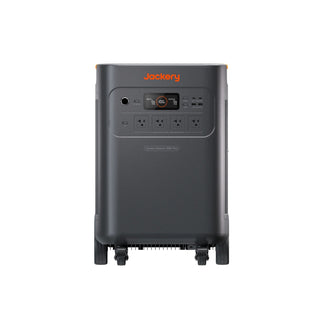
Jackery Solar Generator 5000 Plus |
5,040 Wh (Expandable up to 60 kWh) |
Solar-Compatible |
Stationary/Wheeled |
Supports 120V/240V split-phase output up to 7,200W (14,400W surge) to power well pumps or central AC units. |
Frequently Asked Questions
What is the cheapest energy supplier in my area?
Because energy rates shift constantly, the cheapest supplier is determined by your geographical location. Use state-certified comparison tools (like PA Power Switch or Ohio's Apples to Apples portal) and always compare the "all-in" total cost of the plan rather than just the advertised supply rate.
How do I find the cheapest electricity rate in Texas?
You can compare rates using the state-run Power to Choose website. However, be cautious of extremely low advertised rates (such as plans under 10 cents/kWh). These are almost always "bill-credit" plans with strict usage requirements. Safe, all-in fixed plans in 2026 typically range between 12 and 15 cents/kWh.
Should I choose a fixed-rate or variable-rate plan for summer?
Always choose a fixed-rate plan before the summer begins. Fixed-rate plans protect your household budget from the 20% to 40% price spikes that commonly hit variable-rate plans during peak cooling months. Confirm your contract has no early termination fees to keep your options flexible.
How can I lower my summer electricity bill without switching suppliers?
You can lower your consumption by adjusting your thermostat setpoint, replacing your air filter monthly, and running ceiling fans clockwise. Additionally, run heavy appliances (like washing machines and dishwashers) late at night to avoid Time-of-Use peak billing windows.
What size backup battery do I need for a summer outage?
An essential backup system (running a refrigerator, fans, and phones) requires 2 to 5 kWh of storage capacity. For home backup systems capable of running larger 240V appliances like well pumps or localized AC units, a modular 10 to 20 kWh system is recommended.


