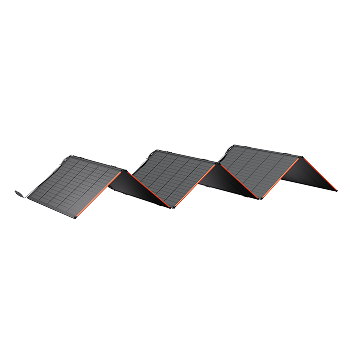
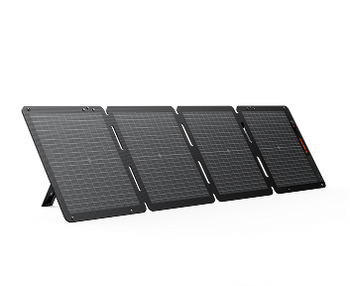
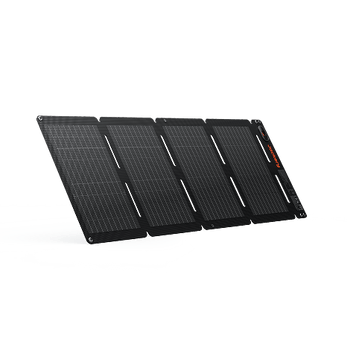






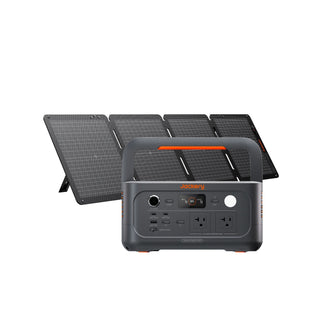
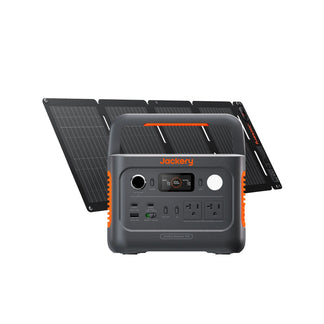
![[Add-on] Jackery SolarSaga 500 X - Jackery](http://www.jackery.com/cdn/shop/files/add-on-jackery-solarsaga-500-x-1493607.webp?v=1786503068&width=324)
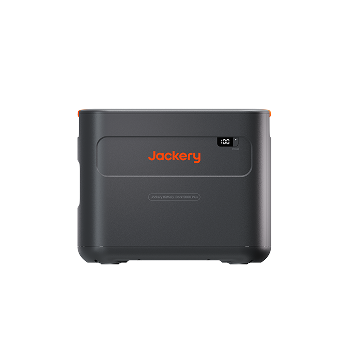
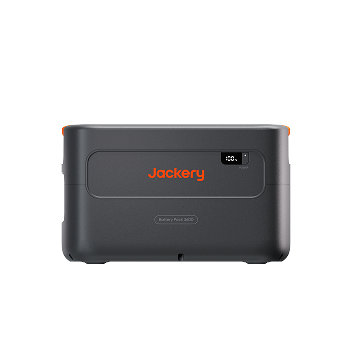
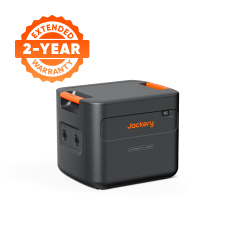
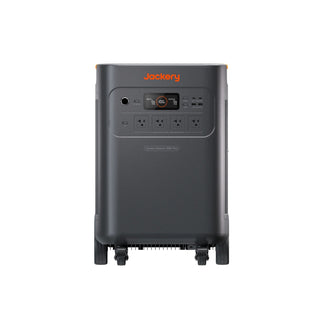
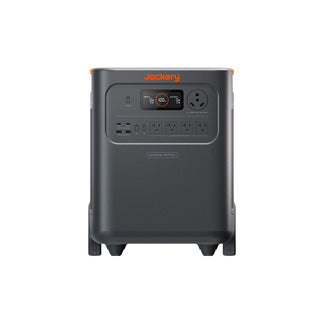
![[Add-on] Jackery Battery Pack 5000 Plus - Jackery](http://www.jackery.com/cdn/shop/files/add-on-jackery-battery-pack-5000-plus-6713401.webp?v=1786503068&width=324)



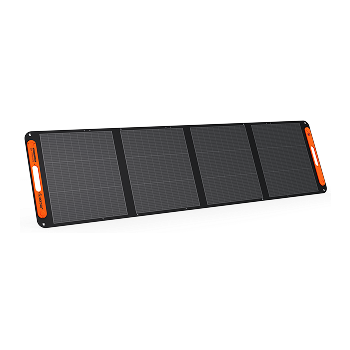
![[Add - on] SolarSaga 200W - Jackery](http://www.jackery.com/cdn/shop/files/add-on-solarsaga-200w-4834329.png?v=1754016915&width=324)


Different Types of Batteries: Alkaline, Lithium, AGM & More
Quick Answer: Batteries are either primary (single‑use) or secondary (rechargeable). Alkaline is cheap but leaks; lithium primary prevents leakage and works in extreme temperatures. For rechargeable needs, LiFePO₄ offers the safest long‑life chemistry for solar backup, AGM is spill‑proof for standby, and NiMH eliminates memory effect for high‑drain gadgets. Choose based on usage frequency and current draw.
Key Takeaways
- Alkaline batteries are cost‑effective for low‑drain devices but leak corrosive potassium hydroxide after 1–3 years in unused electronics — lithium primary and NiMH do not leak.
- Lithium primary AA/AAA cells rarely leak, weigh 30% less than alkaline, and operate from -40°C to 60°C, making them the go‑to for electronics left in storage or used outdoors.
- LiFePO₄ batteries deliver 3,000–5,000 cycles and 100% usable capacity, but they cannot charge below freezing without a built‑in heater — always check cold‑weather specs before winter use.
- AGM batteries handle cold weather better than flooded lead‑acid and are safer for standby operations, but discharging beyond 50% depth of discharge repeatedly will kill them in 300–700 cycles.
- NiMH rechargeables cost $0.02–$0.05 per use after 500–1,000 recharges, versus $0.50–$1.00 for a single alkaline — replacing alkaline with NiMH in high‑drain devices can pay for itself inside a year.
How do different battery chemistries work?
Chemistry Type |
Composition/Mechanism |
Typical Voltage |
Key Features |
Alkaline |
Zinc anode, manganese‑dioxide cathode, alkaline electrolyte |
1.5 V stable |
Low cost; prone to leakage after 1–3 years |
Lithium Primary |
Lithium‑metal anode, iron‑disulphide cathode |
1.5 V |
30% lighter than alkaline; -40°C to 60°C operating range |
NMC (Li‑ion) |
Nickel‑manganese‑cobalt cathode |
3.6–3.7 V nominal |
High energy density; moderate cycle life |
LiFePO₄ |
Lithium‑iron‑phosphate cathode |
3.2 V/cell (12.8 V pack) |
Thermal stability ~500°F; 3,000–5,000 full cycles |
AGM |
Sealed lead‑acid with electrolyte suspended in fiberglass mats |
12 V |
Spill‑proof; good surge current; limited cycle life |
NiMH |
Nickel oxyhydroxide + hydrogen‑absorbing alloy |
1.2 V |
30–40% more capacity than NiCd; no memory effect |
LiFePO₄’s cycle life and thermal stability make it the dominant chemistry in portable power stations and home backup.
Which battery type is best for everyday household devices?
The best battery depends on your device’s power needs: alkaline for low‑drain gadgets, lithium primary for high‑drain or long‑storage items, and NiMH for frequently used electronics. Here is a quick decision table:
Device / Use Case |
Recommended Battery Type |
Why |
Remote controls, wall clocks, basic flashlights |
Standard alkaline AA/AAA |
$0.50–$1.00 each, shelf life 10–15 years, no recharging hassle. |
Digital cameras, GPS units, bike lights (high‑drain) |
Lithium primary (Energizer Ultimate Lithium) |
Runs up to 100% longer than alkaline in high‑draw devices; works in freezing weather. |
Gaming controllers, wireless mice, portable audio |
NiMH rechargeable (2000–2500 mAh AA) |
Recharged up to 1,000 times; cost per use is pennies. |
Electronics left in storage (multimeters, emergency flashlights) |
Lithium primary AA/AAA |
Does not leak like alkaline; shelf life of 20 years. |
Smoke detectors |
Alkaline 9 V or AA, or lithium‑primary sealed 10‑year units |
Standard models need reliable alkaline; some models are designed for lithium 10‑year batteries. |
Pro tip: If a device lives in a drawer for months between uses, pull the alkaline batteries out. Better yet, replace them with lithium primary cells and forget about leakage.
How do you identify a battery type by sight and feel?
- Label keywords: “AGM” or “VRLA” indicate sealed lead‑acid; “Li‑ion,” “LiFePO₄,” or “Lithium” point to rechargeable lithium. “Rechargeable NiMH” removes all guesswork.
- Weight: A 12 V 100 Ah AGM weighs 60–70 lb; an equivalent LiFePO₄ weighs 25–30 lb. Among AA cells, a lithium primary feels noticeably lighter than an alkaline.
- Case design: AGM batteries have a hard, sealed plastic case with no removable caps. Lithium power stations often include an LED display or a BMS communication port. NiMH AAs look like ordinary alkalines but carry the “rechargeable” imprint.
- Resting voltage: A fully charged 12 V AGM reads about 12.7 V and drops steadily as it discharges, reaching 10.5 V when empty. A LiFePO₄ 12 V battery sits at 12.8–13.2 V and holds that plateau until more than 90% is used, then falls sharply.
- Terminal types: AGM batteries use lead‑alloy automotive posts; lithium batteries often feature brass inserts or Anderson‑style connectors.
What are the key performance differences between primary and rechargeable batteries?
Primary batteries (alkaline and lithium primary) sacrifice per‑use cost for convenience, while rechargeable batteries (NiMH, Li‑ion) trade up‑front cost for a dramatically lower cost per cycle. The table below puts the numbers side by side.
Performance Factor |
Primary (Alkaline / Lithium) |
Rechargeable (NiMH / Li‑ion) |
Energy density (AA) |
Alkaline: 2000–2800 mAh; Lithium primary: 3000+ mAh |
NiMH: 2000–2500 mAh; Li‑ion (18650): 3000–3500 mAh |
Cost per use |
$0.50–$1.00 once |
NiMH: $0.02–$0.05 after 500–1,000 charges; Li‑ion: similar |
Shelf life / self‑discharge |
Alkaline loses 2–3% per year; lithium primary holds charge for 20 years |
NiMH loses 1–2% per month (LSD NiMH improves to 1–2% per year); Li‑ion loses 5% in first 24 h, then 1–2% per month |
Temperature tolerance |
Lithium primary: -40°C to 60°C; alkaline freezes below -20°C |
NiMH loses capacity above 45°C; Li‑ion performance drops below -10°C unless heated |
Peak discharge current |
Alkaline struggles above 500 mA continuous; lithium primary handles higher pulses |
A single 18650 Li‑ion cell can deliver 10–30 A; NiMH handles 2–5 A |
For low‑drain junk‑drawer devices, primary batteries still make sense. For anything that gets used weekly, rechargeables win on cost and waste reduction.
AGM vs Lithium: which is better for backup power and solar storage?
For backup power and solar storage, LiFePO₄ is superior for daily cycling due to its long cycle life and 100% depth of discharge, while AGM remains practical for infrequent standby use.
Criteria |
AGM (Lead‑Acid) |
LiFePO₄ (Lithium‑Iron‑Phosphate) |
Cycle life (to 80% capacity) |
300–700 deep cycles |
3,000–5,000 deep cycles |
Usable depth of discharge (DoD) |
50% recommended; deeper cycling cuts life sharply |
100% daily — no penalty |
Charging speed |
4–8 h for a full charge at 0.2C |
1–2 h at 0.5–1C |
Cold‑weather behavior |
Loses capacity below 0°C but tolerates charging |
Cannot charge below 0°C/32°F without an internal heater |
Weight (100 Ah usable) |
~130 lb (200 Ah battery at 50% DoD) |
~25 lb (100 Ah battery at 100% DoD) |
Installed cost per kWh |
$200–$400 |
$800–$1,300 (typical market data) |
Best for |
Infrequent or standby use (UPS, seasonal RVs) |
Daily cycling (solar backup, off‑grid, portable power) |
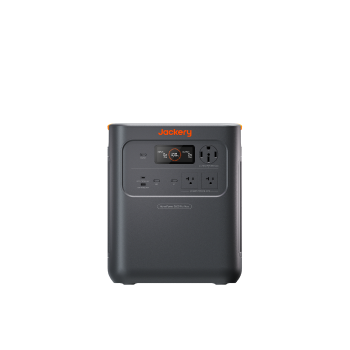
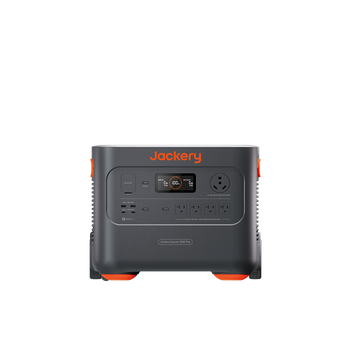
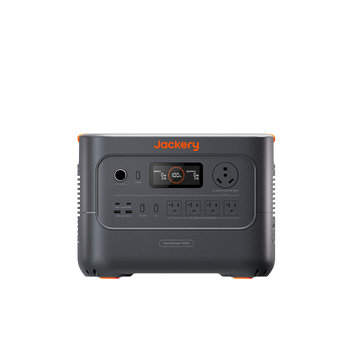
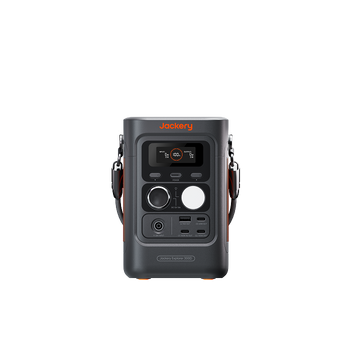
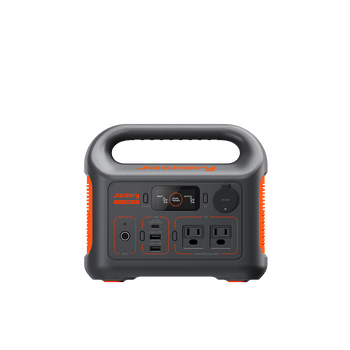
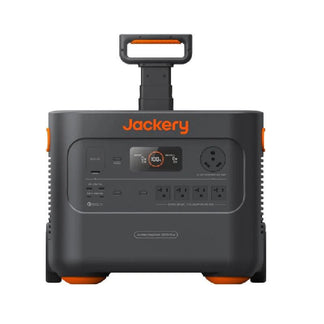
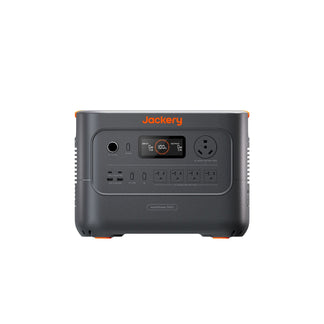
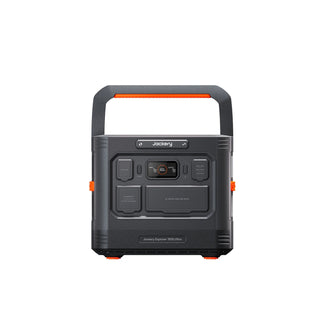
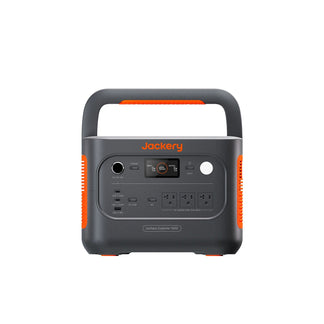
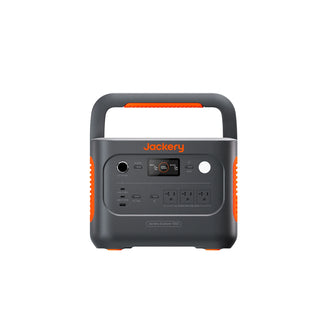
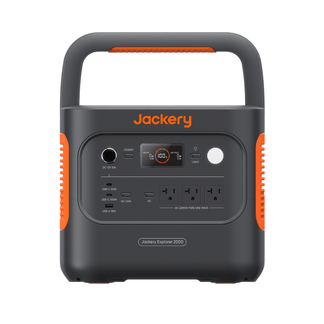
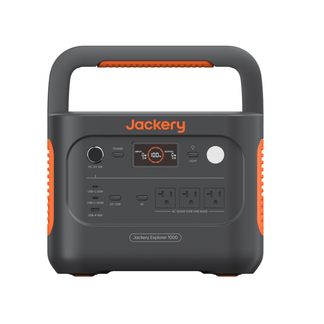
LiFePO₄’s higher upfront cost is offset by three to four times the lifetime energy throughput of a comparably rated AGM. AGM remains cost‑effective for backup that cycles only a few times a year; for regularly used portable power, LiFePO₄ is the clear choice. Jackery’s Explorer 1000 v2 and Solar Generator 2000 v2 use LiFePO₄ cells for cycle life, safety, and reduced weight. For a broader look at how a portable electric generator for home backup fits into your emergency plan, see our detailed comparison.
Common Beginner Questions About Batteries
Do lithium batteries leak?
Lithium primary AA/AAA cells rarely leak. Alkaline batteries leak because the zinc casing corrodes, often within 1–3 years. For stored devices, lithium primary is the leak‑proof choice.
Can I swap AGM for Lithium in my RV without changes?
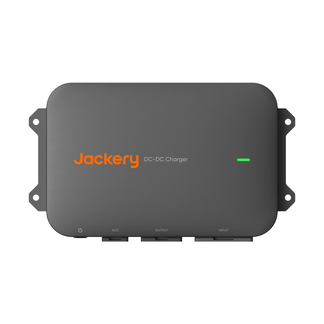
No — standard RV converters may not reach the 14.6 V absorption lithium requires, and many alternators need a DC‑DC charger to prevent overloading. A direct swap can damage the battery or alternator.
Which alkaline brand leaks least?
Independent tests show Energizer alkalines leak least; Duracell alkalines often leak within 1–3 years in unused devices.
Is Lithium worth it for infrequent use?
No — lithium’s cost advantage requires frequent cycling. For a UPS or seasonal cabin that cycles a few times a year, AGM’s lower purchase price and tolerance for standby float charging make it more practical.
How do I clean alkaline leaks?
Neutralize the potassium‑hydroxide residue with white vinegar or lemon juice, then wipe clean. For lithium cells showing swelling or leakage, do not attempt cleaning — dispose of them at a certified recycling centre immediately.
Practical Tips & Lessons Learned
- Test battery capacity with Reserve Capacity (RC), not just amp‑hours. RC measures how many minutes a battery can deliver 25 A at 80°F before falling to 10.5 V. Two batteries with the same Ah rating can deliver very different real‑world runtime.
- Winter storage: Fully charge AGM before storage (a discharged AGM can crack internal plates); store lithium at 40–60% state of charge. Heat and a full charge accelerate lithium degradation 2–3×.
- Charging losses: AGM requires roughly 15% more input energy than it outputs; LiFePO₄ wastes less, so a solar panel yields more usable watt‑hours per day with lithium.
- Voltage stability: Lithium maintains a nearly flat discharge curve until nearly empty, preventing voltage sag that can choke power‑hungry devices like portable fridges. Alkaline voltage drops steadily as it drains.
- Shelf life: Lithium primary cells retain capacity for 10–15 years; alkaline loses capacity faster and risks leakage.
Limitations / What to Know Before
- Alkaline batteries leak corrosive potassium hydroxide after 1–3 years in unused devices, destroying spring contacts. Lithium primary and NiMH eliminate this risk.
- AGM charging requires a specific profile. A flooded‑lead‑acid charger can overcharge AGM, cutting its life by 50% or more. Always select the “AGM” or “sealed” setting.
- Lithium‑ion batteries degrade when unused. Storing at 100% charge and 25°C can eat 20% of capacity per year. At 50% charge and 15°C, that drops to 4% annual loss.
- LiFePO₄ cannot charge below freezing (0°C/32°F) without a built‑in heating circuit. Check the spec sheet before deploying lithium in an unheated shed during winter.
- Never attempt to repair a leaking lithium cell. It becomes unstable and a physical shock can cause thermal runaway. Dispose through a certified recycling program.
Product Recommendation: Jackery Portable Power Stations for Battery Backup
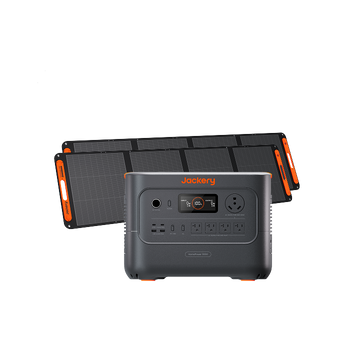
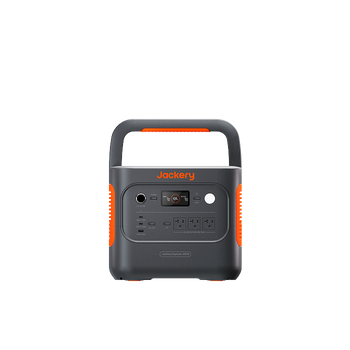
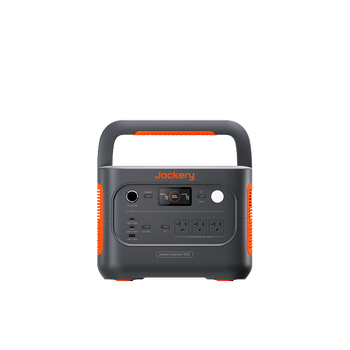
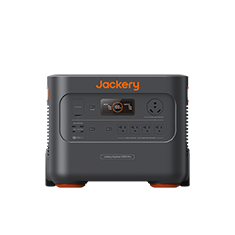
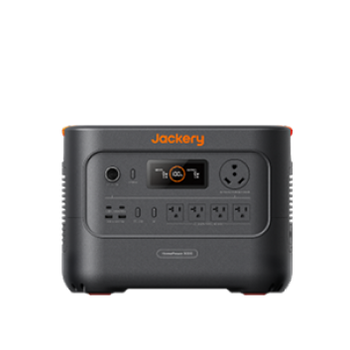
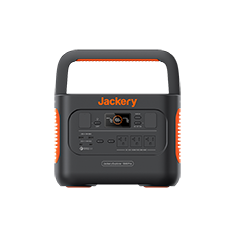
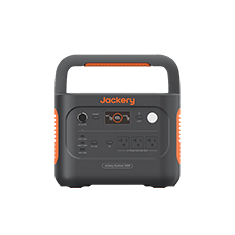
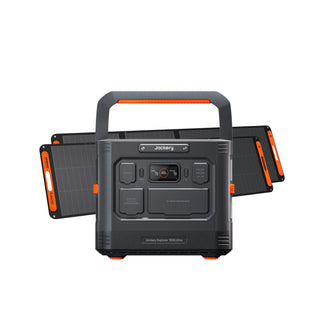
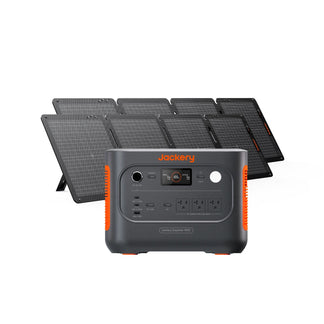
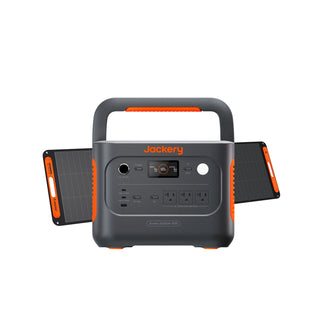
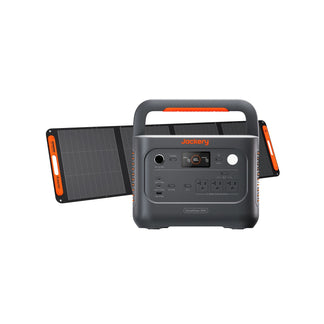
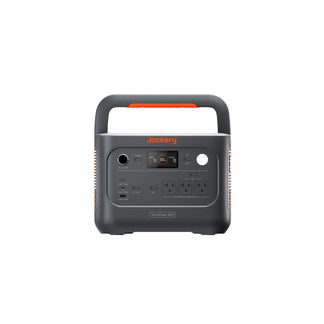
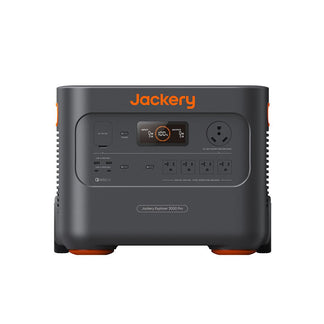
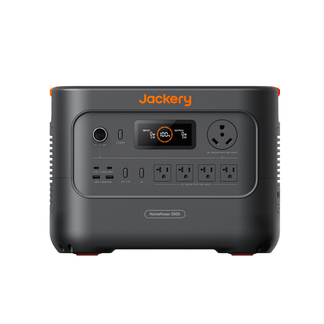
For portable battery backup, two Jackery models—the Explorer 1000 v2 and Solar Generator 2000 v2—deliver LiFePO₄’s long cycle life, full depth of discharge, and reliable home backup.
Model |
Key Specs |
What It Powers |
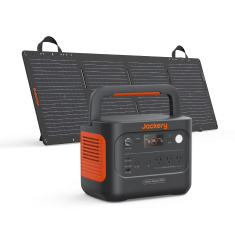
Jackery Explorer 1000 v2 |
1,070 Wh, 1,500 W continuous (3,000 W surge), 4,000‑cycle LiFePO₄ |
Refrigerator (200 W) for ~12 h, plus lights, router, and phone charging. Solar recharges in ~8 h with 200 W of solar (2× 100 W panels). |
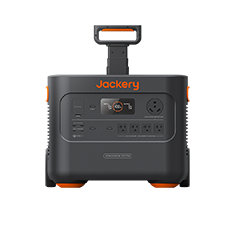
Solar Generator 2000 v2 |
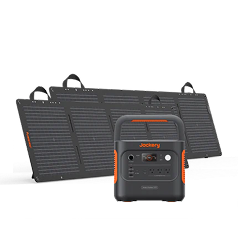
2,042 Wh, 2,200 W output, 39.5 lb, Emergency Super Charge 0‑100% in 1.7 h |
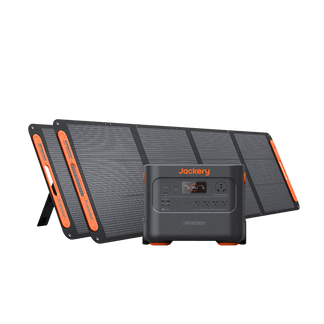
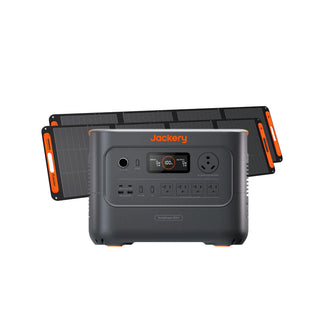
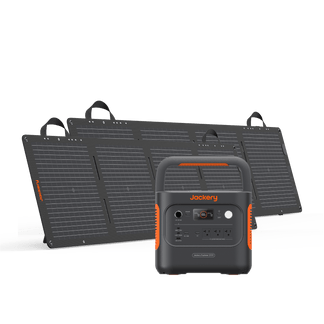
Portable AC (900 W) for 2 h, microwave (1,160 W) for 1.5 h, plus home office gear. Bundled with 2× SolarSaga 100 W panels. |
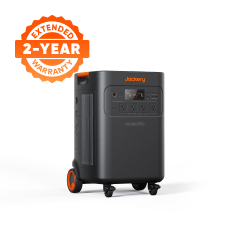
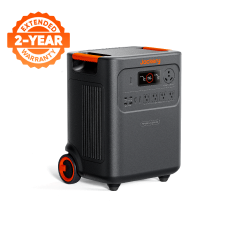
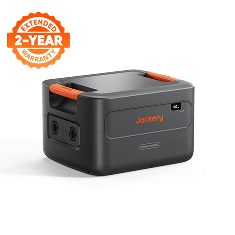
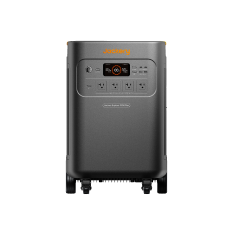
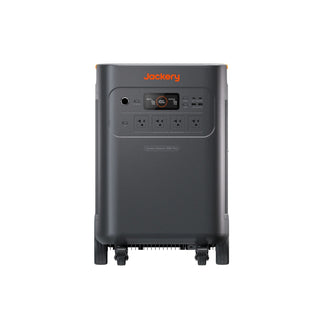
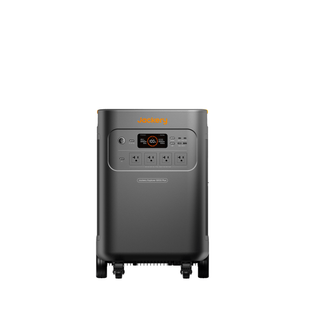
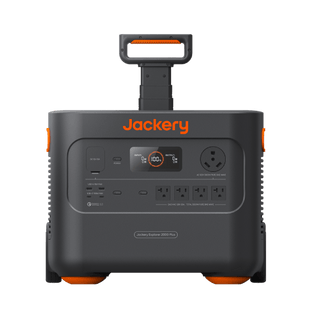
For longer outages, see the Jackery 5000 Plus. For a generator comparison, read what a Jackery is used for. The Jackery 2000 Plus walkthrough shows real‑world runtime.
Frequently Asked Questions (FAQ)
Can I mix AGM and lithium batteries in the same system?
No. Different voltage profiles cause uneven charging and permanent damage. Keep chemistries isolated.
How should I dispose of different battery types?
Alkaline and NiMH can go in household trash; lithium‑ion, lithium‑primary, and AGM batteries must be taken to a certified recycling centre.
Can I jump‑start an AGM battery safely?
Yes, using a compatible charger or jumper cables, but avoid a standard flooded‑lead‑acid charger, which can overcharge the AGM.
Are NiMH rechargeables safe for smoke detectors?
Not recommended. Their lower nominal voltage (1.2 V vs. 1.5 V) can trigger false low‑battery alarms in detectors designed for alkaline cells.
How do I store a lithium‑ion battery long‑term?
Store at 40–60% charge in a cool, dry place (around 15°C/59°F) to minimize capacity loss. Avoid full charge and high temperatures.
