


















![[Add - on] Jackery Manual Transfer Switch for Explorer 5000 Plus - Jackery](http://www.jackery.com/cdn/shop/files/add-on-jackery-manual-transfer-switch-for-explorer-5000-plus-9017324.png?v=1754016782&width=350)




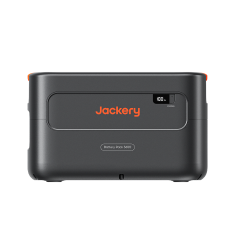
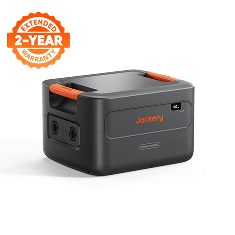
![[Add - on] Jackery Battery Pack 5000 Plus - Jackery](http://www.jackery.com/cdn/shop/files/add-on-jackery-battery-pack-5000-plus-6078351.png?v=1754016791&width=324)


![[Add - on] Jackery Car Charging Cable - Jackery](http://www.jackery.com/cdn/shop/files/add-on-jackery-car-charging-cable-3882421.png?v=1754016863&width=324)











![[Add - on] Jackery Smart Transfer Switch - Jackery](http://www.jackery.com/cdn/shop/files/add-on-jackery-smart-transfer-switch-5842915.png?v=1754016784&width=324)
![[Add - on]Jackery 102W GaN 3 - Port Fast Charger - Jackery](http://www.jackery.com/cdn/shop/files/add-onjackery-102w-gan-3-port-fast-charger-6377742.png?v=1754016790&width=324)


![[Add - on] SolarSaga 200W - Jackery](http://www.jackery.com/cdn/shop/files/add-on-solarsaga-200w-4834329.png?v=1754016915&width=324)

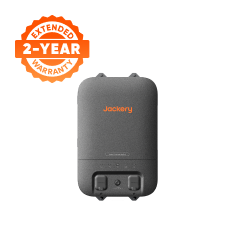
![[Add - on] Jackery Manual Transfer Switch for Explorer 5000 Plus - Jackery](http://www.jackery.com/cdn/shop/files/add-on-jackery-manual-transfer-switch-for-explorer-5000-plus-9017324.png?v=1754016782&width=324)


Rising utility rates and frequent grid outages are driving US homeowners toward energy independence. But the upfront investment remains a major hurdle.
Understanding the true whole house battery backup cost requires looking past marketing claims. You must analyze hardware, hidden installation fees, and long-term return on investment (ROI).
This guide breaks down 2026 pricing realities, regional cost variations, and how the recent expiration of the 30% Federal Tax Credit impacts your budget. We also explore budget-friendly, plug-and-play alternatives to expensive hardwired systems.
The Reality of Whole House vs. Critical Load Costs
Marketing materials often blur the lines, but powering an entire home exactly as normal is drastically more expensive than buyers expect.
True whole-home backup requires powering every circuit, including heavy draws like HVAC units, well pumps, and EV chargers. This demands 30 to 40+ kWh of capacity. It pushes budgets well past $30,000 before incentives.
Most homeowners actually need a critical load system. A 10 to 15 kWh setup powers essentials like refrigerators, lights, and routers. This critical load approach costs a much more manageable $10,000 to $15,000.
Understanding kW vs. kWh and Surge Load Pricing
Cost depends on both power output (kW) and energy capacity (kWh).
The kWh is the reservoir. It dictates exactly how long the battery lasts during an outage. The kW is the pipe. It determines how many appliances can run simultaneously.
The average US home draws 1.2 kW normally. However, it peaks at 10 to 15 kW when the HVAC or electric dryer kicks on. Handling this massive surge load requires expensive, high-output inverters, which significantly increases your total system price.
The True Cost of a Whole House Battery Backup in 2025-2026
The average installed whole-home battery system costs between $11,000 and $21,000. Premium whole-home setups frequently exceed $30,000.
Battery prices dropped 16% in 2024. Professionally installed systems now average $1,300 to $1,500 per kilowatt-hour (kWh). Uninstalled, standalone residential battery equipment ranges from $700 to $800 per kWh.
Regional cost variations are extreme. Installation costs range from $992/kWh in states like Iowa to a staggering $1,600/kWh in Connecticut.
Climate-specific hardware also impacts price. Premium systems designed to handle extreme temperatures (-4°F to 131°F) cost more upfront. However, they prevent winter efficiency drops of 10-20%, protecting your investment in colder climates.
Complete Cost Breakdown: Where Does Your Money Go?
A whole house battery backup cost is rarely just the price of the battery. Here is exactly where your money goes during a standard installation:
- Equipment (60-70% of total): The battery unit itself costs $7,000 to $15,000. Essential hybrid inverters add another $1,000 to $3,000.
- Labor and Installation: Professional installation adds $2,000 to $5,000. This depends heavily on your geographic location and site accessibility.
- Electrical Upgrades: Retrofitting older homes often requires a critical load panel or smart electrical panel upgrade. Expect to pay $1,000 to $2,000 for this electrical work.
- Permits and Soft Costs: Local code approvals, inspections, and utility interconnection fees typically add $350 to $1,500 to the final bill.
- Delivery and Disposal: Crating, hazardous materials handling, and eventual disposal fees can add an unexpected $150 to $2,500.
Sizing Your System: How Capacity Dictates the Final Price
System capacity is the single biggest driver of your solar battery storage system cost.
- Small Systems (6-10 kWh): Costing $6,000 to $12,000, these run essential loads like refrigerators, Wi-Fi, and lights for 10-24 hours.
- Medium Systems (13.5-18 kWh): Costing $15,000 to $25,000, these provide 8-12 hours of backup for an average US home consuming 28.9 kWh daily.
- Large Systems (20-40+ kWh): Costing $25,000 to $40,000+, these can power heavy loads like HVAC systems for 1-3 days.
To determine your exact power needs, start by identifying the appliances you must run during an outage. Check the rated and starting wattage of these appliances. Add the total rated wattage and the highest starting wattage to match the overall power needed for your inverter.
Here is a table revealing the rated and starting wattage consumed by common household appliances:
|
Appliance |
Rated (Running) Watts |
Starting Watts |
|---|---|---|
|
Dishwasher |
1300 |
1800 |
|
Washing Machine |
1200 |
2400 |
|
Refrigerator/Freezer |
500 |
1500 |
|
Light Bulb |
50 |
0 |
|
Clothing Iron |
1500 |
0 |
|
Dryer |
5400 |
7000 |
|
Space Heater |
2000 |
0 |
|
Microwave |
1000 |
0 |
|
TV |
150 |
0 |
|
Vacuum |
1440 |
2500 |
|
Coffee Maker |
1000 |
0 |
Financial Incentives: Navigating the Post-Tax Credit Landscape
With the 30% Federal Tax Credit (Residential Clean Energy Credit) officially ending on December 31, 2025, hardwired systems have become significantly more expensive for 2026 buyers. However, you still have ways to reduce your out-of-pocket expenses through local programs:
- State-Specific Rebates: While the federal credit is gone, state-level programs like California’s SGIP, New York’s NY-Sun, and Connecticut's Energy Storage Solutions remain active and can significantly lower your total system costs.
- Virtual Power Plants (VPPs): Enrolling your battery in VPP grid-sharing programs allows utilities to draw from your battery during peak demand. This can earn you $200 to $1,000 annually in utility compensation.
Brand Comparisons and Hidden Long-Term Costs
Not all batteries are created equal. The Tesla Powerwall 3 dominates the market at roughly $15,400 installed, offering a strong balance of capacity and cost. Premium alternatives like the FranklinWH aPower 2 cost around $17,500 installed but offer superior cold-weather performance. The LG ESS Home 8 provides a highly efficient 14.4 kWh capacity for around $14,000. Modular systems like the Generac PWRcell allow you to scale up gradually.
When comparing brands, look at the battery chemistry. Modern Lithium Iron Phosphate (LFP) batteries last 10 to 15 years and offer 6,000 to 8,000 cycles. Older lead-acid batteries present a false economy. While cheaper upfront, they only last 5 to 7 years and require constant maintenance, making them far more expensive over a 20-year period.
You must also account for the depth of discharge (DoD). Draining a battery to zero destroys its lifespan. Systems must be sized to maintain a 20-80% charge, which is regulated by a built-in battery management system (BMS).
Standard warranties cover 10 years and guarantee 70% capacity retention. Replacing a degraded battery out of warranty will cost an estimated $5,000 to $12,000.
Solar Integration for Maximum ROI
Pairing batteries with solar panels provides infinite daytime recharging.
This reduces grid reliance by 60-80% and generates $10,000 to $20,000 in lifetime savings. A standalone battery only provides finite backup during an outage. A complete solar battery storage system costs more upfront, but it pays for itself by slashing daily utility bills.
Budget-Friendly Alternatives: Portable vs. Hardwired Systems
Hardwired whole-house battery systems are a massive financial commitment. If you want to avoid $5,000 installation fees and permit delays, portable solar generators are the ultimate alternative.
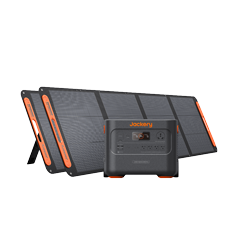
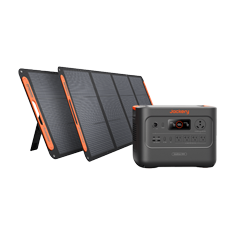
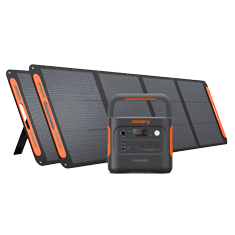
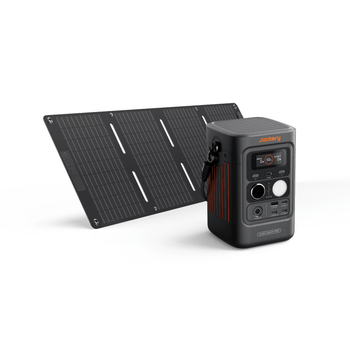
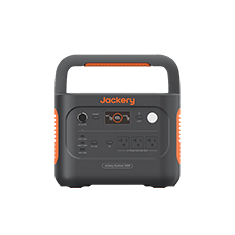
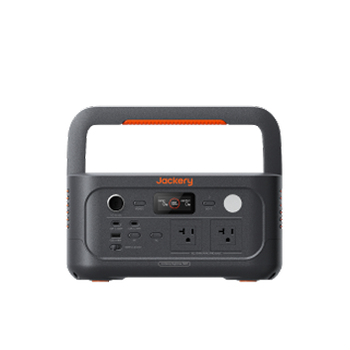
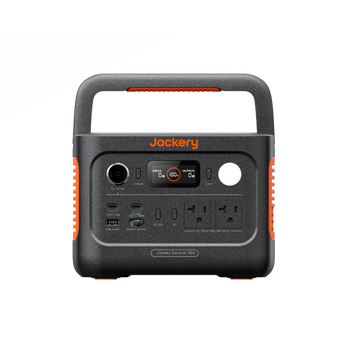
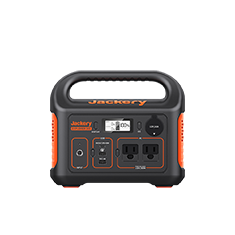
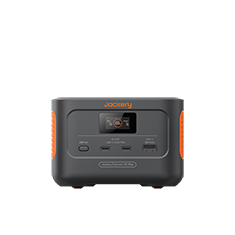
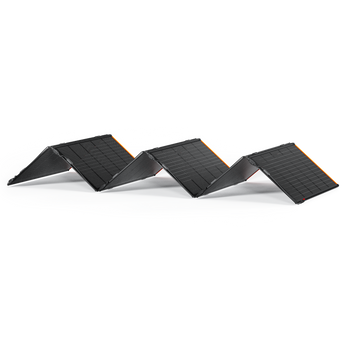
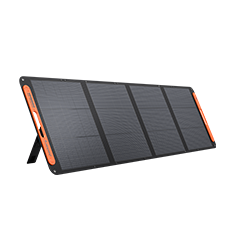
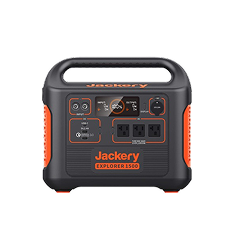
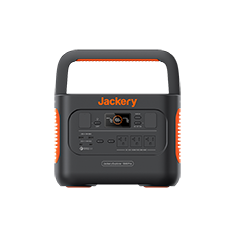
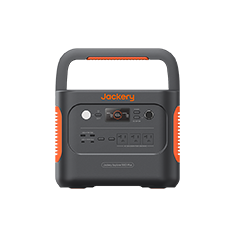
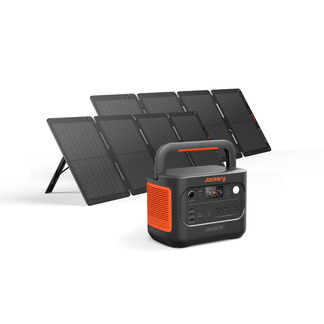
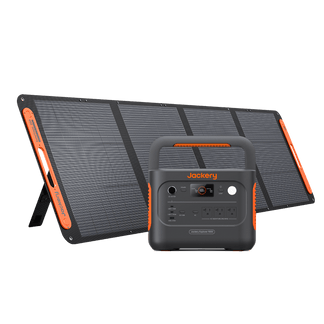
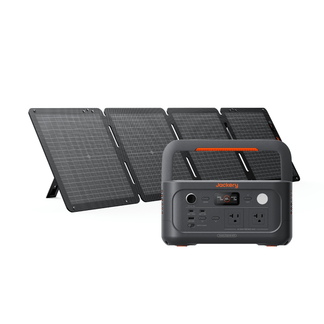
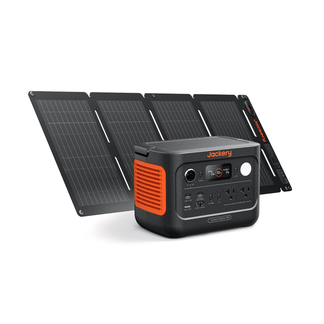
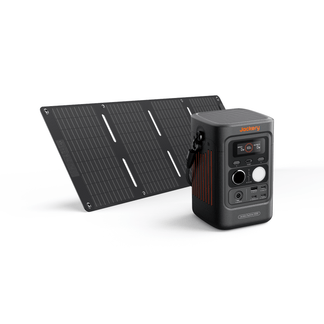
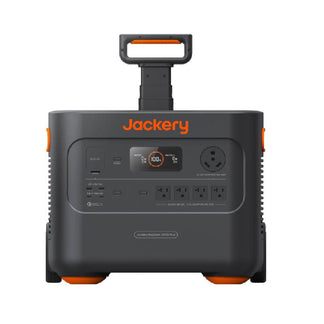
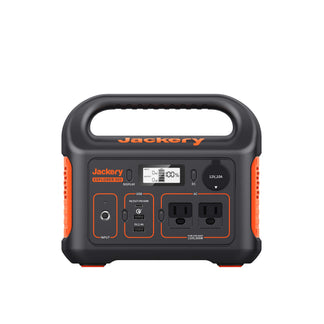
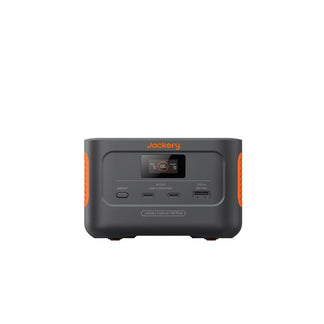
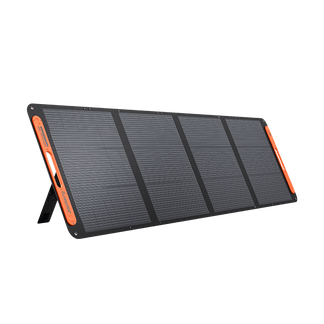
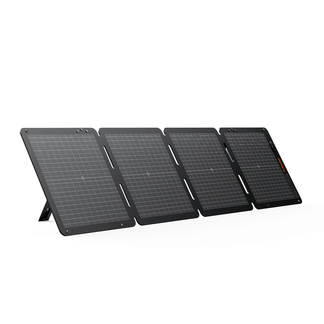
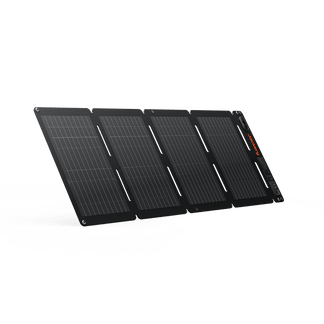
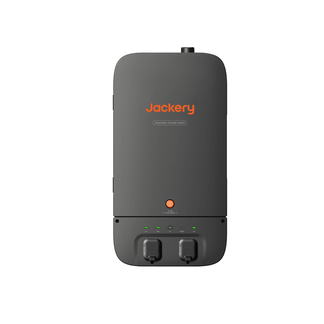
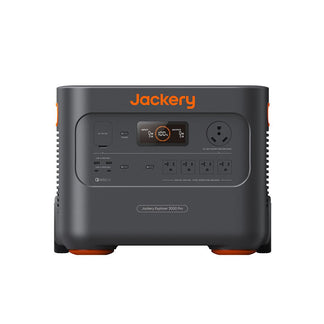
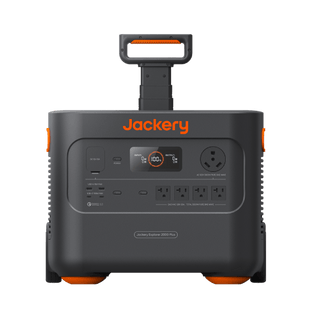
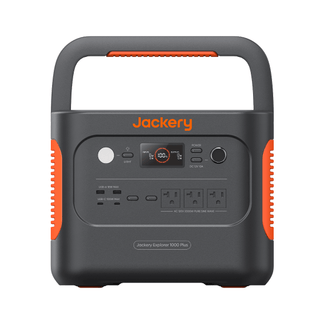
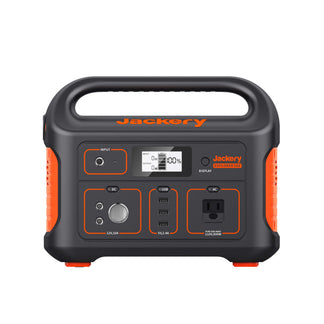
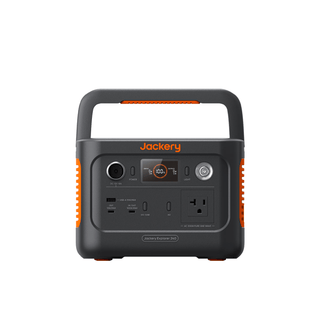
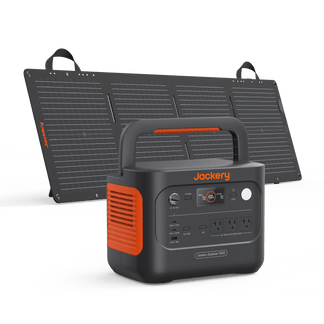
Jackery offers powerful, reliable, plug-and-play backup power solutions. You can connect these directly to your home circuit panel via a manual transfer switch. They offer reliable backup power during outages at a fraction of the cost of a hardwired system.
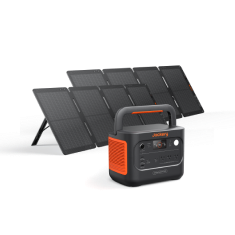
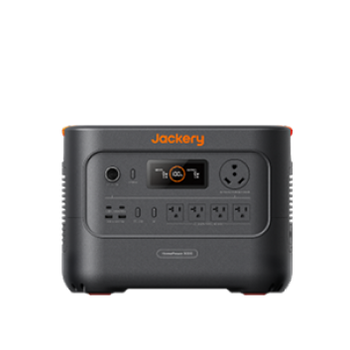
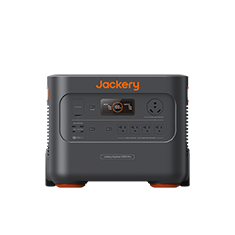
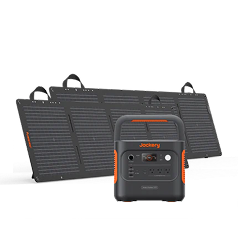
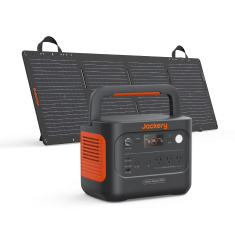
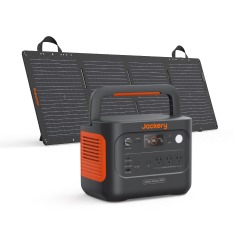
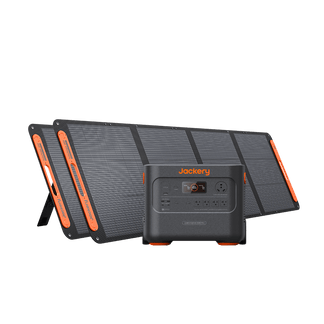
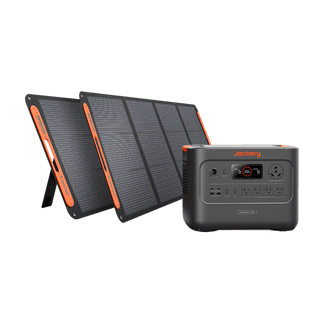
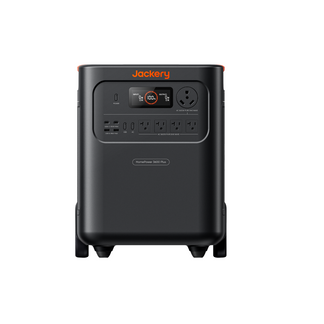
Jackery Solar Generator HomePower 3600 Plus
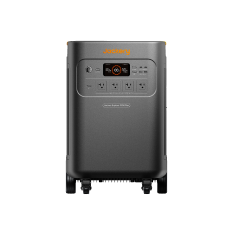
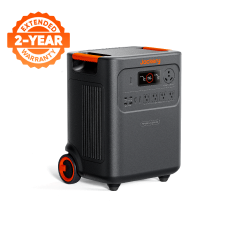
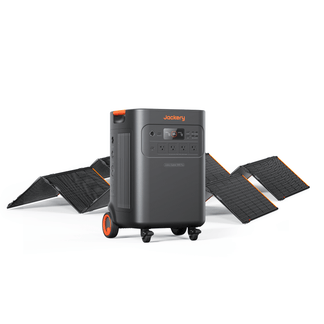
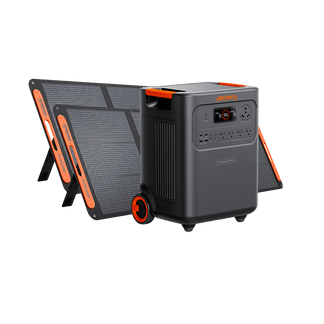
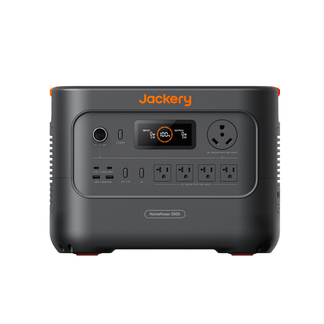
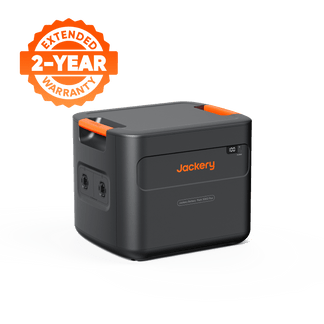
The Jackery Solar Generator HomePower 3600 Plus is a high-capacity powerhouse designed specifically for home backup. It features a premium LiFePO4 battery that safely powers most household appliances during severe grid failures.
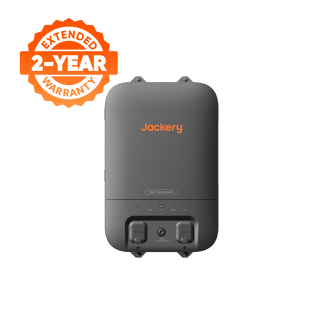
You avoid expensive labor costs entirely. A licensed electrician can easily integrate the Jackery Solar Generator HomePower 3600 Plus into your home circuits via a manual transfer switch in under an hour. You can select critical circuits directly from your breaker panel—keeping your refrigerator running, your lights on, and your Wi-Fi active.
Appliances Running Time:
- CPAP Machine (60W) = 48.5H
- Refrigerator (500W) = 5.8H
- Coffee Maker (800W) = 3.6H
- Window AC (500W) = 5.8H
- Electric Grill (1500W) = 1.9H (Note: Calculations are for reference and may vary based on actual appliance efficiency.)
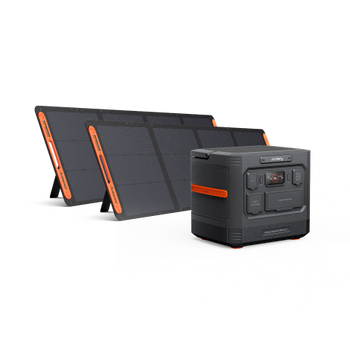
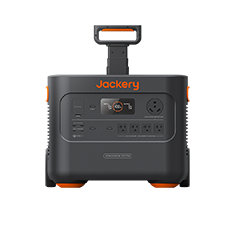
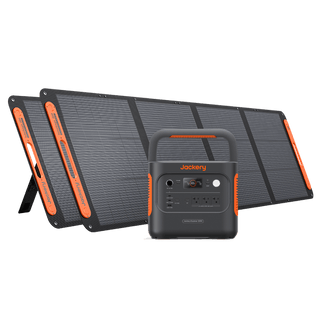
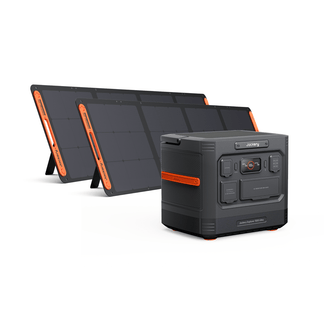
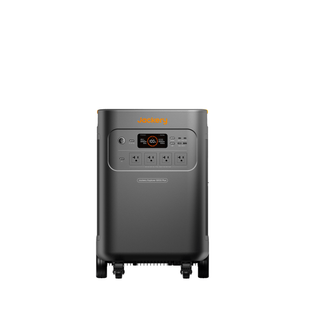
Jackery Solar Generator 5000 Plus
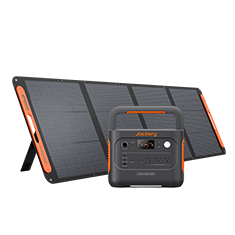
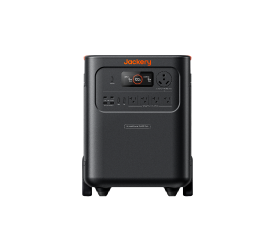
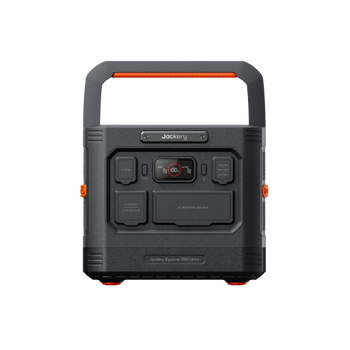
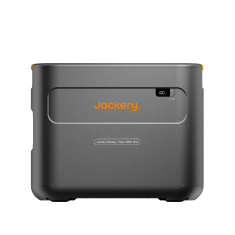
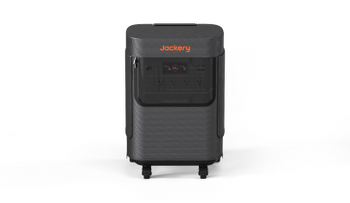
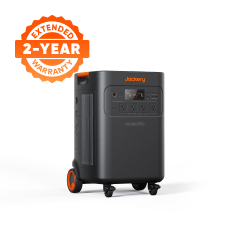
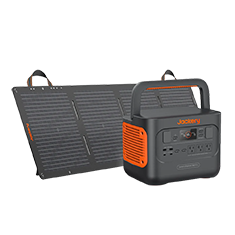
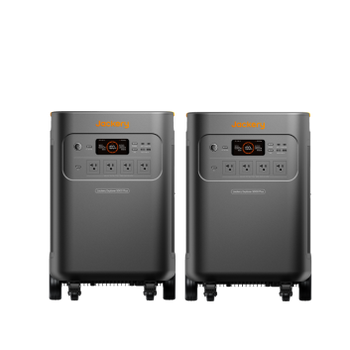
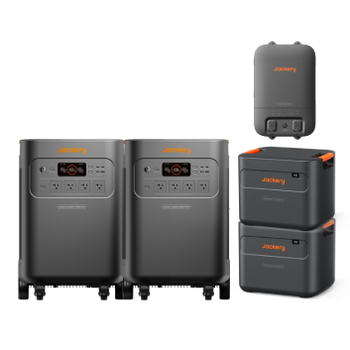
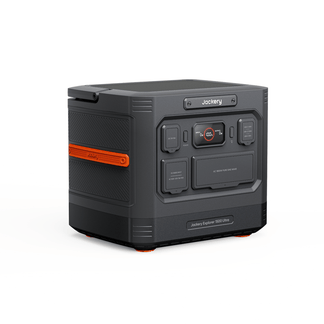
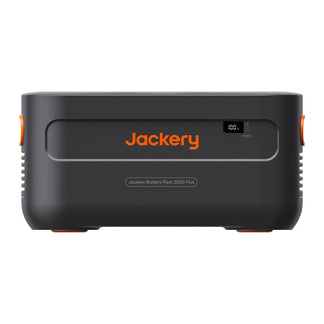
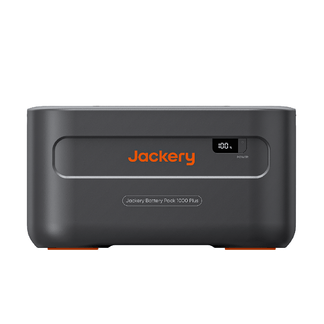
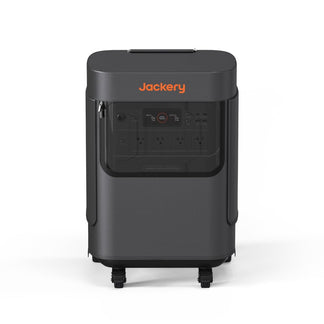
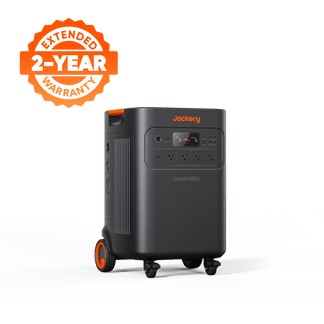
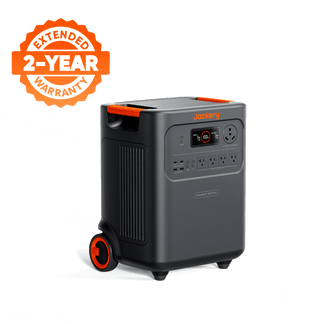
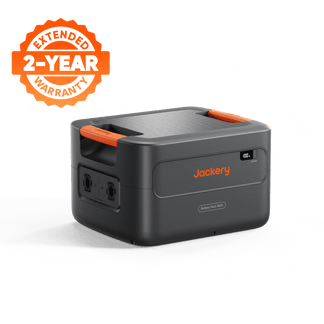
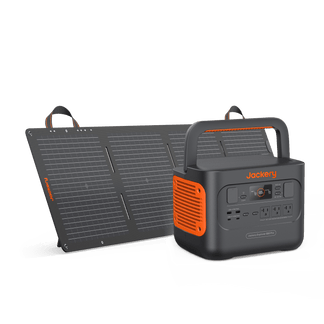
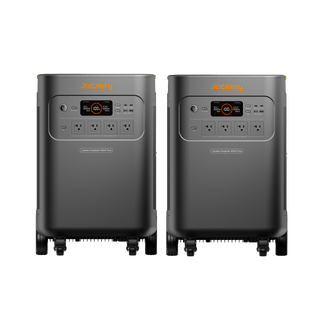
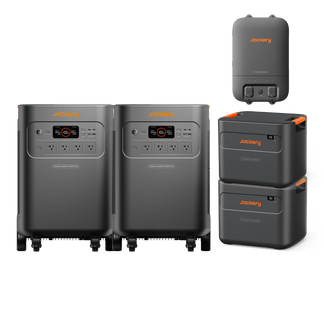
The Jackery Solar Generator 5000 Plus is the ultimate, most trusted whole home battery backup system for extended outages. It boasts a massive expandable capacity (up to 60kWh) and 7200W to 14400W output, easily supporting heavy-duty devices for days.
The 120V/240V dual voltage support ensures this generator easily powers high-demand appliances like well pumps, dryers, and electric ranges. With 0ms power transition, your essential rooms never lose power. It fully recharges in just 1.7 hours via wall outlet or utilizes 4000W of ultra-fast solar input to keep you off-grid indefinitely.
Appliances Running Time:
- CPAP Machine (60W) = 71.4H
- Refrigerator (500W) = 8.5H
- Space Heater (2000W) = 2.1H
- Air Purifier (50W) = 85.6H
- Well Pump (1000W) = 4.2H

The Danger of DIY Whole House Battery Backup
While it is technically possible to source individual components for a home battery, it is strongly recommended to hire a professional electrician.
Installing a whole home battery backup isn't like hooking up an appliance to a wall outlet. These systems wire directly into high-voltage home electricity panels. Unpermitted DIY electrical work voids your homeowner's insurance and presents severe fire risks.
If you want a DIY-friendly solution, stick to portable power stations that plug directly into your appliances or use a professionally installed manual transfer switch.
Whole House Battery Backup FAQs
What size solar generator do I need for my home?
The size depends entirely on your total wattage consumption. To determine how long a Jackery Solar Generator can run your appliances, calculate your critical load (e.g., fridge + lights + Wi-Fi = ~800W). Match this against the capacity of the Jackery Solar Generator HomePower 3600 Plus or Jackery Solar Generator 5000 Plus.
How many batteries do I need to run my whole house?
An average American household uses around 28.9 kWh per day. To run the entire house normally, you need between 15kWh and 30kWh of battery storage. If you only back up essential circuits, a 5kWh to 10kWh system is sufficient.
How long will a 10kW battery power a house?
A typical household uses around 700-1000 watts per hour, so a 10kWh battery theoretically lasts 10-12 hours. However, if you only run essential appliances and manage power consumption carefully, it can last up to 24 hours during a power outage.
How long will a house battery last?
Modern Lithium Iron Phosphate (LiFePO4) home batteries last 10 to 15 years. Older lead-acid batteries typically require replacement after just 3 to 5 years. Daily deep discharging will shorten any battery's lifespan.
How many solar panels to charge a 10kW battery?
A standard residential solar panel produces 300W to 500W. To charge a 10kWh battery in a single day (assuming 5 hours of peak sunlight), you need approximately 2000W of solar input, which equates to four to seven high-efficiency panels.
Is a Whole House Battery Backup Cost Worth It?
A whole house battery backup is a premium investment. It is best suited for areas with frequent outages, high Time-of-Use (TOU) rates, or strict net metering policies.
Even without solar, batteries save money through TOU arbitrage. Charging the battery off-peak and discharging it during expensive peak hours generates $500 to $2,000 in annual savings.
How does it compare to a generator?
Traditional standby generators cost less upfront (around $7,000) but require constant fuel and maintenance. Batteries cost more ($15,000+) but offer daily utility bill savings and silent, clean operation.
When should you avoid the investment?
If you live in an area with a highly stable grid and 1:1 full-retail net metering, a battery offers minimal financial return.
To optimize your whole house battery backup cost, conduct a strict energy audit. Backing up only essential circuits can save you $10,000+ compared to a true whole-home backup. Now that the 30% Federal Tax Credit has expired, the $11,000 to $21,000 price tag of a hardwired system is entirely out-of-pocket for 2026 buyers. If that is out of reach, portable solutions are the definitive answer. Jackery Solar Generators provide massive battery capacities, zero installation fees, and the reliability you need to keep your lights on when the grid goes dark.